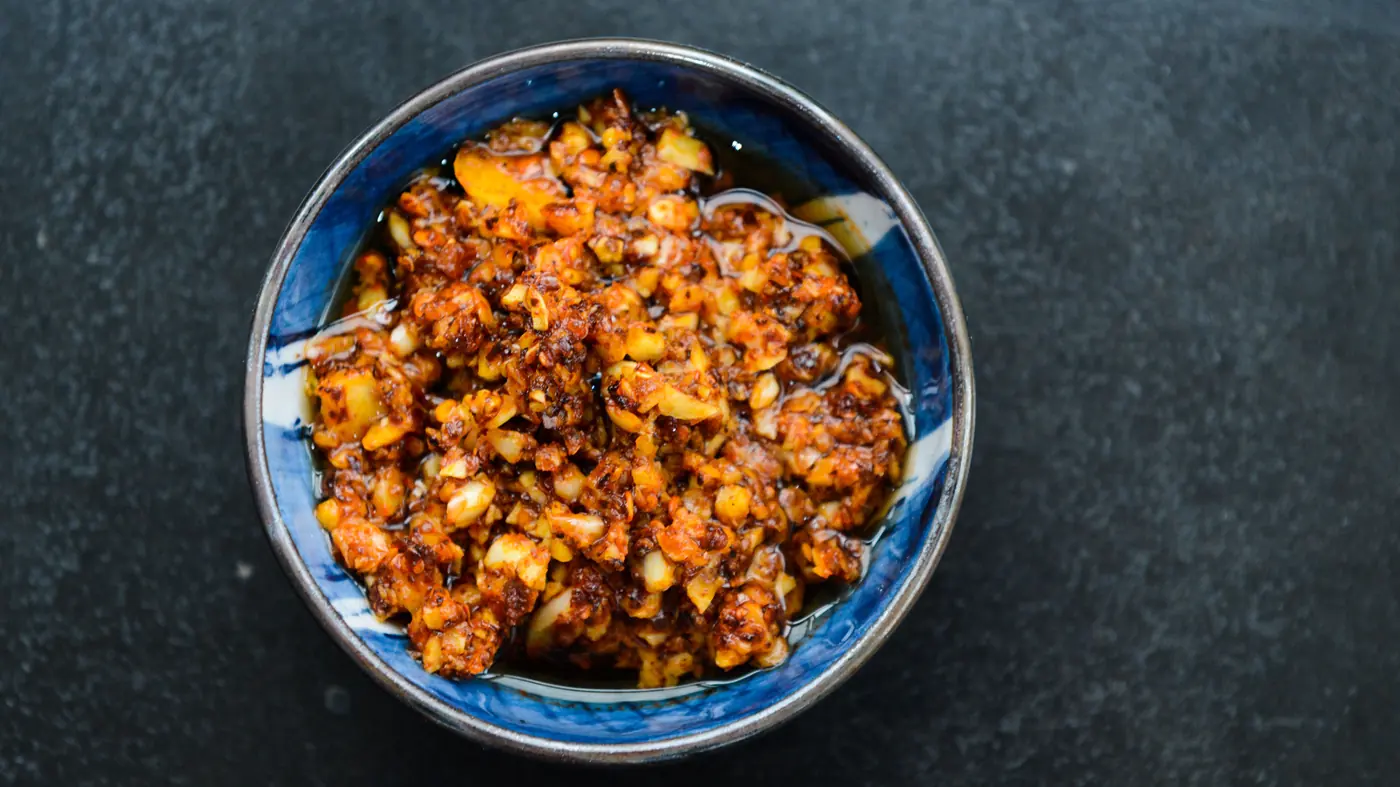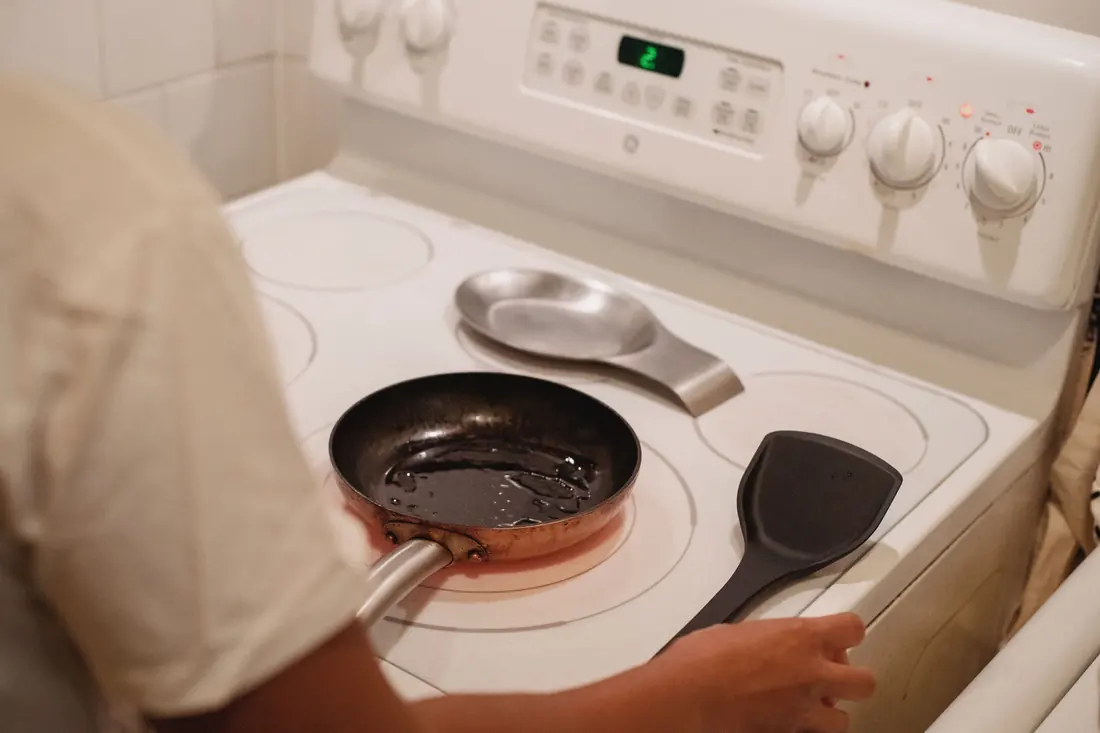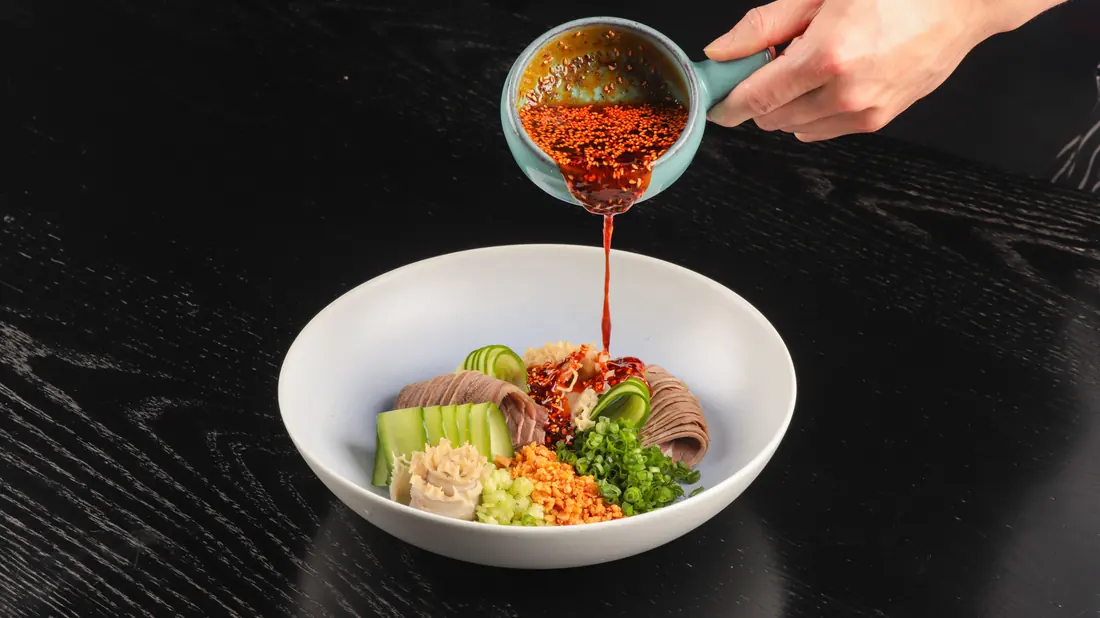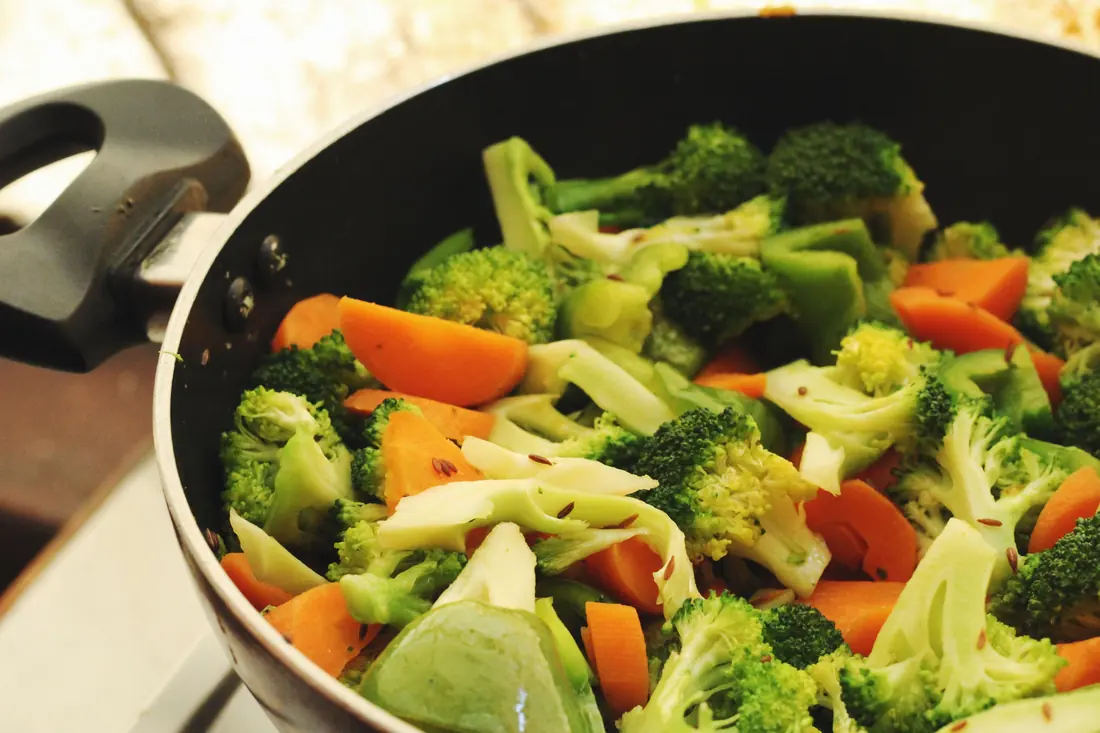
Author: Speed Cooking

  • Why Asian Food Is Served Family Style

    Why Asian Food Is Served Family Style

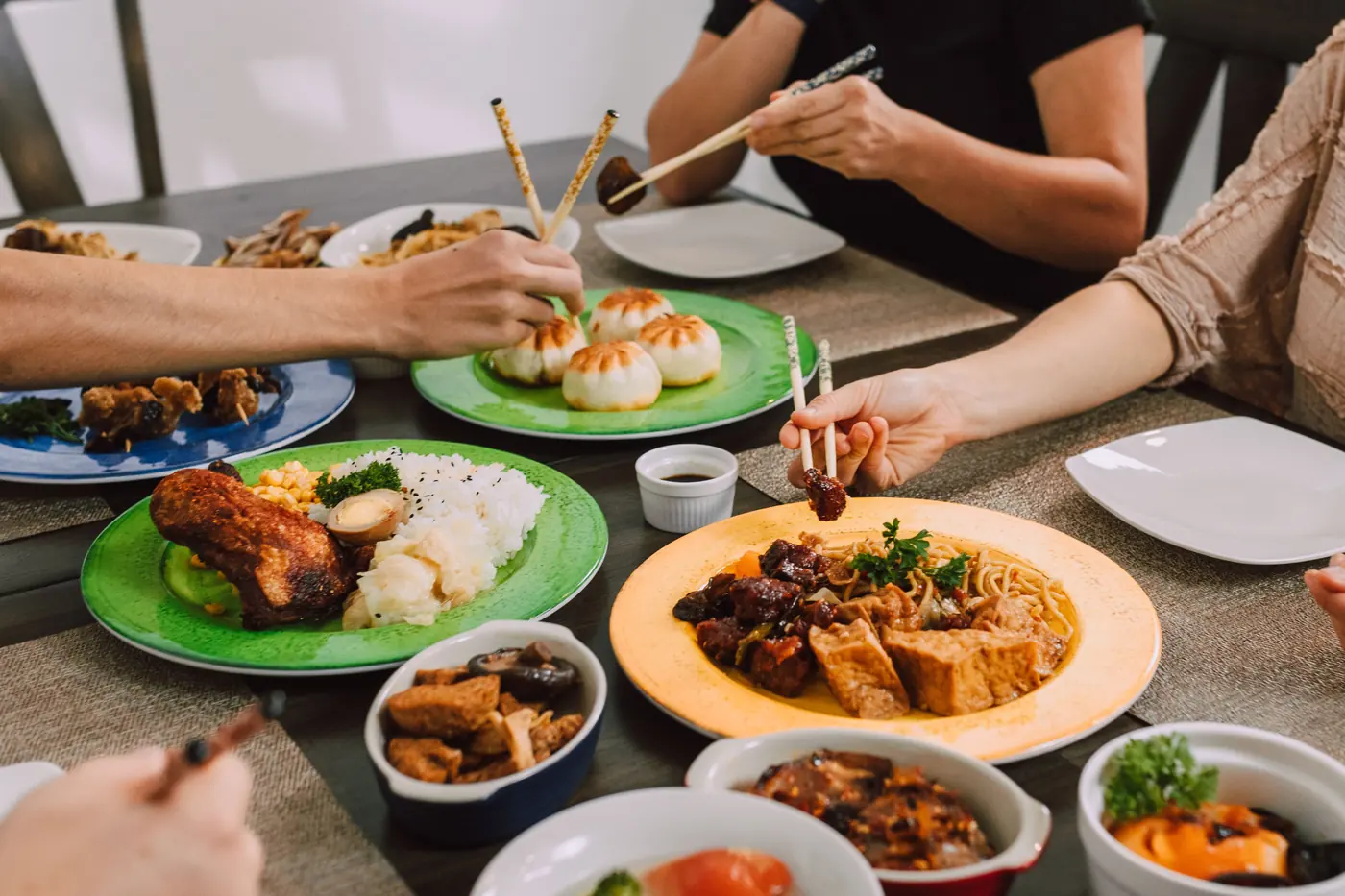
    Dishes arrive when they are ready, they go in the middle, and everybody eats from all of them. If you are used to ordering a starter and a main that belong to you, this takes some adjusting to – and it changes how you should order.

    What family style actually means

    Dishes are shared rather than assigned. Each person usually has a bowl of rice and a small plate, and everything else is placed in the centre for the table to work through together.

    It is not a service style a restaurant chose. It is how the food is designed to be eaten, and the dishes themselves assume it.
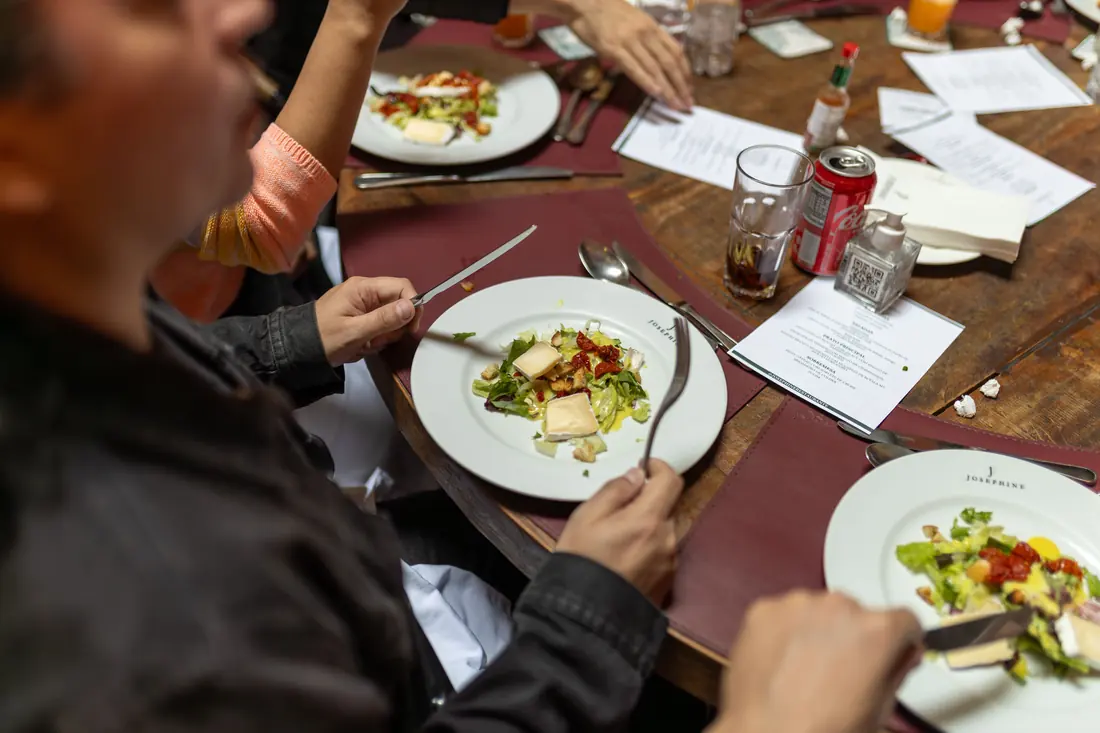
    People eating together at a table

    Why the food works this way

    The logic is about balance across a meal rather than within a plate. A Western main course is built to be complete on its own – a protein, a starch, a vegetable, balanced in one place.

    A Chinese table is balanced across the whole spread instead. One dish is rich, another is light; one is fried, another steamed; one is heavily seasoned, another plain. No single dish is trying to be a whole meal, and eating one on its own is a slightly unbalanced experience by design.

    Britannica’s overview of Chinese cuisine sets out how regionally varied that tradition is, but the shared structure holds across most of it.
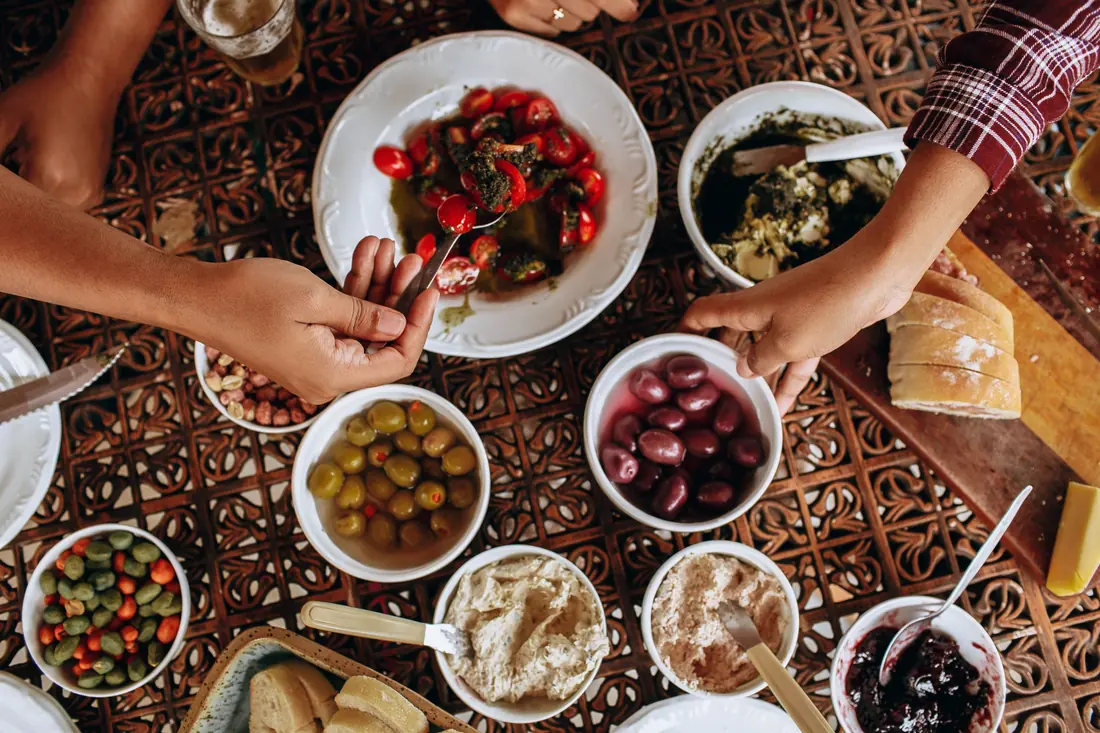
    Hands reaching across a table of shared dishes

    Rice is the anchor, not a side

    This is the piece that most often gets missed. The rice is not an accompaniment to the dishes – the dishes are accompaniments to the rice.

    That relationship explains why so many shared dishes are intensely flavoured. They are seasoned to be eaten in small amounts against a large quantity of something plain, and a dish that seems too salty on its own is usually correctly seasoned for the way it is meant to be eaten.
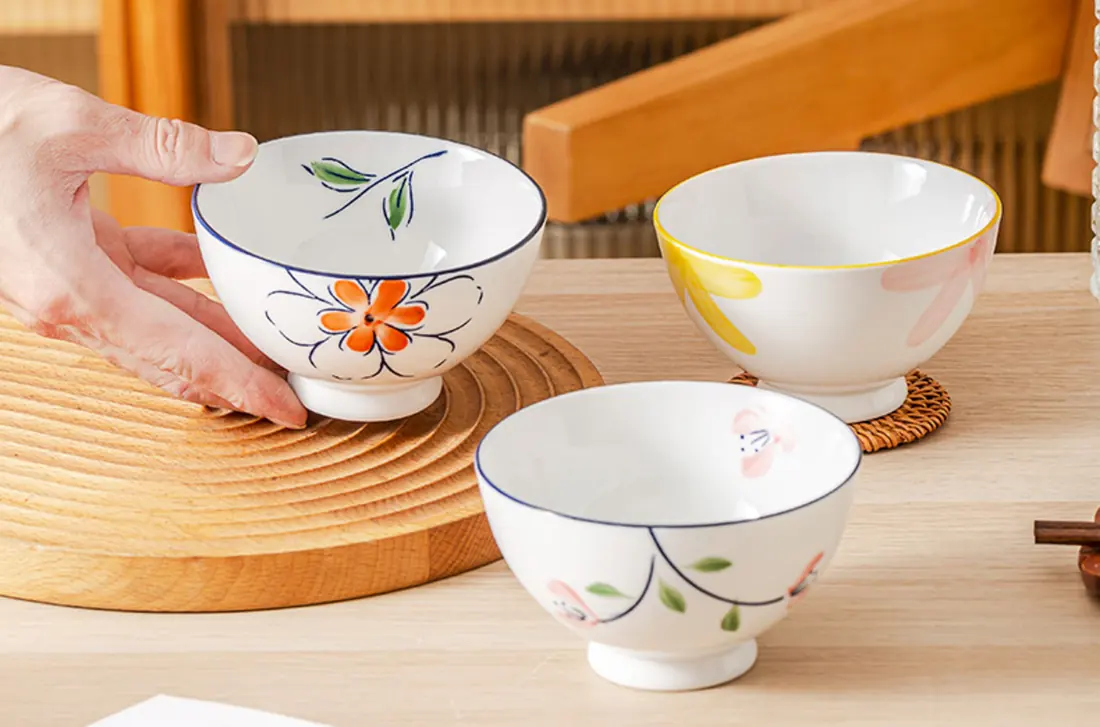
    Individual patterned rice bowls

    Why dishes arrive when they do

    Courses in sequence are not the convention. Dishes come out as the kitchen finishes them, which means a stir fry may arrive before a soup and a fried dish may arrive before either.

    This is not disorganisation. Stir-fried dishes are cooked in ninety seconds and are at their best immediately, so holding one back to serve it in a particular order would waste it. The kitchen is prioritising the food over the sequence.

    It does mean the table should start on things as they arrive rather than waiting for everything, which can feel impolite if you are used to waiting.

    Why the plates are small

    The small plate in front of each person is not an under-sized dinner plate. It is a working surface, and its size is doing something.

    A small plate forces you to take a little at a time, which keeps the shared dishes circulating and stops any one person committing to a large portion of something before the rest of the table has tried it. It also means the food you are eating is always something you took a moment ago rather than something that has been sitting.

    The rice bowl is separate for the same reason. Rice is eaten throughout rather than alongside a particular dish, so it needs its own vessel rather than a corner of a plate.

    How this changes your order

    The practical consequences are the useful part.

    Ordering individuallyOrdering family style
    How many dishesOne per personRoughly one per person, plus rice
    What to pickSomething you will enjoy aloneDishes that differ from each other
    BalanceWithin your plateAcross the table
    RiceA side, optionalCentral, order enough
    If someone is fussyThey order separatelyInclude one safe shared dish
    VarietyLimited to your choiceEveryone tastes everything
    The same menu, two different approaches

    The second row is the one that most improves a meal. Four people each choosing their favourite chicken dish produces a table of four similar things. Deliberately picking across categories – something fried, something in sauce, a vegetable, a soup – produces a much better meal from the same number of dishes.

    A long table set with many dishes

    A simple way to order for a table

    1. Start with rice for everyone. This is the foundation and it is easy to under-order.
    2. One vegetable dish. Almost every table under-orders vegetables and regrets it.
    3. One dish with a sauce, for the rice to be eaten with.
    4. One dry or fried dish, for contrast in texture.
    5. One soup if the table is larger, which slows the meal down usefully.
    6. Then add a dish for each additional pair of people beyond four.

    That structure works for almost any size of table and prevents the most common failure, which is four rich dishes and nothing to eat them against.

    One more consequence worth naming: the style makes a meal slower. Nobody is working through a plate of their own, so eating stops and starts as dishes arrive and get passed around, and a table tends to sit for longer than it would otherwise.

    The practical etiquette

    Very little is required, and nobody expects a performance. A few things make the table work more smoothly.

    • Take small amounts. Serve yourself a little at a time rather than filling your plate, so everyone can reach everything.
    • Use the serving spoon if there is one. If there is not, using the back end of your chopsticks is a common courtesy.
    • Do not rearrange the table. Dishes are placed where they are so everyone can reach.
    • Leave a little. Clearing every dish entirely can suggest there was not enough.
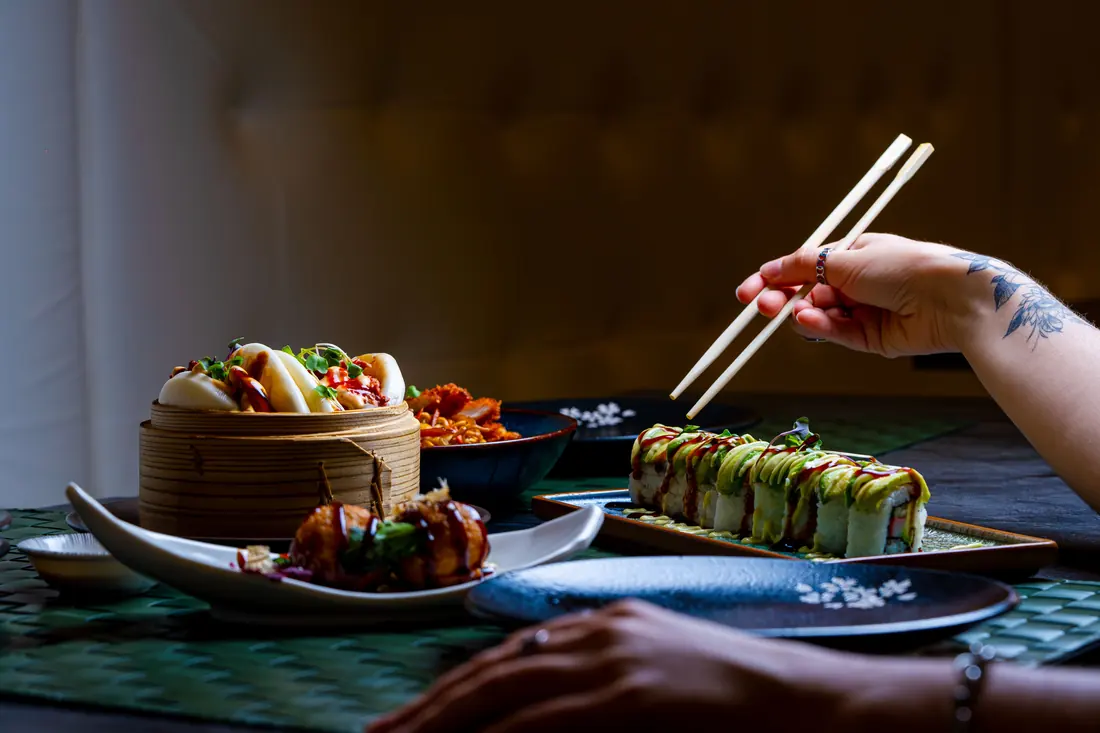
    Chopsticks lifting a piece from a shared plate

    Ordering for two

    Two people is the awkward number, because one dish each plus rice is a thin spread and three dishes is usually too much food.

    The approach that works is to order two dishes and rice, but to pick two that are as different as possible – one with sauce and one without, or one meat and one vegetable. The contrast does the work that a third dish would otherwise do.

    An appetiser to share also helps more at a table of two than at a larger one, because it adds variety at a point where every additional main dish is a significant commitment.

    When it does not apply

    Not everything on an Asian menu is designed for sharing. A hibachi plate, a rice bowl and a large bowl of noodle soup are all built as single servings and do not divide well.

    That is worth knowing when a table is mixed. A group where two people order noodle soups and three order shared dishes ends up with an awkward table, whereas either approach on its own works fine.

    For ordering across the menu, our three-way comparison helps a table that cannot agree, the hibachi plate guide covers one of the dishes that does not divide, and the fish-free guide covers building a table around one person’s constraint. The current selection is on the ordering page.

    Frequently Asked Questions

    Why is Asian food served family style?

    Because the dishes are designed to balance each other across a table rather than each being a complete meal. Eating one alone is an unbalanced experience by design.

    How many dishes should we order?

    Roughly one dish per person plus rice for everyone, chosen deliberately across categories – something fried, something saucy, a vegetable, a soup.

    Why do dishes arrive at different times?

    The kitchen serves each dish when it is ready, because stir-fried food is at its best immediately. Start on things as they arrive rather than waiting.

    Is rice a side dish?

    No – it is the anchor. The other dishes are seasoned to be eaten in small amounts against it, which is why several of them taste strong on their own.

    What if someone at the table is a fussy eater?

    Include one plainly seasoned dish everyone can eat, or let that person order a single-serving dish like a hibachi plate alongside the shared ones.
  • What Is Five Spice? The Blend Explained

    What Is Five Spice? The Blend Explained

    It is on the ingredient list of a great many dishes and in the spice rack of almost every Chinese kitchen, and most people could not name what is in it. Five spice is a blend rather than a spice, and the combination is doing something specific.

    What is five spice?

    Five spice is a ground blend of warm aromatic spices used across Chinese cooking. The classic combination is star anise, cinnamon, cloves, Sichuan pepper and fennel seed, though the exact line-up varies.

    Britannica’s entry on Chinese five spice notes that the number is as much a principle as a count – the blend is meant to touch all the basic tastes rather than to contain exactly five things.

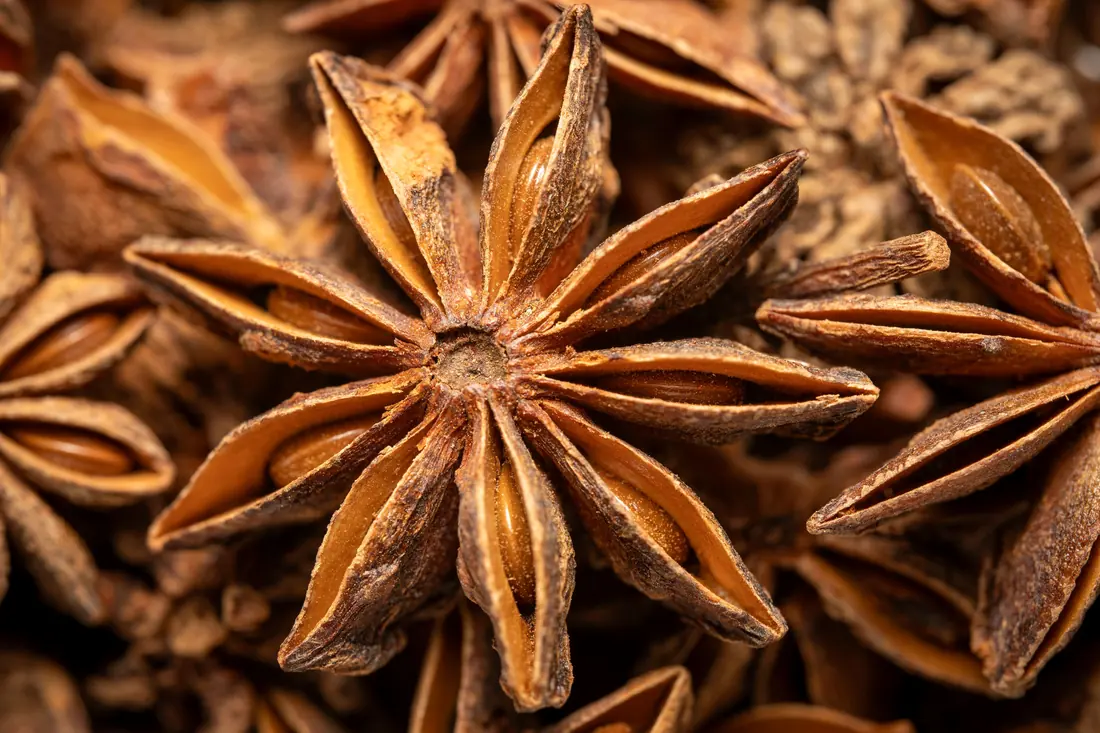
    Star anise pods, close up

    What is in it

    • Star anise – the dominant one. Sweet, liquorice-like, and the flavour most people identify as five spice.
    • Cinnamon or cassia – warmth and sweetness, usually the thicker cassia bark rather than true cinnamon.
    • Cloves – intense and slightly medicinal, used sparingly.
    • Sichuan pepper – not hot, but tingling and citrusy. The most distinctive component.
    • Fennel seed – sweet and grassy, reinforcing the star anise.

    Some blends swap in ginger, white pepper, liquorice root or cardamom. A blend leaning heavily on star anise and cinnamon reads sweeter; one with more Sichuan pepper reads sharper and more aromatic.

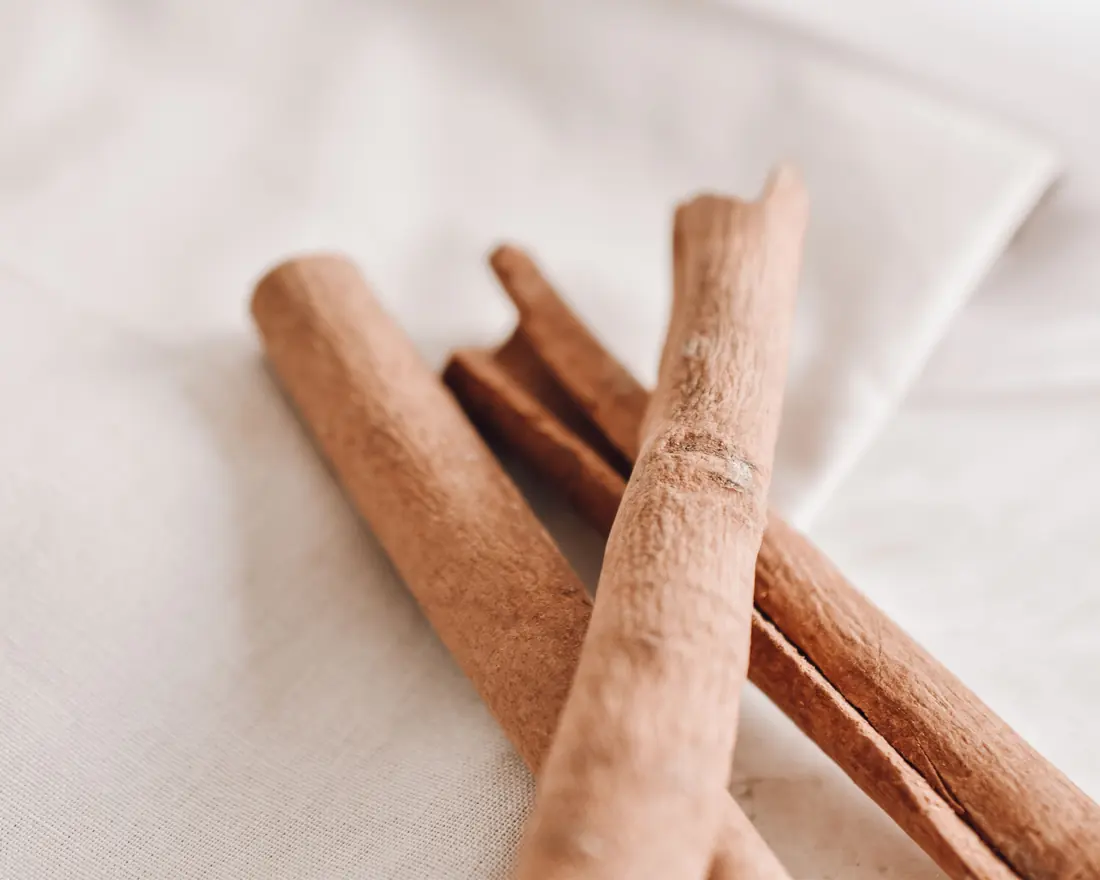
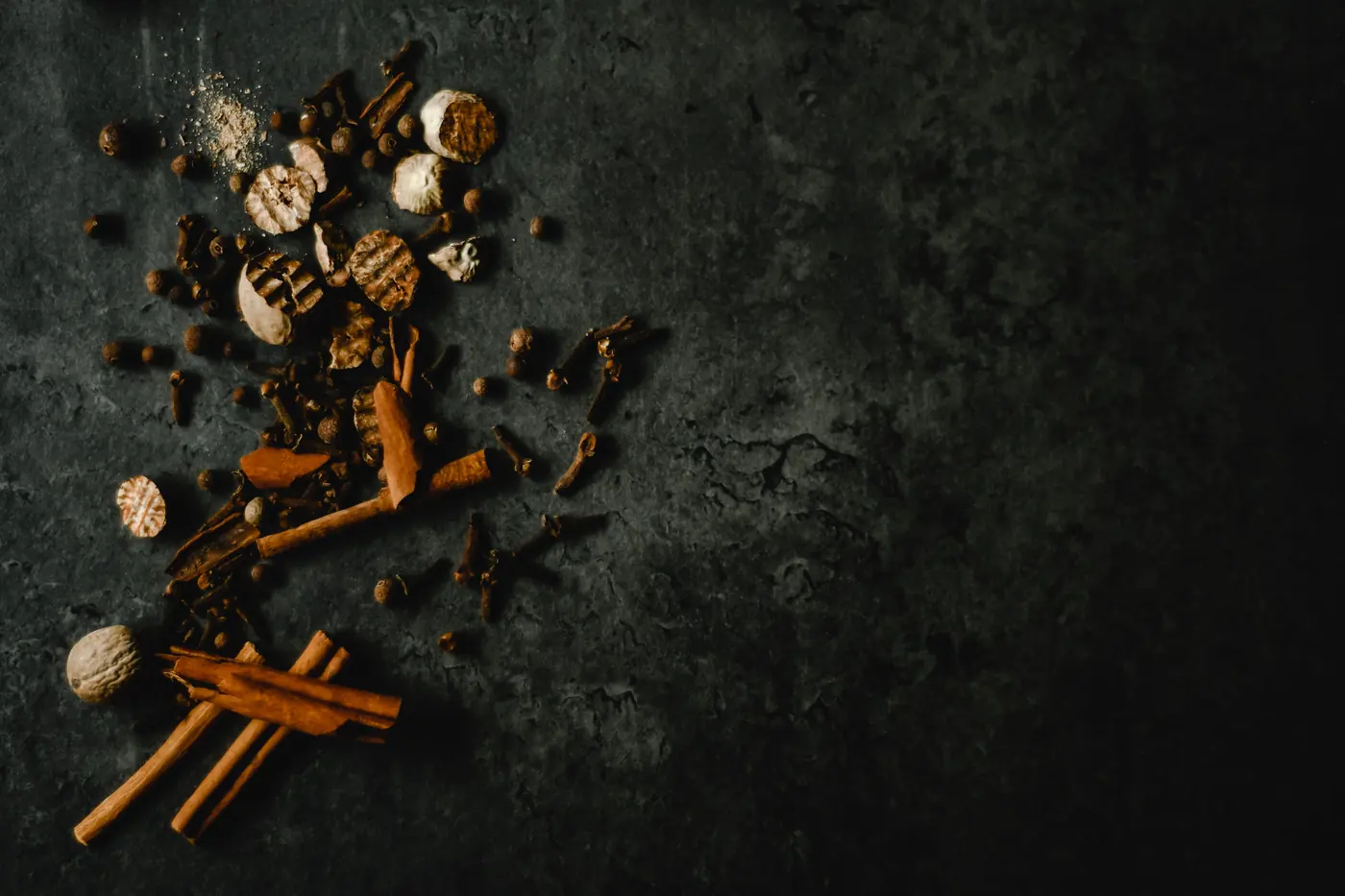
    Cinnamon sticks on a pale cloth

    Why these five together

    The combination is built around covering a range rather than around any one flavour. Star anise and fennel are sweet, cloves are pungent, cinnamon is warm, and Sichuan pepper adds a bright citrus note plus its distinctive tingle.

    The result is that no single element dominates a dish. Used well, five spice does not make food taste of star anise – it makes food taste rounder and more complete in a way that is difficult to attribute to anything specific.

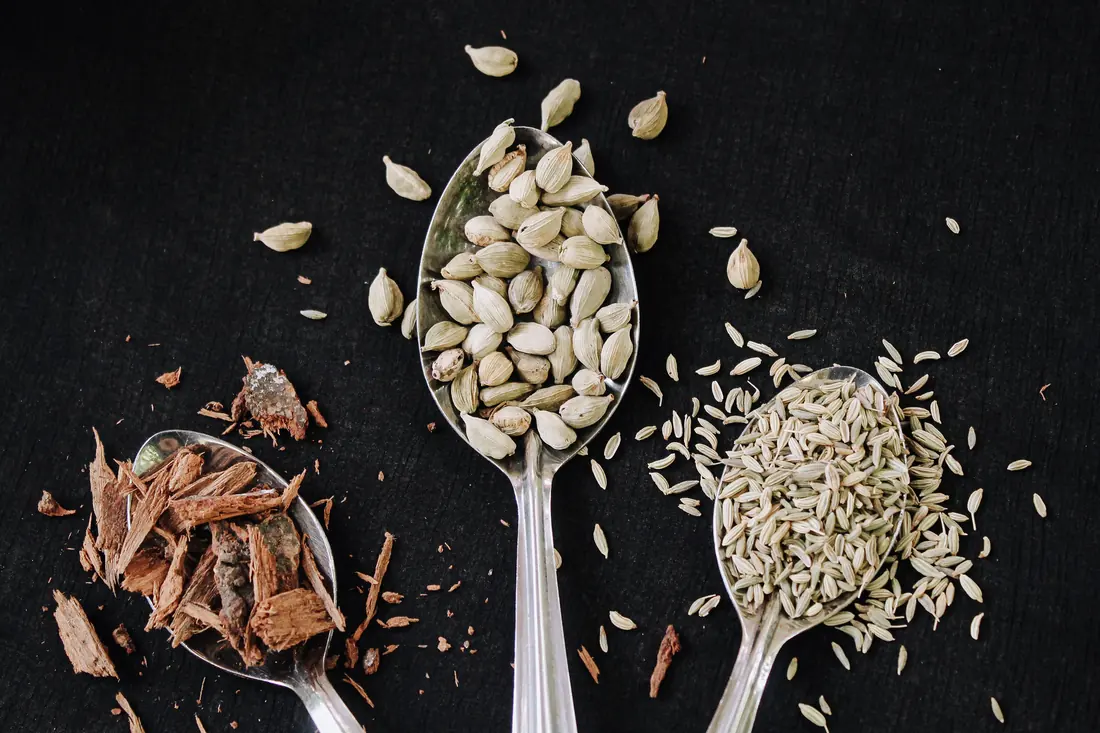
    Spoons of three different whole spices

    What it tastes like

    Sweet and warm first, with a liquorice note that is unmistakable once you have identified it. Behind that, a slight numbing tingle if the blend contains a decent amount of Sichuan pepper.

    It is aromatic rather than hot. Nothing in a standard five spice blend produces chilli heat, which surprises people who expect a Chinese spice mix to be spicy in that sense.

    Sichuan pepper is the odd one out

    Four of the five are straightforward warm spices. The fifth is not a pepper at all – Sichuan pepper is the husk of a small citrus-family fruit, and it does something no other spice in the blend does.

    It produces a light tingling or buzzing sensation on the lips and tongue, distinct from heat. There is no burn to it, and people encountering it for the first time often describe it as fizzing rather than as spicy.

    It also carries a strong citrus aroma. In a blend it is doing double duty, adding brightness against the sweetness of the star anise and cinnamon, and adding a physical sensation that makes the whole thing more noticeable.

    Where you have already tasted it

    Dish typeHow it is usedHow prominent
    Roast and braised meatsRubbed on or in the braising liquidClearly present
    MarinadesPart of a mixture with soy and sugarNoticeable
    Braised dishesIn the liquid, cooked longRounded into the background
    Dry seasoningMixed with salt as a dipVery prominent
    Baked goodsIn some sweet preparationsSubtle
    Where the blend turns up, and how loudly

    The dry seasoning use is worth knowing about. Five spice mixed with salt makes a dipping powder served with fried food, and it is one of the few places the blend is tasted directly rather than through a dish.

    Why it suits long cooking

    Five spice is at its best in dishes that cook for a while, and the reason is the physical form of what is in it. Bark, seeds and dried pods release their aromatics slowly, and a short cook barely opens them.

    In a braise the spices have an hour or more in hot liquid, which is enough to draw everything out and to let the individual components blur into one another. That blurring is the point – a well-braised dish tastes of the blend rather than of five identifiable spices.

    Using it well

    It is potent, and the most common mistake is using too much. A quarter teaspoon seasons a dish for four people; a full teaspoon makes everything taste of liquorice.

    1. Use less than you think. It is easier to add a pinch at the end than to rescue a dish from too much.
    2. Add it early in cooking rather than at the end. It needs heat and time to open up.
    3. Pair it with something sweet and something salty – soy sauce and sugar are the conventional partners for good reason.
    4. Give it fat to dissolve into. Much of what it carries is oil-soluble and will not come through in a lean, watery dish.
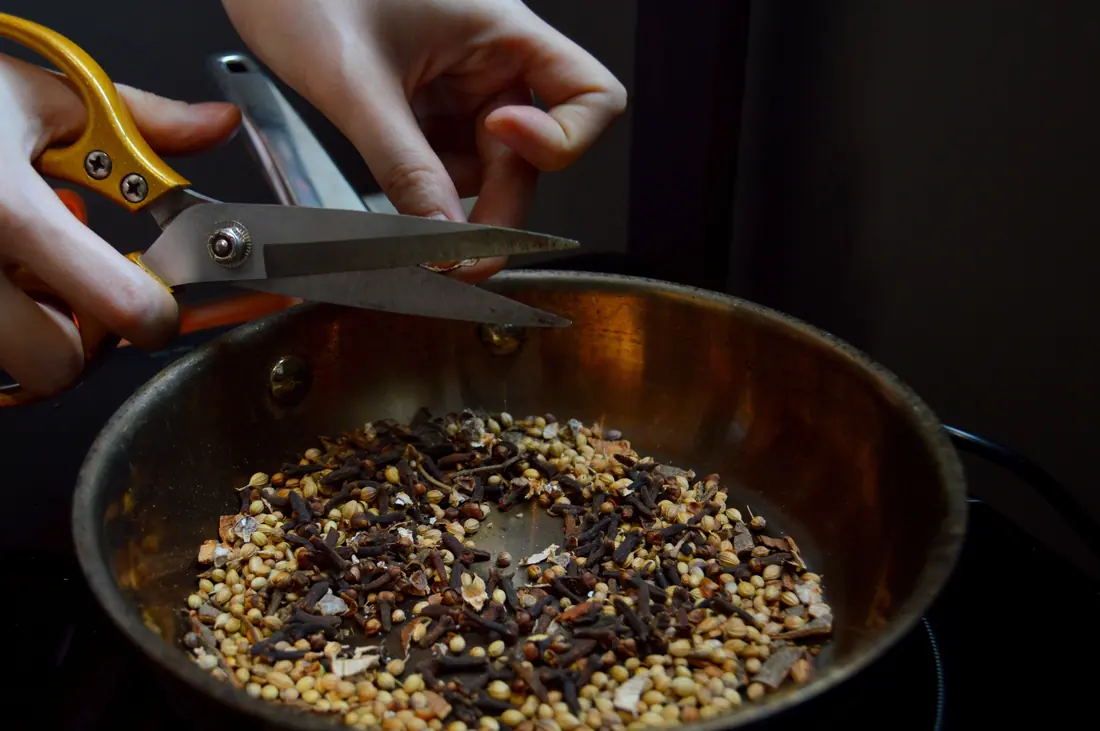
    Whole spices in a pan

    Five spice and other blends

    It is easy to confuse with the other warm-spice blends on a shelf, and they are not interchangeable.

    BlendBuilt aroundCharacter
    Chinese five spiceStar anise and cinnamonSweet, warm, liquorice
    Garam masalaCumin, coriander, cardamomEarthy and warm
    Curry powderTurmeric and cuminEarthy, yellow, mild heat
    Pumpkin spiceCinnamon, nutmeg, gingerSweet and warm, no savoury edge
    Warm blends that are not substitutes for each other

    The nearest in character is actually the sweet-baking blend, which shares cinnamon and cloves. What separates five spice is the star anise and the Sichuan pepper, and those two are exactly what make it read as savoury rather than as dessert.

    Making your own

    It is straightforward and noticeably better than a jar that has been open for a year. Toast the whole spices briefly in a dry pan until they smell fragrant, let them cool, and grind.

    A reasonable starting ratio is equal parts by weight, with the cloves reduced to about half, since they overwhelm quickly. Adjust from there – the blend is a framework rather than a formula, and Chinese cooks treat it that way.

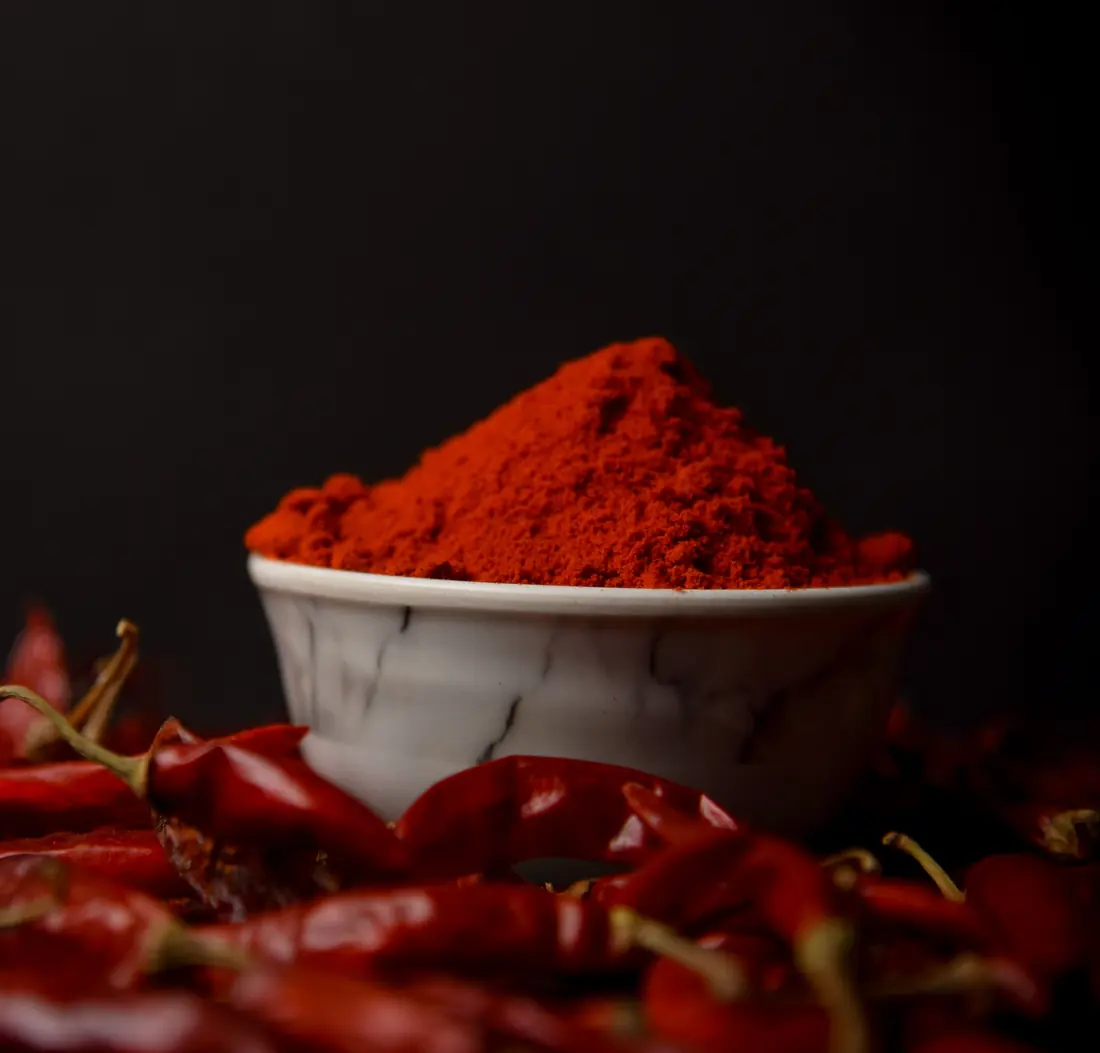
    A bowl of red ground spice

    Toasting the whole spices first

    If you buy the blend ready-ground there is little to do, but whole spices reward a minute in a dry pan before grinding. Heat drives the volatile aromatic compounds to the surface, and the difference in a finished dish is easy to notice.

    The pan should be dry and moderately hot, and the spices need moving constantly. They are ready when the kitchen smells of them, which happens well before they change colour. Anything that darkens has gone too far and will be bitter.

    Keeping it

    Ground spice loses aroma fast. A blend more than six months old is still safe and still tastes of something, but the volatile aromatics that made it interesting have largely gone.

    Whole spices keep far longer, which is the practical argument for grinding your own in small quantities. A jar of whole star anise will still be fragrant long after a jar of ground blend has become dust.

    For related flavours, our broth comparison covers the spices in a Vietnamese broth, the chilli oil piece covers the aromatics infused into oil, and the pho guide covers where star anise turns up on its own. The current selection is on the ordering page.

    Frequently Asked Questions

    What is in Chinese five spice?

    Classically star anise, cinnamon or cassia, cloves, Sichuan pepper and fennel seed, though blends vary and some substitute ginger, white pepper or cardamom.

    What does five spice taste like?

    Sweet and warm with a clear liquorice note from the star anise, and a slight tingle if the blend contains much Sichuan pepper. It is aromatic rather than hot.

    Is five spice spicy?

    Not in the chilli sense. Nothing in a standard blend produces burning heat. The Sichuan pepper produces a tingling sensation, which is different.

    How much five spice should I use?

    Very little – around a quarter teaspoon for a dish serving four. It is potent and too much makes everything taste of liquorice.

    Is five spice always five spices?

    No. The number refers to covering the range of basic tastes as much as to a count, and many blends contain six or more.

  • What Is Black Vinegar? The Dumpling Dip

    What Is Black Vinegar? The Dumpling Dip

    The small dish that arrives with dumplings is not soy sauce, and it is not balsamic either. Black vinegar is its own thing, and it is one of the more distinctive flavours in Chinese cooking.

    What is black vinegar?

    Black vinegar is a dark, aged Chinese vinegar made from glutinous rice or other grains, fermented and then matured until it darkens. It is malty, faintly sweet and much less sharp than a Western vinegar.

    The best-known style comes from Zhenjiang, and bottles are frequently labelled Chinkiang. Britannica’s entry on vinegar covers the underlying process, which is the same everywhere: alcohol converted to acetic acid by bacteria, then aged.

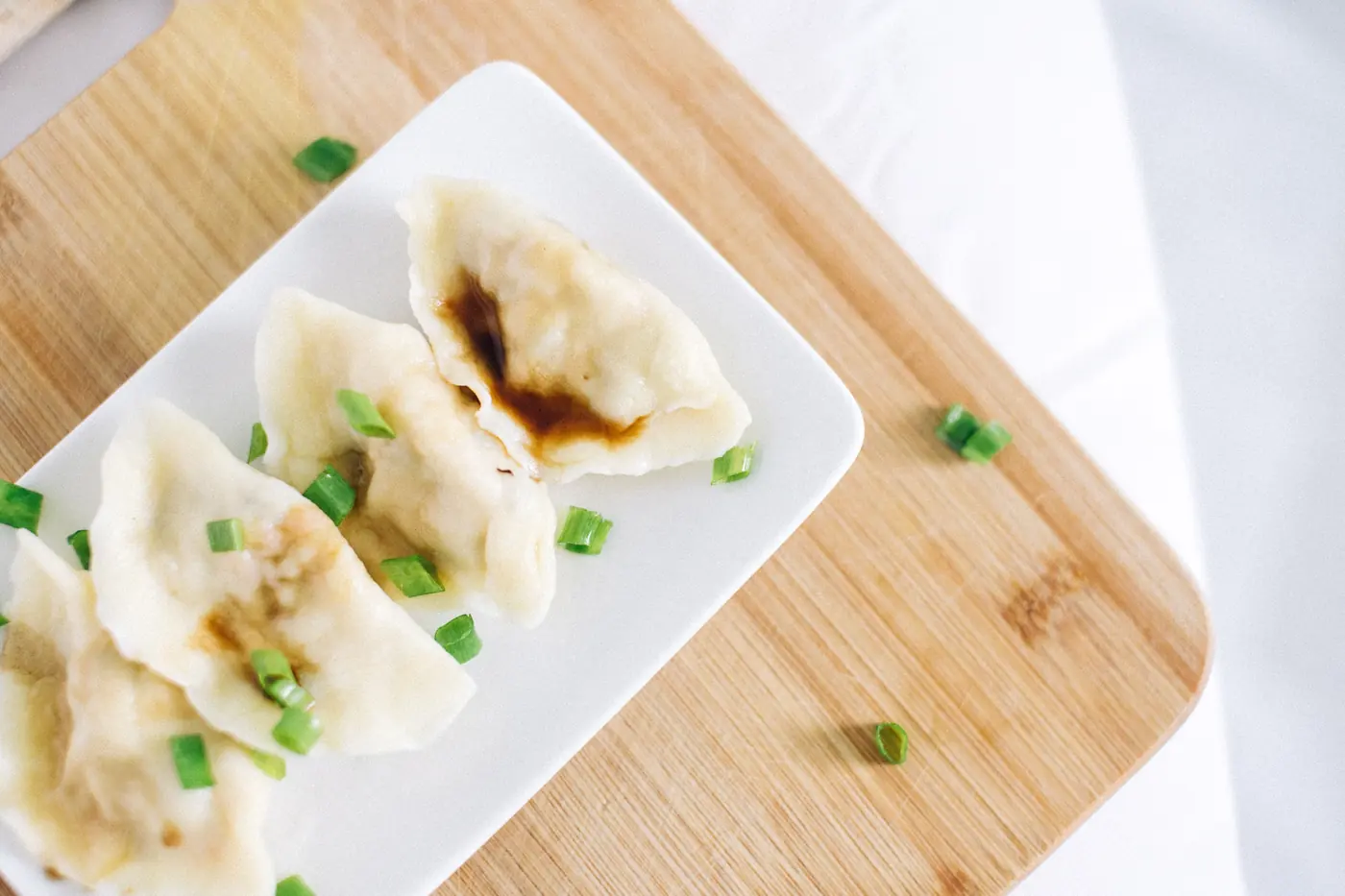
    Dumplings served with two dipping sauces

    What it tastes like

    Complex in a way vinegar usually is not. There is acidity, but it arrives behind a malty, almost smoky sweetness that has more in common with a dark beer or with molasses than with anything in a salad dressing.

    It is also noticeably less aggressive than white or rice vinegar. You can taste a spoonful on its own without wincing, which is not true of most vinegars, and that is why it works as a dipping sauce with nothing added.

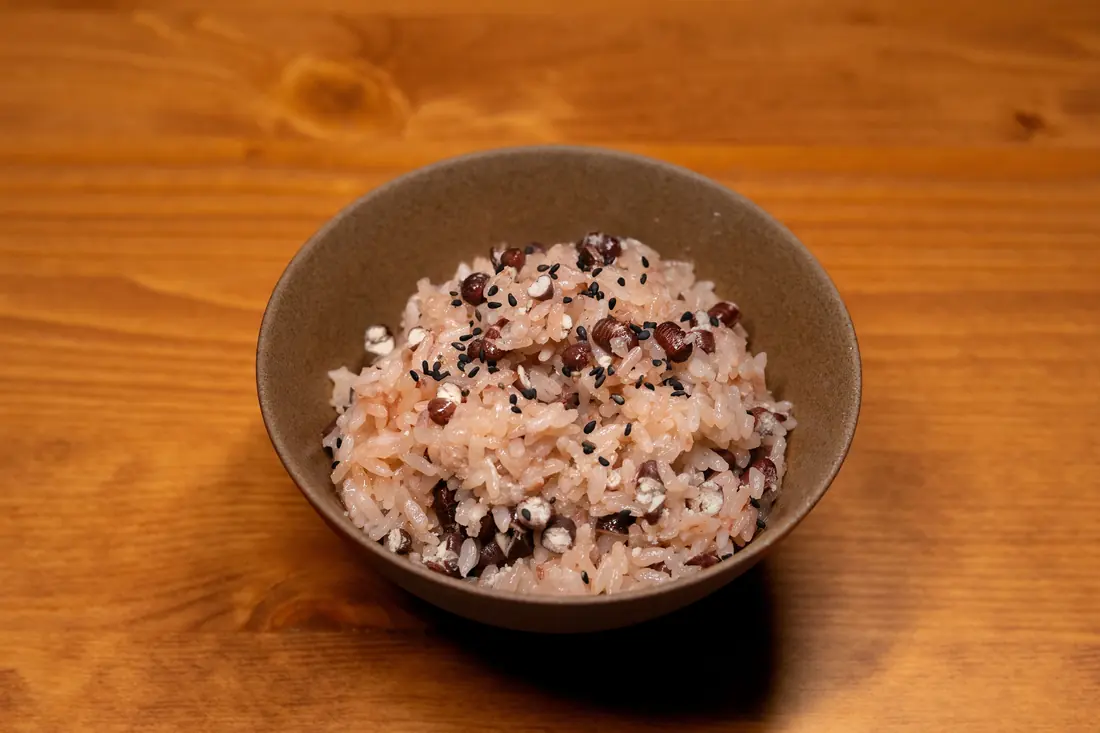
    A bowl of cooked mixed rice

    How it is made

    1. Glutinous rice – sometimes wheat, sorghum or millet – is cooked and fermented into alcohol.
    2. The alcohol is fermented again by acetic bacteria, converting it to vinegar.
    3. The vinegar is aged in ceramic vessels, often for months and sometimes for years.
    4. During ageing it darkens, thickens slightly, and develops the malty depth that distinguishes it.

    The ageing is what makes it. A young black vinegar is thinner and sharper, and the expensive bottles are expensive because of time rather than ingredients.

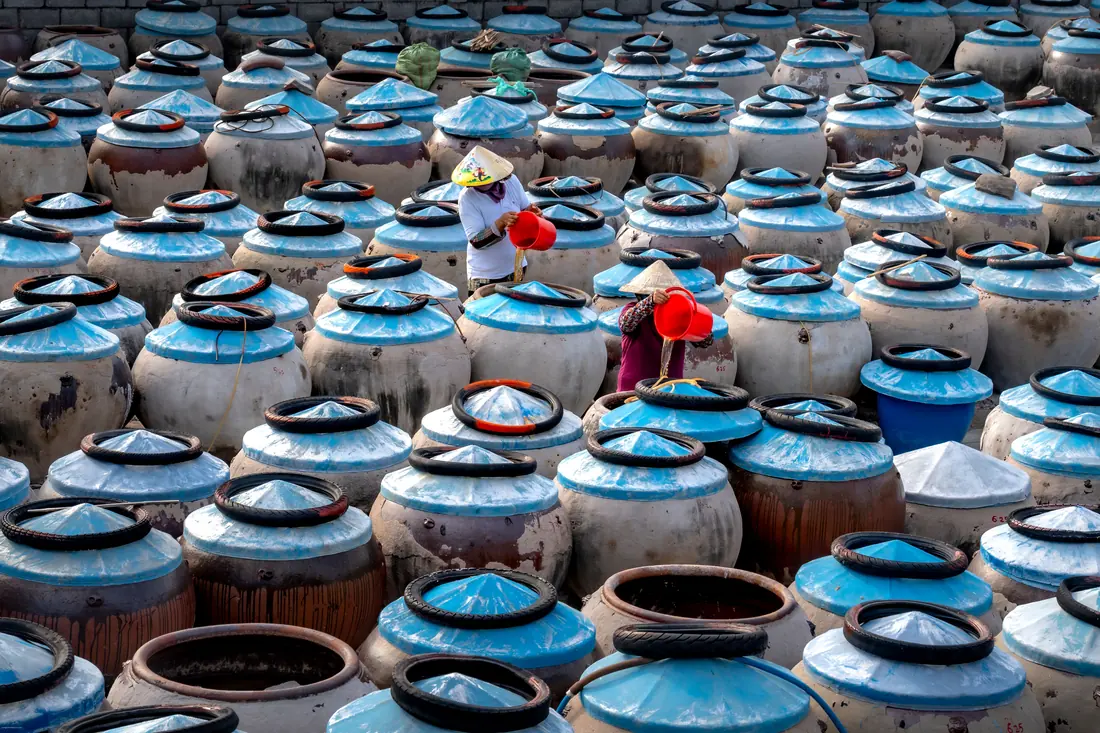
    Rows of ceramic fermenting jars

    Why rice makes a different vinegar

    Vinegar takes its character from whatever was fermented into alcohol first, and grain-based vinegars behave differently from fruit-based ones.
    A grape vinegar carries fruit sugars and fruit acids, which is why balsamic tastes sweet in a recognisably fruity way. A grain vinegar starts from starch converted to sugar, and the result is maltier and rounder – closer in character to beer than to wine.

    Black vinegar sits at the far end of that, because the long ageing concentrates exactly those malty notes while softening the acidity that would otherwise dominate.

    The vinegars compared

    Black vinegarRice vinegarBalsamic
    ColourVery dark brownPale and clearVery dark brown
    Made fromGlutinous rice, agedRice, unagedGrape must, aged
    SharpnessMildMild but cleanMild
    SweetnessMalty, savourySlightFruity, pronounced
    Used forDipping, braising, noodlesSeasoning rice, picklingDressings, finishing
    Substitute?Balsamic at a pushNot for black vinegarNot really
    Three dark or mild vinegars that are not interchangeable

    Balsamic is the nearest thing most kitchens have, and it will do in an emergency, but it is markedly sweeter and fruitier. A dish made with balsamic in place of black vinegar tastes recognisably wrong to anyone who knows the original.

    Where you meet it

    • With dumplings – the classic use, often on its own or with a little shredded ginger through it.
    • In cold dishes – dressed noodles and cold vegetable plates, where its mildness suits food that is not hot.
    • In braises – added for depth in longer-cooked dishes.
    • In hot and sour soup – it supplies the sour half, and the malty quality is part of why that soup tastes the way it does.
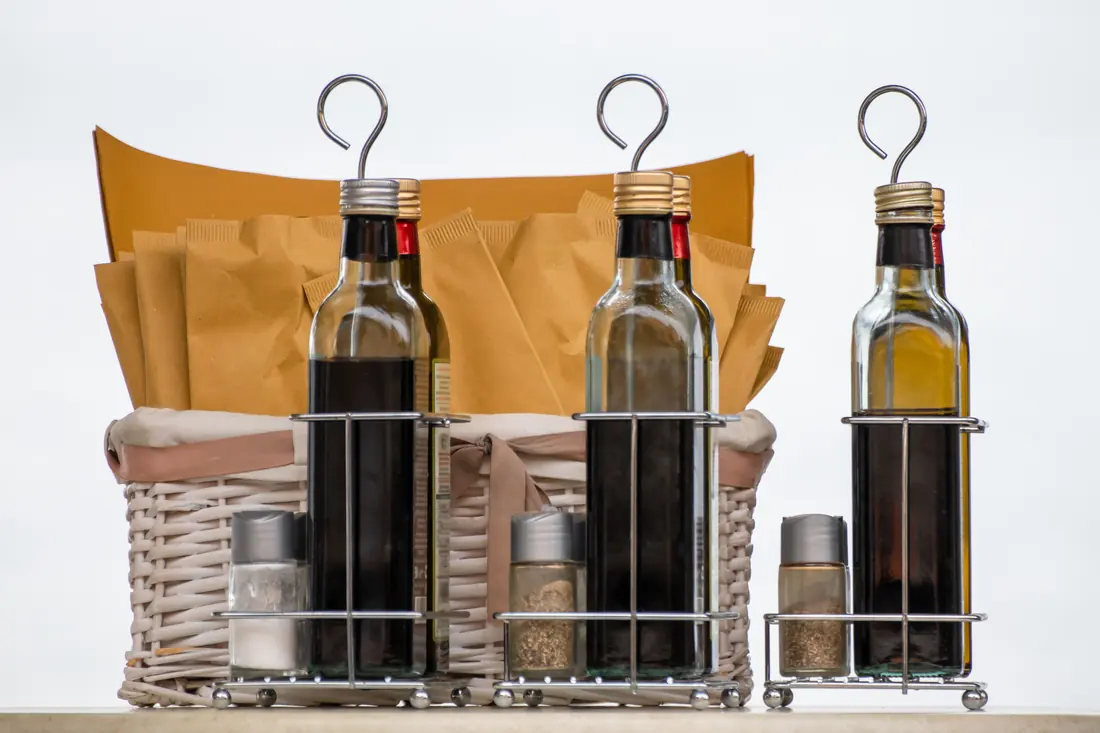
    Oil and vinegar bottles in a cruet

    Why it suits dumplings so well

    The pairing is not arbitrary. A dumpling is a parcel of fat and starch, and both coat the mouth – the wrapper is dough and the filling is usually rich.

    Acidity is the standard answer to that anywhere in the world, but a sharp vinegar would fight the delicate filling. Black vinegar is acidic enough to cut through while being mild and malty enough not to overwhelm, which is a narrow target that very few vinegars hit.

    It is also why the dish arrives already filled rather than as a bottle on the table. The proportion has been decided for you, and it is usually about right.

    The ginger in the dish

    A dipping dish for dumplings frequently arrives with fine shreds of ginger sitting in the vinegar, and the pairing is deliberate rather than decorative.

    The vinegar softens the ginger’s raw heat while the ginger adds a sharp aromatic note the vinegar lacks. Together they cut through the richness of a fried or fatty filling, which is exactly what a dumpling needs alongside it.

    If your dish arrives with ginger in it, stirring it through rather than avoiding it is the intended use.

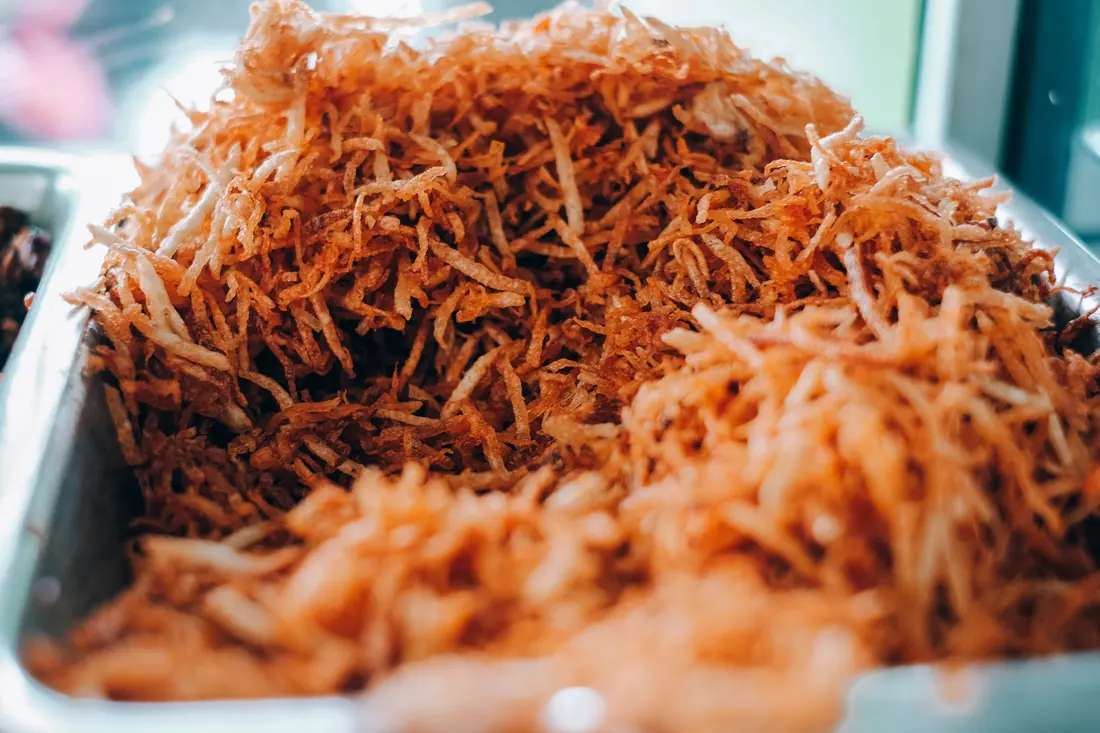
    A tray of fine shredded topping

    Cooking with it

    It is not only a table condiment. Used in cooking it behaves differently from the sharper vinegars, and the difference is worth exploiting.

    Added early to a braise, its acidity softens and what remains is the malty depth, which reads almost as an extra savoury element rather than as sourness. Added at the very end, the acidity survives and lifts a heavy dish.

    The same bottle therefore does two quite different jobs depending on when it goes in, which is a useful thing to know and something a sharper vinegar cannot manage.

    Making a dipping sauce with it

    The simplest version is black vinegar alone, and it is entirely adequate. Beyond that, a few small additions are conventional.

    A little soy sauce adds salt. A few drops of sesame oil add aroma. A spoonful of chilli oil adds heat and richness. Shredded ginger adds sharpness. The proportions are a matter of taste and most people settle on roughly three parts vinegar to one part everything else.

    What it does not want is sugar. The malty sweetness is already there, and adding more flattens the acidity that makes it useful.

    Where the style comes from

    Zhenjiang, on the Yangtze in eastern China, is the city most associated with it, and bottles labelled Chinkiang are using the older romanisation of that name. The style has been made there for centuries and carries a protected designation recognising the region.

    Other regions make their own versions. Shanxi produces an aged vinegar that is sharper and smokier, and there are lighter styles elsewhere that are closer to a plain rice vinegar in character.

    If a recipe simply says black vinegar, the Zhenjiang style is what it means. It is the most widely exported and the one most kitchens outside China have.

    Buying a bottle

    Look for a short ingredient list – grain, water, salt – and an indication of ageing. Bottles listing caramel colour high up are usually young vinegar darkened to look older.

    It keeps effectively forever in a cupboard. Vinegar is self-preserving, and an open bottle will still be good long after most other condiments in the same cupboard have gone.

    For the dishes it accompanies, our guide to fried wontons covers the parcels it turns up beside, the roll comparison covers the other fried appetisers, and the condiments guide covers the equivalent dishes on the Japanese side. The current selection is on the ordering page.

    Frequently Asked Questions

    What is black vinegar?

    A dark aged Chinese vinegar made from glutinous rice or other grains. It is malty and faintly sweet, and much milder than Western vinegars.

    What does black vinegar taste like?

    Malty and almost smoky, with the acidity arriving behind the sweetness. Closer to dark beer or molasses than to a salad vinegar.

    Is black vinegar the same as balsamic?

    No. Balsamic is made from grapes and is much sweeter and fruitier. It is the nearest common substitute but the difference is noticeable.

    What is the ginger in the dumpling dipping dish for?

    The vinegar softens the ginger’s raw heat and the ginger adds a sharp aromatic note. Together they cut the richness of the filling. Stir it through.

    Does black vinegar go off?

    Effectively no. Vinegar is self-preserving and an opened bottle keeps in a cupboard for years.

  • What Is Oyster Sauce? The Thick Brown One

    What Is Oyster Sauce? The Thick Brown One

    It is thick, dark, glossy and in an enormous number of dishes, and the name puts people off before they have tasted it. Oyster sauce does not taste of oysters, and understanding what it is doing explains a lot of Chinese cooking.

    What is oyster sauce?

    Oyster sauce is a thick brown seasoning sauce made from oyster extract, thickened and sweetened. It is savoury and faintly sweet, with a viscosity closer to syrup than to soy sauce.

    Britannica’s entry on oyster sauce traces its origin to a Cantonese accident – a pot of oysters left simmering too long, reducing to a dark concentrated liquid that turned out to be worth keeping.

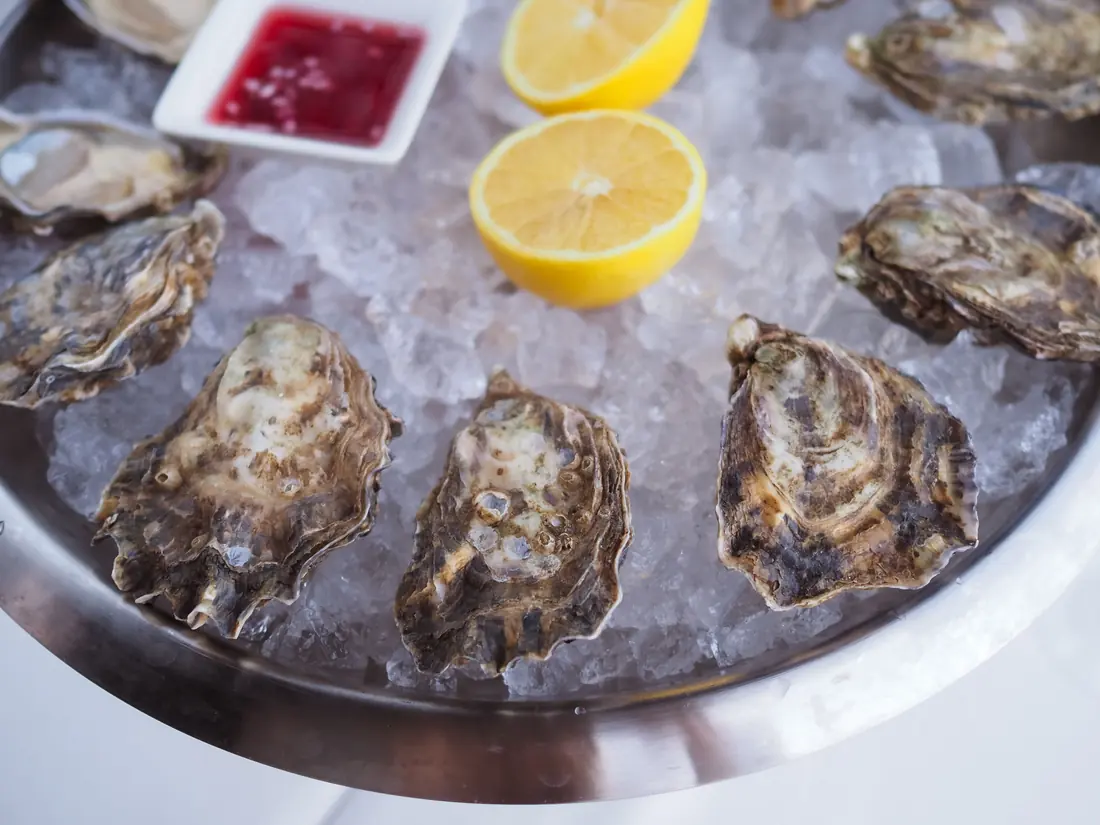
    Fresh oysters on ice

    Does it taste of oysters?

    No, and this is the thing worth saying first. The oyster extract has been cooked down so far that what remains reads as deep savoury sweetness rather than as shellfish.

    People who dislike oysters generally have no problem with the sauce, and most people who have eaten Chinese food have eaten a great deal of it without ever noticing. It sits in the background making other things taste more substantial.

    How it differs from soy sauce

    Oyster sauceSoy sauce
    ConsistencyThick and syrupyThin and watery
    Colour on foodGlossy dark coatingStains without coating
    FlavourSavoury and sweetSalty and sharp
    SaltinessModerateHigh
    Main roleBody, gloss and depthSalt and colour
    UsedDuring cookingDuring cooking and at the table
    Two staples that are not interchangeable

    The consistency row is the practical difference. Oyster sauce clings, which is why vegetables dressed with it look lacquered while the same vegetables with soy sauce look wet.

    Sauce being poured over a vegetable dish

    Where you have eaten it

    It turns up across a wide range of dishes, usually without being named on the menu.

    • Greens with oyster sauce – one of the few dishes that names it. Blanched greens, sauce poured over.
    • Stir fries – a spoonful in the sauce mixture, providing body.
    • Noodle dishes – part of what makes the sauce coat the noodles rather than pooling.
    • Braises – added for depth in longer-cooked dishes.
    • Marinades – for meat, where the sugar helps browning.

    If a dish arrives with a glossy brown sauce that clings evenly to everything and tastes savoury rather than salty, it is a reasonable guess that oyster sauce is in it.

    A bowl of sauced noodles with side dishes

    Why it does what it does

    Oyster sauce is unusual in doing three jobs that are normally handled separately, which is a large part of why it is a staple rather than a specialty.

    • Seasoning – it brings savoury depth of a kind that salt alone does not.
    • Thickening – the starch in it gives a sauce body without a separate slurry.
    • Glazing – the sugar caramelises slightly and produces the sheen that makes a stir fry look finished rather than merely cooked.

    A cook reaching for it is usually getting all three at once. That efficiency is why it turns up in so many dishes that have nothing else in common.

    What it is made of now

    Modern production rarely simmers oysters for hours. Most bottles are made from oyster extract combined with sugar, salt, water and a starch thickener, with the extract making up a smaller share than the name implies.

    The proportion of extract is the main thing separating an expensive bottle from a cheap one. Better bottles list oyster extract high in the ingredients and taste less flatly sweet; cheaper ones lean on sugar and caramel colour.

    This is worth knowing mainly because it explains a wide quality range in something that looks identical in the bottle.

    A dark sauce in a shallow dish

    Why it is Cantonese

    Oyster sauce belongs specifically to Cantonese cooking rather than to Chinese cooking generally, and the geography explains it. The southern coast had oysters in quantity, and a cuisine that leans toward light seasoning and fresh ingredients needed something that added depth without adding much salt.

    That is why it turns up so heavily in Cantonese dishes and much less in the cooking of inland regions, which built their savoury depth from fermented beans and chilli instead.

    A vegetarian version exists

    There is a widely available mushroom-based sauce, usually sold as vegetarian stir-fry sauce or mushroom sauce, built to do the same job. It uses shiitake for the savoury depth that oyster extract normally provides.

    It is genuinely close in use, if slightly earthier and less sweet. Since oyster sauce is not visible in a finished dish and is rarely mentioned on a menu, this is worth knowing about if shellfish is something you avoid – it is a reasonable question to ask a kitchen.

    The classic dish that names it

    Greens with oyster sauce is one of the few places it appears on a menu by name, and it is worth ordering precisely because there is nowhere for it to hide.

    The preparation is minimal – a leafy green blanched briefly in boiling water, drained, arranged on a plate and the sauce poured over, sometimes warmed and thinned slightly first. Nothing else is added.

    It is a good test of a kitchen for the same reason. There is no seasoning to hide behind, so the greens have to be blanched exactly right and the sauce has to be worth tasting on its own.

    How much to use

    Less than it looks like you need. It is concentrated and sweet, and a common home mistake is treating it as the whole sauce rather than one component of it.

    In most stir-fry sauces it is one part among several – a spoonful alongside soy sauce, a little sugar, some stock or water, and a starch slurry. Used alone it makes a dish taste cloying and one-dimensional.

    A wide pan of mixed vegetables cooking

    The bottle to buy

    Two things separate bottles that look identical on a shelf. The first is where oyster extract sits in the ingredient list – near the front means there is a meaningful amount of it, near the back means sugar and thickener are doing most of the work.

    The second is the absence of caramel colour. A sauce that needs colouring is a sauce that did not get its colour from long cooking, and it usually tastes flatter as a result.

    Neither is a reason to avoid a cheaper bottle for everyday cooking, where it is one seasoning among several. It matters for the dishes where the sauce is poured over something plain and tasted directly.

    Keeping it

    Once opened it belongs in the fridge. The sugar content makes it stable, but it darkens and thickens over time and can develop a slightly bitter edge after a long period open.

    It also separates a little on standing, so a bottle that has sat for a while is worth shaking. If it has become genuinely thick and difficult to pour, it is past its best rather than simply cold.

    For the dishes it appears in, our noodle comparison covers the stir-fried noodles it coats, the fish sauce piece covers the other seafood-derived seasoning on the same shelf, and the bok choy guide covers the greens it is most often poured over. The current selection is on the ordering page.

    Frequently Asked Questions

    Does oyster sauce taste like oysters?

    No. The extract is cooked down so far that what remains is savoury sweetness rather than shellfish flavour. People who dislike oysters generally like the sauce.

    What is oyster sauce made of?

    Oyster extract with sugar, salt, water and a starch thickener. The proportion of extract is what mainly separates better bottles from cheaper ones.
    Is oyster sauce the same as soy sauce?

    No. Oyster sauce is thick, sweet and savoury and coats food; soy sauce is thin, salty and sharp. They are used together as often as separately.

    Is there a vegetarian oyster sauce?

    Yes – a mushroom-based version, usually sold as vegetarian stir-fry sauce, built to do the same job using shiitake for savoury depth.

    Does oyster sauce need refrigerating?

    After opening, yes. It is stable because of the sugar, but it darkens and thickens over time and is better kept cold.

  • Why Is Restaurant Chicken So Tender?

    Why Is Restaurant Chicken So Tender?

    Chicken in a restaurant stir fry is silky and yielding. Chicken in the version you make at home is often dry and slightly stringy, from the same cut and the same pan. The difference is a step almost no home recipe mentions.

    The short answer

    The meat has been coated in a starch mixture before cooking. The technique is usually called velveting, and it takes about fifteen minutes of standing time and no skill at all.

    It is not a marinade in the usual sense – it is not there to add flavour. It is there to change what happens to the surface of the meat when it hits heat.

    Raw chicken on a chopping board

    What is actually happening

    Meat toughens because its proteins contract and squeeze out moisture as they cook. Once that water is gone the texture is fixed, and no amount of sauce puts it back.

    A starch coating interrupts that. It forms a thin gel around each piece that both slows heat reaching the surface and holds released moisture against the meat instead of letting it escape into the pan.

    Britannica’s entry on starch covers why it behaves this way – starch granules absorb water and swell when heated, which is the same property that thickens a sauce, applied here to a surface instead.

    A bowl of fine white starch

    What goes into the coating

    • Cornstarch – the essential part, and the one doing the work.
    • Egg white – common in the traditional version, adding a little more body to the coating.
    • A liquid – water, rice wine or soy sauce, enough to make a slurry rather than a paste.
    • Oil – a small amount, which keeps the pieces from sticking to each other.
    • Salt or soy – seasoning, though the coating is not primarily about flavour.

    Proportions are forgiving. Roughly a tablespoon of cornstarch and a tablespoon of liquid per pound of meat is a workable starting point, and the mixture should coat rather than cling in lumps.

    Ingredients being combined in a mixing bowl

    Cutting matters as much as coating

    The coating cannot rescue meat that has been badly cut, and two things about the cut decide how tender the result can be.

    The first is thickness. Thin slices cook through before the interior has time to toughen; thick pieces need longer, and by then the outside has gone. Restaurant slices are noticeably thinner than most home cooks bother with.

    The second is direction. Muscle fibres run along a piece of meat, and slicing across them rather than along them shortens each fibre, so less work is needed to break it down when eating. Slicing the wrong way produces long fibres and a stringy result no technique will fix.

    The two ways it is cooked

    Once coated, the meat is set before it joins the dish – and there are two methods.

    Oil-blanchedWater-blanched
    MethodBriefly through warm oilBriefly through simmering water
    TemperatureModerate, not frying hotJust below a rolling boil
    TimeUnder a minuteAround a minute
    ResultSilkier, slightly richerCleaner, lighter
    Used forMost restaurant stir friesLighter dishes and soups
    At homeAwkward – needs a lot of oilPractical
    Two ways of setting velveted meat before it goes into a dish

    The meat is only partly cooked at this stage. It finishes in the pan with everything else, which is why it spends so little total time over direct heat.

    Why the two-stage cooking matters

    This is the part that most explains the texture difference. Home cooking usually puts raw meat into a pan and leaves it there for the whole cook, so it is exposed to heat for several minutes.

    Restaurant practice sets the meat gently, removes it, cooks everything else, and returns the meat for the last few seconds. The total time is similar; the time at high heat is a fraction of it.

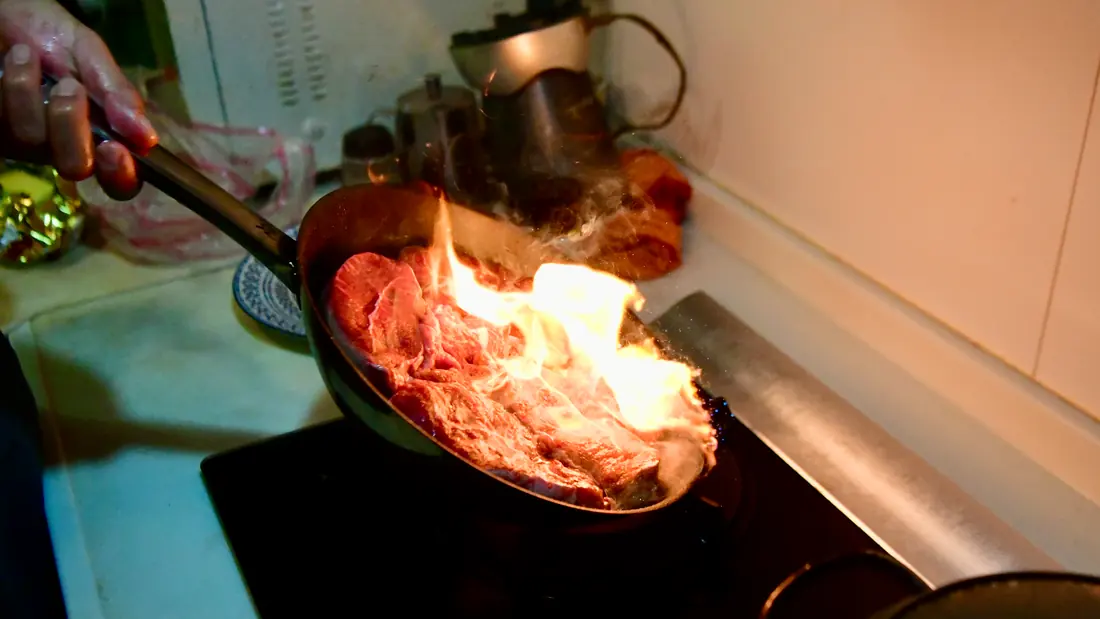
    Meat cooking in a pan over high heat

    Baking soda is a different technique

    You will also see baking soda recommended for tender meat, and it is worth not confusing the two. Baking soda raises the surface pH, which genuinely does prevent proteins binding as tightly, and it works on tougher cuts where velveting does nothing.

    It is also much easier to overdo. Too much, or too long, and the meat turns unpleasantly soft and picks up a soapy note. A brief treatment followed by a thorough rinse is the usual approach, and many kitchens use both techniques together – soda first, then a starch coating.

    It is not tenderising in the usual sense

    Worth being precise here, because the word tender is doing two jobs. Velveting does not break down the meat the way a long braise or an acidic marinade does – nothing is being dissolved.

    What it does is prevent moisture loss. The meat is not made softer than it started; it is stopped from becoming tougher than it started. That is a different mechanism and it works on a much shorter timescale.

    It also means velveting does nothing useful for a tough cut. It protects a tender cut through fast cooking, which is exactly the situation a stir fry creates.

    Timing at the pan matters too. Velveted meat that goes back in too early sits in the sauce and loses the surface it was given; returned in the last few seconds it arrives at the table with the coating still distinct.

    Doing it at home

    1. Slice the meat thinly against the grain – the coating cannot compensate for thick pieces.
    2. Mix cornstarch with a little liquid and toss the meat through until evenly coated.
    3. Leave it fifteen to thirty minutes in the fridge.
    4. Blanch briefly in simmering water, then drain. This is the practical home version.
    5. Set the meat aside, cook everything else, and return it at the very end.

    The single most common mistake is skipping the resting time. The starch needs a few minutes to hydrate against the surface, and meat cooked immediately after coating behaves much like uncoated meat.

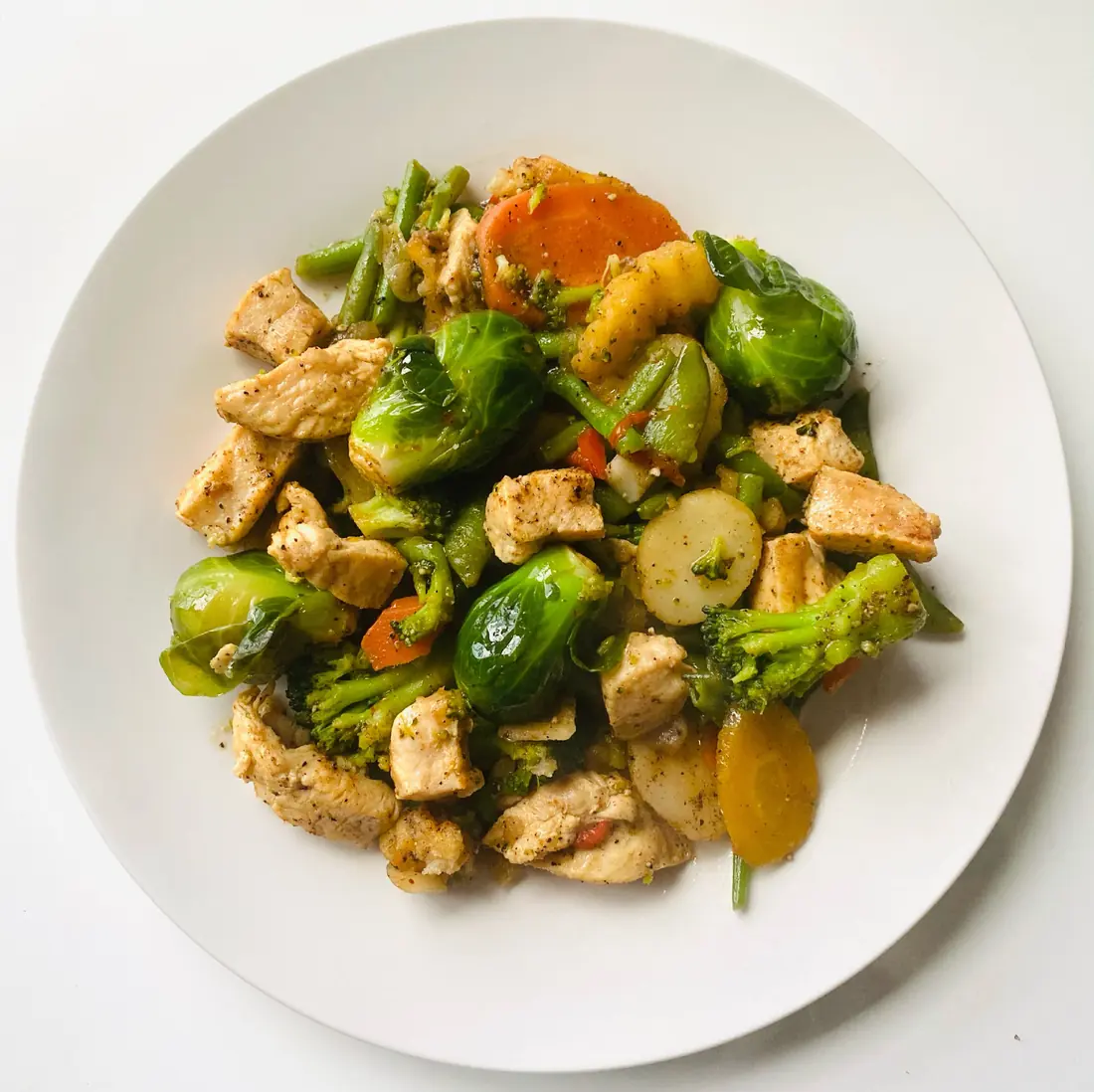
    A stir fry of chicken and vegetables

    What else the coating does

    Two side effects are worth knowing, because they are part of why the technique is standard rather than optional.

    • It thickens the sauce. Starch clinging to the meat comes off into the pan and helps the sauce coat everything, which is part of why restaurant stir fry sauces cling rather than pool.
    • It stops sticking. Coated meat releases from a hot surface far more readily than bare meat, which matters when a cook is moving fast.

    Both are reasons a kitchen would velvet even if the texture were not the point. The technique earns its place several times over.

    Where else you have eaten it

    Once you know the texture, it is recognisable everywhere. Any dish where the meat is notably smooth and slightly slippery rather than fibrous has almost certainly been treated this way.

    It is used for chicken, pork and beef alike, and for shrimp, where it does the same job of protecting something delicate through fast cooking. It is one of the quietest and most consistent differences between restaurant and home cooking in this cuisine.

    For the other half of the answer, our piece on wok heat covers what the pan is doing, the noodle comparison covers the dishes it turns up in, and the hibachi plate guide covers the grilled version of the same protein. The current selection is on the ordering page.

    Frequently Asked Questions

    Why is restaurant chicken so tender?

    It has usually been velveted – coated in a starch mixture before cooking, which holds moisture against the meat and slows heat reaching the surface.

    What is velveting?

    Coating meat in cornstarch, often with egg white and a little liquid, resting it briefly, then setting it in warm oil or simmering water before it joins the dish.

    Does velveting actually tenderise the meat?

    Not in the sense of breaking it down. It prevents moisture loss, so the meat does not toughen. It will not help a tough cut.

    Can I velvet meat at home?

    Easily. Toss thinly sliced meat with cornstarch and a little liquid, rest it fifteen minutes, blanch briefly in simmering water, then add it at the end of cooking.

    How long should the meat rest after coating?

    Fifteen to thirty minutes. The starch needs time to hydrate against the surface, and cooking immediately gives much the same result as no coating at all.

  • What Is Mirin? The Sweetness in Japanese Sauces

    What Is Mirin? The Sweetness in Japanese Sauces

    A great many Japanese sauces are faintly sweet, and the sweetness has a particular quality – rounded rather than sugary, with a shine to it. That is usually mirin, and it is doing more than one job.

    What is mirin?

    Mirin is a sweet rice wine used as a seasoning rather than as a drink. It is made by fermenting glutinous rice with a cultured mould and distilled alcohol, which converts the rice starch into sugars over months.

    It is closely related to sake – Britannica’s entry on sake covers the fermentation both come from – but the process is steered toward sweetness rather than toward alcohol, and the result is syrupy where sake is dry.

    Food finished with a dark glossy glaze

    What it does in a dish

    Four things, and only the first is obvious.

    • Sweetness – rounder and less sharp than sugar, with more going on behind it.
    • Shine – the sugars caramelise into the glossy surface on glazed dishes. Sugar alone does not produce the same effect.
    • Balance – it softens the salt in soy sauce, which is why the two are so often used together.
    • Firming – the alcohol firms the surface of fish and meat slightly, which helps things hold together in a simmering liquid.

    The shine is the one that gives it away on a plate. A dark glossy glaze that catches the light almost always has mirin in it, because that particular finish is very hard to get any other way.

    Where it turns up on a menu

    WhereWhat mirin is doingHow to spot it
    Glazes on grilled foodSweetness and shineA dark lacquered surface
    The sweet sauce on rollsMost of the sweetnessThick, dark, glossy drizzle
    Dipping saucesBalancing the soySweet-salty rather than just salty
    Simmered dishesSweetness and firmingIngredients hold their shape
    Sushi rice seasoningOccasionally, alongside vinegarA rounder sweetness
    Where you meet mirin without seeing it

    The second row covers a lot of ground. The sweet dark sauce drizzled over so many specialty rolls is generally a reduction of soy sauce, mirin and sugar, and mirin is what gives it both the gloss and the depth.

    Rice grains, close up

    The three kinds

    Not everything sold as mirin is the same product, and the difference is worth knowing.

    1. Hon mirin – the real thing. Brewed over months, around fourteen percent alcohol, no added sugar.
    2. Mirin-style seasoning – a lower-alcohol version with sugar and other flavourings added to approximate the taste. Much more common on shelves.
    3. Mirin-flavoured seasoning – essentially no alcohol, built from sugar, corn syrup and flavourings.

    The differences show up mainly in the finish. The brewed version produces a better glaze and a more complex sweetness; the substitutes are sweeter and flatter and will do the job in a simmered dish where subtlety is not the point.

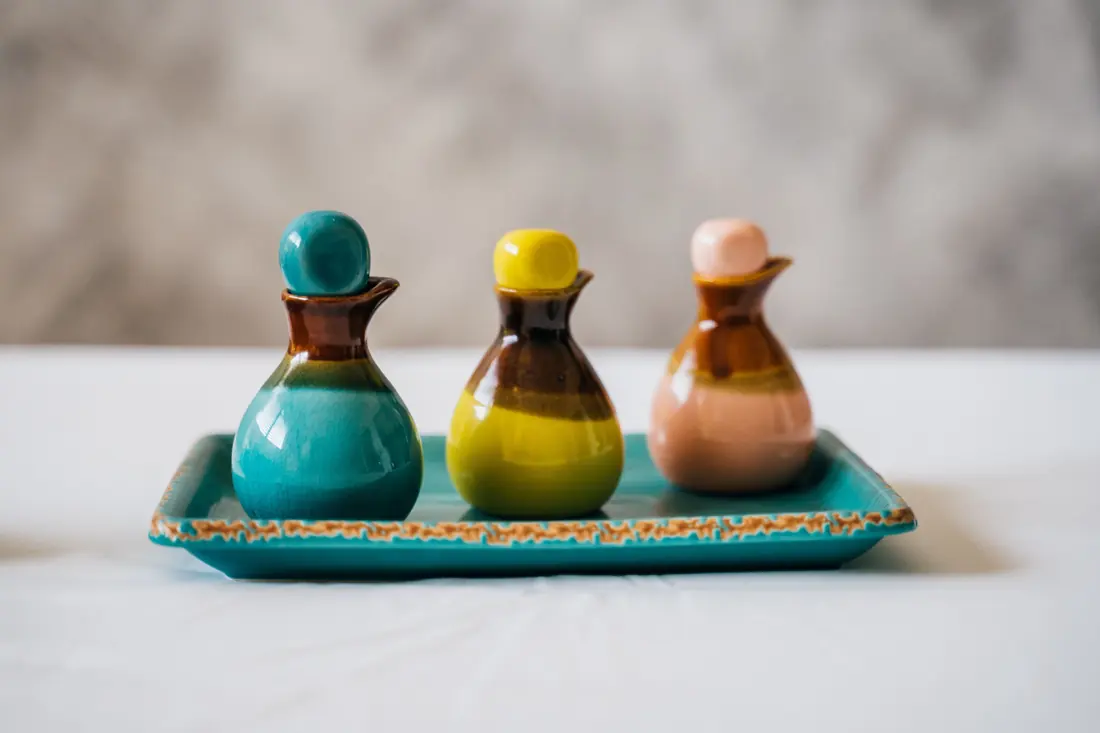
    Small ceramic pouring bottles on a tray

    How it is made

    The production is closer to brewing than to anything a kitchen does. Glutinous rice is steamed and combined with a cultured mould, the same one used for sake and for miso, along with distilled alcohol.

    The mould breaks the rice starch down into sugars over a period of months, and the alcohol present from the start prevents the mixture fermenting further into something dry. What results is thick, golden and intensely sweet, with a complexity that comes from the long conversion rather than from anything added.

    That is the difference between brewed mirin and the sweetened substitutes. One developed its sugars slowly out of rice; the other had them poured in.

    Mirin and sake are not interchangeable

    They come from the same tradition and get confused constantly, but they behave differently in a pan. Sake is dry and is used to add depth and to remove strong odours from fish; mirin is sweet and is used for balance and shine.

    A recipe calling for both wants both. Using only sake produces something noticeably flat and thin; using only mirin produces something cloying, because the sweetness has nothing dry to push against.

    The sauce it is most often in

    If mirin is in one thing you have eaten, it is the sweet dark glaze that appears on grilled dishes and drizzled over rolls. The base of it is simple – soy sauce, mirin and sugar, simmered until it thickens – and the proportions vary by kitchen.

    What the simmering does is drive off the alcohol and reduce the liquid until the sugars concentrate enough to coat rather than run. Reduced too far it turns bitter and sets hard as it cools; not far enough and it slides off whatever it is put on.

    That narrow window is why the glaze on a well-made dish looks lacquered and clings in an even film, while a poorly made one either pools on the plate or sits in sticky patches.

    Does the alcohol cook off?

    Mostly, and that is the intention. In most preparations the mirin goes into a hot pan or a simmering liquid, and the alcohol burns off in a minute or two, leaving the sugars and the flavour behind.

    Some sauces are made without heating, and in those a little alcohol remains. It is a small quantity in a small quantity of sauce, but it is worth knowing if you avoid alcohol entirely – the mirin-flavoured seasonings exist partly for that reason.

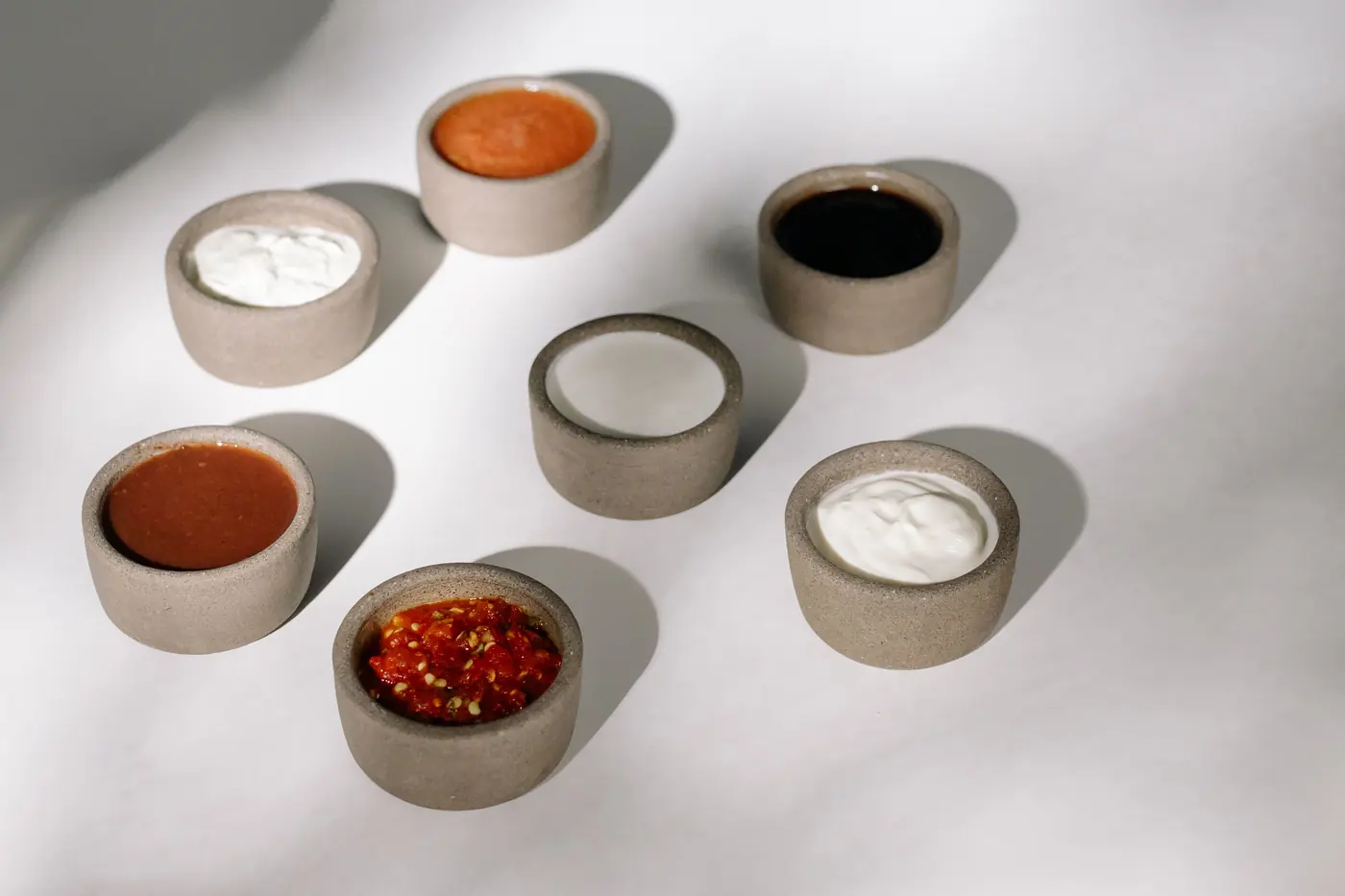
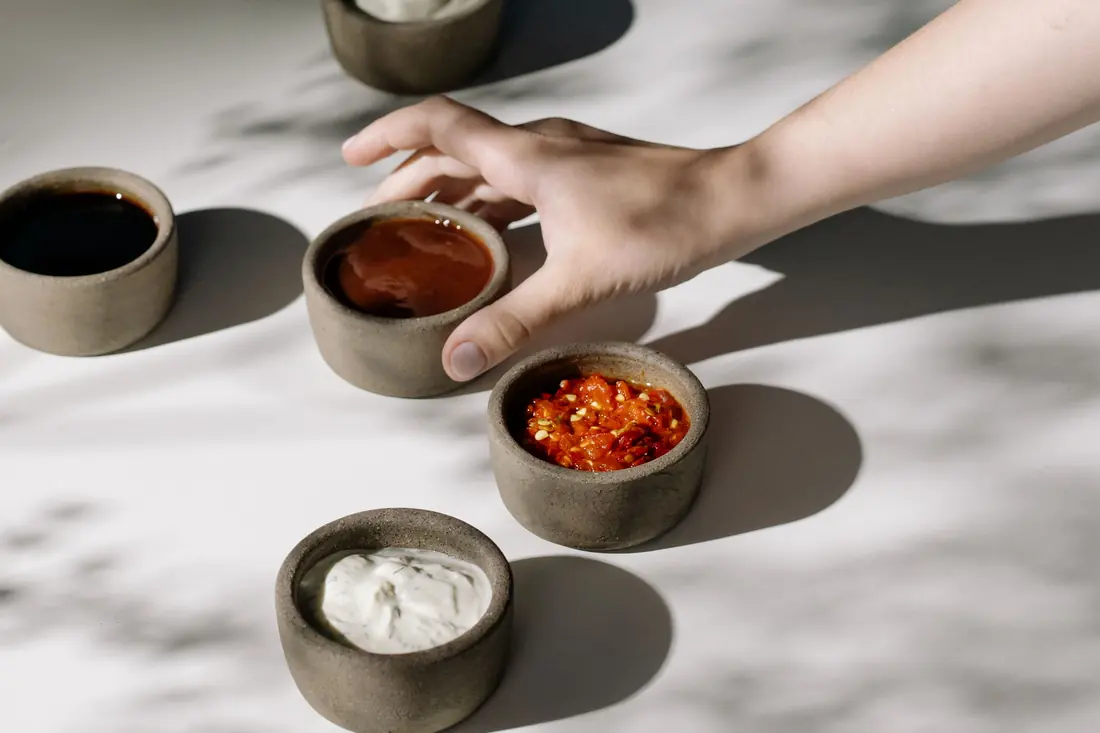
    Small bowls of different sauces

    What to use if you have none

    There is no exact substitute, but the components can be approximated. A common stand-in is a dry white wine or sake with a little sugar dissolved into it, which covers the sweetness and some of the acidity.

    What it will not cover is the shine. The glossy finish comes from the particular sugars that months of conversion produce, and no quick mixture reproduces it, so a glaze made with a substitute will taste close and look duller.

    Storing it

    Brewed mirin keeps well at room temperature, sealed, because the alcohol content protects it. It darkens slowly over a year or two and the flavour deepens rather than spoiling.

    The low-alcohol and alcohol-free substitutes are less stable and are usually better refrigerated after opening, since there is little protecting them beyond the sugar. If a bottle has been open for a long time, the substitute is the one to check.

    If you are cooking with it

    A little goes a long way, and the most common mistake is treating it as a one-for-one replacement for sugar. It is sweet, but it is also liquid, acidic and alcoholic, and all three of those change how a sauce behaves.

    The standard starting point is equal parts soy sauce and mirin, adjusted from there. Reduce that mixture and you have the base of most of the glazes on a Japanese menu, which is a useful thing to know how to make.

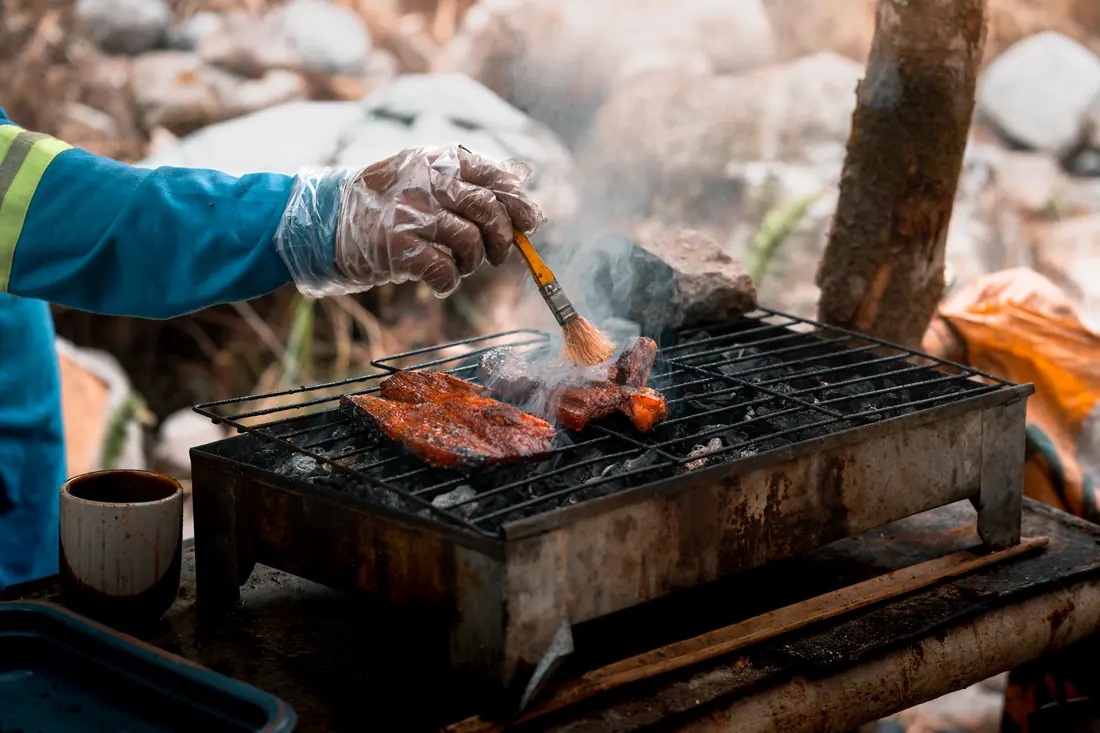
    Glaze being brushed onto food on a grill

    For the sauces it goes into, our condiments guide covers what arrives at the table, the dashi piece covers the other half of most Japanese sauces, and the specialty rolls guide covers the drizzles on a house roll. The current selection is on the ordering page.

    Frequently Asked Questions

    What is mirin?

    A sweet rice wine used as a seasoning rather than a drink. It is brewed from glutinous rice and adds sweetness, shine and balance to sauces.

    Is mirin alcoholic?

    The brewed version is around fourteen percent alcohol, though most of it cooks off when heated. Low-alcohol and alcohol-free substitutes are widely sold.

    What is the difference between mirin and sake?

    Mirin is sweet and used for balance and glaze; sake is dry and used for depth. They come from the same tradition but are not interchangeable.

    What gives Japanese glazes their shine?

    Mirin. Its sugars caramelise into a glossy surface that sugar alone does not reproduce, which is why glazed dishes look lacquered.

    Can I use sugar instead of mirin?

    Only roughly. Sugar supplies sweetness but not the acidity, alcohol or shine, so the sauce will taste flatter and look duller.

  • What Is Chili Oil? The Red Oil on the Table

    What Is Chili Oil? The Red Oil on the Table

    The jar of red oil on the table is not hot sauce, and treating it like one is the usual mistake. Chilli oil does something different, works differently, and belongs in different places.

    What is chilli oil?

    Chilli oil is oil that has been infused with dried chillies, usually by heating the oil and pouring it over chilli flakes. What you get is a fragrant red oil carrying heat and toasted aroma rather than acidity.

    It sits within a long tradition of chilli-based seasonings in Chinese cooking; Britannica’s overview of Chinese cuisine gives a sense of how regionally varied that tradition is, and chilli oil is a good example of a preparation that differs sharply from province to province.

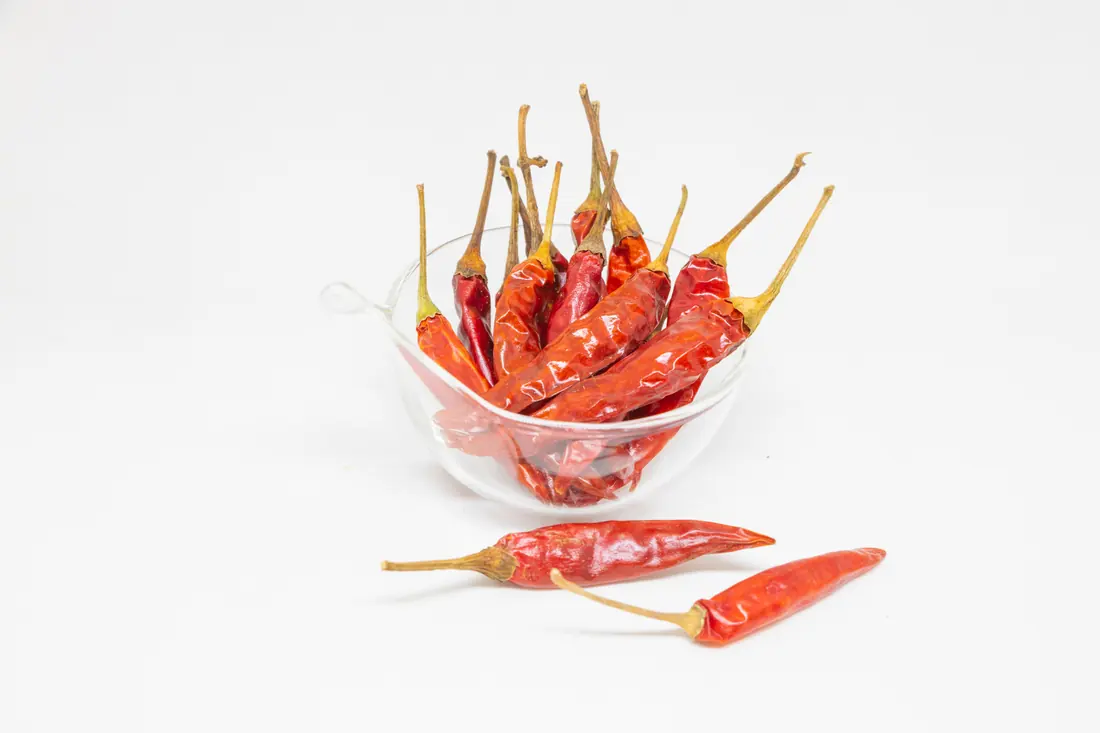
    Dried red chillies in a glass bowl

    How it is made

    1. Dried chillies are ground to coarse flakes – coarse, not fine, so they do not burn.
    2. Aromatics go in with them: sichuan pepper, star anise, bay, ginger, garlic, depending on the recipe.
    3. Oil is heated until it is very hot but not smoking, then poured over the flakes.
    4. The mixture is left to settle. The heat toasts the chilli and the aromatics infuse into the oil as it cools.

    The pour is the whole technique. Too cool and nothing infuses; too hot and the chilli scorches and turns bitter within seconds. That narrow window is why well-made chilli oil tastes toasted rather than burnt.

    A pan heating on a stove

    Why it is not a hot sauce

    Chilli oilHot sauce
    BaseOilVinegar or water
    AddsHeat, aroma, richnessHeat and sharpness
    Effect on a dishCoats and carries flavourCuts through it
    TextureSlick, sometimes with crisp bitsThin and liquid
    Best onNoodles, dumplings, riceFried food, eggs, sandwiches
    Heat characterSlow and roundedSharp and immediate
    Two different tools that both happen to be red

    The key row is the third. Oil coats everything it touches and carries fat-soluble flavour with it, so chilli oil spreads through a bowl of noodles in a way a vinegar-based sauce never does. A hot sauce cuts against richness; chilli oil adds to it.

    The crispy kind

    The version that has become popular recently keeps the solids in rather than straining them out – fried chilli flakes, garlic, shallots and sometimes soybeans, suspended in the oil.

    It is a different product in use rather than just in appearance. The crisp bits add texture and a great deal of savoury flavour, which means a spoonful is doing more than adding heat. It is closer to a condiment with substance than to a seasoning.

    If a jar needs stirring before use, it is this kind, and the solids settled at the bottom are most of what you are paying for.

    A dish of dried chilli mixture

    The regional versions

    Chilli oil is not one recipe, and where it comes from changes what it does.

    • Sichuan style – built around sichuan pepper alongside the chilli, so it brings a distinctive tingling numbness as well as heat.
    • Guizhou and Hunan styles – hotter and more direct, with less aromatic spicing behind the chilli.
    • Crispy styles – heavy on fried garlic, shallot and soybean, where savoury depth matters as much as the heat.

    If a chilli oil produces a faint buzzing or numbing sensation on the lips rather than a straight burn, that is the sichuan pepper rather than the chilli, and it is a feature rather than a fault.

    How hot is it?

    Less than people expect, generally. Oil is a poor carrier of the compound that produces the burning sensation compared with the chilli itself, so a spoonful of chilli oil is usually milder than the same quantity of the flakes it was made from.

    It varies enormously between houses and brands, though. The reliable approach is to add half of what you think you want, mix it through, and taste before adding more – oil disperses, so the second spoonful goes much further than the first.

    Making it at home

    It is one of the easier things to make and one of the easiest to ruin, and the whole difficulty is temperature.

    Oil heated until it just begins to shimmer is roughly right. Poured over coarse flakes it should sizzle steadily for several seconds without the chilli darkening sharply. If it goes black immediately the oil was too hot, and the result will be acrid rather than toasted.

    Pouring in two stages helps considerably: half the oil to toast the flakes, then a pause, then the rest once the first has calmed down. It gives a much wider margin than trying to hit the right temperature in one pour.

    What to use it on

    • Noodles – the classic use. It coats every strand and adds richness as well as heat.
    • Dumplings – a small amount in the dipping sauce, alongside vinegar and soy.
    • Rice – a spoonful stirred through plain rice turns it into something.
    • Soups – a swirl on the surface rather than stirred in, so the aroma hits before the heat.

    Where it works less well is on anything already fried or already rich. It is adding fat as well as heat, and a crisp coating plus an oil-based condiment is usually one richness too many.

    Chilli oil being poured over a bowl of food

    Getting the proportions right

    Because it is oil, chilli oil behaves differently from a sauce when it goes into a dish, and a couple of habits make it work better.

    1. Add it to something hot. Heat thins the oil and helps it spread rather than sitting in one place.
    2. Mix it through properly before judging. An unmixed spoonful gives a very misleading first taste.
    3. For a crispy version, take some solids with the oil rather than pouring off the top – the solids are most of the flavour.
    4. Use it at the end rather than cooking with it. The aroma is the point and heating it again drives it off.

    A last note on quantity: chilli oil looks like a small addition and is not one. A tablespoon carries a meaningful amount of fat as well as heat, which is part of why it makes a plain bowl of noodles satisfying rather than just spicy.

    Keeping a jar

    Chilli oil keeps for months in a sealed jar away from light. What degrades first is the aroma rather than the heat, so an old jar will still be hot but will have lost the toasted quality that made it worth having.

    The crispy kind is the exception. Once solids are in the jar, and particularly if there is garlic among them, it is better kept in the fridge and used within a few weeks rather than left in a cupboard indefinitely.

    A condiment caddy on a restaurant table

    For the other things on the table, our guide to seasoning pho covers the sauces served with noodle soup, the sushi condiments guide covers the other side of the menu, and the spicy tuna piece covers what heat is doing inside a roll. The current selection is on the ordering page.

    Frequently Asked Questions

    What is chilli oil made of?

    Oil infused with dried chilli flakes, usually with aromatics such as sichuan pepper, star anise, ginger or garlic. Hot oil is poured over the flakes to toast and infuse them.

    Is chilli oil the same as hot sauce?

    No. Hot sauce is vinegar-based and cuts through richness; chilli oil is oil-based, coats what it touches and adds richness along with heat.

    How spicy is chilli oil?

    Usually milder than expected, because oil carries less of the burning compound than the chilli itself. It varies a lot between brands, so add half and taste.

    What is crispy chilli oil?

    The version that keeps the solids in – fried chilli, garlic, shallots – suspended in the oil. It adds texture and savoury depth as well as heat.

    How long does chilli oil keep?

    Months, sealed and away from light. The aroma fades before the heat does. Crispy versions with garlic in them are better refrigerated and used sooner.

  • What Is Bok Choy? The Green in Your Soup

    What Is Bok Choy? The Green in Your Soup

    It is the green thing in the soup, and it turns up in noodle bowls and on stir-fry plates across half a dozen cuisines. Bok choy is one of the most common vegetables on an Asian menu and one of the least often named on it.
    What is bok choy?

    Bok choy is a leafy green in the cabbage family, with thick pale stems and dark green leaves growing from a single base. It is sometimes spelled pak choi, and both spellings describe the same plant.

    It is a Chinese cabbage rather than a lettuce, though it looks closer to the latter; Britannica’s entry on Chinese cabbage covers how the group divides. Unlike a European cabbage it does not form a tight head – the stems grow outward in a loose bunch.
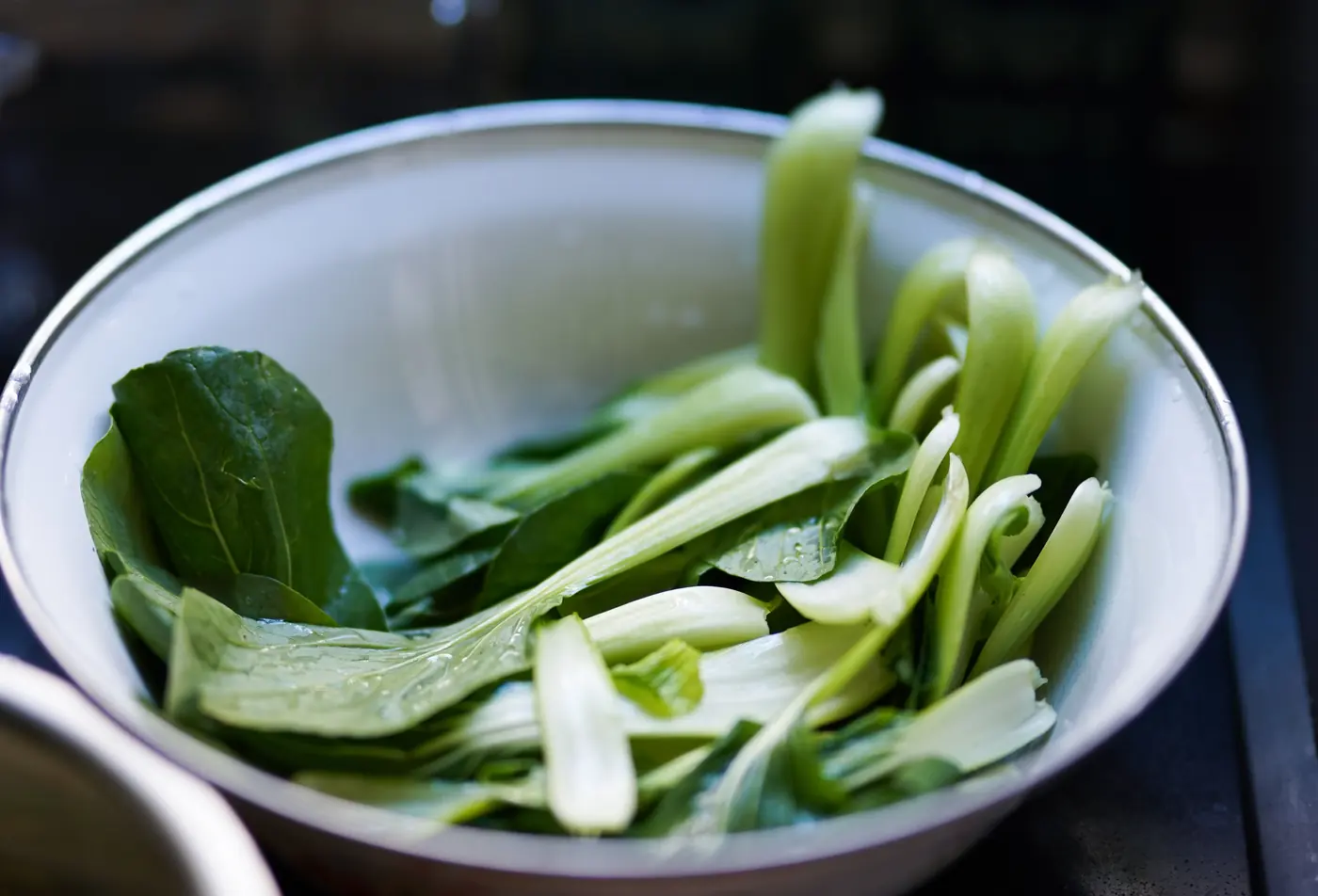
    Bok choy leaves and pale stems

    Two vegetables in one

    The single most useful thing to know is that the stem and the leaf behave completely differently, and a kitchen treats them as separate ingredients.
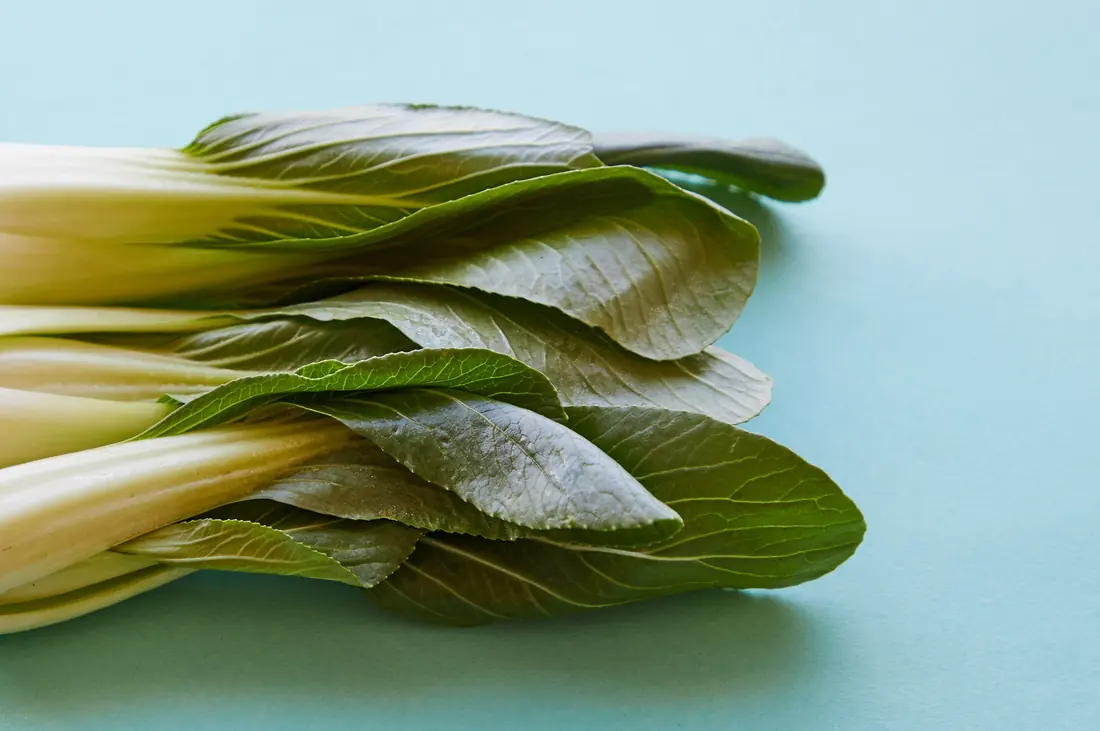
    • The stems are thick, pale and full of water. They stay crisp under heat, take longer to cook, and taste faintly sweet.
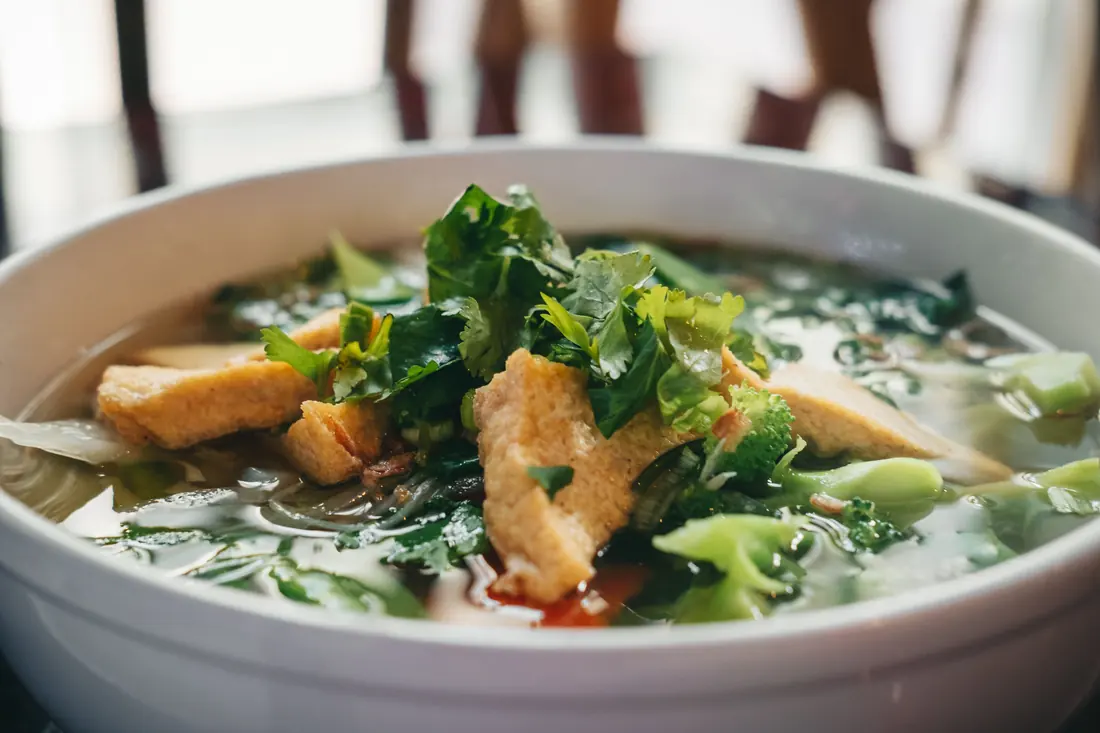
    • The leaves are thin and dark. They wilt in seconds, taste more mineral and slightly peppery, and collapse to almost nothing.

    This is why you will often see the stems sliced away and started first, with the leaves thrown in at the end. It is also why bok choy that has been cooked as one piece often arrives with soggy leaves and undercooked stems.

    What it tastes like

    Mild, faintly sweet and clean, with a slight cabbage note that is much gentler than an actual cabbage. There is a mustardy edge to the leaves that comes out more when raw and softens with cooking.

    It is one of the more approachable green vegetables for exactly that reason. There is very little bitterness in it, and the texture does most of the work.

    Greens and tofu floating in a broth

    Baby bok choy is not just small

    You will see both the full-sized version and a much smaller one, usually labelled baby bok choy. The difference is not only size – the small ones are more tender throughout, with a narrower gap between how the stem and leaf cook.

    That makes them easier to serve whole or halved, which is why the little ones turn up in restaurant presentations while the large ones are more often cut up and mixed through a dish.

    How to pick a good one

    Bok choy shows its age faster than most greens, and the signs are easy to read.

    • Stems should be firm and pale, with no brown along the cut base and no softness when squeezed.
    • Leaves should be upright rather than drooping, and dark green rather than yellowing.
    • The base should be tight, with the stems held closely together rather than splayed open.

    It keeps for about a week in a fridge, loosely wrapped rather than sealed. Sealed in plastic it sweats and the leaves go slimy well before the stems give out.

    Where you will meet it

    DishHow it is usedWhat to expect
    Noodle soupBlanched, added at the endCrisp stems, softened leaves
    Stir fryCut and cooked with the restBrowned edges, still crunchy
    Steamed and dressedWhole or halved, with sauceVery tender, mild
    Hot potDipped briefly by the dinerWhatever texture you choose
    Rice bowlsAs a green alongsideA crisp counterpoint
    Bok choy in its usual roles
    Mixed vegetables cooking in a pan

    Is the whole thing edible?

    Yes, all of it – stems, leaves and the base once trimmed. Nothing needs peeling and nothing is discarded except the very bottom of the root end.

    It does need washing carefully, because the way the stems grow from a single base traps grit at the bottom. The usual approach is to cut the base off and separate the stems rather than trying to rinse a whole head.

    Its shape helps too. A head of bok choy separates into pieces that are already roughly the right size for a bowl, so a kitchen gets usable portions with very little knife work – which matters when a vegetable is going into dozens of dishes a night.

    The related greens on the same menu

    Several other Asian greens turn up in similar roles, and they are easy to confuse.

    • Napa cabbage – a pale, tightly furled cabbage from the same family, much larger and sweeter, used in hot pots and pickles.
    • Choy sum – thinner stems with small yellow flowers, more slender and slightly more bitter.
    • Gai lan – Chinese broccoli, thick-stemmed with broad leaves and a definite bitterness.

    Bok choy is the mildest of the group, which is why it turns up most often as a component in dishes where the green is not meant to be the loudest thing on the plate.

    Raw or barely cooked

    Bok choy is usually cooked, but it does not have to be. Shredded finely, the stems are crisp and juicy enough to work in a salad, closer to a mild cabbage than to a leaf.

    The leaves are less successful raw – they are thin, and without heat they stay a little tough and taste more strongly of mustard. If you are using it raw, the stems are the part worth using.

    A middle option that works well is a brief blanch: thirty seconds in boiling water, then straight into cold. The colour becomes vivid, the stems keep almost all their crunch, and the leaves lose their raw edge.

    Why restaurants use so much of it

    It suits restaurant cooking unusually well. It cooks in under two minutes, it holds its colour brilliantly, it does not release much water into a pan, and it looks like a vegetable on the plate rather than dissolving into the dish.

    It is also available year-round and cheap, which matters when a vegetable is going into a great many dishes as a component rather than being the point of any of them.

    Vegetables laid out on a market stall

    It is also one of the few vegetables that is genuinely better cooked fast than slow. Long cooking turns the stems limp without adding anything, so there is no gentle-braise version that improves on a hard two-minute sear.

    If you are cooking it

    1. Cut the base off and separate the stems, then wash thoroughly – grit collects where they join.
    2. Separate stems from leaves if the plant is large. Slice the stems, leave the leaves whole.
    3. Start the stems first, in a hot pan, for about two minutes.
    4. Add the leaves for the last thirty seconds, no longer.
    5. Season at the end. Salt early draws water out and the stems lose their crunch.

    Baby bok choy can skip the separation step. Halved lengthways and put cut-side down in a hot pan, it browns on the cut face while the leaves steam above it.

    Chopped green vegetables on a board

    For the dishes it turns up in, our guide to pho covers the noodle soup it appears in, the noodle comparison covers the stir-fried versions, and the fish-free guide leans on vegetable dishes heavily. The current selection is on the ordering page.

    Frequently Asked Questions

    What is bok choy?

    A leafy green in the cabbage family with thick pale stems and dark leaves. It is sometimes spelled pak choi, and it is a Chinese cabbage rather than a lettuce.

    Do you eat the stems of bok choy?

    Yes. The whole plant is edible. The stems stay crisp and take longer to cook than the leaves, which is why they are often started first.

    What does bok choy taste like?

    Mild, faintly sweet and clean, with a slight mustardy note in the leaves. Much gentler than a European cabbage.

    What is the difference between bok choy and baby bok choy?

    Size and tenderness. The small ones are tender throughout, so they can be served whole or halved; larger ones are usually cut up.

    Why is my bok choy soggy?

    Usually because the leaves and stems were cooked for the same length of time. The leaves need seconds while the stems need a couple of minutes.

  • Jasmine Rice vs Sushi Rice: Why They Differ

    Jasmine Rice vs Sushi Rice: Why They Differ

    Rice is not one ingredient. The rice under a curry, the rice in a sushi roll and the rice in a fried rice are different products chosen for different reasons, and swapping them produces noticeably worse food.

    The short answer

    Jasmine rice is long-grain and cooks up separate and fluffy. Sushi rice is short-grain and cooks up sticky enough to hold together. The difference is starch, and it is decided by the variety rather than by how it is cooked.

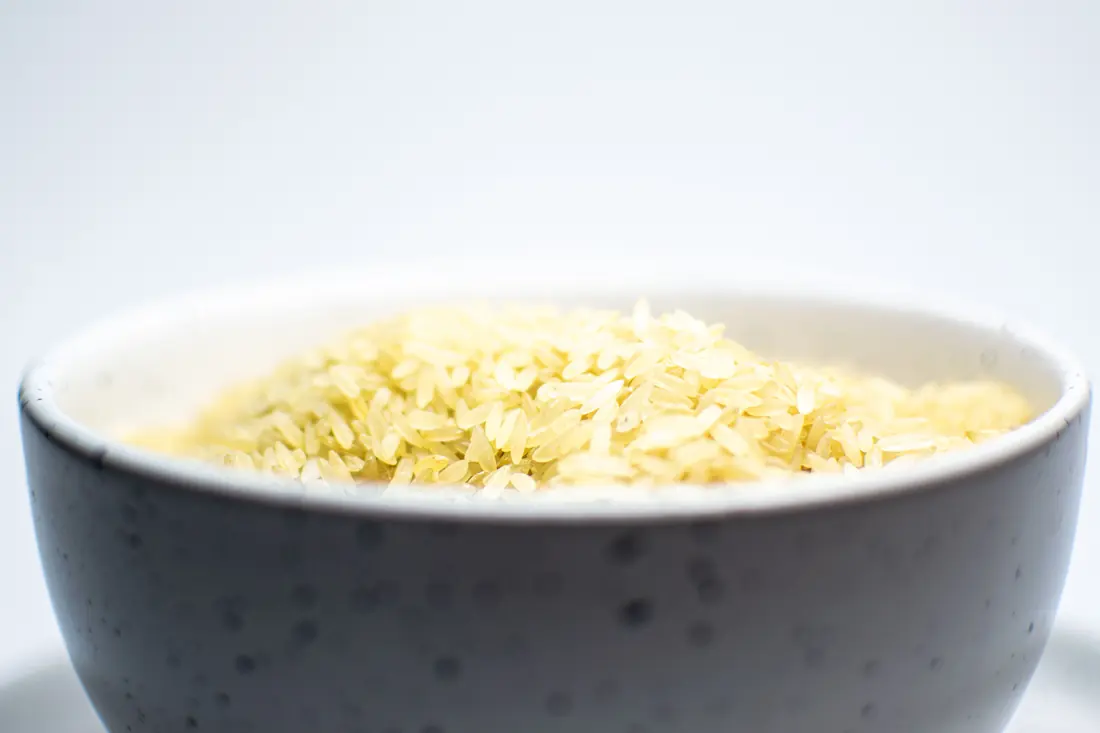
    Raw white rice grains, close up

    Two starches, one difference

    Rice contains two starches in varying proportions, and the ratio between them explains almost everything.

    • Amylose – the one that keeps grains separate. High-amylose rice cooks dry and fluffy and firms up as it cools.
    • Amylopectin – the one that makes grains cling. High-amylopectin rice cooks soft and sticky and stays pliable.

    Long-grain varieties are high in amylose; short-grain varieties are high in amylopectin. Britannica’s entry on rice covers how widely the crop varies across regions, and the cooking differences follow directly from that variation.

    A bowl of cooked rice

    The two compared

    Jasmine (long-grain)Sushi rice (short-grain)
    Grain shapeLong and slenderShort and rounded
    Texture cookedSeparate, fluffySticky, cohesive
    AromaDistinctly floralMild and clean
    Holds shapeNo – falls apartYes – can be pressed
    When cooledFirms and driesStays soft longer
    Used forServing alongside dishesRolls, pressed sushi, rice bowls
    Why one cannot stand in for the other

    The fourth row is the one that matters most on a sushi menu. A roll made with long-grain rice would come apart as soon as it was cut, which is why the substitution is not a matter of preference.

    What makes sushi rice sushi rice

    Short-grain rice on its own is not yet sushi rice. After cooking it is dressed with a seasoning of vinegar, sugar and salt, folded through while the rice is still warm so it absorbs rather than sits on the surface.

    That seasoning does two jobs. It adds the faint sweet-sharp flavour that distinguishes sushi rice from plain rice, and the acidity balances rich fish. The traditional cooling with a fan, while folding, is about stopping the grains from steaming themselves into mush.

    This is also why sushi rice is served at room temperature rather than hot. Cold rice goes hard and hot rice warms the fish sitting on it, so the target is somewhere in between – closer to body temperature than to either extreme.

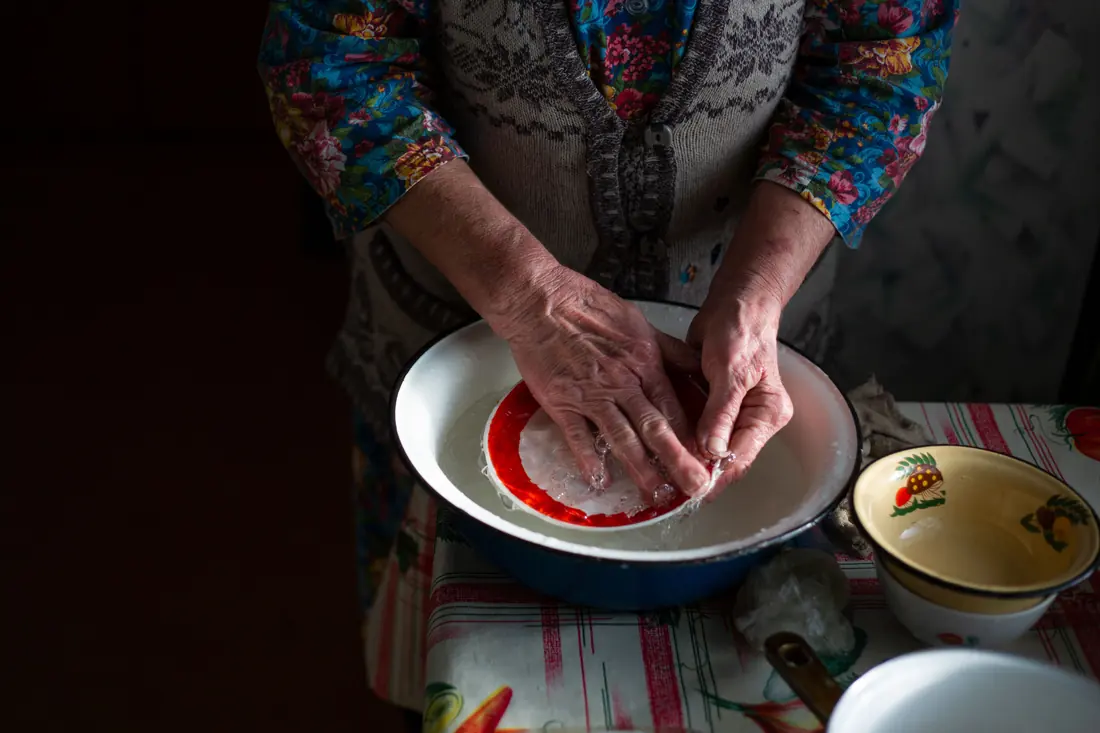
    Rice being rinsed in a bowl of water

    How the water ratio changes things

    The other variable is water, and the two rice types want different amounts for reasons that follow from the starch difference.

    Long-grain rice takes roughly one and a half parts water to one part rice, because the goal is fully cooked grains that stay separate. Short-grain rice takes closer to one to one, since it holds moisture more readily and too much water turns it to porridge.

    Resting matters as much as the ratio. Rice left covered off the heat for ten minutes finishes cooking in its own steam and the moisture distributes evenly, which is why rice served straight from an uncovered pot is often wet at the bottom and dry on top.

    Why rice is rinsed

    Both types are rinsed before cooking, and for the same reason: loose surface starch. Milling leaves a powdery coating that turns gluey in the pot and makes the finished rice claggy rather than distinct.

    How thoroughly depends on what you want. Jasmine rice is usually rinsed until the water runs almost clear, since separation is the goal. Sushi rice is rinsed too, but the stickiness that remains is structural and comes from inside the grain rather than from the surface dust.

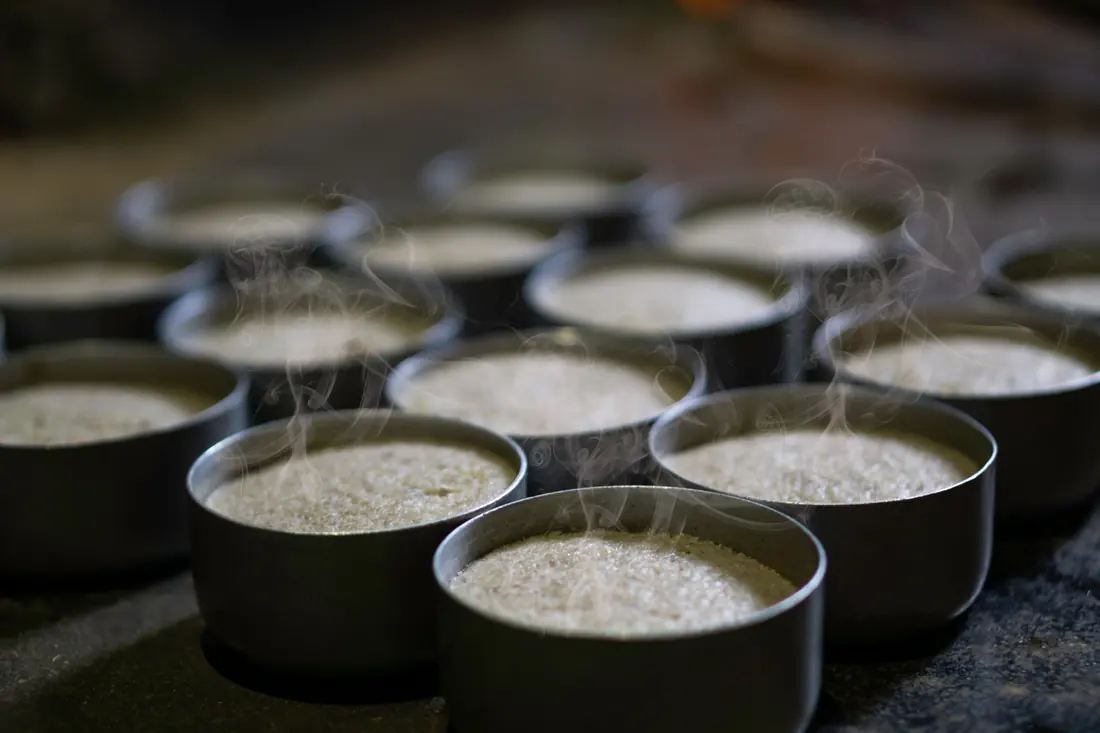
    Steam rising from bowls of freshly cooked rice

    One more variable worth naming is age. Rice loses moisture in storage, so a bag opened months ago behaves slightly differently from a fresh one and generally wants a little more water. It is a small effect, but it explains why the same measurement does not always give the same result.

    The fried rice question

    This is where the two meet a practical problem. Fried rice needs grains that stay separate in a hot pan, which means a long-grain rice – and it needs the rice to be cooked in advance and cooled.

    Day-old rice works better because the grains have firmed up and dried slightly, so they fry rather than steam. Freshly cooked rice carries too much surface moisture and clumps.

    It is also why fried rice and steamed rice on a hibachi plate genuinely are different choices rather than the same rice prepared two ways.

    What happens when rice goes cold

    Cooked rice changes in the fridge, and the change is not simply drying out. The starch reorganises into a firmer structure as it cools, which is why cold rice is hard and slightly chalky.

    This is behind several things you notice. It is why packaged sushi never quite matches fresh, why day-old rice fries better, and why sushi rice is seasoned and held at room temperature rather than being refrigerated between service.

    Reheating reverses most of it. Steam or a splash of water and a lid will bring chilled rice back close to where it started, which dry reheating in an oven or under a grill will not.

    The other varieties on a menu

    • Basmati – long-grain, very high amylose, the driest and most separate of the common types.
    • Glutinous or sweet rice – almost pure amylopectin, so sticky it holds a shape without pressing. Used for sweets and for some steamed dishes.
    • Brown rice – any variety with the bran left on. Chewier, longer to cook, and it never becomes as sticky because the bran gets in the way.

    Brown rice is worth a note if it appears as an option on a sushi menu. It makes a structurally weaker roll, because the bran layer interferes with the grains binding to each other.

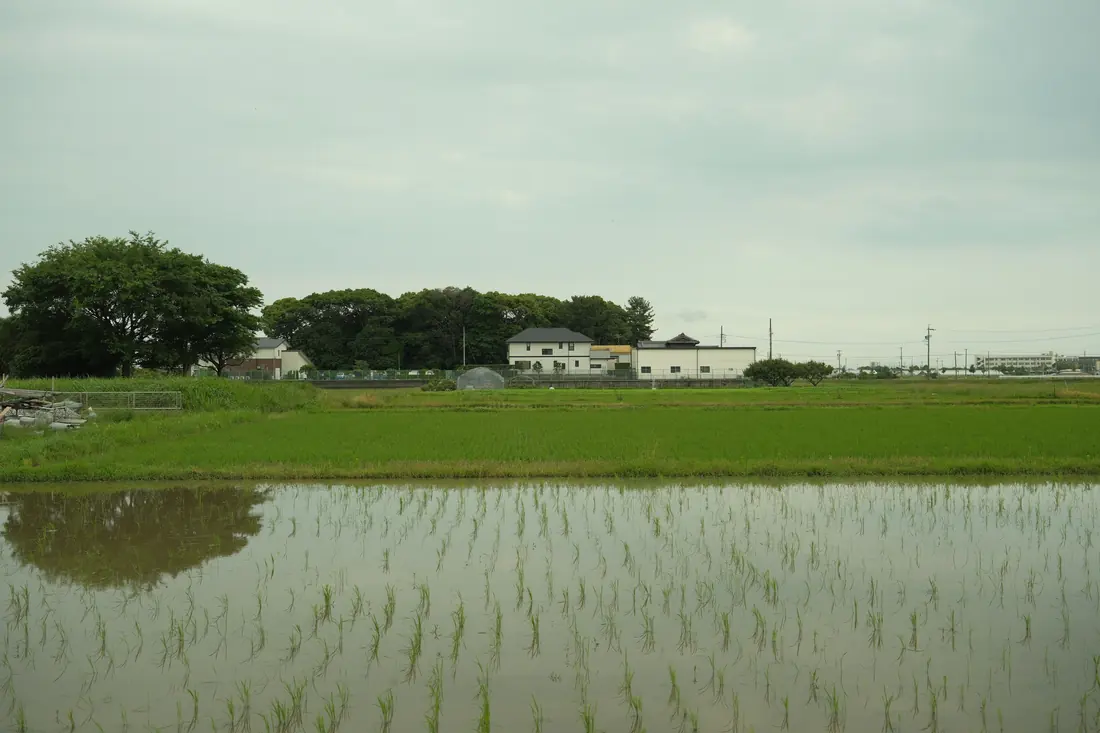
    A flooded rice paddy

    How much you get

    Rice roughly triples in volume as it cooks, which is worth knowing when a menu describes a portion. A restaurant serving of steamed rice is a fairly standard quantity across most kitchens, and it is sized to accompany a dish rather than to be a dish.

    That is also why a plate built around rice – a hibachi plate, a rice bowl – carries noticeably more of it than a bowl served alongside something else. The rice is doing a different job in each case.

    What to do with this

    If you are cooking, buy for the dish rather than buying one bag for everything. If you are ordering, it explains a choice you are given constantly.

    On a hibachi plate the fried-or-steamed question is really a question about whether you want the rice seasoned and separate or plain and soft. On a sushi menu there is no question at all – the rice is the one part of the dish that is not up for negotiation.

    For where this shows up, our beginners guide covers how a roll holds together, the hibachi plate guide covers the rice choice in detail, and the packaged sushi comparison explains what chilling does to it. The current selection is on the ordering page.

    Frequently Asked Questions

    What is the difference between jasmine rice and sushi rice?

    Jasmine is long-grain and cooks separate and fluffy; sushi rice is short-grain and cooks sticky enough to hold together. The difference is the balance of starches in the grain.

    Why is sushi rice sticky?

    Short-grain rice is high in amylopectin, the starch that makes grains cling. The vinegar seasoning added afterwards does not cause the stickiness.

    Can I use jasmine rice for sushi?

    Not successfully. It will not hold together, so a roll made with it comes apart as soon as it is cut.

    Why is day-old rice better for fried rice?

    The grains firm up and dry slightly overnight, so they fry and separate rather than steaming and clumping in the pan.

    Is sushi rice served warm or cold?

    Neither. It is served at around room temperature – cold rice goes hard and hot rice warms the fish on top of it.

  • Why Restaurant Stir Fry Tastes Different

    Why Restaurant Stir Fry Tastes Different

    You can buy the same ingredients, follow the same steps, and end up with something that is recognisably not the same dish. Restaurant stir fry has a quality home cooking rarely reaches, and the reasons are almost entirely mechanical.

    The short answer

    Heat. A restaurant wok burner puts out several times the power of a domestic hob, and almost everything that distinguishes the result follows from that one difference.

    Everything else – the pan shape, the batch size, the speed – exists to make use of that heat or to compensate for its absence.

    What the heat actually does

    Two things happen when food hits a very hot surface, and they compete with each other.

    • Browning. The reactions that produce savoury, roasted flavours need high temperatures and a dry surface. They are what you are actually tasting when you say something tastes like restaurant food.
    • Water release. Vegetables and meat are mostly water, and as soon as they are heated they start giving it up.

    If the pan is hot enough, the released water evaporates as fast as it appears and browning continues. If it is not, the water pools, the temperature drops to boiling point, and the food steams in its own liquid. That is the difference between a stir fry and a pile of damp vegetables.

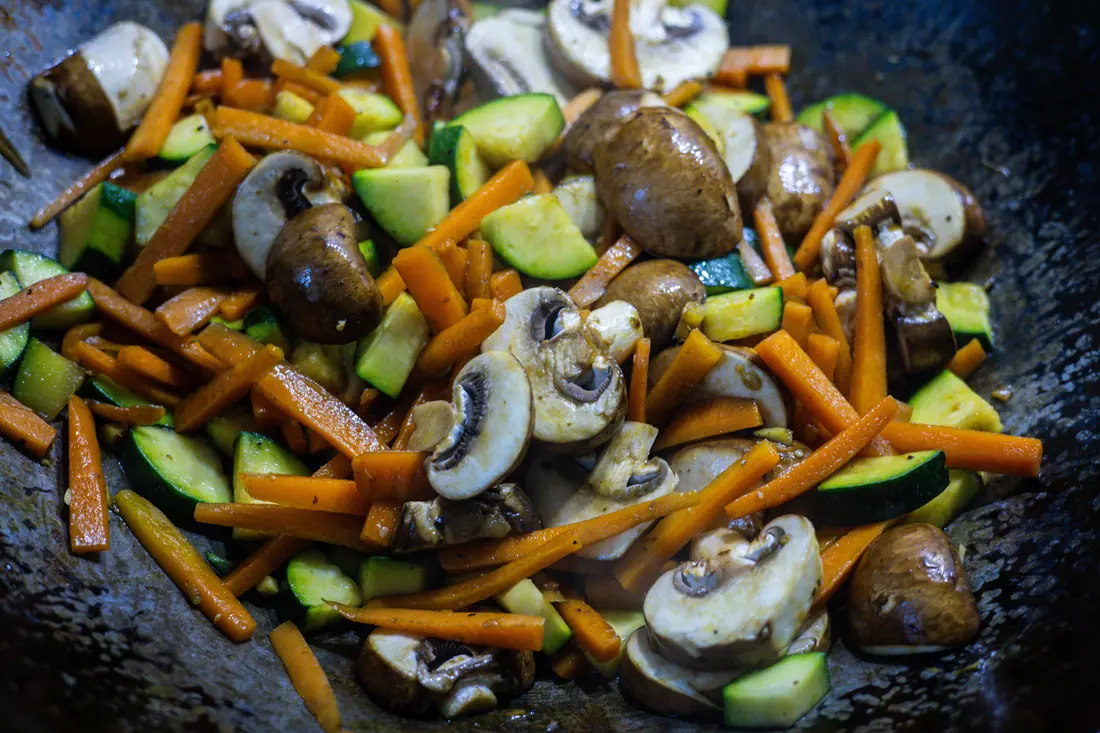
    Stir-fried vegetables in a hot pan

    Why the pan is that shape

    A wok is round-bottomed and thin-walled, and both features serve the same goal. The curve concentrates heat at the base while the sloping sides stay cooler, so a cook can move food between temperatures without taking it out of the pan.

    Britannica’s entry on the wok notes how long the design has been in use, and the reason it has not changed much is that it solves the problem well – thin metal responds instantly to changes in flame, which a heavy pan cannot do.

    The shape also makes tossing possible. Food thrown up the sloping wall falls back into the hottest part, which both mixes it and gives the surface repeated brief contact with the highest heat.

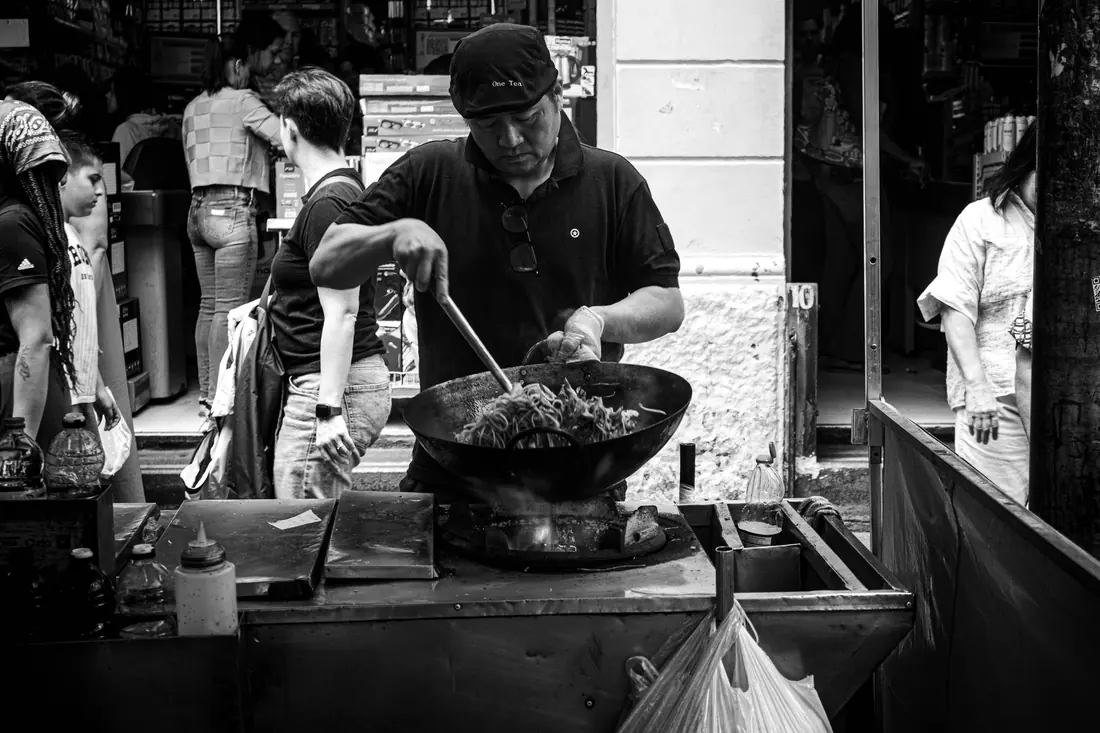
    A street cook working a wok over high heat

    The burner is the part you cannot replicate

    This is where home cooking runs into a wall. A commercial wok range is built around a burner producing many times the output of a domestic one, with the flame wrapping up around the sides of the pan rather than heating a flat disc underneath it.

    That output is what allows a cook to add cold ingredients to a hot pan without the temperature collapsing. On a home hob the same handful of vegetables drops the pan temperature immediately, and it takes a minute or more to recover – by which time everything has released its water.

    Pans and steam on a restaurant range

    Batch size matters as much as heat

    The second constraint is quantity, and it is the one home cooks most often ignore. A restaurant portion is cooked alone, in a pan sized for it, with plenty of room.

    A home cook making dinner for four typically puts everything in at once, which quadruples the water being released into the same pan. Cooking the same food in two or three batches makes a larger difference than most people expect – larger, often, than buying a better pan.

    Why the pan is seasoned rather than non-stick

    A restaurant wok is bare carbon steel that has built up a dark polymerised layer through use. It is not a coating anyone applied – it forms from oil breaking down at high heat over hundreds of services.

    That surface matters for a practical reason: non-stick coatings are not rated for the temperatures a wok burner reaches, and they degrade. Carbon steel has no such limit, which is why professional kitchens use a material that requires maintenance rather than one that does not.

    It also affects flavour. A well-seasoned wok contributes a faint accumulated savoury quality that a new pan does not, which is one more small piece of the gap between a restaurant kitchen and a domestic one.

    Restaurant and home conditions compared

    RestaurantHome kitchen
    Burner outputVery high, flame wraps the panModest, heat from below only
    PanThin carbon steel, round bottomHeavier, usually flat
    PortionOne serving at a timeOften four at once
    PrepEverything cut and readyOften cut as you go
    Cook timeNinety seconds or lessSeveral minutes
    ResultSeared, dry-surfaced, distinctSofter, wetter, more uniform
    Why the same recipe produces two different dishes

    Everything is ready before anything starts

    A stir fry that cooks in ninety seconds cannot accommodate any chopping partway through. Every ingredient is cut, every sauce is mixed, and everything is within arm’s reach before the pan is heated.

    This is not a stylistic preference. Turning away for thirty seconds to slice something is long enough to overcook what is already in the pan, and it is the single most common reason a home stir fry goes wrong even when the heat is adequate.

    A bowl of chopped vegetables during prep

    The order things go in

    A stir fry is assembled in a sequence, and the sequence is dictated by how long each thing needs rather than by any convention.

    1. Aromatics first – garlic, ginger, chilli – into hot oil for a few seconds only, since they burn quickly.
    2. Protein next, spread out and left alone long enough to colour, then removed.
    3. Hard vegetables after that, given the longest of the vegetable times.
    4. Soft vegetables and leaves near the end.
    5. The protein returns, the sauce goes in last, and everything is tossed together for a few seconds.

    Removing the protein partway through is the step most home cooks skip. It is there because meat left in the pan for the whole cook overcooks while the vegetables catch up.

    What you can actually do at home

    1. Cook in small batches, even if it means three rounds and reheating at the end.
    2. Get the pan hotter than feels sensible, and wait longer than feels necessary before adding anything.
    3. Dry everything. Wet vegetables and wet meat cannot brown until the water has gone.
    4. Cut everything first, including mixing the sauce, before the pan goes on.
    5. Leave the food alone for a few seconds at a time rather than stirring constantly – contact time is what produces colour.

    None of this closes the gap entirely, because the burner is the limiting factor and there is no way around it in a domestic kitchen. It does close a surprising amount of it.

    Why it matters for what you order

    There is a practical consequence to all of this. Dishes that depend on hard searing are the ones worth ordering out rather than making at home, because they are the ones a home kitchen cannot reproduce.

    Conversely, dishes built on long simmering – broths, braises, anything where time rather than heat does the work – are much closer to achievable at home. The equipment gap barely applies to them.

    Noodles being stirred in a wok

    For the dishes this applies to, our noodle comparison covers the two stir-fried options, the hibachi explainer covers the flat-top version of the same principle, and the mushroom guide explains why crowding the pan ruins them. The current selection is on the ordering page.

    Frequently Asked Questions

    Why does restaurant stir fry taste better than homemade?

    Mainly burner power. A commercial wok range is several times hotter than a domestic hob, which lets food brown instead of steaming in its own released water.

    What is wok hei?

    The seared, faintly smoky quality that comes from cooking at very high heat in a wok. It is a result of the temperature and the tossing rather than any added ingredient.

    Can I get the same result at home?

    Not entirely, but you can close much of the gap: cook in small batches, dry your ingredients, preheat longer than feels necessary, and prepare everything in advance.

    Why does a wok have a round bottom?

    The curve concentrates heat at the base while the sides stay cooler, so food can be moved between temperatures without leaving the pan, and tossing returns it to the hottest point.

    Does the pan matter more than the burner?

    No. A thin carbon steel wok helps, but the burner is the limiting factor. A good pan on a weak hob still cannot hold its temperature when cold food goes in.