
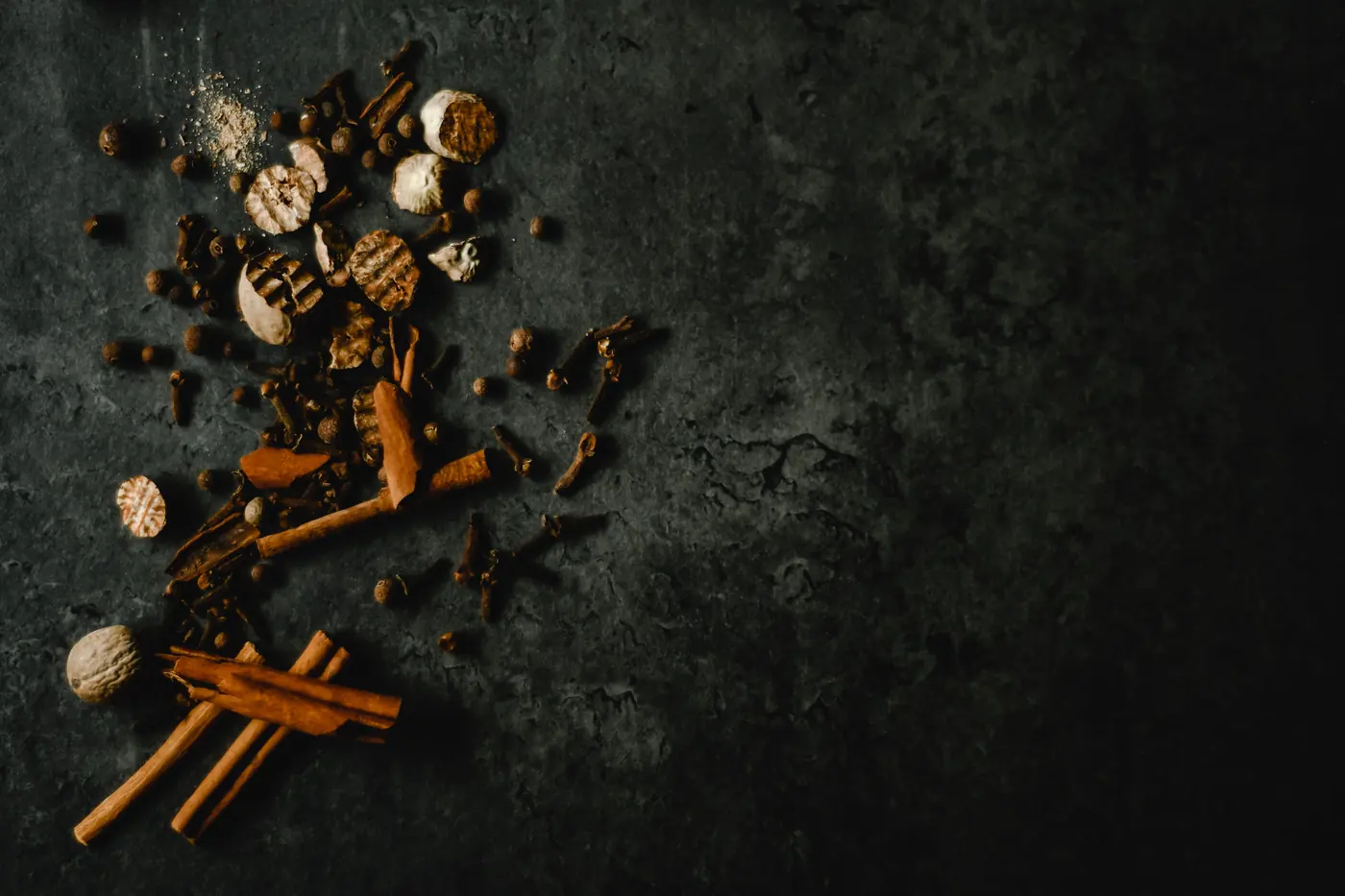
It is on the ingredient list of a great many dishes and in the spice rack of almost every Chinese kitchen, and most people could not name what is in it. Five spice is a blend rather than a spice, and the combination is doing something specific.
What is five spice?
Five spice is a ground blend of warm aromatic spices used across Chinese cooking. The classic combination is star anise, cinnamon, cloves, Sichuan pepper and fennel seed, though the exact line-up varies.
Britannica’s entry on Chinese five spice notes that the number is as much a principle as a count – the blend is meant to touch all the basic tastes rather than to contain exactly five things.
What is in it
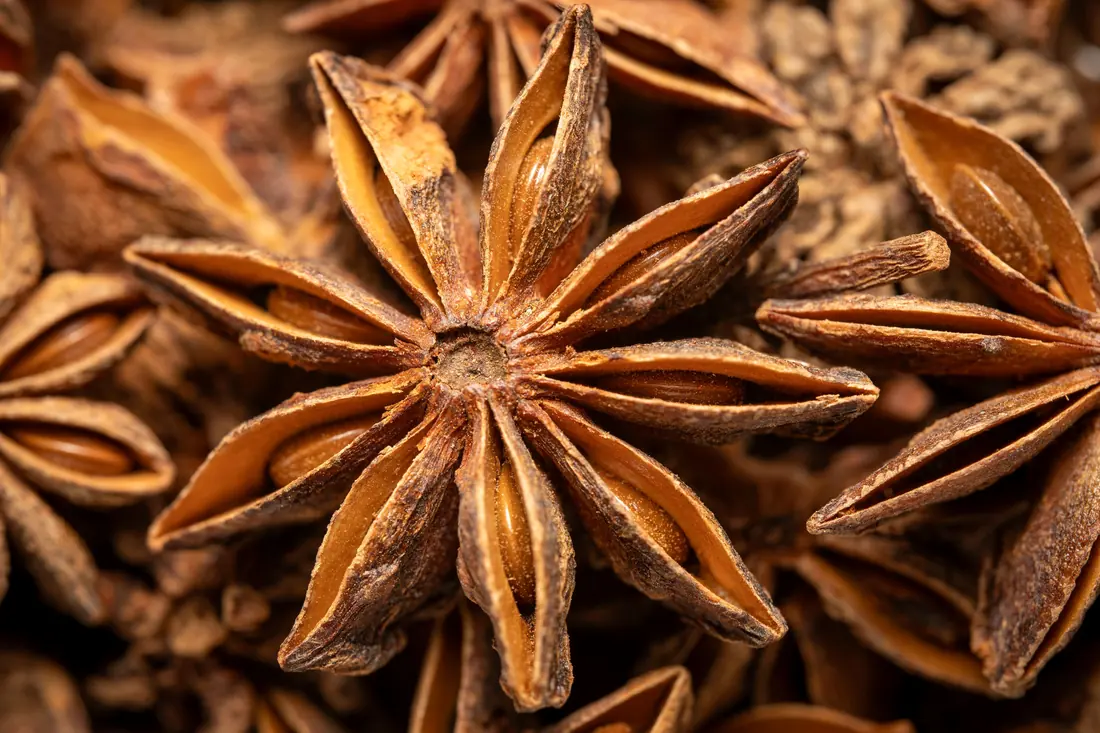
- Star anise – the dominant one. Sweet, liquorice-like, and the flavour most people identify as five spice.
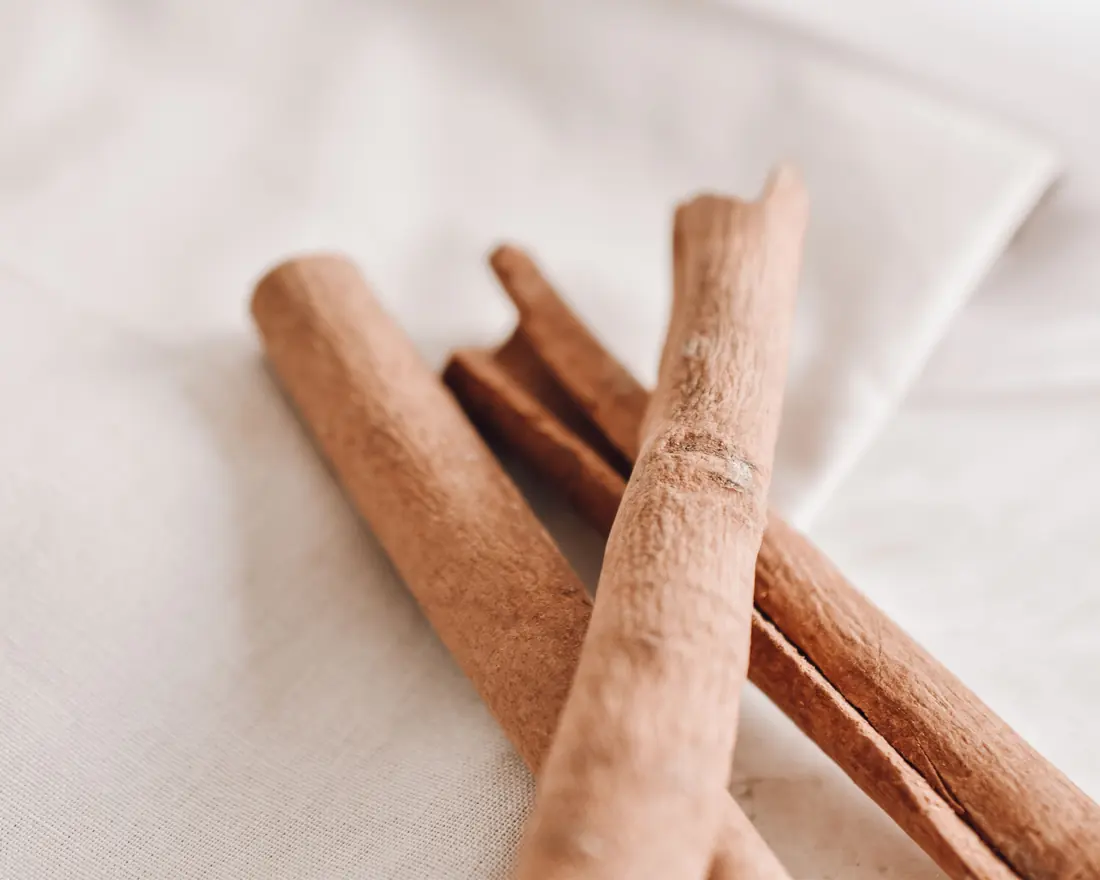
- Cinnamon or cassia – warmth and sweetness, usually the thicker cassia bark rather than true cinnamon.
- Cloves – intense and slightly medicinal, used sparingly.
- Sichuan pepper – not hot, but tingling and citrusy. The most distinctive component.
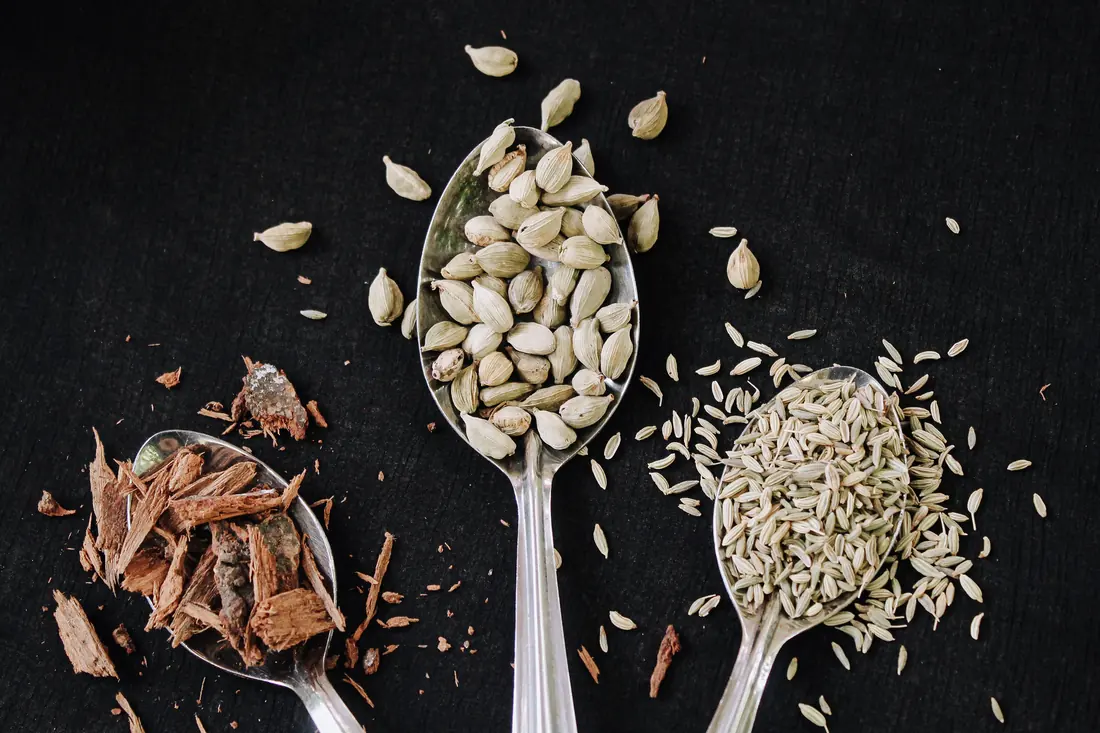
- Fennel seed – sweet and grassy, reinforcing the star anise.
Some blends swap in ginger, white pepper, liquorice root or cardamom. A blend leaning heavily on star anise and cinnamon reads sweeter; one with more Sichuan pepper reads sharper and more aromatic.
Why these five together
The combination is built around covering a range rather than around any one flavour. Star anise and fennel are sweet, cloves are pungent, cinnamon is warm, and Sichuan pepper adds a bright citrus note plus its distinctive tingle.
The result is that no single element dominates a dish. Used well, five spice does not make food taste of star anise – it makes food taste rounder and more complete in a way that is difficult to attribute to anything specific.
What it tastes like
Sweet and warm first, with a liquorice note that is unmistakable once you have identified it. Behind that, a slight numbing tingle if the blend contains a decent amount of Sichuan pepper.
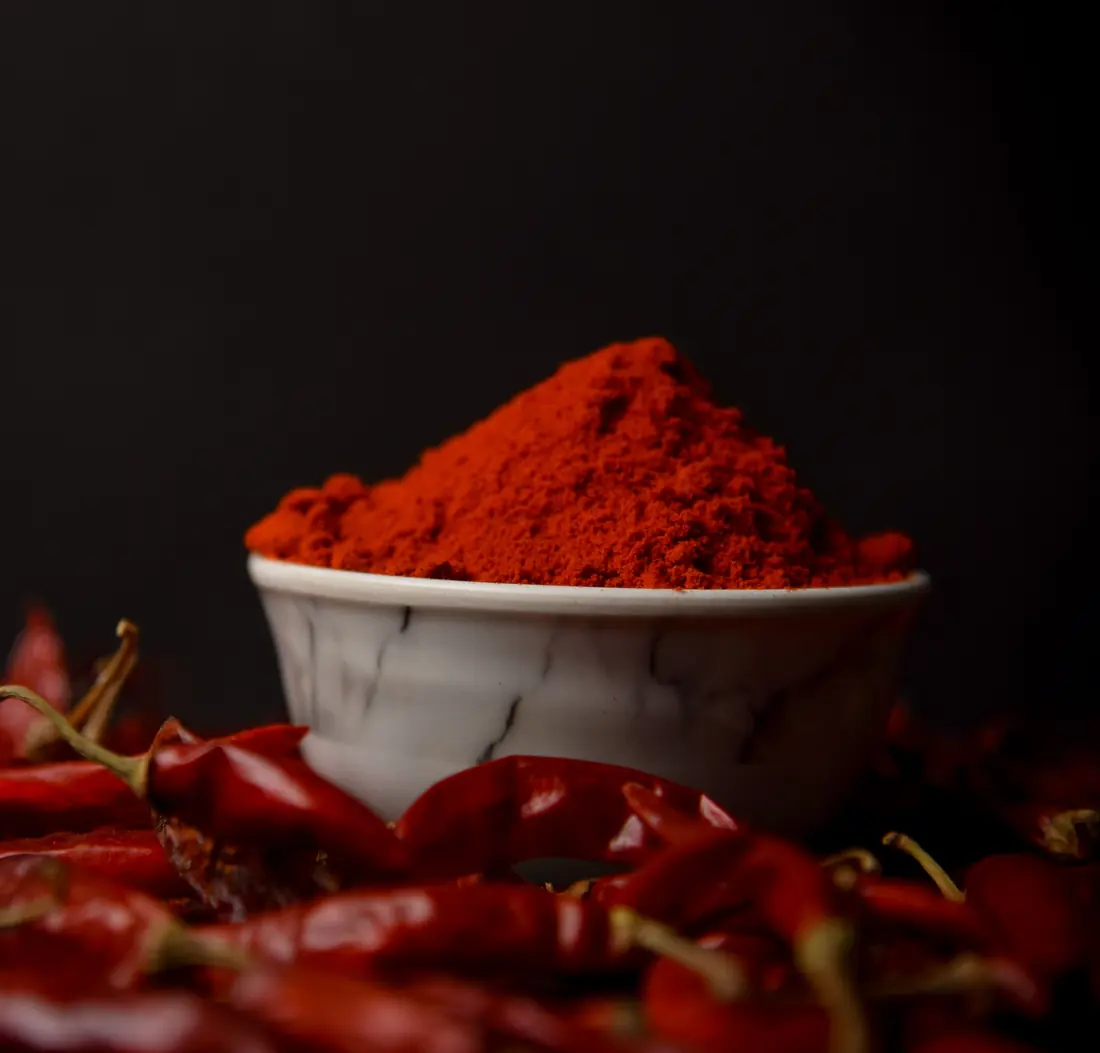
It is aromatic rather than hot. Nothing in a standard five spice blend produces chilli heat, which surprises people who expect a Chinese spice mix to be spicy in that sense.
Sichuan pepper is the odd one out
Four of the five are straightforward warm spices. The fifth is not a pepper at all – Sichuan pepper is the husk of a small citrus-family fruit, and it does something no other spice in the blend does.
It produces a light tingling or buzzing sensation on the lips and tongue, distinct from heat. There is no burn to it, and people encountering it for the first time often describe it as fizzing rather than as spicy.
It also carries a strong citrus aroma. In a blend it is doing double duty, adding brightness against the sweetness of the star anise and cinnamon, and adding a physical sensation that makes the whole thing more noticeable.
Where you have already tasted it
| Dish type | How it is used | How prominent |
|---|---|---|
| Roast and braised meats | Rubbed on or in the braising liquid | Clearly present |
| Marinades | Part of a mixture with soy and sugar | Noticeable |
| Braised dishes | In the liquid, cooked long | Rounded into the background |
| Dry seasoning | Mixed with salt as a dip | Very prominent |
| Baked goods | In some sweet preparations | Subtle |
The dry seasoning use is worth knowing about. Five spice mixed with salt makes a dipping powder served with fried food, and it is one of the few places the blend is tasted directly rather than through a dish.
Why it suits long cooking
Five spice is at its best in dishes that cook for a while, and the reason is the physical form of what is in it. Bark, seeds and dried pods release their aromatics slowly, and a short cook barely opens them.
In a braise the spices have an hour or more in hot liquid, which is enough to draw everything out and to let the individual components blur into one another. That blurring is the point – a well-braised dish tastes of the blend rather than of five identifiable spices.
Using it well
It is potent, and the most common mistake is using too much. A quarter teaspoon seasons a dish for four people; a full teaspoon makes everything taste of liquorice.
- Use less than you think. It is easier to add a pinch at the end than to rescue a dish from too much.
- Add it early in cooking rather than at the end. It needs heat and time to open up.
- Pair it with something sweet and something salty – soy sauce and sugar are the conventional partners for good reason.
- Give it fat to dissolve into. Much of what it carries is oil-soluble and will not come through in a lean, watery dish.
Five spice and other blends
It is easy to confuse with the other warm-spice blends on a shelf, and they are not interchangeable.
| Blend | Built around | Character |
|---|---|---|
| Chinese five spice | Star anise and cinnamon | Sweet, warm, liquorice |
| Garam masala | Cumin, coriander, cardamom | Earthy and warm |
| Curry powder | Turmeric and cumin | Earthy, yellow, mild heat |
| Pumpkin spice | Cinnamon, nutmeg, ginger | Sweet and warm, no savoury edge |
The nearest in character is actually the sweet-baking blend, which shares cinnamon and cloves. What separates five spice is the star anise and the Sichuan pepper, and those two are exactly what make it read as savoury rather than as dessert.
Making your own
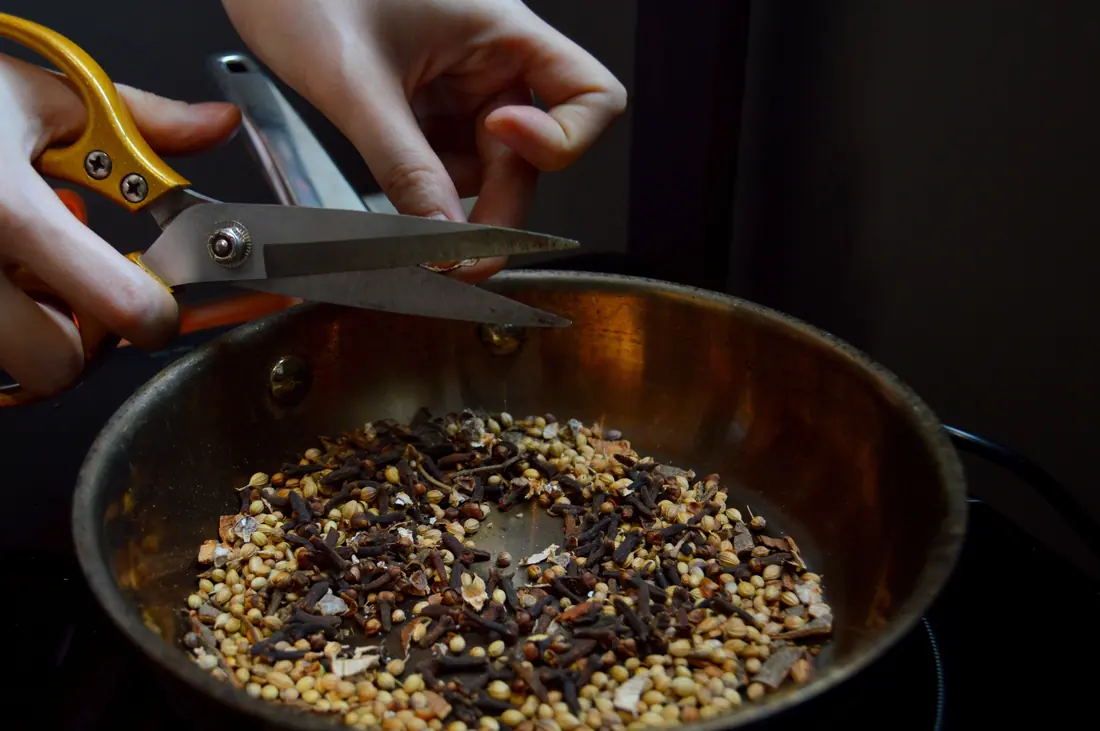
It is straightforward and noticeably better than a jar that has been open for a year. Toast the whole spices briefly in a dry pan until they smell fragrant, let them cool, and grind.
A reasonable starting ratio is equal parts by weight, with the cloves reduced to about half, since they overwhelm quickly. Adjust from there – the blend is a framework rather than a formula, and Chinese cooks treat it that way.
Toasting the whole spices first
If you buy the blend ready-ground there is little to do, but whole spices reward a minute in a dry pan before grinding. Heat drives the volatile aromatic compounds to the surface, and the difference in a finished dish is easy to notice.
The pan should be dry and moderately hot, and the spices need moving constantly. They are ready when the kitchen smells of them, which happens well before they change colour. Anything that darkens has gone too far and will be bitter.
Keeping it
Ground spice loses aroma fast. A blend more than six months old is still safe and still tastes of something, but the volatile aromatics that made it interesting have largely gone.
Whole spices keep far longer, which is the practical argument for grinding your own in small quantities. A jar of whole star anise will still be fragrant long after a jar of ground blend has become dust.
For related flavours, our broth comparison covers the spices in a Vietnamese broth, the chilli oil piece covers the aromatics infused into oil, and the pho guide covers where star anise turns up on its own. The current selection is on the ordering page.
Frequently Asked Questions
What is in Chinese five spice?
Classically star anise, cinnamon or cassia, cloves, Sichuan pepper and fennel seed, though blends vary and some substitute ginger, white pepper or cardamom.
What does five spice taste like?
Sweet and warm with a clear liquorice note from the star anise, and a slight tingle if the blend contains much Sichuan pepper. It is aromatic rather than hot.
Is five spice spicy?
Not in the chilli sense. Nothing in a standard blend produces burning heat. The Sichuan pepper produces a tingling sensation, which is different.
How much five spice should I use?
Very little – around a quarter teaspoon for a dish serving four. It is potent and too much makes everything taste of liquorice.
Is five spice always five spices?
No. The number refers to covering the range of basic tastes as much as to a count, and many blends contain six or more.