
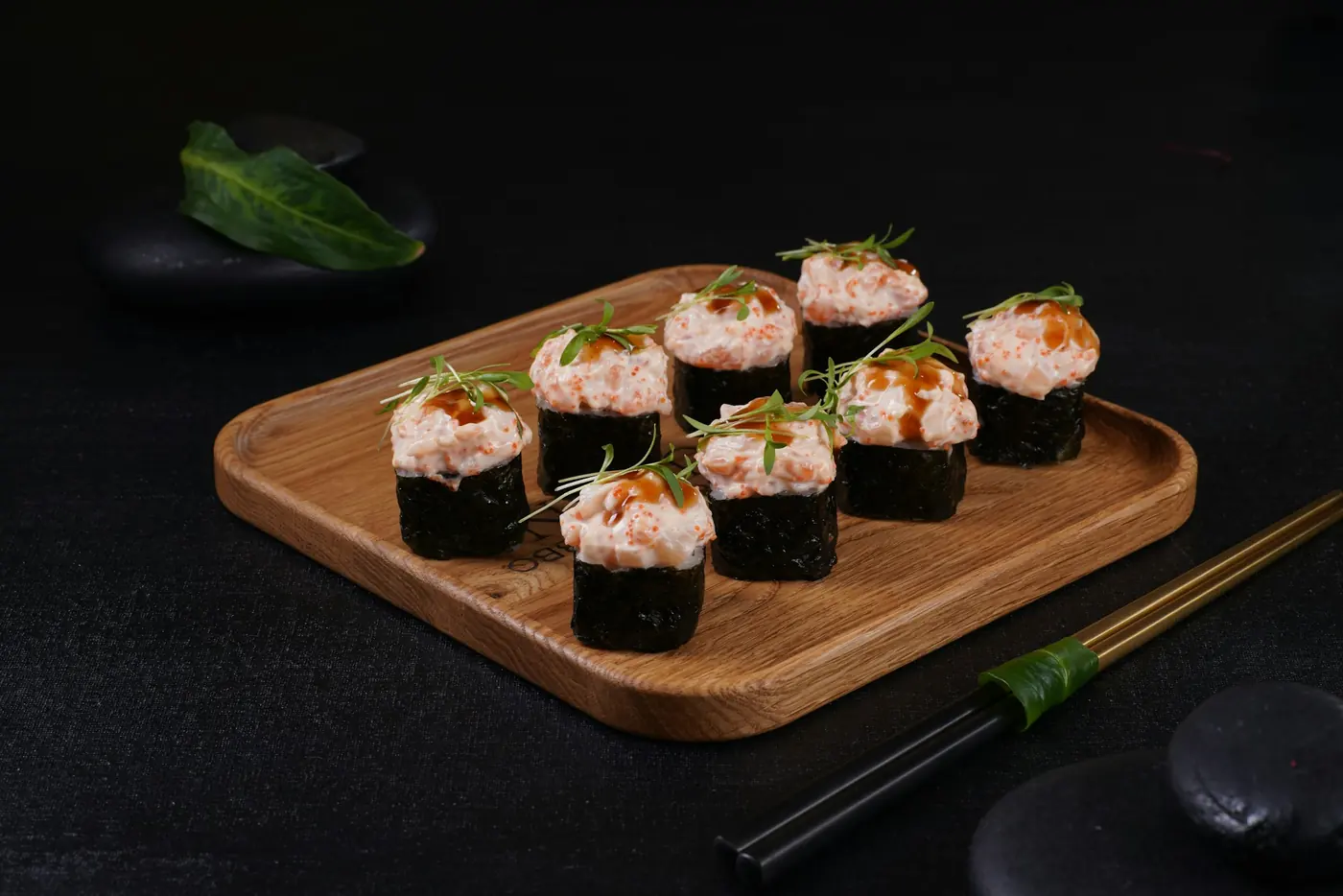
Spicy tuna is on more American sushi menus than almost anything else, and it raises two questions that the menu never answers. Is it raw, and how spicy is spicy? Both have clear answers.
What is spicy tuna?
Spicy tuna is raw tuna, chopped or minced, mixed with a chilli-based sauce and used as a filling. It is not a cooking method or a cut of fish – it is a preparation, made in the kitchen and then rolled, scooped or spooned into whatever it is going into.
Because it is a mixture rather than a single ingredient, it varies more between restaurants than almost anything else on a sushi menu.
Yes, it is raw
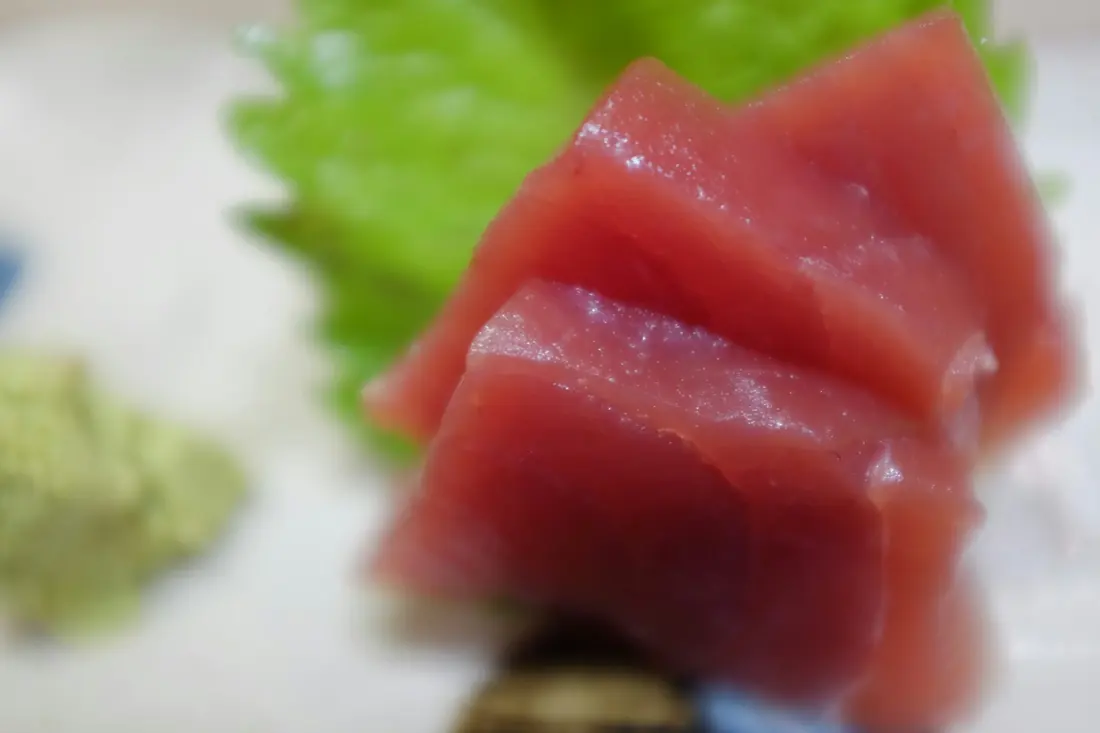
This is the part that catches people out. The chilli sauce reads as cooking to some diners, and the mixture’s texture makes the fish less obviously raw than a clean slice would be. Neither changes what it is.
If you are avoiding raw fish, spicy tuna is not the compromise it appears to be. Tuna is one of the most widely eaten raw fish in the world – Britannica’s entry on tuna covers how many species carry the name – and the spicy version is simply that fish with a sauce through it.
How spicy is it, really
Mild, by the standards of anything actually described as spicy. The heat is there to be noticed rather than to be a challenge, and in most kitchens it sits well below what a chilli-forward dish would deliver.
There is a practical reason for the restraint. The fish is expensive and delicate, and a sauce hot enough to dominate would waste it. What the chilli is doing is adding warmth and a little sharpness to something that is otherwise very soft and very rich.
If you want to know where a particular kitchen sits, the reliable question is not “is it spicy” but “how hot do you make it”. Kitchens vary, and they know it.
What is actually in the mix
The components are consistent even though the proportions are not.
- Tuna – chopped, minced or scraped, depending on the kitchen and the cut being used.
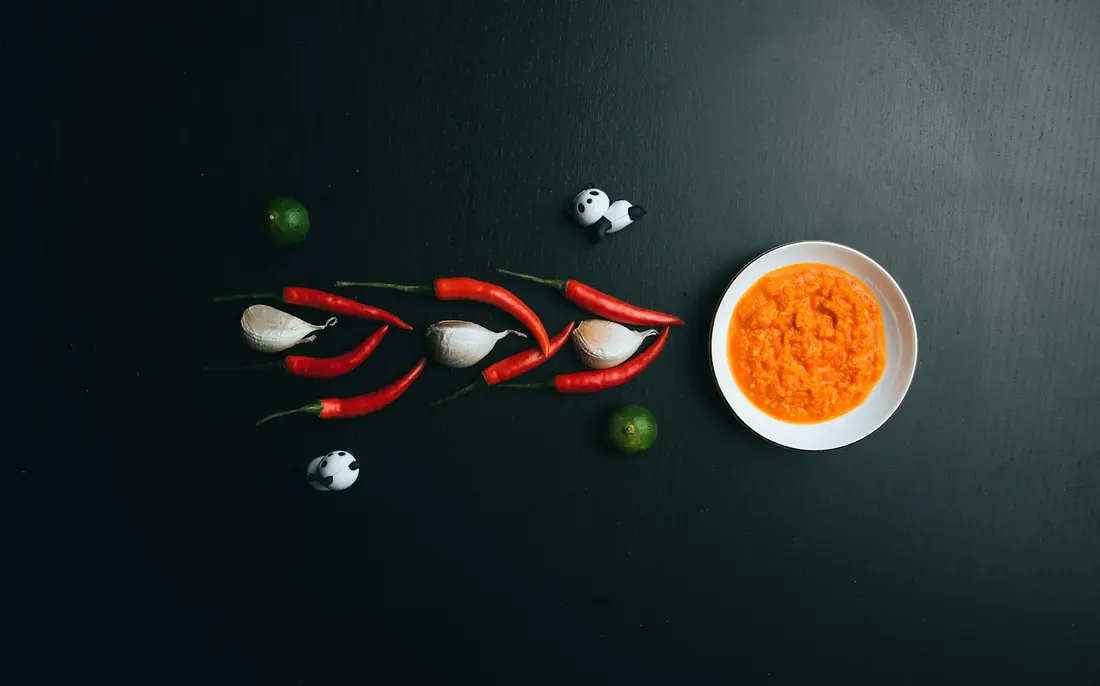
- A chilli element – usually a chilli paste or chilli-based hot sauce.
- Something creamy – most often a mayonnaise, which carries the heat and binds the mixture.
- Sesame oil – a small amount, common but not universal.
- Scallion – chopped fine, for sharpness and colour.
The creamy element is the one people are most surprised by, and it is the reason spicy tuna is softer and richer than plain tuna. It is also why the mixture holds together well enough to be rolled.
Chopped, minced or scraped
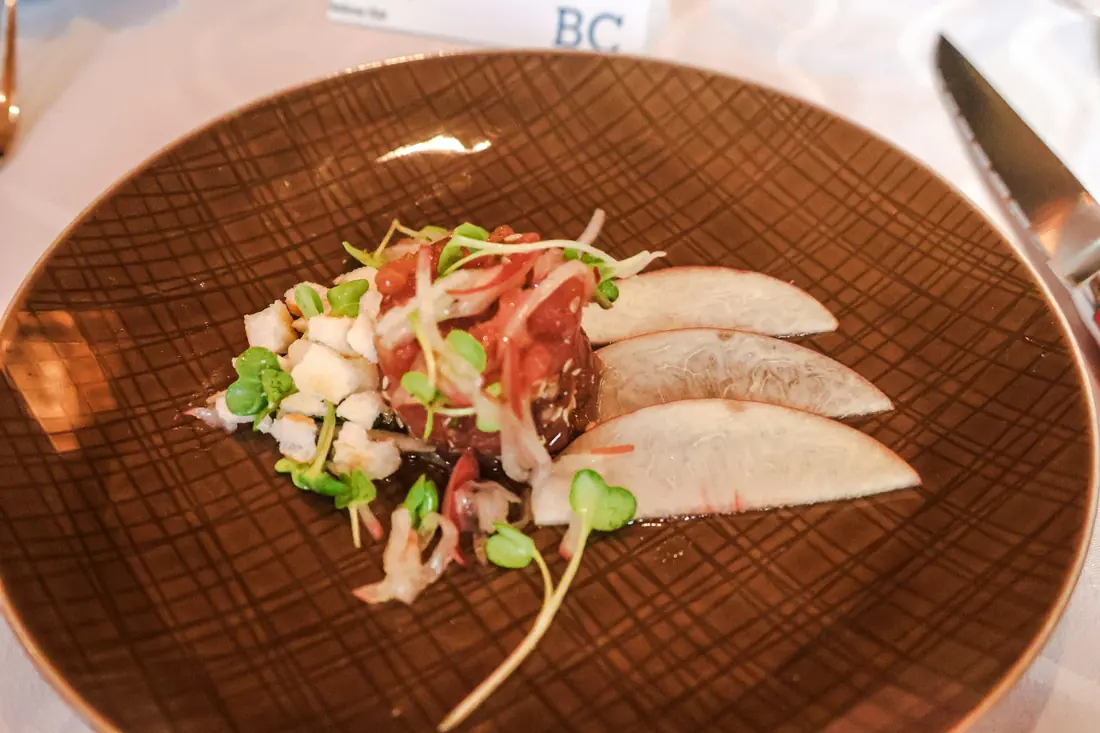
How the fish is cut changes the result more than the sauce does. Chopped tuna keeps distinct pieces and a firmer bite. Minced tuna is smoother and more uniform. Scraped tuna – taken from close to the bone or the skin – is the softest of the three and almost paste-like.
None of these is a lesser version. Kitchens choose based on what they are making: a firmer mix suits a hand roll, where the filling needs structure, while a smoother one spreads more evenly through a cut roll.
Why the preparation exists at all
There is a practical reason spicy tuna is on every menu, and it is not only that people order it. A tuna loin does not break down into uniform slices. There are trimmings, there is meat close to the sinew, and there are pieces too small or too irregular to serve on their own.
Chopping and seasoning turns all of that into something with a use. That is not a shortcut – it is the same logic that produces a great many good dishes, and it is why the preparation exists in kitchens that take their fish seriously as well as in ones that do not.
It also means quality varies with what a kitchen has been cutting. A restaurant slicing a lot of tuna has good trimmings to work with; one buying pre-cut fish has to make the mixture from something else.
Spicy tuna and other common fillings
| Spicy tuna | Plain tuna | Crab mix | |
|---|---|---|---|
| Raw or cooked | Raw | Raw | Cooked |
| Form | Chopped and mixed | Sliced or in a strip | Shredded and dressed |
| Texture | Soft, slightly loose | Firm and clean | Firm and even |
| Flavour | Rich, warm, savoury | Clean and direct | Mild and faintly sweet |
| Heat | Mild warmth | None | None |
| Suits | Rolls and hand rolls | Nigiri and simple rolls | Rolls and salads |
The comparison worth drawing is with plain tuna rather than with other spicy things. The question is really whether you want the fish to lead or the seasoning to.
How to tell a good one
A few things separate a well-made spicy tuna from a poor one, and none of them require any expertise.
- The colour should be deep red or pink running through the mixture, not uniformly orange. Orange throughout means a lot of sauce and not much fish.
- It should hold its shape when the roll is cut. A filling that runs is over-sauced.
- You should taste fish first and heat second. If the order is reversed, the sauce is doing too much work.
- It should be cold. Spicy tuna sitting at room temperature is a sign of a filling made too far ahead.
The other spicy fillings
The same treatment gets applied to several other things, and they behave differently enough to be worth distinguishing.
- Spicy salmon – softer and more oily than tuna, so the mixture is looser and the fish flavour carries further through the sauce.
- Spicy crab – built on the cooked crab mixture rather than raw fish, which makes it the option to look for if raw is the problem.
- Spicy scallop – the sweetest of the group and the most delicate; the heat sits very much on top of it.
If you like the idea of spicy tuna but not the raw part, spicy crab is the direct equivalent. It is the same seasoning applied to a cooked filling, and it is on most menus that carry the tuna version.
Ordering it
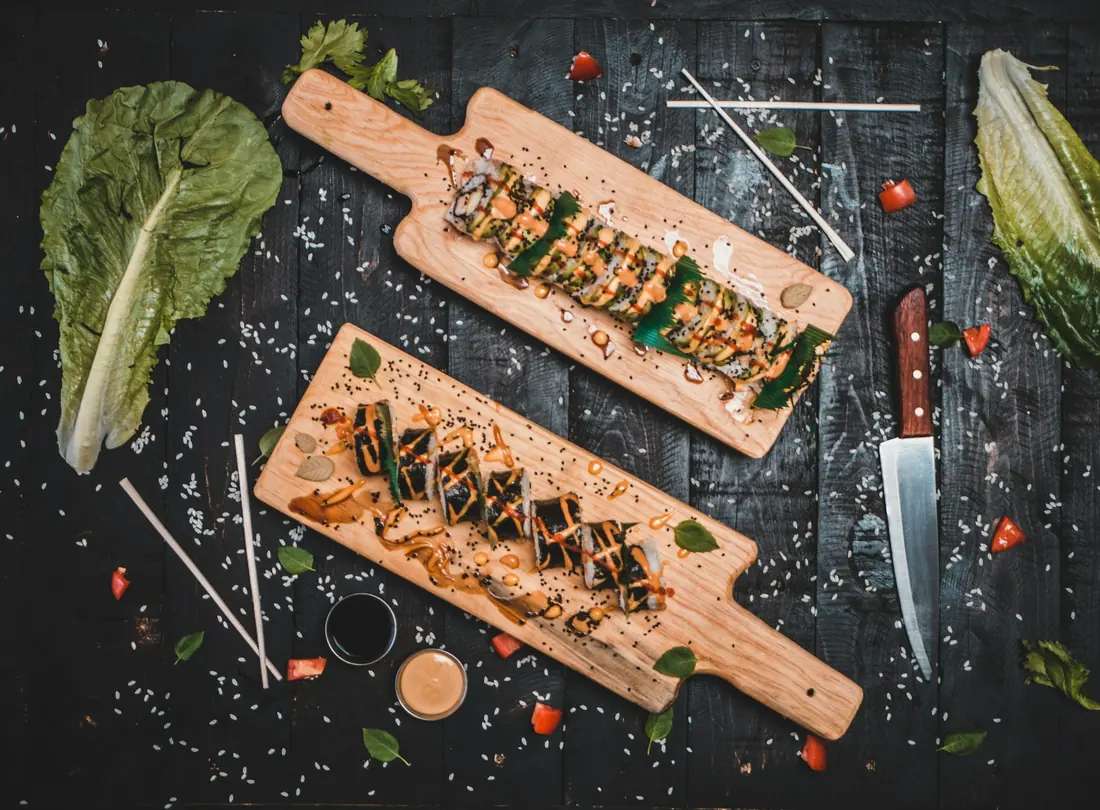
Spicy tuna works in more formats than most fillings, which is part of why it is everywhere. It appears as a simple cut roll, as the base of larger specialty rolls, and as a hand roll, where the softness of the mixture plays against the crisp seaweed.
As a first raw-fish order it is a reasonable place to start, precisely because the sauce softens the introduction. As a way to taste tuna itself it is a poor choice, because the seasoning is designed to sit on top of the flavour.
If you are working out whether raw is what you want at all, our guide to cooked and raw rolls lays out how to read a menu for it, the beginners guide covers how a roll is put together, and the piece on crab mix explains the cooked filling that sits next to it on most menus. The current selection is on the ordering page.
Frequently Asked Questions
Is spicy tuna raw?
Yes. It is raw tuna chopped and mixed with a chilli sauce. The sauce does not cook the fish, and the preparation does not change what it is.
How spicy is spicy tuna?
Mild in most kitchens. The heat is meant to add warmth rather than dominate, because a sauce hot enough to take over would waste the fish underneath it.
What is the sauce made of?
Usually a chilli paste or hot sauce combined with a creamy element such as mayonnaise, often with a little sesame oil and chopped scallion.
Why is spicy tuna softer than plain tuna?
Because it is chopped or minced rather than sliced, and because the creamy element in the sauce binds it. The texture is a result of the preparation, not the fish.
Is spicy tuna a good first order?
It is a reasonable introduction to raw fish, since the seasoning softens it. It is a poor way to taste tuna itself, for exactly the same reason.