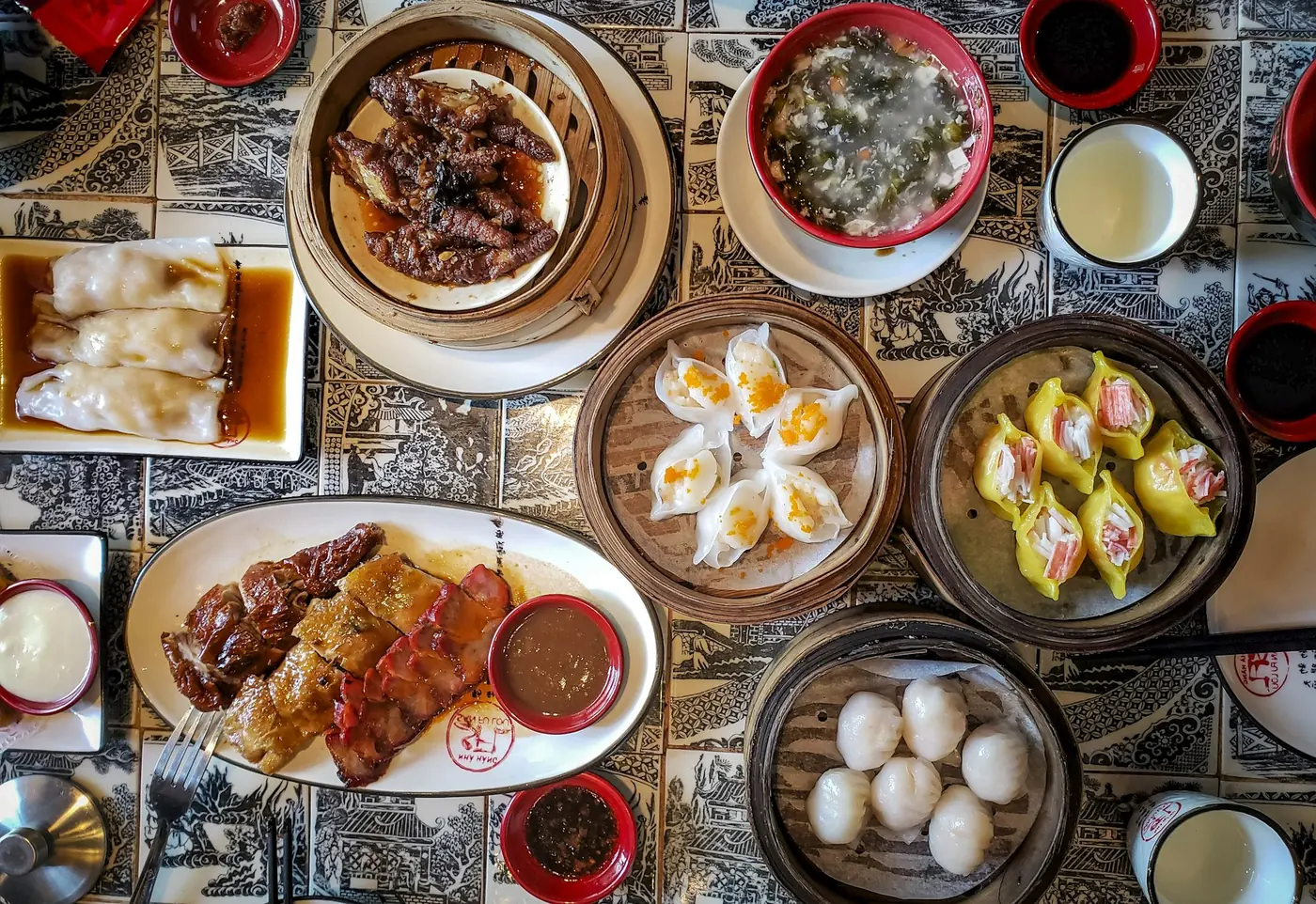
Some Asian kitchens do one thing. Others put sushi, a grill and a pot of noodle soup on the same menu, which is genuinely useful when a group cannot agree — and genuinely paralysing when you are ordering for yourself.
The short version
Choose sushi when you want something light and cool and are not especially hungry. Choose hibachi when you want a hot, filling plate with protein and rice. Choose pho when you want one large warm bowl and nothing else. Those three cover most situations.
Start with how hungry you are
This decides more than taste does. The three options sit at genuinely different scales, and misjudging it is the most common ordering mistake.
- Light — one or two sushi rolls, or a small soup and a roll.
- Moderate — a hibachi plate, or a couple of rolls with a starter.
- Very hungry — a full bowl of pho, or hibachi with a roll alongside.
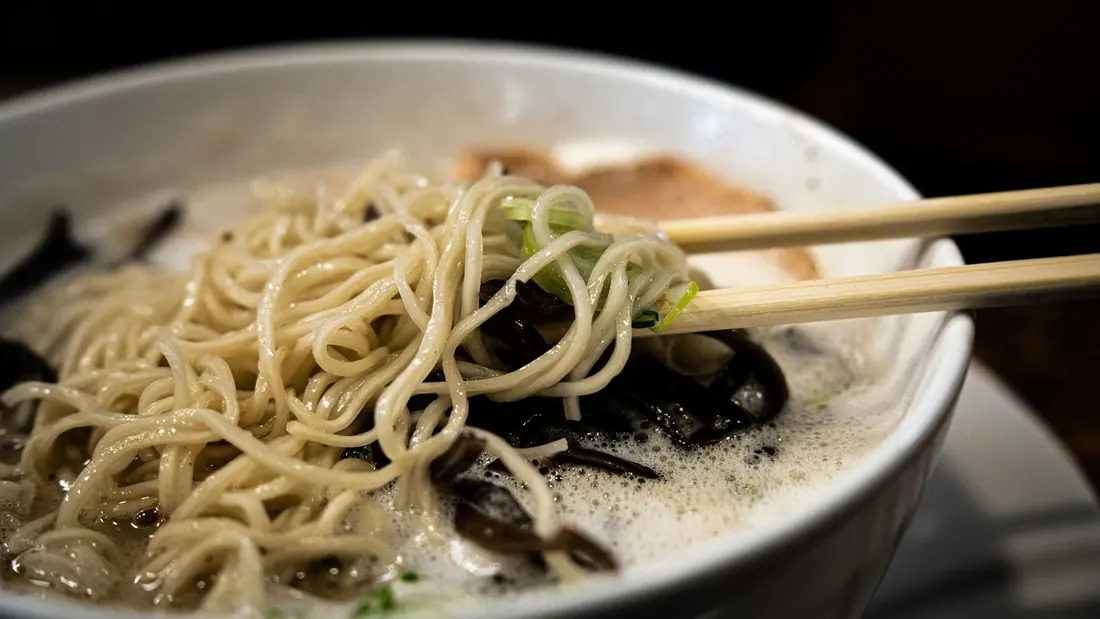
A bowl of pho at Roll & Go Sushi is 32 oz, which is a meal in itself. The miso and onion soups on the same menu are 8 oz and are starters. Reading those sizes before ordering avoids most disappointments.
Then think about temperature
Sushi is cool and clean. Hibachi is hot, seared and savoury. Pho is hot but light, and it is the only one of the three you keep adjusting as you eat.
On a hot day the cool option tends to win; in winter the warm bowl does. It sounds obvious, but it is a more reliable guide than trying to rank the dishes by preference.
Comparing the three
| Sushi | Hibachi | Pho | |
|---|---|---|---|
| Served | Cool | Hot | Hot |
| Portion | Small to moderate, scalable | Full plate | One large bowl |
| Filling | Depends how much you order | Yes | Yes |
| Good for sharing | Very — cut into pieces | Not really | Not really |
| Customisable at the table | A little | Sauces only | Extensively |
| Travels well | Cooked rolls do | Yes | Best packed separately |
| Best for | Grazing and variety | A hot square meal | One warming bowl |
Ordering for a group
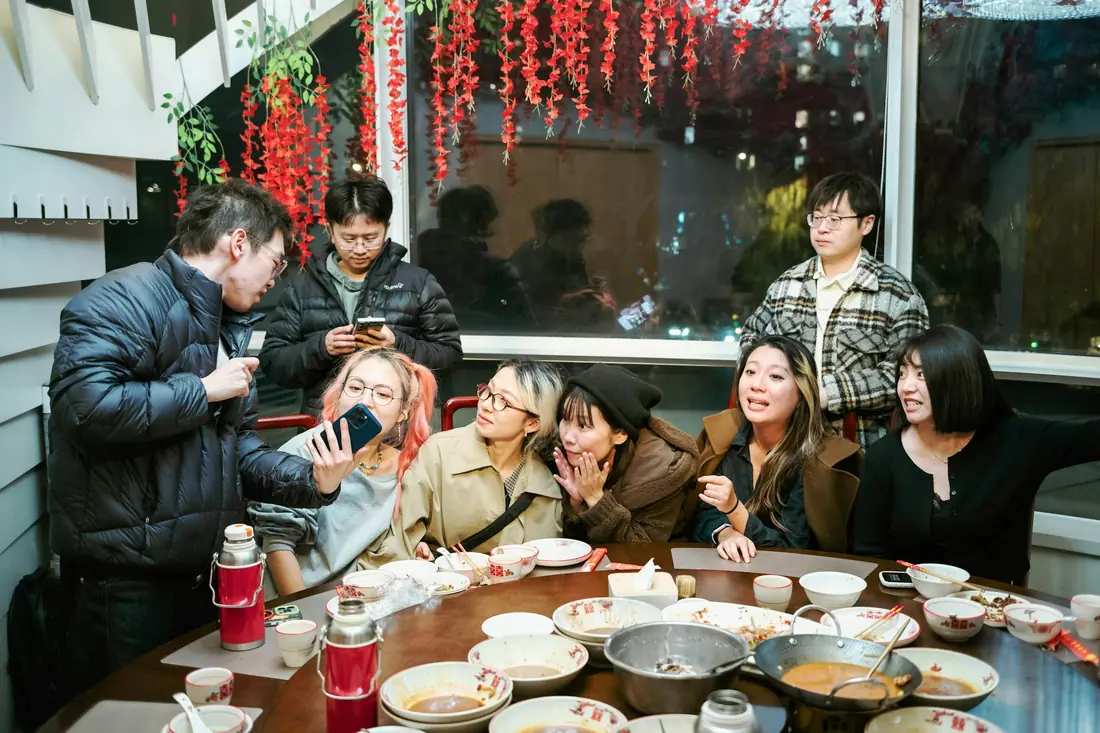
The mistake is everyone ordering their own large dish. Sushi is the only one of the three built for sharing — it arrives cut into pieces, so a few rolls in the middle of the table works far better than one roll each.
A reliable structure for four people: two or three rolls to share, one or two hibachi plates, and one bowl of pho for whoever wants it. Add a couple of small soups and everyone gets variety without anyone over-ordering.
If the group includes someone who does not eat raw fish, the cooked rolls solve it quietly. Our guide to telling cooked and raw rolls apart is worth a look before you order for other people.
Timing matters more than it does elsewhere
These three dishes arrive on very different schedules. Sushi is assembled to order and usually comes out quickly. A hibachi plate takes as long as the protein needs. A bowl of noodle soup is essentially ready — the broth has been simmering for hours and only needs assembling.
At a table where people have ordered across all three, expect things to arrive in stages rather than together. That is normal for a kitchen running a grill and a sushi counter side by side, and it is worth mentioning to the table so nobody waits politely while their food cools.
If you want everything at once, say so when ordering. Most kitchens will hold plates to bring them out together if they know in advance.
Building a balanced order
Across a table, aim for contrast rather than repetition — something cool, something hot, something with vegetables. General guidance on building a varied plate applies as much to a shared restaurant order as it does at home.
- Pick the anchor first — the one large dish someone definitely wants.
- Add a shared item that everyone can pick at, usually sushi.
- Add one contrasting texture: something fried or grilled if the anchor is soup.
- Add a small soup or salad only if you actually want a starter.
- Stop. Most tables order roughly a third more than they finish.
Ordering for children and cautious eaters
An Asian kitchen menu is easier for fussy eaters than it looks, because two of the three categories are entirely familiar in structure: grilled meat with rice, and noodles in broth.
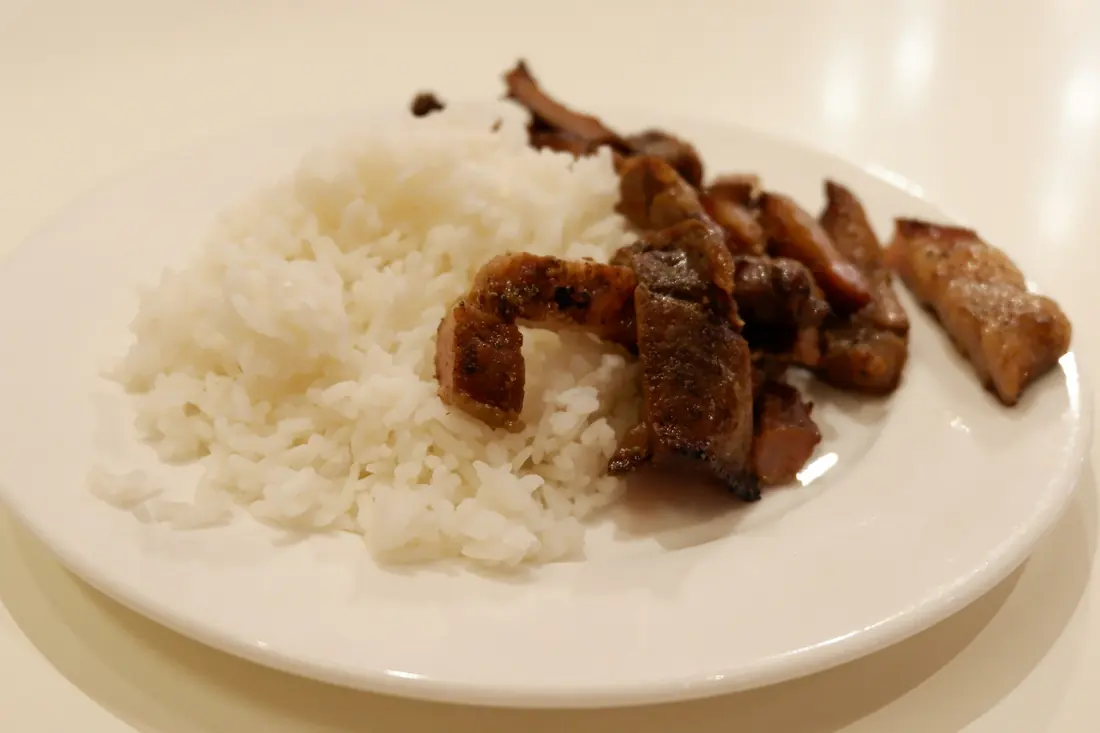
- A hibachi plate is protein, rice and vegetables — recognisable to almost anyone, and the sauces are optional.
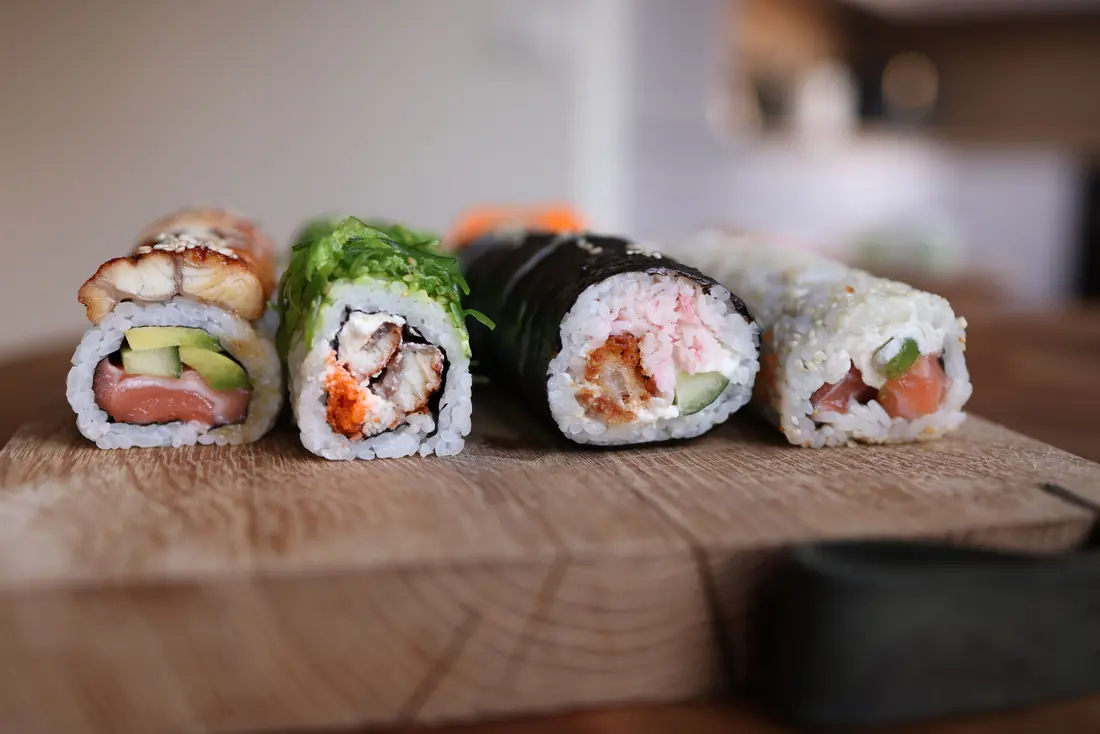
- Cooked or vegetable sushi rolls contain no raw fish and are often the first sushi a child will eat, particularly cucumber or crab salad.
- A noodle soup can be served plain, with the herbs and chilli left on the side entirely.
What tends not to work is starting someone on a heavily sauced specialty roll or a bowl they have to assemble themselves. Familiar structure first, new flavours second.
Dietary requirements and allergies
Ask rather than infer. Dish names on Asian menus rarely list every component, sauces frequently contain soy and wheat, and a soup base is not always what the title suggests — a miso soup may be built on a fish stock, for instance.
Restaurants deal with these questions constantly and would far rather answer one before the order than deal with a problem afterwards. If an allergy is serious, say so explicitly at the point of ordering rather than reading the description and hoping.
Vegetarian options exist across all three categories at most kitchens, but the specifics vary, so it is worth confirming rather than assuming a vegetable dish is prepared separately.
If you genuinely cannot decide
Order the thing you would be annoyed to miss, and let the rest of the table cover the other categories. At a kitchen serving all three, you are one visit away from trying the others.
For a first visit, one cooked roll plus a hibachi plate is the lowest-risk order on the menu. It gives you both halves of the kitchen and neither is unfamiliar.

One more practical point: prices and portions differ across the three categories, so a table ordering one of each will not split the bill evenly. It is easier to agree how you are handling that before the food arrives than to work it out afterwards over a pile of shared plates.
What to do with leftovers
The three formats keep very differently, which is worth factoring in if you suspect you are over-ordering. A hibachi plate is the best of them — it refrigerates and reheats without much loss.
Sushi is the worst. The rice hardens once chilled and does not recover, so rolls are genuinely a same-day food. Noodle soup sits in between: the broth keeps well, but the noodles will keep absorbing it, so separate the two if you can.
If you are ordering with leftovers in mind, order the grill generously and the sushi precisely.
Frequently Asked Questions
Can you order sushi and hibachi together?
Yes, and it is a common order. The two contrast well — one cool and clean, one hot and savoury.
Is a bowl of pho too much for one person?
It is a full meal, so it is plenty on its own. If you also want sushi, consider sharing the bowl or ordering one roll rather than several.
What should I order if I do not like raw fish?
Cooked rolls, hibachi or pho all work. Only some sushi contains raw fish, and plenty of rolls are built on tempura or crab salad.
What is the best option for a quick lunch?
A hibachi plate or a couple of rolls. Both come together quickly and travel well if you are taking them back to work.
Hunger first, temperature second, sharing third. That order of questions resolves most menus faster than reading every description.
You can see what is currently available before you decide, or check the hours and location if you are planning a visit.