
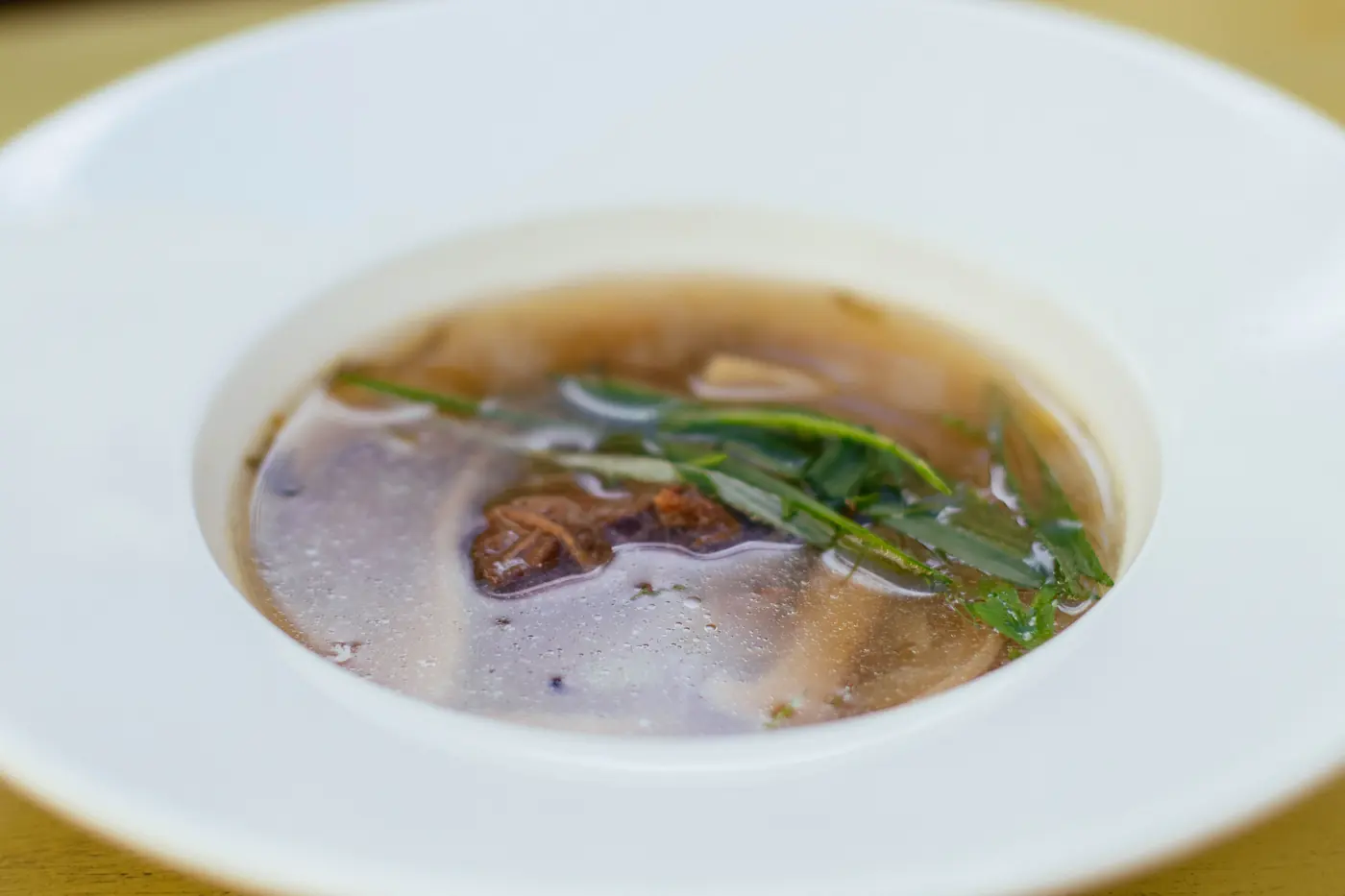
Almost every savoury Japanese dish is built on the same foundation, and most diners have never heard its name. Dashi is the stock underneath miso soup, underneath simmered dishes, and underneath a great many sauces – and it answers a question that comes up constantly.
What is dashi?
Dashi is a light Japanese stock, usually made from two ingredients: a thick dried seaweed called kombu, and flakes shaved from a dried, smoked, fermented fish. It takes minutes rather than hours to make.
That speed is the first thing that separates it from most Western stocks. There is no long simmering and no reduction – kombu is steeped, the flakes go in briefly, and the whole thing is strained.
What goes into it
- Kombu – a thick dried kelp, steeped rather than boiled. Boiling it turns the stock bitter and slightly slimy, so temperature control matters more than time.
- Katsuobushi – flakes shaved from dried skipjack, which has been smoked and fermented until it is hard enough to be shaved like wood. This is where the savoury depth comes from.
- Water – and nothing else. No aromatics, no bones, no browning.
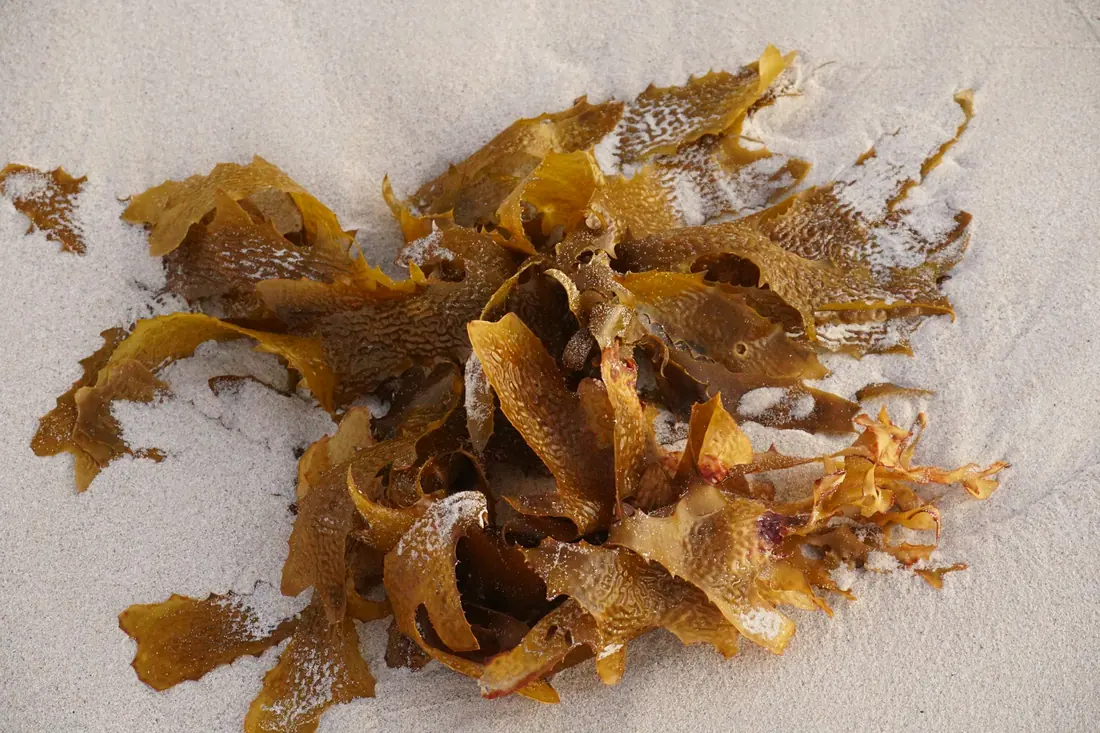
There are versions using dried mushrooms or dried sardines instead, and a kombu-only version that uses no fish at all. The two-ingredient version is the one most people mean.
How it is made
- The kombu steeps in water that is heated slowly and pulled off before it boils.
- The kombu is removed – it has given what it has to give and will turn bitter if it stays.
- The fish flakes go in and steep for a minute or two, no longer.
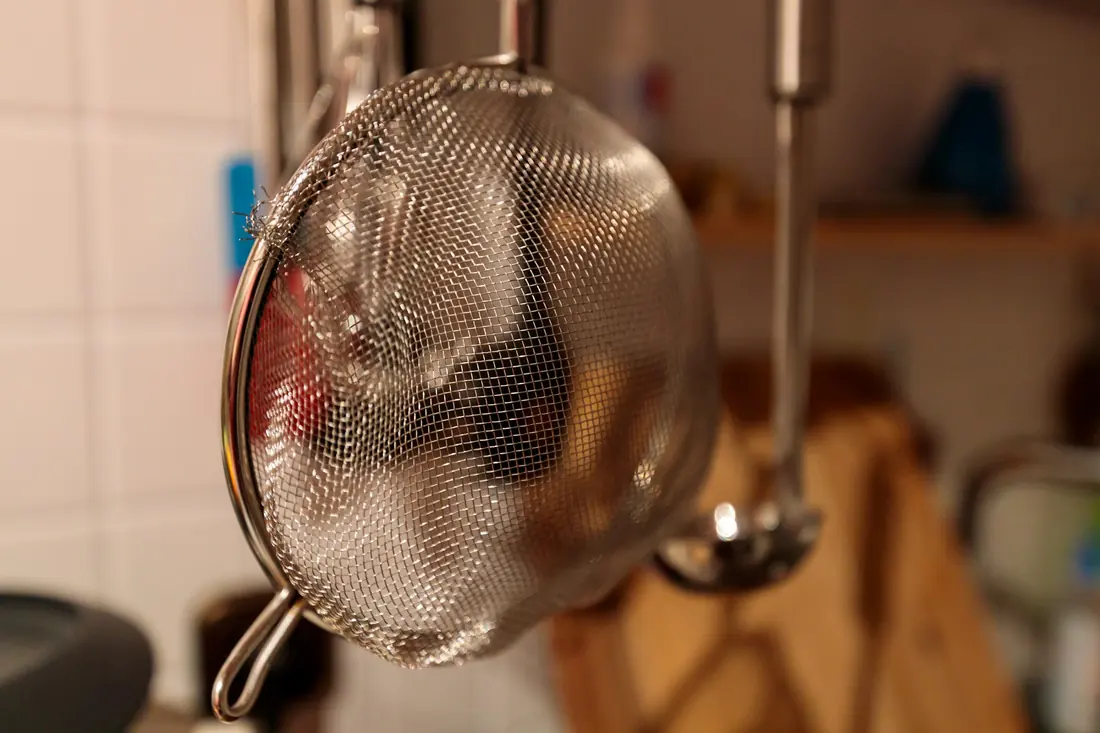
- Everything is strained out, leaving a clear pale liquid.
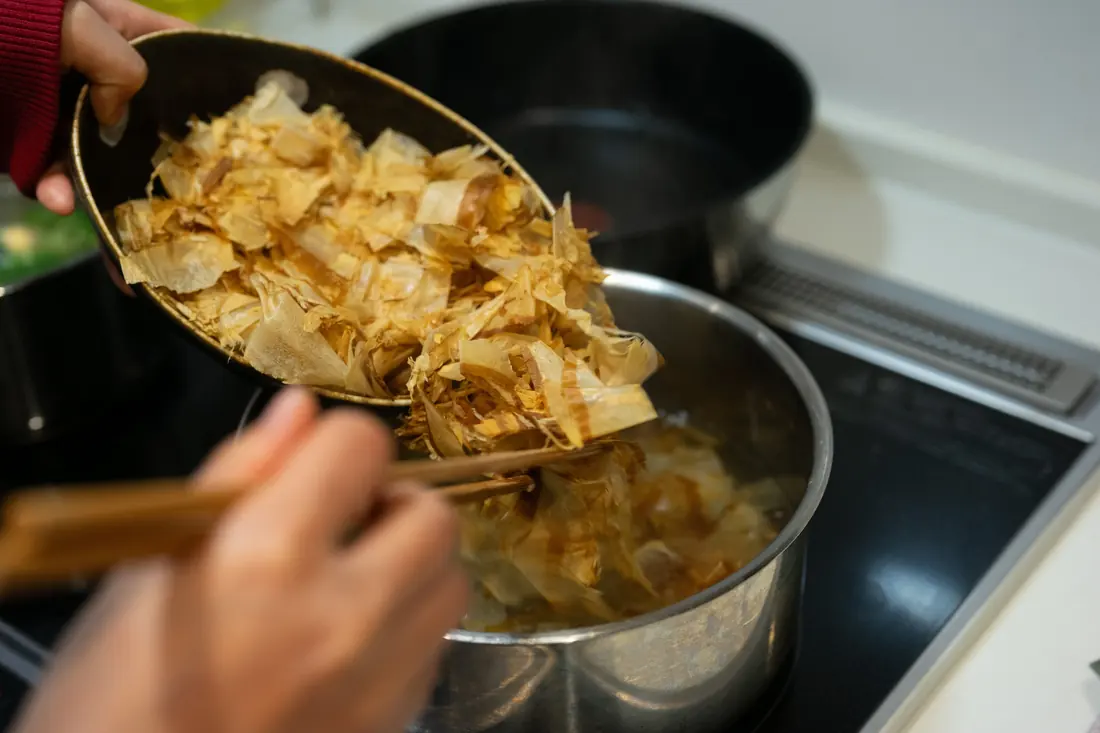
The whole process takes about twenty minutes. Japanese regional cooking is built on this base almost everywhere – Japan’s agriculture ministry maintains an overview of regional Japanese cuisines that shows how widely the same foundation is used.
What it tastes like
Very little, on its own, which is exactly the point. Dashi is savoury and faintly smoky with a clean finish, and it is not assertive enough to be a soup by itself.
What it does is make everything added to it taste more like itself. That is the quality the word umami is reaching for, and dashi is one of the purest examples of it in any cuisine.

The other kinds
The two-ingredient version is the default, but it is not the only one, and the alternatives exist for good reasons rather than as compromises.
- Kombu dashi – seaweed only, no fish. Lighter and cleaner, and the version used in Buddhist temple cooking where meat and fish are avoided.
- Shiitake dashi – made from dried mushrooms, deeper and earthier. Frequently combined with kombu to build a stock with no fish in it at all.
- Niboshi dashi – made with dried sardines rather than shaved skipjack. Stronger, more assertively fishy, and common in noodle broths.
Which one a kitchen uses is rarely stated, and the difference is noticeable mainly in dishes where the stock is the point. It matters most if you are trying to avoid fish, since two of these three contain it.
Where you meet it without knowing
| Dish | Where the dashi is | What it contributes |
|---|---|---|
| Miso soup | The base, before the paste goes in | The savoury depth under the miso |
| Simmered dishes | The cooking liquid | Seasoning that soaks into the ingredients |
| Dipping sauces | Diluted with soy and mirin | Body, so the sauce is not just salt |
| Steamed savoury custard | Most of the liquid | Almost all of the flavour |
| Noodle broth | The base | The background the noodles sit in |
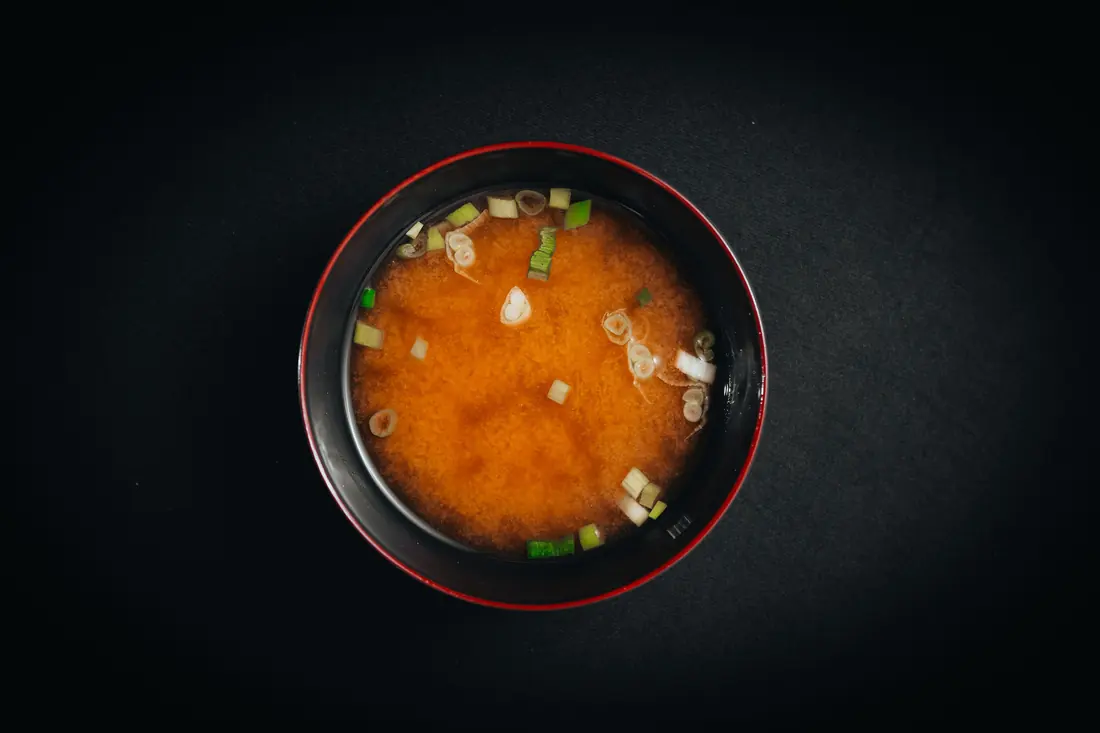
The first row is the one worth knowing. Miso soup is not miso paste dissolved in water – it is miso paste dissolved in dashi, and the dashi is doing at least half the work.
The question it answers
Here is why this matters beyond curiosity. Because the standard dashi contains dried fish, anything built on it contains fish – including miso soup.
If you avoid fish, this is the single most useful thing to know about a Japanese menu, because miso soup looks entirely fish-free and usually is not. Kombu-only dashi exists and some kitchens use it, but it is not the default and it is worth asking rather than assuming.
The same applies to a good many sauces and simmered dishes. Where a broth is involved, dashi is a reasonable assumption unless the kitchen says otherwise.
Why it is never reduced
Western stock-making is largely a process of concentration – long simmering, reduction, and depth built through time. Dashi works in the opposite direction, and the contrast is instructive.
Nothing is browned, nothing is reduced, and the whole thing is over in minutes. The flavour is extracted rather than developed, which is why the result stays clear and pale rather than turning golden and viscous.
Clarity is a goal in itself here rather than a side effect. A soup you can see through, with a few pieces of something suspended in it, is a specific aesthetic, and a cloudy or heavy stock would not serve it.
Instant dashi is normal
Most restaurants, and most households in Japan, use a granulated or liquid concentrate rather than making it from scratch for every pot. This is not a shortcut anyone is embarrassed about – it is simply how the ingredient is used at volume.
The made-from-scratch version is cleaner and more delicate, and the difference is noticeable in a dish where the stock is the main event. In a miso soup served alongside a grilled plate, it is far less noticeable.
What happens to the leftovers
The kombu and flakes pulled out of a first batch still have flavour in them, and the usual practice is to use them again for a second, weaker stock. That second extraction goes into simmered dishes where the stock is a cooking liquid rather than something tasted directly.
After that the solids themselves are often seasoned and eaten rather than discarded, which is a small illustration of how little goes to waste in a kitchen built around an ingredient this carefully.
Why it is worth knowing about
Understanding dashi changes how a Japanese menu reads. Dishes that seemed unrelated turn out to share a foundation, and the reason a simple bowl of soup tastes like more than its ingredients stops being mysterious.
It also explains a difference people notice without being able to name it: why Japanese broths taste light but not thin. There is no fat and no long reduction in them, and the depth is coming from somewhere else entirely.
For the dishes it sits under, our soup comparison covers the two starters you will be choosing between, the guide for avoiding fish puts the stock question in context, and the seaweed piece covers the other half of what goes into the pot. The current selection is on the ordering page.
Frequently Asked Questions
What is dashi made of?
Usually two things: kombu, a thick dried kelp, and flakes of dried smoked fish. There are versions made with dried mushrooms or with kombu alone.
Does miso soup contain fish?
Usually yes, indirectly. Standard dashi is made with dried fish, and miso soup is miso paste dissolved into dashi. A kombu-only version exists but is not the default.
What does dashi taste like?
Savoury, faintly smoky and very clean, but mild on its own. Its job is to make everything added to it taste more strongly of itself.
How long does dashi take to make?
About twenty minutes. The kombu steeps below boiling, the fish flakes go in for a minute or two, and the whole thing is strained.
Is instant dashi a shortcut?
It is standard practice in restaurants and homes alike. The made-from-scratch version is more delicate, but the difference matters most in dishes where the stock leads.