
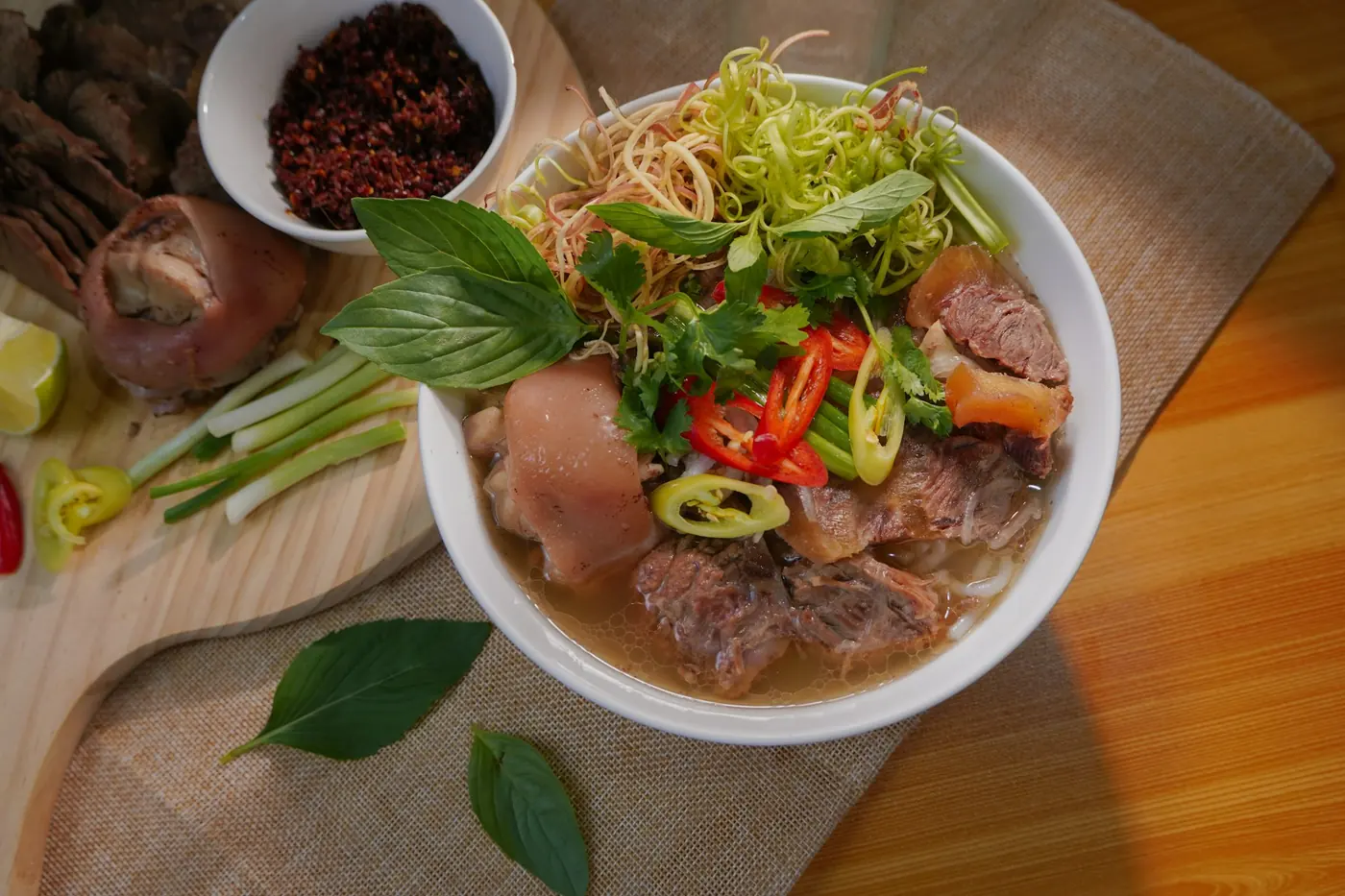
Pho turns up on more menus every year, usually without much explanation. If you have never ordered it, the bowl arriving with a separate plate of leaves can be genuinely confusing.
What is pho?
Pho is a Vietnamese noodle soup made from a long-simmered broth, flat rice noodles and thinly sliced meat, served with a side plate of fresh herbs, bean sprouts, lime and chilli that you add yourself. It is pronounced closer to “fuh” than “foe”.
What goes into the broth
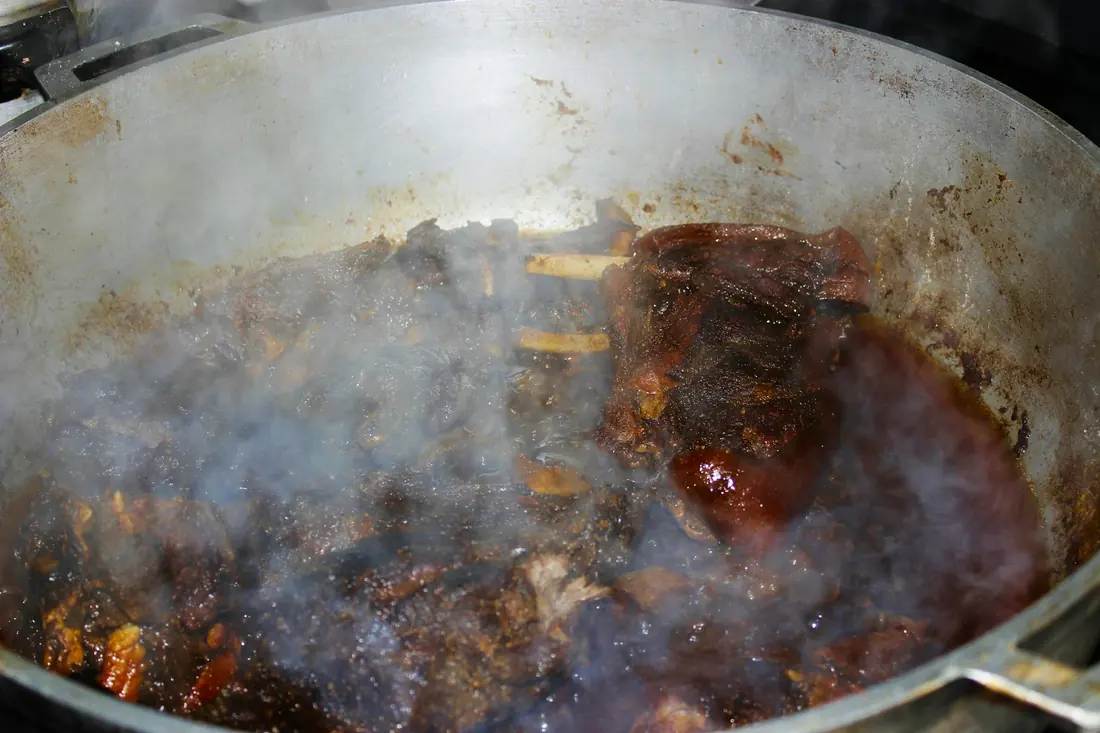
The broth is the dish. Beef bones are simmered for hours with onion and ginger that have been charred first, plus whole spices — star anise, cinnamon, clove, coriander seed and sometimes cardamom. It is skimmed repeatedly to stay clear.
That process is why pho tastes the way it does: aromatic and layered, but not heavy. Britannica’s entry on pho traces the dish to northern Vietnam in the early twentieth century, and its spread south and then worldwide in the decades after.
The parts of the bowl
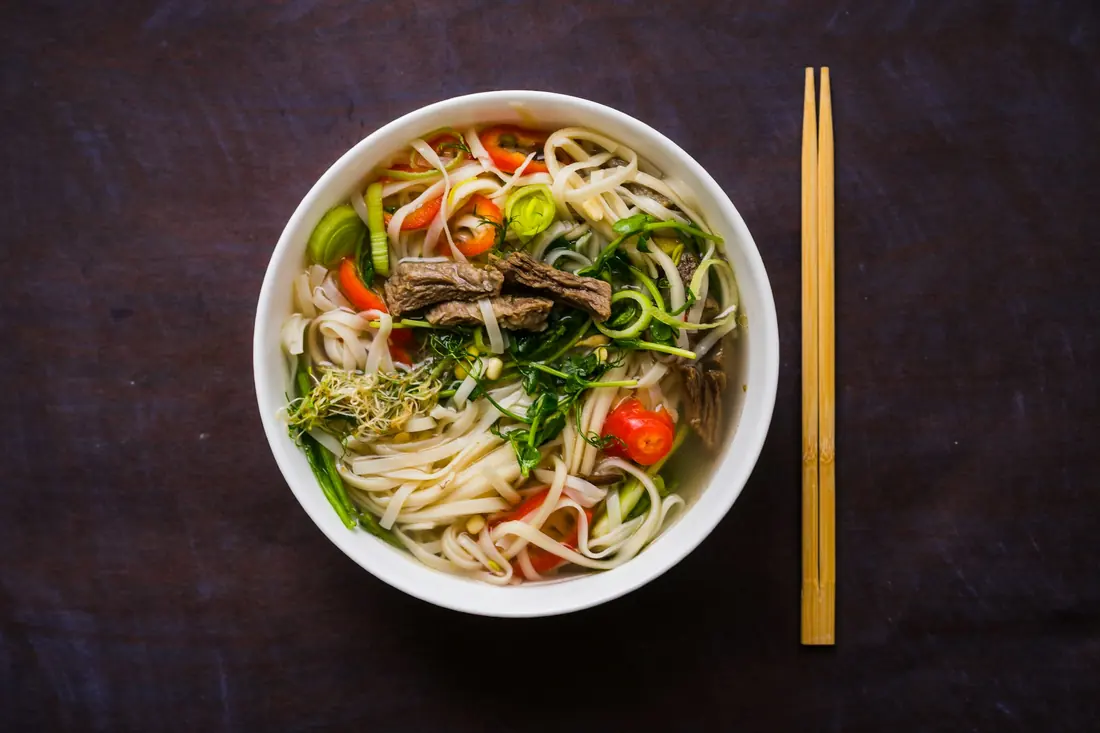
- Broth — clear, hot and aromatic. Poured over everything else.
- Rice noodles — flat, soft and white, cooked briefly before serving.
- Protein — commonly beef, often several cuts in one bowl. Chicken, seafood and vegetarian versions are widespread.
- Aromatics already in the bowl — sliced onion, scallion, sometimes coriander.
- The herb plate — served separately: Thai basil, bean sprouts, lime wedges and fresh chilli.
Why some of it arrives raw
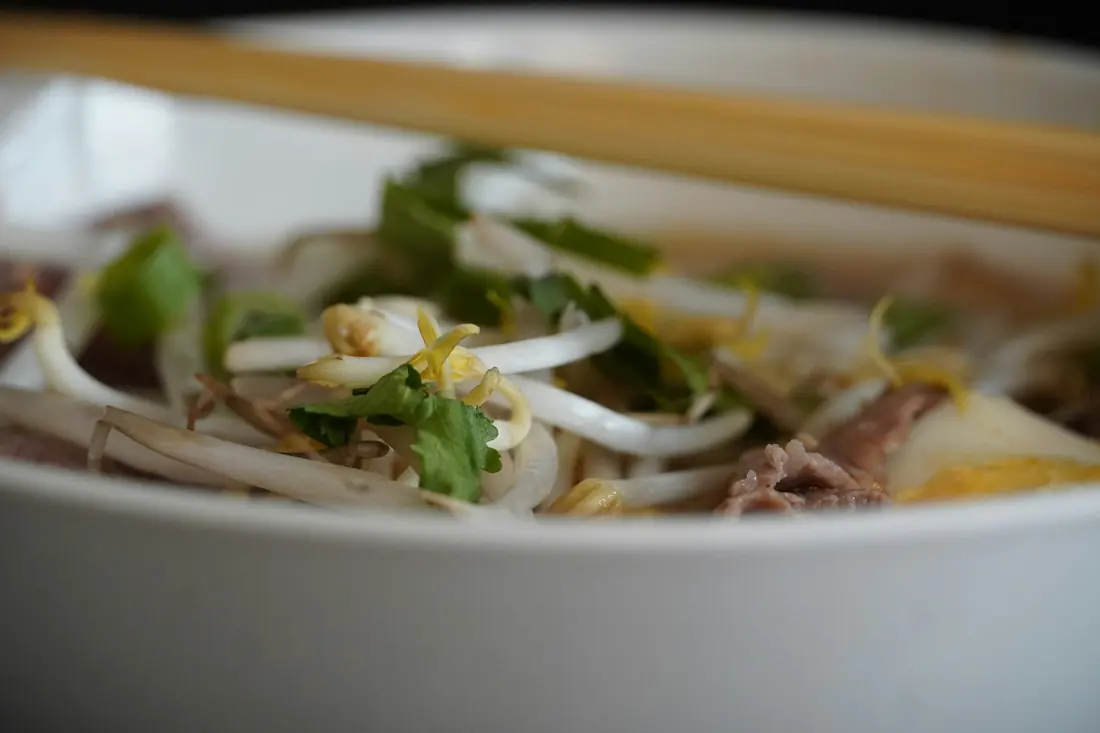
In a beef pho, thin slices of rare beef are often laid on top uncooked and cook through in the broth in the time it takes to reach your table. If you would rather not have that, ordering a version with fully cooked cuts — brisket or meatballs — avoids it.
The herbs stay raw deliberately. Adding them gradually keeps them fresh rather than stewed, which is the whole point of serving them separately.
How to eat it
- Taste the broth on its own first.
- Tear in a few basil leaves and add a small handful of sprouts.
- Squeeze in lime, then taste again before adding more of anything.
- Add chilli last, since you cannot take it back out.
- Alternate chopsticks for noodles with the spoon for broth.
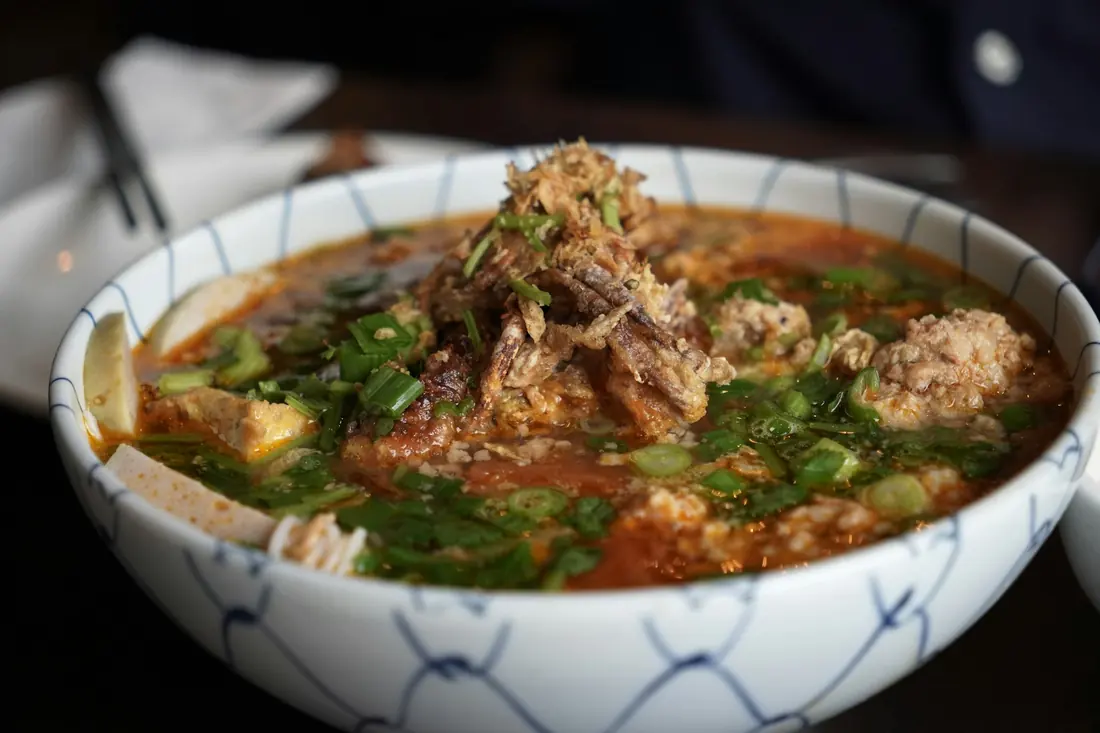
Hoisin and chilli sauce are usually on the table. Many people dip meat into them on a side dish rather than squeezing them into the bowl, which keeps the broth you were served intact.
Where it came from
Pho is younger than most people assume. It emerged in northern Vietnam in the early twentieth century, drawing on Vietnamese, Chinese and French influences at a time when beef was becoming more widely available. It spread south after 1954, picking up the herb plate and the sweeter, more elaborate garnishes associated with the southern style along the way.
That regional split still shows on menus today. Northern-style bowls tend to be plainer, with a clearer broth and fewer additions; southern-style bowls are the ones with the loaded herb plate, hoisin and chilli sauce. Most American restaurants serve some version of the southern style.
Pho alongside other dishes
A standard bowl is a meal on its own, which catches people out when they order it as a starter. If you are eating with others and want to share, one bowl between two with something else alongside works better than a bowl each.
It pairs particularly well with dishes that offer contrast — something fried or grilled cuts through the broth nicely. At an Asian kitchen that also serves sushi, a shared bowl of pho with a couple of rolls is a common order, and it gives you hot and cold, soft and crisp in the same meal. Our guide to which sushi rolls suit first-timers covers the other half of that order.
Common versions you will see
| Version | What it contains | Good if you |
|---|---|---|
| Rare beef | Thin slices cooked by the broth itself | Want the most traditional bowl |
| Brisket and meatballs | Fully cooked cuts, firmer texture | Would rather nothing arrives raw |
| Combination beef | Several cuts in one bowl | Cannot decide, or are sharing |
| Chicken | Lighter broth and poached chicken | Prefer something milder |
| Seafood | Shrimp and other seafood in place of beef | Do not eat red meat |
| Vegetarian | Vegetable broth and vegetables | Are avoiding meat |
What it tastes like
The first impression is aroma rather than flavour — star anise and cinnamon carry a long way in steam. The broth underneath is savoury and beef-forward but much lighter than its colour suggests, closer to a very good consommé than to a stew.
The noodles are soft and neutral, which is deliberate; they carry broth rather than competing with it. Once you add herbs and lime the whole bowl brightens noticeably, which is why tasting before and after is worth doing the first time.
If you are used to salty, thick noodle soups, pho can seem understated at first. That impression usually reverses by the second or third mouthful.
Mistakes worth avoiding the first time
None of these will ruin the bowl, but each one makes it worse than it needed to be.
- Emptying the herb plate in at once. The leaves wilt within a minute and lose most of their aroma. Add a few, eat, add a few more.
- Squeezing in the sauces immediately. Hoisin is sweet and chilli sauce is sharp; both flatten a broth that was simmered for hours. Taste first.
- Letting it sit. Rice noodles keep absorbing broth, so a bowl left for fifteen minutes becomes thick and soft. Pho is meant to be eaten straight away.
- Stirring everything together at the start. Part of the pleasure is that the bowl changes as you go, and mixing it upfront removes that.
- Ordering it as a side. A full bowl is a meal. If you want a starter, a smaller soup is the right size.
The general principle is restraint at the beginning. You can always add more; you cannot take anything back out.
Ordering pho in Daphne
Roll & Go Sushi serves a 32 oz Vietnamese-style pho noodle soup with fresh herbs and vegetables. The beef version comes with rare beef, meatballs and brisket together, and chicken, seafood and vegetarian options are also listed.
It is a full meal rather than a starter, which is worth knowing if you are also ordering sushi. The smaller miso and onion soups on the same menu are the better choice as a side. You can see the current soup and noodle options or compare it with how pho differs from ramen before you decide.
Frequently Asked Questions
How do you pronounce pho?
Closer to “fuh” than “foe” — a short vowel with a slight upward tone. Nobody at a restaurant will mind either way.
Is pho spicy?
Not on its own. The broth is aromatic rather than hot. Any heat comes from the fresh chilli and chilli sauce you add yourself.
What is the herb plate for?
It lets you season the bowl to your own taste. Add the herbs a few at a time so they stay fresh rather than wilting all at once.
Is pho a starter or a main course?
A main course. A standard bowl is large and filling — the smaller soups on a menu, like miso or onion soup, are the ones intended as starters.
Can I order pho without meat?
Most places offer a vegetarian version, though the broth base varies between kitchens. Ask when you order if this matters to you.
Pho is far less complicated than the herb plate makes it look. Taste the broth, add a little at a time, and adjust as you go.
If you want to try a bowl locally, the ordering page lists what is available, and the restaurant’s hours and location are here.