
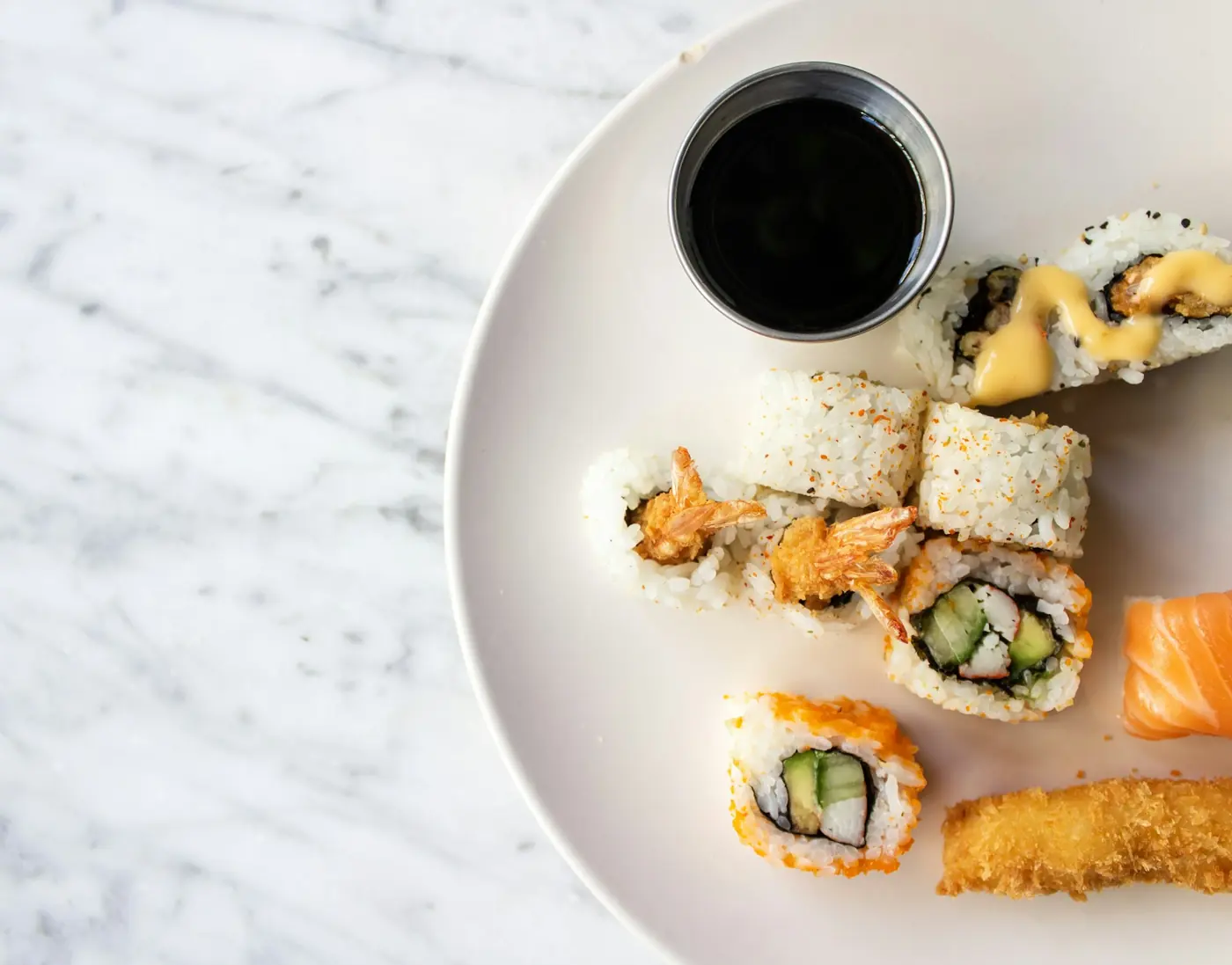
Three things arrive alongside almost every sushi order: a bottle of soy sauce, a small green mound, and a pile of pink slices. Most people use at least one of them wrongly, and the pink one is routinely eaten at the wrong moment entirely.
What each one is for
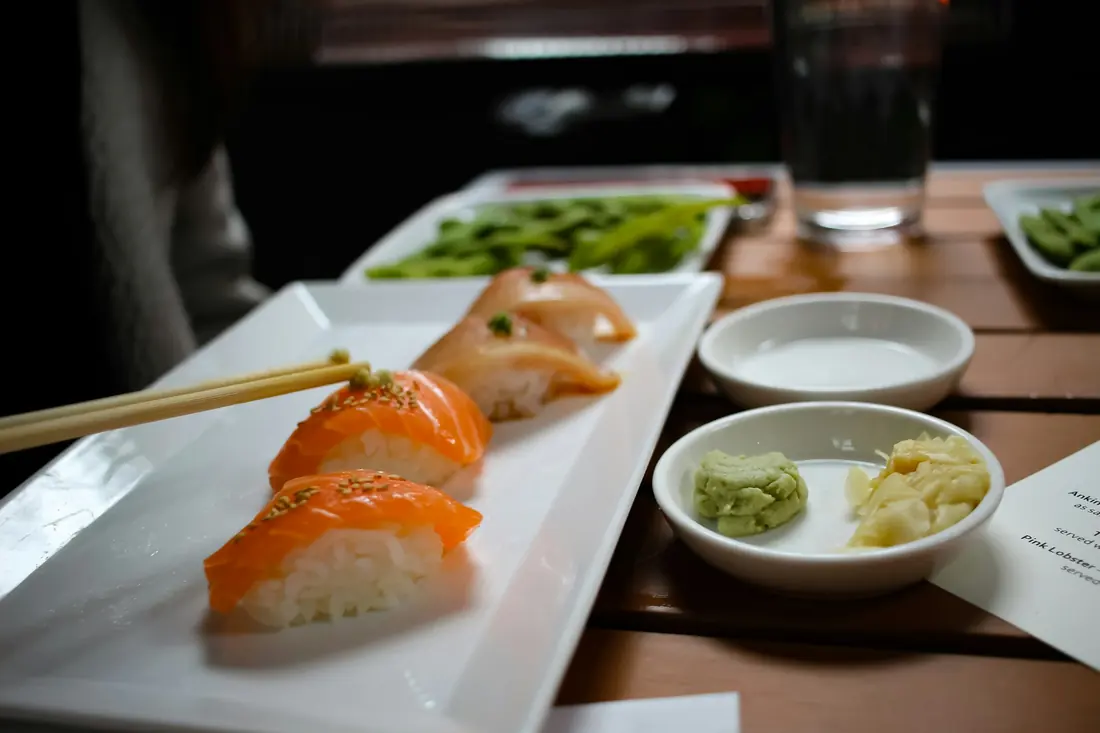
Soy sauce is for dipping, sparingly, fish-side down. The green paste is wasabi, a seasoning already present inside most nigiri. The pink slices are pickled ginger, eaten between pieces to reset your palate — not piled on top of the sushi.
Soy sauce
The single most common mistake is soaking the rice. Sushi rice is seasoned and loosely packed; saturate it and it both falls apart and overwhelms whatever it was wrapped around.
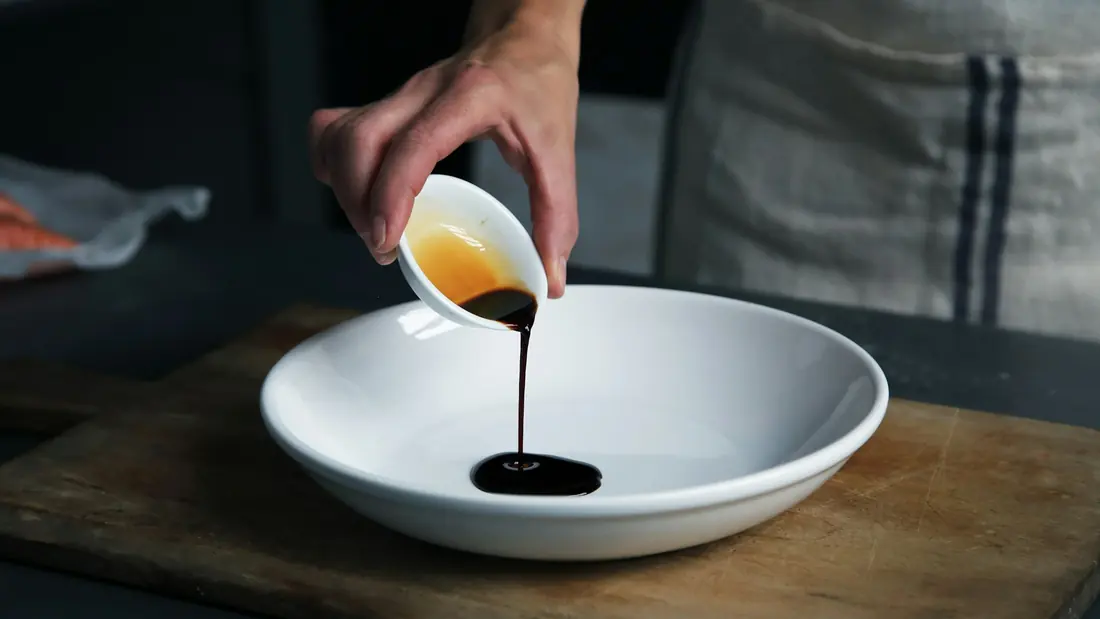
Pour a small amount into the dish — far less than feels right — and dip the fish side rather than the rice side. For a cut roll, a light touch on one edge is enough.
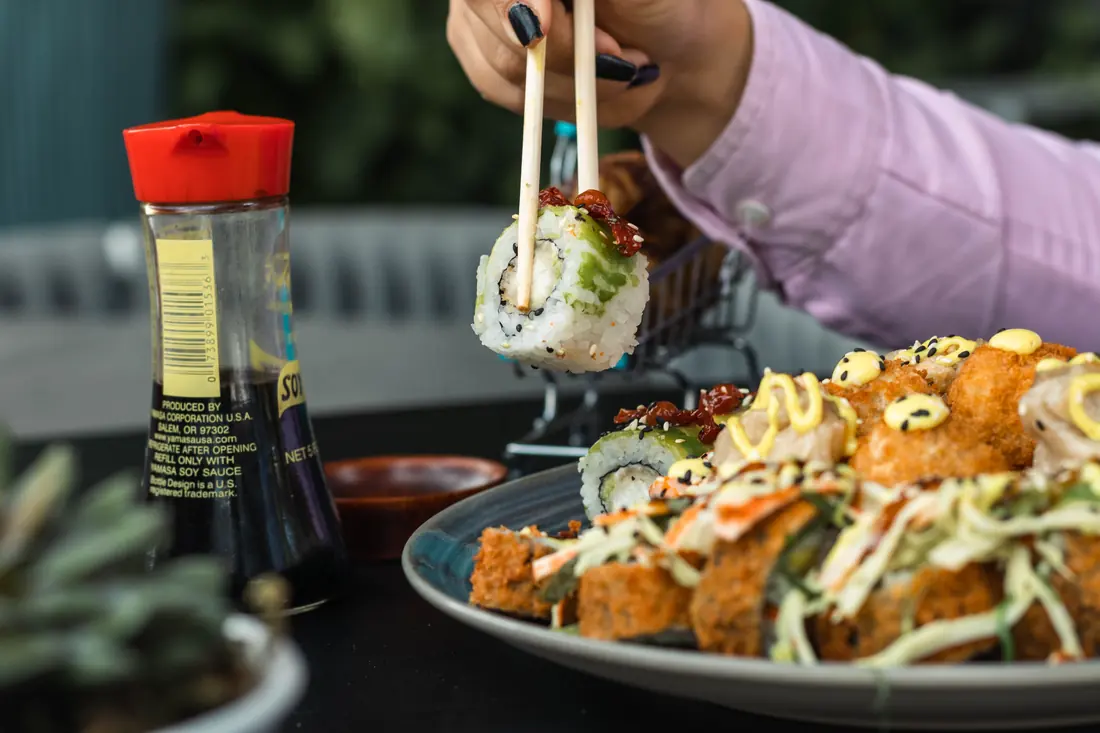
Rolls finished with their own sauce need none at all. If a roll arrives with a drizzle across the top, the kitchen has already seasoned it, and adding soy on top of that is doubling up.
Wasabi
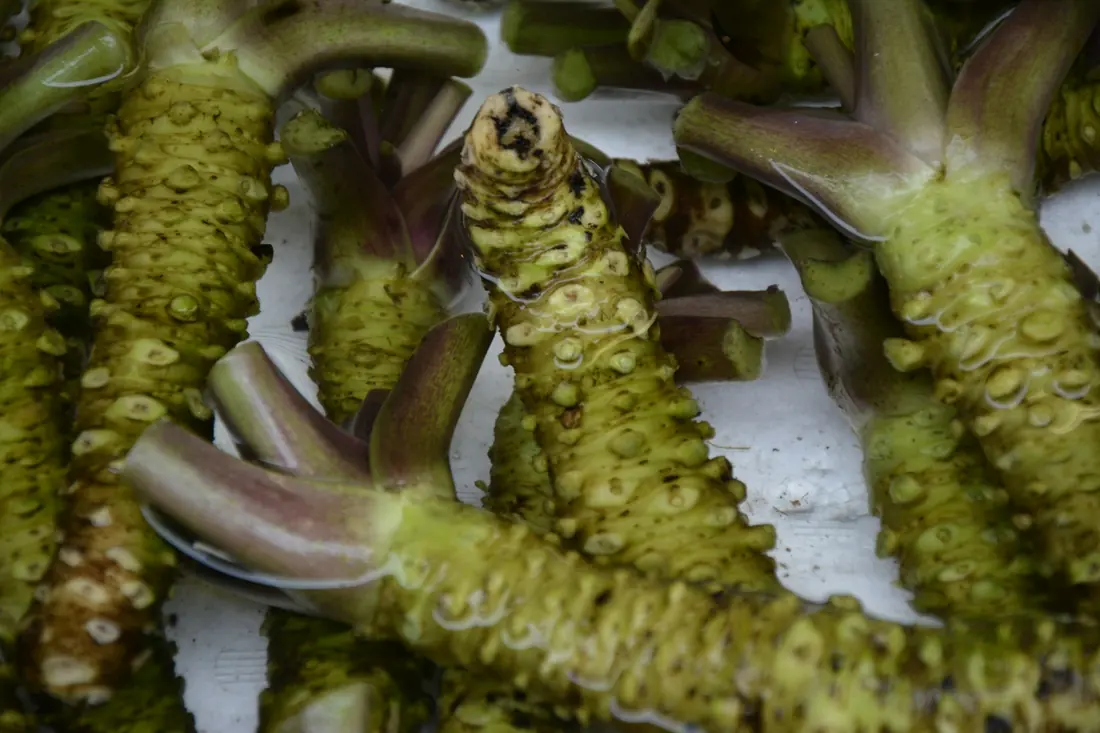
Real wasabi is the grated rhizome of a plant grown in cold running water. It is difficult to cultivate and loses its aroma within minutes of being grated, which is why very few restaurants anywhere serve it.
What arrives on most plates is a blend based on horseradish, mustard and colouring. It is sharper and more persistent than the real thing, which is milder and more aromatic. Britannica’s entry on wasabi covers the plant itself and why it is so rarely used fresh.
Either way, the heat is volatile — it hits the nose rather than the tongue and fades quickly, unlike chilli. That is also why mixing it into a dish of soy sauce dulls it almost immediately.
Pickled ginger
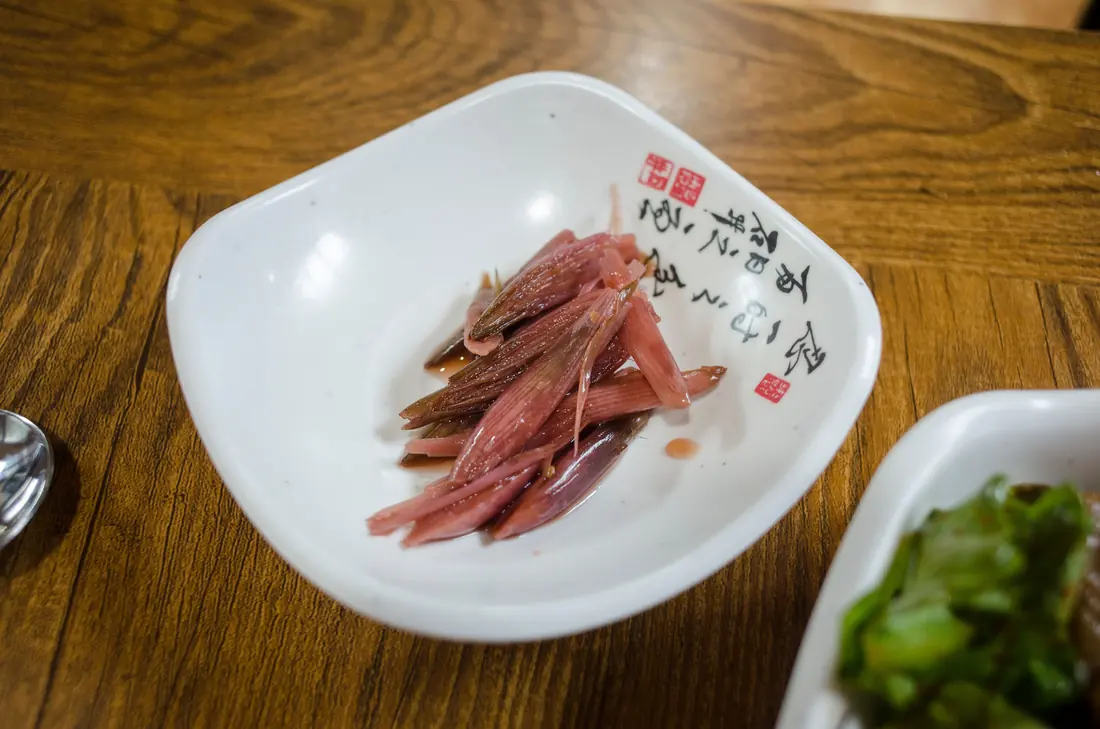
Known as gari, this is thinly sliced young ginger pickled in vinegar and sugar. The pink colour is sometimes natural to young ginger and often added.
It is a palate cleanser, taken between pieces so that one roll does not bleed into the next. Eating it on top of a piece of sushi buries whatever you were about to taste, which defeats its purpose entirely.
The three compared
| Soy sauce | Wasabi | Pickled ginger | |
|---|---|---|---|
| What it is | Fermented soybean and wheat seasoning | Grated rhizome, or a horseradish blend | Young ginger pickled in vinegar |
| Purpose | Salt and depth | Aromatic heat | Resets the palate |
| When to use it | As you eat each piece | Sparingly, or not at all | Between pieces |
| Common mistake | Soaking the rice | Stirring it into soy sauce | Eating it on top of the sushi |
| Already in the dish? | Sometimes, as a glaze | Often, inside nigiri | No |
What else turns up on the table
Beyond the three, a few other items appear often enough to be worth recognising.
- A small shallow dish — for soy sauce, and deliberately shallow so you cannot pour much into it.
- A chopstick rest — chopsticks go across it between bites rather than on the table or upright in food.
- A hot towel — for your hands before eating, particularly relevant where hand rolls or nigiri are on the table.
- Green tea — served throughout rather than at the end, and traditionally the drink that accompanies sushi.
None of it is compulsory and no restaurant expects a performance. Knowing what the items are for simply removes the guesswork.
What they are called on a Japanese menu
The names turn up often enough on menus and in restaurants that they are worth recognising, even though nobody expects you to use them.
- Shoyu — soy sauce. The word covers a family of styles rather than one product, which is why the flavour differs from restaurant to restaurant.
- Gari — the pickled ginger. Sliced thin and pickled in sweetened vinegar, which is where both the sharpness and the pale pink come from.
- Wasabi — the green paste, whether it is the true rhizome or the more common horseradish-based version.
You will also see oroshi for grated daikon and ponzu for a citrus-soy sauce, both of which turn up beside cooked dishes more often than beside sushi.
Mixing wasabi into soy sauce
This is the practice that draws the most comment, and the objection is practical rather than ceremonial. Wasabi’s aroma is volatile; dissolved into liquid it disperses and flattens, so you get salt where you wanted sharpness.
If you want heat, a small amount placed directly on the fish keeps it where you can taste it. Nobody will mind if you mix it — but the result is genuinely less good, which is a better reason than tradition.
Why it varies so much between restaurants
Condiment quality is one of the least visible differences between sushi restaurants and one of the most noticeable once you pay attention to it. Soy sauces differ considerably in salt and sweetness, and some kitchens dilute or blend their own.
Pickled ginger varies just as much — thickness of slice, sharpness of the pickle, and how much sugar is in it. A thin, sharp ginger does its job; a thick, sweet one competes with the food it was meant to clear.
Because these are supplied rather than made in most kitchens, they tell you something about how much attention the restaurant pays to details the customer rarely comments on.
The sauces that are not condiments
A second group of sauces appears on the rolls themselves rather than on the table, and they change how you should treat the three classics.
Spicy mayonnaise, the sweet dark glaze often labelled eel sauce, and the various house drizzles on specialty rolls are all applied in the kitchen as part of the dish. They are seasoned to work on their own.
That is the practical reason a heavily dressed roll rarely needs soy sauce. Adding it stacks salt on salt and flattens whatever the glaze was doing. Save the soy dish for the plain rolls and the nigiri on the same plate.
When to skip them entirely
Plenty of rolls need nothing added. Anything already sauced, anything with a strong topping, and most tempura rolls are seasoned to be eaten as served.
A useful habit is to taste the first piece with nothing at all. It tells you whether the roll needs anything, and quite often it does not — particularly with specialty rolls, which are usually built with their finishing sauce as an integral part rather than an optional extra. Our guide to how specialty rolls are constructed covers why.
How much of each to use
Rough proportions help more than rules. For a six-piece roll, a teaspoon of soy sauce in the dish is plenty, and most people pour four or five times that.
Wasabi, if you are adding it at all, means a smear roughly the size of a grain of rice per piece — enough to notice, not enough to overwhelm. And one or two slices of ginger between rolls, rather than a mouthful.
The underlying principle is that all three are seasonings rather than ingredients. If you can taste the condiment more clearly than the fish, the balance has tipped, and the fish is usually the more expensive part of what you ordered.
Frequently Asked Questions
Is the wasabi at most restaurants real?
Usually not. Most is a horseradish-based blend, because real wasabi is difficult to grow and loses its aroma within minutes of grating.
Should you mix wasabi into soy sauce?
It is common, but it dulls the wasabi. A small amount placed directly on the fish keeps the aroma where you can taste it.
When do you eat the pickled ginger?
Between pieces, as a palate cleanser — not on top of the sushi.
How much soy sauce should you use?
Less than most people pour. Dip the fish side lightly rather than soaking the rice, which falls apart when saturated.
Do rolls with sauce on top need soy sauce as well?
Generally no. If a roll arrives with a drizzle, it has already been seasoned by the kitchen.
Dip lightly, keep the wasabi out of the soy, and save the ginger for between pieces. Three small habits that make a noticeable difference.
If you are working out what to order in the first place, our guide to sushi rolls for beginners is the place to start, or see what is currently on the menu.