
Mushrooms turn up all over an Asian menu – in the soups, on the grill, through the noodles – and they are rarely named. Which ones they are, and whether they were dried first, changes the dish more than most people would guess.
What is shiitake?
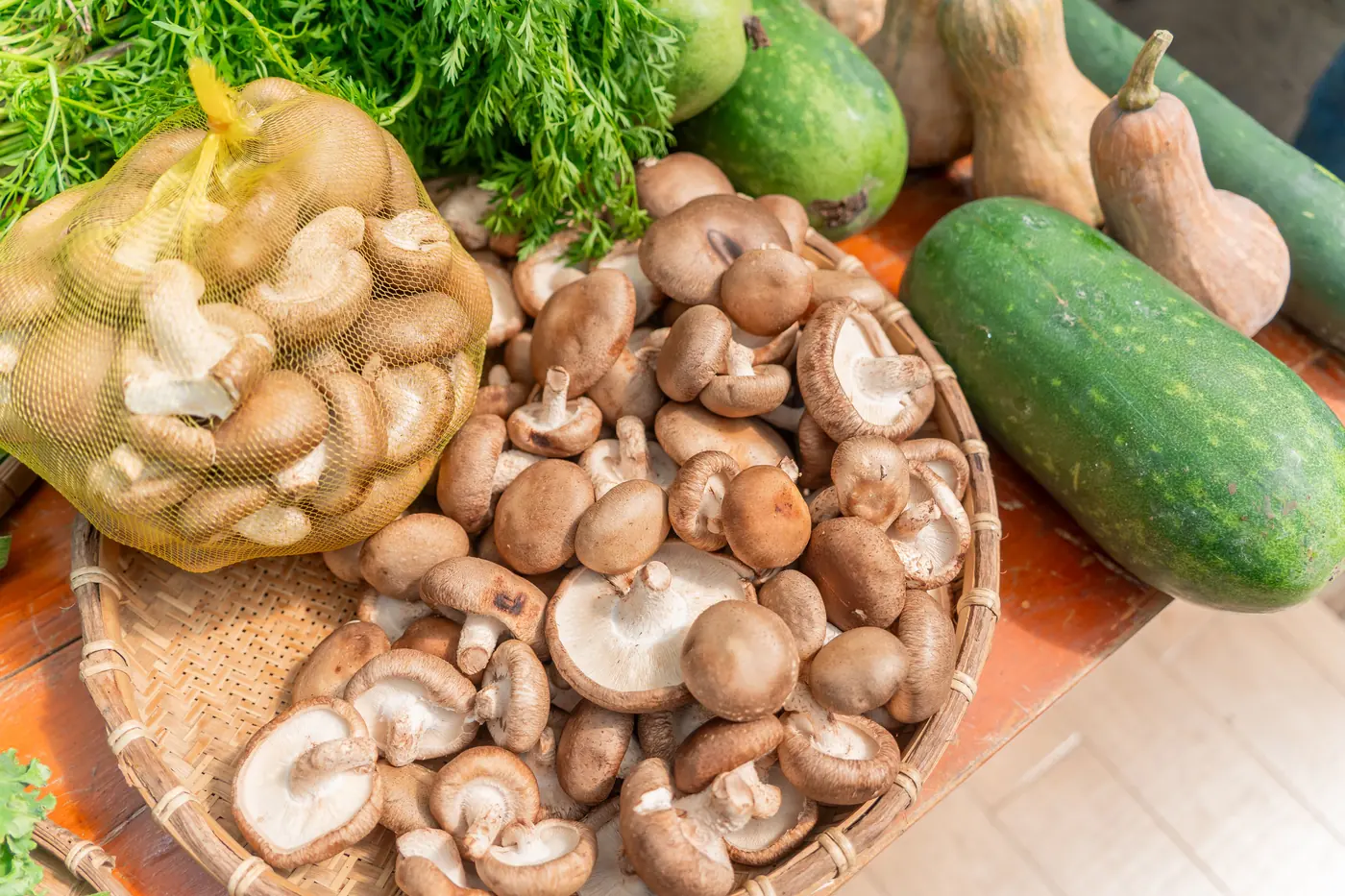
Shiitake is a brown-capped mushroom cultivated across East Asia and now grown worldwide. It has a firm, almost meaty texture and a deeper, more savoury flavour than the white mushrooms most Western kitchens default to.
It grows naturally on hardwood logs, and is still cultivated that way as well as on sawdust blocks. Britannica’s entry on the mushroom covers how varied the cultivated species are.
Dried changes everything
This is the part worth knowing, because it explains why the mushrooms in a soup can taste nothing like the ones on a grill even when they are the same species.
Drying concentrates the flavour dramatically and changes it in character, producing something much deeper and slightly smoky. Rehydrated, the texture becomes chewier and denser than fresh, and the soaking liquid takes on so much flavour that it is usually kept and used.
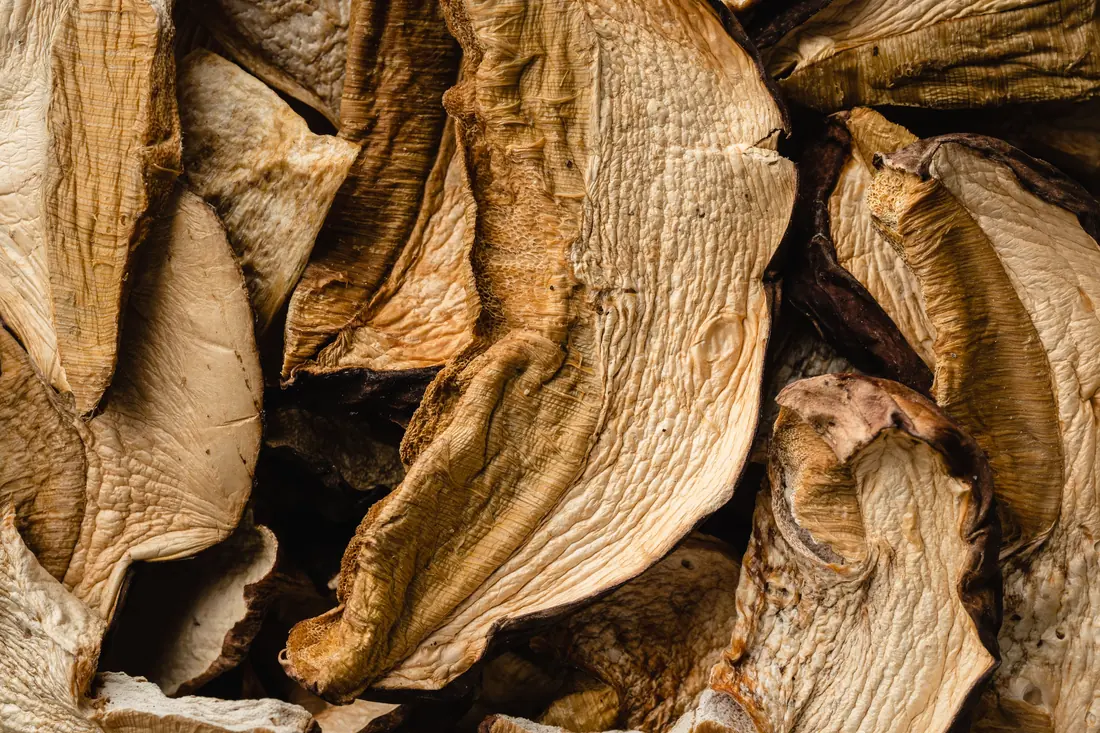
Fresh shiitake, by contrast, is mild and springy. Both are legitimate and neither is a substitute for the other – a cook choosing between them is choosing between two fairly different ingredients.
How they are grown
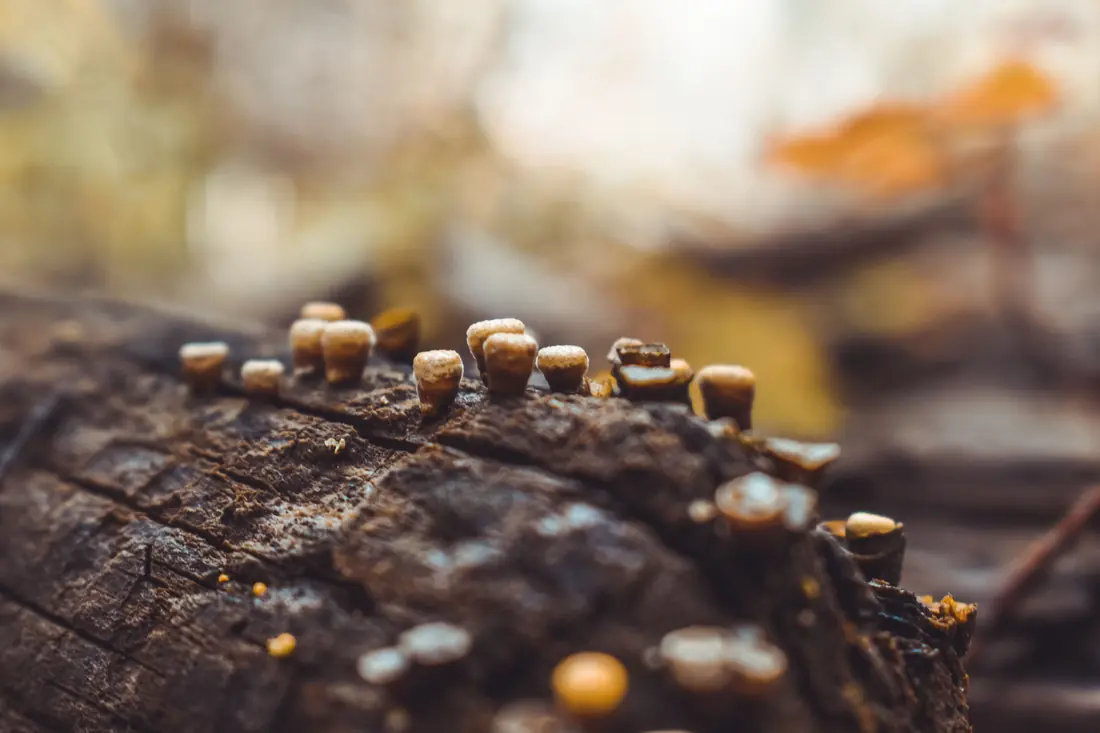
Shiitake is a wood-decay fungus, which means it will not grow in soil the way a field mushroom does. It needs wood, and that requirement shapes how it is cultivated.
The traditional method inoculates hardwood logs – oak most often – and leaves them outdoors for a year or more before the first flush appears. The result is slower and more variable, and generally reckoned to have more flavour.
The modern method uses compressed sawdust blocks indoors, which produces a crop in months rather than years and far more predictably. Most of what reaches a restaurant is grown this way, and it is the reason shiitake went from a specialty item to something available everywhere.
The mushrooms you will actually meet
| Mushroom | Looks like | Texture | Where it turns up |
|---|---|---|---|
| Shiitake | Brown cap, thick stem | Firm, meaty | Soups, grills, stir fries |
| Button | Small, white or brown | Soft, mild | Grilled vegetables, stir fries |
| Enoki | Long thin white strands | Crisp then soft | Soups and hot pots |
| Oyster | Fan-shaped, pale grey | Silky, tender | Stir fries and grills |
| Wood ear | Dark, thin, irregular | Springy, gelatinous | Soups and noodle dishes |
The last two are the ones people most often cannot identify. Wood ear in particular surprises diners, because its texture is unlike any other mushroom – springy and slightly crunchy rather than soft.
On the grill
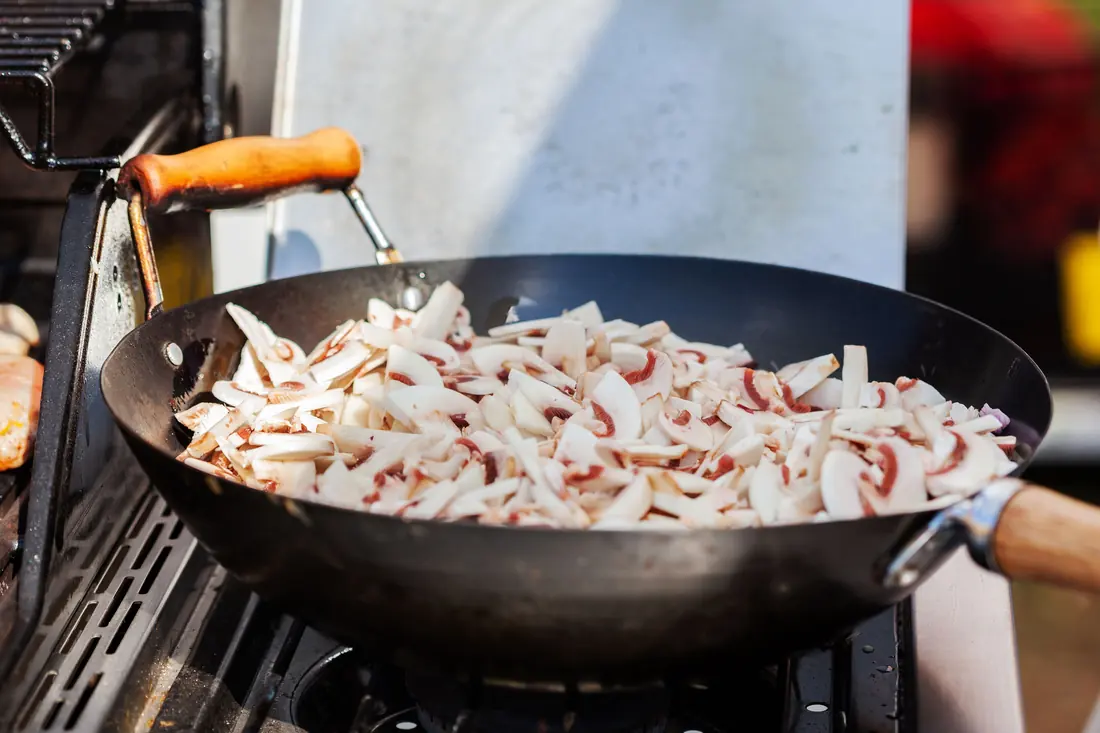
Mushrooms are part of the standard vegetable mix on a flat-top grill, alongside zucchini, onion and carrot, and there is a good reason they earn their place.
They hold their shape at high heat, they brown well, and they release moisture early and then concentrate rather than collapsing. A mushroom that has been seared hard on a griddle tastes considerably more of itself than one that has been steamed or boiled.
The one thing that goes wrong is crowding. Mushrooms release a lot of water, and too many at once on a surface means they stew in it rather than searing – which is why a good griddle cook spreads them out.
The stems are not waste
Shiitake stems are tough – noticeably more so than the caps – and most recipes tell you to remove them. What they usually do not say is what to do with them next.
They are full of flavour and are ideal for stock. A handful of stems simmered in water produces something worth using, which is why a kitchen that goes through mushrooms in quantity rarely throws them out.
If you find a chewy, fibrous piece in an otherwise tender dish, a stem that should have been trimmed is the most likely explanation.
In the soups
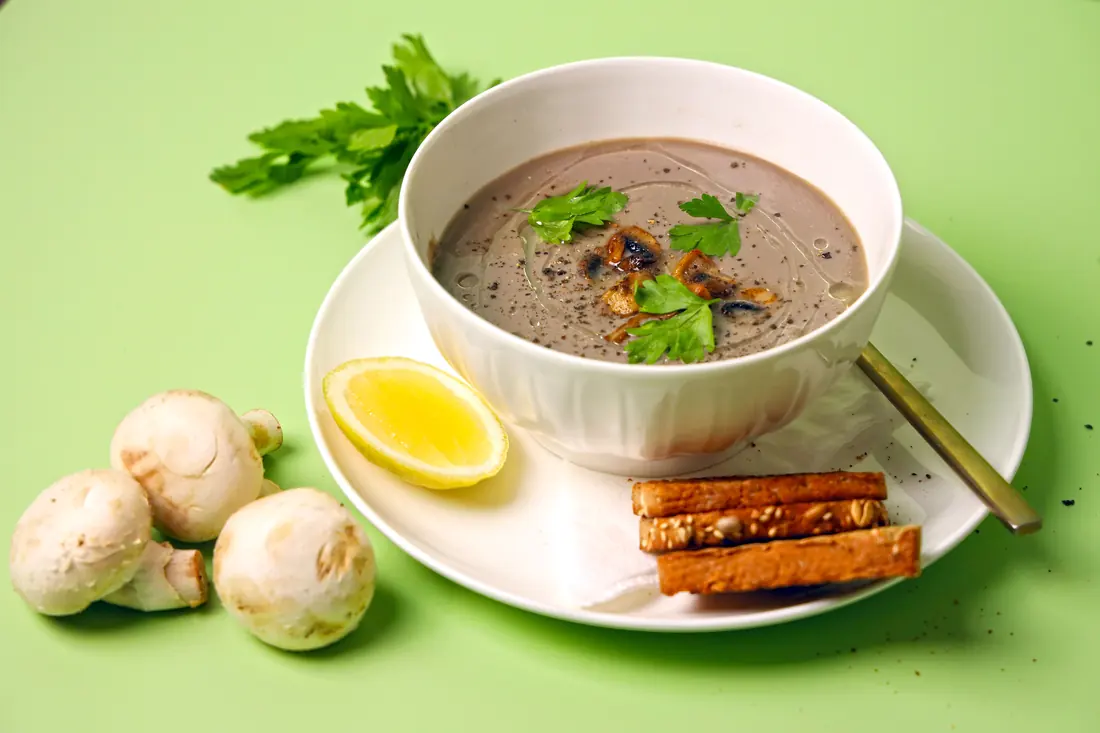
Mushrooms appear in clear broths, in onion soups and through noodle soups, and here they are usually doing a different job entirely – contributing to the broth rather than being eaten as a component.
A few slices simmered in a clear broth make the whole thing taste more savoury without adding anything you can identify. This is the same quality that makes dried mushrooms a standard base for vegetarian stocks, where they stand in for the depth that a fish or meat stock would provide.
Cooking them well
Mushrooms are mostly water, and every common mistake with them comes from ignoring that.
- Do not crowd the pan. Too many at once means they release water faster than it evaporates, and they boil instead of browning.
- Do not salt them at the start. Salt draws water out, which works against the searing you are trying to achieve.
- Give them time undisturbed. Constant stirring keeps the surface too cool to colour.
- Do not soak fresh ones. They absorb water readily, and a wet mushroom will not brown at all.
Done properly they shrink considerably and concentrate, which is why a large pile going onto a griddle produces a modest quantity on the plate. That reduction is the flavour arriving rather than something going wrong.
Fresh or dried, on a menu
Menus almost never specify, but a few signals help.
- Thin, pale, springy slices – fresh, usually button or shiitake.
- Dark, chewy, intensely flavoured pieces – rehydrated dried, most often shiitake.
- Whole caps with a scored cross on top – fresh shiitake, scored so they cook evenly and look deliberate.
- Broth that tastes deeply savoury with no obvious source – dried mushroom somewhere in the stock.
Keeping them
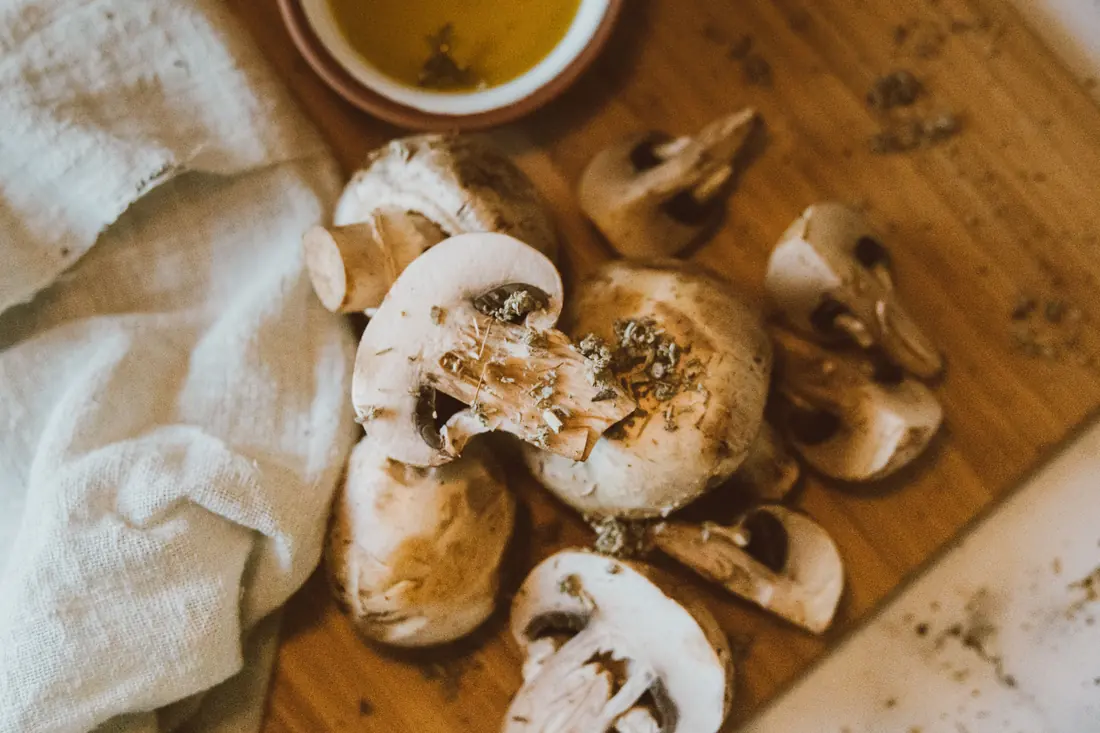
Fresh mushrooms want air rather than plastic. Sealed in a bag they sweat and turn slimy within a couple of days; kept in paper or an open container they last considerably longer.
Dried ones keep almost indefinitely in a sealed jar away from light, which is part of why they became a staple in the first place. A cupboard with dried mushrooms in it always has the beginnings of a stock.
Why they matter more in this cuisine
East Asian cooking has leaned on mushrooms for a very long time, and part of the reason is structural. Where a cuisine uses less dairy and less long-reduced meat stock, it needs another source of savoury depth, and mushrooms are one of the best available.
That is why they turn up as a background element so often rather than as the star of a dish. The mushrooms in your soup may not be something you notice, and they are probably a large part of why the soup tastes like anything at all.
For where they appear, our hibachi plate guide covers the grilled vegetables, the soup comparison covers the starter they turn up in, and the hibachi explainer covers the griddle they are cooked on. The current selection is on the ordering page.
Frequently Asked Questions
What is a shiitake mushroom?
A brown-capped mushroom cultivated across East Asia, firmer and more savoury than the white button mushrooms common in Western kitchens.
What is the difference between dried and fresh shiitake?
Drying concentrates the flavour and makes it deeper and slightly smoky, and the texture becomes chewier once rehydrated. Fresh is milder and springier.
What are the long thin white mushrooms in soup?
Enoki. They grow in clusters of long thin strands and stay crisp briefly before turning soft in hot broth.
What is the dark springy thing in my noodle soup?
Most likely wood ear mushroom. Its texture is springy and slightly crunchy rather than soft, which catches people out.
Why are mushrooms in so many Asian dishes?
They supply savoury depth in a cuisine that uses less dairy and less long-reduced meat stock. Often they are in the background rather than a visible component.