
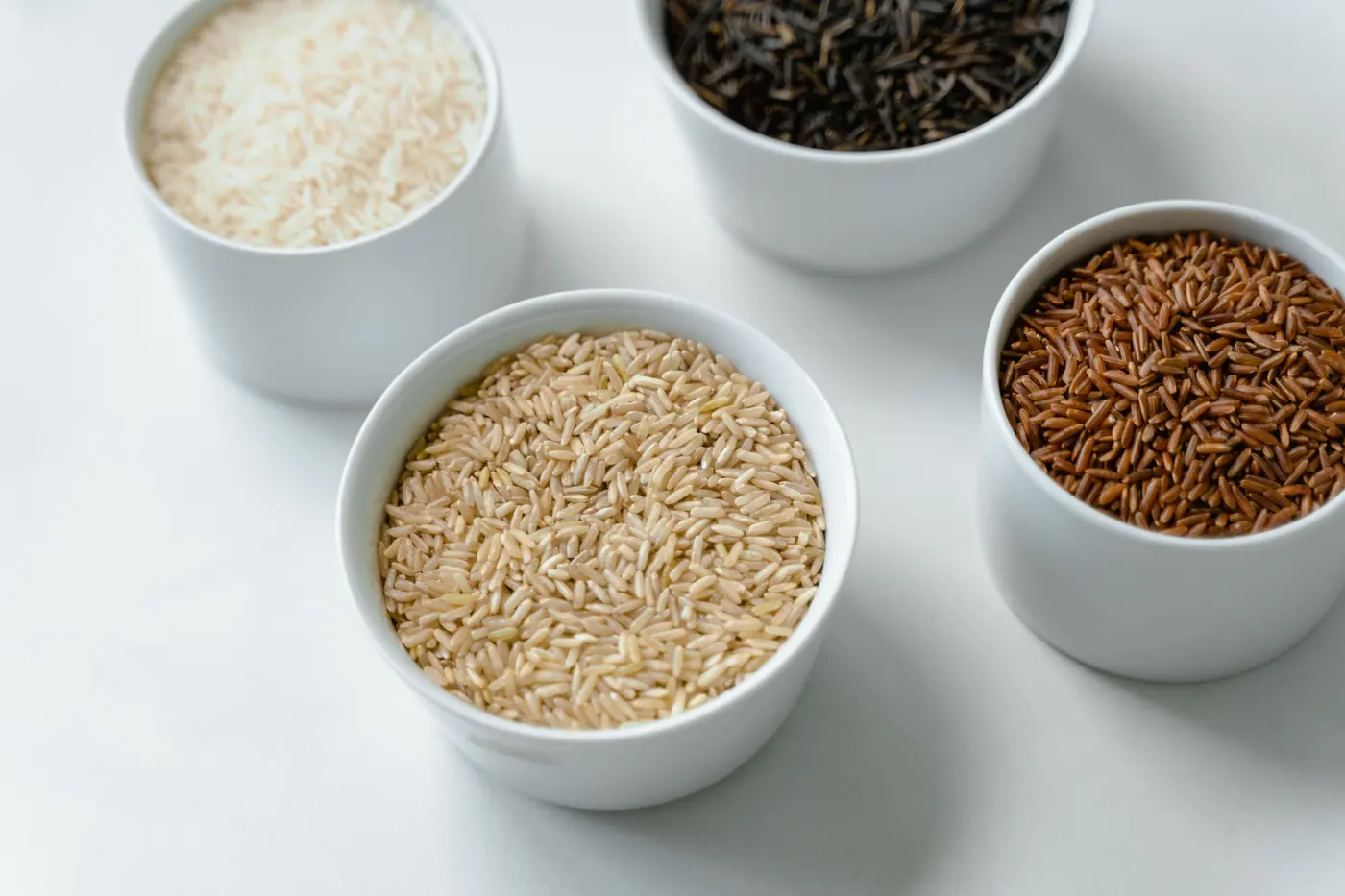
Rice is not one ingredient. The rice under a curry, the rice in a sushi roll and the rice in a fried rice are different products chosen for different reasons, and swapping them produces noticeably worse food.
The short answer
Jasmine rice is long-grain and cooks up separate and fluffy. Sushi rice is short-grain and cooks up sticky enough to hold together. The difference is starch, and it is decided by the variety rather than by how it is cooked.
Two starches, one difference
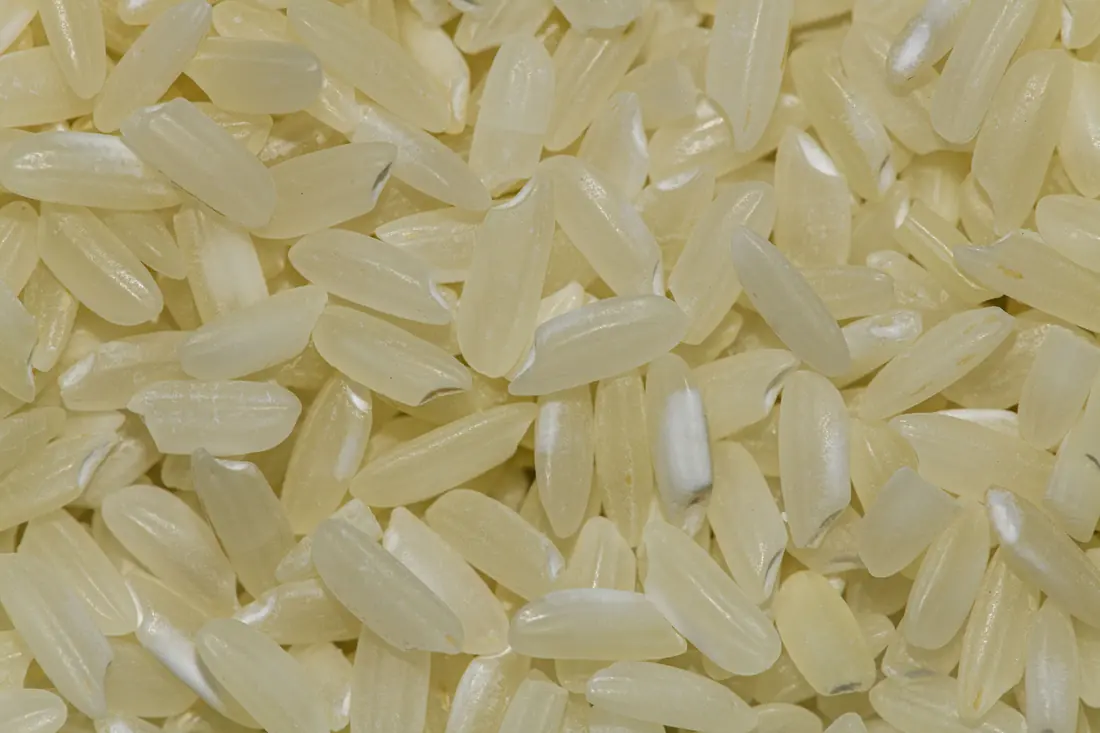
Rice contains two starches in varying proportions, and the ratio between them explains almost everything.
- Amylose – the one that keeps grains separate. High-amylose rice cooks dry and fluffy and firms up as it cools.
- Amylopectin – the one that makes grains cling. High-amylopectin rice cooks soft and sticky and stays pliable.
Long-grain varieties are high in amylose; short-grain varieties are high in amylopectin. Britannica’s entry on rice covers how widely the crop varies across regions, and the cooking differences follow directly from that variation.
The two compared
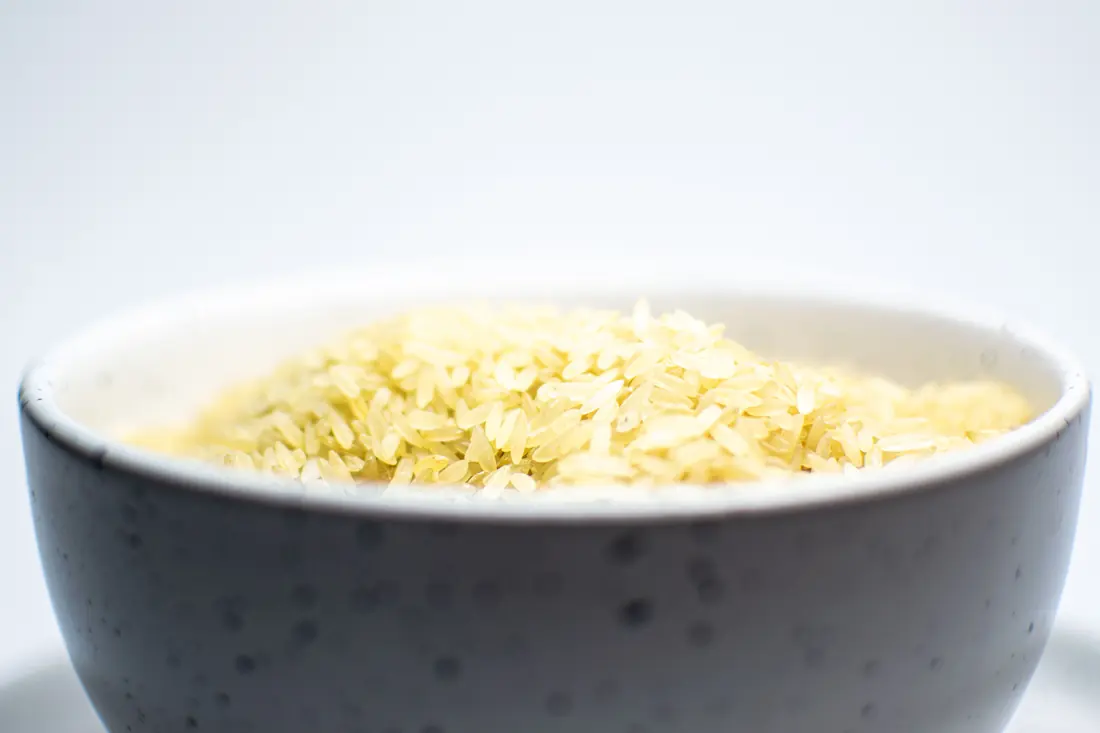
| Jasmine (long-grain) | Sushi rice (short-grain) | |
|---|---|---|
| Grain shape | Long and slender | Short and rounded |
| Texture cooked | Separate, fluffy | Sticky, cohesive |
| Aroma | Distinctly floral | Mild and clean |
| Holds shape | No – falls apart | Yes – can be pressed |
| When cooled | Firms and dries | Stays soft longer |
| Used for | Serving alongside dishes | Rolls, pressed sushi, rice bowls |
The fourth row is the one that matters most on a sushi menu. A roll made with long-grain rice would come apart as soon as it was cut, which is why the substitution is not a matter of preference.
What makes sushi rice sushi rice
Short-grain rice on its own is not yet sushi rice. After cooking it is dressed with a seasoning of vinegar, sugar and salt, folded through while the rice is still warm so it absorbs rather than sits on the surface.
That seasoning does two jobs. It adds the faint sweet-sharp flavour that distinguishes sushi rice from plain rice, and the acidity balances rich fish. The traditional cooling with a fan, while folding, is about stopping the grains from steaming themselves into mush.
This is also why sushi rice is served at room temperature rather than hot. Cold rice goes hard and hot rice warms the fish sitting on it, so the target is somewhere in between – closer to body temperature than to either extreme.
How the water ratio changes things
The other variable is water, and the two rice types want different amounts for reasons that follow from the starch difference.
Long-grain rice takes roughly one and a half parts water to one part rice, because the goal is fully cooked grains that stay separate. Short-grain rice takes closer to one to one, since it holds moisture more readily and too much water turns it to porridge.
Resting matters as much as the ratio. Rice left covered off the heat for ten minutes finishes cooking in its own steam and the moisture distributes evenly, which is why rice served straight from an uncovered pot is often wet at the bottom and dry on top.
Why rice is rinsed
Both types are rinsed before cooking, and for the same reason: loose surface starch. Milling leaves a powdery coating that turns gluey in the pot and makes the finished rice claggy rather than distinct.
How thoroughly depends on what you want. Jasmine rice is usually rinsed until the water runs almost clear, since separation is the goal. Sushi rice is rinsed too, but the stickiness that remains is structural and comes from inside the grain rather than from the surface dust.
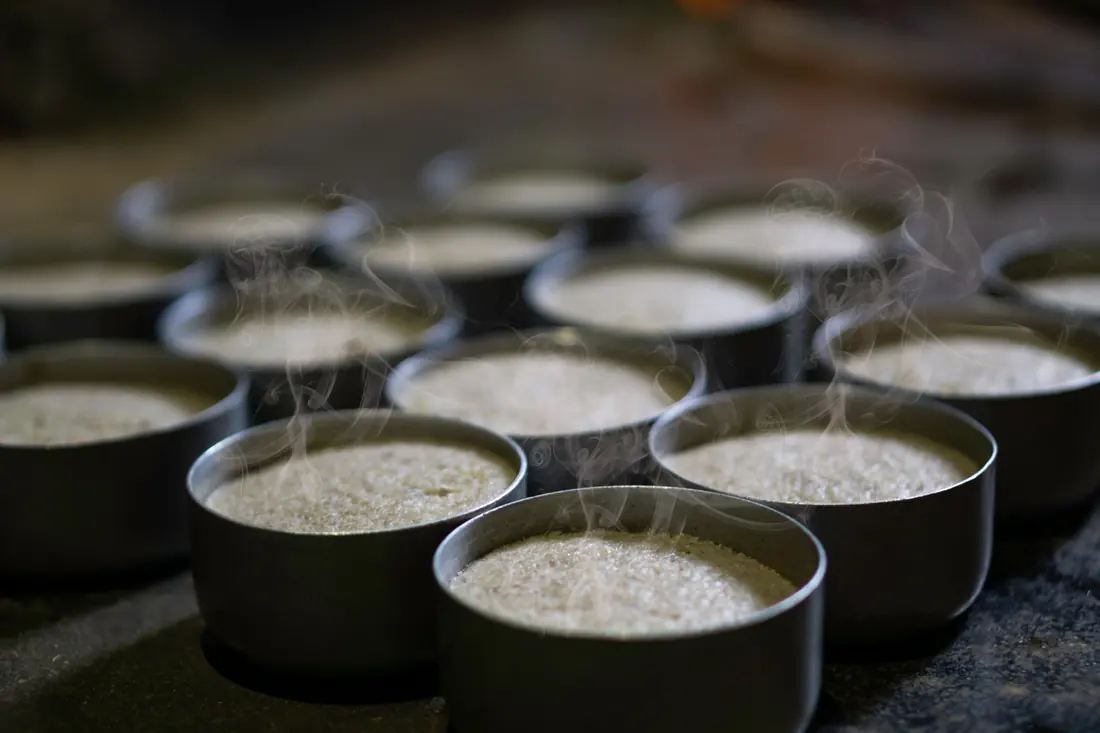
One more variable worth naming is age. Rice loses moisture in storage, so a bag opened months ago behaves slightly differently from a fresh one and generally wants a little more water. It is a small effect, but it explains why the same measurement does not always give the same result.
The fried rice question
This is where the two meet a practical problem. Fried rice needs grains that stay separate in a hot pan, which means a long-grain rice – and it needs the rice to be cooked in advance and cooled.
Day-old rice works better because the grains have firmed up and dried slightly, so they fry rather than steam. Freshly cooked rice carries too much surface moisture and clumps.
It is also why fried rice and steamed rice on a hibachi plate genuinely are different choices rather than the same rice prepared two ways.
What happens when rice goes cold
Cooked rice changes in the fridge, and the change is not simply drying out. The starch reorganises into a firmer structure as it cools, which is why cold rice is hard and slightly chalky.
This is behind several things you notice. It is why packaged sushi never quite matches fresh, why day-old rice fries better, and why sushi rice is seasoned and held at room temperature rather than being refrigerated between service.
Reheating reverses most of it. Steam or a splash of water and a lid will bring chilled rice back close to where it started, which dry reheating in an oven or under a grill will not.
The other varieties on a menu
- Basmati – long-grain, very high amylose, the driest and most separate of the common types.
- Glutinous or sweet rice – almost pure amylopectin, so sticky it holds a shape without pressing. Used for sweets and for some steamed dishes.
- Brown rice – any variety with the bran left on. Chewier, longer to cook, and it never becomes as sticky because the bran gets in the way.
Brown rice is worth a note if it appears as an option on a sushi menu. It makes a structurally weaker roll, because the bran layer interferes with the grains binding to each other.
How much you get
Rice roughly triples in volume as it cooks, which is worth knowing when a menu describes a portion. A restaurant serving of steamed rice is a fairly standard quantity across most kitchens, and it is sized to accompany a dish rather than to be a dish.
That is also why a plate built around rice – a hibachi plate, a rice bowl – carries noticeably more of it than a bowl served alongside something else. The rice is doing a different job in each case.
What to do with this
If you are cooking, buy for the dish rather than buying one bag for everything. If you are ordering, it explains a choice you are given constantly.
On a hibachi plate the fried-or-steamed question is really a question about whether you want the rice seasoned and separate or plain and soft. On a sushi menu there is no question at all – the rice is the one part of the dish that is not up for negotiation.
For where this shows up, our beginners guide covers how a roll holds together, the hibachi plate guide covers the rice choice in detail, and the packaged sushi comparison explains what chilling does to it. The current selection is on the ordering page.
Frequently Asked Questions
What is the difference between jasmine rice and sushi rice?
Jasmine is long-grain and cooks separate and fluffy; sushi rice is short-grain and cooks sticky enough to hold together. The difference is the balance of starches in the grain.
Why is sushi rice sticky?
Short-grain rice is high in amylopectin, the starch that makes grains cling. The vinegar seasoning added afterwards does not cause the stickiness.
Can I use jasmine rice for sushi?
Not successfully. It will not hold together, so a roll made with it comes apart as soon as it is cut.
Why is day-old rice better for fried rice?
The grains firm up and dry slightly overnight, so they fry and separate rather than steaming and clumping in the pan.
Is sushi rice served warm or cold?
Neither. It is served at around room temperature – cold rice goes hard and hot rice warms the fish on top of it.