
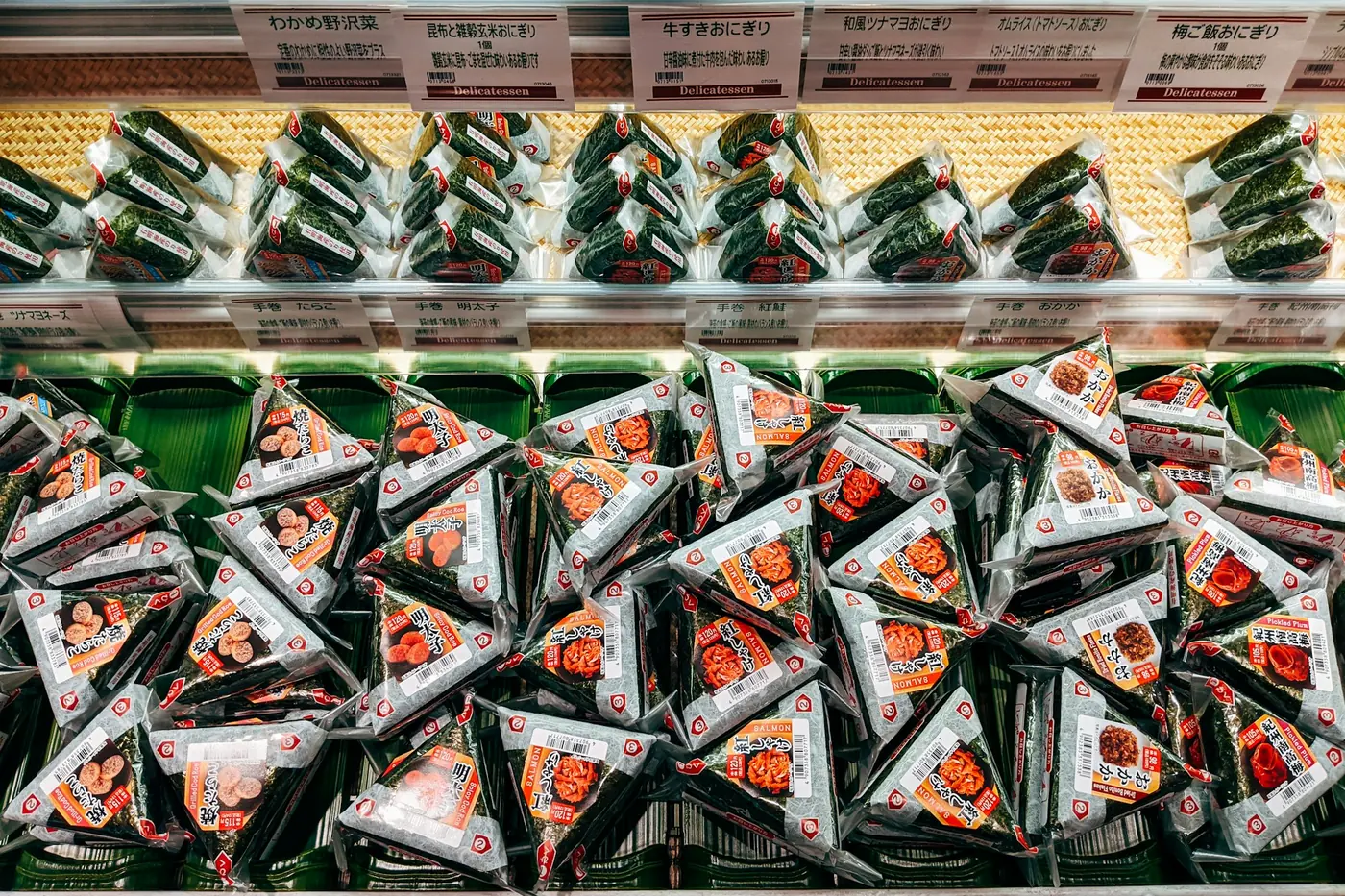
Supermarket sushi has got considerably better over the past decade, which makes the comparison a real one rather than an obvious win for restaurants. The differences are mostly about time rather than skill.
The short answer
Both are regulated and both can be perfectly safe. The difference is freshness: restaurant sushi is made to order and eaten within minutes, while packaged sushi is assembled in advance and refrigerated, which hardens the rice and mutes the fish. Buy packaged sushi the day it was made, and eat it the same day.
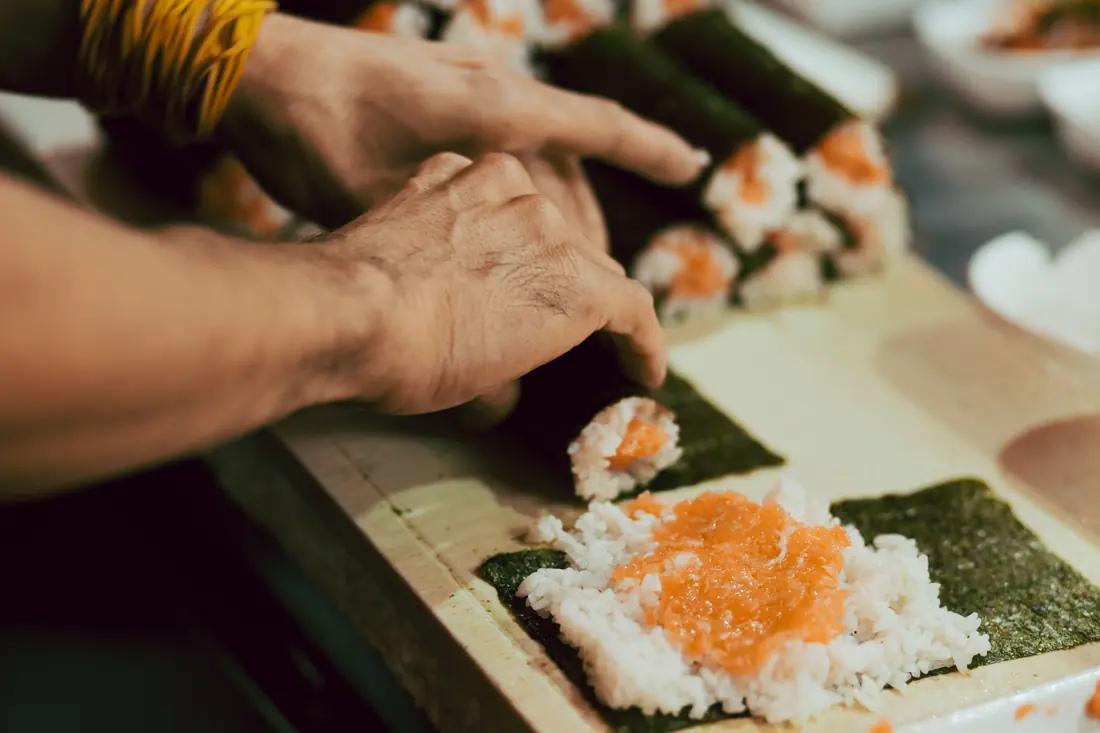
Why refrigeration is the deciding factor
Sushi rice is seasoned and served at close to room temperature for a reason. Chilling it causes the starch to firm up, which is why supermarket rice tends to be denser and drier than rice from a counter.
The same applies to the fish, whose texture and aroma both flatten when cold. None of this is a safety issue — refrigeration is exactly what keeps packaged sushi safe — it is simply the trade-off that makes the product possible.
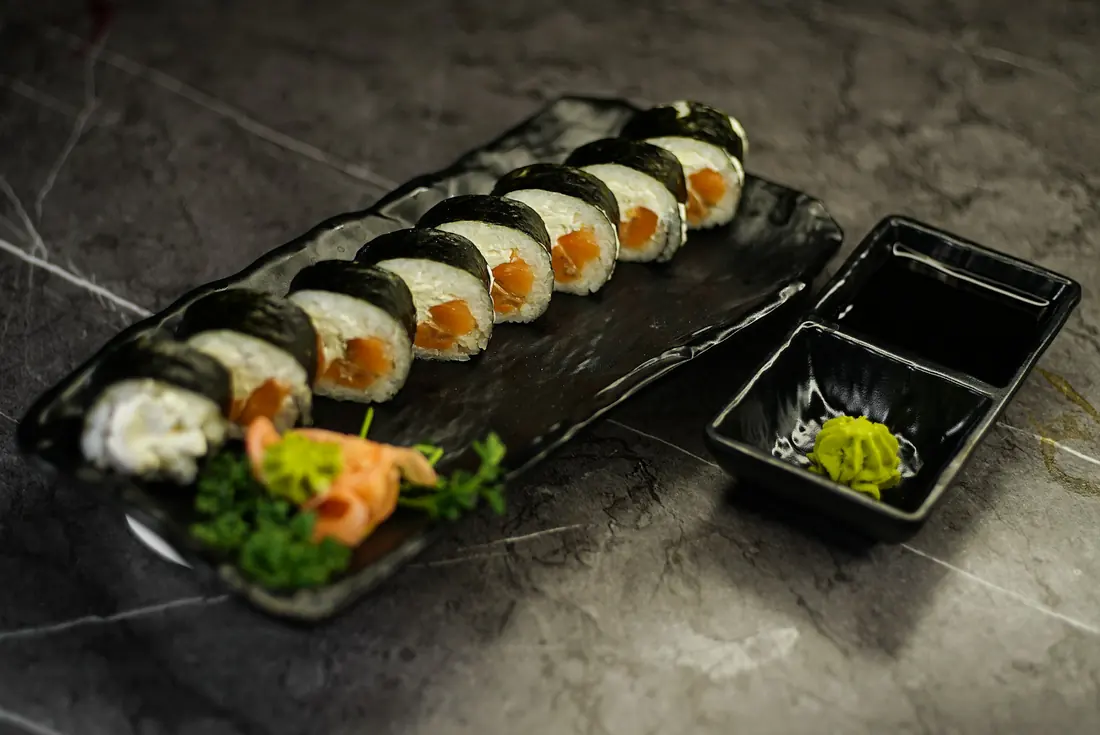
What each does well
| Restaurant sushi | Packaged supermarket sushi | |
|---|---|---|
| Made | To order | In advance, often off-site |
| Rice texture | Soft, close to room temperature | Firmer from chilling |
| Range | Full menu, including specialty rolls | A small fixed selection |
| Customisation | Yes — substitutions and requests | None |
| Convenience | Requires a visit or an order | Grab and go |
| Cost | Higher | Lower |
| Best eaten | Immediately | Same day, as soon as possible |
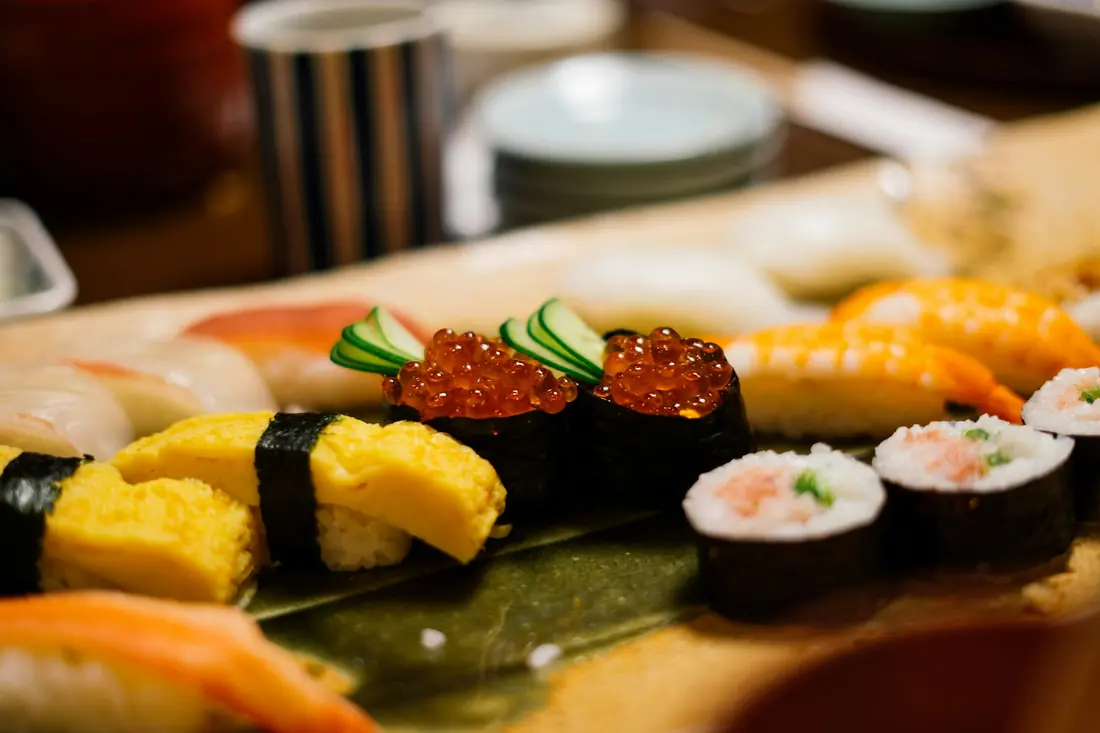
Safety is mostly about handling
Packaged sushi sold in the United States is subject to the same food-safety framework as other prepared retail food, and reputable producers hold to it. The risks that do exist come from temperature and time rather than from the format.
The FDA’s guidance on safe food handling covers the general principles — keeping cold food cold, and not leaving prepared food at room temperature. Both matter more for packaged sushi than for a plate that was made ninety seconds ago.
- Check the date. Same-day is the standard to aim for.
- Buy it cold and get it home cold. A long warm car journey undoes the chilling the shop has maintained.
- Do not keep leftovers overnight, particularly anything with raw fish.
- Look at it. Fish should look moist rather than dull or dry, and rice should look plump rather than cracked.
What changed in supermarket sushi
A decade ago the comparison was not close. What shifted is mostly logistics: in-store counters preparing rolls on site, shorter supply chains, and better packaging that holds humidity around the rice instead of drying it out.
Some stores now assemble on the premises through the day rather than receiving a single delivery each morning. Where that is happening, the freshness gap narrows considerably, and the remaining difference is range rather than quality.
It is still worth checking which model a shop uses. A counter with someone visibly making rolls is a different product from a chilled shelf stocked once a day, even though both sit under the same heading.
What survives packaging and what does not
The gap between the two is far wider for some items than others, and knowing which is which makes the choice straightforward.
- Travels well — cucumber, avocado and other vegetable rolls, and simple cooked rolls. Little to lose in the first few hours.
- Travels adequately — cooked rolls with a crab or shrimp filling, provided the rice has not been over-chilled.
- Travels badly — anything with tempura in it, which softens within minutes, and anything dressed with a sauce that soaks into the rice.
- Does not travel — hand rolls, which depend on nori that has just been folded.
This is why packaged ranges skew heavily toward the first two groups. It is a sensible response to the format rather than a limitation of the shop.
When packaged sushi is the right answer
It genuinely is sometimes. A supermarket tray at lunchtime, eaten within the hour, is a reasonable meal and does not pretend to be anything else.
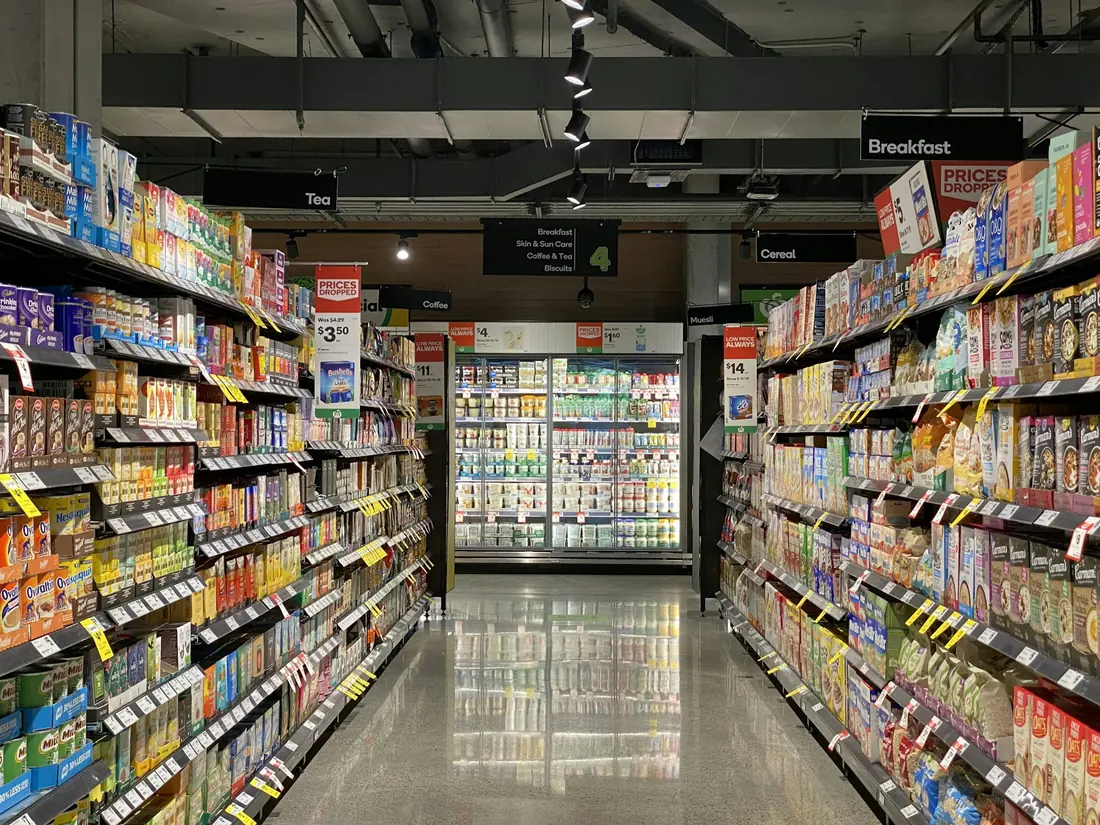
It is also the more sensible option when the alternative is sushi that has to travel a long way. A packaged roll designed to be eaten cold beats a restaurant roll that has spent forty minutes in a delivery bag.
When it is worth going to a restaurant
Anything raw, anything fried and anything with a sauce is worth eating where it was made. Those three categories all lose the most in the gap between kitchen and table, and they are also where a kitchen’s own decisions show most.
The other reason is range. Packaged selections stick to a handful of reliable, well-travelling rolls. A restaurant menu carries the specialty rolls, which are the ones built with toppings and finishing sauces that do not survive packaging.
Roll & Go Sushi is a fast casual kitchen, which sits usefully between the two — made to order, but quick enough to collect and eat straight away. Our guide to pickup versus delivery covers how to keep it at its best on the way home.
Reading a packaged label
Two lines on the label tell you most of what matters, and both are easy to miss.
- The made-on or use-by date. Same-day is what you want. A tray dated yesterday may still be within its window but will have lost the most in rice texture.
- The ingredient list for the fish. Terms like “seafood blend” or “surimi” indicate imitation crab rather than crab, which is not a problem but is worth knowing.
Beyond that, trust what you can see. Rice that looks cracked or translucent has been chilled too long, and fish that has dried at the edges will taste like it.
Takeout sits between the two
There is a third option that the usual comparison leaves out. Ordering from a restaurant to eat at home gives you the made-to-order preparation and the full menu, with a short delay rather than a full day of refrigeration.
Most of the freshness advantage survives that trip. Rice made an hour ago is still close to its best, and the items that suffer are the same ones that suffer in a packaged tray — tempura and anything folded rather than cut. Ordering around them closes most of the gap.
If the question is really about eating at home rather than about cost, this is usually the better answer than either side of the comparison.
A quick way to decide
- Are you eating within fifteen minutes? If yes, either works.
- Do you want raw fish, tempura, or a sauced specialty roll? Go to the restaurant.
- Is it a weekday lunch you will eat at your desk shortly? Packaged is fine.
- Has the packaged tray got today’s date on it? If not, choose something else.
The cost difference, honestly
Packaged sushi is cheaper, and the reasons are structural rather than a matter of corner-cutting. Production runs are larger, the labour is spread across many trays rather than one order, and there is no table service attached to the price.
A restaurant is selling something different: made-to-order preparation, a full menu including items that cannot be packaged, and the option to ask for changes. Whether that is worth the difference depends entirely on what you want from the meal.
For a quick lunch eaten within the hour, the cheaper option is genuinely adequate. For anything you are looking forward to, the gap is easy to justify.
Frequently Asked Questions
Is grocery store sushi safe to eat?
Generally yes, when it has been kept properly chilled and is eaten by its date. The usual advice is to buy it the day it was made and eat it the same day.
Why does supermarket sushi rice taste different?
Refrigeration firms up the starch in the rice, making it denser and drier than rice served near room temperature at a counter.
Can you keep leftover packaged sushi overnight?
It is not recommended, particularly with raw fish. Quality drops sharply and it is not worth the risk.
Is restaurant sushi always better?
Not automatically, but it has the advantage of being made to order. For fried, raw or sauced items the difference is significant.
Packaged sushi is a convenience product and a decent one. Restaurant sushi is a different thing being sold, and the gap shows most in the items that depend on being eaten immediately.
If you want something made to order, see what is on the menu, or read our guide to which rolls travel well.