These two names get used interchangeably, and on a lot of menus they are describing genuinely different things. The confusion is worth clearing up, because ordering one when you wanted the other is a common and easily avoided disappointment.
The short answer
An egg roll is thick, bubbly and deep fried in a wheat-flour wrapper. A spring roll is thinner – and it may be either fried in a delicate wrapper or served fresh and unfried in translucent rice paper.
So the real distinction is not two things but three, and the third is where most of the confusion comes from.
What an egg roll is
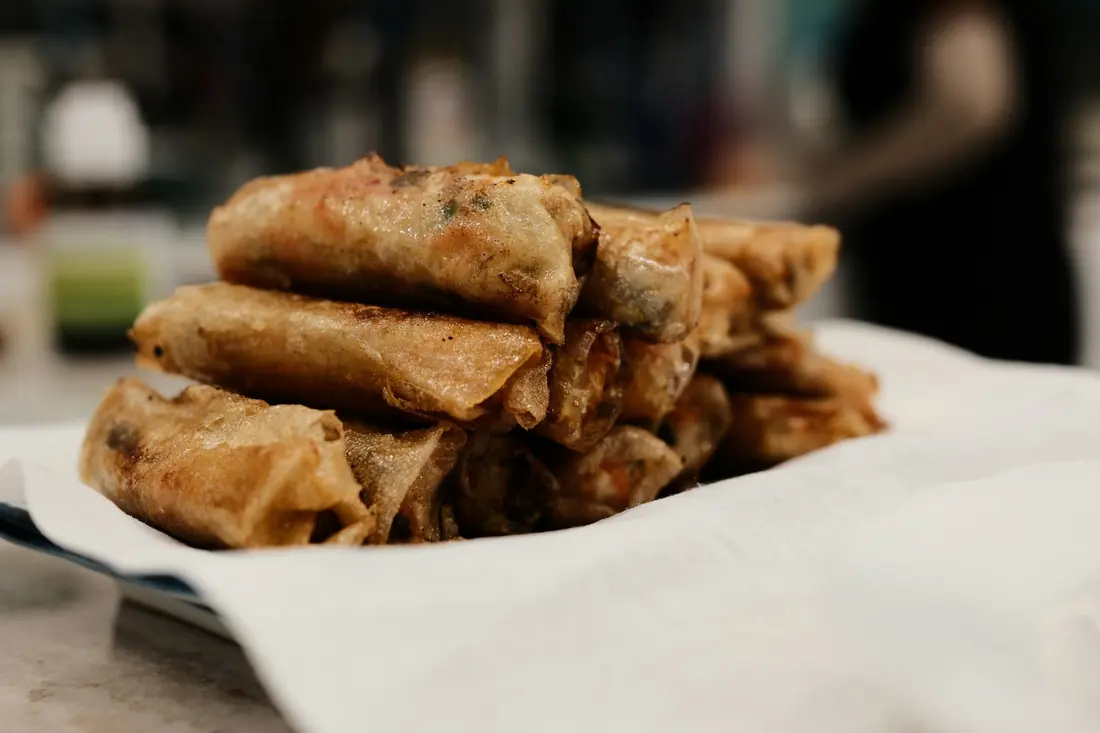
An egg roll is the substantial one. The wrapper is a thick wheat dough, the filling is usually cabbage-based with a protein, and deep frying gives the outside its characteristic blistered, bubbled surface.
It is an American-Chinese restaurant staple rather than a dish with a long history in China, and it is built for that setting: filling, sturdy, and good with a sweet dipping sauce.
What a spring roll is
Spring rolls are the older and broader category. The name refers to the season – they were eaten to mark the beginning of spring, filled with the first vegetables of the year. Britannica’s entry on the spring roll traces that origin.
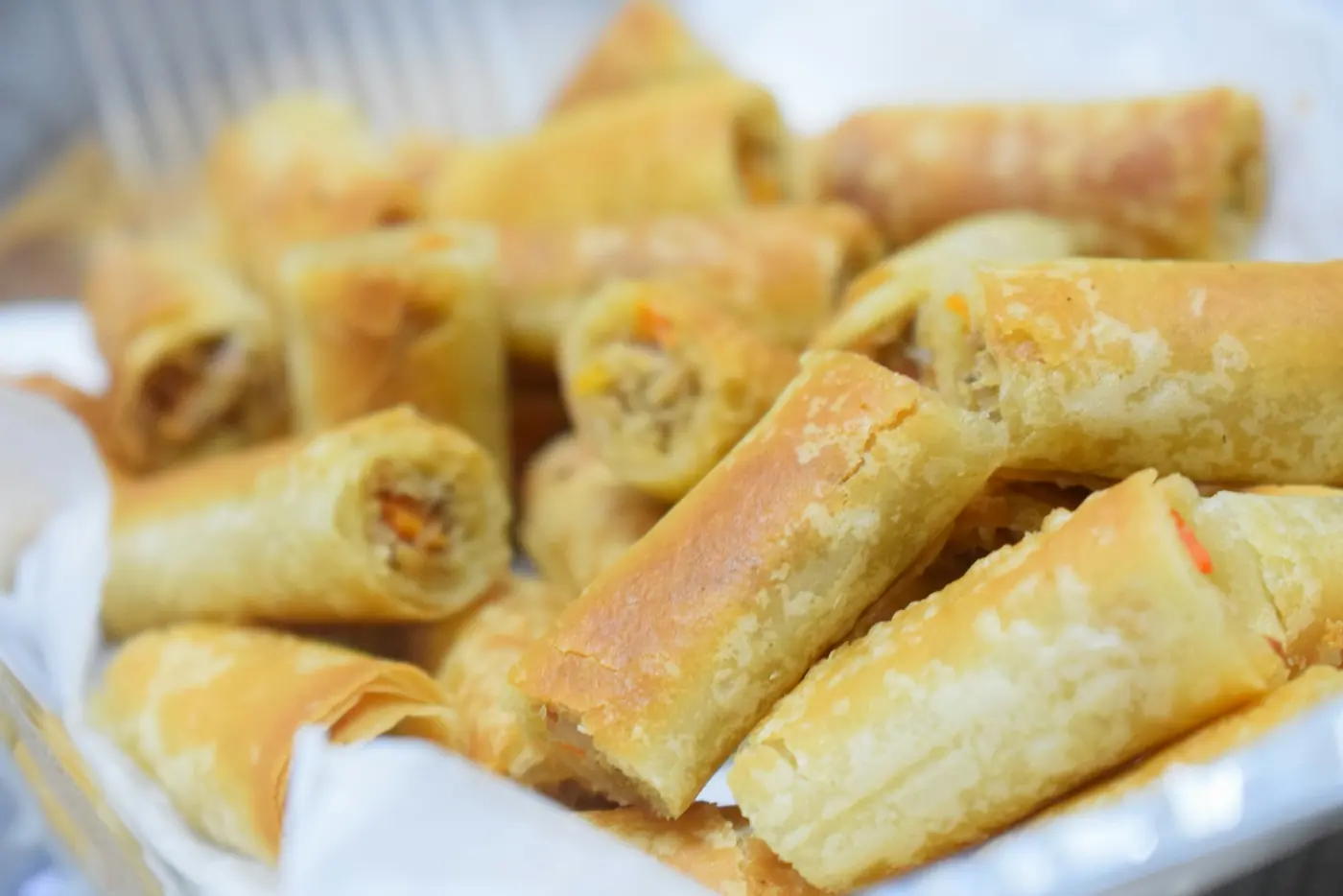
Fried spring rolls use a much thinner wrapper than an egg roll, so they come out crisp and light rather than chewy. They are usually smaller, and there are usually more of them.
And then there are fresh rolls
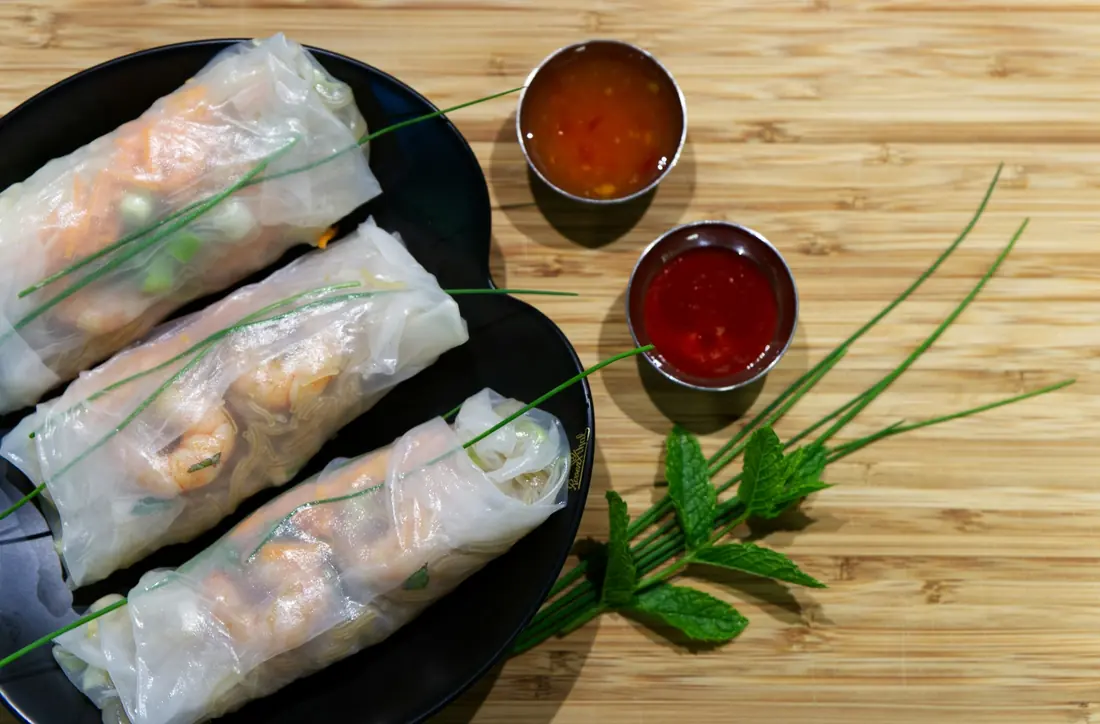
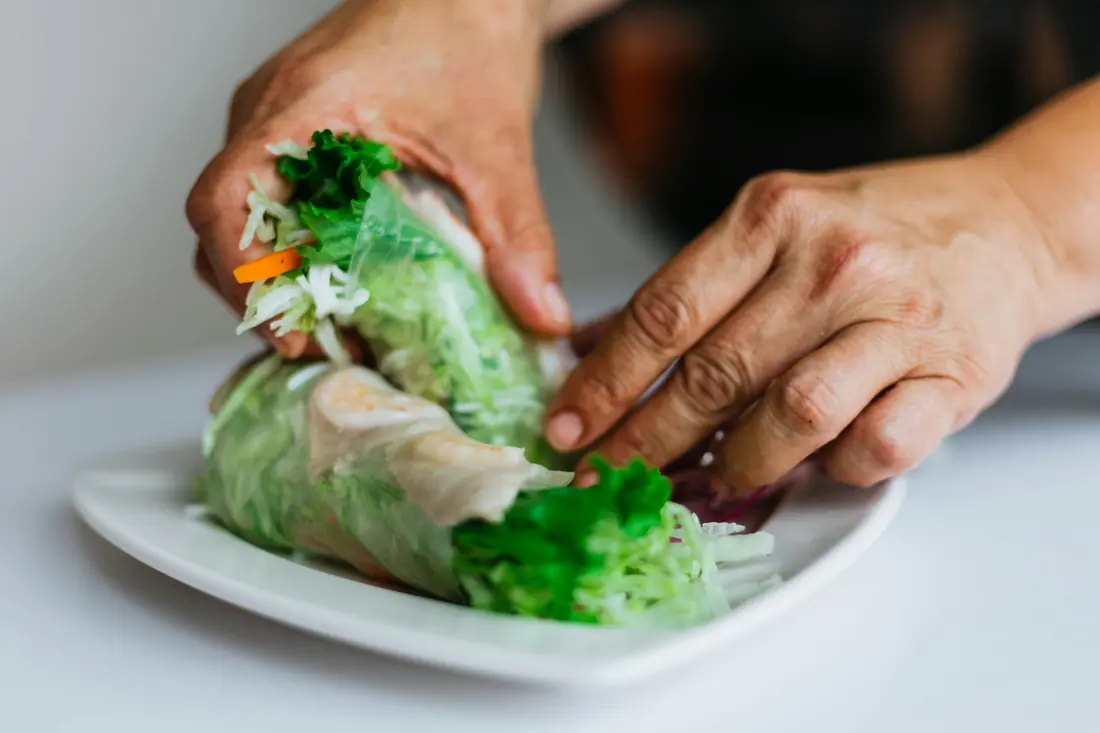
The third thing is the one people are often actually thinking of. Fresh rolls are wrapped in softened rice paper, are not fried at all, and are served cold – translucent, so you can see the herbs and vegetables inside.
They are frequently listed as spring rolls, sometimes as summer rolls, and occasionally as fresh rolls. If the description mentions rice paper, herbs, or serving with a dipping sauce and no mention of frying, that is what you are getting.
What goes inside them
Cabbage does most of the work in both fried versions, and there is a practical reason for it. Shredded cabbage holds its shape through frying, releases very little water into the wrapper, and stays pleasant to eat when hot.
Around it you will usually find carrot for colour and sweetness, sometimes bean sprouts or mushroom for texture, and often a small amount of protein – the filling is vegetable-led rather than meat-led even when meat is listed.
Fresh rolls work on completely different principles. Nothing is cooked into submission, so the filling is built from things that are good raw and cold: leaves, herbs, thin vegetable strips, cooked shrimp or slices of cooked meat, and sometimes a small bundle of soft noodles.
The three compared
| Egg roll | Fried spring roll | Fresh roll | |
|---|---|---|---|
| Wrapper | Thick wheat dough | Thin wheat pastry | Rice paper |
| Cooked | Deep fried | Deep fried | Not cooked |
| Surface | Bubbled and rough | Smooth and crisp | Soft and translucent |
| Served | Hot | Hot | Cold |
| Size | Large, few per order | Smaller, several per order | Medium, cut in half |
| Filling | Cabbage and protein | Vegetables, sometimes protein | Herbs, vegetables, protein |
The wrappers, in more detail
Everything about how these behave comes down to the wrapper, and the three are not variations on one thing.
- Egg roll wrapper – a thick wheat dough. In hot oil it puffs and blisters, which is where the rough bubbled surface comes from, and it stays substantial enough to be chewy rather than shattering.
- Spring roll pastry – a much thinner wheat sheet. It crisps almost immediately and stays smooth, so the result is light and snaps rather than chews.
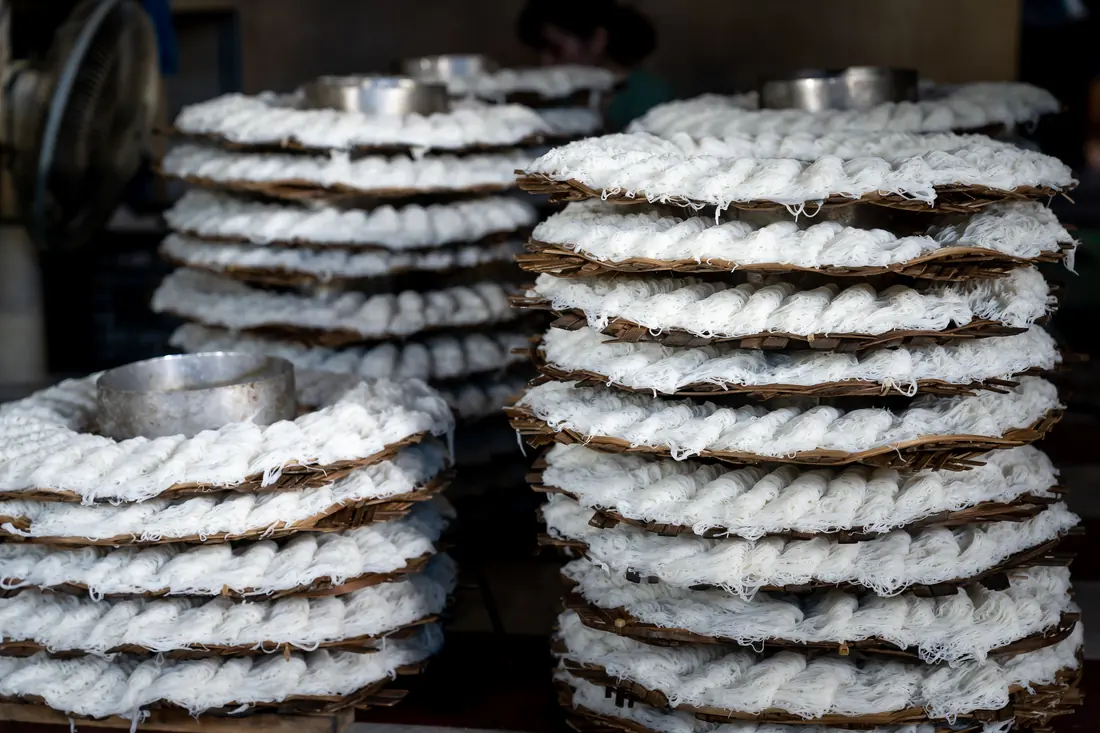
- Rice paper – a dried translucent sheet that is not fried at all. It is dipped briefly in water until pliable, then wrapped while still slightly firm, because it continues to soften as it sits.
This is also why they cannot be swapped. Rice paper in a fryer behaves nothing like wheat pastry, and an egg roll wrapper served unfried would be inedible.
How to tell which one a menu means
Menu wording is inconsistent between restaurants, but a few signals are reliable.
- “Crispy” or “fried” means it is going to arrive hot in a fried wrapper.
- “Fresh”, “summer” or “rice paper” means the cold, unfried version.
- A herb list – mint, cilantro, basil – almost always indicates a fresh roll, because those herbs would be wasted in a fryer.
- A count in the description – two pieces usually means fresh rolls cut in half; four or more usually means fried.
Where a menu says only “spring roll” with no other detail, fried is the safer assumption.
One more thing to watch for is the count. A menu that lists a piece count is usually being precise about it, and two of something is a very different order from six of something when you are feeding more than one person.
Which to order
It depends less on preference than on what else is coming.
- Ordering something rich and fried already? Fresh rolls balance the table.
- Ordering soup or something light? A fried roll gives the meal some contrast.
- Feeding a group with varied tastes? Fried spring rolls divide more evenly than egg rolls, because there are more of them.
- Eating at home rather than in? Egg rolls survive the trip best of the three.
The sauces that come with them
The sauce is usually a good indication of which roll you have been given, because the pairings are fairly consistent.
- With egg rolls – a thick sweet sauce, often orange or amber, sometimes a sharper mustard alongside it.
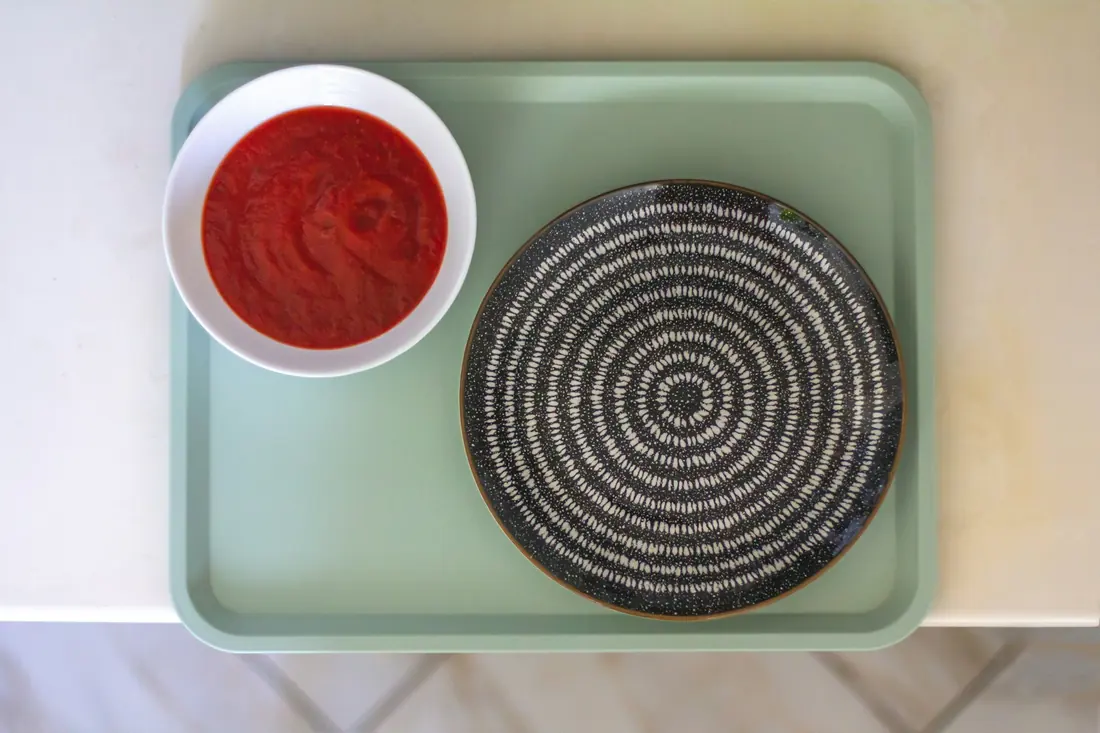
- With fried spring rolls – a thin sweet chilli sauce, bright red and flecked with seeds.
- With fresh rolls – either a thick nutty sauce or a thin, sharp, sweet-salty dipping sauce, depending on the kitchen.
If a roll arrives with a thin sharp sauce rather than a thick sweet one, that is usually a signal you are in fresh-roll territory even if the menu called it a spring roll.
Which travels and which does not
This is where the difference matters most. A thick egg roll wrapper stays recognisably crisp for a surprisingly long time. A thin fried spring roll softens much faster, because there is less structure holding the crispness.
Fresh rolls are the opposite problem. They do not go soggy, but rice paper stiffens and turns gummy when it is chilled, so they are best eaten within an hour or so of being made and are better eaten in than taken away.
Fried appetisers behave in similar ways, so our guide to crab rangoon is worth a look if you are ordering more than one, and the takeout guide covers what holds up on the drive home. The current appetiser selection is on the ordering page.
Frequently Asked Questions
What is the main difference between an egg roll and a spring roll?
The wrapper. An egg roll uses a thick wheat dough that bubbles when fried; a spring roll uses a much thinner wrapper, or rice paper if it is a fresh roll.
Are spring rolls always fried?
No. Fried spring rolls are crisp and served hot. Fresh spring rolls, sometimes called summer rolls, are wrapped in rice paper and served cold without frying.
Why is it called a spring roll?
The name refers to the season. They were eaten to mark the start of spring and filled with the first vegetables of the year.
Which one is bigger?
Egg rolls are the largest of the three and usually come two to an order. Fried spring rolls are smaller and come in greater numbers.
Which is better for takeout?
Egg rolls. The thick wrapper holds its texture longest. Thin fried spring rolls soften quickly, and fresh rolls stiffen once chilled.