In Japan these are two different things. In the United States the words have collapsed into one, and “hibachi” now describes a style of cooking it does not technically refer to at all.
The short answer
A hibachi is a small charcoal brazier with an open grate — food sits over the fire. Teppanyaki is cooking on a flat solid iron plate, usually built into a table, and it is what almost every American restaurant advertising “hibachi” is actually doing. The difference is grate versus griddle.
What a hibachi originally was
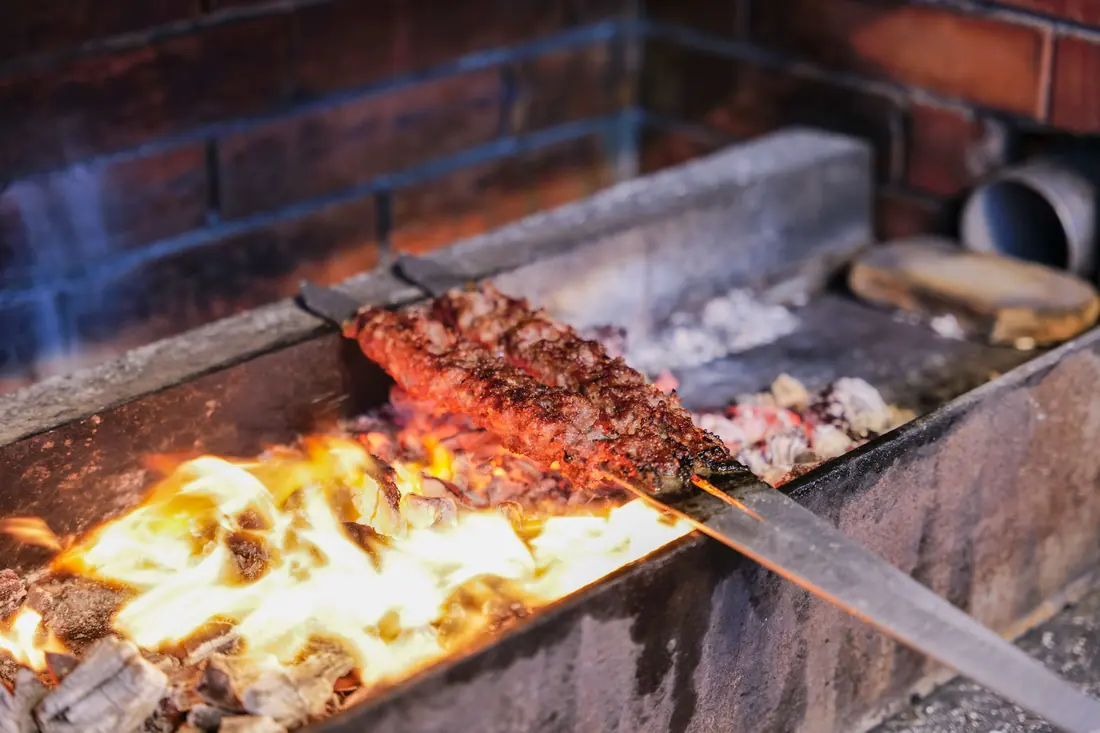
The word translates roughly as “fire bowl”. Traditional hibachi were open, round or box-shaped containers holding burning charcoal, used for heating rooms as much as for cooking. Food went on a grate above the coals, which is why anything cooked this way picks up smoke.
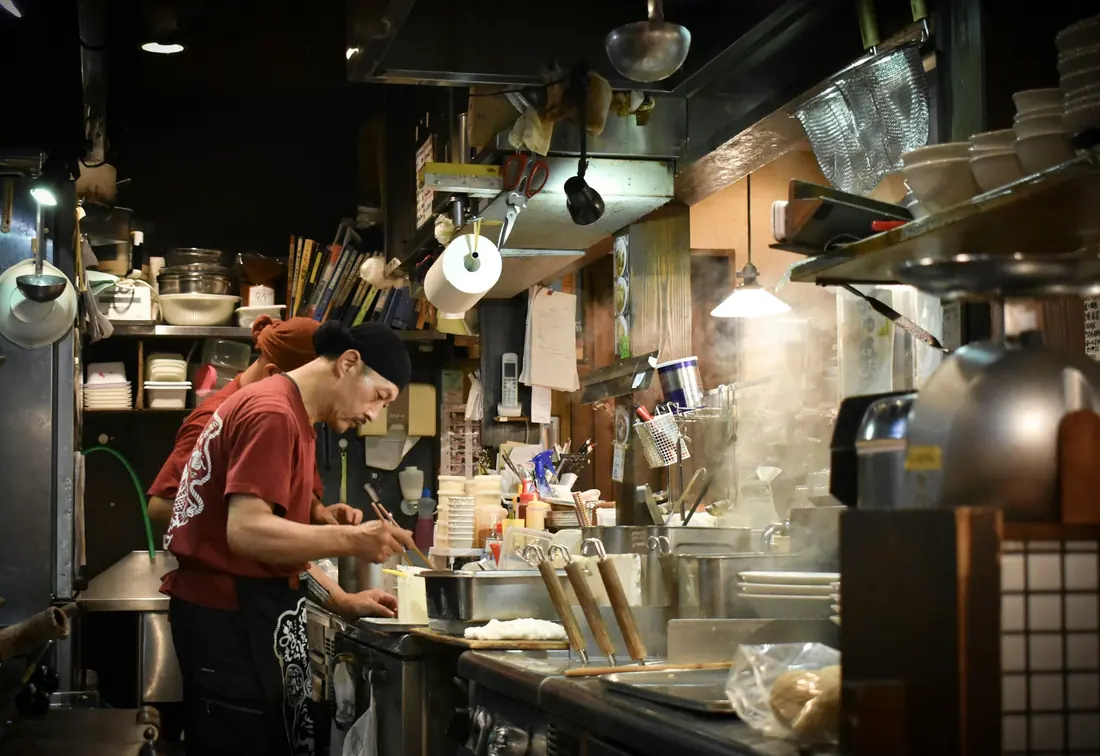
That is grilling in the ordinary sense: direct heat, open air, minimal seasoning, with the flavour coming from the fire. Japan’s own cooking traditions are strongly regional, and the Japanese government’s guide to regional cuisine shows how much variation sits behind the handful of dishes that travelled abroad.
What teppanyaki is
Teppan means iron plate and yaki means grilled or pan-fried. There is no grate and no exposed flame under the food. Everything cooks on a flat steel surface, which means nothing falls through, sauces can be added directly, and rice and noodles can be cooked on the same surface as the protein.
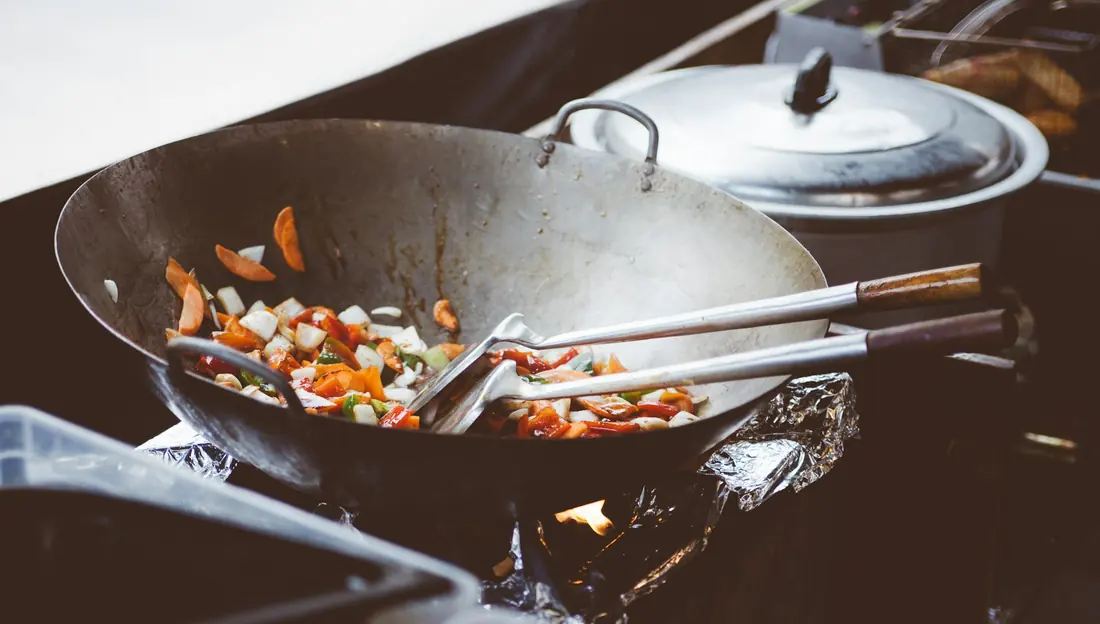
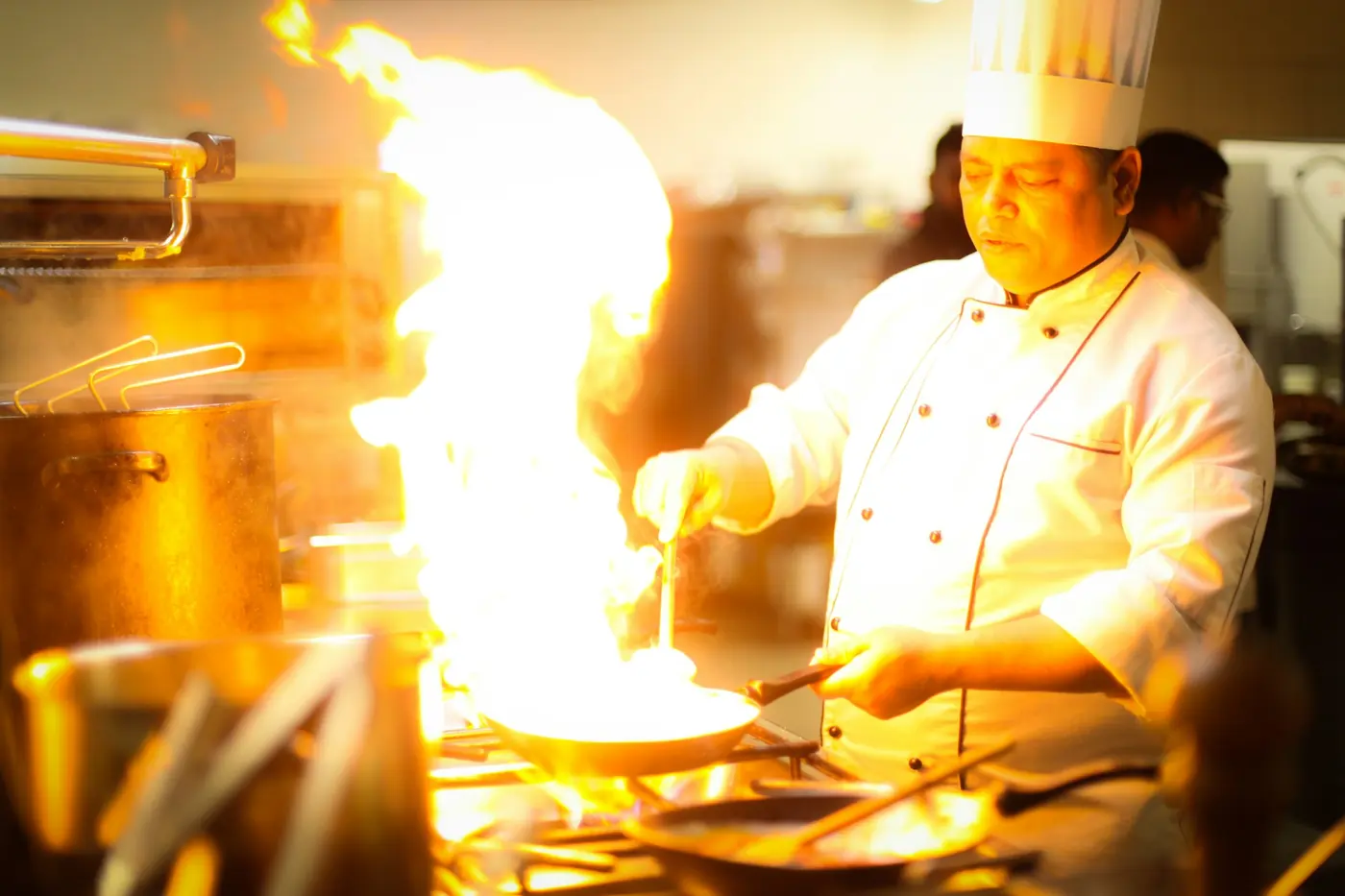
The theatrical version — the chef cooking at a table in front of guests, with knife work and an onion volcano — is a mid-twentieth-century restaurant format that became the American image of Japanese dining. It is teppanyaki, not hibachi.
Hibachi and teppanyaki compared
| Hibachi (traditional) | Teppanyaki | |
|---|---|---|
| Surface | Open grate over coals | Flat solid iron plate |
| Heat source | Charcoal or wood | Gas or electric under steel |
| Flavour | Smoky, from the fire | Savoury, from sauces and butter |
| Seasoning | Minimal | Soy, garlic, butter, sauces |
| Can cook rice or noodles | No — they would fall through | Yes, on the same surface |
| Typical setting | Small, portable, domestic | Built into a table or counter |
| What US menus call it | Rarely offered | Usually labelled “hibachi” |
What arrives when you order “hibachi”
At a fast casual restaurant it is a plate rather than a performance. The protein is seared on the flat top, vegetables are cooked alongside it, and rice comes with it.
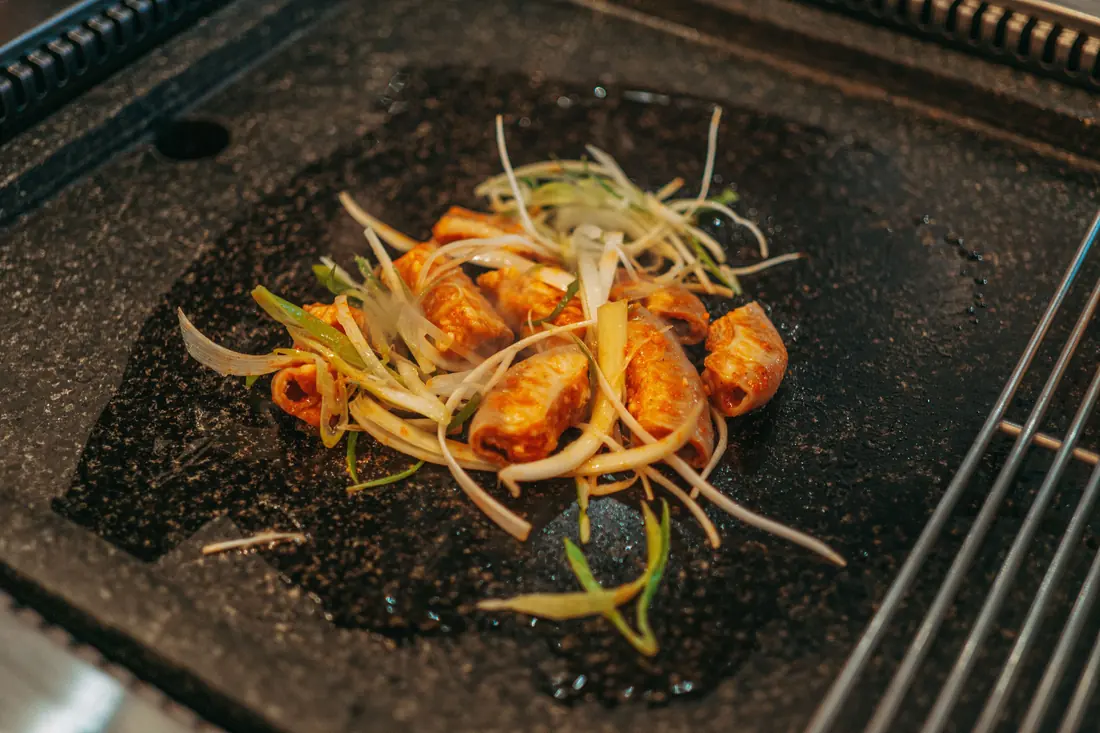
Roll & Go Sushi’s hibachi follows that format: seared on a flat top grill, with a choice of meat or vegetarian options, either fried or steamed rice, fresh grilled vegetables, and a choice of soup or salad. There is no table-side show — it is cooked in the kitchen and plated.
That distinction matters when you are deciding where to eat. A teppanyaki steakhouse is an evening out with a booking. A fast casual hibachi plate is lunch.
Where the American version came from
The table-side format arrived in the United States in the 1960s and spread quickly. It solved a practical problem: it made an unfamiliar cuisine legible to diners who had never eaten Japanese food, by turning the cooking into something you could watch and understand.
It worked, and it shaped what several generations of Americans think Japanese restaurants are. That is why the vocabulary drifted — the format was marketed as hibachi, and the name stuck to the griddle rather than to the brazier it originally described.
None of which makes it inauthentic in any useful sense. It is a real style of cooking with a real history; it just is not the thing the word originally meant.
Steakhouse or fast casual?
The two formats deliver quite different evenings, and the menu word is the same for both, so it is worth checking which you are booking.
- Teppanyaki steakhouse — a seated table around a built-in griddle, a chef cooking in front of you, a set sequence of courses, and an hour or more at the table. Usually a booking, usually an occasion.
- Fast casual hibachi — the same cooking method done in the kitchen, plated and handed over. Faster, cheaper, and equally suited to lunch or takeaway.
If you want the show, look for tables with grills built into them. If you want the food, the fast casual version gives you the same plate without the wait.
Fried rice or steamed?
Where a choice is offered, it changes the plate more than people expect. Fried rice is cooked on the same surface with egg and seasoning, so it carries some of the same flavour as the protein. Steamed rice stays neutral and lets sauces do the work.
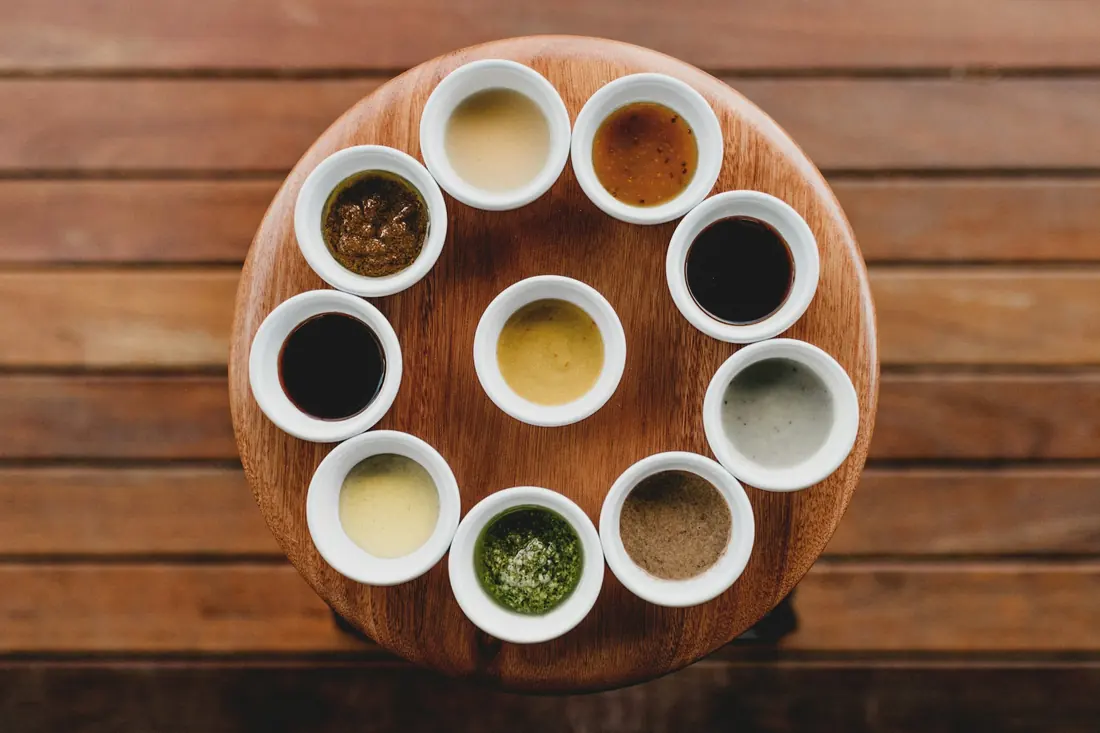
If the protein is already heavily sauced, steamed rice balances it. If you want the whole plate to taste of the grill, fried rice is the one.
What the vegetables tell you
A flat top lets vegetables cook in the same fat and seasoning as the protein, which is why hibachi vegetables taste different from steamed or roasted ones. Onion, courgette, mushroom and carrot are the usual set, cut to sizes that finish at roughly the same time as the meat.
They also serve a practical purpose on the plate. Grilled food with rice can be heavy on its own, and the vegetables provide the moisture and sweetness that stop it becoming monotonous.
Roll & Go Sushi’s hibachi comes with fresh grilled vegetables as standard, alongside the rice and the choice of soup or salad, so the plate arrives balanced rather than needing additions.
The sauces
Two usually appear alongside a hibachi plate in the United States, and neither is traditional Japanese cooking.
- The pale, creamy one — mayonnaise-based, mildly sweet, sometimes called yum yum sauce. An American invention, and the one most people reach for.
- The thin brown one — ginger-based, sharper, closer to a dressing. Better with vegetables than with rice.
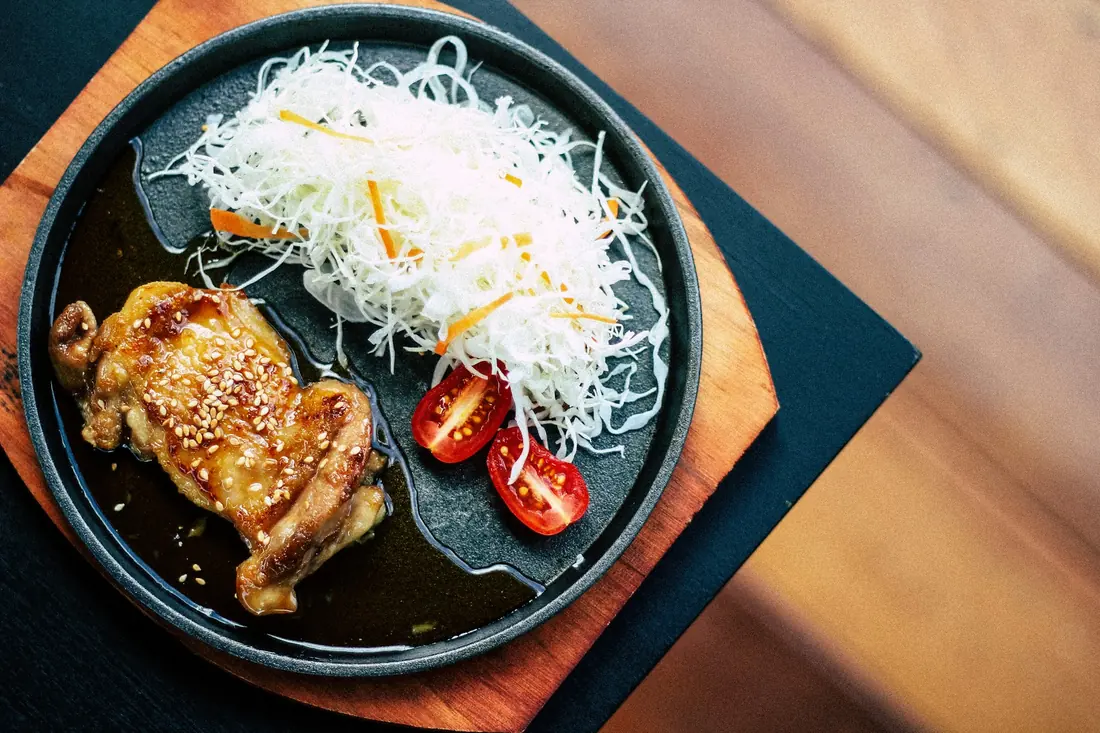
Both are optional. A well-seasoned plate does not need either, and using them heavily flattens the flavour that came off the grill.
Ordering it for a first visit
A hibachi plate is one of the safest first orders on any Asian kitchen menu. The structure is familiar, the portion is predictable, and the choices you are asked to make are limited to the protein and the rice.
It also travels well, which makes it a reasonable choice if you are ordering to take home rather than eating in. Grilled protein and rice hold their texture far better than fried food does, and reheat without much loss the next day.
If you are still weighing it against the other things on the menu, comparing hibachi with sushi and pho is the quickest way to narrow it down, particularly when you are ordering for a table with different tastes.
Frequently Asked Questions
Is hibachi Japanese or American?
The word and the original brazier are Japanese. The restaurant format most Americans picture — a chef cooking on a flat griddle at your table — is teppanyaki, and the table-side show developed in the United States.
Why do American restaurants call teppanyaki hibachi?
It became the common usage decades ago and stuck. Most menus now use “hibachi” to mean flat-top cooking, and nobody in the industry expects it to mean a charcoal brazier.
Does hibachi always come with a show?
No. At fast casual restaurants it is cooked in the kitchen and plated like any other dish. The performance belongs to teppanyaki steakhouses with table grills.
What normally comes with a hibachi plate?
Usually a protein, grilled vegetables and rice, often with a soup or salad. The exact combination varies by restaurant, so check the menu.
If you want smoke, you want a charcoal grill. If you want a seared plate with rice and vegetables, you want what the menu calls hibachi — which is teppanyaki, and there is nothing wrong with that.
You can see the current hibachi options, or compare them with the stir-fried noodle dishes cooked on the same surface.