
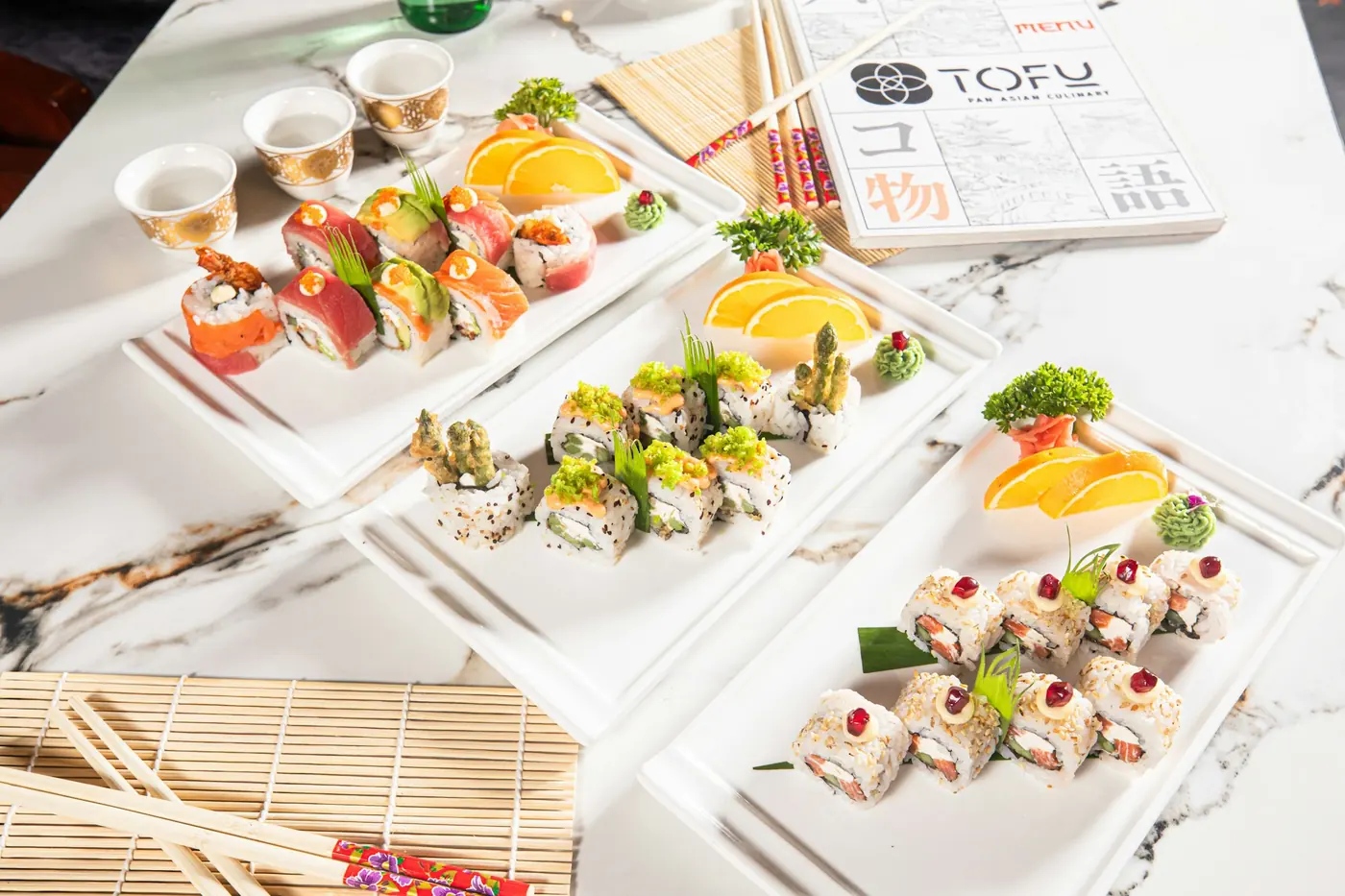
Ordering sushi for the first time is mostly a vocabulary problem. The food itself is simple — rice, seaweed, a filling, sometimes a topping — but menus tend to list thirty rolls with invented names and no explanation of what is inside them.
This guide covers what a roll is actually made of, which styles suit people who are new to it, and how to order without guessing.
Where should a beginner start?
Start with a cooked or vegetable roll built on familiar textures — crab salad, shrimp tempura, cucumber or avocado. These give you the rice, seaweed and sauce experience without raw fish, and they are the easiest way to work out whether you like the format before moving on.
What is actually in a sushi roll
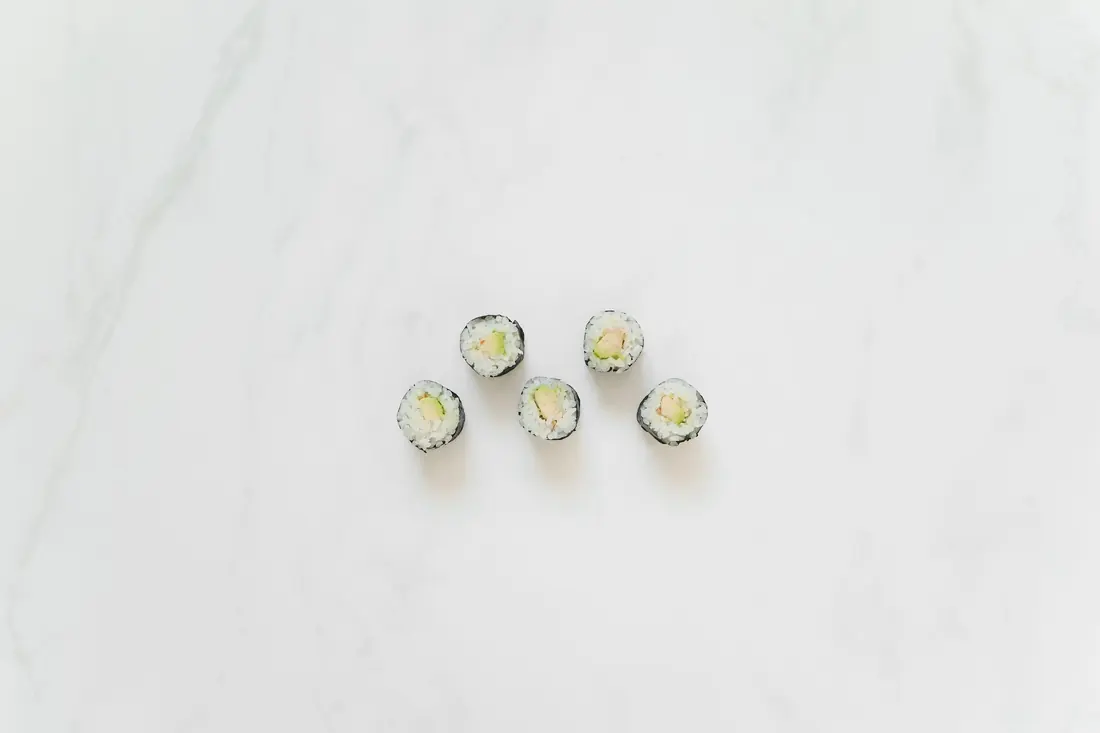
Almost every roll is a variation on four components. Once you can spot them on a menu, most descriptions stop being mysterious.
Rice and seaweed
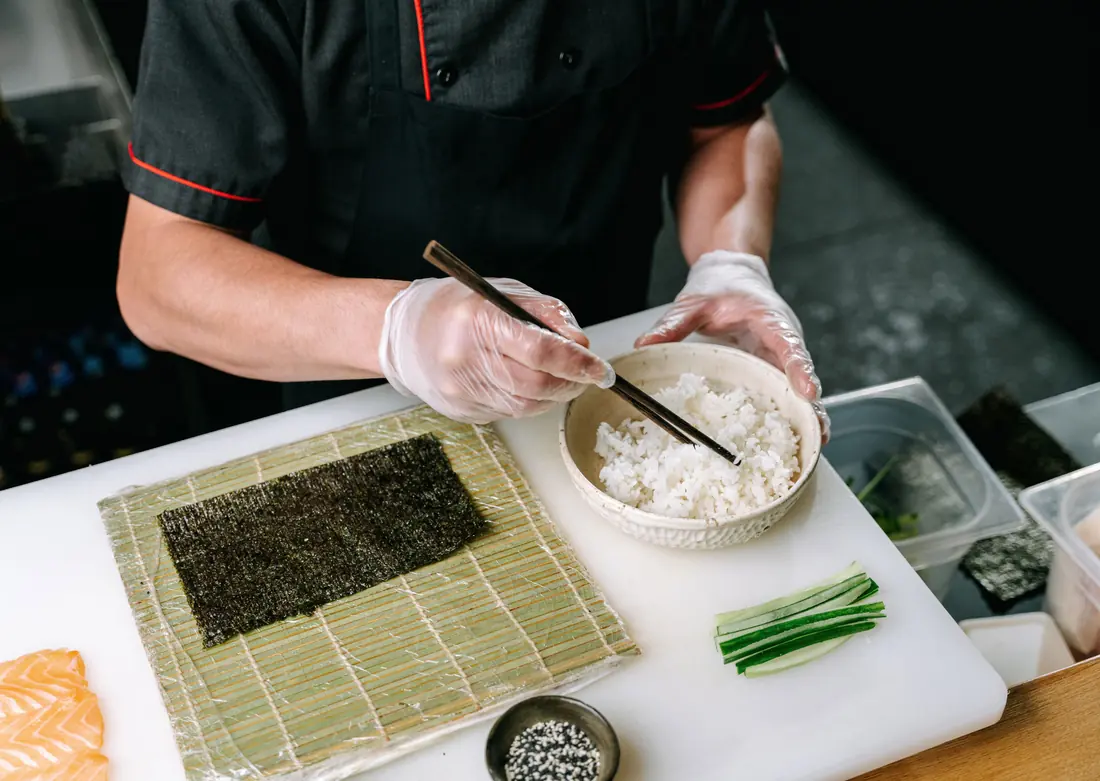
Sushi rice is short-grain rice seasoned with vinegar, a little sugar and salt. That seasoning is what makes it sushi rather than plain rice — the word itself refers to the soured rice, not to the fish. Nori, the thin dark sheet, is dried and pressed seaweed, and it is what holds the roll together.
The filling
This is the part that varies most: crab salad, cucumber, avocado, cream cheese, shrimp tempura, salmon, tuna, or a combination. Fillings are where a menu tells you whether a roll is cooked or raw, so read this part carefully.
What goes on top
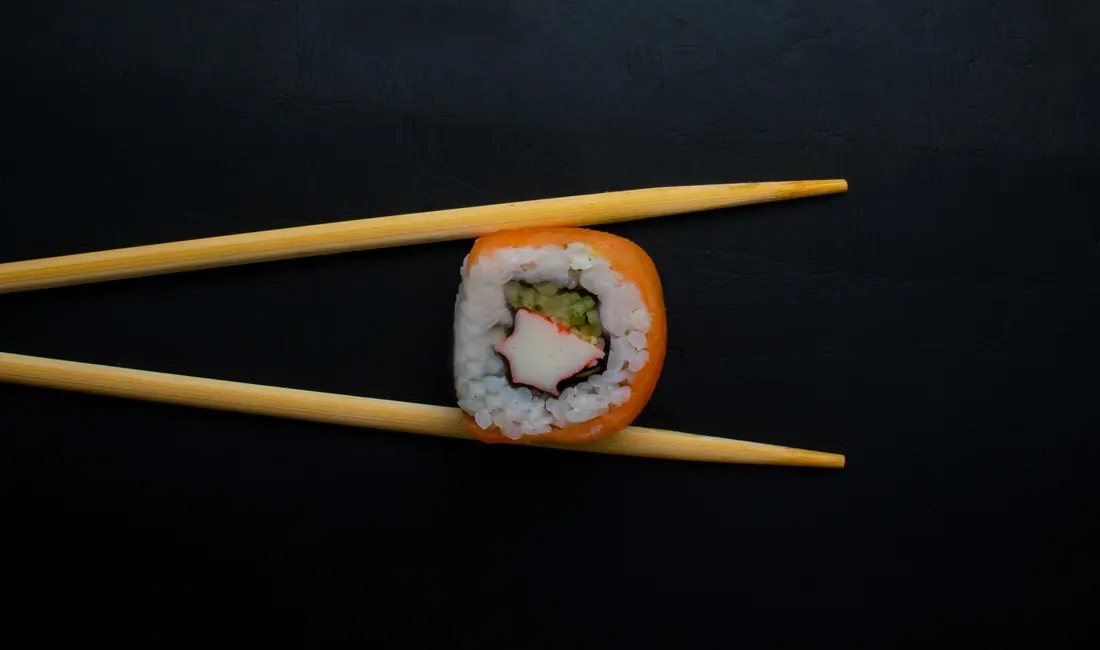
Simple rolls stop at the filling. Others are finished with sliced fish, roe, scallion, crispy onion or a sauce. A roll topped with fish is usually described as such — for example a roll topped with fresh salmon or fresh tuna.
Five styles that suit first-timers
- Cucumber or avocado rolls. No fish at all. A clean way to find out whether you enjoy the rice-and-nori texture.
- Crab salad rolls. Mild, slightly sweet and creamy. The most forgiving starting point on most menus.
- Shrimp tempura rolls. Battered and fried shrimp gives you crunch and a warm centre. Frequently the roll that converts sceptics.
- Cooked salmon or eel rolls. Cooked fish, often with a sweet glaze, so you get the flavour without the raw texture.
- A topped specialty roll. Once the basics feel comfortable, a roll finished with sliced fish is the natural next step.
At Roll & Go Sushi’s ordering page the specialty rolls follow that same logic. The Geisha is shrimp tempura and crab mix topped with fresh salmon, and the Tan GO is shrimp tempura, crab mix and avocado topped with fresh tuna — both built on a cooked centre with raw fish on the outside, which makes them a reasonable bridge between the two.
Cooked, raw, or somewhere in between
| Roll style | What you get | Best if you |
|---|---|---|
| Vegetable | Cucumber, avocado, sometimes pickled radish | Want to skip fish entirely |
| Crab salad | Mild, creamy, lightly sweet filling | Prefer familiar flavours |
| Tempura | Battered and fried filling, warm and crisp | Like texture and crunch |
| Cooked and glazed | Cooked fish with a sweet, savoury sauce | Want fish but not raw fish |
| Topped with raw fish | Cooked centre, sliced raw fish on top | Are ready to try raw fish gradually |
| Fully raw | Raw fish as the main filling | Already know you enjoy it |
How much to order
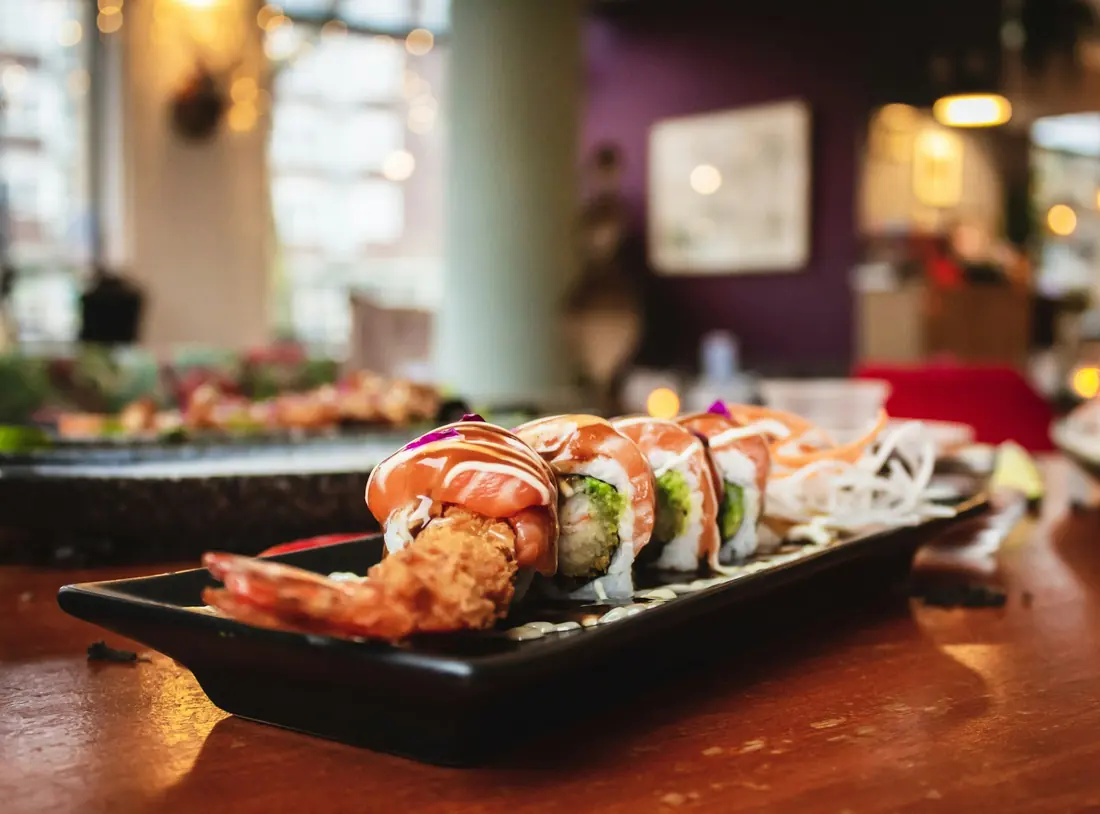
A standard roll is cut into six or eight pieces. For most people one roll is a light meal and two are a full one, though tempura and topped rolls are heavier than vegetable rolls.
If you are ordering for a table, a mix works better than multiples of one thing. Two cooked rolls, one vegetable roll and a shared soup covers a wide range of preferences without anyone committing to something they have not tried.
The things beside your plate
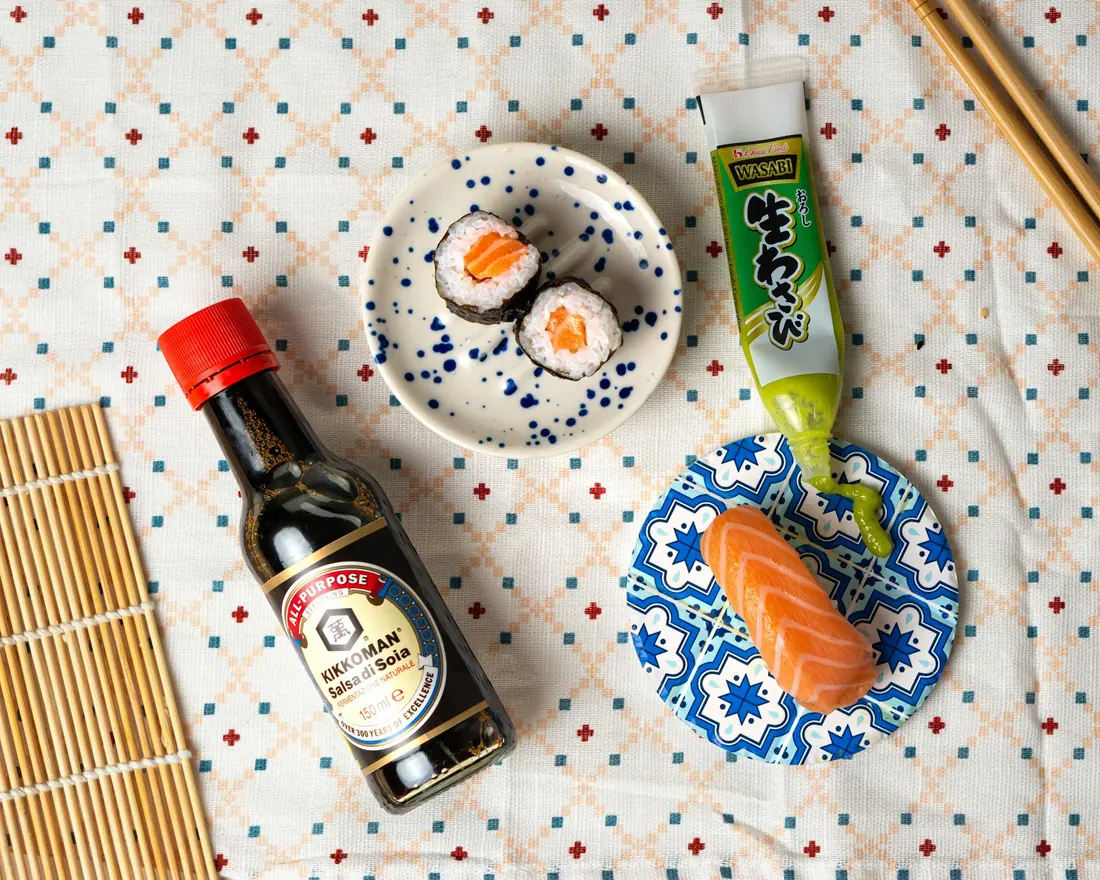
- Soy sauce — for dipping, and easy to overdo. Touch the fish side rather than soaking the rice, which falls apart when saturated.
- Wasabi — sharp rather than lingering. Most restaurants already put a small amount inside nigiri; adding more is a preference, not a requirement.
- Pickled ginger — eaten between pieces to reset the palate, not piled on top of a roll.
Ordering without overthinking it
Two questions solve most of the menu. First: is it cooked or raw? Second: is there anything in it I already know I dislike? If a description lists an ingredient you have never had, ask — staff answer this constantly and it is a normal question.
Japanese food culture treats seasonality and simple preparation as central, and the Japanese government’s guide to regional cuisine gives a sense of how varied that tradition is beyond the rolls most Western menus show.
A note on raw fish
Raw fish is safe to eat for most people when handled properly, but it is not recommended for everyone. The FDA’s advice about eating fish covers the groups who should be more cautious, including people who are pregnant. If that applies to you, the cooked and vegetable rolls above are the straightforward alternative.
If you have a food allergy, tell the restaurant directly rather than inferring from a dish name. Roll names rarely list every ingredient.
A short glossary for reading the menu
Most sushi menus lean on the same dozen words. Knowing them removes almost all of the guesswork.
- Maki — a rolled piece, cut into rounds. The default format.
- Uramaki — an inside-out roll, rice on the outside.
- Nigiri — a pressed finger of rice with a topping, not rolled.
- Sashimi — sliced fish served on its own, with no rice.
- Tempura — battered and fried, usually shrimp or vegetables.
- Unagi — freshwater eel, always served cooked and glazed.
- Masago and tobiko — small fish roe used as a coating or garnish; they add a mild salty pop rather than a strong flavour.
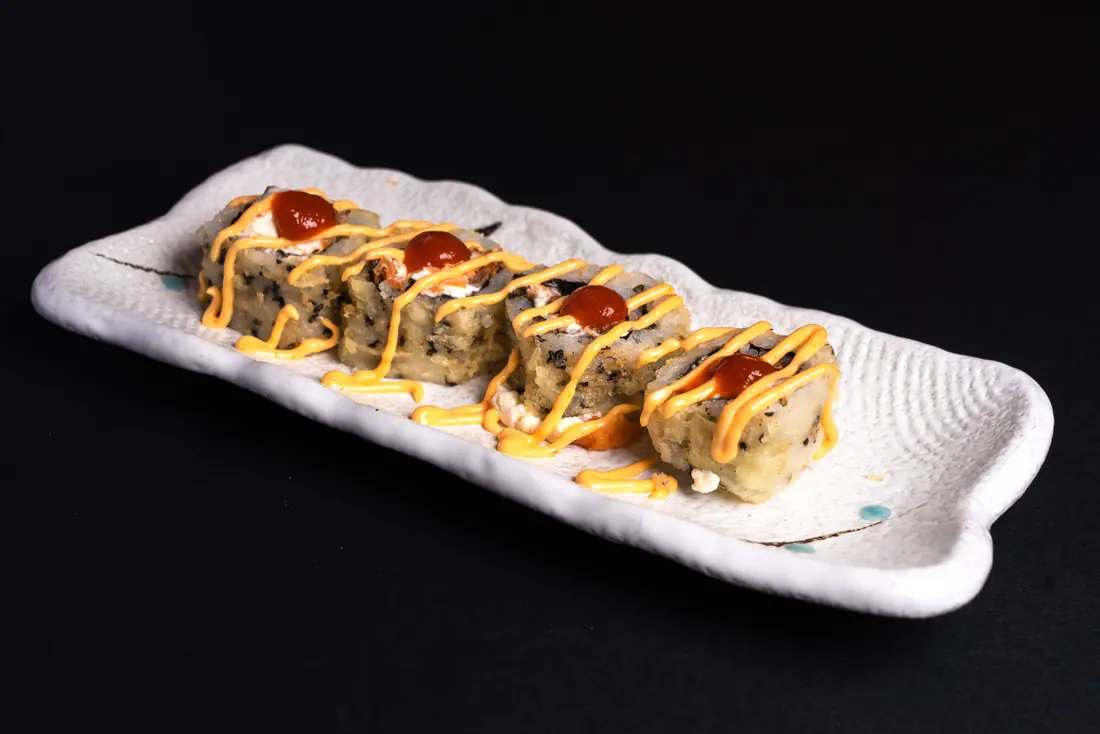
- Spicy — on most American menus this means a mayonnaise-based sauce rather than chilli heat on its own.
Two of those words do most of the work. If a description says tempura, expect crunch and a warm centre. If it says topped, expect something laid across the outside — often raw fish, sometimes avocado or roe.
How it travels, and where to eat it
Sushi is at its best within a short window of being made, which matters if you are choosing between eating in and taking it home. Rice firms up as it cools and fried elements lose their crunch, so a five-minute drive is fine while an hour is not.
Roll & Go Sushi is a fast casual kitchen in Daphne serving sushi alongside hibachi and soups, so a first visit does not have to be sushi-only. If someone in your group is unsure, one roll plus something from the grill is a low-risk way to start. You can find the location and opening hours before you go.
Frequently Asked Questions
Is all sushi raw?
No. A large share of rolls on most menus contain no raw fish at all — vegetable rolls, crab salad rolls, tempura rolls and cooked, glazed rolls are all common.
What is the difference between a roll and nigiri?
A roll is rice and filling wrapped in nori and cut into pieces. Nigiri is a small pressed mound of rice with a topping laid over it, and is not rolled or cut.
Should I eat sushi with chopsticks or my hands?
Either is acceptable. Hands are traditional for nigiri; chopsticks are easier for rolls, particularly ones finished with sauce.
How do I order if I do not like seaweed?
Ask for an inside-out roll, where the rice is on the outside and the nori sits against the filling. The seaweed flavour is much less noticeable.
Sushi rewards a bit of trial and error. Start with something cooked, notice what you liked about it, and let that guide the next order.
You can see what Roll & Go Sushi is serving or read more about the kitchen in Daphne before you order.