
It is thick, dark, glossy and in an enormous number of dishes, and the name puts people off before they have tasted it. Oyster sauce does not taste of oysters, and understanding what it is doing explains a lot of Chinese cooking.
What is oyster sauce?
Oyster sauce is a thick brown seasoning sauce made from oyster extract, thickened and sweetened. It is savoury and faintly sweet, with a viscosity closer to syrup than to soy sauce.
Britannica’s entry on oyster sauce traces its origin to a Cantonese accident – a pot of oysters left simmering too long, reducing to a dark concentrated liquid that turned out to be worth keeping.
Does it taste of oysters?
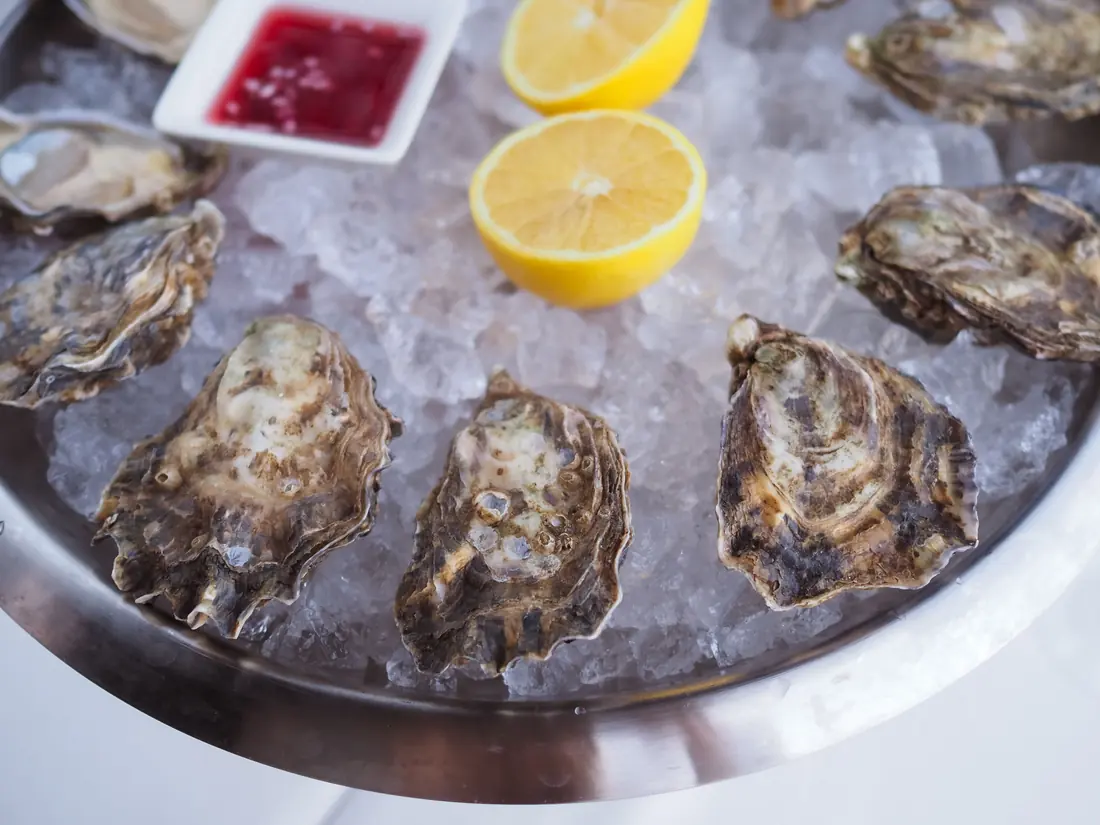
No, and this is the thing worth saying first. The oyster extract has been cooked down so far that what remains reads as deep savoury sweetness rather than as shellfish.
People who dislike oysters generally have no problem with the sauce, and most people who have eaten Chinese food have eaten a great deal of it without ever noticing. It sits in the background making other things taste more substantial.
How it differs from soy sauce
| Oyster sauce | Soy sauce | |
|---|---|---|
| Consistency | Thick and syrupy | Thin and watery |
| Colour on food | Glossy dark coating | Stains without coating |
| Flavour | Savoury and sweet | Salty and sharp |
| Saltiness | Moderate | High |
| Main role | Body, gloss and depth | Salt and colour |
| Used | During cooking | During cooking and at the table |
The consistency row is the practical difference. Oyster sauce clings, which is why vegetables dressed with it look lacquered while the same vegetables with soy sauce look wet.
Where you have eaten it
It turns up across a wide range of dishes, usually without being named on the menu.
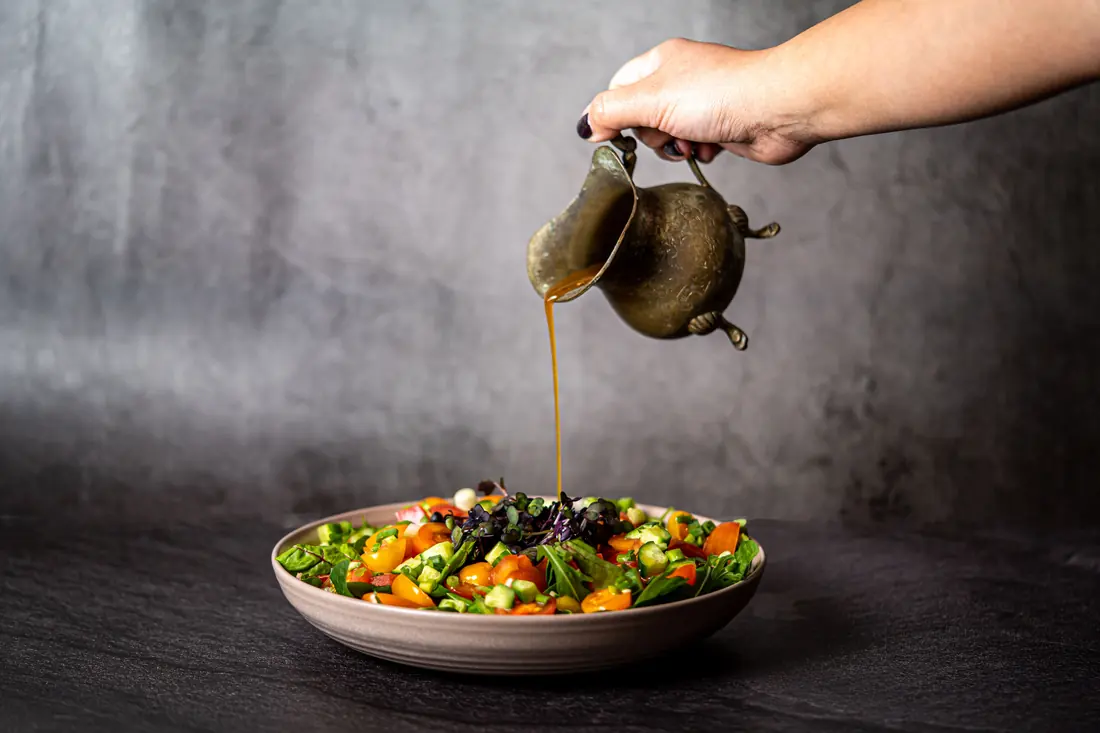
- Greens with oyster sauce – one of the few dishes that names it. Blanched greens, sauce poured over.
- Stir fries – a spoonful in the sauce mixture, providing body.
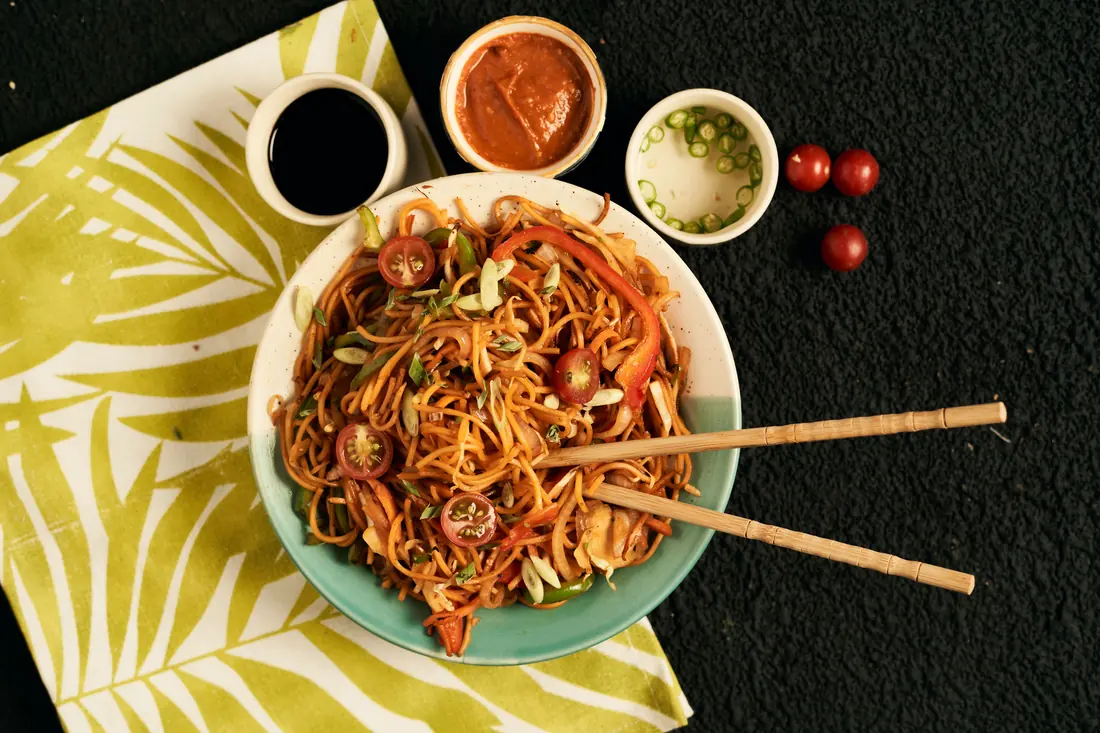
- Noodle dishes – part of what makes the sauce coat the noodles rather than pooling.
- Braises – added for depth in longer-cooked dishes.
- Marinades – for meat, where the sugar helps browning.
If a dish arrives with a glossy brown sauce that clings evenly to everything and tastes savoury rather than salty, it is a reasonable guess that oyster sauce is in it.
Why it does what it does
Oyster sauce is unusual in doing three jobs that are normally handled separately, which is a large part of why it is a staple rather than a specialty.
- Seasoning – it brings savoury depth of a kind that salt alone does not.
- Thickening – the starch in it gives a sauce body without a separate slurry.
- Glazing – the sugar caramelises slightly and produces the sheen that makes a stir fry look finished rather than merely cooked.
A cook reaching for it is usually getting all three at once. That efficiency is why it turns up in so many dishes that have nothing else in common.
What it is made of now
Modern production rarely simmers oysters for hours. Most bottles are made from oyster extract combined with sugar, salt, water and a starch thickener, with the extract making up a smaller share than the name implies.
The proportion of extract is the main thing separating an expensive bottle from a cheap one. Better bottles list oyster extract high in the ingredients and taste less flatly sweet; cheaper ones lean on sugar and caramel colour.
This is worth knowing mainly because it explains a wide quality range in something that looks identical in the bottle.
Why it is Cantonese
Oyster sauce belongs specifically to Cantonese cooking rather than to Chinese cooking generally, and the geography explains it. The southern coast had oysters in quantity, and a cuisine that leans toward light seasoning and fresh ingredients needed something that added depth without adding much salt.
That is why it turns up so heavily in Cantonese dishes and much less in the cooking of inland regions, which built their savoury depth from fermented beans and chilli instead.
A vegetarian version exists
There is a widely available mushroom-based sauce, usually sold as vegetarian stir-fry sauce or mushroom sauce, built to do the same job. It uses shiitake for the savoury depth that oyster extract normally provides.
It is genuinely close in use, if slightly earthier and less sweet. Since oyster sauce is not visible in a finished dish and is rarely mentioned on a menu, this is worth knowing about if shellfish is something you avoid – it is a reasonable question to ask a kitchen.
The classic dish that names it
Greens with oyster sauce is one of the few places it appears on a menu by name, and it is worth ordering precisely because there is nowhere for it to hide.
The preparation is minimal – a leafy green blanched briefly in boiling water, drained, arranged on a plate and the sauce poured over, sometimes warmed and thinned slightly first. Nothing else is added.
It is a good test of a kitchen for the same reason. There is no seasoning to hide behind, so the greens have to be blanched exactly right and the sauce has to be worth tasting on its own.
How much to use
Less than it looks like you need. It is concentrated and sweet, and a common home mistake is treating it as the whole sauce rather than one component of it.
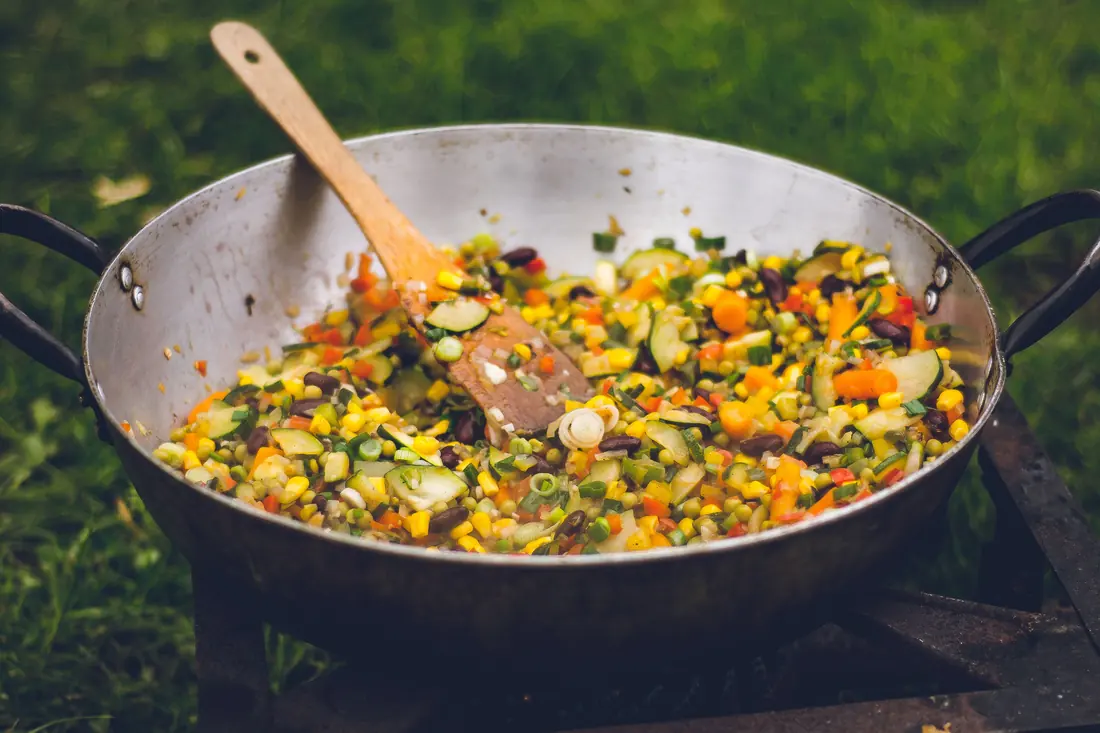
In most stir-fry sauces it is one part among several – a spoonful alongside soy sauce, a little sugar, some stock or water, and a starch slurry. Used alone it makes a dish taste cloying and one-dimensional.
The bottle to buy
Two things separate bottles that look identical on a shelf. The first is where oyster extract sits in the ingredient list – near the front means there is a meaningful amount of it, near the back means sugar and thickener are doing most of the work.
The second is the absence of caramel colour. A sauce that needs colouring is a sauce that did not get its colour from long cooking, and it usually tastes flatter as a result.
Neither is a reason to avoid a cheaper bottle for everyday cooking, where it is one seasoning among several. It matters for the dishes where the sauce is poured over something plain and tasted directly.
Keeping it
Once opened it belongs in the fridge. The sugar content makes it stable, but it darkens and thickens over time and can develop a slightly bitter edge after a long period open.
It also separates a little on standing, so a bottle that has sat for a while is worth shaking. If it has become genuinely thick and difficult to pour, it is past its best rather than simply cold.
For the dishes it appears in, our noodle comparison covers the stir-fried noodles it coats, the fish sauce piece covers the other seafood-derived seasoning on the same shelf, and the bok choy guide covers the greens it is most often poured over. The current selection is on the ordering page.
Frequently Asked Questions
Does oyster sauce taste like oysters?
No. The extract is cooked down so far that what remains is savoury sweetness rather than shellfish flavour. People who dislike oysters generally like the sauce.
What is oyster sauce made of?
Oyster extract with sugar, salt, water and a starch thickener. The proportion of extract is what mainly separates better bottles from cheaper ones.
Is oyster sauce the same as soy sauce?
No. Oyster sauce is thick, sweet and savoury and coats food; soy sauce is thin, salty and sharp. They are used together as often as separately.
Is there a vegetarian oyster sauce?
Yes – a mushroom-based version, usually sold as vegetarian stir-fry sauce, built to do the same job using shiitake for savoury depth.
Does oyster sauce need refrigerating?
After opening, yes. It is stable because of the sugar, but it darkens and thickens over time and is better kept cold.