Category: Soups & Noodles

Pho, miso, onion soup and Japanese-style noodle dishes explained.

  • What Is Tofu? Silken and Firm, Explained

    What Is Tofu? Silken and Firm, Explained

    Tofu turns up in the miso soup at almost every Japanese restaurant, usually as small pale cubes that people either enjoy or push to the side. It is one of the oldest prepared foods in East Asia and one of the most misunderstood.

    What is tofu?

    Tofu is made by curdling soy milk and pressing the curds into a block — much the same process as making fresh cheese, but with soybeans instead of dairy. How hard it is pressed determines whether it comes out silken and custardy or firm enough to fry.

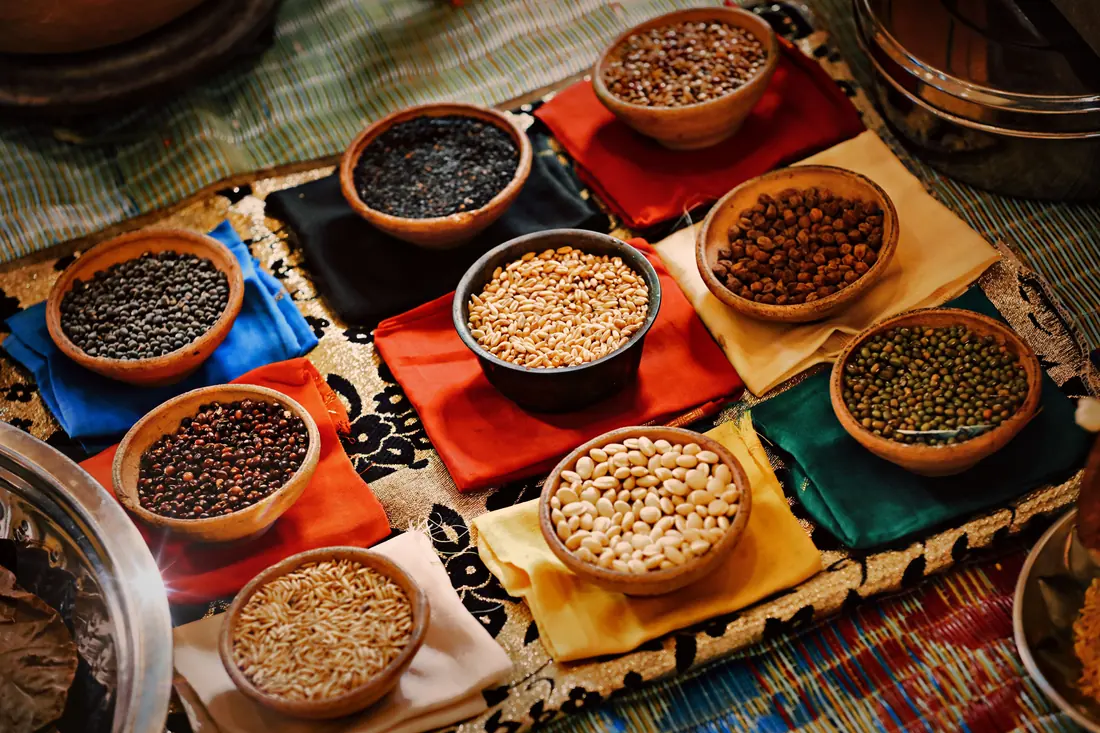
    Dried soybeans in a bowl

    A short history

    Tofu originated in China and spread through East and Southeast Asia over many centuries, arriving in Japan roughly a thousand years ago. It became closely tied to Buddhist temple cooking there, where meat was avoided and tofu supplied both substance and protein.

    That history is why Japanese tofu dishes tend toward restraint rather than heavy seasoning. The tradition treats a good block of tofu as something to be shown off plainly — chilled with a little soy and ginger, or floated in a clear broth — rather than disguised.

    The version most people first encounter in a restaurant, small cubes in miso soup, sits squarely in that tradition. It is not trying to be the centre of the dish.

    How it is made

    1. Dried soybeans are soaked and ground with water.
    2. The mixture is cooked and strained to produce soy milk.
    3. A coagulant is added, and the milk separates into curds and whey.
    4. The curds are pressed. Light pressing gives silken tofu; heavy pressing gives firm.
    Soy milk being poured from a jug

    Britannica’s entry on tofu traces the food back roughly two thousand years in China, from where it spread across East and Southeast Asia and developed distinct regional styles.

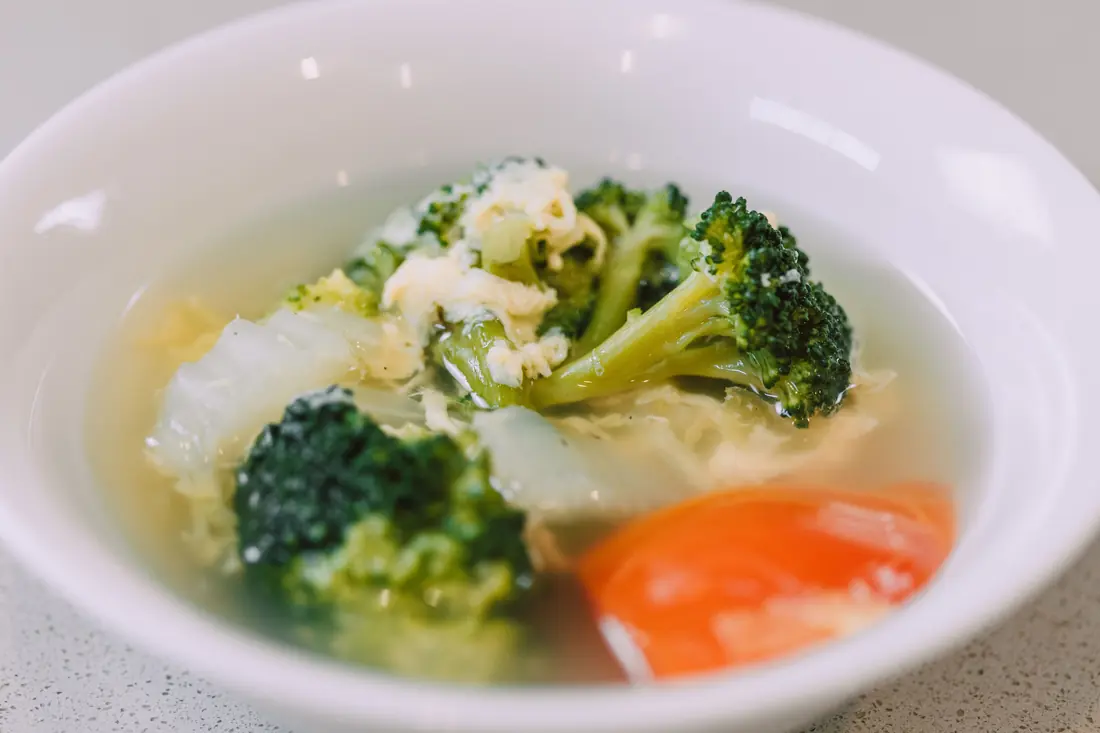
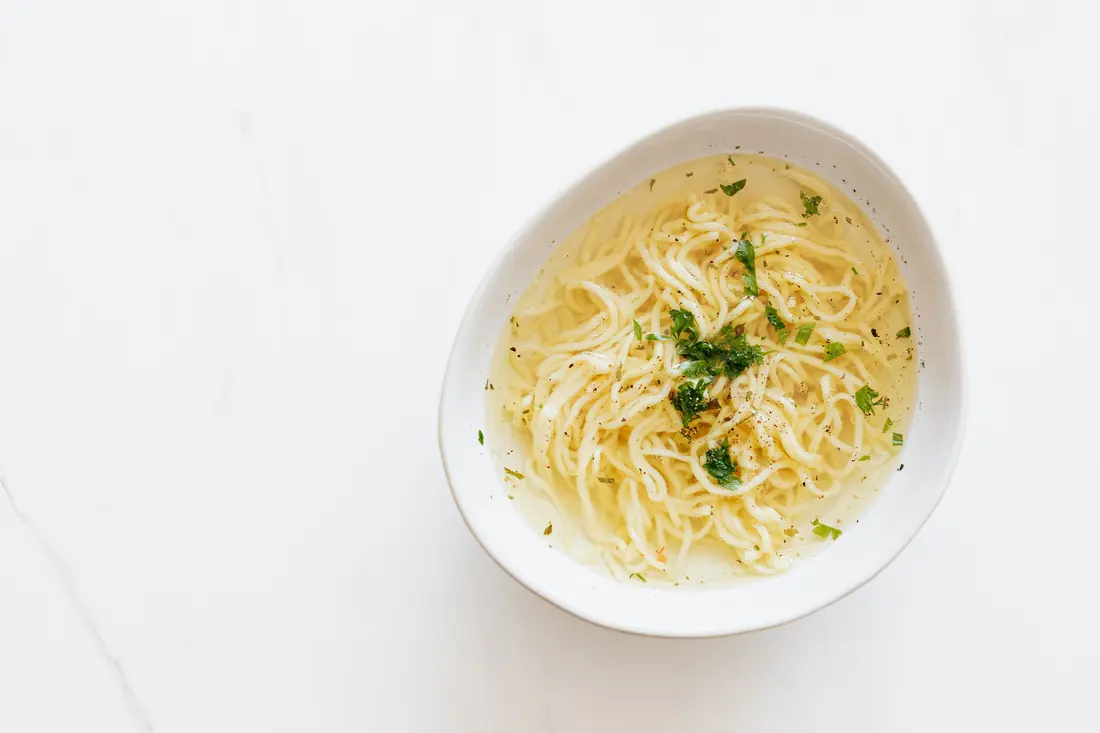
    Soft tofu cubes floating in a clear broth

    Silken, soft and firm

    The type used changes the dish completely, which is why tofu in a soup bears little resemblance to tofu in a stir-fry.

    TypeTextureTypically used for
    SilkenCustardy, breaks easilySoups, chilled dishes, blended sauces
    SoftDelicate but holds a cubeMiso soup, simmered dishes
    FirmSpringy, holds its shapeStir-fries, grilling, pan-frying
    Extra firmDense and chewyFrying, skewering, roasting
    Fried tofuCrisp outside, airy insideToppings, broths, appetisers
    The main types and where each is used.

    Why it tastes of almost nothing

    This is the most common complaint and it is entirely accurate. Plain tofu is mild by design — its job is to carry the flavour of whatever it is cooked in, in the same way pasta or rice does.

    Firm tofu being sliced on a board

    That is why tofu in a well-made miso soup tastes of the broth, and why tofu that has been fried or marinated tastes strongly of the treatment rather than of soy. If you have only had it plain and cold, you have had it at its least interesting.

    What it does in a dish

    Tofu is usually doing one of three jobs, and knowing which explains why the same ingredient can seem completely different from one plate to the next.

    • Carrying flavour — in a broth, where it soaks up the surrounding seasoning and adds softness without competing.
    • Providing texture — fried or grilled, where the contrast between a crisp exterior and an airy interior is the whole point.
    • Adding body — blended into sauces and dressings, where it thickens without dairy.

    Almost every complaint about tofu comes from meeting it in the first role and assuming that is all it does. Soft cubes in a clear broth are the least assertive form of the ingredient, which is exactly why they are used there.

    Why texture varies so much

    Two blocks of tofu can come from the same soy milk and behave completely differently, and the reason is pressing. The longer a curd is drained and weighted, the more water leaves it and the denser what remains becomes.

    That single variable explains most of what you notice on the plate. A barely pressed block collapses under a spoon and is used where softness is wanted. A heavily pressed one holds a cube shape through frying, grilling and stirring, which is why it turns up wherever the tofu has to survive some handling.

    Nothing is added or removed to achieve this. It is the same ingredient at different stages of the same process.

    Where you will meet it on a Japanese menu

    The most common encounter by far is in miso soup, where soft or silken cubes sit in the broth alongside seaweed. Roll & Go Sushi’s miso soup follows that standard pattern — soybean paste broth with seaweed and tofu.

    Because the cubes are small and the broth is savoury, this is a low-commitment way to find out whether you like the texture. Our comparison of the two starter soups covers what else is in the bowl.

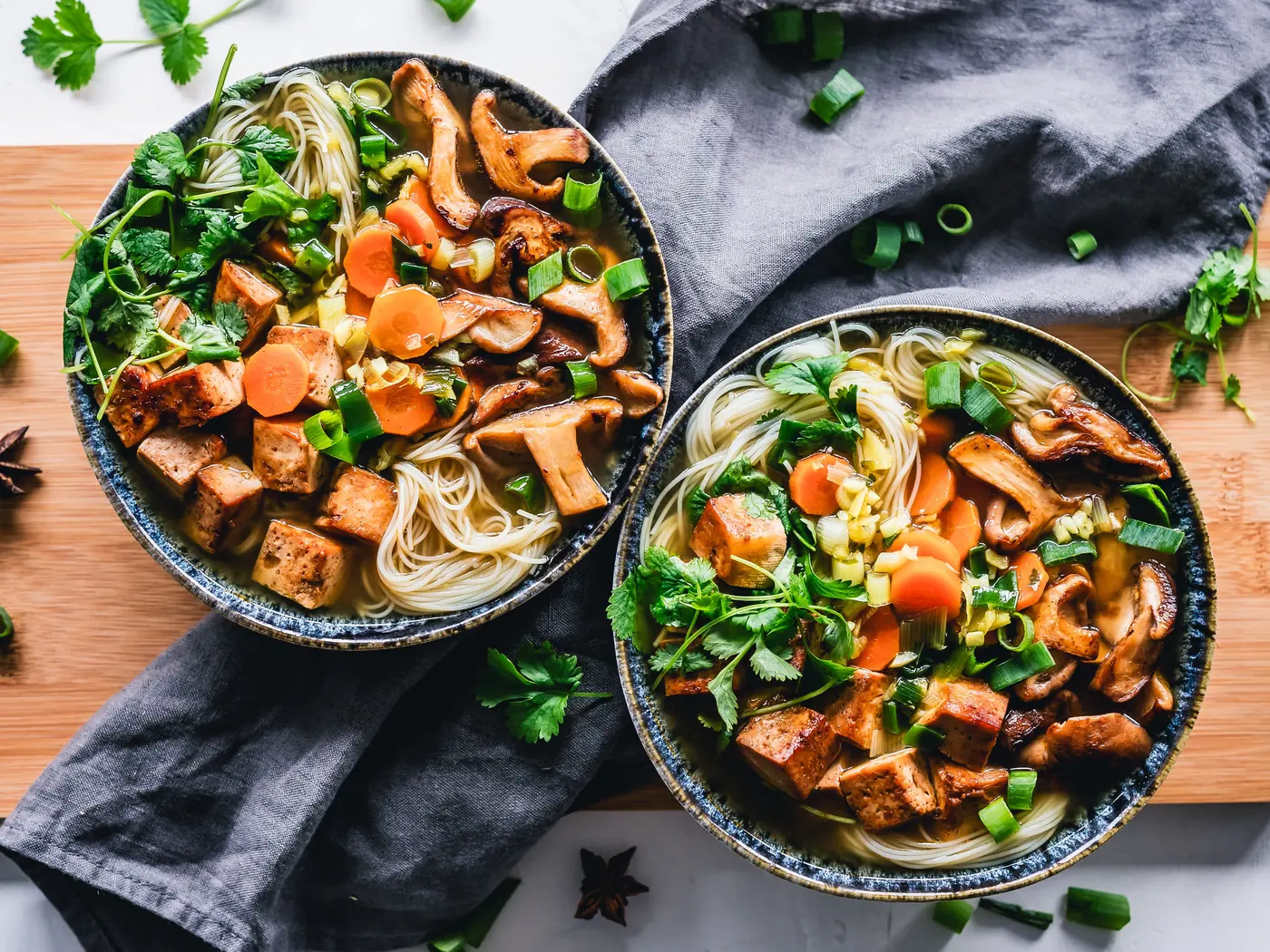
    Cubes of tofu pan-fried until golden at the edges

    Forms you might not recognise as tofu

    Several things on a Japanese menu are tofu without looking remotely like the white cubes most people picture.

    • Aburaage — thin sheets fried until they puff and turn golden. These are the pouches used for inari, and the strips that float in some miso soups.
    • Atsuage — a thicker block fried on the outside only, so it has a firm skin and a soft centre.
    • Yuba — the delicate skin that forms on the surface of heated soy milk and is lifted off in sheets. Silky rather than solid.
    • Koyadofu — freeze-dried tofu, spongy and absorbent once rehydrated in broth.

    If plain tofu has never appealed, these are the versions most likely to change your mind, because texture rather than mildness is the point of all four.

    If you have not enjoyed it before

    Texture is almost always the reason, and the fix is usually a firmer type or a different cooking method rather than giving up on it.

    • Disliked it in soup? Try it fried, where the outside is crisp and the inside is airy rather than soft.
    • Found it bland? That is the point — look for it in dishes where it has been marinated or browned.
    • Disliked the sliminess? That is silken tofu. Firm tofu is a completely different texture.

    It is also easy to eat around. In a miso soup the tofu is a component rather than the dish, and leaving it does not spoil the rest of the bowl.

    Buying and keeping it

    Fresh tofu is sold packed in water and should stay that way. Once the packet is opened, the usual approach is to keep it submerged in fresh water in the fridge and change the water daily, which holds it for a few days rather than a few hours.

    Shelf-stable tofu in sealed cartons is a different product. It keeps unopened for months and is almost always silken, which makes it useful for blending and poor for frying.

    Firmness can also be adjusted after purchase. Pressing a block under weight for half an hour drives out water and moves a soft tofu closer to a firm one, which is the usual fix if you have bought the wrong type for what you are cooking.

    A note on dietary assumptions

    Tofu is made from soybeans, so it is a soy product and unsuitable for anyone avoiding soy. Beyond that, do not assume a dish is vegetarian simply because it contains tofu — miso soup, for instance, is frequently built on a fish-based stock.

    If you are avoiding a specific ingredient, ask the restaurant about the broth rather than inferring from the visible components.

    Frequently Asked Questions

    Is tofu the same as bean curd?

    Yes. Bean curd is the older English name for the same food, and both terms appear on menus.

    Why is the tofu in miso soup so soft?

    Soups normally use soft or silken tofu, which is only lightly pressed. Firmer types would sit awkwardly in a delicate broth.

    Does tofu have a strong taste?

    No, and that is deliberate. It is mild by design and takes on the flavour of the broth, marinade or sauce it is cooked with.

    Is a dish vegetarian because it contains tofu?

    Not necessarily. Many broths are made with fish-based stock. Ask the restaurant rather than assuming.

    Curdled soy milk, pressed to different densities, doing a different job in each dish. If soup tofu has never appealed, the fried version is a completely different experience.

    You can see the current soup options or read about the larger noodle soup on the menu.

  • Miso Soup vs Onion Soup: Which to Order With Sushi

    Miso Soup vs Onion Soup: Which to Order With Sushi

    Most Japanese and Asian kitchens offer a small soup to start, and the choice is usually between two: miso, or a clear onion soup. They cost about the same, arrive in the same small bowl, and taste nothing alike.
    The short answer

    Miso soup is savoury and slightly salty, built on fermented soybean paste, with tofu and seaweed suspended in it. Onion soup is lighter and sweeter, a clear broth with fried onion, mushroom and scallion. Miso is the richer of the two; onion soup is the cleaner.

    A spoonful of dark fermented paste

    What miso soup actually is

    Miso is a paste made by fermenting soybeans with salt and a culture called koji, sometimes with rice or barley added. Fermentation runs for months, and the longer it goes the darker and stronger the result. Britannica’s entry on miso covers the range of styles, from pale and mild to deep red and assertive.

    Cubes of soft tofu and rehydrated seaweed

    The soup itself is simple: a light stock, a spoonful of paste whisked in, and a few additions. In a restaurant bowl those are usually small cubes of tofu and rehydrated seaweed, with scallion on top. The paste is added off the boil, because boiling it dulls the flavour.

    Roll & Go Sushi’s version follows that pattern — an 8 oz bowl of soybean paste broth with seaweed and tofu.

    What onion soup is doing differently

    The onion soup served at Japanese and Asian restaurants in the United States is not French onion soup. There is no cheese, no bread, and the broth is thin and clear rather than dark and syrupy.

    Finely chopped spring onions

    Onions are fried first, which is where the sweetness comes from, then simmered in a light broth with mushrooms. Scallion goes in at the end. The result is delicate — the point is aroma rather than body. Roll & Go Sushi’s is an 8 oz bowl of fried onions, mushrooms and scallions.

    Sliced red onion in a pan before cooking

    Miso and onion soup compared

    Miso soupOnion soup
    BaseFermented soybean pasteClear broth with fried onion
    FlavourSavoury, salty, faintly sweetLight, sweet, aromatic
    TextureSlightly cloudy, with tofu and seaweedThin and clear, with soft onion and mushroom
    Typical additionsTofu, seaweed, scallionFried onion, mushroom, scallion
    ServedHot, in a small bowlHot, in a small bowl
    Goes well withSushi and raw fishGrilled and fried dishes
    The two starter soups most Japanese and Asian menus offer.

    Which goes better with what you ordered

    There is a rough logic to the pairing, and it is worth following.

    • Ordering sushi or sashimi — miso. The savoury depth sits well against cool rice and raw fish, and it is the traditional pairing.
    • Ordering hibachi or anything grilled — onion soup. It is lighter, and it does not compete with food that already has char and sauce.
    • Ordering fried rolls or tempura — onion soup again, for the same reason. Something clear cuts through fried food better.
    • Cold day, or you want something restorative — miso, which feels substantially warmer than its size suggests.
    A small bowl of soup set beside a plate of sushi

    When it is served says something too

    In Japan miso soup is not usually a starter. It arrives with the rice, partway through the meal, and is treated as part of the main course rather than something that opens it. Serving it first is a Western restaurant convention.

    That is worth knowing mostly because it explains the size. An 8 oz bowl is not meant to hold you over — it is a component, and it works best drunk alongside other food rather than finished before anything else arrives.

    Onion soup has no equivalent tradition behind it. It is a menu item developed for American Japanese restaurants, and it exists largely because it pairs well with grilled food and appeals to people who find miso too savoury.

    If neither appeals

    A salad is the usual third option, and at restaurants serving hibachi it is often included with the plate rather than ordered separately. Roll & Go Sushi’s hibachi comes with a choice of soup or salad, so the decision is built into the order rather than being an extra.

    The other option is to skip the starter entirely. Neither soup is essential to the meal, and if you are ordering a full plate or a large bowl of noodle soup, adding a small soup on top is more food than most people want.

    Neither is a meal

    Both arrive in a small bowl and are meant as a starter, not a course. If you want a soup that is the meal, that is a different item on the menu — a full bowl of noodle soup runs several times the size. Our guide to what pho actually is covers that end of the menu.

    A common mistake is ordering a small soup expecting it to fill a gap before a long wait. It will not. It is there to open the meal, in the same way a small salad is.

    Reading the description before you choose

    Menu wording tells you most of what you need. A soup described by its base — soybean paste, or a clear broth — is telling you where the flavour comes from. A soup described by its garnishes is usually the lighter of the two.

    Sizes are worth checking too, since a stated volume is the clearest signal of whether something is a starter or a meal. An 8 oz bowl is a component of a meal; anything four times that size is the meal itself.

    If the menu lists a soup with the hibachi rather than separately, it is included with the plate, and ordering another one on the side is usually more than you want.

    A few things worth knowing

    • Drink it, do not spoon it. Miso soup is traditionally lifted and sipped from the bowl, with chopsticks used for the tofu and seaweed.
    • The sediment is normal. Miso settles. A gentle swirl before drinking brings it back together.
    • Recipes vary between kitchens. Miso type, stock and additions all differ, so two bowls at two restaurants can taste quite different.
    • If you have an allergy or dietary requirement, ask. Soup bases are not always what the name suggests, and no bowl should be assumed suitable based on its description alone.

    Two small habits that improve either bowl

    Drink the first mouthful before adding anything. Both soups are seasoned in the kitchen and neither normally needs adjusting, but people reach for soy sauce out of reflex and end up with something considerably saltier than intended.

    The second is to take the soup at the pace of the rest of the meal rather than finishing it first. Both are better warm, and both work as something you return to between other dishes rather than as a course to get through.

    Frequently Asked Questions

    Is miso soup vegetarian?

    It depends on the stock. Many are made with a fish-based dashi, so a miso soup is not automatically vegetarian. Ask the restaurant rather than assuming.

    Is the onion soup the same as French onion soup?

    No. The version served at Japanese and Asian restaurants is a thin, clear broth with fried onion and mushroom, with no cheese or bread.

    Which is better with sushi?

    Miso is the traditional pairing and the one most people prefer alongside raw fish. Onion soup works better with grilled or fried dishes.

    Can I order both?

    Yes, though two small soups is a lot of liquid before a meal. If you are sharing, one of each is a good way to compare them.

    Miso for depth, onion for lightness. If you are ordering sushi, miso is the safer bet; if the table is having hibachi, onion soup will suit it better.

    Both appear on the current soup list, and our guide to choosing a sushi roll covers the other half of that order.

  • What Is Pho? A Beginner’s Guide to the Noodle Soup

    What Is Pho? A Beginner’s Guide to the Noodle Soup

    Pho turns up on more menus every year, usually without much explanation. If you have never ordered it, the bowl arriving with a separate plate of leaves can be genuinely confusing.

    What is pho?

    Pho is a Vietnamese noodle soup made from a long-simmered broth, flat rice noodles and thinly sliced meat, served with a side plate of fresh herbs, bean sprouts, lime and chilli that you add yourself. It is pronounced closer to “fuh” than “foe”.

    Beef bones simmering slowly in a large stockpot

    What goes into the broth

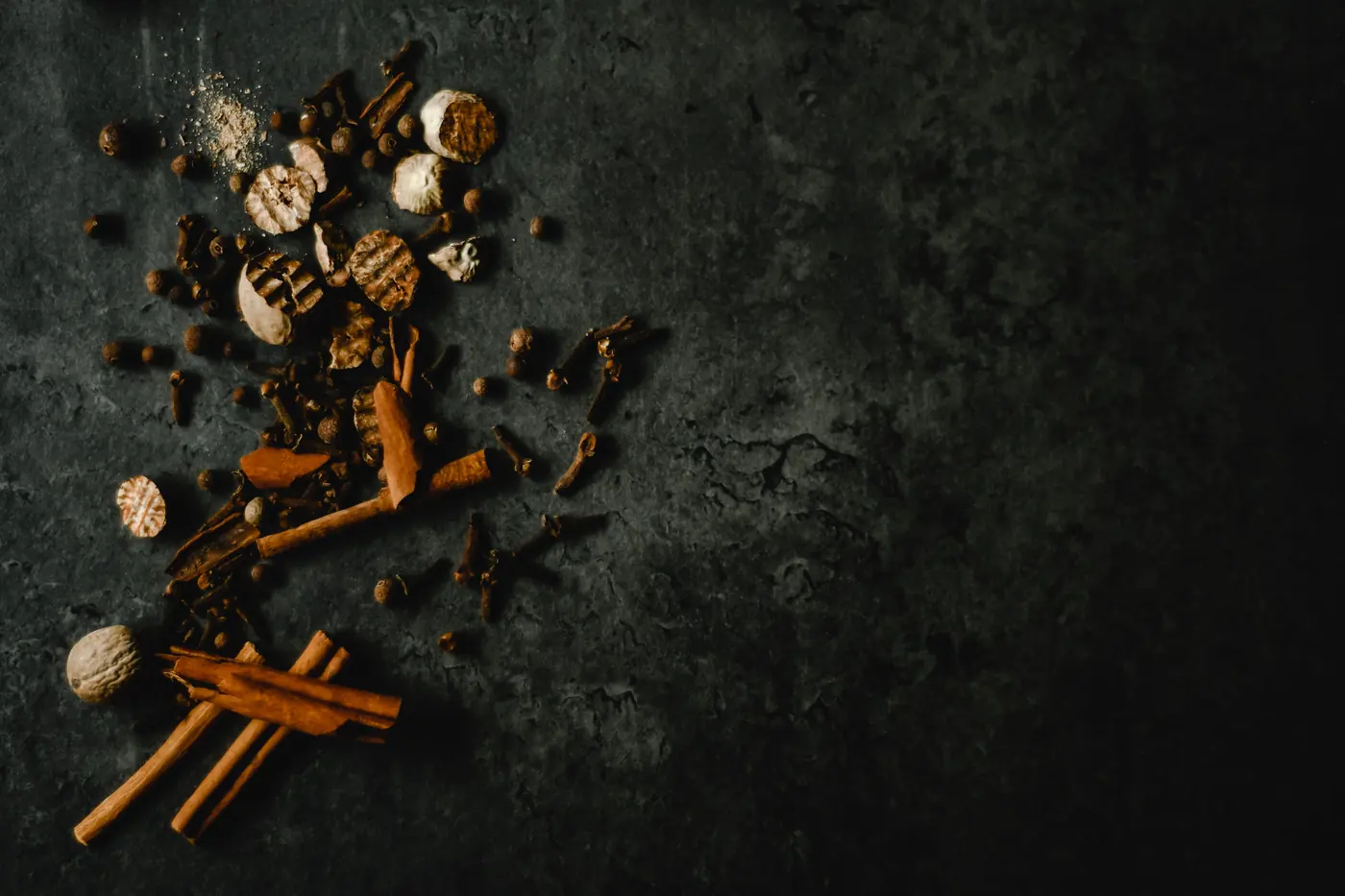
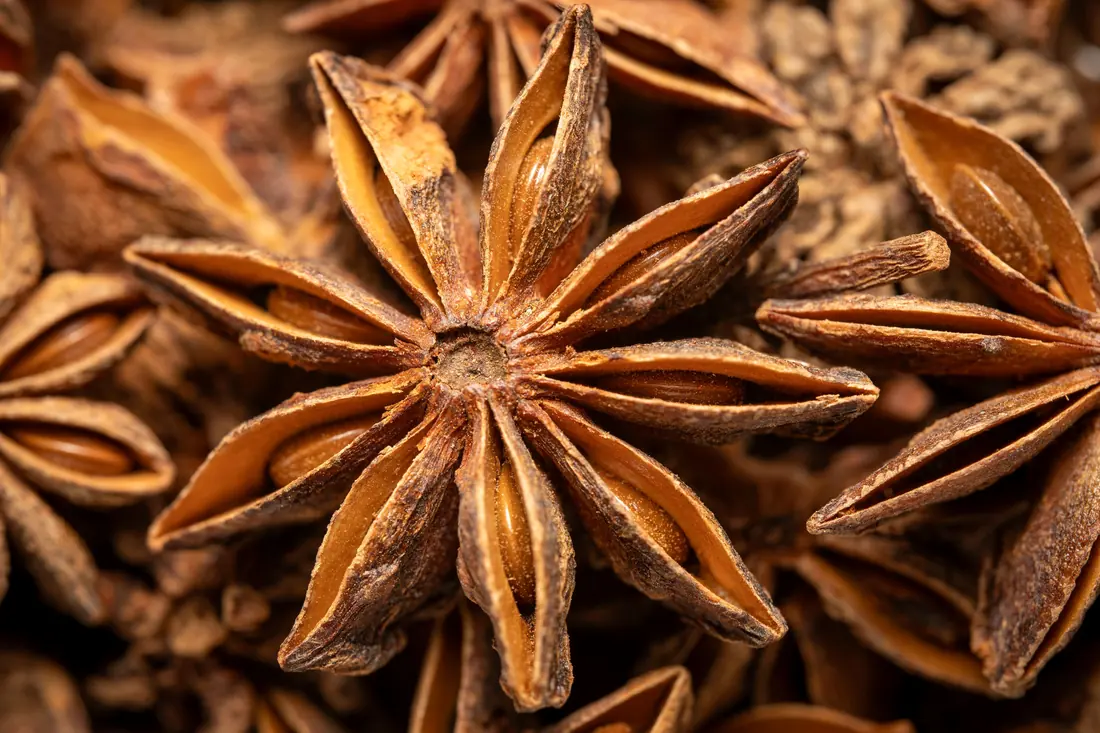
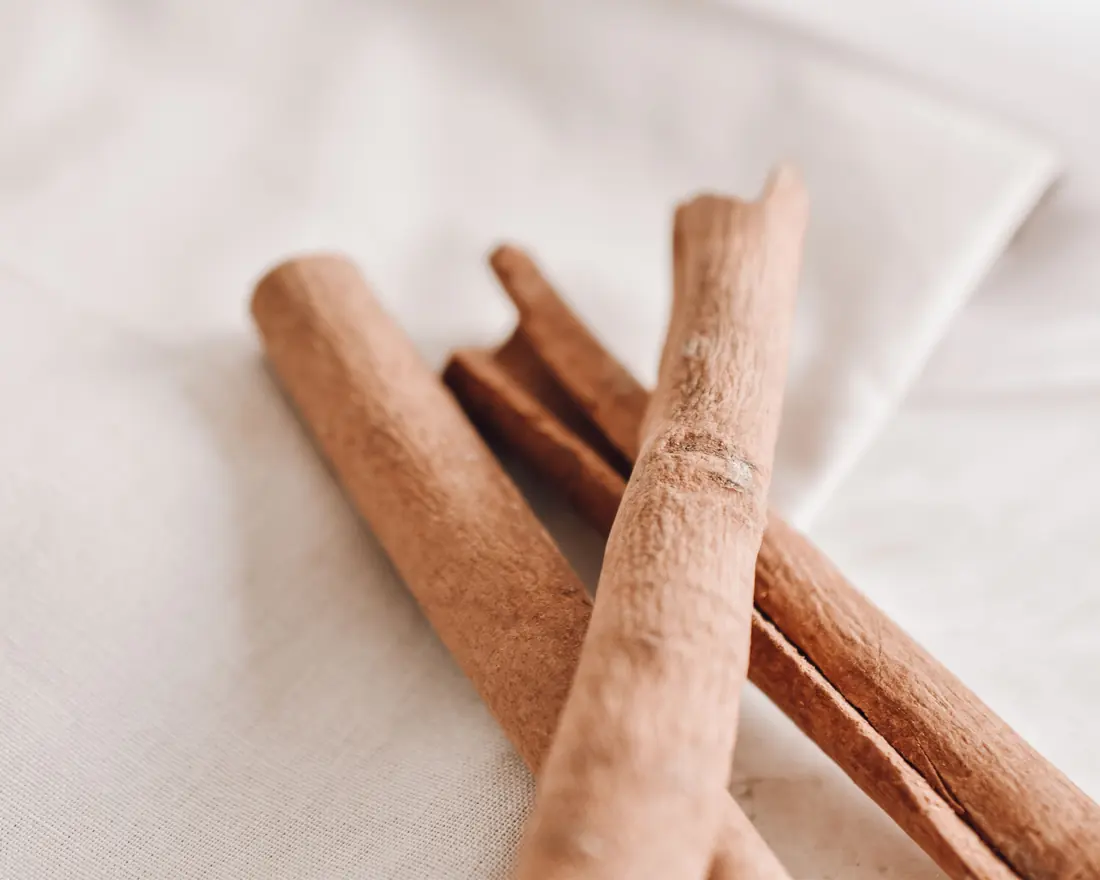
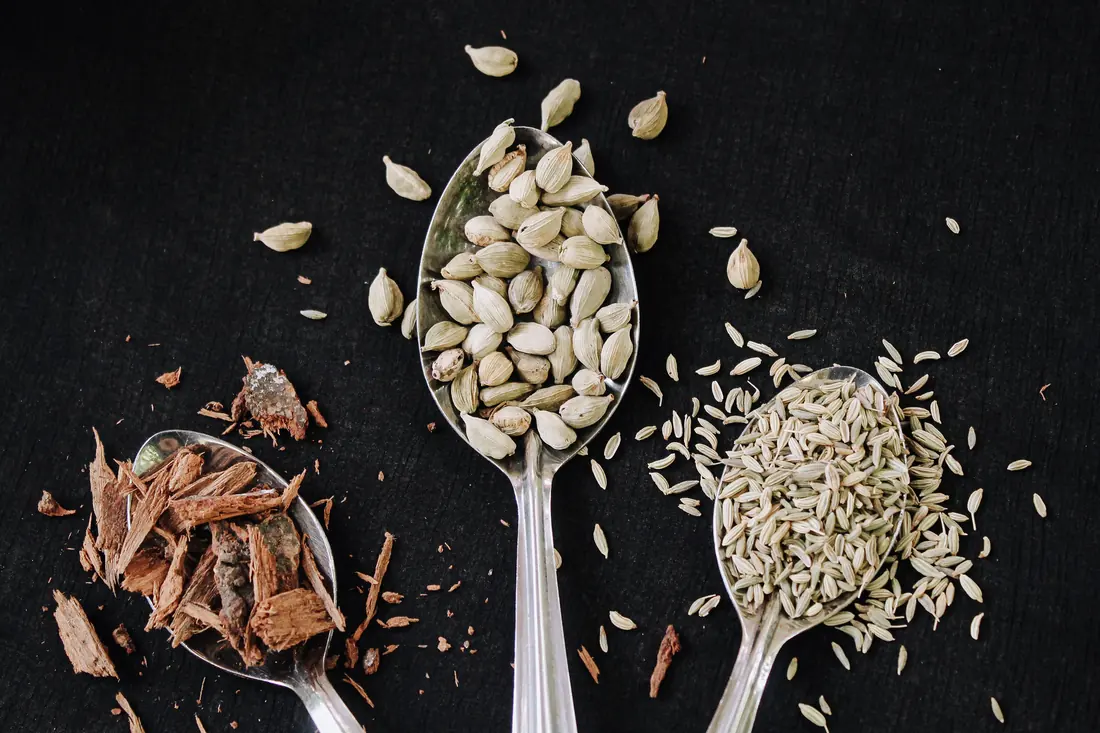
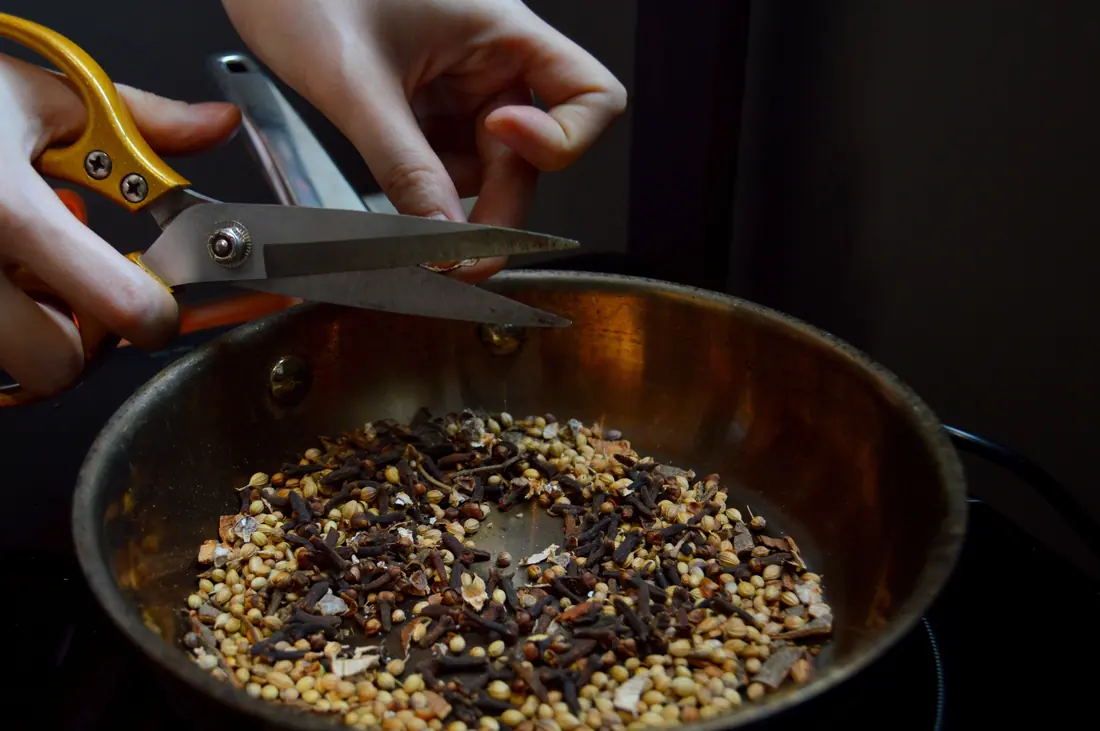
    The broth is the dish. Beef bones are simmered for hours with onion and ginger that have been charred first, plus whole spices — star anise, cinnamon, clove, coriander seed and sometimes cardamom. It is skimmed repeatedly to stay clear.

    That process is why pho tastes the way it does: aromatic and layered, but not heavy. Britannica’s entry on pho traces the dish to northern Vietnam in the early twentieth century, and its spread south and then worldwide in the decades after.

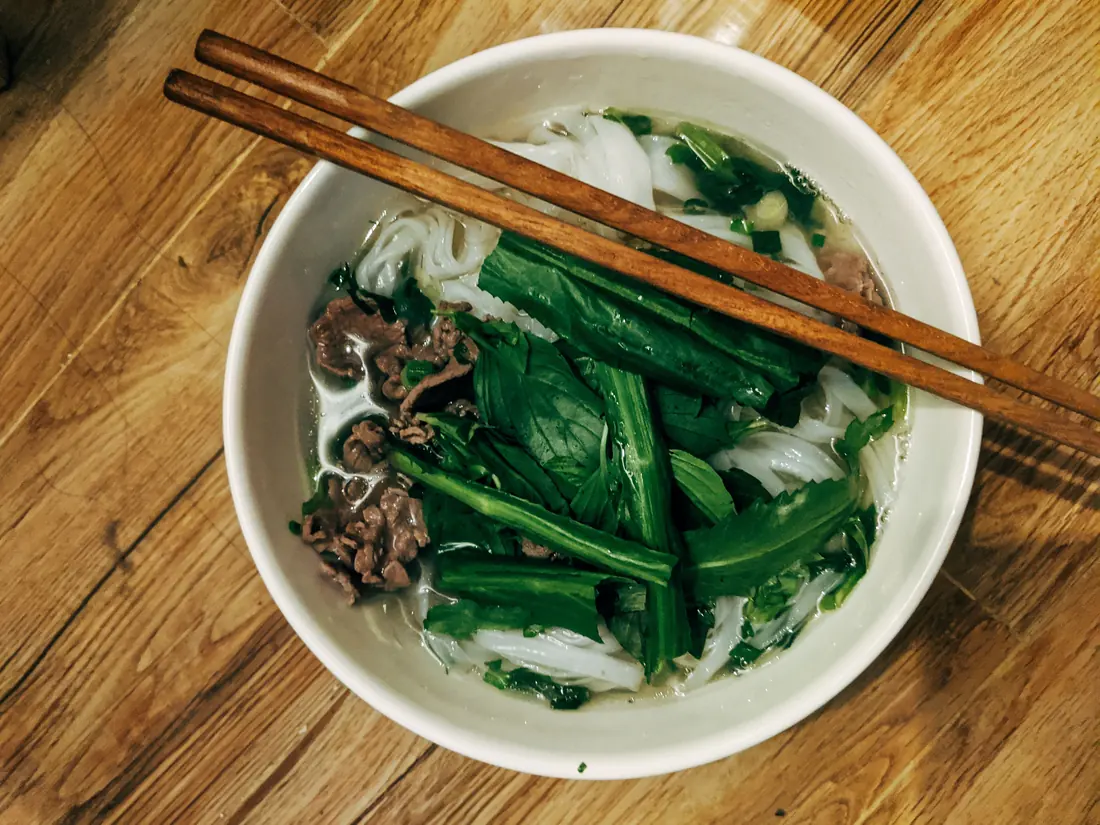
    An overhead view of a pho bowl with chopsticks and a spoon

    The parts of the bowl

    • Broth — clear, hot and aromatic. Poured over everything else.
    • Rice noodles — flat, soft and white, cooked briefly before serving.
    • Protein — commonly beef, often several cuts in one bowl. Chicken, seafood and vegetarian versions are widespread.
    • Aromatics already in the bowl — sliced onion, scallion, sometimes coriander.
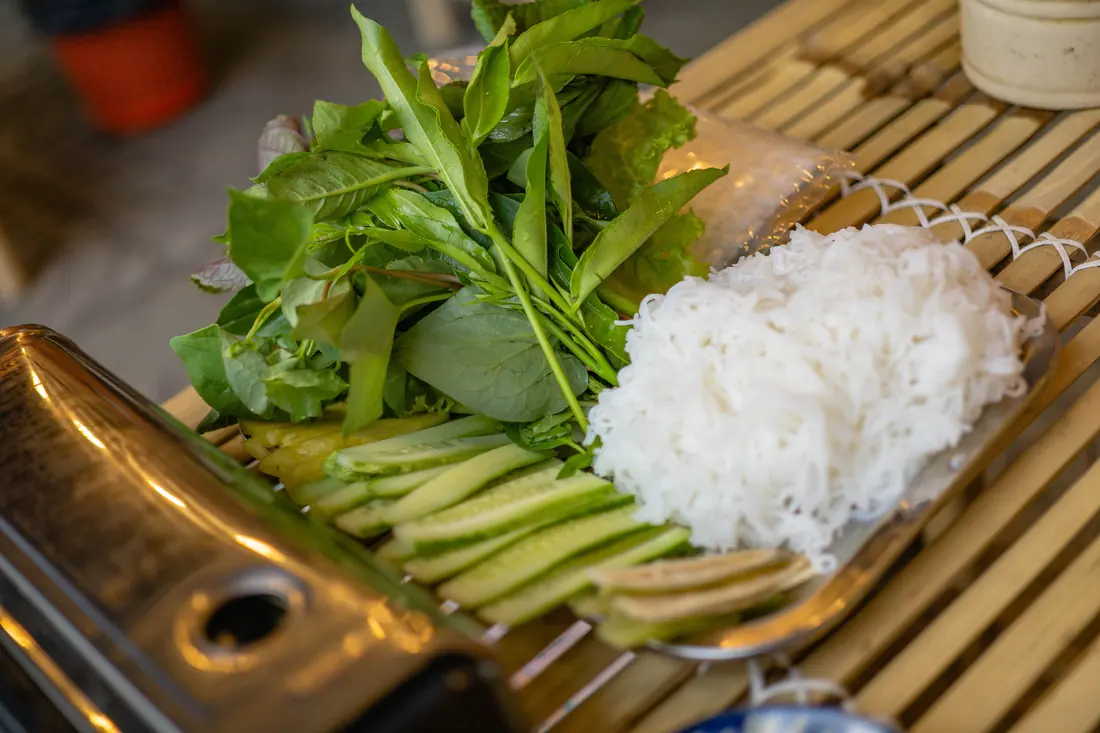
    • The herb plate — served separately: Thai basil, bean sprouts, lime wedges and fresh chilli.
    Sliced beef and noodles in a bowl of pho broth

    Why some of it arrives raw

    In a beef pho, thin slices of rare beef are often laid on top uncooked and cook through in the broth in the time it takes to reach your table. If you would rather not have that, ordering a version with fully cooked cuts — brisket or meatballs — avoids it.

    The herbs stay raw deliberately. Adding them gradually keeps them fresh rather than stewed, which is the whole point of serving them separately.

    A lime wedge being squeezed into a bowl of noodle soup

    How to eat it

    1. Taste the broth on its own first.
    2. Tear in a few basil leaves and add a small handful of sprouts.
    3. Squeeze in lime, then taste again before adding more of anything.
    4. Add chilli last, since you cannot take it back out.
    5. Alternate chopsticks for noodles with the spoon for broth.

    Hoisin and chilli sauce are usually on the table. Many people dip meat into them on a side dish rather than squeezing them into the bowl, which keeps the broth you were served intact.

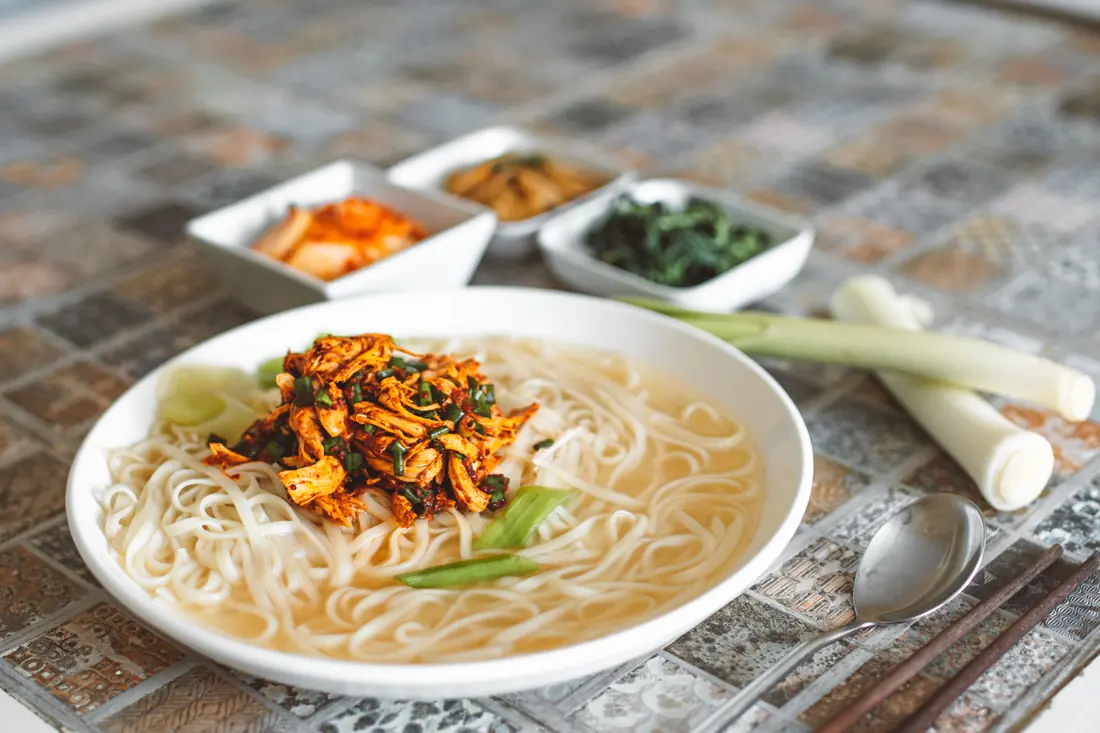
    A noodle soup bowl served with fresh herbs and scallions

    Where it came from

    Pho is younger than most people assume. It emerged in northern Vietnam in the early twentieth century, drawing on Vietnamese, Chinese and French influences at a time when beef was becoming more widely available. It spread south after 1954, picking up the herb plate and the sweeter, more elaborate garnishes associated with the southern style along the way.

    That regional split still shows on menus today. Northern-style bowls tend to be plainer, with a clearer broth and fewer additions; southern-style bowls are the ones with the loaded herb plate, hoisin and chilli sauce. Most American restaurants serve some version of the southern style.

    Pho alongside other dishes

    A standard bowl is a meal on its own, which catches people out when they order it as a starter. If you are eating with others and want to share, one bowl between two with something else alongside works better than a bowl each.

    It pairs particularly well with dishes that offer contrast — something fried or grilled cuts through the broth nicely. At an Asian kitchen that also serves sushi, a shared bowl of pho with a couple of rolls is a common order, and it gives you hot and cold, soft and crisp in the same meal. Our guide to which sushi rolls suit first-timers covers the other half of that order.

    Common versions you will see

    VersionWhat it containsGood if you
    Rare beefThin slices cooked by the broth itselfWant the most traditional bowl
    Brisket and meatballsFully cooked cuts, firmer textureWould rather nothing arrives raw
    Combination beefSeveral cuts in one bowlCannot decide, or are sharing
    ChickenLighter broth and poached chickenPrefer something milder
    SeafoodShrimp and other seafood in place of beefDo not eat red meat
    VegetarianVegetable broth and vegetablesAre avoiding meat
    The versions of pho most commonly offered on American menus.

    What it tastes like

    The first impression is aroma rather than flavour — star anise and cinnamon carry a long way in steam. The broth underneath is savoury and beef-forward but much lighter than its colour suggests, closer to a very good consommé than to a stew.

    The noodles are soft and neutral, which is deliberate; they carry broth rather than competing with it. Once you add herbs and lime the whole bowl brightens noticeably, which is why tasting before and after is worth doing the first time.

    If you are used to salty, thick noodle soups, pho can seem understated at first. That impression usually reverses by the second or third mouthful.

    Mistakes worth avoiding the first time

    None of these will ruin the bowl, but each one makes it worse than it needed to be.

    1. Emptying the herb plate in at once. The leaves wilt within a minute and lose most of their aroma. Add a few, eat, add a few more.
    2. Squeezing in the sauces immediately. Hoisin is sweet and chilli sauce is sharp; both flatten a broth that was simmered for hours. Taste first.
    3. Letting it sit. Rice noodles keep absorbing broth, so a bowl left for fifteen minutes becomes thick and soft. Pho is meant to be eaten straight away.
    4. Stirring everything together at the start. Part of the pleasure is that the bowl changes as you go, and mixing it upfront removes that.
    5. Ordering it as a side. A full bowl is a meal. If you want a starter, a smaller soup is the right size.

    The general principle is restraint at the beginning. You can always add more; you cannot take anything back out.

    Ordering pho in Daphne

    Roll & Go Sushi serves a 32 oz Vietnamese-style pho noodle soup with fresh herbs and vegetables. The beef version comes with rare beef, meatballs and brisket together, and chicken, seafood and vegetarian options are also listed.

    It is a full meal rather than a starter, which is worth knowing if you are also ordering sushi. The smaller miso and onion soups on the same menu are the better choice as a side. You can see the current soup and noodle options or compare it with how pho differs from ramen before you decide.

    Frequently Asked Questions

    How do you pronounce pho?

    Closer to “fuh” than “foe” — a short vowel with a slight upward tone. Nobody at a restaurant will mind either way.

    Is pho spicy?

    Not on its own. The broth is aromatic rather than hot. Any heat comes from the fresh chilli and chilli sauce you add yourself.

    What is the herb plate for?

    It lets you season the bowl to your own taste. Add the herbs a few at a time so they stay fresh rather than wilting all at once.

    Is pho a starter or a main course?

    A main course. A standard bowl is large and filling — the smaller soups on a menu, like miso or onion soup, are the ones intended as starters.

    Can I order pho without meat?

    Most places offer a vegetarian version, though the broth base varies between kitchens. Ask when you order if this matters to you.

    Pho is far less complicated than the herb plate makes it look. Taste the broth, add a little at a time, and adjust as you go.

    If you want to try a bowl locally, the ordering page lists what is available, and the restaurant’s hours and location are here.

  • Pho vs Ramen: What’s Actually Different?

    Pho vs Ramen: What’s Actually Different?

    Pho and ramen get grouped together as “Asian noodle soup”, which hides how different they actually are. They come from different countries, use different noodles, and are built on opposite ideas about what a bowl should taste like.

    The short answer

    Pho is Vietnamese: a clear beef or chicken broth spiced with charred aromatics, served with flat rice noodles and a side plate of fresh herbs you add yourself. Ramen is Japanese: a wheat-noodle soup with a seasoned, often richer broth, topped in the kitchen before it reaches you.

    Star anise and cinnamon simmering in a pot of broth

    The broth is the real difference

    Pho broth is simmered for hours with beef bones, charred onion and ginger, and warm spices — star anise, cinnamon, clove, coriander seed. The goal is clarity. A good pho broth is aromatic and clean rather than heavy, and you should be able to see through it.

    Flat rice noodles ready for a bowl of pho

    Ramen broth works the other way. It is usually built from a stock plus a seasoning base — soy, salt or miso — and often finished with fat for body. Some styles are deliberately cloudy and thick. Britannica’s entry on ramen covers how the dish developed in Japan from Chinese wheat-noodle soups.

    The noodles are not interchangeable

    Pho uses flat rice noodles, soft and slightly slippery, with no chew to speak of. They absorb broth quickly, which is part of why pho is served hot and eaten promptly.

    A side plate of Thai basil, lime and bean sprouts

    Ramen noodles are wheat-based and treated with an alkaline solution that gives them their springy bite and yellow tint. They hold their texture in hot broth far longer than rice noodles do.

    How each bowl is finished

    This is the difference you notice first at the table. Ramen arrives complete — the kitchen has already decided on the toppings and their arrangement.

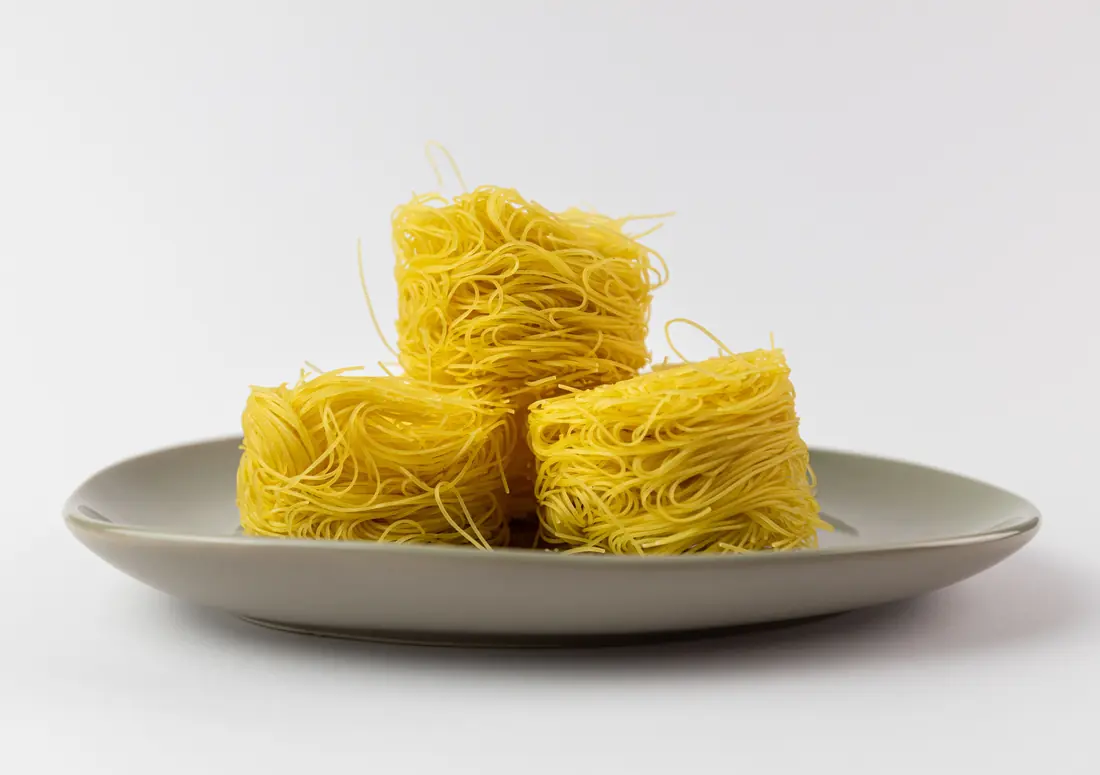
    Fresh wheat noodles portioned into nests before cooking

    Pho arrives partly unfinished on purpose. A side plate of herbs, bean sprouts, lime and chilli comes with it, and you build the bowl to your own taste. Sauces are usually on the table for the same reason.

    Pho and ramen compared

    PhoRamen
    OriginVietnamJapan
    NoodleFlat rice noodles, softWheat noodles, springy
    BrothClear, aromatic, spice-ledSeasoned and often rich, sometimes cloudy
    Signature aromaticsStar anise, cinnamon, charred onion and gingerSoy, miso or salt base, often with added fat
    Finished byYou, at the tableThe kitchen, before serving
    Served withHerb plate, lime, chilli, saucesToppings already arranged
    Overall impressionLight and fragrantDeep and savoury
    The practical differences between a bowl of pho and a bowl of ramen.

    Which one should you order?

    • Want something light but still filling — pho. The broth is substantial without being heavy.
    • Want a rich, savoury bowl — ramen leans further in that direction.
    • Like adjusting your food as you eat — pho is built for it.
    • Prefer chewy noodles — ramen’s wheat noodles hold more bite.
    • Feeling unwell or want something restorative — pho’s clear, aromatic broth is the more common choice for that.
    A ramen bowl topped with pork, a soft egg and nori

    The toppings tell you a lot

    Look at what sits on top of each bowl and the difference in philosophy becomes obvious. Ramen toppings are cooked components chosen to sit in the broth: braised pork, a marinated soft-boiled egg, bamboo shoots, sheets of nori, corn or butter depending on the region. They are placed deliberately and they are part of the recipe.

    Pho toppings are mostly raw and mostly optional. Sliced onion and scallion arrive in the bowl; everything else comes on the side. That includes the protein in some cases — thin slices of rare beef are laid on top and finish cooking in the hot broth on the way to the table.

    Hoisin and chilli sauce served alongside a noodle soup

    This is why two people can order the same bowl of pho and end up eating quite different meals. It is also why the dish suits fussy eaters better than its reputation suggests.

    Which travels better?

    Neither is ideal for a long journey, but pho holds up better if it is packed correctly. Because the broth, noodles and herbs are separate by design, a good takeout container keeps them apart until you assemble the bowl at home.

    Ramen is harder. The noodles are cooked to a specific texture and sit in the broth immediately, so by the time it reaches you they have usually softened past where they were meant to be. If you are ordering noodle soup to take away, pho is the safer choice.

    How to eat pho properly

    There is no ceremony to it, but a few habits make the bowl better.

    1. Taste the broth first, before adding anything. It tells you how much you actually need.
    2. Add herbs a few at a time rather than all at once — they wilt fast in hot broth.
    3. Squeeze lime to taste; it sharpens the broth considerably.
    4. Use chopsticks for noodles and the spoon for broth, alternating rather than mixing.
    5. Add sauces to a small side dish for dipping meat rather than pouring them into the bowl, which flattens the broth you were served.

    What about price and portion?

    Both are usually served as a single large bowl intended as a full meal rather than a course. Portion sizes vary between restaurants, so a bowl described in ounces tells you more than the name does. Pricing moves with the protein and the size, and it is worth checking the current menu rather than assuming.

    Three things people get wrong

    A few assumptions come up constantly, and all three change how you order.

    • “Pho is just Vietnamese ramen.” They are not related. Ramen descends from Chinese wheat-noodle soups brought to Japan; pho developed separately in Vietnam using rice noodles and a French-influenced approach to beef stock.
    • “The herbs are a garnish.” They are an ingredient. A bowl of pho eaten without them tastes noticeably flatter, and the plate is not decoration.
    • “All ramen is heavy and all pho is light.” Broadly true, but there are light shio ramen styles and rich, fatty pho variants. Both cuisines have more range than the stereotype.

    The practical version of all this: if you want a bowl you finish yourself, order pho. If you want a bowl the kitchen has already balanced for you, order ramen.

    Where this lands on a local menu

    Not every Asian kitchen serves both. Roll & Go Sushi in Daphne serves a Vietnamese-style pho noodle soup — a 32 oz bowl with fresh herbs and vegetables, with beef, chicken, seafood and vegetarian versions, the beef one containing rare beef, meatballs and brisket. It does not serve ramen, so if a bowl of pho is what you are after, that is the one to look for.

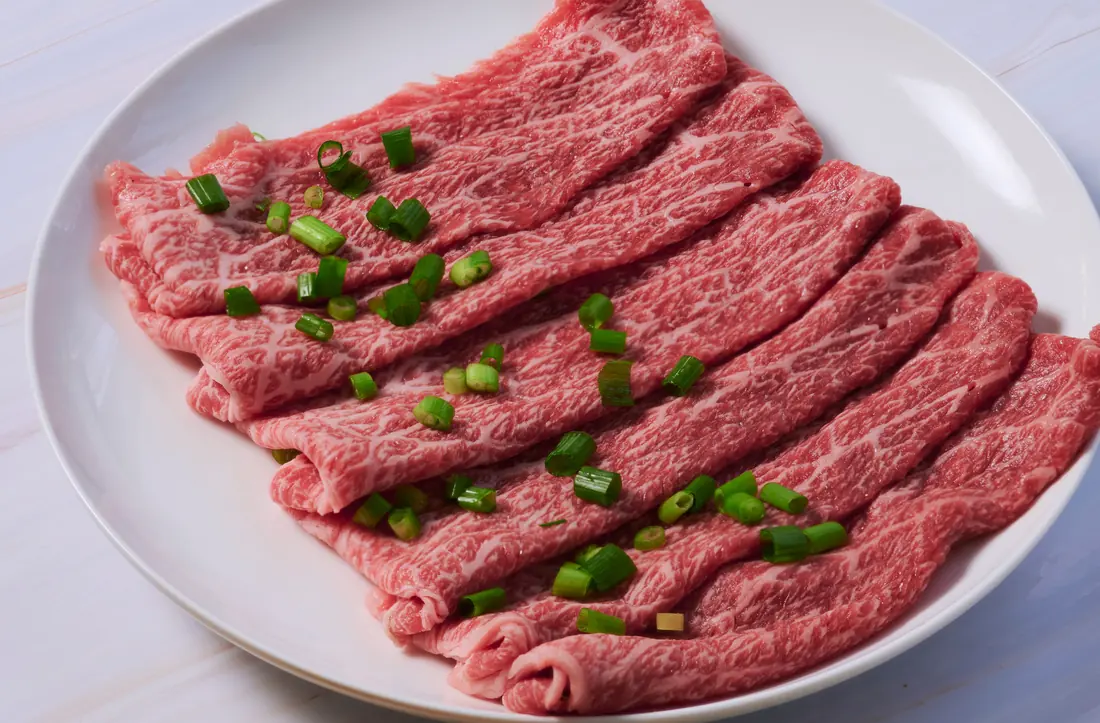
    Thin slices of rare beef ready to be added to hot broth

    Alongside it the menu carries a miso soup and an onion soup, both smaller and better suited as a starter next to sushi than as a meal. You can check the current soup options before ordering, or read our fuller guide to what goes into a bowl of pho.

    Frequently Asked Questions

    Is pho healthier than ramen?

    It depends entirely on the bowl. Pho broth is generally lighter and less fatty, but both can be high in sodium and both vary widely between kitchens. Ask the restaurant if you need specific nutritional information.

    Can you use ramen noodles in pho?

    You can, but it stops being pho in any meaningful sense. The flat rice noodle is central to the dish’s texture and the way it carries broth.

    What does pho taste like?

    Clean and aromatic rather than heavy — beefy underneath, with warm spice from star anise and cinnamon, and brightened by whatever herbs and lime you add.

    Is pho Japanese?

    No. Pho is Vietnamese. Ramen is the Japanese noodle soup, and the two developed entirely separately.

    They are not competing versions of the same dish. Pho is a clear, aromatic broth you finish yourself; ramen is a richer bowl finished for you.

    If the light-and-fragrant description is what appeals, see what is on the menu in Daphne.