
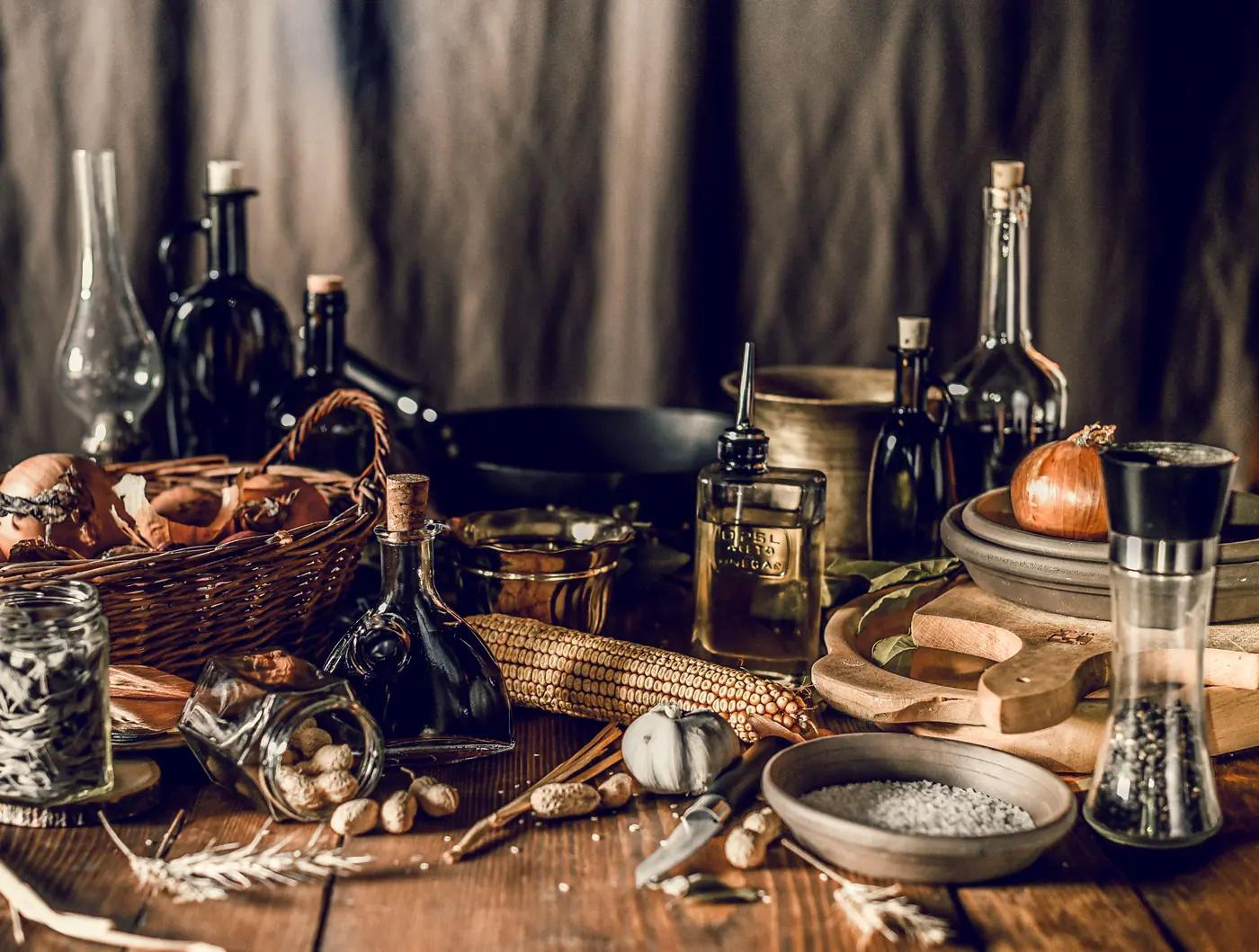
A small bottle of something dark and intensely aromatic that most kitchens own and many people misuse. The single most common mistake is treating it as a cooking oil, which destroys the only reason to buy it.
There are two of them, and they are different products
This is the whole article in one section. Sesame oil is sold in two forms and they are not interchangeable.
| Toasted sesame oil | Plain sesame oil | |
|---|---|---|
| Colour | Deep amber to brown | Pale yellow, almost clear |
| Made from | Toasted seeds | Raw seeds |
| Smell | Powerfully nutty | Faint, neutral |
| Used as | A seasoning, added at the end | A cooking oil |
| Heat | Ruined by it | Fine with it |
| Quantity | A few drops | As much as any oil |
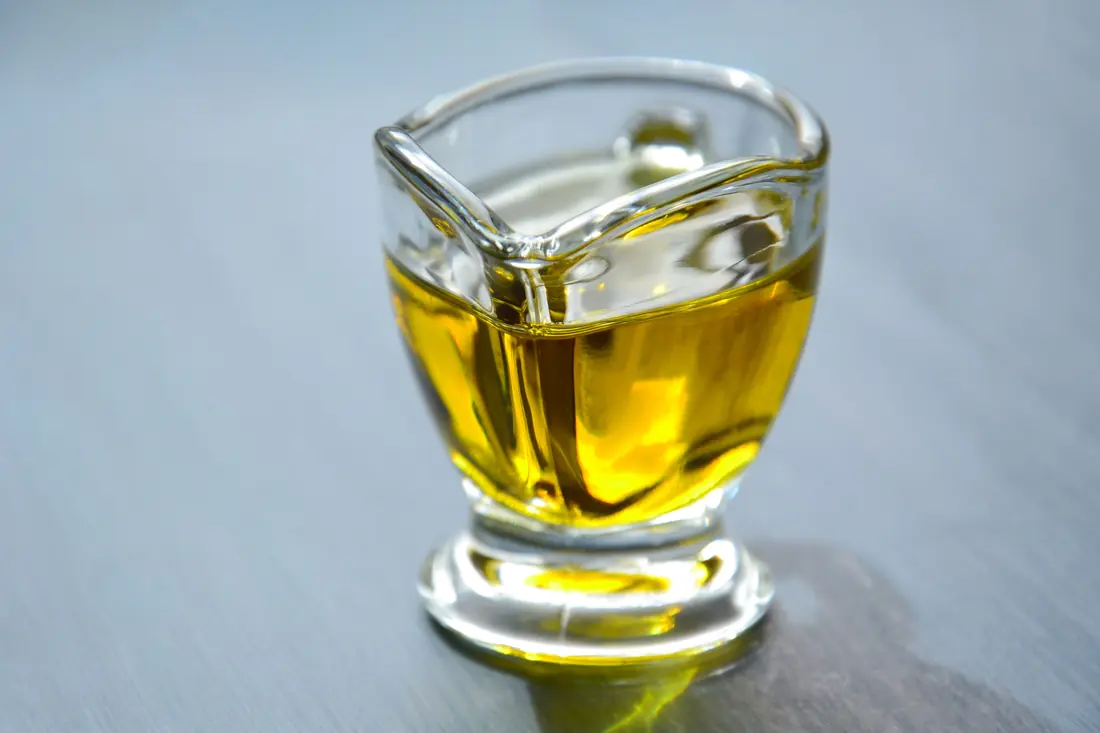
The dark one is what almost every Asian recipe means, and it is the one in most kitchens. If a recipe says a teaspoon, it means a teaspoon.
Why heat ruins the toasted kind
The aroma comes from volatile compounds created during toasting, and volatile means they leave. Put toasted sesame oil in a hot pan and most of what you paid for is gone into the extractor within seconds.
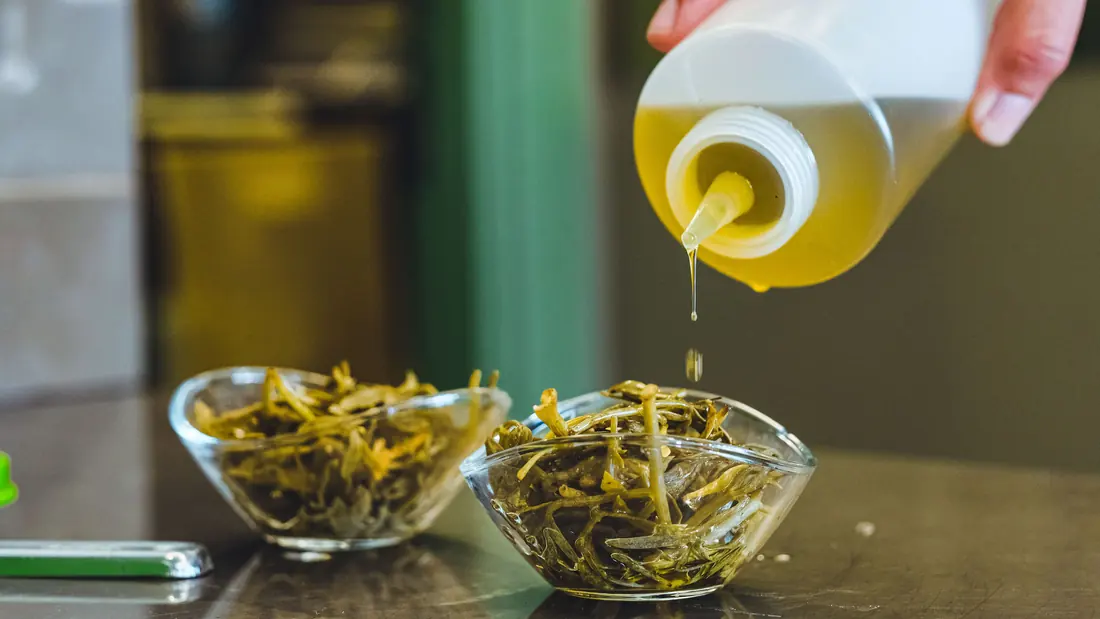
It also has a relatively low smoke point, so beyond losing the aroma it turns bitter and acrid. Both problems have the same solution: add it off the heat, at the end, as the last thing before the dish leaves the kitchen.
What it is made from
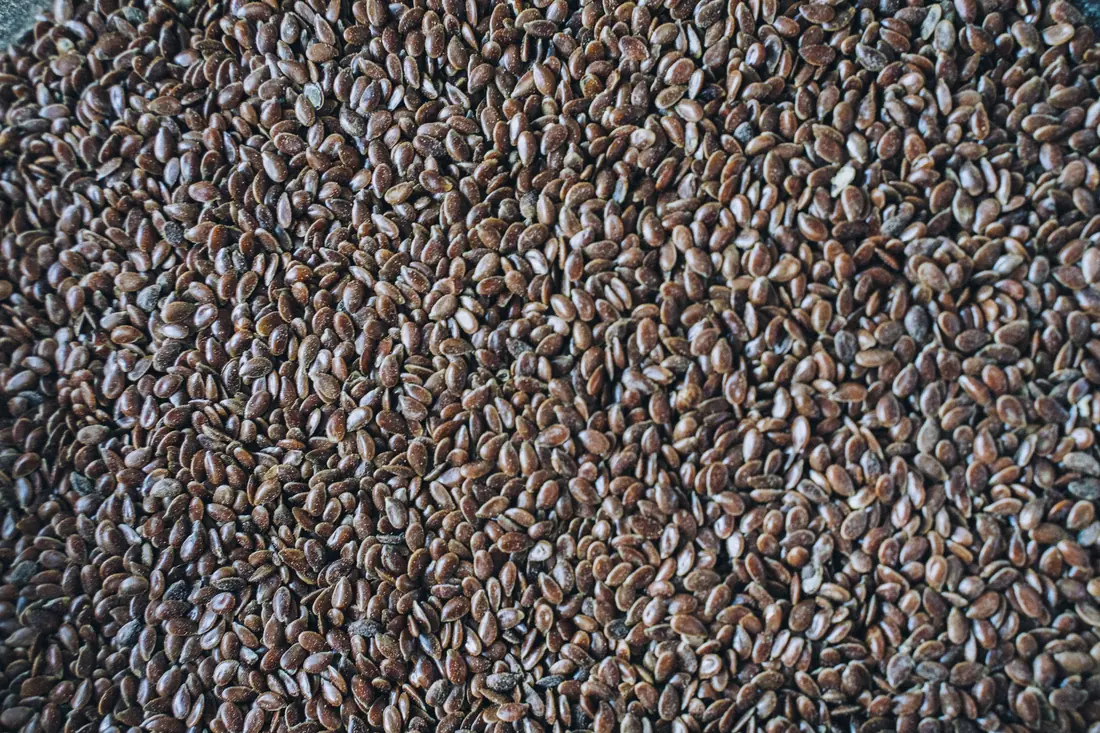
Sesame seeds, pressed. Britannica’s entry on sesame covers the crop – one of the oldest oilseeds under cultivation, grown for thousands of years across Africa and Asia, and unusually oil-rich.
For the toasted version the seeds are roasted before pressing, which is where the colour and the aroma both come from. It is the same transformation our piece on furikake describes for the seeds themselves: raw sesame is bland, toasted sesame is not.
Reading the bottle
Labels are not consistent, so the reliable test is the colour. Dark amber to deep brown means toasted; pale straw means plain. If a bottle is dark and the label says only sesame oil, treat it as toasted.
The other thing worth checking is whether it is blended. Some bottles are toasted sesame oil cut with a cheap neutral oil, which is not a scandal but does mean a milder product – if a recipe seems to need twice what it says, that is often why.
How much to use
Far less than instinct suggests. It is a finishing seasoning in the same category as truffle oil or a strong vinegar – measured in drops and teaspoons rather than tablespoons.
A common failure is a dish that tastes only of sesame, which is not a sign of a generous cook. Used correctly it should be difficult to name: the dish smells rounder and more savoury and you cannot immediately say why.
Why it is so strong
Sesame seeds are unusually oil-rich – roughly half their weight – so the oil is concentrated to begin with. Toasting then generates a large quantity of aromatic compounds through the same browning reactions that make toast smell like toast and coffee smell like coffee.
Pressing captures those compounds in a small volume of liquid. The result is one of the most aromatic cooking ingredients in any kitchen, which is why a teaspoon changes a dish and a tablespoon takes it over.
Where it belongs
- Over a finished stir fry – a few drops as it comes off the heat.
- In cold dressings – where the absence of heat is the point, and it does its best work.
- In a dipping sauce – with soy and vinegar, where it rounds the sharpness.
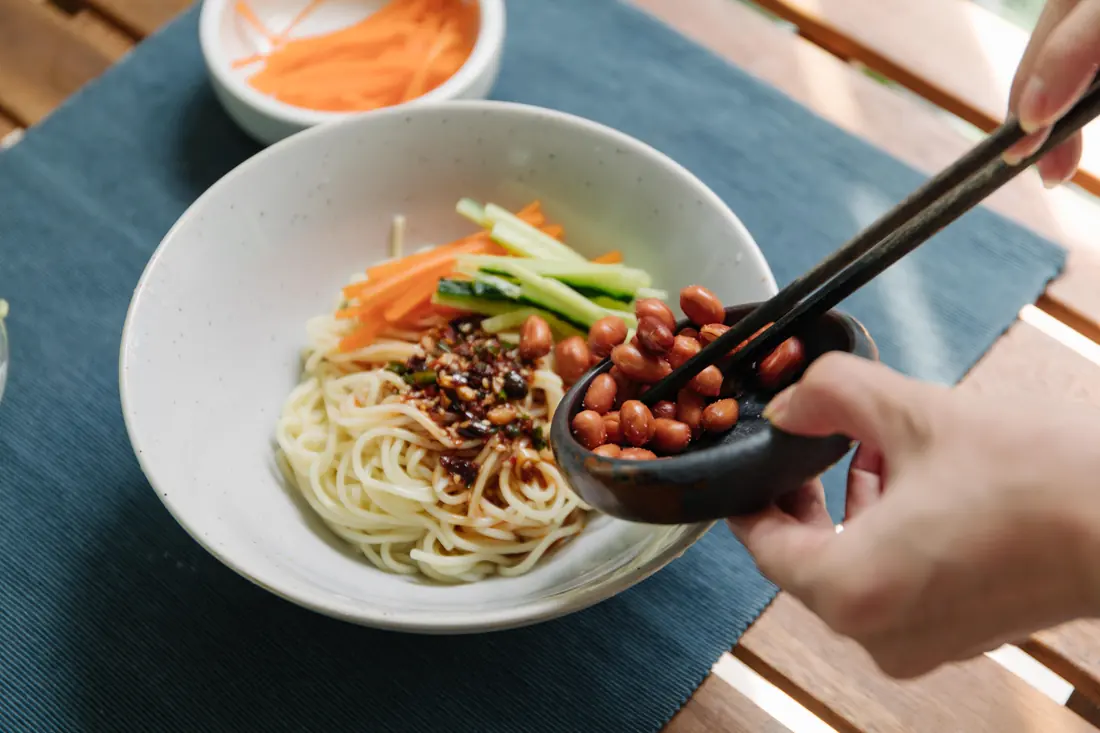
- Over noodles – hot or cold, tossed through at the end.
- Into soup at the table – a few drops on the surface of a bowl, where the aroma rises with the steam.
The pattern is that it always arrives last. Anywhere it goes in early, it is being wasted.
It is not the same as chilli oil
Both arrive in small bottles, both are added at the end, and they are constantly confused. Chilli oil is a neutral oil infused with chilli and aromatics, so it carries heat and often solids. Toasted sesame oil is the pressed oil of a toasted seed, and it carries aroma and nothing else.
They are also used differently. Our piece on chilli oil covers a condiment you spoon; this is one you drip. A teaspoon of chilli oil on a bowl is normal, and a teaspoon of sesame oil on the same bowl is too much.
Buying and keeping it
Buy a small bottle. It is used in tiny quantities, and it goes rancid faster than most oils because the toasting that makes it aromatic also makes it less stable.
Keep it dark and cool, and refrigerate it if you use it rarely – it may cloud in the fridge, which is harmless and clears at room temperature. The test is the smell: fresh oil smells of toasted nuts, and oil that has gone smells sharp and faintly of paint.
Where it turns up without being named
Once you know the smell it becomes recognisable across a menu, usually as the thing you could not identify. It is in most dipping sauces, in the dressing on cold noodle dishes, in a great many marinades, and in the seasoning of seaweed salad.
It is also the reason a lot of home versions of restaurant dishes taste almost right and not quite. A stir fry can have the correct ingredients, the correct sauce and the correct technique, and still be missing the few drops added off the heat at the end.
A note on white and black sesame oil
Almost all sesame oil is pressed from white seeds. Oil from black sesame exists, is darker still and considerably more expensive, and is used as a finishing oil in its own right rather than as an everyday bottle.
If you find one, treat it the way you would a good olive oil – on something plain enough to taste it, and never near heat. It is not a substitute for the standard bottle so much as a different ingredient that happens to share a name.
Substituting it
Nothing really replaces the toasted kind. Tahini thinned with a neutral oil gets part of the way, since it is also ground sesame, but it is much milder and adds body the oil does not.
A plain oil plus a scatter of toasted seeds is closer in effect than plain sesame oil is, which tells you something about where the flavour actually lives. It is in the toasting, not the seed.
For the other seasonings that arrive at the end, the chilli oil explainer covers the other oil on the same table, the furikake piece covers toasted sesame in its dry form, and the seaweed salad guide covers a dish built on it. The current selection is on the ordering page.
Frequently Asked Questions
What is sesame oil?
Oil pressed from sesame seeds. It is sold in two forms: a dark toasted oil used as a seasoning, and a pale plain oil used for cooking.
Can you cook with sesame oil?
With the plain pale kind, yes. The dark toasted kind loses its aroma and turns bitter when heated, so it is added at the end.
Why is my dish too strong with sesame oil?
Almost certainly too much. It is a finishing seasoning measured in drops and teaspoons, not a cooking fat.
What is the difference between toasted and plain sesame oil?
Toasted is pressed from roasted seeds and is dark and intensely nutty. Plain is pressed from raw seeds and is pale and close to neutral.
How long does sesame oil keep?
Less than most oils, because the toasting makes it less stable. Buy small bottles, keep it dark and cool, and check that it smells of toasted nuts rather than sharp.