
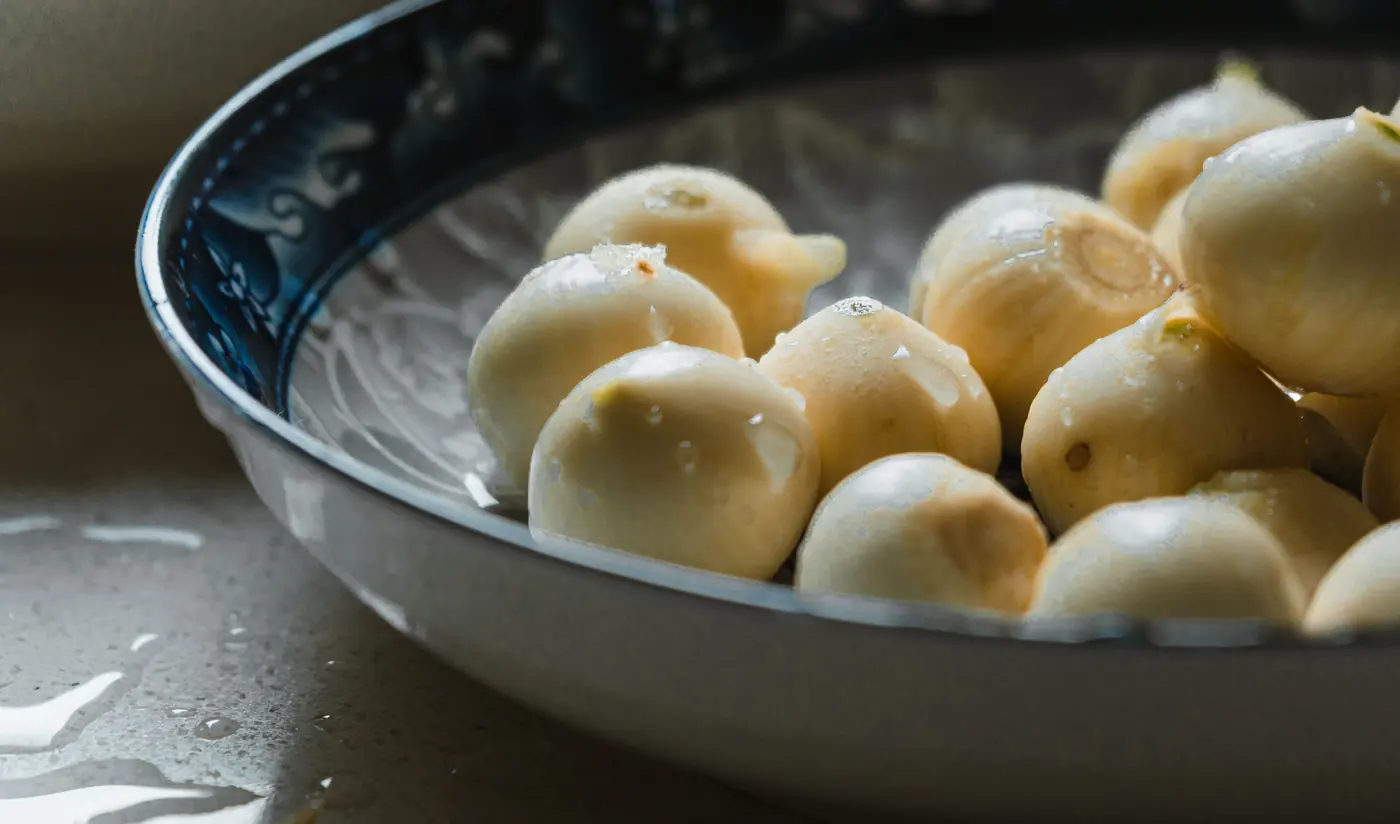
Pale, round, sliced into discs, and still crunchy at the end of a dish where everything else has gone soft. They are in a great many stir fries and fillings, and almost nothing about the name is accurate.
Not a nut, and not a chestnut
A water chestnut is the corm of an aquatic sedge – a swollen underground stem, like a small bulb – grown in flooded fields and paddies across China and Southeast Asia. It is a vegetable, and it is not related to the chestnut you roast.
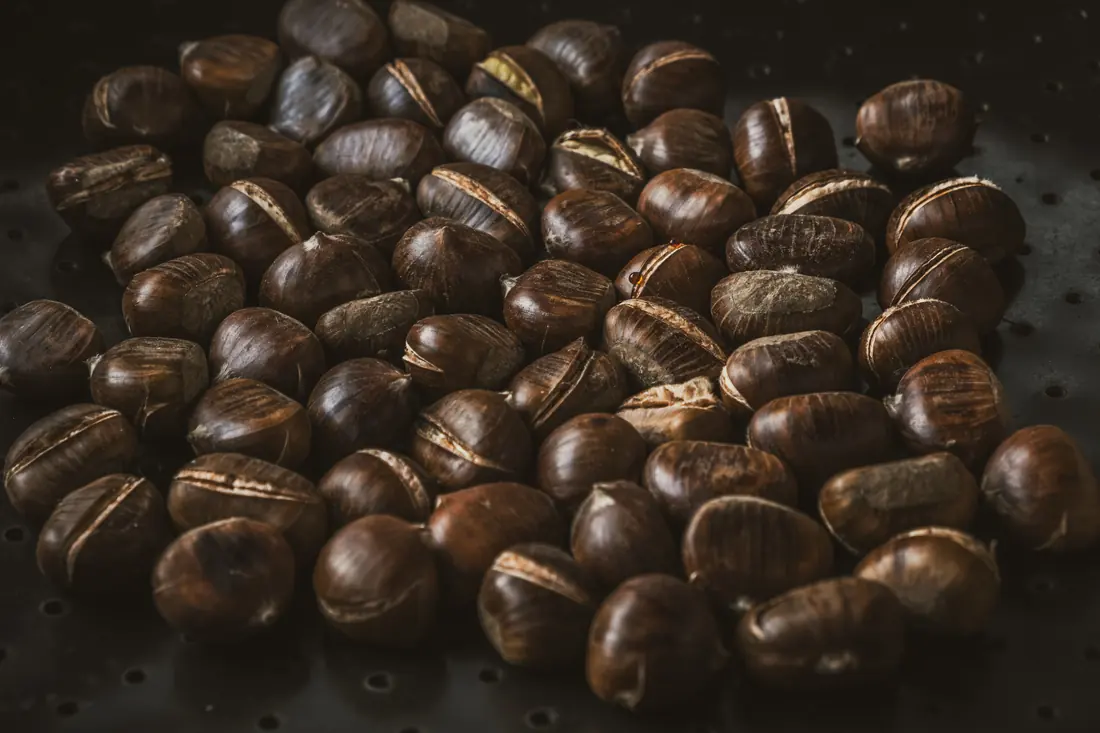
Britannica’s entry on the Chinese water chestnut covers the plant, which looks like a clump of reeds above the water with the corms buried in mud below.
The confusion is the fault of the outside. Raw, they wear a dark brown skin with a papery look that resembles a nut closely enough to have named them. Peel one and there is nothing nut-like about it at all – it is white, wet and crisp.
What they taste like
Very mild, faintly sweet, and closest to a slightly under-ripe apple or a raw jicama. Almost no flavour of their own in a seasoned dish.
Which means, as with several ingredients on the same menu, they are there for texture. What makes them worth a dedicated place is that the texture survives anything.
Why they stay crunchy
This is the genuinely interesting part, and it is unusual enough to be worth stating plainly: most vegetables soften when heated because the pectin holding their cell walls together breaks down. Water chestnuts largely do not.
Their cell walls are reinforced with phenolic compounds that cross-link the structure and are stable at cooking temperatures. The scaffolding survives the heat, so the crunch survives with it – through boiling, through stir frying, and through being cooked twice inside a dumpling.
It is the same property that makes them useful raw, canned, and in dishes that get reheated. Very few vegetables can be treated that carelessly and still contribute something.
Why they are in so much Western Chinese food
They travelled well before almost anything else did. A canned vegetable that keeps for years, needs no preparation and survives any amount of cooking was exactly what a mid-century restaurant kitchen outside Asia could actually get hold of.
So water chestnuts became a fixture of Chinese-American and Chinese-British cooking at a point when fresh Asian vegetables were essentially unavailable, and they stayed after the supply problem was solved. If a dish seems to contain them for no clear reason, that history is usually the reason.
Where they grow
In shallow standing water, planted into flooded fields and harvested by digging the corms out of the mud once the water is drained.

That is the same agricultural pattern as rice and lotus, which is why the three turn up in the same regional cooking – our piece on lotus root covers another crop grown in exactly this way and used for exactly the same reason.
They are also eaten raw
Worth saying, because almost nothing else on an Asian menu that arrives cooked is also good raw. Peeled fresh water chestnuts are crisp, juicy and sweet enough to eat out of hand, and they are sold as street snacks in parts of southern China.
Raw is where the sweetness is most obvious. Cooking does not destroy the texture, but it does flatten the flavour, which is why a fresh one eaten plain surprises people who only know them from a stir fry.
Fresh and canned are different ingredients
| Fresh | Canned | |
|---|---|---|
| Skin | Dark brown, must be peeled | Already peeled |
| Taste | Noticeably sweet, juicy | Faint, sometimes slightly tinny |
| Crunch | Excellent | Still good – the reason to use them |
| Effort | Peeling is fiddly | Drain and rinse |
| Availability | Seasonal, specialist shops | Everywhere, year round |
The gap is smaller here than for most vegetables, precisely because the thing you are buying them for is the thing that survives canning. Rinse them well – the packing liquid carries most of the tinny note people complain about.
Where you meet them
More often than you would guess, usually diced small and doing a job you notice without identifying.
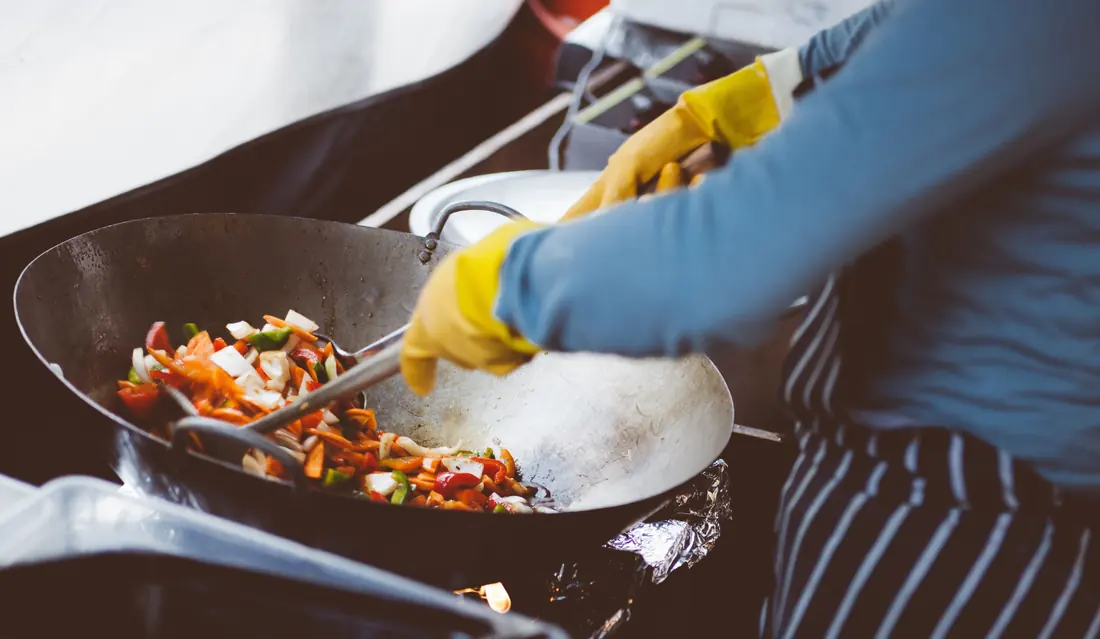
- In stir fries – sliced into discs, added late, providing the bite against soft vegetables and meat.
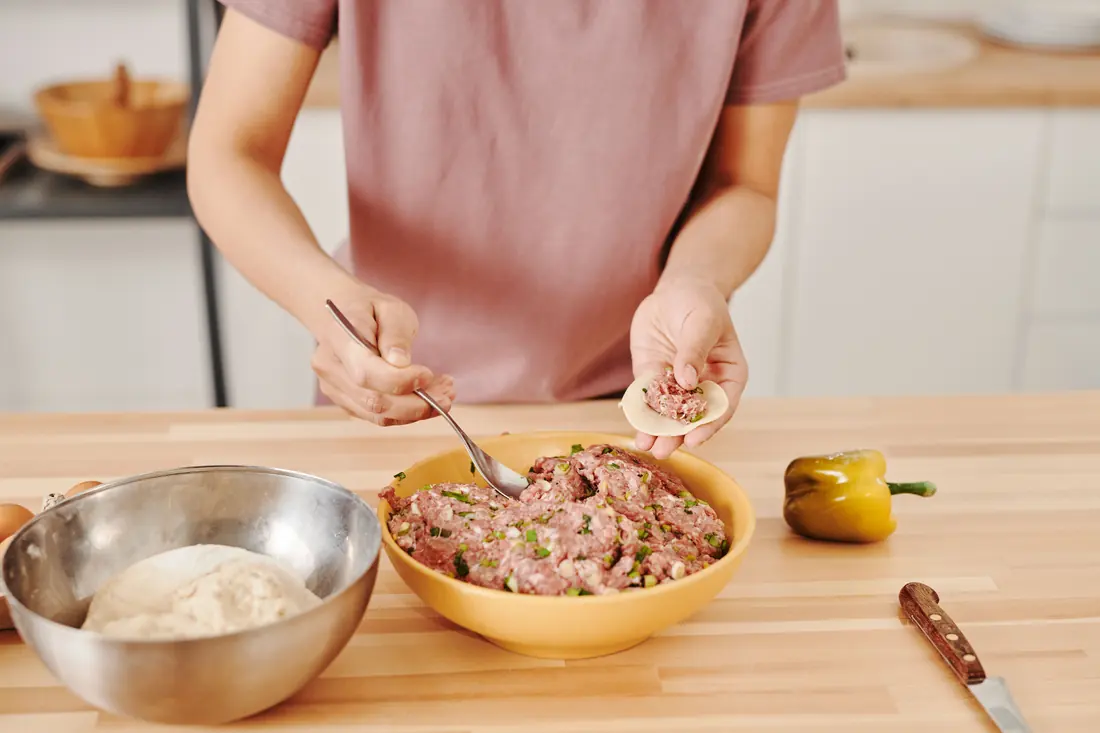
- In dumpling and spring roll fillings – diced fine, keeping a filling from turning into a uniform paste.
- Wrapped in bacon – the retro party canapé, which is a genuine use of the same property.
- In sweet soups – in Chinese cooking they turn up in dessert soups, where the sweetness is the point.
There is another water chestnut, and it is not this
Confusingly, the name is also used for the water caltrop – a different aquatic plant producing a hard, dark, horned seed that looks a little like a bat, sold in Chinese markets and boiled before eating.
They are unrelated. The one in your stir fry is the round white corm; the caltrop is the spiky black thing you may have noticed in a market bin and wondered about. If a recipe calls for water chestnuts and you come home with something that looks aggressive, you have the wrong one.
Buying fresh ones
Worth doing once if you find them, because the difference in sweetness is substantial and does not survive canning.
- Firm all over. Any soft patch means it has started to go, and it goes from the inside out.
- Heavy for its size. A light corm has dried out and will be woolly.
- Unwrinkled skin. Wrinkling is moisture loss.
- Muddy is fine. They are dug out of a flooded field, and a washed one keeps for less time.
Unpeeled they keep a week or two in the fridge. Peeled, they need to sit in cold water and be used within a couple of days.
Why they are almost always sliced thin
A whole water chestnut is a dense, wet mouthful and not especially pleasant. Sliced into discs or diced small, the same texture becomes a series of small interruptions against everything softer around it, which is the effect the ingredient is for.
It is the opposite of how most vegetables are cut, where size is about cooking time. Here it makes no difference to the cooking at all – the cut is purely about how often you meet one.
Preparing them
- For fresh: scrub off the mud, then peel with a small knife rather than a peeler – the skin is tough and the corm is small.
- Keep peeled ones in cold water until you use them, as the cut surfaces discolour.
- For canned: drain, rinse thoroughly, and taste one before deciding how to use it.
- Slice across into discs for stir fries, or dice small for fillings.
- Add them near the end of cooking – not because they will soften, but because there is nothing to gain from longer.
For the other things that hold their texture, the bamboo shoots piece covers the other vegetable that refuses to soften, the lotus root explainer covers the one grown the same way, and the bok choy guide covers the green that does the opposite. The current selection is on the ordering page.
Frequently Asked Questions
What are water chestnuts?
The corms – swollen underground stems – of an aquatic sedge grown in flooded fields across China and Southeast Asia. They are a vegetable, not a nut.
Are water chestnuts actually nuts?
No. The name comes from the dark brown skin, which looks nut-like. Peeled, they are white, wet and crisp.
Why do water chestnuts stay crunchy when cooked?
Their cell walls are reinforced with heat-stable compounds that survive cooking temperatures, so the structure holds where other vegetables collapse.
What do water chestnuts taste like?
Very mild and faintly sweet – closest to an under-ripe apple. They are used for texture rather than flavour.
Are canned water chestnuts as good as fresh?
For texture, close to it, since the crunch is what survives canning. Fresh are sweeter and juicier but need peeling and are harder to find.