
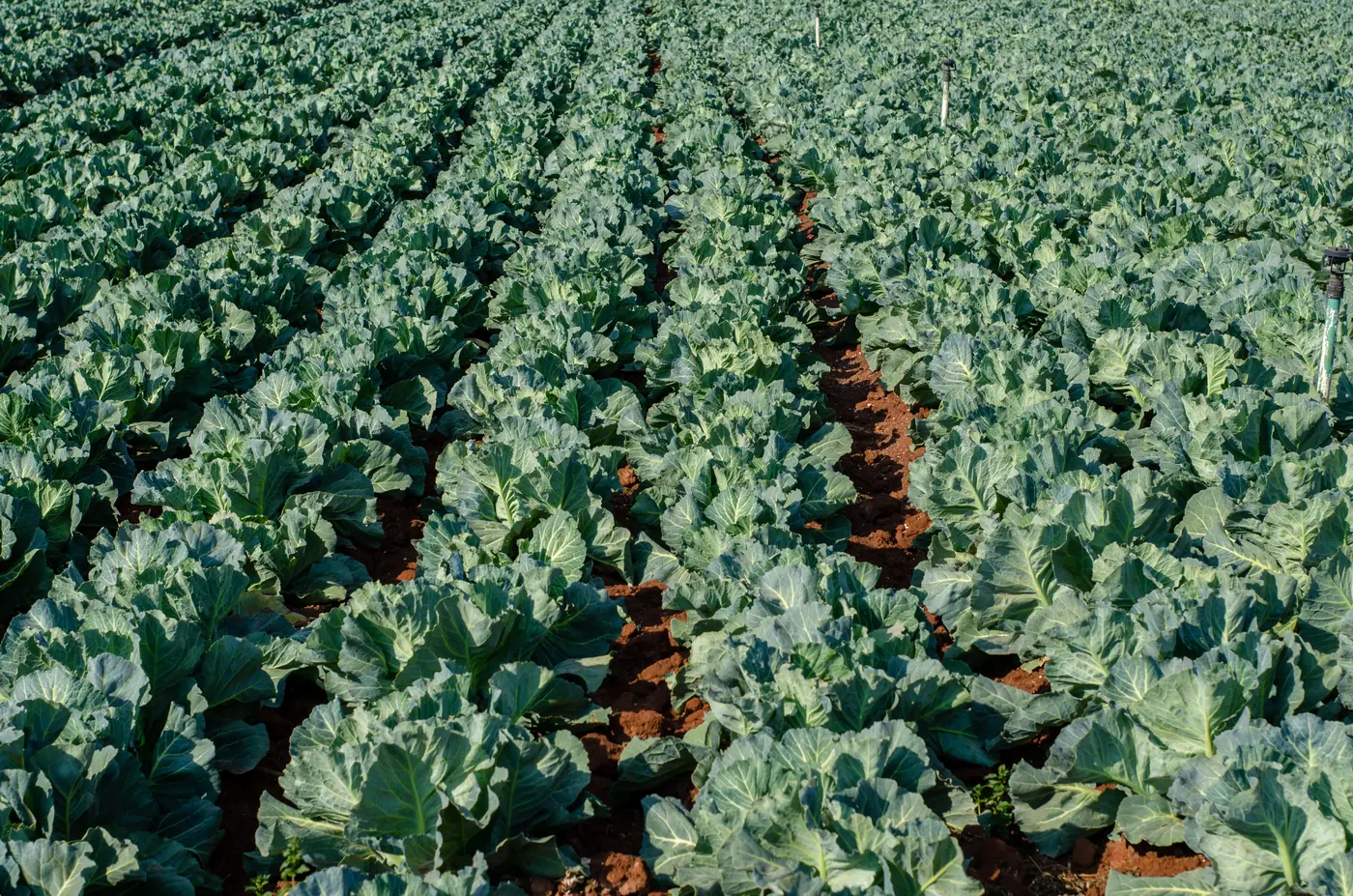
Pale, tightly furled, and about the size of a rugby ball. It goes into a great many soups and hot pots and is almost never named on the menu, which is why most people have eaten a lot of it without ever learning what it was.
What it is
Napa cabbage is a Chinese cabbage – the same family as bok choy, but a different shape and a different job. Where bok choy grows as a loose bunch of separate stems, napa forms a dense oblong head of overlapping leaves, pale yellow at the centre and pale green at the edges.
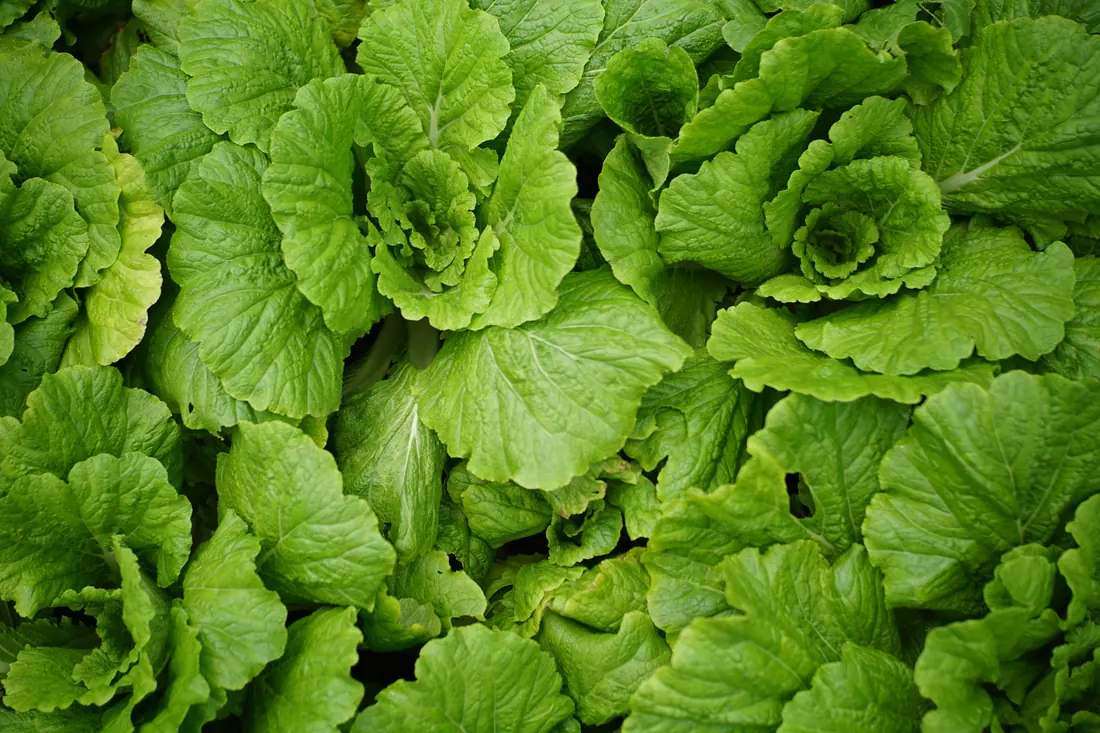
Britannica’s entry on Chinese cabbage covers how the group divides, which is worth knowing because the names are a mess. The same vegetable is sold as napa, Chinese leaf, celery cabbage, wombok, hakusai and siu choy depending on where you are standing.
What it tastes like
Mild and faintly sweet, with none of the sulphurous edge a European cabbage has. Raw, it is crisp and watery and closer to a lettuce than to a cabbage. Cooked, it turns silky and sweeter still.
The sweetness is the reason it works in a broth. It gives something back to the liquid rather than only taking seasoning from it, which is not true of most vegetables added late to a soup.
The name is a small mess
Napa is not a place. The word comes from the Japanese nappa, which simply means leafy greens – so a vegetable sold in America under a Japanese generic term for vegetables in general, having arrived from China, is doing a lot of work in one syllable.
British supermarkets call it Chinese leaf, Australians call it wombok, Japanese kitchens call it hakusai and Cantonese ones siu choy. All of these are the same vegetable, which matters if you are following a recipe written somewhere else and cannot find the ingredient.
The whole head is usable
Nothing on a napa cabbage needs throwing away, which is unusual. The outer leaves are tougher and are the ones to cook longest; the pale inner leaves are tender enough to eat raw; the dense core at the base is sweet and crunchy and is usually discarded by people who have not tried it.
The core is worth a mention on its own. Sliced thinly across the grain it is closer to a crisp apple than to a cabbage, and it holds up in a salad long after leaves would have gone limp.
Why it vanishes into a soup
Napa is mostly water held in thin leaves and a thick central rib, and the leaf portion is very thin indeed. Heat collapses it almost immediately – a head that filled a chopping board reduces to a fraction of the volume in a couple of minutes.
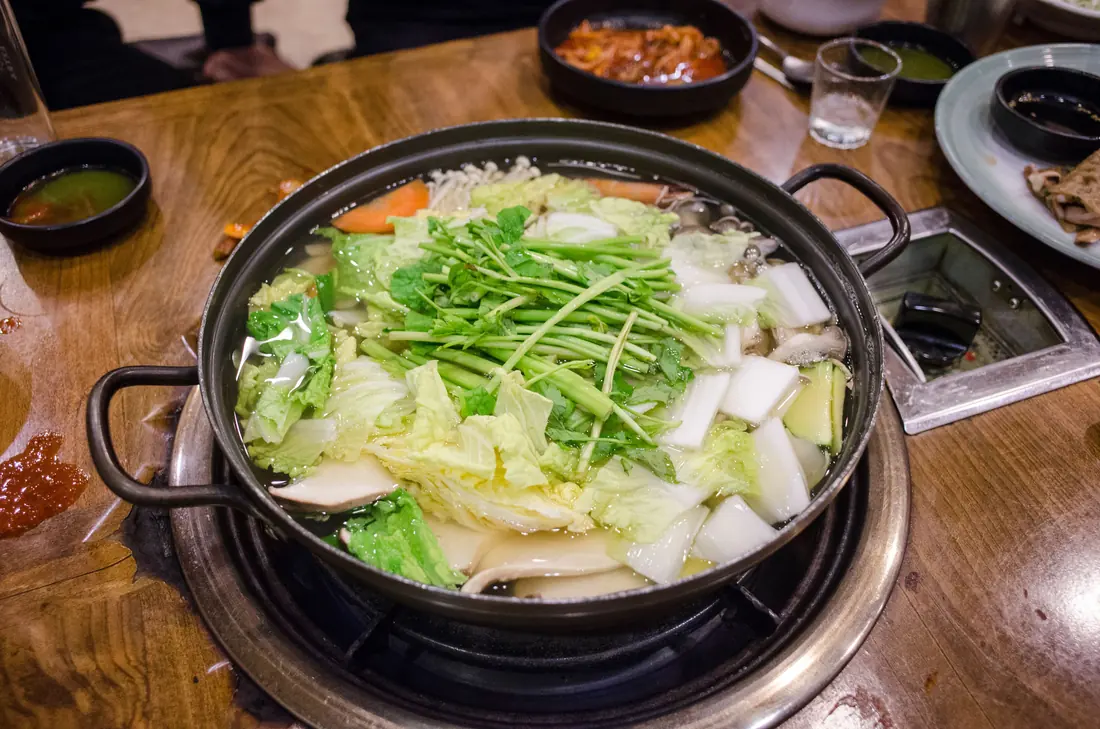
That collapse is the point rather than a fault. It is what lets a hot pot take an enormous quantity of vegetable without the bowl overflowing, and it is why the cabbage ends up tasting of the broth while the broth ends up tasting sweeter.
The ribs are the part that holds on. They stay crisp noticeably longer than the leaves, which is why the two are often cut differently – ribs sliced thin and added early, leaf torn into large pieces and added at the end. Our guide to bok choy covers the same problem in a vegetable built the other way round.
The pickle connection
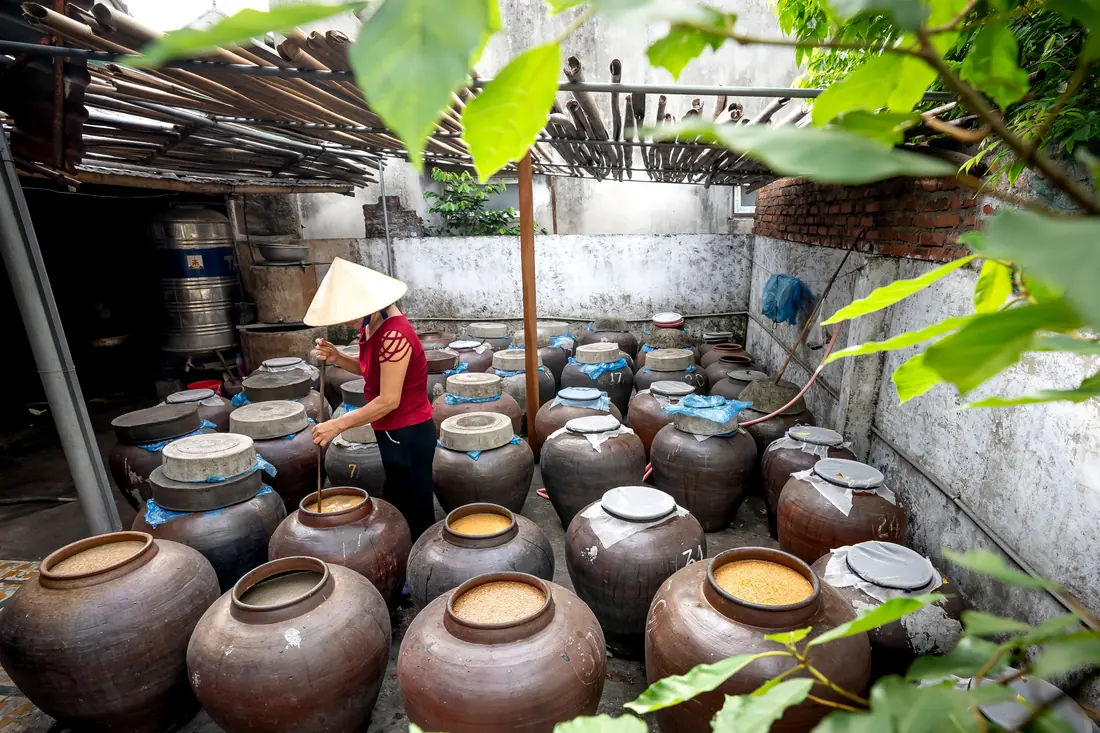
Napa cabbage is the base of a very large share of the preserved vegetables in East Asian cooking, and this is not a coincidence. The high water content, the thin leaves and the mild flavour all suit salting and fermenting.
- Kimchi – the best known, salted then seasoned and left to ferment.
- Suan cai – the Chinese sour pickle, plainer and more acidic.
- Hakusai tsukemono – the Japanese version, usually lightly salted and eaten within days rather than aged.
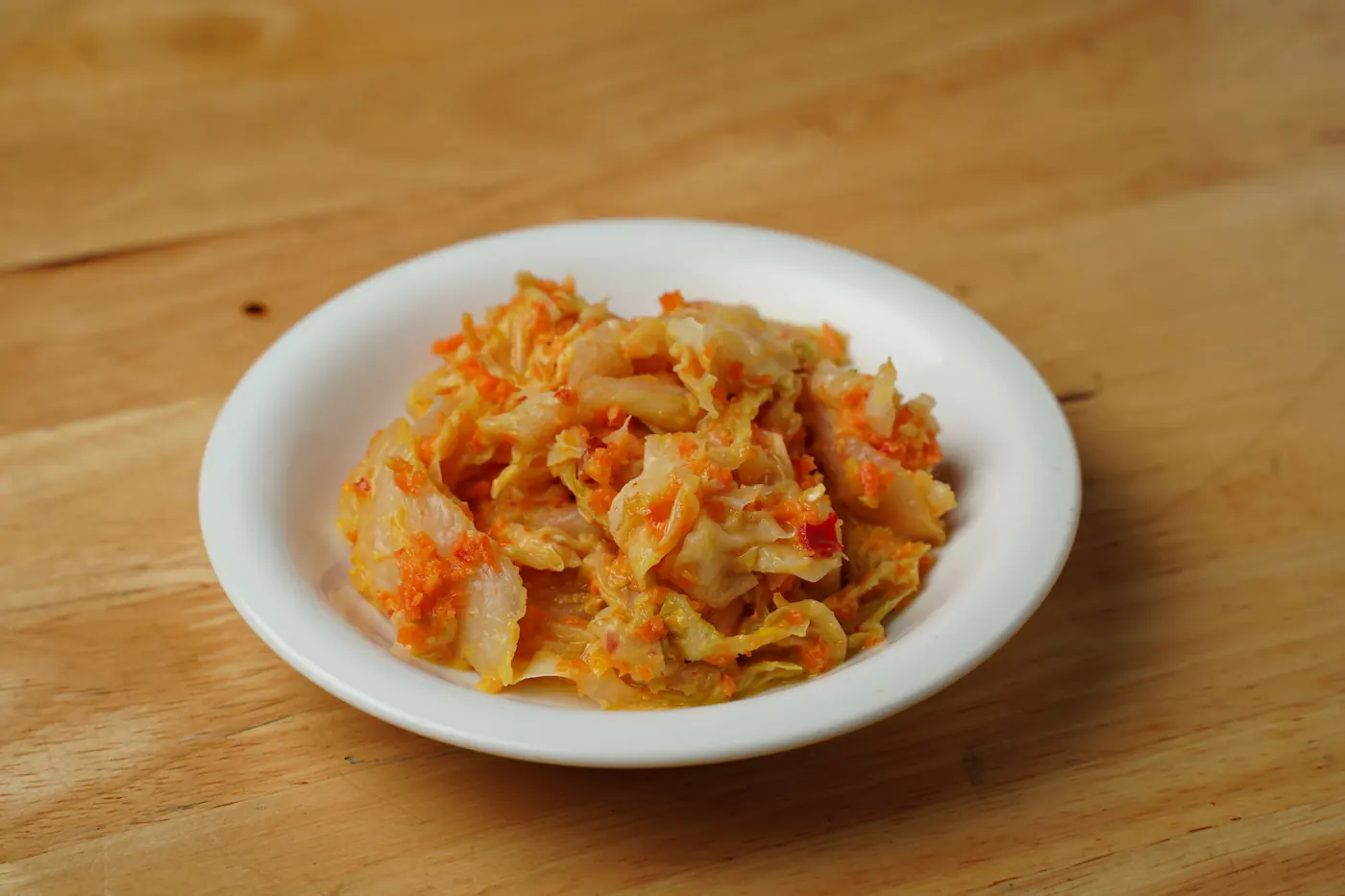
All three start the same way: salt the leaves, wait, press out the water. What follows differs, but the first step is always drawing water out of a vegetable that has a great deal of it.
Raw, it behaves like a salad leaf
The pale inner leaves are crisp, sweet and mild enough that they work raw in ways a European cabbage does not. Shredded fine they make a slaw that is lighter and less assertive than the standard version; left as whole leaves they make a sturdy wrap for something grilled.
The catch is water. A raw napa salad dressed in advance floods, because the salt in the dressing pulls liquid out of the leaves within minutes. Dress it at the table, or salt it deliberately, drain it and treat the wilting as the point – which is precisely what the pickling traditions do.
How it compares to the cabbages near it
| Shape | Raw taste | Cooked behaviour | |
|---|---|---|---|
| Napa cabbage | Dense oblong head | Mild, sweet, watery | Collapses fast, turns silky |
| Green cabbage | Tight round head | Peppery, sulphurous | Holds shape, needs longer |
| Bok choy | Loose bunch of stems | Fresh, faintly bitter | Stems stay crisp |
| Savoy | Crinkled round head | Earthy | Holds shape, softens slowly |
The second row is the useful contrast. Substituting green cabbage into a dish built for napa gives you something that is still crunchy when the rest of the bowl is ready, and tastes of a different vegetable entirely.
Buying and keeping it
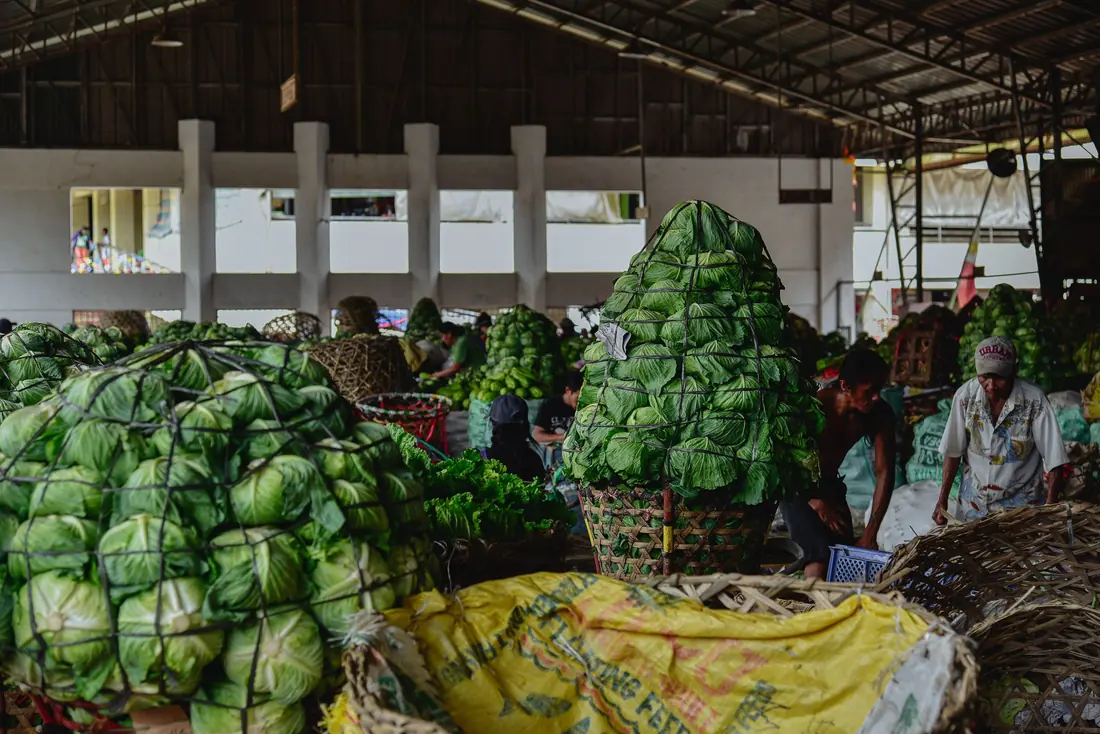
- Weight is the test. A good head feels heavy for its size, which means it is dense rather than airy.
- Check the base. The cut end browns first; a dark or dried base means it has been sitting.
- Avoid split heads. Leaves pulling away from the centre mean it is past its best, even if the outside looks fine.
- Keep it whole. Wrapped loosely and refrigerated it holds for a couple of weeks; cut, it goes limp within days.
Cooking it at home
The main mistake is treating it like a European cabbage. It does not need boiling, it does not need long cooking, and it will turn to nothing if given either.
- Cut the head in half lengthways and slice out the dense core.
- Separate the thick ribs from the leafy tops – they are two different ingredients.
- Add the ribs first and give them a couple of minutes.
- Add the leaves at the very end, and take the pan off the heat as they wilt.
- Season after cooking, not before – the cabbage releases water and will dilute what you added.
For a soup, the same logic in reverse: the leaves go in as the bowl is assembled rather than into the simmering pot, and the residual heat finishes them.
For the other vegetables in the same bowl, the bok choy explainer covers the green with two textures, the bamboo shoots piece covers the one that refuses to soften, and the soup comparison covers the broths they turn up in. The current selection is on the ordering page.
Frequently Asked Questions
What is napa cabbage?
A Chinese cabbage that grows as a dense oblong head of pale, tightly furled leaves. It is also sold as Chinese leaf, wombok, hakusai and celery cabbage.
What does napa cabbage taste like?
Mild and faintly sweet, without the sulphurous edge of a European cabbage. Crisp and watery raw; silky and sweeter once cooked.
Is napa cabbage the same as bok choy?
No, though they are related. Napa forms a dense head of overlapping leaves; bok choy grows as a loose bunch of separate thick stems.
Why does napa cabbage shrink so much when cooked?
It is mostly water held in very thin leaves, so heat collapses it within a couple of minutes. The thicker ribs hold their shape much longer.
Can I substitute green cabbage for napa?
Not directly. Green cabbage is firmer, more strongly flavoured and needs far longer, so it will still be crunchy when the rest of the dish is done.