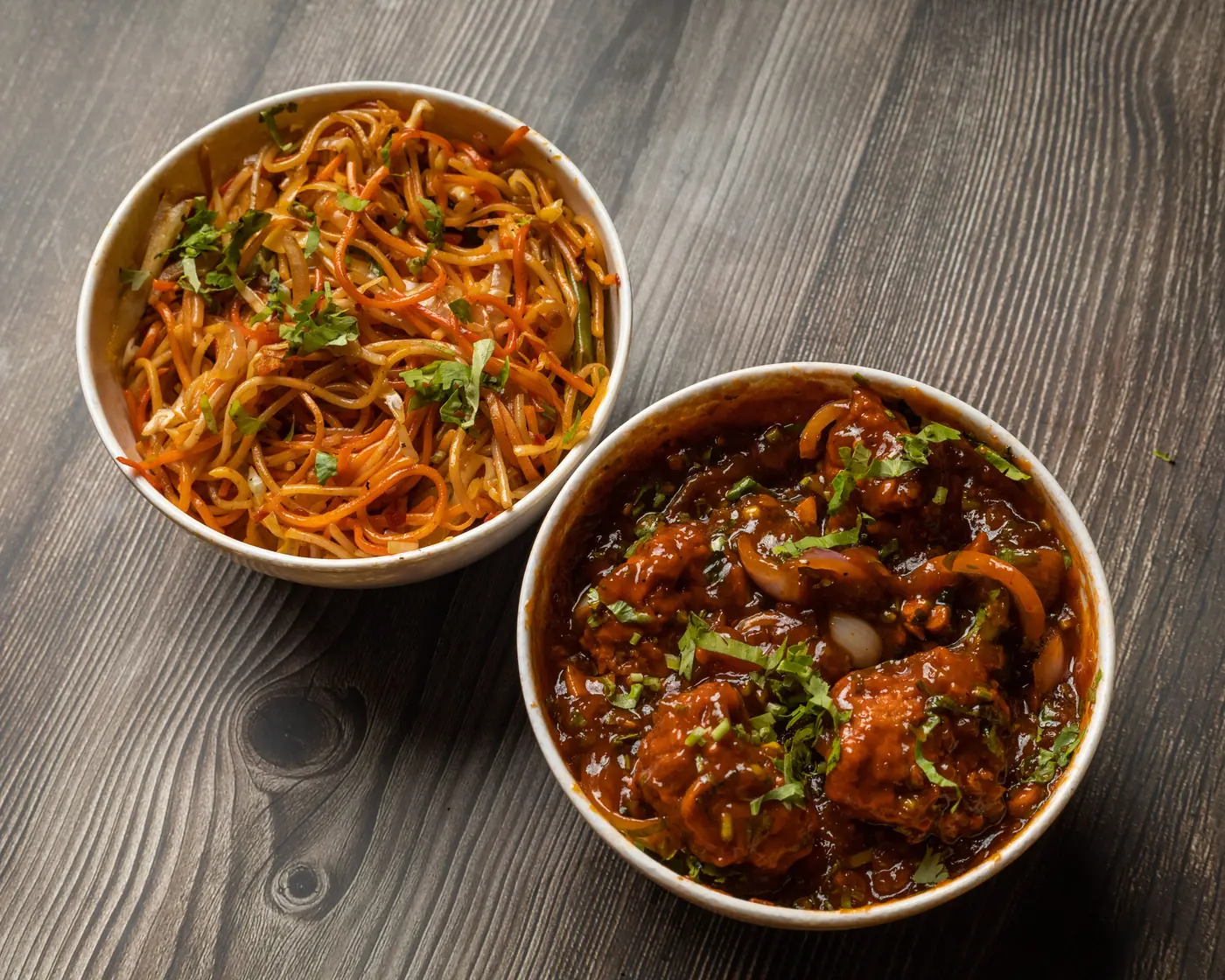
Two noodles that look broadly similar in a packet and behave nothing alike in a bowl. Swapping one for the other is the most common reason a home version of a restaurant dish comes out wrong.
The short answer
Rice noodles are rice flour and water. Egg noodles are wheat flour and egg. That single difference decides the colour, the bite, and – most importantly – what happens when they sit in liquid.
What they are made of
| Rice noodles | Egg noodles | |
|---|---|---|
| Flour | Rice | Wheat |
| Binder | Water only | Egg |
| Raw colour | Chalky white, translucent | Pale to deep yellow |
| Gluten | None | Yes – the wheat provides it |
| Texture cooked | Soft, slippery, tender | Springy, chewy, firm |
| In hot liquid | Keeps absorbing and softening | Holds its bite far longer |
Britannica’s entry on the noodle covers how wide the category is – and the last row of that table is the practical heart of it.
Why the gluten matters
Wheat flour mixed with liquid forms gluten, an elastic protein network that gives a noodle structure. That structure resists water, which is why an egg noodle can sit in a hot bowl for ten minutes and still have bite.
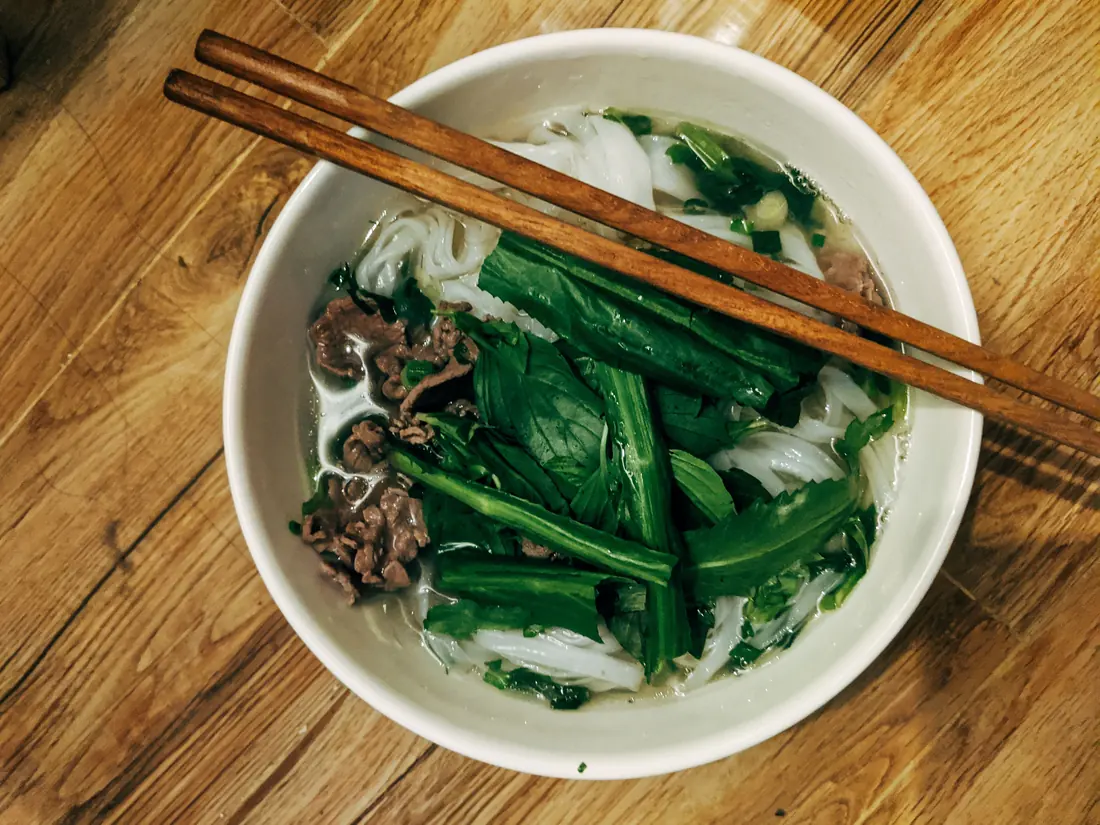
Rice has no gluten. A rice noodle is held together by gelatinised starch alone, and starch keeps absorbing water for as long as it is in contact with it. A rice noodle in broth is on a clock from the moment it is served.
Which is why they belong in different bowls
This is the useful conclusion. Rice noodles suit dishes eaten promptly, where the broth is poured over at the last moment and the bowl is finished while it is hot – which is exactly how pho is built and served.
Egg noodles suit dishes that are tossed, fried, or expected to hold – anything that sits under sauce, travels, or gets stirred repeatedly. Our comparison of yaki soba and lo mein covers two dishes that both rely on that resilience.
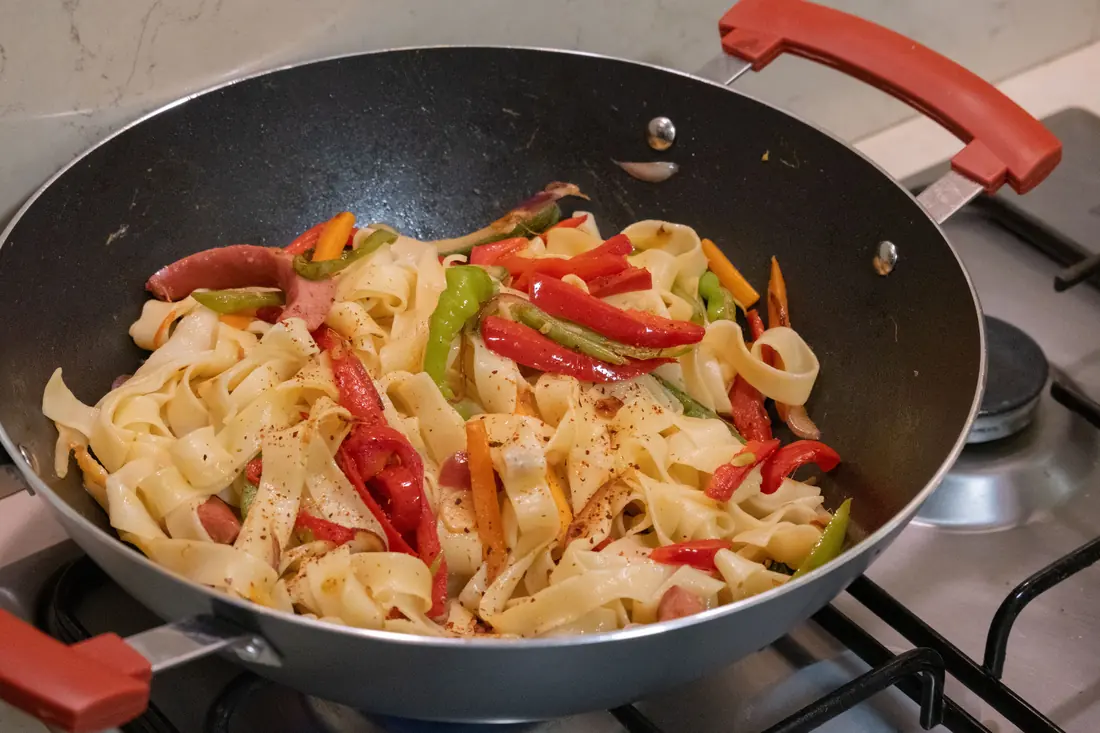
Width changes the dish as much as the flour
Both come in a range of widths, and the width is not decoration. A wide flat rice noodle carries sauce on its surface and suits a dish where the sauce is the point; a thin one disappears into broth and lets everything else be tasted.
The same is true of wheat. A thin egg noodle in a rich sauce is overwhelmed, and a thick one in a delicate broth turns the bowl into a stodge. If a recipe specifies a width, it is generally a more important instruction than the brand.
Cooking them is not the same either
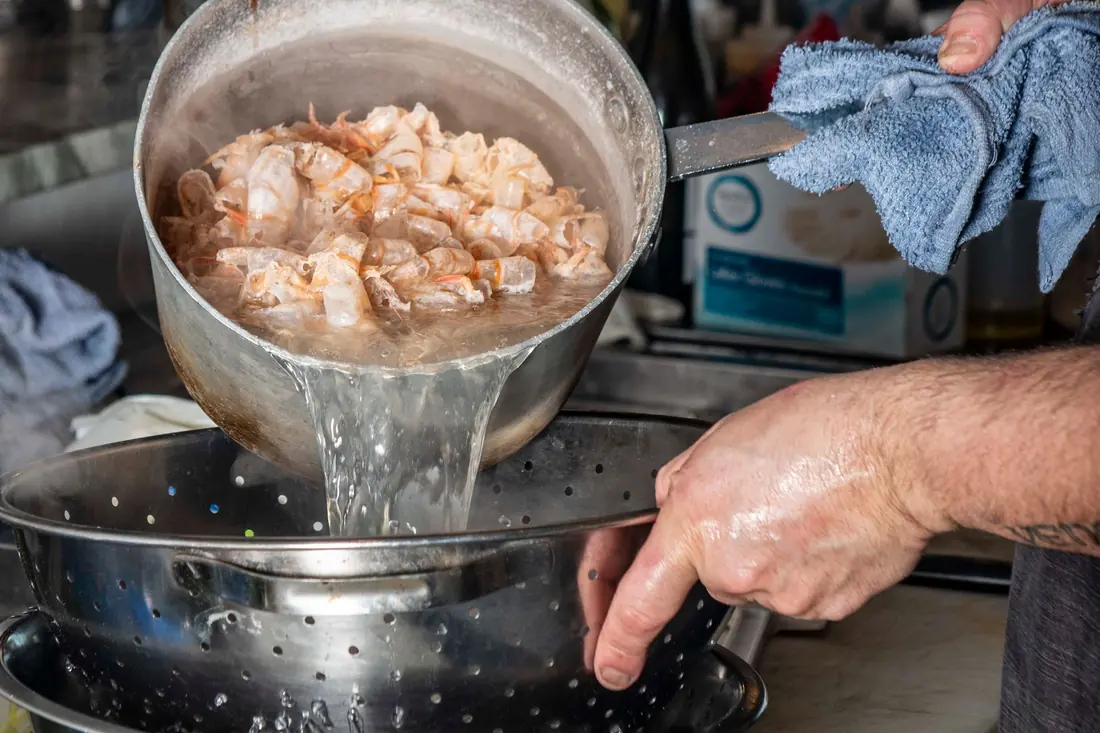
Rice noodles mostly want soaking rather than boiling. Dried flat rice noodles go into hot water off the heat until pliable, and finish cooking in the dish – boiled hard, they turn to paste with very little warning.
Egg noodles want a proper rolling boil and a short time in it, then draining and often rinsing. They are far more forgiving of a minute either way.
- Read the packet, then treat its timing as an upper limit rather than a target.
- For rice noodles, take them out while they still feel slightly firm – the dish will finish them.
- For egg noodles, taste one a minute before you think they are done.
- Rinse egg noodles if they are going into a stir fry, to stop them gluing together.
- Do not rinse either if they are going straight into broth, since the surface starch helps the liquid cling.
Why one goes cloudy and the other does not
A practical tell at the table. Rice noodles shed starch into whatever they sit in, which is why a bowl of rice noodle soup slowly thickens and clouds as you eat it.
Egg noodles shed far less, because the gluten holds the starch in place. A clear broth stays clear, which is why kitchens serving a carefully made consommé-style soup reach for wheat rather than rice.
It also explains why rice noodles are usually cooked separately and added to the bowl, while egg noodles are sometimes cooked in the soup itself. Doing that with rice noodles turns the broth to starch within minutes.
Substituting one for the other
Possible, but it changes the dish rather than approximating it. Rice noodles in a stir fry break up under tossing; egg noodles in a delicate broth taste heavy and make the soup cloudy.
If you must substitute, the safer direction is egg noodles into a dish that wanted rice noodles – the result is sturdier than intended rather than falling apart, which is the more recoverable failure.
Colour is not a reliable guide to egg
A yellow noodle is not proof of egg. Many Chinese wheat noodles get their colour and their springiness from alkaline salts rather than from egg, and some egg noodles are surprisingly pale.
The alkaline ones behave much like egg noodles for cooking purposes – firm, springy, resistant to broth – so the distinction matters more for anyone avoiding egg than for anyone deciding how to cook them. The packet ingredient list is the only real answer.
The others you will meet
The two here are not the whole family, and two more turn up constantly.
- Glass noodles – made from bean starch rather than any flour, transparent when cooked, and hungrier for liquid than either of these. Our piece on glass noodles covers them.
- Wheat noodles without egg – plain flour and water, common across Chinese cooking, and behaving much like egg noodles with a slightly softer bite.
Fresh and dried behave differently again
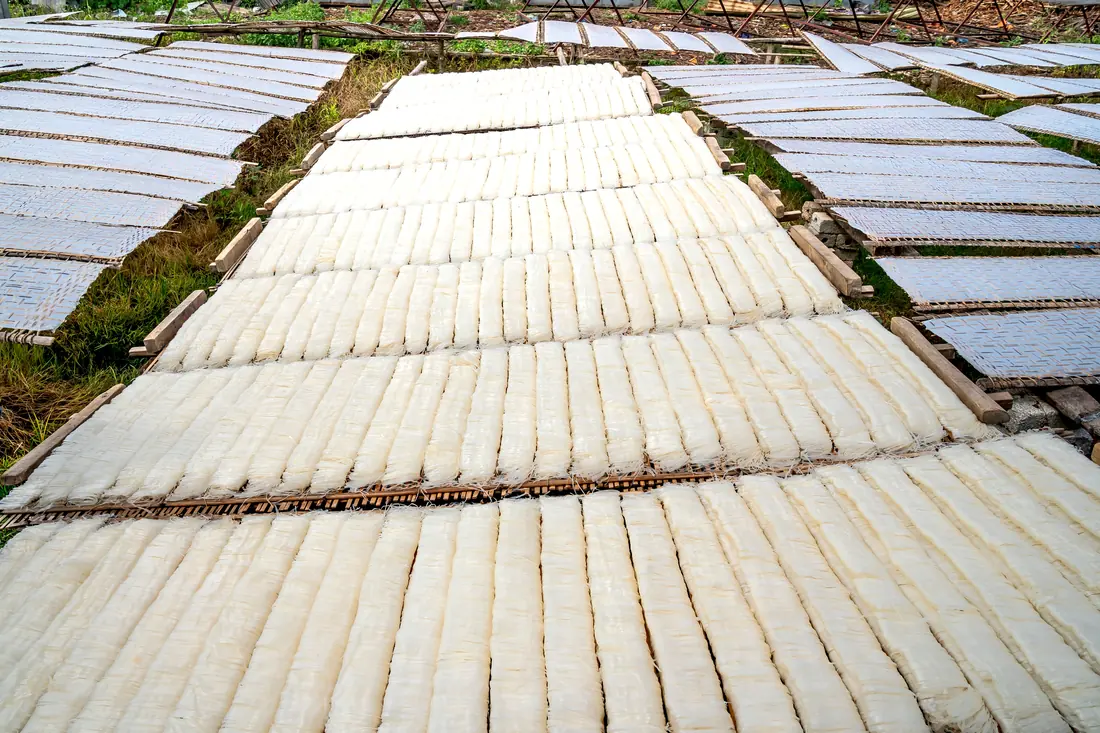
Both are sold fresh and dried, and the fresh versions cook in a fraction of the time – a minute or less for fresh egg noodles, and sometimes only a rinse in hot water for fresh rice noodles, which are often sold already soft.
Fresh rice noodles are the ones worth seeking out and the hardest to store: they harden in a fridge and have to be loosened in warm water before use, and they do not keep for more than a couple of days. Dried is the sensible default for a home kitchen, which is not a compromise so much as a different ingredient.
Reading a menu
A menu rarely names the flour, so the dish is the clue. Anything described as a clear soup with herbs is likely rice noodles; anything fried, tossed, or served with a thick sauce is likely wheat.
Texture in the mouth is the other tell, and it is unmistakable once you have noticed it. A rice noodle gives way immediately and slips; an egg noodle pushes back and has to be bitten through.
The colour on the plate settles it. Bright white and translucent means rice; yellow means egg or alkaline wheat noodles.
For the rest of the noodle menu, the glass noodle explainer covers the third kind, the yaki soba comparison covers two wheat noodle dishes, and the pho guide covers the rice noodle bowl. The current selection is on the ordering page.
Frequently Asked Questions
What is the difference between rice noodles and egg noodles?
Rice noodles are rice flour and water; egg noodles are wheat flour and egg. The wheat provides gluten, which is why egg noodles hold their bite in liquid.
Can I substitute rice noodles for egg noodles?
It changes the dish rather than approximating it. Rice noodles break up when tossed; egg noodles make a delicate broth heavy and cloudy.
Why do my rice noodles turn to mush?
They are usually boiled instead of soaked, and they keep absorbing liquid after cooking. Take them out while still slightly firm.
Which noodle is used in pho?
Flat rice noodles. The bowl is built to be eaten promptly, which suits a noodle that keeps softening in the broth.
Are yellow noodles always egg noodles?
Not always – some are wheat noodles coloured by alkaline salts rather than egg. Both behave similarly, holding their bite better than rice noodles.