
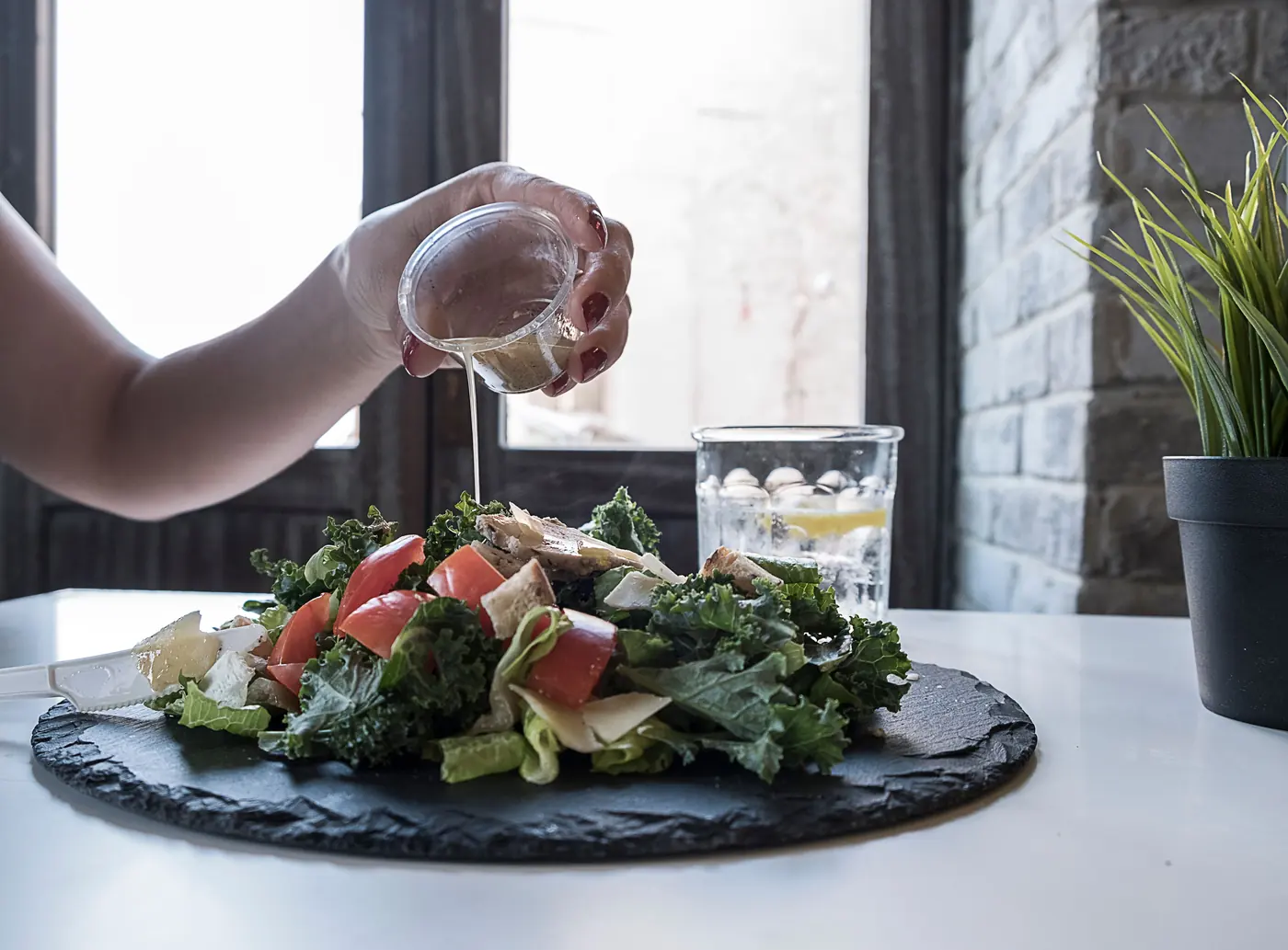
Pale orange, slightly grainy, served cold on a small salad, and better than the salad has any right to be. If you have eaten at a Japanese steakhouse in the United States you have met it, and it rarely appears on the menu by name.
What is in it
The standard version is a blended dressing rather than a whisked one, built from raw vegetables and a few pantry items.
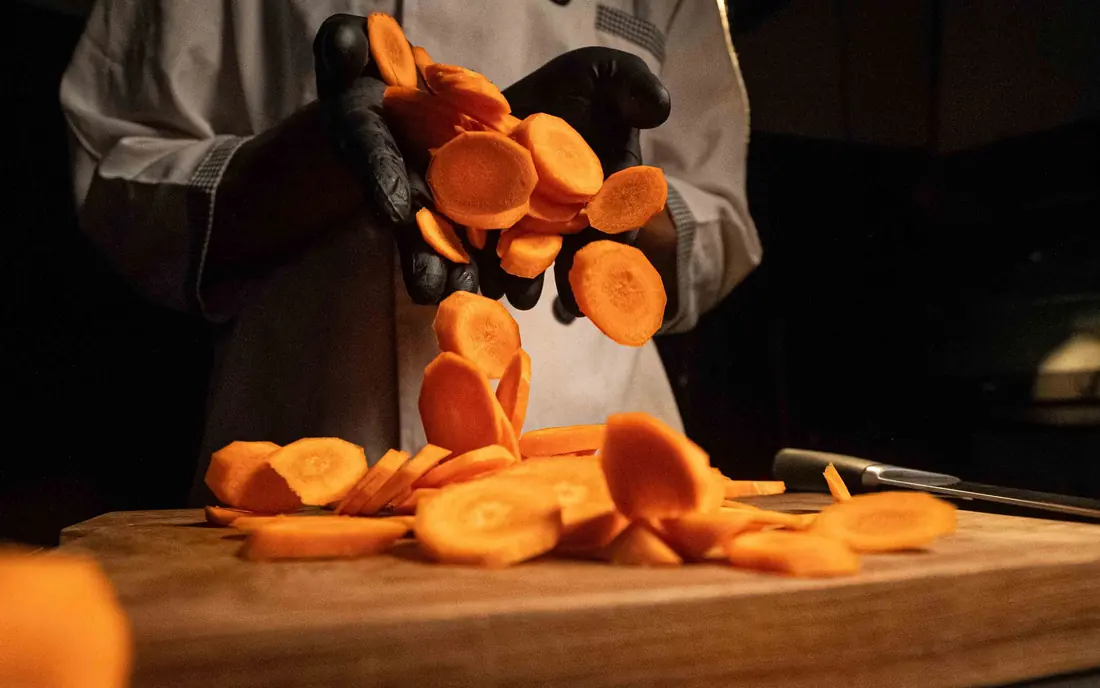
- Carrot – usually the largest ingredient by volume, and the reason the dressing is orange.
- Onion – raw, for sharpness and body.
- Fresh ginger – the flavour the dressing is named for, in a smaller quantity than the name suggests.
- A neutral oil – enough to carry the flavour, less than a vinaigrette would use.
- Rice vinegar – the acid.
- Soy sauce – salt and colour together.
Sugar, sesame oil, tomato paste and lemon turn up in individual versions. The constants are carrot, onion, ginger, oil, acid and soy.
Why it is orange, and slightly rough
Both answers are the carrot. It supplies the colour, most of the body and a good part of the sweetness, and it is why a dressing named after ginger looks nothing like ginger.
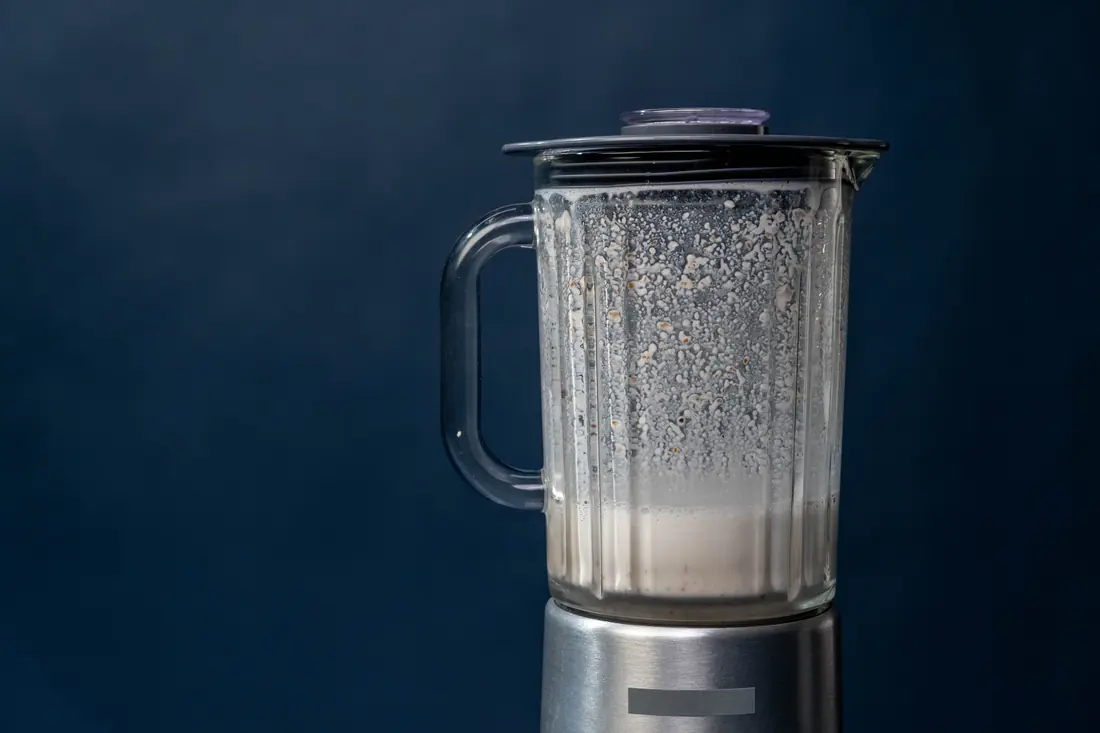
The texture follows from the method. Everything goes into a blender and is run until combined but not smooth, so what you get is a suspension of very fine vegetable particles rather than an emulsion. That is why it separates in the fridge and why it clings to a lettuce leaf better than a clear vinaigrette does.
The ginger itself
Fresh ginger, not ground. The two are not interchangeable – drying changes the compounds responsible for its heat, which is why ground ginger reads as warm and faintly sweet where fresh ginger reads as sharp and bright.
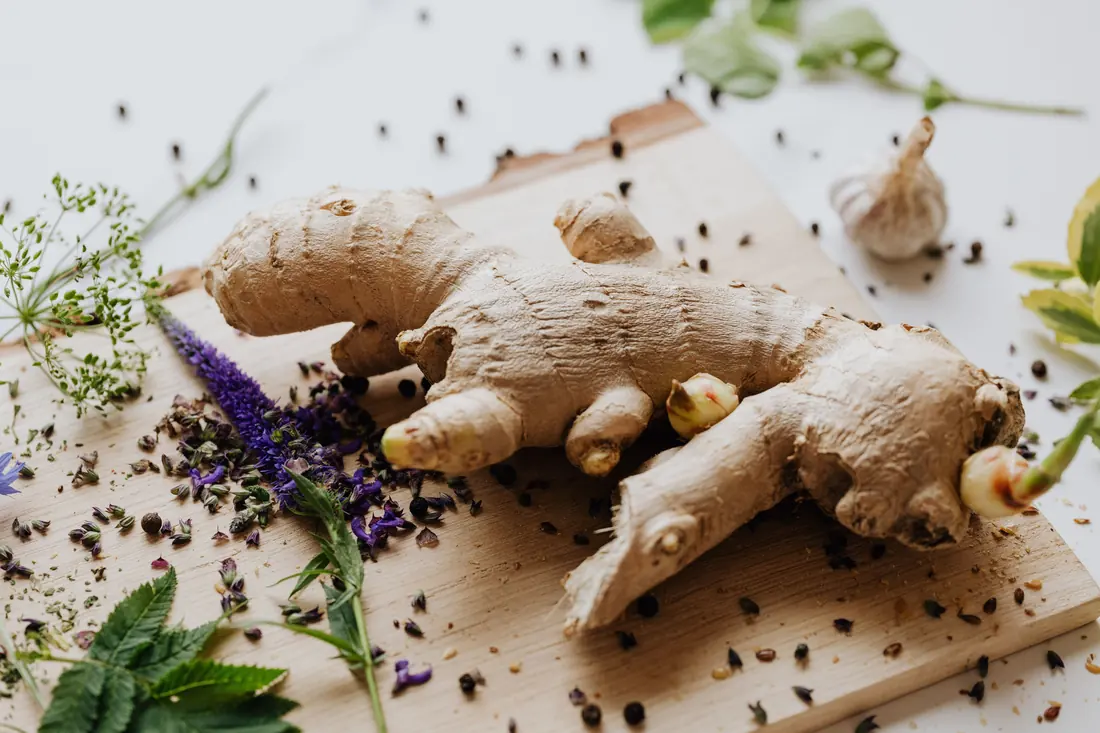
Britannica’s entry on ginger covers the plant behind both – a rhizome rather than a root, used fresh, dried, pickled and preserved across an enormous range of cooking.
The quantity is smaller than people assume. Fresh ginger is assertive, and a dressing built to be eaten by the spoonful over cold lettuce cannot carry much of it before it stops being pleasant.
Where it comes from
It is an American invention, and specifically a Japanese-American steakhouse one. It developed alongside the teppanyaki restaurant format in the United States rather than arriving from Japan, where a salad of this kind with a dressing of this kind is not standard.
That is not a criticism. It is a well-made thing with a clear origin, and knowing the origin explains why you find it at steakhouses in America and not in Tokyo.
Two further differences turn up between kitchens. Some blend the onion raw and some soften it first, which decides whether the dressing bites or rounds. And some add a spoonful of miso or tomato paste for colour and depth, which is why a few versions arrive almost red and taste markedly more savoury than the pale orange standard.
What does not vary is the temperature. It is a cold dressing on cold leaves, served as the first thing to reach the table, and one that has been standing tastes flat and faintly oily – the oil separates and the acid stops reading. Arriving at room temperature is a sign something went wrong upstream of you.
It also explains why it varies so much between restaurants. Nothing standardises it – there is no traditional recipe to depart from – so every kitchen’s version is its own balance of carrot, acid and soy. Some lean sweet, some lean sharp, and the ginger can be anywhere from a background note to the loudest thing in the bowl.
The salad it belongs to
The salad is deliberately plain – crisp lettuce, sometimes a little cucumber or tomato, cold and undressed until it reaches you. It is built as a vehicle.
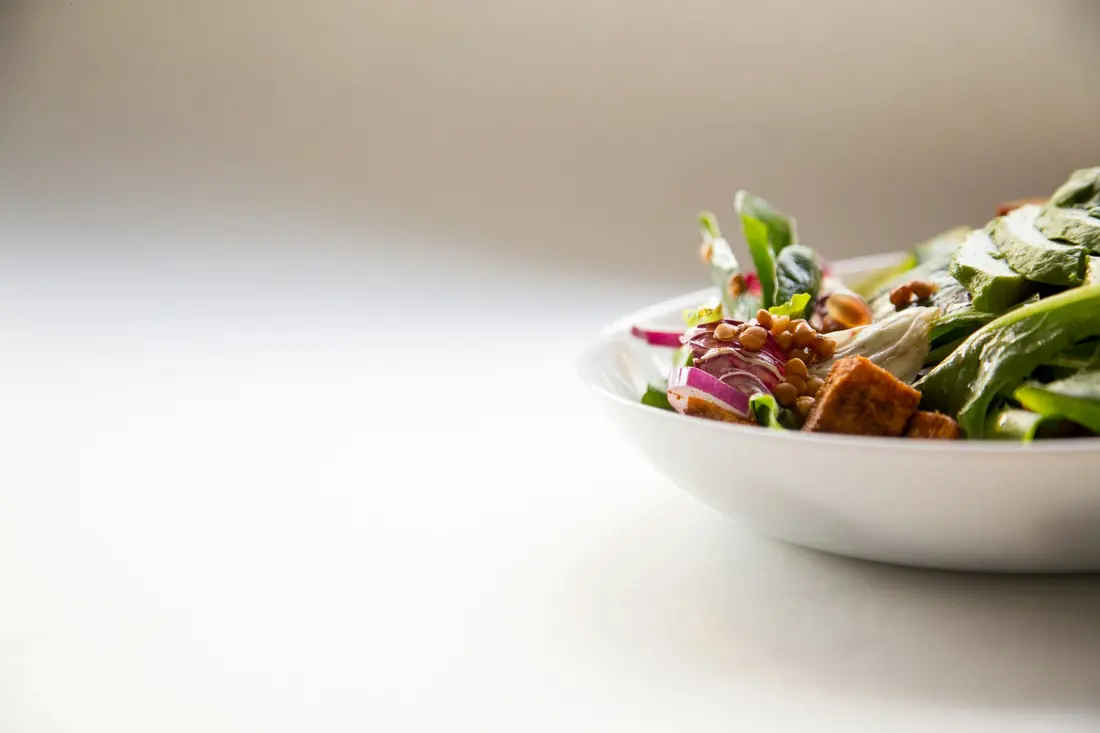
This is also why it works as the opening course to a hot plate off a flat top. Cold, sharp and crunchy against hot, rich and soft is the entire point of the sequence, and it is the same reasoning behind the soup that sits opposite it as a choice.
Soup or salad, and how to choose
Where a plate offers the choice, the two options do opposite jobs. A hot clear soup extends the meal and eases you into it. A cold sharp salad resets the palate and cuts across whatever is coming off the grill.
The practical version: if the main plate is rich and heavily sauced, the salad earns its place. If it is simply grilled and lightly seasoned, the soup does. Neither is better in the abstract – and the dressing is most of the reason the salad is a real choice rather than a formality.
What else to do with it
It is more useful than its usual job suggests. It works as a dip for cold raw vegetables, as the dressing on a cold noodle salad, and spooned over plainly grilled chicken or white fish, where the acid does what a squeeze of lemon would do with rather more behind it.
What it will not do is heat. Raw onion and ginger turn harsh in a pan and the suspension splits. It is a cold sauce and it stays one.
How it compares to the dressings near it
| Dressing | Base | Texture | Tastes of |
|---|---|---|---|
| Ginger dressing | Carrot, onion, ginger | Grainy, opaque | Sharp, sweet, savoury |
| Sesame dressing | Ground sesame | Thick, creamy | Nutty and rich |
| Ponzu | Citrus and soy | Thin, clear | Sour and salty |
| Miso dressing | Fermented soybean paste | Thick, smooth | Deeply savoury |
The ginger one is the only one of the four doing three things at once – acid, sweetness and savouriness in a single spoon – which is what makes it hold up against plain lettuce with nothing else on the plate.
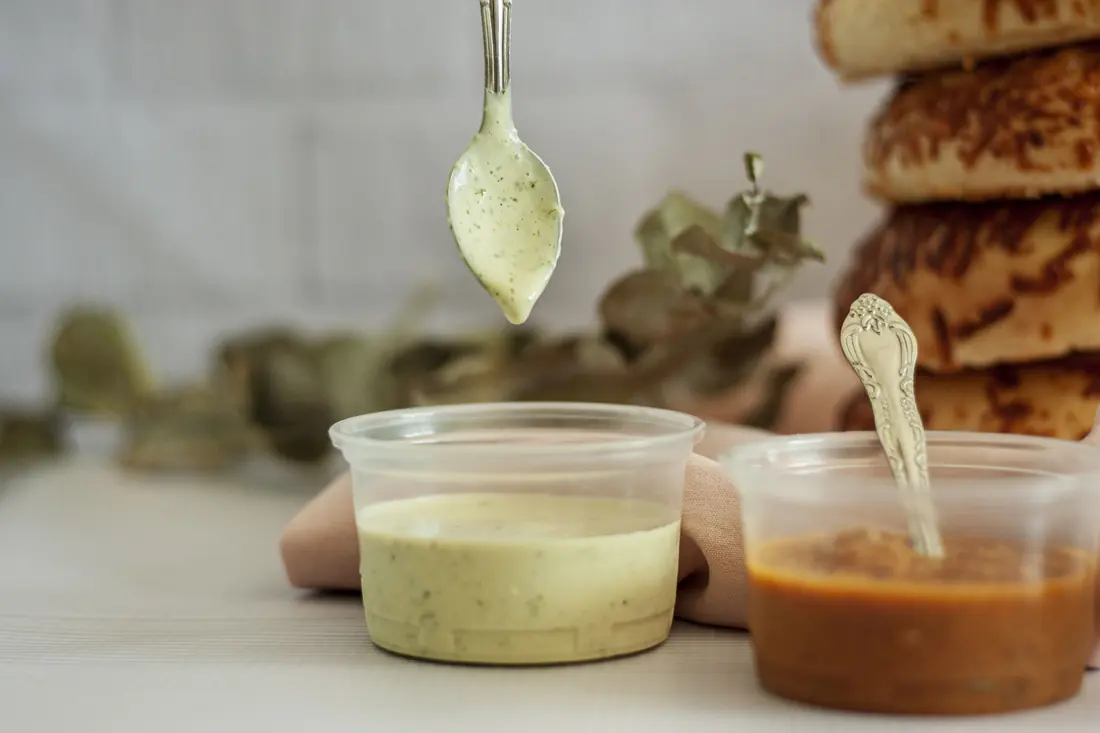
Making a version at home
- Roughly chop a large carrot and a quarter of a raw onion.
- Add a piece of fresh ginger about the size of a thumb joint – less than you think.
- Add rice vinegar, a neutral oil and soy sauce, roughly two parts vinegar to two parts oil to one part soy.
- Blend until combined but still slightly textured, not smooth.
- Taste and adjust – it should be sharp first, sweet second.
- Chill before serving; it is a cold dressing and tastes flat at room temperature.
It keeps for a few days refrigerated and separates as it sits, which is normal. Shake it rather than blending it again – a second run through the blender drives it toward a smooth purée and loses the texture that made it worth making.
The most common mistake is too much ginger, and it is not recoverable. The fix is to blend in another piece of carrot, which is a good indication of how much of the dressing the carrot was carrying in the first place.
For the plate it usually arrives alongside, our guide to what comes with a hibachi plate covers the full sequence, the hibachi and teppanyaki comparison covers where the format came from, and the daikon explainer covers the other raw vegetable you meet on the same table. The current selection is on the ordering page.
Frequently Asked Questions
What is ginger dressing made of?
Carrot, raw onion, fresh ginger, a neutral oil, rice vinegar and soy sauce, blended rather than whisked. Carrot is usually the largest ingredient.
Why is ginger dressing orange?
The carrot. It provides the colour, most of the body and much of the sweetness, which is why the dressing looks nothing like ginger.
Is ginger dressing Japanese?
It is Japanese-American. It developed with the teppanyaki steakhouse format in the United States rather than arriving from Japan.
Why is ginger dressing grainy?
It is a blended suspension of fine vegetable particles rather than an emulsion, so it keeps some texture and separates as it sits.
Can I use ground ginger instead of fresh?
Not really. Drying changes the compounds behind ginger’s heat, so ground ginger tastes warm and sweet where fresh tastes sharp and bright.