Category: Sushi & Rolls

Twenty-seven guides to sushi from Roll & Go Sushi in Daphne, Alabama: what goes into a roll, how specialty rolls differ, and how to order with confidence.

  • What Is Eel Sauce? The Sweet Dark Glaze

    What Is Eel Sauce? The Sweet Dark Glaze

    Sweet, dark, thick enough to sit where it lands, and on an enormous number of rolls. It is the first thing most people ask about after eating one, usually phrased as “what is that brown sauce”.

    The short answer

    Eel sauce is soy sauce, sugar and mirin, reduced over heat until it thickens. Some versions add sake. That is the whole recipe.

    It contains no eel. Not a trace, in the standard version – the name describes what it was originally brushed onto, not what went into it.
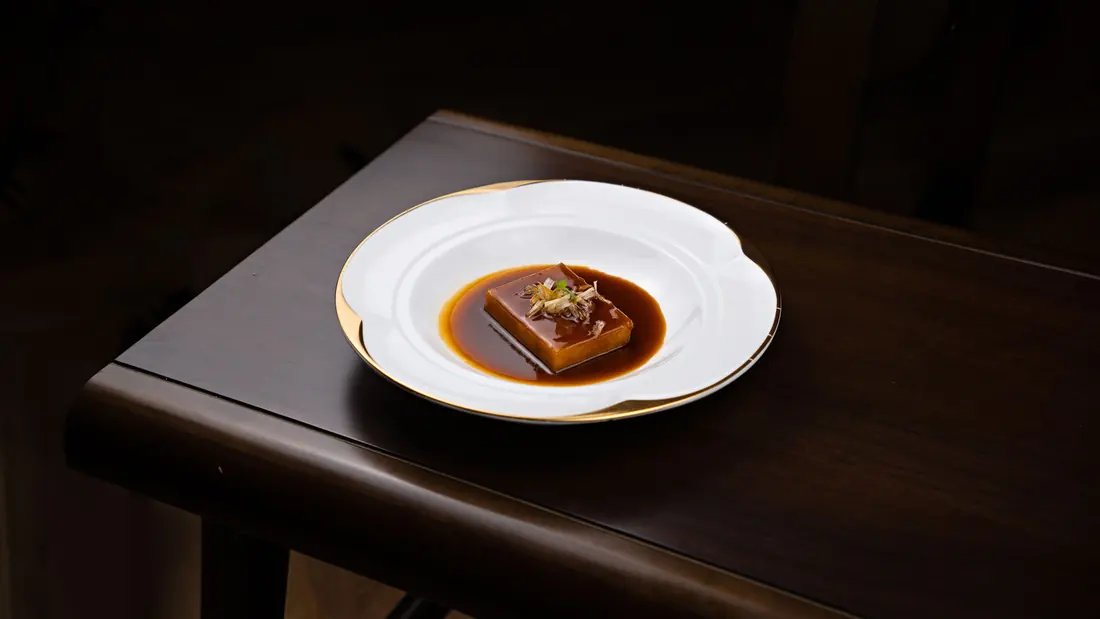
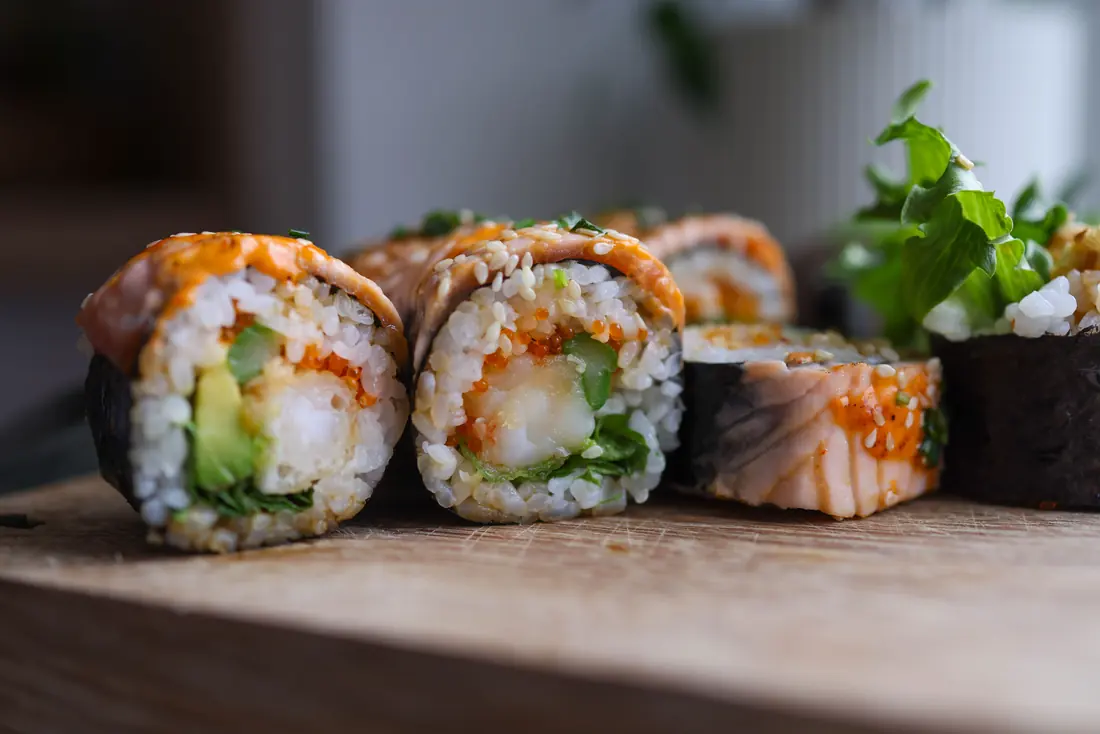
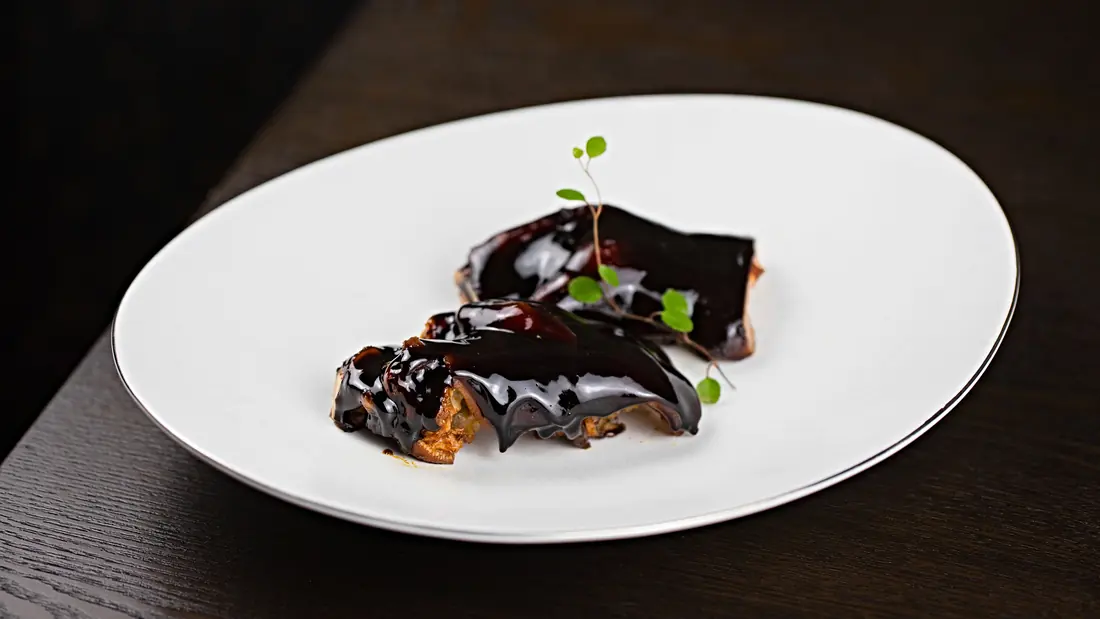
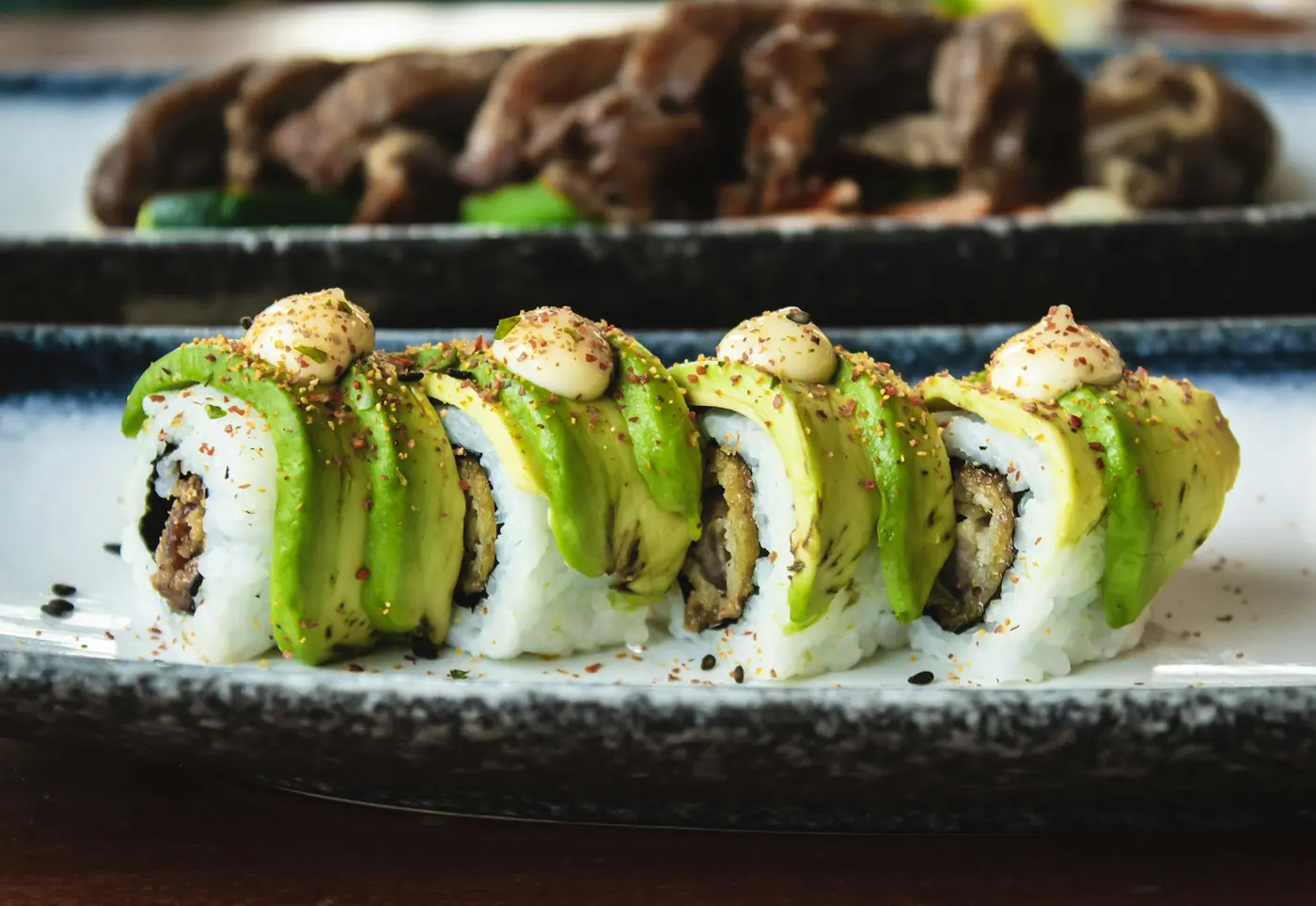
    A dark sauce pooled on a plate

    Why it is called eel sauce

    In Japan the sauce is the glaze for grilled eel, a dish with its own long tradition, and it is named there for that dish rather than for itself. English-language menus shortened the association to “eel sauce” and it stuck, including on the very many rolls that contain no eel at all.
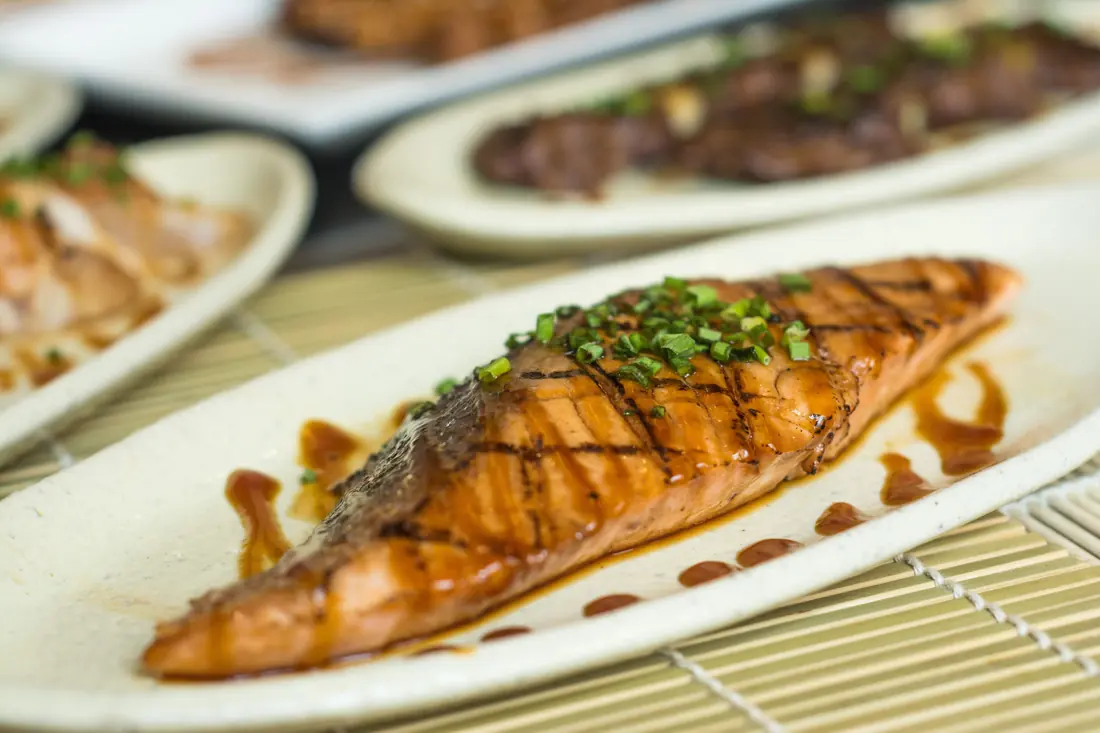
    Grilled fish finished with a dark glaze

    You will also see it written as unagi sauce, which is the same shortening in the other language. Kitchens that want to avoid the confusion label it sweet soy glaze, which is more accurate and less memorable.

    What is in it

    • Soy sauce – the base, and where the salt and the colour come from.
    • Sugar – more than people expect, and the reason it thickens.
    • Mirin – sweet rice wine, which adds gloss as well as sweetness.
    • Sake – in some versions, cooked off almost entirely.

    Our explainer on mirin covers the one ingredient people have usually not met. It is doing two jobs here: sweetening, and giving the finished sauce the shine that makes a drizzle look deliberate.

    Britannica’s entry on soy sauce covers the base – a brewed, fermented product rather than a simple salt solution, which is why reducing it produces depth rather than just saltiness.

    Why it is thick without a thickener

    No cornstarch, no flour. The thickness comes from reduction: the mixture is simmered until enough water has evaporated that the dissolved sugar concentrates, and concentrated sugar syrup is viscous.
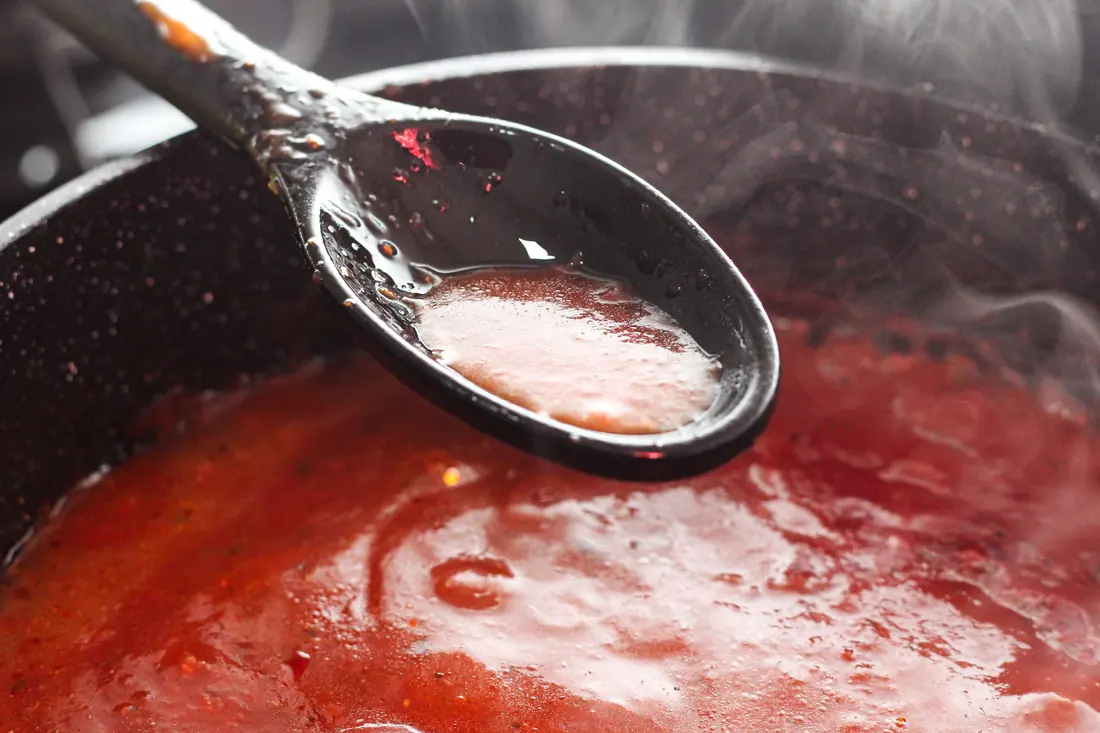
    A sauce simmering in a pan

    This is why it behaves the way it does on a plate. A starch-thickened sauce is thick when hot and can turn gluey as it cools; a reduction gets thicker as it cools and stays glossy. A drizzle that holds its line half an hour later is a reduction.
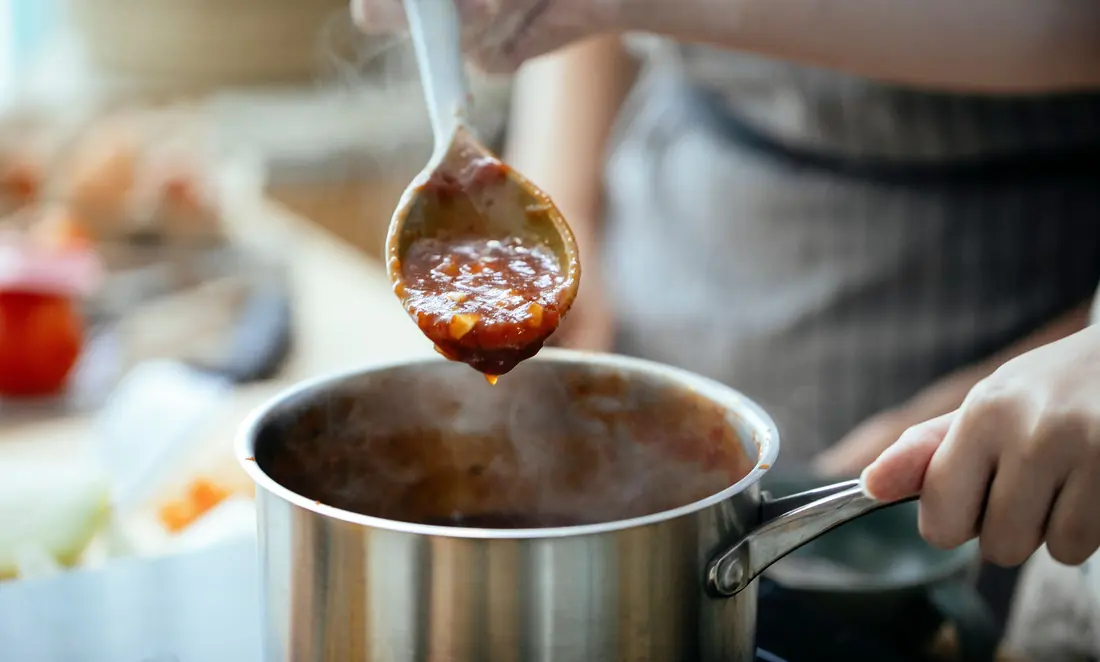
    Sauce being lifted from a saucepan

    The sugar is doing more than sweetening

    Sugar in a reduction is structural. It concentrates as the water leaves, it browns as it heats, and it is what makes the sauce cling to a piece of fish instead of running off it. Take the sugar out and you have salty soy sauce that has been boiled.

    It is also why the sauce is easy to ruin. Past a certain point the sugar goes from caramelised to burnt, and burnt sugar is bitter in a way nothing else in the pan can cover. Kitchens hold the pan below a boil for exactly this reason.

    Where else you will meet it

    Once you know the taste it is recognisable across a menu. The same reduction, or a close relative of it, turns up brushed onto grilled fish, drizzled over fried appetisers, and painted onto anything the kitchen wants to look glossy under a light.

    The tell is always the same: a dark sauce that has been applied in a deliberate line or a controlled pool rather than served in a dish. Anything thick enough to hold a shape has had water taken out of it, and sugar is almost always how.

    How it compares to the other dark sauces

    SauceBaseSweetnessTexture
    Eel sauceSoy, sugar, mirin, reducedHighThick, glossy, clings
    Soy sauceFermented soybean and wheatNoneThin, watery
    HoisinFermented soybean paste, sugar, spiceHighThick, smooth, opaque
    PonzuCitrus juice and soyLowThin, sharp
    Four dark sauces that are not interchangeable, whatever the colour suggests

    The row that matters is the last one. Eel sauce is the only one of the four that is applied as a finish rather than offered as a dip, and that is a consequence of the texture rather than the flavour.

    Applied in the kitchen, not at the table

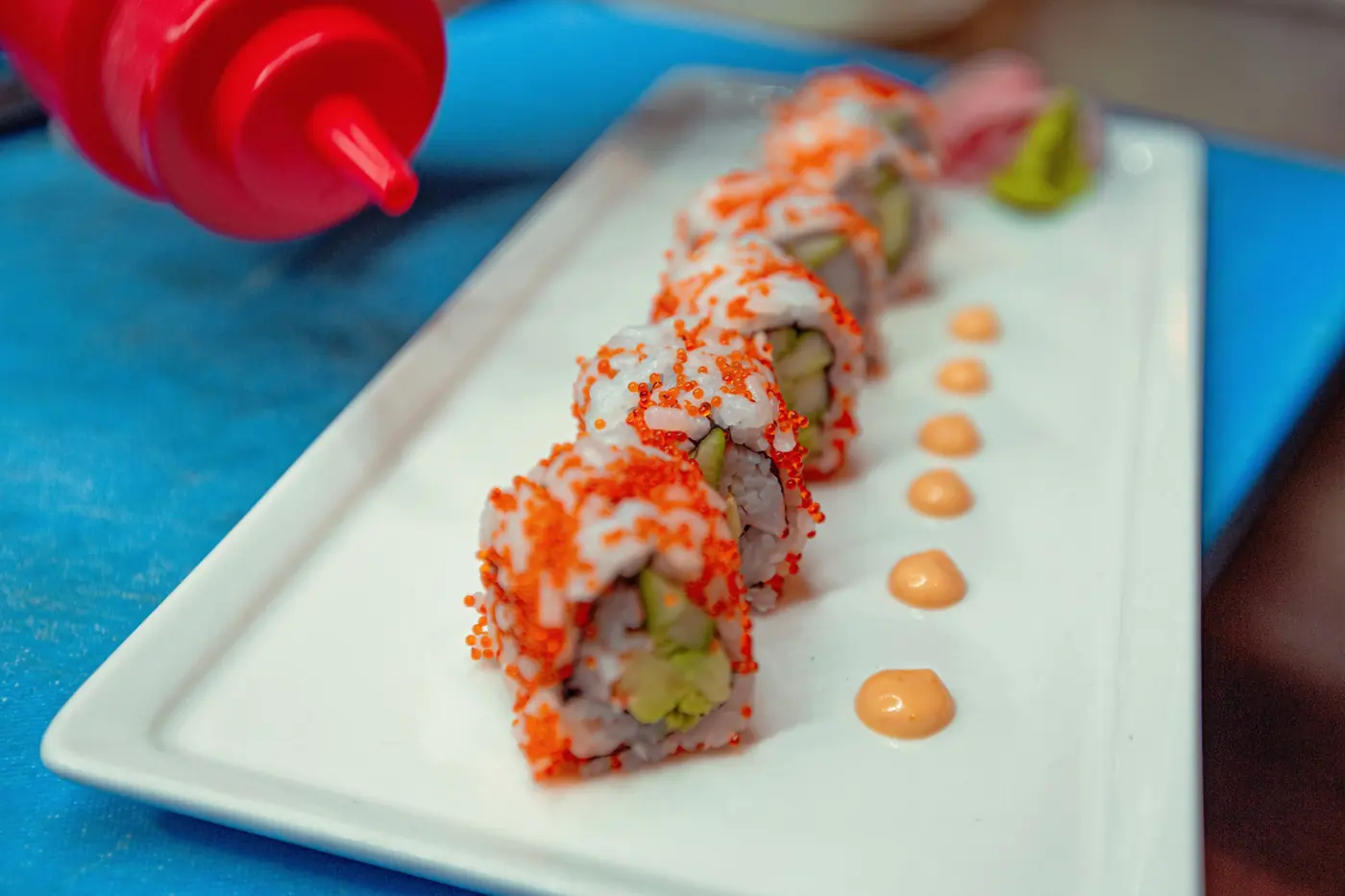
    It arrives on the roll rather than beside it, from a squeeze bottle, after the roll is cut. That is a deliberate decision: the sauce is strong and sweet enough that the amount is part of the recipe, not a preference to be exercised.

    Squeeze bottles of sauces in a kitchen

    Which is also why adding soy sauce on top of a roll that already carries it usually overwhelms the fish. Our guide to soy sauce, wasabi and ginger makes the same point from the other direction: the finished rolls are seasoned already.

    How much ends up on a roll

    Less than it looks, and that is deliberate. A drizzle reads as generous because it is dark against pale rice, but the actual volume across eight pieces is on the order of a teaspoon. A reduction is concentrated, so a little of it carries a long way.

    This is also why a heavy hand is obvious immediately. Past a certain point the sweetness stops being a counterweight to the rice’s acidity and becomes the thing you taste instead of the fish, and the roll turns into a dessert with seaweed on it.

    If you want to know how much a kitchen uses, look at the plate rather than the roll. A neat set of lines is a measured application; a pool the pieces are sitting in is not.

    Storing it

    It keeps far longer than most sauces, which is a consequence of what it is made of: a high-sugar, high-salt syrup is an inhospitable environment. Refrigerated in a sealed container it holds for weeks, and it thickens further as it sits.

    If it sets too firm to drizzle, warm it gently and it loosens. If sugar crystals appear at the edges it has reduced too far, and a spoonful of water stirred in over low heat brings it back.

    Making it at home

    1. Combine equal parts soy sauce, mirin and sugar in a small pan.
    2. Bring to a simmer and hold it there – not a boil.
    3. Reduce by roughly a third, which takes ten minutes or so.
    4. Take it off the heat while it still looks slightly too thin.
    5. Cool completely before using; it thickens substantially as it cools.

    The fourth step is the one people get wrong. A reduction that looks right in a hot pan sets into something closer to toffee, and it cannot be un-reduced.

    If you are avoiding fish

    The standard recipe is soy, sugar and mirin, all of which are plant-derived. Some commercial versions add dashi or eel extract, and there is no way to tell from a bottle on a menu.

    So this is a kitchen question rather than a general one. If it matters to you, ask the restaurant what is in theirs rather than working from a recipe you found elsewhere.

    For the rolls it usually lands on, our specialty roll piece covers why the elaborate builds carry sauce at all, the condiments guide covers what is on the table rather than on the roll, and the mirin explainer covers the sweetness underneath it. The current selection is on the ordering page.

    Frequently Asked Questions

    What is eel sauce made of?

    Soy sauce, sugar and mirin, reduced over heat until thick. Some versions add sake. There is no eel in the standard recipe.

    Why is it called eel sauce if there is no eel in it?

    In Japan it is the glaze brushed onto grilled eel, so it is named for the dish it belongs to rather than its ingredients. English menus shortened it.

    Is eel sauce the same as unagi sauce?

    Yes. Unagi is the Japanese word for freshwater eel, so both names describe the same sauce by way of the same dish.

    Why is eel sauce so thick?

    It is a reduction, not a thickened sauce. Simmering evaporates water and concentrates the sugar, and it thickens further as it cools.

    Is eel sauce vegetarian?

    The standard recipe is, but some commercial versions add dashi or eel extract. Ask the restaurant rather than assuming either way.
  • What Is Spicy Mayo? The Pink Drizzle Explained

    What Is Spicy Mayo? The Pink Drizzle Explained

    Pale orange, thick, drizzled in lines or dots across a roll, and by some distance the most common sauce on an American sushi menu. The name is doing it no favours: most people who avoid it because it says spicy would not find it hot.

    The short answer

    Spicy mayo is mayonnaise mixed with a chilli sauce. Usually Japanese mayonnaise and usually sriracha, in a ratio somewhere around three or four to one.

    That is genuinely all of it. Some kitchens add sesame oil, a little rice vinegar, or a squeeze of citrus, but the two-ingredient version is what most rolls carry.

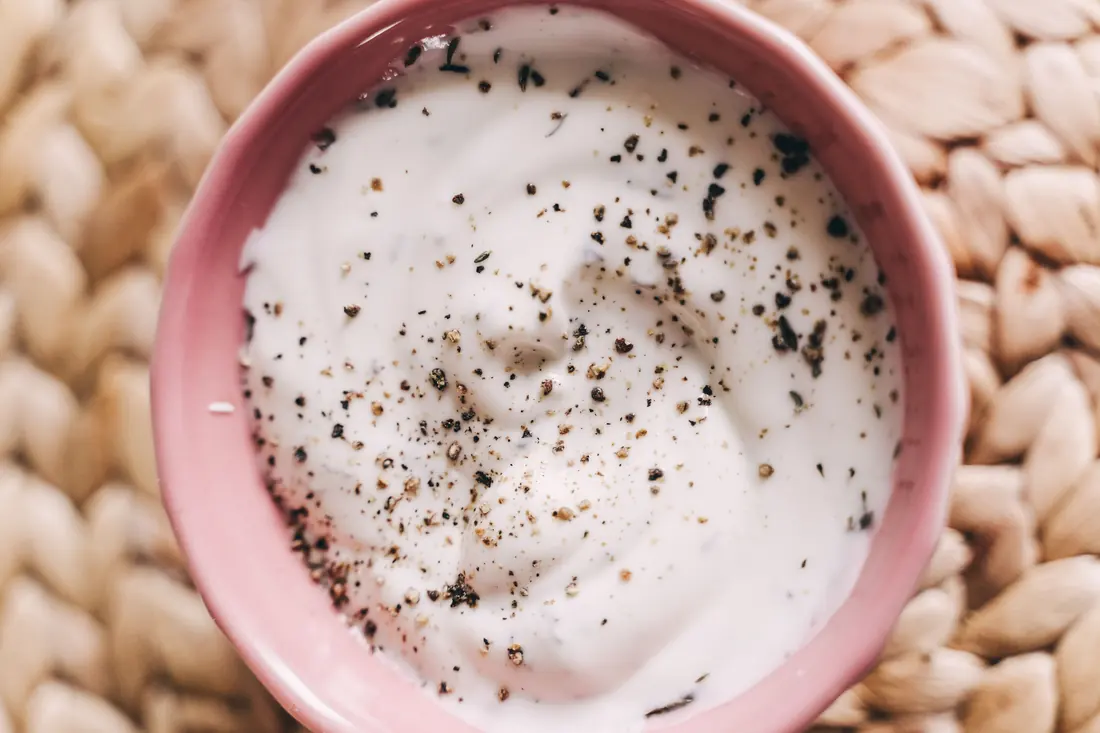
    A bowl of thick white sauce with cracked pepper

    Why it is not very hot

    Here is the part that matters when you are ordering. Capsaicin – the compound responsible for chilli heat – dissolves in fat, and mayonnaise is mostly fat. The same chilli sauce that is sharp on its own arrives blunted and slowed once it is suspended in an emulsion.

    Red chilli sauce in a white dish

    So the sauce reads as rich first, tangy second and warm somewhere at the end. It is the same reason dairy is the standard remedy for a mouthful of something too hot, applied in advance rather than afterwards.

    If a menu says a roll is spicy and the only spicy thing about it is this sauce, the heat is mild. Our piece on spicy tuna makes the same point about the filling it is named for.

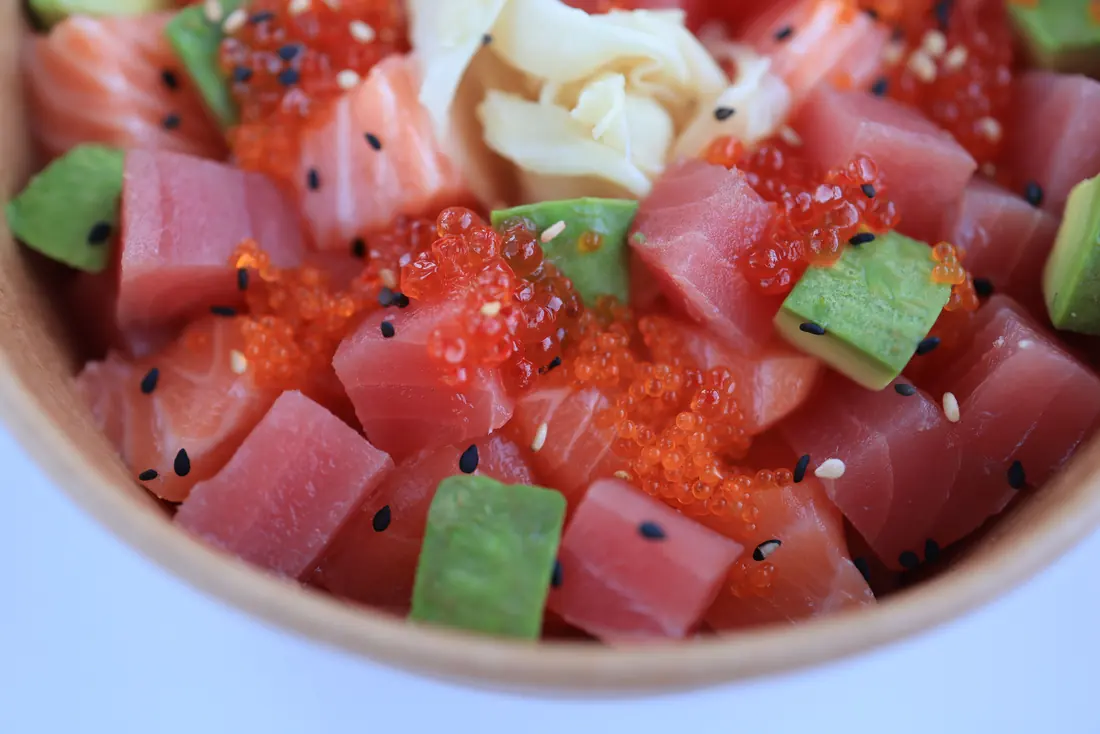
    Diced raw fish with avocado and roe

    Japanese mayonnaise is not the same as American

    The difference is real and it is why a home version made with a jar from a supermarket tastes thinner than the restaurant one.

    Japanese mayonnaiseAmerican mayonnaise
    EggsYolks onlyWhole eggs
    AcidRice vinegarDistilled vinegar or lemon
    TextureThicker, denserLighter, fluffier
    TasteRicher, faintly sweet, savourySharper, more neutral
    Sold asA soft squeeze bottleA jar
    Two mayonnaises that behave differently in the same recipe

    Britannica’s entry on mayonnaise covers the emulsion itself – oil suspended in egg yolk, which is what makes any of this possible and what makes it split if you rush it.

    The savoury depth in the Japanese version is not an accident either. It is one of the products that added glutamate turns up in routinely, which is worth knowing if you are trying to work out why a two-ingredient sauce tastes like more than two ingredients.

    Where it came from

    It is an American sushi bar invention, and a fairly recent one. It spread through the same wave of rolls that produced everything else on a modern specialty menu – the period when kitchens were building for people who wanted sushi to be richer, softer and less austere than the traditional version.

    Sriracha did the rest. A single widely available chilli sauce with a consistent flavour meant every kitchen’s version tasted broadly like every other kitchen’s, which is how a two-ingredient sauce becomes a standard rather than a house recipe.

    Sriracha is not the only option

    Plenty of kitchens use something else, and it changes the sauce more than the quantity does.

    • Sriracha – garlicky, sweet, vinegary. The default, and the reason most spicy mayo tastes faintly of garlic.
    • Chilli garlic sauce – coarser, hotter, less sweet.
    • Gochujang – fermented and deeper, giving a darker, savoury version.
    • Chilli oil – a different proposition again, since it brings its own fat and its own toasted flavour.

    Our piece on chilli oil covers why that last one behaves differently from a sauce – it is a seasoned fat rather than an emulsion, and mixing it into mayonnaise gives you something closer to a dressing.

    Why it is orange rather than red

    Because it is mostly mayonnaise. A red chilli sauce stirred into a large volume of pale emulsion lands somewhere between salmon pink and pale orange, and the exact shade tells you roughly how much chilli went in.

    A deep orange sauce is a hotter one. A barely tinted cream is a sauce where the chilli is a rumour. It is the most reliable visual cue on the plate.

    Colour is a better guide than the menu wording, too. Kitchens describe the same sauce as spicy, dynamite, volcano or house sauce with no consistency between them, and none of those words tells you a quantity. What is actually on the roll does.

    Why it turns up on so many rolls

    Because it solves several problems at once, which is unusual for something this simple.

    • It adds fat. A roll built on lean fish and rice can taste austere, and fat is the quickest way to give it body.
    • It binds. Mixed into chopped fish it holds the filling together, which is why the chopped-fish rolls are almost always dressed rather than plain.
    • It carries flavour. Fat holds aromatic compounds and releases them slowly, so the seasoning lasts through the mouthful rather than arriving and leaving.
    • It looks like something. A pale roll with a piped line across it reads as finished in a way a bare one does not.

    The fourth reason is not trivial. A specialty roll is sold partly on appearance, and sauce is the cheapest way to make a cut roll look deliberate rather than merely assembled.

    It is applied in the kitchen

    Like the sweet dark glaze it often shares a roll with, spicy mayo is piped on after the roll is cut, from a squeeze bottle, in an amount the kitchen chose.

    A roll finished with piped sauce

    This is worth knowing because it is adjustable. Asking for it on the side, or lightly, is a completely ordinary request, and it changes a roll more than most substitutions would.

    It splits if you rush it

    Mayonnaise is an emulsion – oil suspended in egg yolk in droplets small enough to stay put – and emulsions are held together by nothing more than surface chemistry. Add liquid too quickly and the droplets merge, the suspension breaks, and what was a thick sauce becomes a greasy separated one.

    Which is why chilli sauce goes in gradually and gets stirred rather than beaten. It is also why a homemade version left in a warm kitchen can separate on its own, and why the restaurant one lives in a cold squeeze bottle.

    Making it at home

    1. Start with four tablespoons of Japanese mayonnaise.
    2. Add one tablespoon of sriracha and stir until the colour is even.
    3. Taste. Add chilli sauce a little at a time – it is easy to go past where you meant to.
    4. Optional: a few drops of sesame oil, or a squeeze of lime.
    5. Rest it for ten minutes before using; the flavour settles noticeably.
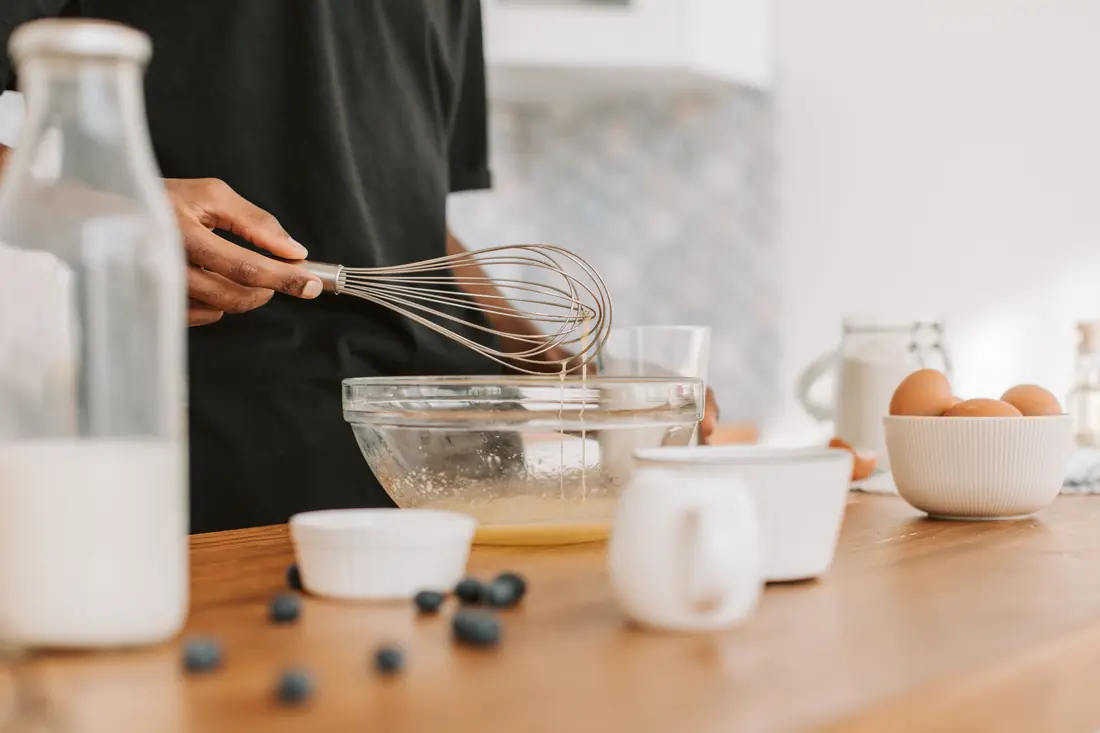
    Ingredients being whisked in a bowl

    Use a squeeze bottle if you have one. Spooning it on gives you a blob where the kitchen version gives you a line, and the difference is more than cosmetic – a thin line seasons every piece rather than one.

    For the rolls it turns up on, the specialty roll guide covers how sauce fits into the build, the condiments piece covers what is on the table instead, and the spicy tuna explainer covers the filling with the same misleading name. The current selection is on the ordering page.

    Frequently Asked Questions

    What is spicy mayo made of?

    Mayonnaise and a chilli sauce, usually Japanese mayonnaise and sriracha at roughly three or four to one. Some versions add sesame oil or citrus.

    Is spicy mayo actually spicy?

    Mildly. Capsaicin dissolves in fat, so mayonnaise blunts the heat – the sauce reads as rich and tangy first, with warmth at the end.

    Why is spicy mayo orange?

    It is mostly pale mayonnaise with a small amount of red chilli sauce stirred in. The deeper the orange, the more chilli sauce went in.

    What is the difference between Japanese and American mayonnaise?

    Japanese mayonnaise uses egg yolks only and rice vinegar, making it thicker, richer and slightly sweet. American mayonnaise uses whole eggs and is lighter and sharper.

    Can I ask for less spicy mayo on a roll?

    Yes, and it is an ordinary request. It is applied by the kitchen from a squeeze bottle, so on the side or lightly are both easy to accommodate.

  • What Is a Sushi Chef Called? Itamae Explained

    What Is a Sushi Chef Called? Itamae Explained

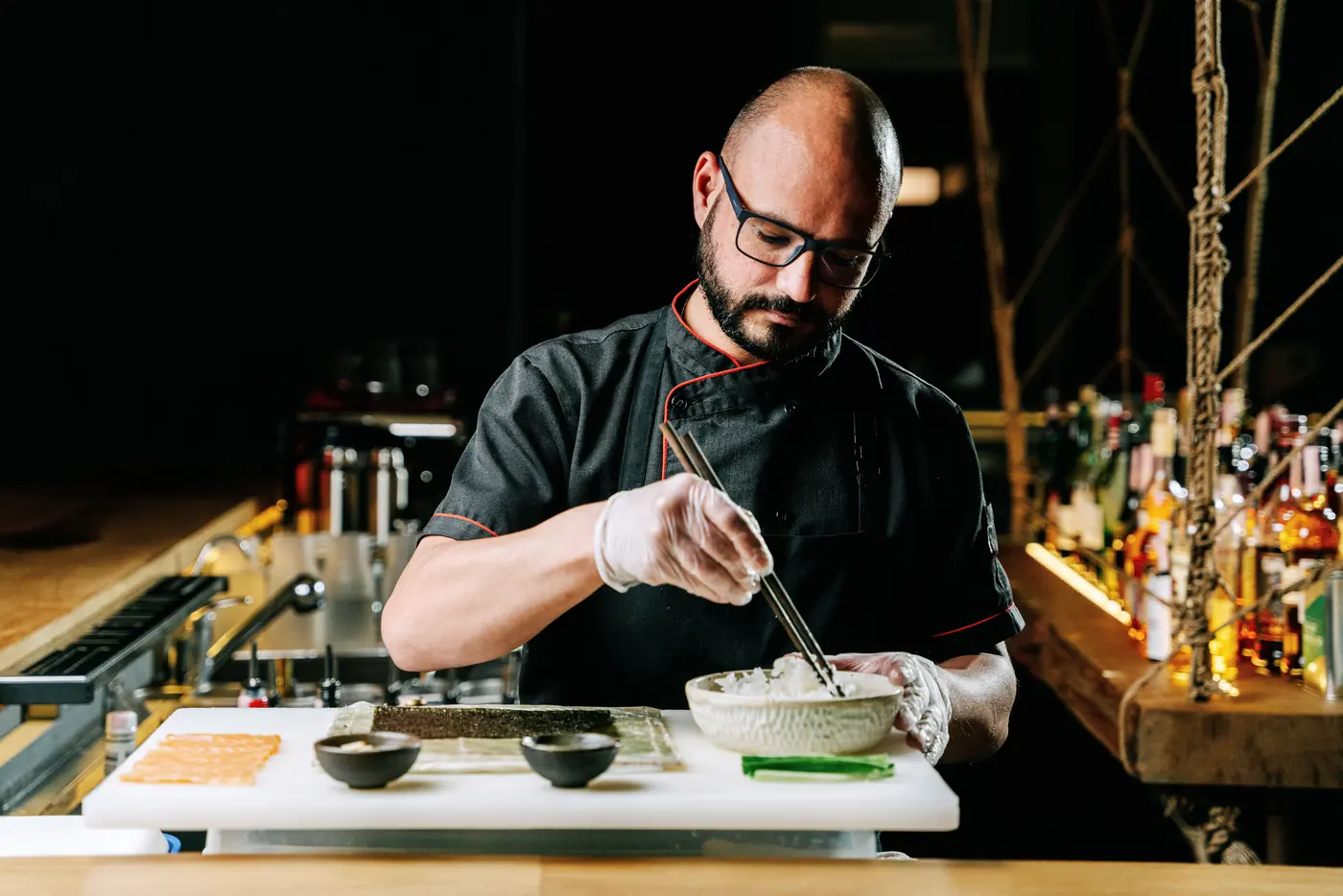
    The word is itamae. It is worth knowing, but the word is the least interesting part of the answer – what the title refers to is a specific way of working, and it explains a lot about why sushi made in front of you is different from sushi made in advance.

    What the word means

    Itamae translates roughly as “in front of the board” – ita being the cutting board, mae meaning before or in front of. It describes position rather than qualification: the person standing at the board.

    You will also hear shokunin, a broader word for a skilled craftsperson in any trade, carrying the sense of someone whose work is their discipline. It is not specific to food.

    TermWhat it refers to
    ItamaeThe chef working at the board
    ShokuninA skilled craftsperson in any trade
    SushiyaA sushi restaurant, or its proprietor
    NetaThe topping or filling – what goes on the rice
    ShariThe seasoned rice itself
    Terms you may hear used around a sushi counter

    The apprenticeship, and how literally to take it

    The often-repeated version says an apprentice spends years on rice alone before being allowed near fish, and a decade before making sushi for a customer. It is repeated so often that it has hardened into fact.

    The truth is that this describes a traditional apprenticeship at a particular kind of restaurant, not a rule that governs the trade. Plenty of excellent sushi chefs trained differently, and the timeline has loosened considerably. The interesting part is not the number of years – it is the order the skills are learned in, which has not changed.

    Why rice comes first

    Rice is first because it is the hardest thing to get consistently right and the thing a diner notices least when it is right.

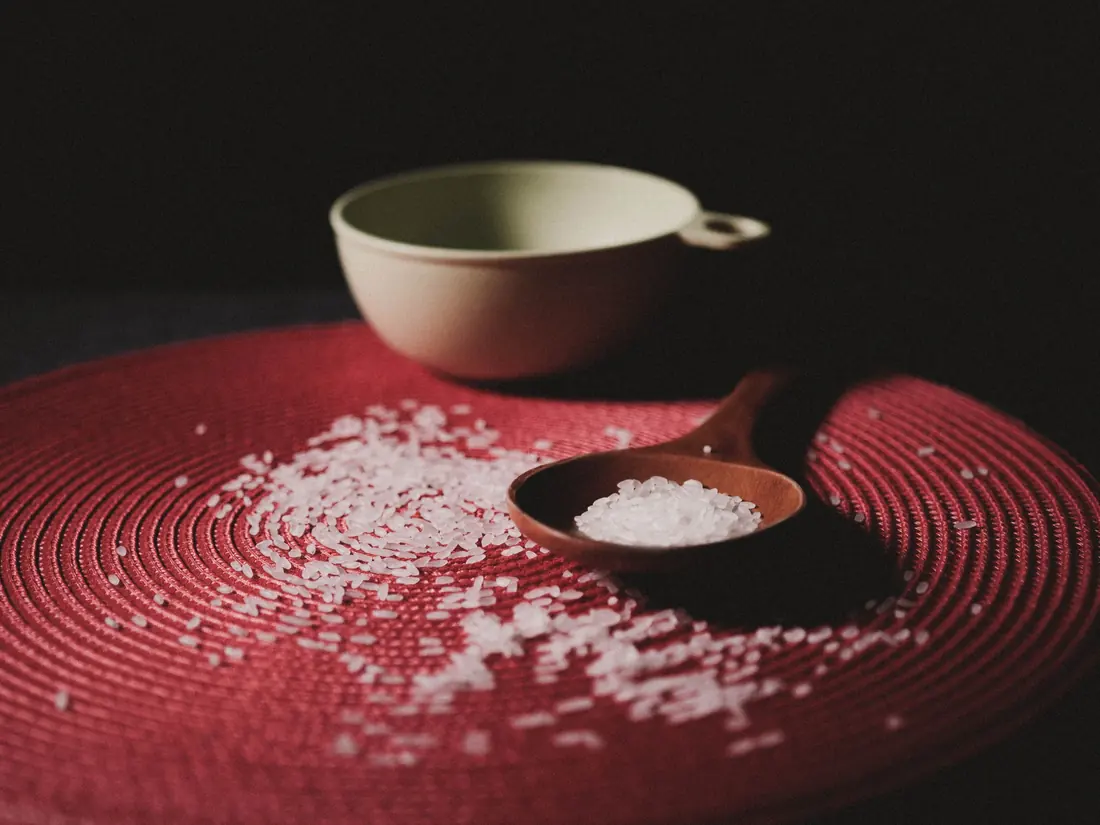
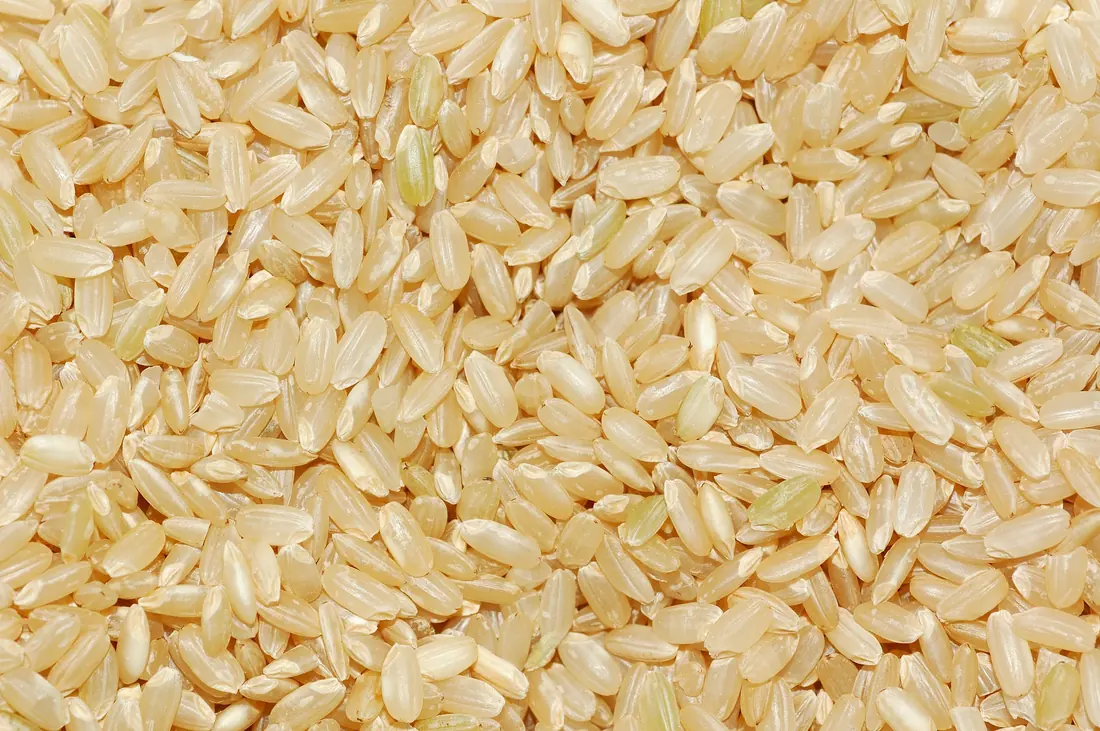
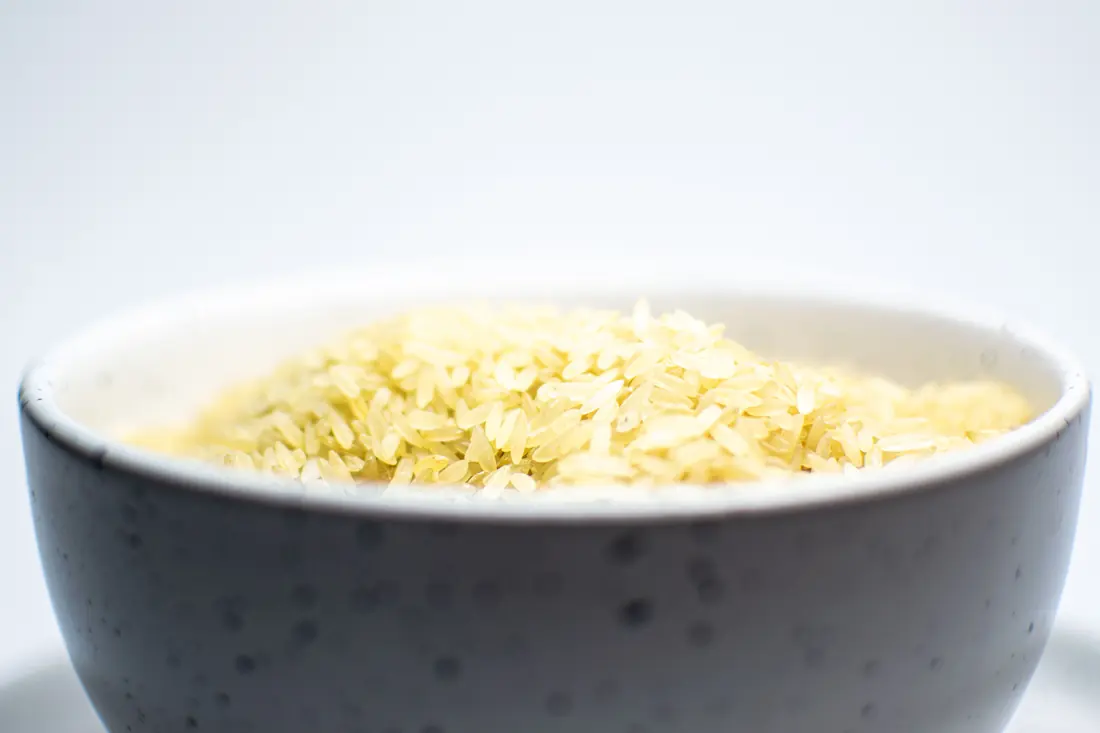
    Uncooked rice grains beside a wooden spoon

    It has to be cooked to a specific texture, seasoned while still hot, cooled to close to body temperature, and kept there. Too warm and it turns sticky and slumps; too cold and it goes firm and stops tasting of anything. It also has to be handled enough to hold together and no more, because rice that has been worked becomes paste.

    Britannica’s entry on sushi is a useful reminder of why the rice is the centre of the dish rather than an accompaniment – the earliest forms were a preservation method in which fermenting rice did the work, and the fish was what got preserved.

    There is a practical reason the order is fixed rather than merely traditional. Each skill is the constraint on the next: rice that is wrong cannot be rescued by good knife work, and a clean cut laid onto badly handled rice still produces a piece that collapses on the way to the mouth. Learning them in the other order would mean learning them twice.

    It is also why the least visible skill takes the longest. Nobody compliments the rice. They notice it only when it is wrong, which is more or less the definition of a foundation.

    Then the knife

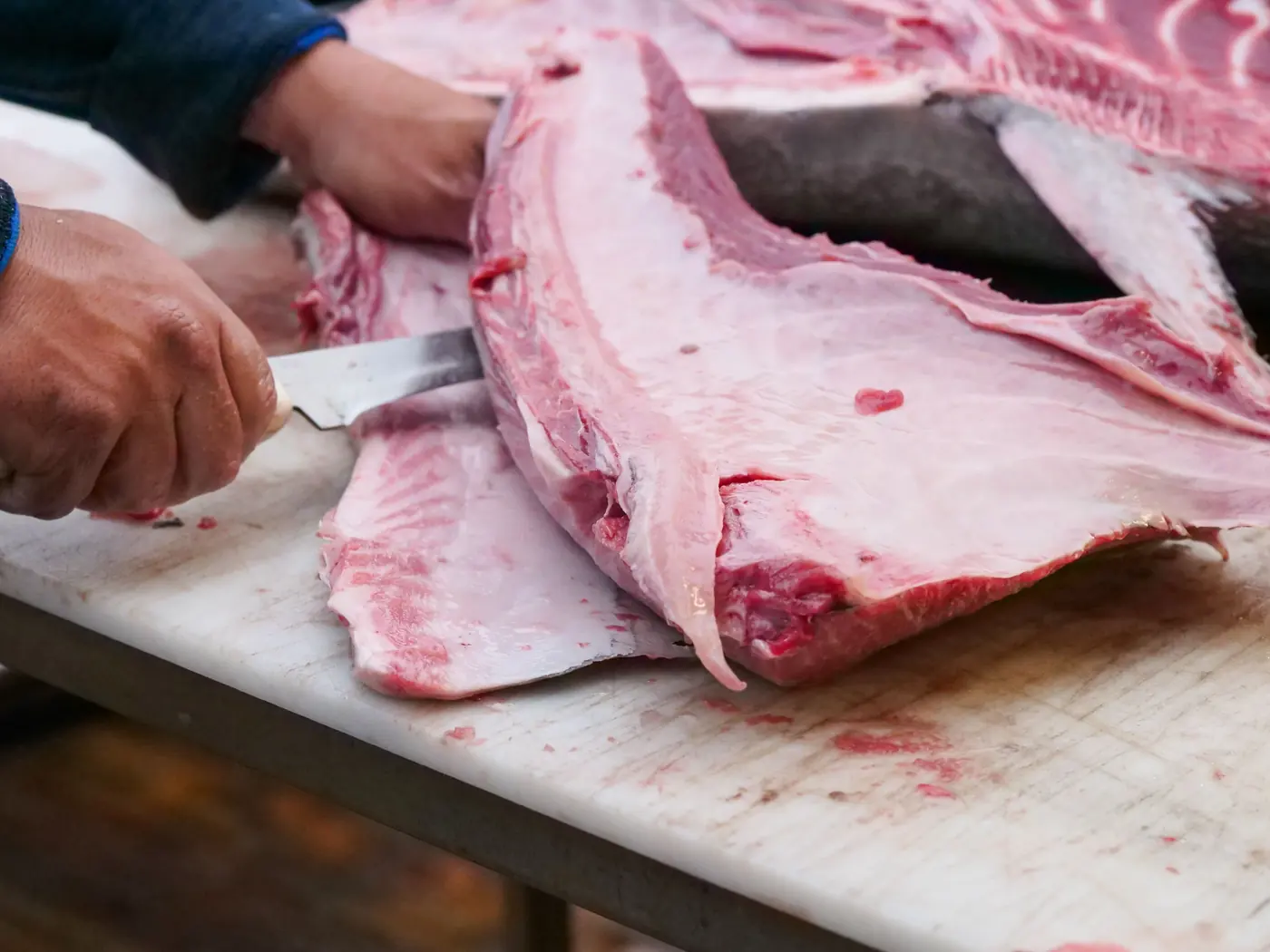
    Knife work is second, and it is not about speed. A single clean cut through a fillet leaves a smooth surface; a sawing cut tears the fibres and produces a dull, slightly ragged face that both looks and eats differently.

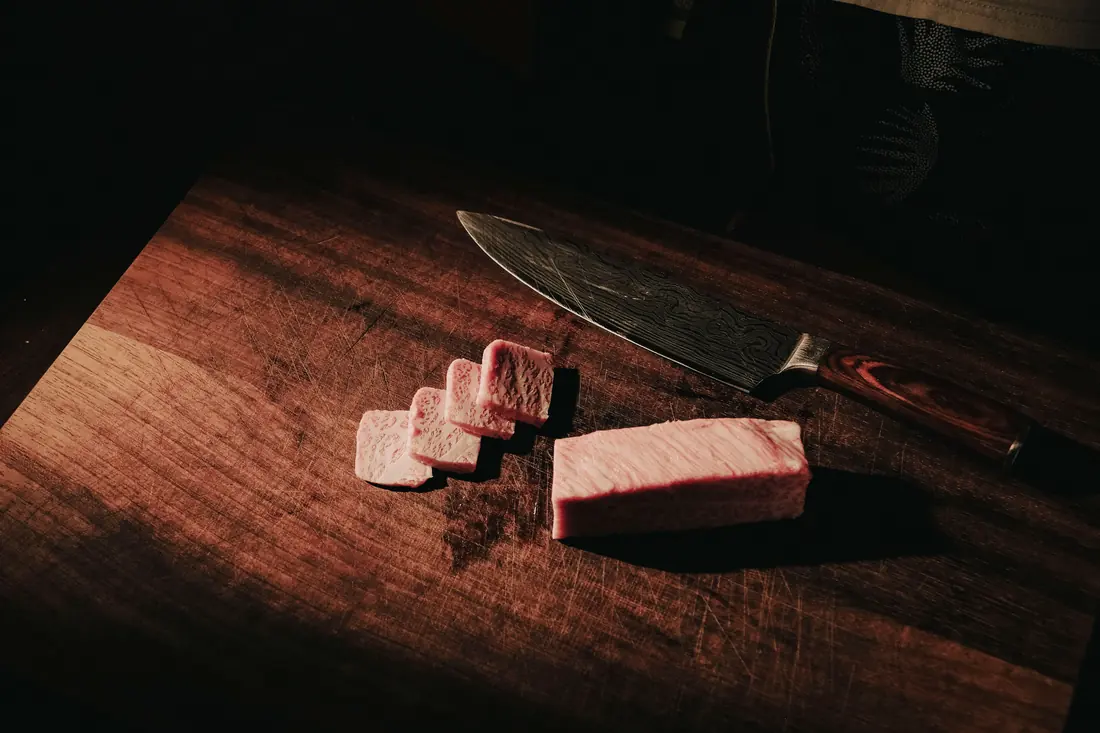
    A long knife beside sliced fish

    Angle and thickness are matched to the fish rather than fixed. A firm lean fish and a soft oily one are cut differently to arrive at the same texture in the mouth, which is a judgement rather than a measurement.

    Then assembly, and sequence

    Assembly is last because it depends on everything before it. Rice quantity by feel, pressure light enough to hold and loose enough to fall apart when eaten, fillings placed so a cut piece looks the same all the way along the roll.

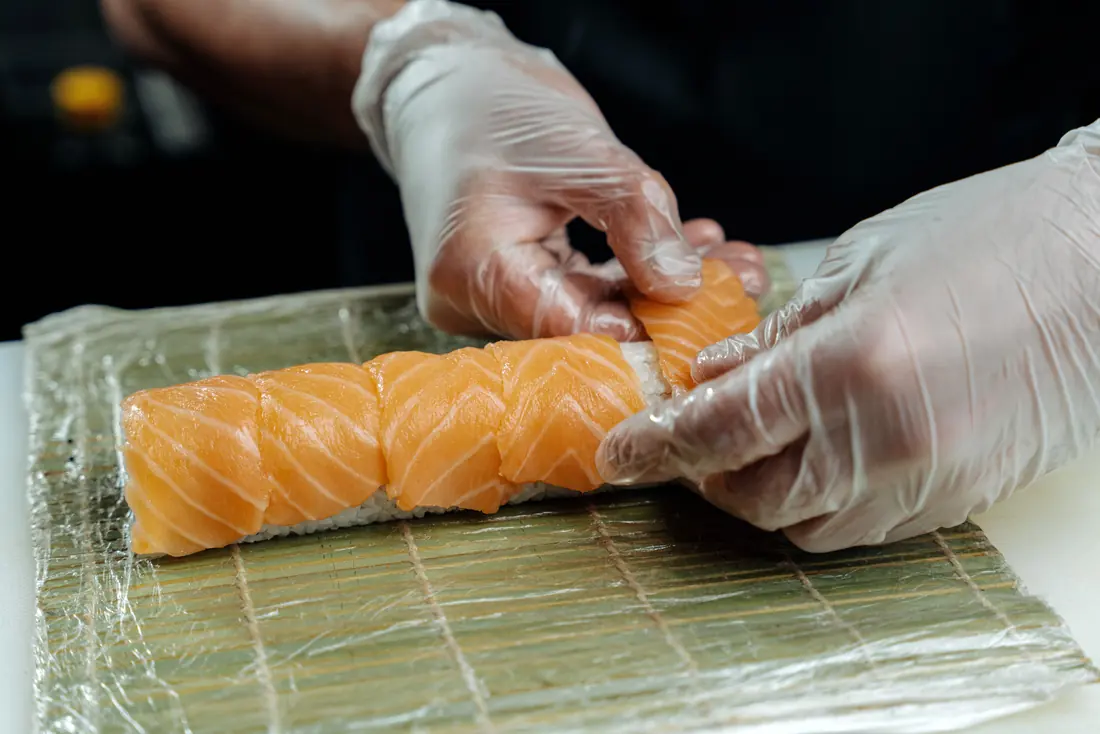
    Gloved hands laying fish over a roll

    Sequence is the part that is invisible from a table. Several orders are in progress at once and each is timed so that nothing waits – rice not sitting out, cut fish not warming, finished pieces going out immediately rather than resting on a board.

    This is why the order things are made in is not the order they were ordered in. A roll that needs a fried element starts before a simple one that was called first, so that both arrive at the same time and neither has been standing. Getting that wrong is what produces a table where half the food is right and half of it has waited.

    Prepared rolls lined up on a board

    What this means for what you eat

    Here is where the craft becomes something you can actually taste. Sushi is at its best within minutes of being made, and it declines in a specific order.

    • The rice goes first. It firms and dries as it sits, and refrigeration accelerates it – which is why chilled sushi rice has that characteristic hard edge.
    • Then the wrapper. Nori draws moisture from the rice and loses its crispness within a short time of the roll being made.
    • The fish holds longest. Which is why the part people worry about is not the part that fails first.
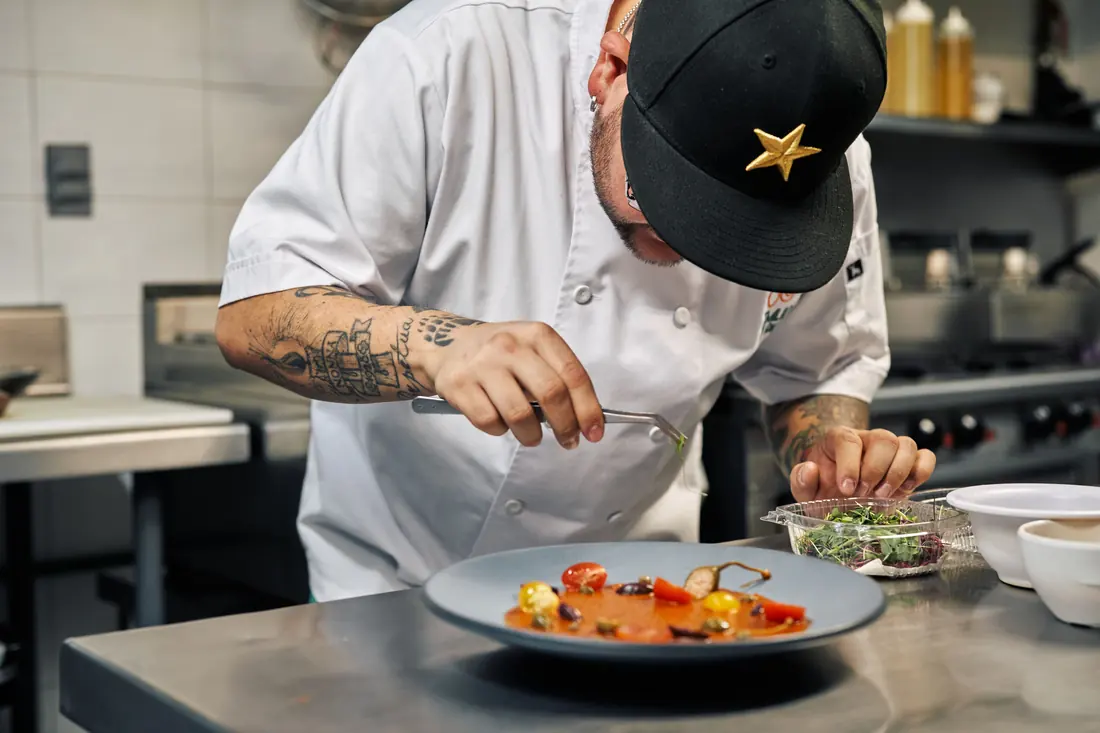
    A cook plating a dish in a kitchen

    That ordering is the whole argument for made-to-order sushi, and it is the same point our comparison of restaurant and supermarket sushi makes from the other direction.

    What the counter is actually for

    A counter is not staging. It exists because the food is best immediately, and the shortest possible distance between the board and the plate is someone handing it straight across.

    It also makes the work legible. You can see how the rice is handled, how the fish is cut, and whether anything is sitting around waiting – which is considerably more information about a kitchen than a dining room usually gives you.

    Who stands behind the board

    For most of its history the traditional apprenticeship was closed to women, and the reasons offered for it – body temperature, perfume, hand size – do not survive contact with evidence. It was a convention, not a culinary constraint.

    That has been changing, in Japan and outside it, without producing any of the problems the convention predicted. Worth saying plainly, because the folklore around this trade gets repeated far more often than it gets examined.

    Does the title mean the same thing everywhere?

    No, and it is worth being straight about it. In Japan the word carries the weight of a traditional apprenticeship. In the United States it is used more loosely, sometimes for anyone working a sushi station.

    Neither use is wrong – they are describing different things. And the skills underneath are the same regardless of what the person holding them is called: rice, knife, sequence, in that order.

    For the food itself, the beginners guide covers what to order first, the specialty roll piece covers what the elaborate builds involve, and the restaurant and supermarket comparison covers why freshly made matters. The current selection is on the ordering page.

    Frequently Asked Questions

    What is a sushi chef called?

    An itamae, which translates roughly as “in front of the board”. You may also hear shokunin, a broader term for a skilled craftsperson in any trade.

    How long does it take to become a sushi chef?

    The traditional apprenticeship is often described as a decade, but that reflects one kind of restaurant rather than a rule. The order the skills are learned in matters more than the timeline.

    Why do sushi chefs train on rice first?

    Rice is the hardest element to get consistently right – texture, seasoning and temperature all have to be held – and it is the foundation everything else sits on.

    What does itamae literally mean?

    In front of the board. Ita is the cutting board and mae means before or in front of, so the word describes where the person stands.

    Does sushi really need to be eaten straight away?

    It is at its best within minutes. The rice firms and dries first, the wrapper softens next, and the fish holds longest – the opposite of what most people expect.

  • What Is Sushi-Grade Fish? The Term Explained

    What Is Sushi-Grade Fish? The Term Explained

    You will see the words on a label at a fish counter, on a menu, and in most recipes that involve raw fish. They sound official. They are not – and what actually stands behind safe raw fish is more interesting than a grade would be.

    The short answer

    There is no legal definition of sushi grade or sashimi grade anywhere in the United States. No agency issues the designation, no inspector applies it, and no standard sits behind it. It is a marketing term, applied by the seller.

    That does not make it meaningless. It usually signals that a supplier considers the fish suitable for raw service. It just means the words are a claim rather than a certification.

    What actually governs raw fish

    The real control is freezing, and it is about parasites rather than bacteria. Freezing to a low enough temperature for long enough kills parasites that may be present in fish, which is why it is the step the guidance is built around.

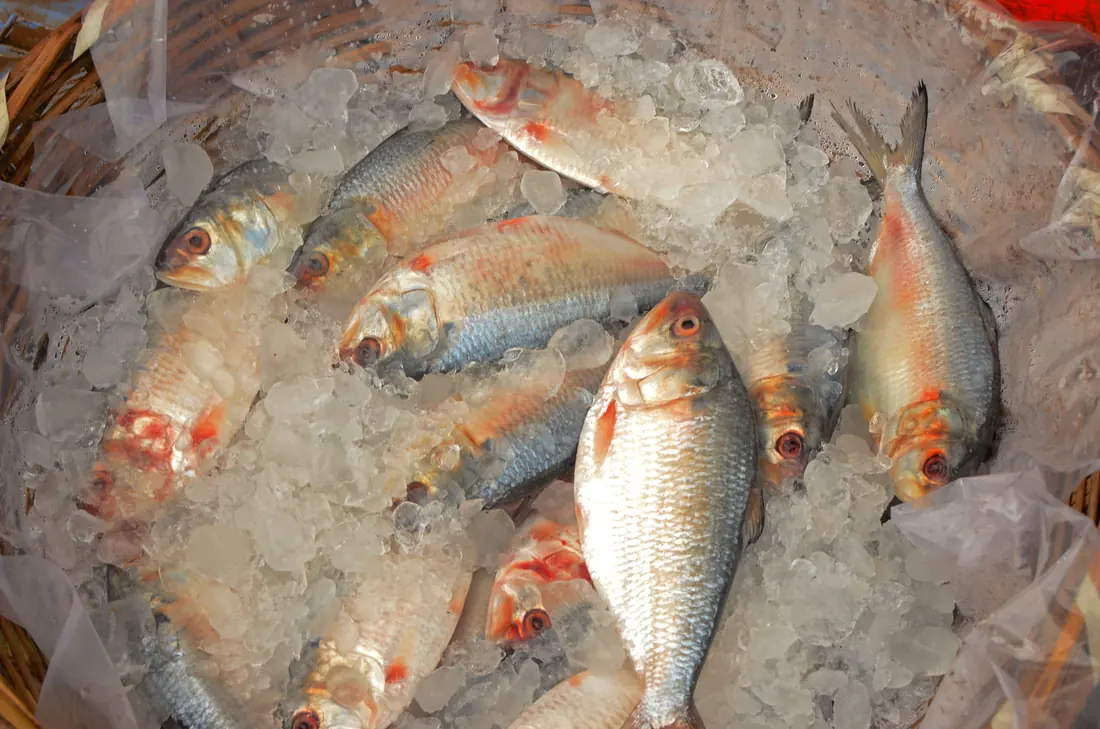
    Whole fish packed in ice

    The FDA’s guidance on selecting and serving fresh and frozen seafood safely sets out the recommendation for fish intended to be eaten raw, along with the handling and cold-chain basics that matter just as much once the fish is out of the freezer.

    This surprises people, because freezing sounds like the opposite of quality. For raw fish it is the safety step, and commercial freezing is far faster and colder than a domestic freezer, which is why the result is not the mush you might expect.

    Fresh is not the same as safe

    What it tells youWhat it does not
    “Fresh”It has not been frozenAnything about parasites
    “Sushi grade”The seller intends it for raw useThat any standard was applied
    “Previously frozen”It has been through a freezeThe temperature or duration
    “Farmed”Feed and environment were controlledThat handling was correct
    Four labels, and the limits of what each one establishes

    The second row is the one worth sitting with. A fish that has never been frozen can be immaculately fresh and still be the wrong fish to eat raw.

    Species matters, and not the way you would guess

    Some species carry a higher parasite risk than others, and the practice varies accordingly. Certain tuna are treated differently from other fish because of where and how they live; farmed salmon raised on controlled feed sits in a different position from wild-caught.

    Whole fish laid out on ice at a market

    Freshwater fish are the clearest case at the other end – they are not eaten raw in this cuisine, and the reason is parasite risk rather than taste.

    Tuna, and why it gets talked about separately

    Tuna is the fish named most often in this conversation, and the reason is commercial rather than culinary. A great deal of it is frozen at temperatures far below anything a domestic freezer reaches and held there, which preserves the texture well enough that the fish can cross an ocean and still be served raw.

    So the freezing is the point rather than a compromise. A tuna loin that has been deep-frozen and handled properly is in a better position for raw service than one that has merely been kept cold since landing.

    Farmed and wild

    Farming changes the parasite question because it changes the diet. Fish raised on controlled feed are not exposed to the cycle that introduces the parasites in question, which is why farmed and wild fish of the same species can sit in quite different positions.

    It is not a blanket ranking in either direction. Farming practice varies enormously and the word on a label covers a lot of ground – which is one more reason the sourcing behind the fish matters more than the grade printed in front of it.

    What a kitchen relies on instead

    Since the label guarantees nothing on its own, restaurants that serve raw fish work from things that do.

    • The supplier relationship. A known supplier who can say where the fish came from and how it was handled is the foundation, and it is not something a label can replace.
    • Documentation. Records of freezing and handling exist upstream of the kitchen and are what an inspection actually looks at.
    • The cold chain. Temperature maintained from the boat through delivery and storage, without an unexplained gap.
    • Turnover. Fish for raw service is ordered against expected demand rather than held, which is a stock decision as much as a safety one.
    A refrigerated fish counter

    Parasites and bacteria are different problems

    Worth separating two things that routinely get merged. Parasites are what the freezing recommendation addresses, and freezing handles them reliably. Bacteria are a separate problem that freezing does not solve – that one is answered by temperature control, clean handling and how quickly the fish moves through.

    So a fish can be correctly frozen and still be mishandled afterwards. The cold chain matters as much on the near side of the freezer as the far side, and the two controls run in parallel rather than one covering for the other.

    It also explains the shape of the guidance. Freezing gets a precise specification because it is a single step with a measurable outcome. Handling gets described as practice because it is continuous and cannot be reduced to a number.

    Handling once it is in the kitchen

    The work does not stop at delivery. Fish for raw service is kept separate from everything cooked, cut on dedicated boards with dedicated knives, and returned to cold storage between orders rather than sitting out.

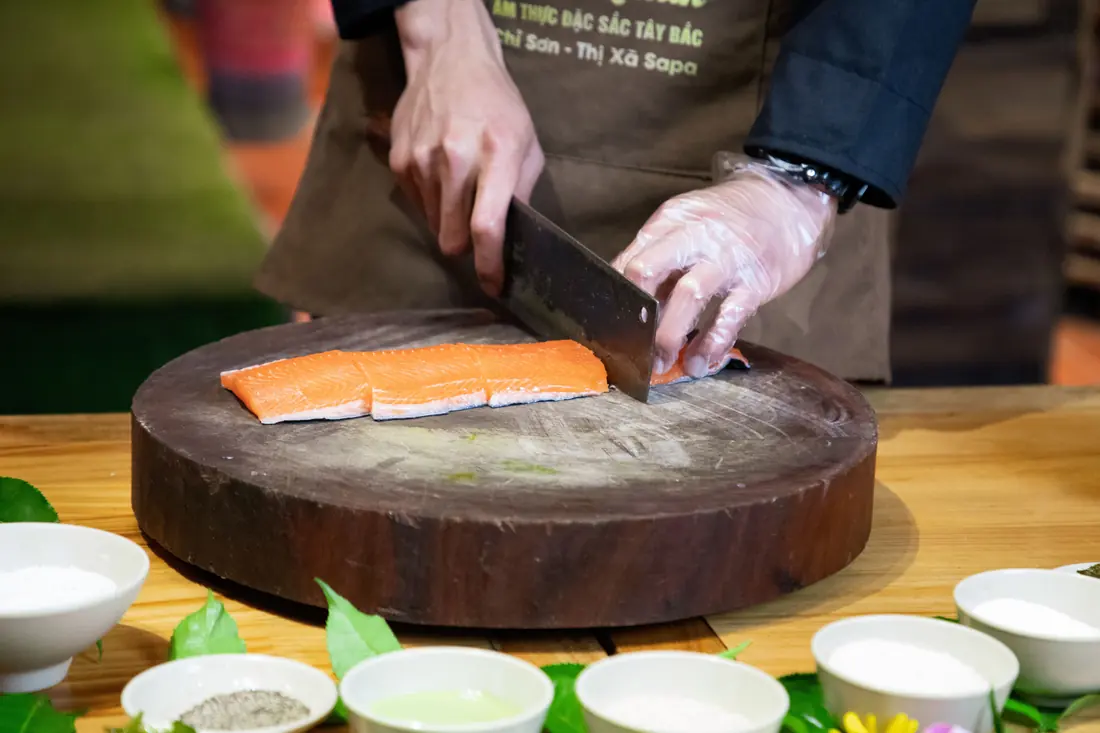
    A cook slicing a salmon fillet

    None of this is visible from a dining room, which is the honest answer to how a diner assesses it: you cannot, directly. What you can do is prefer places that sell enough raw fish to turn it over.

    Buying it yourself

    If you want to make something with raw fish at home, the question to ask at the counter is not whether it is sushi grade. It is whether the fish was frozen according to the FDA recommendation for raw consumption, and a counter that knows its stock can answer that.

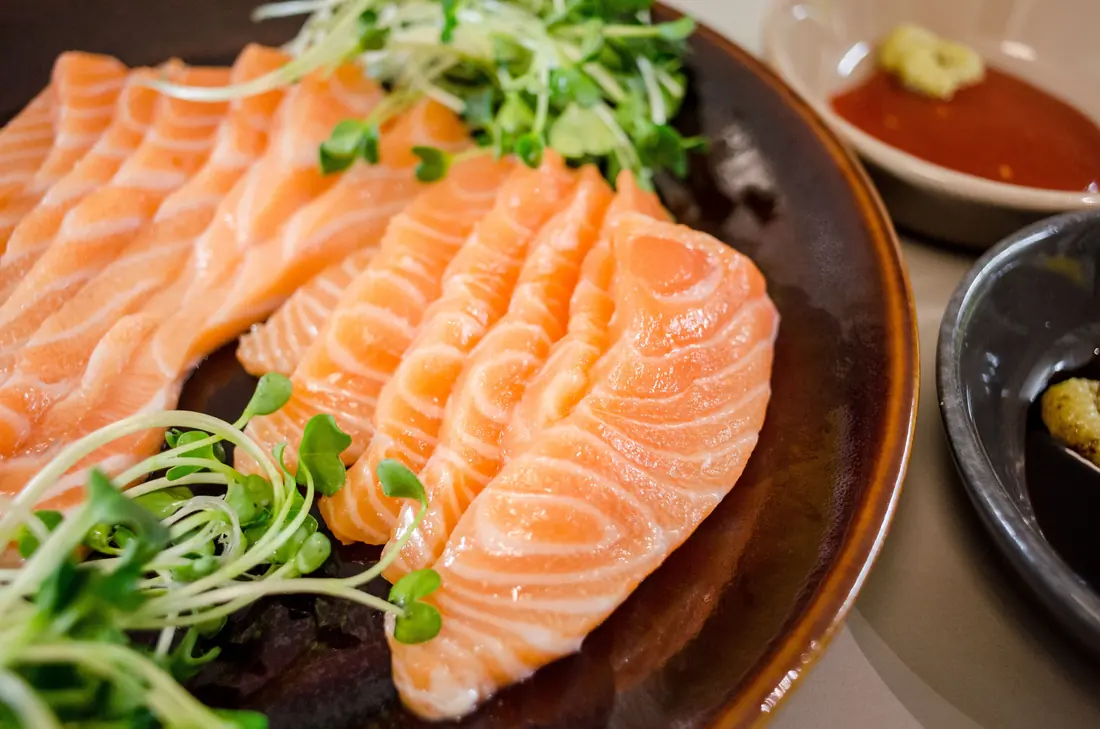
    Slices of raw salmon with greens

    Supermarket fish sold for cooking has not necessarily been through that process, and the absence of a warning is not an assurance. This is the practical difference between a restaurant’s raw fish and a supermarket’s, and it sits upstream of anything you can see.

    So is the term useless?

    Not useless – just weaker than it sounds. It tells you what a seller intends the fish for, which is genuine information. It simply is not a grade, and treating it as one puts weight on a word that was never built to carry it.

    The better instinct is to move the question one step back. Not “is this fish sushi grade” but “who handled this fish, and how” – which is the question a good counter can answer and a label cannot. Everything the term is trying to stand in for lives in that answer.

    For the raw and cooked question generally, our comparison of cooked and raw rolls covers what each offers, the spicy tuna explainer covers the most-ordered raw filling, and the restaurant and supermarket piece covers where the difference actually lies. The current selection is on the ordering page.

    Frequently Asked Questions

    What is sushi-grade fish?

    A seller’s term for fish they consider suitable to eat raw. There is no legal definition or official grading system behind it in the United States.

    Is sushi-grade fish a real standard?

    No. No agency issues or inspects the designation. What actually governs raw fish is freezing for parasite control, plus handling and cold-chain practice.

    Why is fish for raw eating frozen first?

    Freezing to a low enough temperature for long enough kills parasites that may be present. Commercial freezing is much faster and colder than a home freezer.

    Can I eat supermarket fish raw?

    Not on the basis of the label alone. Ask whether it was frozen according to the FDA recommendation for fish intended to be eaten raw.

    Does fresh mean safe for raw eating?

    No. Fresh means it has not been frozen, which tells you nothing about parasites. Fresh and safe-to-eat-raw are separate questions.

  • Is Sushi Healthy? What Is Actually in a Roll

    Is Sushi Healthy? What Is Actually in a Roll

    The question gets asked as though sushi were one thing. It is not. A roll is a construction, and two rolls sitting side by side on the same board can be almost unrelated in what they are made of.

    So rather than a verdict, here is the useful version: the three things that move the numbers, and how to see them on any menu.

    Start with what a roll is

    Strip a roll down and there are four components – rice, a wrapper, a filling and whatever is on top. Three of those barely vary. The fourth is where all the variation lives.

    This is why single answers fail. A roll of rice, seaweed and a strip of raw fish and a roll of rice, tempura shrimp, cream cheese and two sauces share a category and very little else.

    The first lever: rice

    Rice is the bulk of most rolls by weight, and it is not plain rice. Sushi rice is seasoned after cooking with vinegar, sugar and salt, which is what gives it its gloss and its faint sweetness.

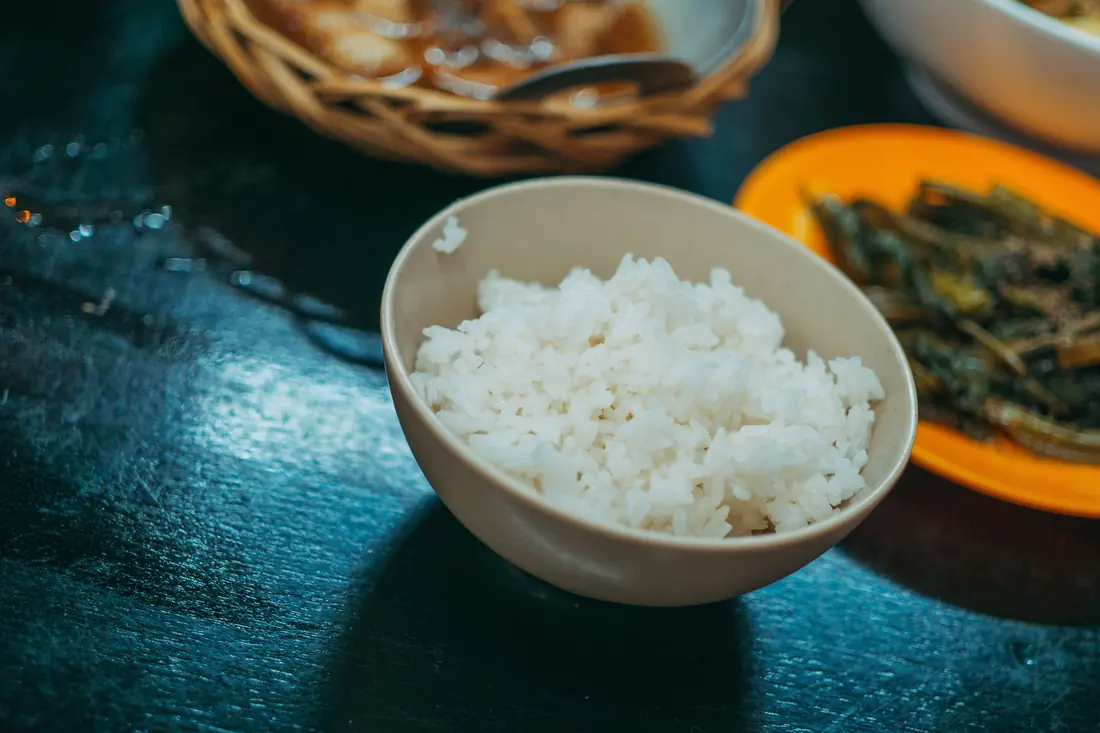
    A bowl of cooked white rice

    Two things follow. The rice is a larger share of the roll than most people assume, and it is not neutral – the seasoning is part of what you are eating. Rolls made with less rice, or served without it, are a different proposition from rolls built around a thick rice layer.

    The second lever: whether anything is fried

    A fried element changes a roll more than any other single decision. Crumbed or battered fillings absorb oil during cooking and hold it, and a roll can carry a fried element on the inside, the outside, or both.

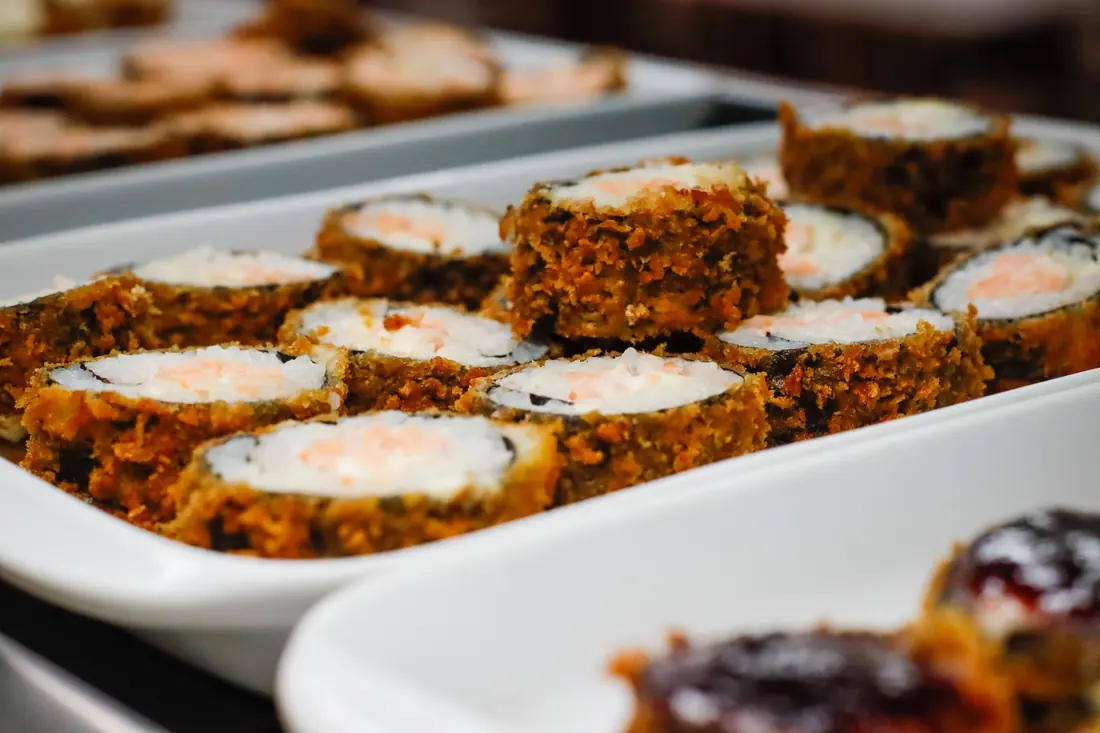
    Crumbed roll pieces on serving trays

    This is worth knowing because fried elements are not always obvious from a roll’s name. The words that signal one are crunchy, crispy, tempura, katsu and dynamite. The reliable move is to read the description rather than the name.

    The third lever: sauce

    Sauce is the quietest of the three and often the largest. Sweet glazes and mayonnaise-based sauces are applied by squeeze bottle in quantities that are hard to judge by eye, and a heavily finished roll can carry a substantial amount.

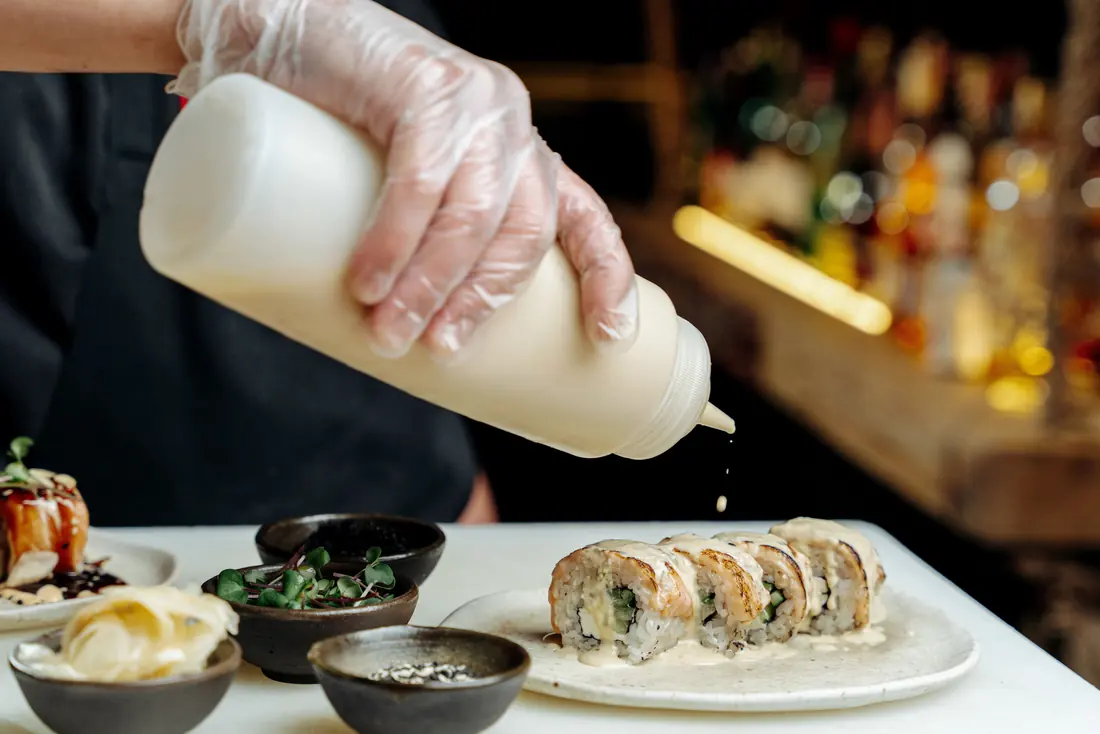
    Sauce being squeezed over a roll from a bottle

    Sauces are also the easiest thing to adjust. Asking for a sauce on the side, or lightly, is an ordinary request and changes the dish more than swapping a filling usually does.

    What the fish is doing

    The fish is the part everyone asks about and the part that varies least. Raw fish is mostly protein and water, and oily species such as salmon and mackerel carry more fat than lean ones such as tuna – a difference that exists but is small next to the difference a fried filling makes.

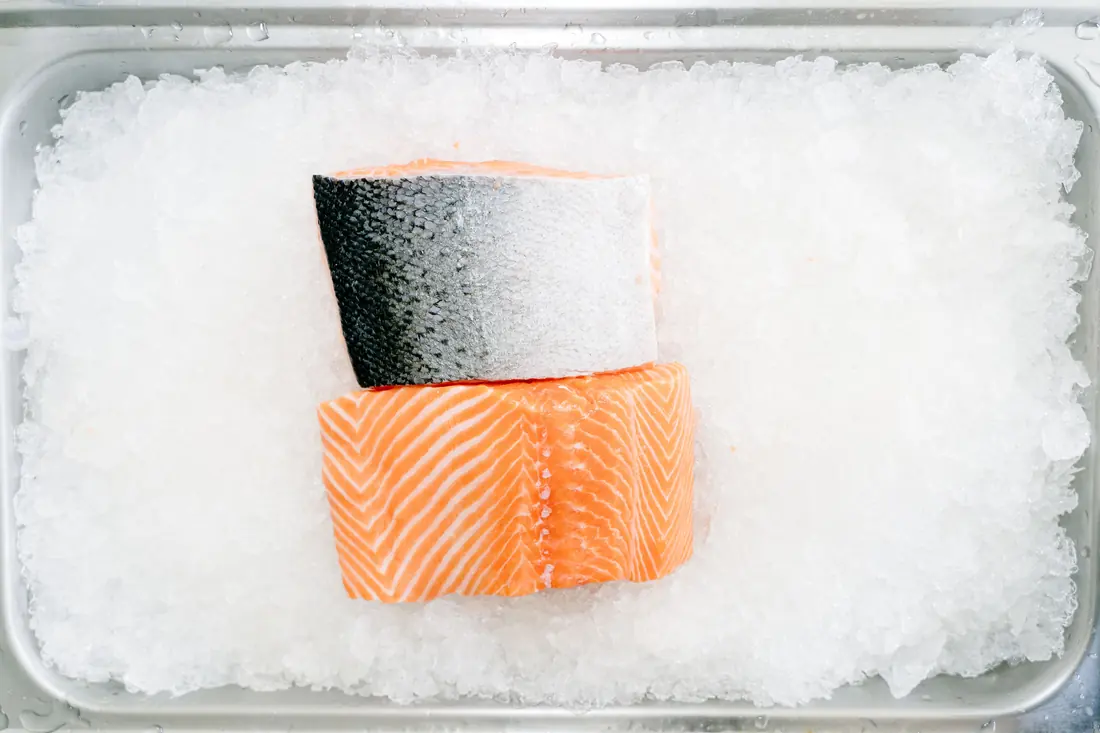
    Cuts of raw salmon resting on ice

    If you want figures for a component in isolation, the US Department of Agriculture’s FoodData Central is the reference to use. It covers raw ingredients rather than finished dishes, which is exactly the right level for this – it will tell you about salmon, not about a particular roll.

    The vegetables, and avocado in particular

    Cucumber, carrot and daikon add volume and very little else. Avocado is the interesting one, because it is the only filling that is substantially fat while still being a vegetable, which is also exactly why it works in a roll – it does the job that a rich fish does.

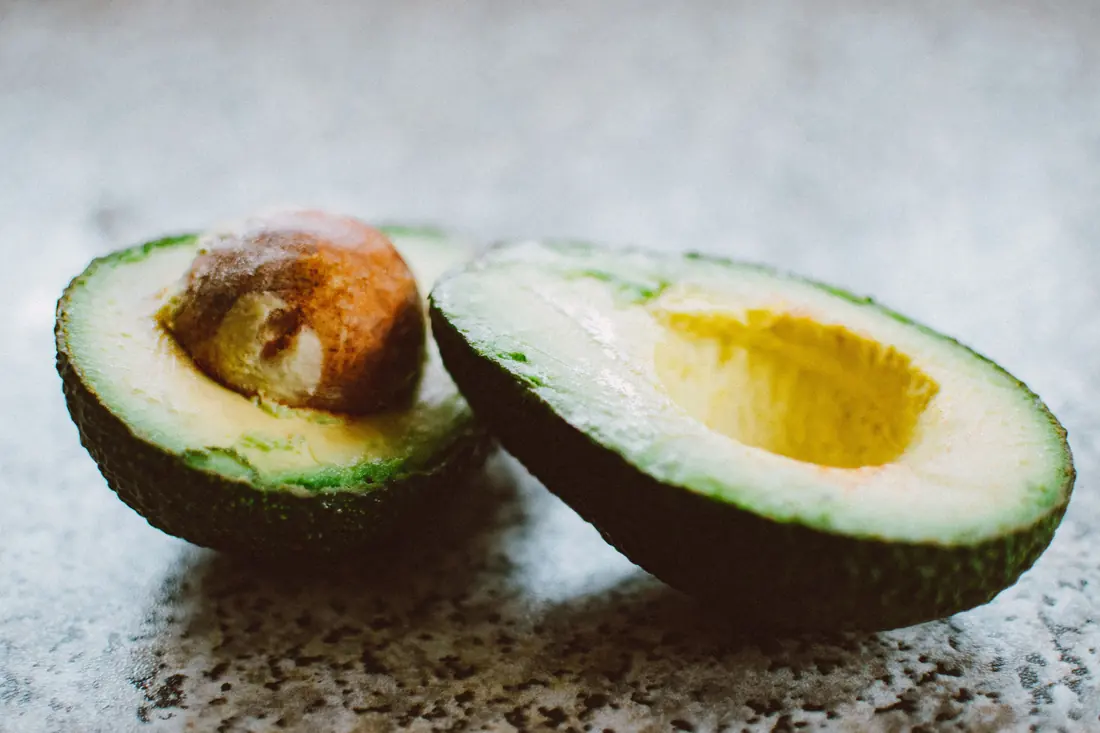
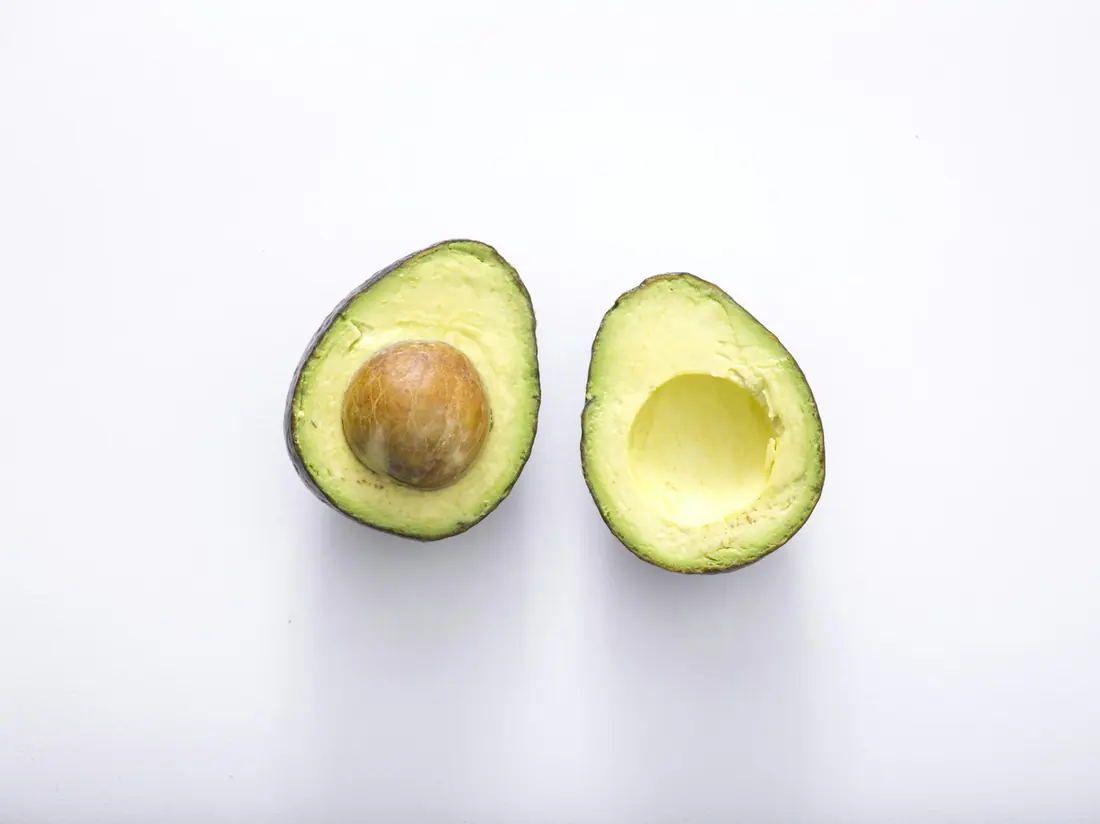
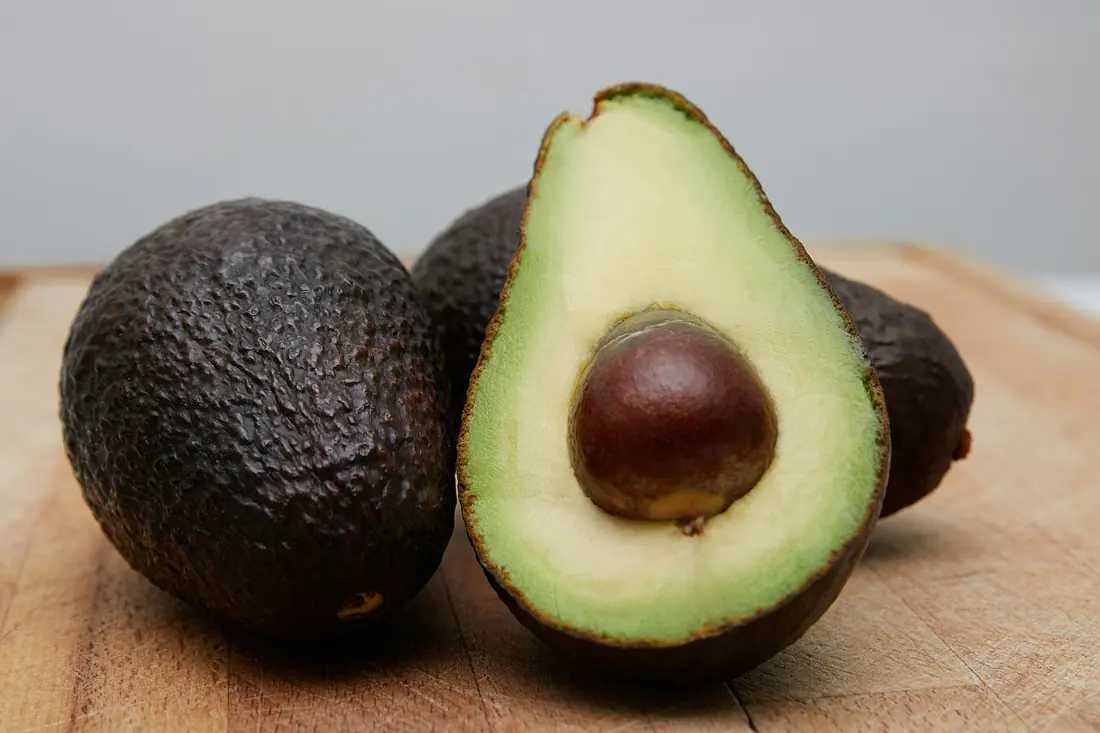
    A halved avocado

    The wrapper, and the soy sauce

    Two components sit at the edges and get forgotten. Nori – the dark seaweed sheet – is thin, dry and barely registers either way. Soy sauce is the opposite: it is the one part of the meal you control completely, and it is salty by design.
    Our guide to soy sauce, wasabi and ginger covers the practical handling. The short version is to dip the fish rather than the rice – rice absorbs, fish does not, so the same piece carries noticeably less sauce and tastes more of itself.

    Portion is doing more work than any of it

    A roll arrives cut into six or eight pieces, and it is rarely ordered alone. Two rolls and an appetiser is a different meal from one roll, in a way no per-piece figure captures.

    This is the least interesting answer and the most reliable one. How much you order moves the total further than which roll you order – and it is the variable that gets left out of every comparison.

    Why published numbers disagree so much

    ReasonWhat it does to the number
    Portion is undefinedSix pieces or eight, thick or thin – the base varies
    Rice quantity is not standardThe largest single component, and unmeasured
    Sauce is applied by handTwo of the same roll are not the same roll
    Fried elements absorb variablyOil uptake depends on the fry, not the recipe
    Names are not regulatedThe same roll name means different things by kitchen
    Why two sources can give very different figures for the same roll name

    Any number you find online for a named roll is an estimate of somebody’s version of it. That does not make the numbers useless, but it does mean the levers above travel better than the figures do.

    Two things people get backwards

    The first is that raw is automatically the lighter option. A raw fish roll can carry more sauce than a fried one, and sauce is the bigger variable – raw and cooked describe the fish, not the finished dish.

    The second is that a small-sounding roll is a small portion. Rolls vary in diameter far more than they vary in piece count, and a thick eight-piece roll and a thin one share a number on the menu and almost nothing else. Piece count is close to the least informative thing on the plate.

    Both mistakes come from the same habit: reading the name rather than the construction. The description is where the information actually is.

    What this means when you order

    The practical version is short. Look at the description rather than the name, notice whether anything is fried, notice how many sauces are listed, and remember that rice is the base of the whole thing.

    It also helps to know that the elaborate rolls are elaborate on purpose. A roll with a filling, a topping, a crunch element and two sauces is built for contrast, and every one of those layers is a decision someone made about texture. Reading it as a list of components tells you far more than the name ever will.

    For anything that depends on your own circumstances, or on the specifics of a particular dish, ask the restaurant directly rather than working from a general guide – including this one.

    For the rolls themselves, the beginners guide covers what to order first, the specialty roll piece covers why the elaborate ones are built the way they are, and the avocado explainer covers the one filling that changes a roll most. The current selection is on the ordering page.

    Frequently Asked Questions

    Is sushi healthy?

    It depends entirely on the roll. Rice, fried elements and sauce are the three things that move the numbers, and rolls vary enormously in all three.

    What makes one roll different from another?

    Mostly the filling and the topping. Rice and wrapper barely vary; whether something is fried, and how much sauce is applied, vary a great deal.

    Is raw fish better than cooked fish in a roll?

    They are different rather than ranked. The larger difference in most rolls is whether a filling has been crumbed and fried, not whether the fish is raw.

    Why do calorie counts for the same roll vary so much?

    Because portion size, rice quantity and sauce are not standardised, and roll names are not regulated. Published figures describe somebody’s version of the roll.

    Can you tell me the nutritional information for a specific dish?

    Not from a general guide – it depends on the kitchen and the portion. Ask the restaurant directly for anything about a particular dish.

  • What Is Mirin? The Sweetness in Japanese Sauces

    What Is Mirin? The Sweetness in Japanese Sauces

    A great many Japanese sauces are faintly sweet, and the sweetness has a particular quality – rounded rather than sugary, with a shine to it. That is usually mirin, and it is doing more than one job.

    What is mirin?

    Mirin is a sweet rice wine used as a seasoning rather than as a drink. It is made by fermenting glutinous rice with a cultured mould and distilled alcohol, which converts the rice starch into sugars over months.

    It is closely related to sake – Britannica’s entry on sake covers the fermentation both come from – but the process is steered toward sweetness rather than toward alcohol, and the result is syrupy where sake is dry.

    Food finished with a dark glossy glaze

    What it does in a dish

    Four things, and only the first is obvious.

    • Sweetness – rounder and less sharp than sugar, with more going on behind it.
    • Shine – the sugars caramelise into the glossy surface on glazed dishes. Sugar alone does not produce the same effect.
    • Balance – it softens the salt in soy sauce, which is why the two are so often used together.
    • Firming – the alcohol firms the surface of fish and meat slightly, which helps things hold together in a simmering liquid.

    The shine is the one that gives it away on a plate. A dark glossy glaze that catches the light almost always has mirin in it, because that particular finish is very hard to get any other way.
    Where it turns up on a menu

    WhereWhat mirin is doingHow to spot it
    Glazes on grilled foodSweetness and shineA dark lacquered surface
    The sweet sauce on rollsMost of the sweetnessThick, dark, glossy drizzle
    Dipping saucesBalancing the soySweet-salty rather than just salty
    Simmered dishesSweetness and firmingIngredients hold their shape
    Sushi rice seasoningOccasionally, alongside vinegarA rounder sweetness
    Where you meet mirin without seeing it

    The second row covers a lot of ground. The sweet dark sauce drizzled over so many specialty rolls is generally a reduction of soy sauce, mirin and sugar, and mirin is what gives it both the gloss and the depth.

    Rice grains, close up

    The three kinds

    Not everything sold as mirin is the same product, and the difference is worth knowing.

    1. Hon mirin – the real thing. Brewed over months, around fourteen percent alcohol, no added sugar.
    2. Mirin-style seasoning – a lower-alcohol version with sugar and other flavourings added to approximate the taste. Much more common on shelves.
    3. Mirin-flavoured seasoning – essentially no alcohol, built from sugar, corn syrup and flavourings.

    The differences show up mainly in the finish. The brewed version produces a better glaze and a more complex sweetness; the substitutes are sweeter and flatter and will do the job in a simmered dish where subtlety is not the point.

    Small ceramic pouring bottles on a tray

    How it is made

    The production is closer to brewing than to anything a kitchen does. Glutinous rice is steamed and combined with a cultured mould, the same one used for sake and for miso, along with distilled alcohol.

    The mould breaks the rice starch down into sugars over a period of months, and the alcohol present from the start prevents the mixture fermenting further into something dry. What results is thick, golden and intensely sweet, with a complexity that comes from the long conversion rather than from anything added.

    That is the difference between brewed mirin and the sweetened substitutes. One developed its sugars slowly out of rice; the other had them poured in.

    Mirin and sake are not interchangeable

    They come from the same tradition and get confused constantly, but they behave differently in a pan. Sake is dry and is used to add depth and to remove strong odours from fish; mirin is sweet and is used for balance and shine.

    A recipe calling for both wants both. Using only sake produces something noticeably flat and thin; using only mirin produces something cloying, because the sweetness has nothing dry to push against.

    The sauce it is most often in

    If mirin is in one thing you have eaten, it is the sweet dark glaze that appears on grilled dishes and drizzled over rolls. The base of it is simple – soy sauce, mirin and sugar, simmered until it thickens – and the proportions vary by kitchen.

    What the simmering does is drive off the alcohol and reduce the liquid until the sugars concentrate enough to coat rather than run. Reduced too far it turns bitter and sets hard as it cools; not far enough and it slides off whatever it is put on.

    That narrow window is why the glaze on a well-made dish looks lacquered and clings in an even film, while a poorly made one either pools on the plate or sits in sticky patches.

    Does the alcohol cook off?

    Mostly, and that is the intention. In most preparations the mirin goes into a hot pan or a simmering liquid, and the alcohol burns off in a minute or two, leaving the sugars and the flavour behind.

    Some sauces are made without heating, and in those a little alcohol remains. It is a small quantity in a small quantity of sauce, but it is worth knowing if you avoid alcohol entirely – the mirin-flavoured seasonings exist partly for that reason.

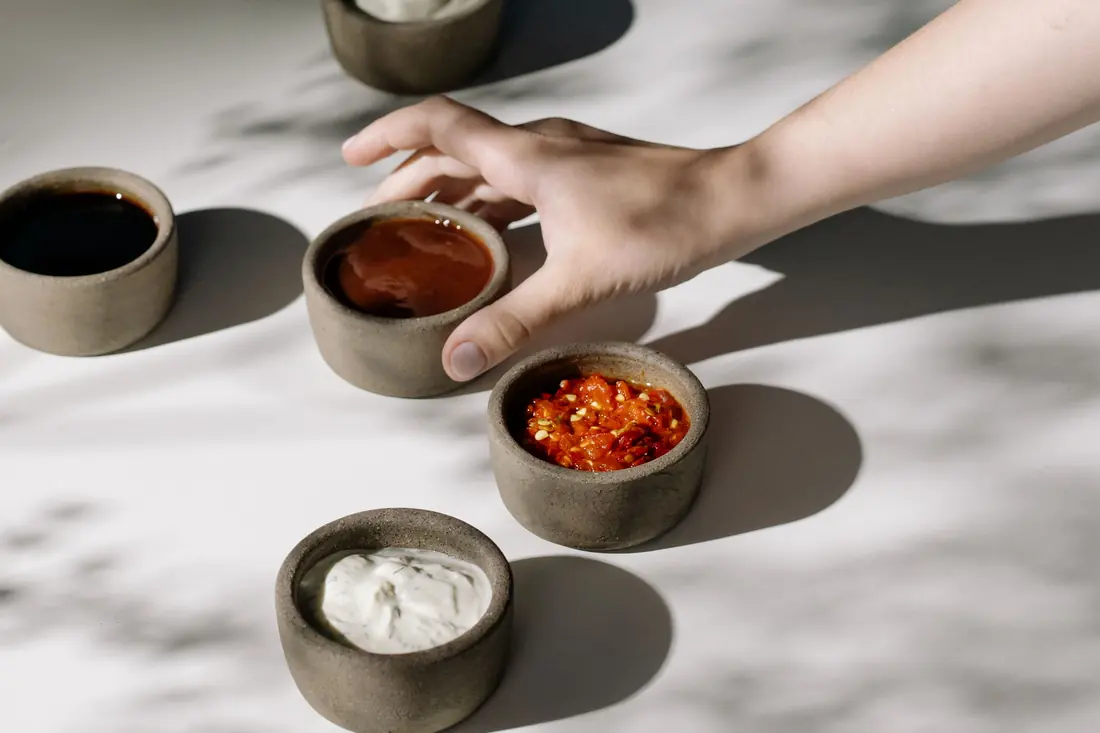
    Small bowls of different sauces

    What to use if you have none

    There is no exact substitute, but the components can be approximated. A common stand-in is a dry white wine or sake with a little sugar dissolved into it, which covers the sweetness and some of the acidity.

    What it will not cover is the shine. The glossy finish comes from the particular sugars that months of conversion produce, and no quick mixture reproduces it, so a glaze made with a substitute will taste close and look duller.

    Storing it

    Brewed mirin keeps well at room temperature, sealed, because the alcohol content protects it. It darkens slowly over a year or two and the flavour deepens rather than spoiling.

    The low-alcohol and alcohol-free substitutes are less stable and are usually better refrigerated after opening, since there is little protecting them beyond the sugar. If a bottle has been open for a long time, the substitute is the one to check.

    If you are cooking with it

    A little goes a long way, and the most common mistake is treating it as a one-for-one replacement for sugar. It is sweet, but it is also liquid, acidic and alcoholic, and all three of those change how a sauce behaves.

    The standard starting point is equal parts soy sauce and mirin, adjusted from there. Reduce that mixture and you have the base of most of the glazes on a Japanese menu, which is a useful thing to know how to make.

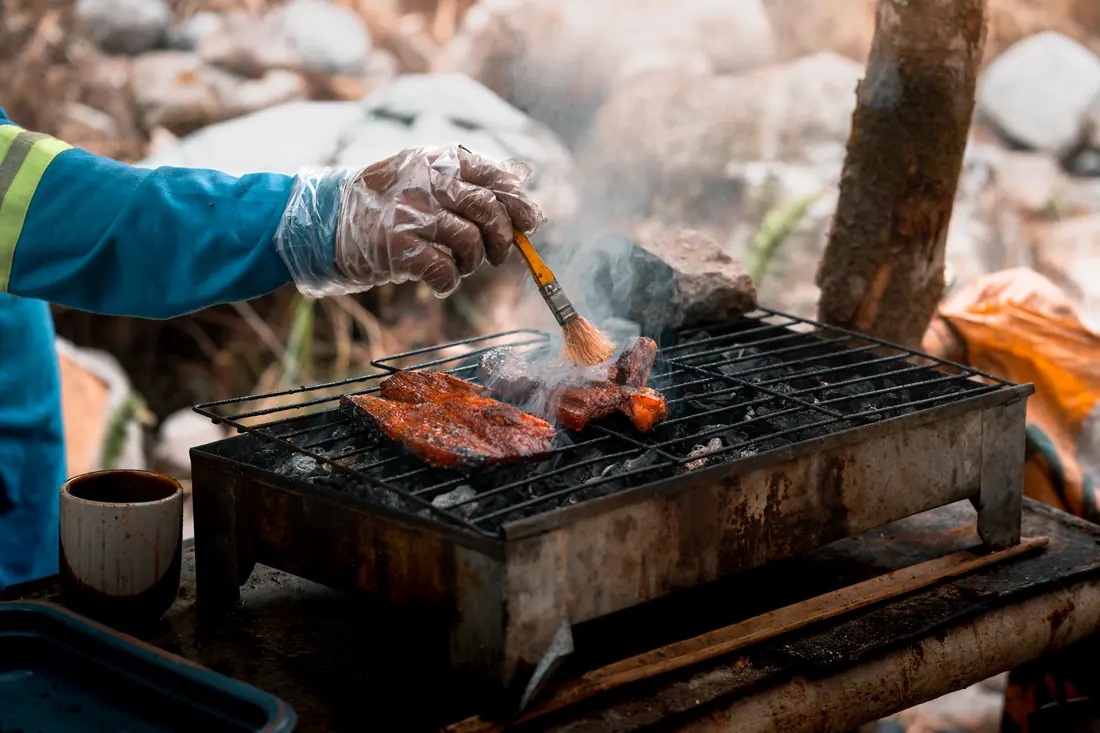
    Glaze being brushed onto food on a grill

    For the sauces it goes into, our condiments guide covers what arrives at the table, the dashi piece covers the other half of most Japanese sauces, and the specialty rolls guide covers the drizzles on a house roll. The current selection is on the ordering page.

    Frequently Asked Questions

    What is mirin?

    A sweet rice wine used as a seasoning rather than a drink. It is brewed from glutinous rice and adds sweetness, shine and balance to sauces.

    Is mirin alcoholic?

    The brewed version is around fourteen percent alcohol, though most of it cooks off when heated. Low-alcohol and alcohol-free substitutes are widely sold.

    What is the difference between mirin and sake?

    Mirin is sweet and used for balance and glaze; sake is dry and used for depth. They come from the same tradition but are not interchangeable.

    What gives Japanese glazes their shine?

    Mirin. Its sugars caramelise into a glossy surface that sugar alone does not reproduce, which is why glazed dishes look lacquered.

    Can I use sugar instead of mirin?

    Only roughly. Sugar supplies sweetness but not the acidity, alcohol or shine, so the sauce will taste flatter and look duller.

  • Jasmine Rice vs Sushi Rice: Why They Differ

    Jasmine Rice vs Sushi Rice: Why They Differ

    Rice is not one ingredient. The rice under a curry, the rice in a sushi roll and the rice in a fried rice are different products chosen for different reasons, and swapping them produces noticeably worse food.

    The short answer

    Jasmine rice is long-grain and cooks up separate and fluffy. Sushi rice is short-grain and cooks up sticky enough to hold together. The difference is starch, and it is decided by the variety rather than by how it is cooked.

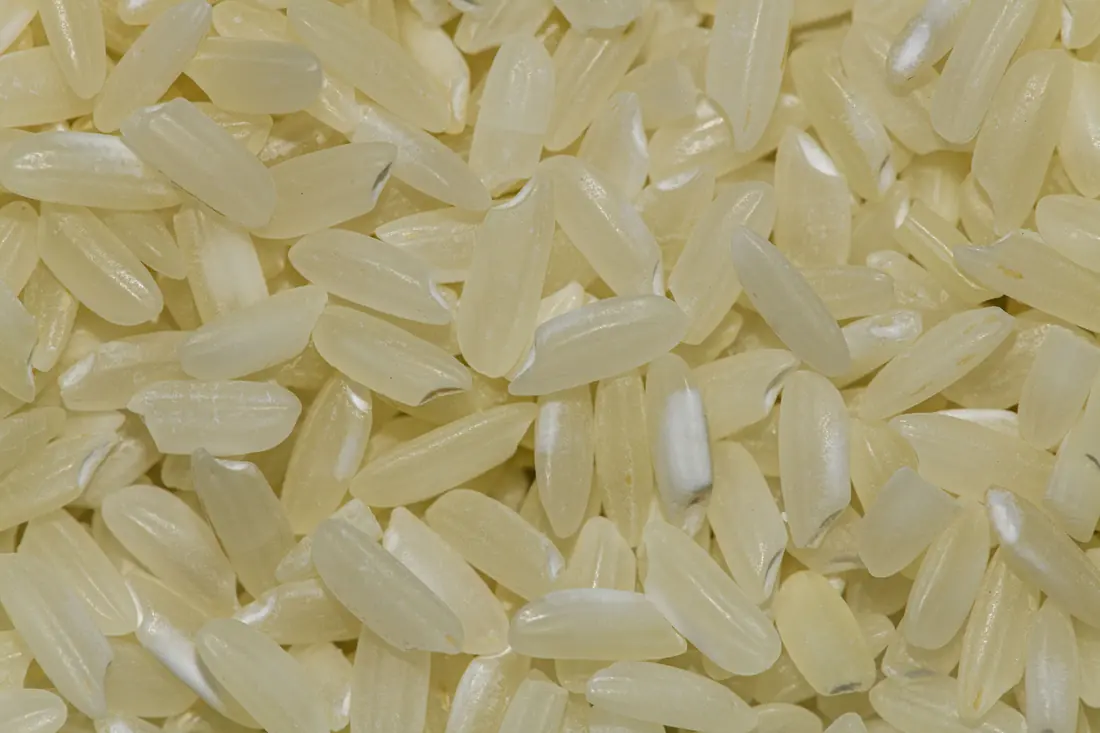
    Raw white rice grains, close up

    Two starches, one difference

    Rice contains two starches in varying proportions, and the ratio between them explains almost everything.

    • Amylose – the one that keeps grains separate. High-amylose rice cooks dry and fluffy and firms up as it cools.
    • Amylopectin – the one that makes grains cling. High-amylopectin rice cooks soft and sticky and stays pliable.

    Long-grain varieties are high in amylose; short-grain varieties are high in amylopectin. Britannica’s entry on rice covers how widely the crop varies across regions, and the cooking differences follow directly from that variation.

    A bowl of cooked rice

    The two compared

    Jasmine (long-grain)Sushi rice (short-grain)
    Grain shapeLong and slenderShort and rounded
    Texture cookedSeparate, fluffySticky, cohesive
    AromaDistinctly floralMild and clean
    Holds shapeNo – falls apartYes – can be pressed
    When cooledFirms and driesStays soft longer
    Used forServing alongside dishesRolls, pressed sushi, rice bowls
    Why one cannot stand in for the other

    The fourth row is the one that matters most on a sushi menu. A roll made with long-grain rice would come apart as soon as it was cut, which is why the substitution is not a matter of preference.

    What makes sushi rice sushi rice

    Short-grain rice on its own is not yet sushi rice. After cooking it is dressed with a seasoning of vinegar, sugar and salt, folded through while the rice is still warm so it absorbs rather than sits on the surface.

    That seasoning does two jobs. It adds the faint sweet-sharp flavour that distinguishes sushi rice from plain rice, and the acidity balances rich fish. The traditional cooling with a fan, while folding, is about stopping the grains from steaming themselves into mush.

    This is also why sushi rice is served at room temperature rather than hot. Cold rice goes hard and hot rice warms the fish sitting on it, so the target is somewhere in between – closer to body temperature than to either extreme.

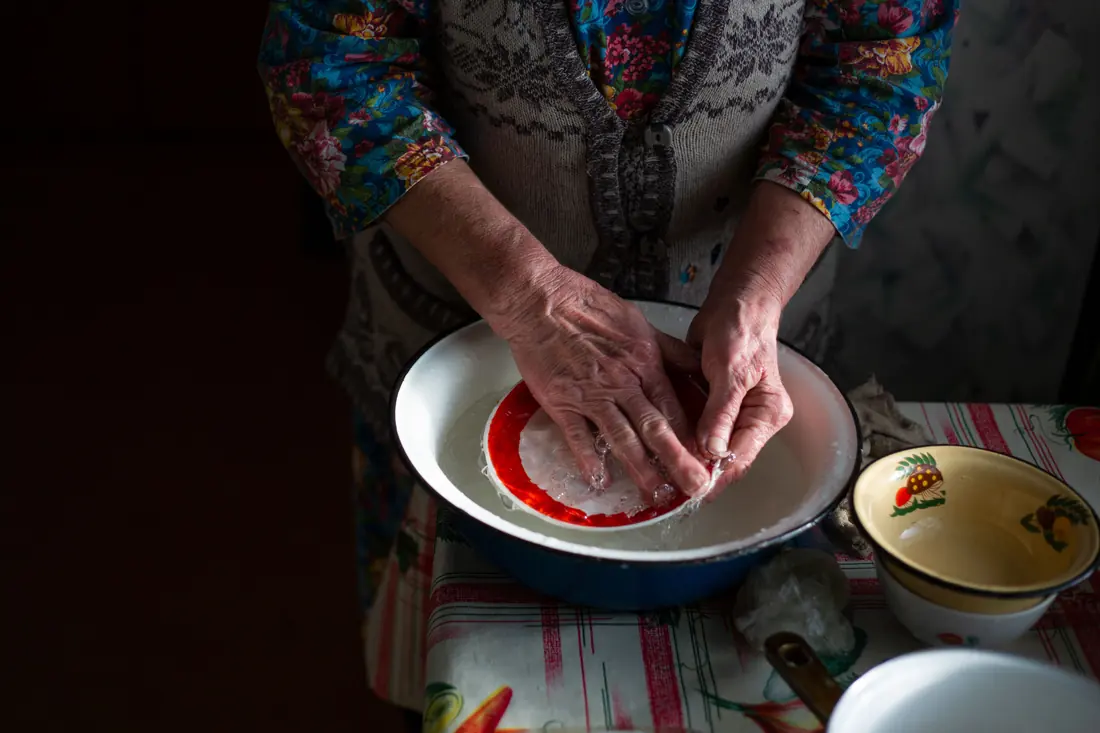
    Rice being rinsed in a bowl of water

    How the water ratio changes things

    The other variable is water, and the two rice types want different amounts for reasons that follow from the starch difference.

    Long-grain rice takes roughly one and a half parts water to one part rice, because the goal is fully cooked grains that stay separate. Short-grain rice takes closer to one to one, since it holds moisture more readily and too much water turns it to porridge.

    Resting matters as much as the ratio. Rice left covered off the heat for ten minutes finishes cooking in its own steam and the moisture distributes evenly, which is why rice served straight from an uncovered pot is often wet at the bottom and dry on top.

    Why rice is rinsed

    Both types are rinsed before cooking, and for the same reason: loose surface starch. Milling leaves a powdery coating that turns gluey in the pot and makes the finished rice claggy rather than distinct.

    How thoroughly depends on what you want. Jasmine rice is usually rinsed until the water runs almost clear, since separation is the goal. Sushi rice is rinsed too, but the stickiness that remains is structural and comes from inside the grain rather than from the surface dust.

    Steam rising from bowls of freshly cooked rice

    One more variable worth naming is age. Rice loses moisture in storage, so a bag opened months ago behaves slightly differently from a fresh one and generally wants a little more water. It is a small effect, but it explains why the same measurement does not always give the same result.

    The fried rice question

    This is where the two meet a practical problem. Fried rice needs grains that stay separate in a hot pan, which means a long-grain rice – and it needs the rice to be cooked in advance and cooled.

    Day-old rice works better because the grains have firmed up and dried slightly, so they fry rather than steam. Freshly cooked rice carries too much surface moisture and clumps.

    It is also why fried rice and steamed rice on a hibachi plate genuinely are different choices rather than the same rice prepared two ways.

    What happens when rice goes cold

    Cooked rice changes in the fridge, and the change is not simply drying out. The starch reorganises into a firmer structure as it cools, which is why cold rice is hard and slightly chalky.

    This is behind several things you notice. It is why packaged sushi never quite matches fresh, why day-old rice fries better, and why sushi rice is seasoned and held at room temperature rather than being refrigerated between service.

    Reheating reverses most of it. Steam or a splash of water and a lid will bring chilled rice back close to where it started, which dry reheating in an oven or under a grill will not.

    The other varieties on a menu

    • Basmati – long-grain, very high amylose, the driest and most separate of the common types.
    • Glutinous or sweet rice – almost pure amylopectin, so sticky it holds a shape without pressing. Used for sweets and for some steamed dishes.
    • Brown rice – any variety with the bran left on. Chewier, longer to cook, and it never becomes as sticky because the bran gets in the way.
    Brown rice is worth a note if it appears as an option on a sushi menu. It makes a structurally weaker roll, because the bran layer interferes with the grains binding to each other.

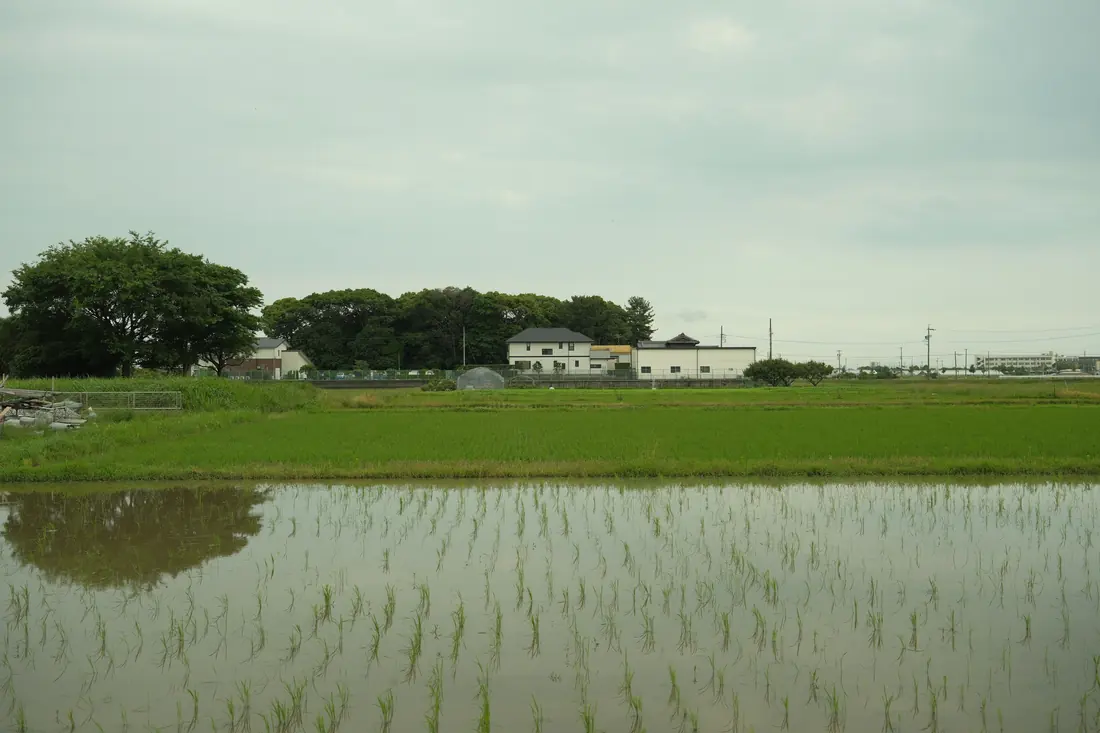
    A flooded rice paddy

    How much you get

    Rice roughly triples in volume as it cooks, which is worth knowing when a menu describes a portion. A restaurant serving of steamed rice is a fairly standard quantity across most kitchens, and it is sized to accompany a dish rather than to be a dish.

    That is also why a plate built around rice – a hibachi plate, a rice bowl – carries noticeably more of it than a bowl served alongside something else. The rice is doing a different job in each case.

    What to do with this

    If you are cooking, buy for the dish rather than buying one bag for everything. If you are ordering, it explains a choice you are given constantly.

    On a hibachi plate the fried-or-steamed question is really a question about whether you want the rice seasoned and separate or plain and soft. On a sushi menu there is no question at all – the rice is the one part of the dish that is not up for negotiation.

    For where this shows up, our beginners guide covers how a roll holds together, the hibachi plate guide covers the rice choice in detail, and the packaged sushi comparison explains what chilling does to it. The current selection is on the ordering page.

    Frequently Asked Questions

    What is the difference between jasmine rice and sushi rice?

    Jasmine is long-grain and cooks separate and fluffy; sushi rice is short-grain and cooks sticky enough to hold together. The difference is the balance of starches in the grain.

    Why is sushi rice sticky?

    Short-grain rice is high in amylopectin, the starch that makes grains cling. The vinegar seasoning added afterwards does not cause the stickiness.

    Can I use jasmine rice for sushi?

    Not successfully. It will not hold together, so a roll made with it comes apart as soon as it is cut.

    Why is day-old rice better for fried rice?

    The grains firm up and dry slightly overnight, so they fry and separate rather than steaming and clumping in the pan.

    Is sushi rice served warm or cold?

    Neither. It is served at around room temperature – cold rice goes hard and hot rice warms the fish on top of it.

  • What Is Daikon? The White Radish on Your Plate

    What Is Daikon? The White Radish on Your Plate

    There is a good chance you have eaten it without knowing what it was. Daikon turns up on a Japanese menu in at least four different forms, and they look so unlike one another that most people never connect them.

    What is daikon?

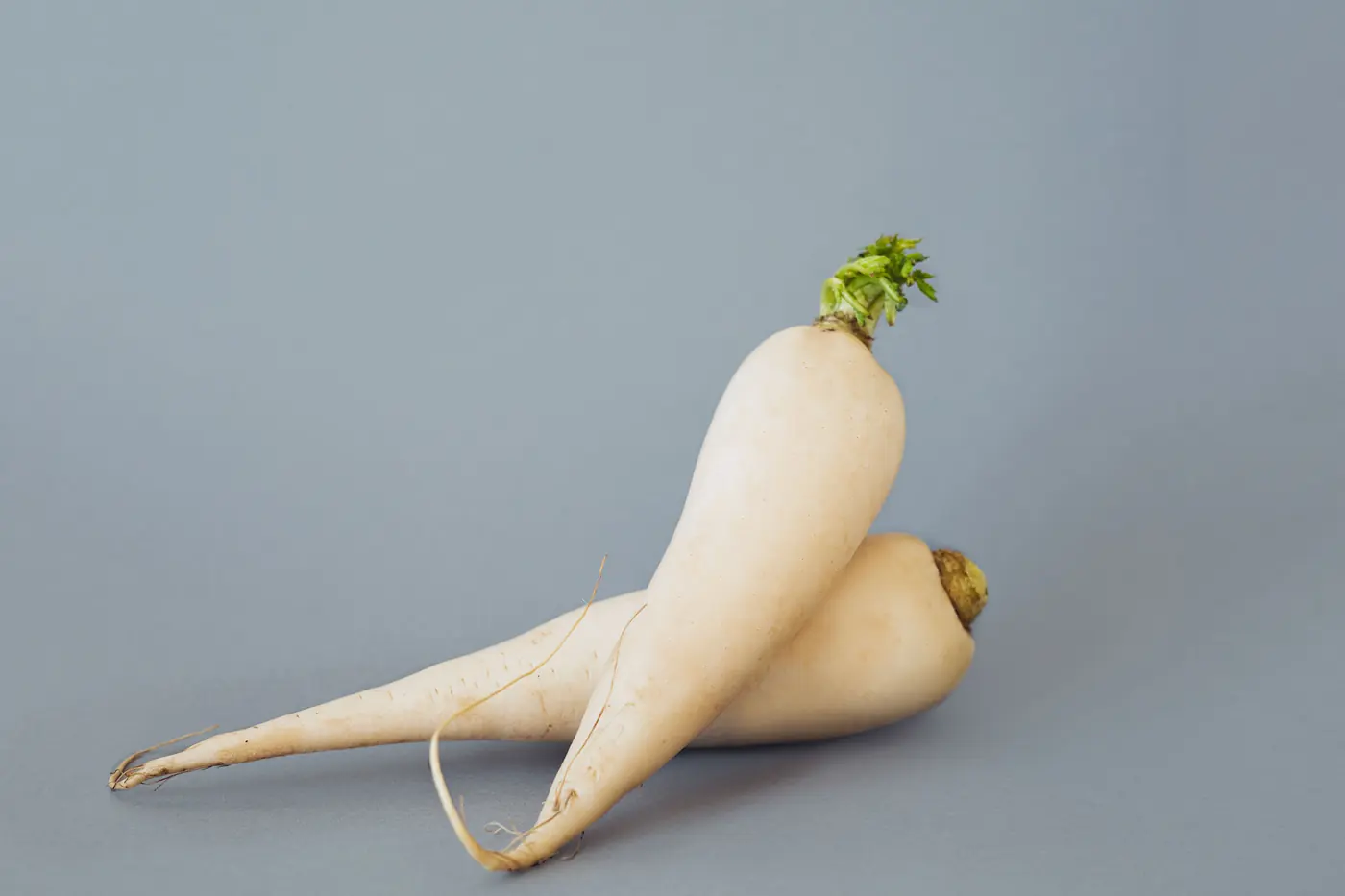
    Daikon is a large white radish, long and cylindrical, common across East Asia. The name means big root, which is a fair description – a full one can be the length of a forearm.

    It is the same species as the small red radishes in a salad; Britannica’s entry on the radish covers how wide that family runs. The difference is size, water content and a much milder flavour.

    Small red radishes being sliced on a board

    What it tastes like

    Mild, faintly sweet and juicy, with a peppery edge that is strongest near the top of the root and fades toward the tip. Raw, it is crisp and refreshing. Cooked, it turns soft and almost translucent and loses the pepper entirely.

    If you know small red radishes, daikon is a much gentler version of the same idea. It is watery rather than dense, and it takes on the flavour of whatever it is cooked in.

    Pale yellow pickled radish slices

    How a kitchen prepares it

    Almost every form starts with peeling, because the skin is tougher and more peppery than what is underneath. Beyond that the preparation is what determines which of the four things it becomes.

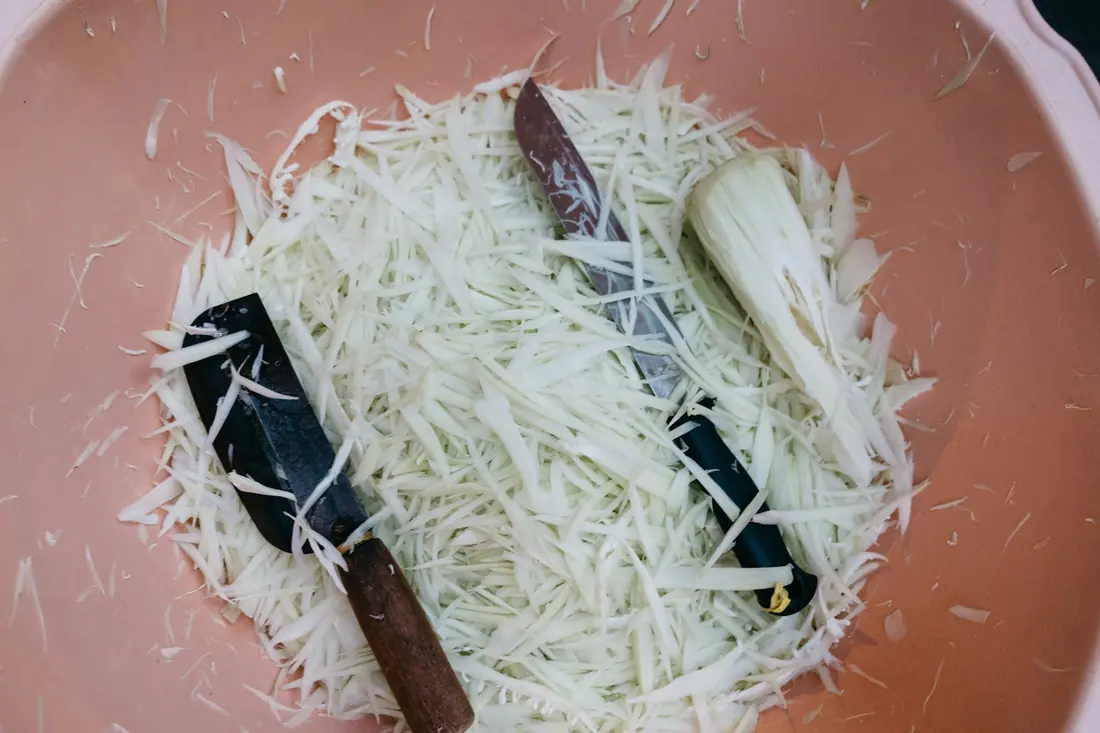
    The fine white threads are cut on a specialised tool – or, in a kitchen that does it the traditional way, by rotating the peeled root against a knife to take off one continuous sheet, which is then stacked and shredded. It is a display of knife work as much as a preparation.

    Grated daikon is made on a fine grater and then drained briefly, since it releases a great deal of water. Too wet and it floods the plate; squeezed too hard and it loses the juiciness that makes it refreshing.

    The four forms you will meet

    FormWhat it looks likeWhere it appears
    PickledBright yellow discs or stripsInside rolls, beside rice
    GratedA small wet white moundBeside fried food and grilled fish
    Shredded rawFine white threadsUnder sashimi, in salads
    SimmeredSoft translucent chunksIn stews and hot pots
    The same vegetable in four different guises

    The first three all turn up on a sushi menu, and none of them look like a radish by the time they reach the plate.

    The yellow pickle

    The bright yellow discs are takuan, daikon that has been dried and then pickled. It is sweet, sour, extremely crunchy and coloured far more vividly than anything natural.

    On a sushi menu it turns up inside simple rolls, where its crunch and sharpness do the job that a raw vegetable would otherwise do. It is also served in small amounts beside rice, where it functions as a palate reset between mouthfuls.

    Finely shredded white vegetable

    The white mound beside fried food

    Grated daikon appears next to fried and grilled dishes, sometimes with a little soy poured over it, sometimes with grated ginger mixed through. It looks like a garnish and is not one.

    Its purpose is to cut richness. Grated raw radish is watery, faintly peppery and cold, and a small amount of it between bites of something fried resets the palate completely. Eating it as an accompaniment rather than leaving it on the plate makes a real difference to a fried dish.

    The white threads under sashimi

    Finely shredded raw daikon is the bed that sliced raw fish is often presented on. This one genuinely is partly presentation – it holds the slices up and keeps them separated – but it is also perfectly edible and does the same palate-clearing job.

    It is worth eating rather than pushing aside. Cold, crisp and neutral, it works between different fish in the same way pickled ginger does.

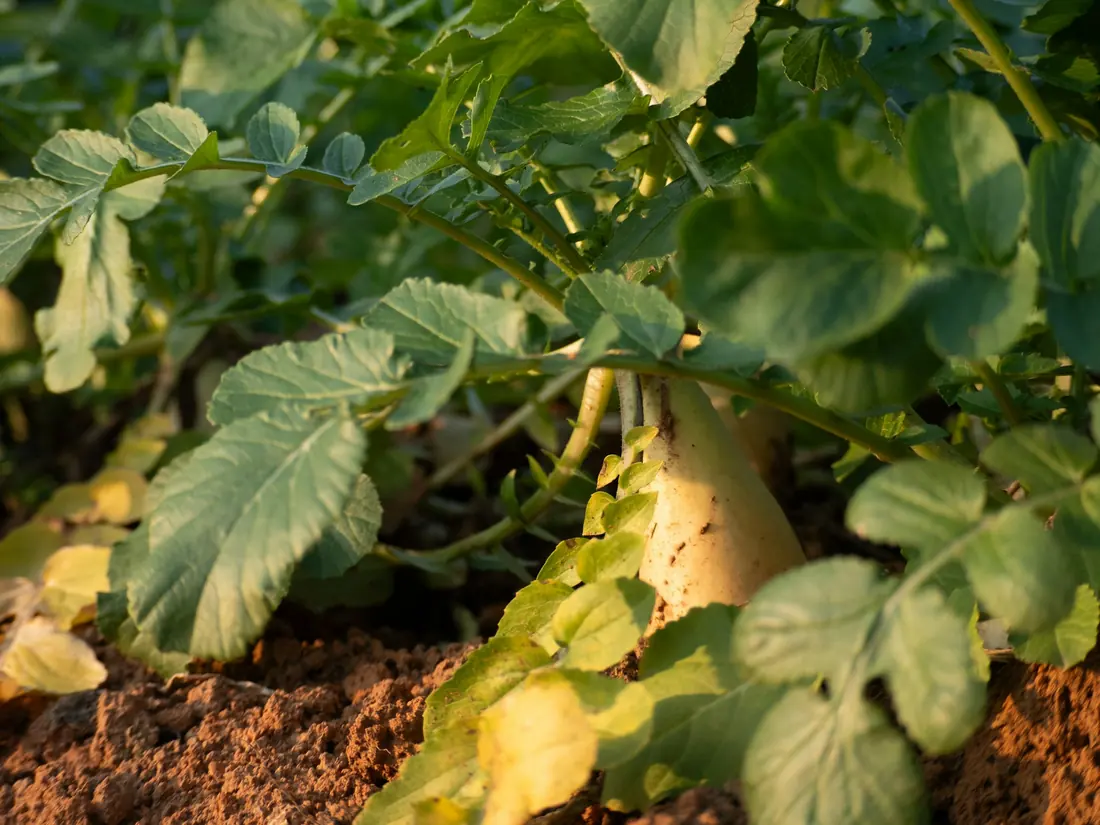
    A white root vegetable growing in the ground

    Which end of the root

    A whole daikon is not uniform, and cooks use different parts for different things. The top, nearest the leaves, is the sweetest and mildest, so it goes into salads and raw preparations.

    The middle is the most balanced and is the usual choice for simmering. The tip is the most peppery and the most fibrous, which makes it the part most often grated, where a bit of bite is wanted.

    This is why the same vegetable can seem sharp in one dish and almost sweet in another even when nothing else has changed.

    Simmered daikon

    Cooked slowly in a seasoned broth, daikon becomes something else entirely – soft, translucent, and saturated with whatever it was cooked in. The pepperiness disappears and what is left is texture and absorbed flavour.

    This is the form least likely to appear on an American Japanese menu, but it is worth trying if you find it, because it demonstrates how completely the same vegetable can change character.

    Choosing one

    If you go looking for daikon rather than meeting it on a plate, a few things separate a good root from a tired one. It should feel heavy for its size, which means it has not dried out, and the skin should be smooth and unblemished rather than wrinkled.

    Stored whole and wrapped, it keeps for a couple of weeks in a fridge. Once cut it dries quickly at the exposed face, so the usual approach is to keep the cut end covered and work through it rather than portioning it all at once.

    How to spot it

    A few reliable signals, since it is rarely named on a menu.

    • Bright yellow crunchy discs – pickled daikon, almost always.
    • A wet white mound beside something fried – grated daikon.
    • Fine white threads under raw fish – shredded raw daikon.
    • “Pickled radish” in a roll description – the same thing, named plainly.
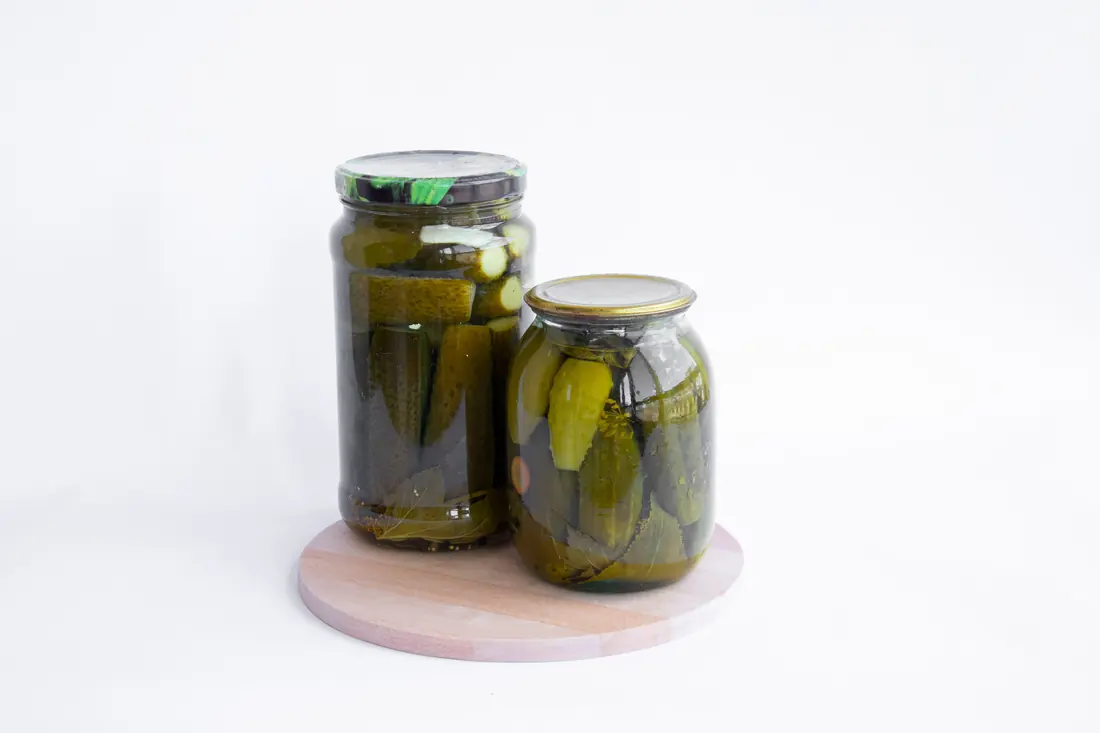
    Pickles packed into glass jars

    The leaves are food too

    A daikon sold with its greens attached comes with a second vegetable. The leaves are peppery and slightly coarse, closer to a mustard green than to a lettuce, and they are cooked rather than eaten raw.

    You will not meet them on a restaurant menu often, since daikon usually arrives at a kitchen already trimmed. They are worth knowing about mainly as a reminder that the root you see is one part of a larger plant.

    Why it works so well with rich food

    Almost every use above is doing the same job from a different angle. Daikon is mostly water, it is cold in three of its four forms, and it carries either acidity or a mild pepperiness.

    Those are precisely the qualities that cut through fat and salt. A cuisine that serves a lot of fried food and a lot of rich fish needs something that resets the palate cheaply and quickly, and this is it.

    For where it turns up, our beginners guide to rolls covers the vegetable fillings, the fish-free guide leans on vegetable rolls heavily, and the condiments guide covers the other palate-clearing item on the table. The current selection is on the ordering page.

    Frequently Asked Questions

    What is daikon?

    A large white radish common in East Asian cooking. It is mild, juicy and faintly peppery, and much gentler than the small red radishes it is related to.

    What is the yellow pickled thing in my sushi roll?

    Almost certainly takuan – pickled daikon. It is sweet, sour and very crunchy, and the colour is added rather than natural.

    What is the white mound served with fried food?

    Grated daikon. It is there to cut richness between bites, not as decoration, and it is meant to be eaten.

    Are the white threads under sashimi edible?

    Yes. They are finely shredded raw daikon, and they do the same palate-clearing job as pickled ginger.

    Does daikon taste like a radish?

    Mildly. It has a peppery edge raw, strongest near the top of the root, but it is far less sharp than a small red radish and loses the pepper entirely when cooked.

  • Why Is There Avocado in Sushi?

    Why Is There Avocado in Sushi?

    Avocado is in a remarkable proportion of the rolls on an American sushi menu, and it is not a Japanese ingredient. How it got there, and why it stayed, is a better story than the usual explanation that people simply like it.

    The short answer

    Avocado entered sushi as a substitute for fatty tuna. It was reached for because it does something similar in the mouth – rich, soft, mild – and because it was available when good fatty tuna was not.

    It stayed because it turned out to solve several problems at once, only one of which was flavour.

    Where it came from

    The standard account places it in North American sushi kitchens in the 1960s and 1970s, where chefs were working for diners who were unenthusiastic about raw fish and seaweed on the outside of a roll.

    The roll built to solve that – crab, cucumber and avocado, with the rice turned to the outside – is the direct ancestor of an enormous share of what is on menus now. The avocado was the part doing the work that fat would otherwise have done.

    A halved avocado with the stone still in place

    What it actually does in a roll

    Three things, and they are worth separating.

    • Richness. Rice, seaweed and lean fish are all fairly lean. Avocado supplies the fat that makes a mouthful feel complete.
    • Texture. It is soft without being wet, so it fills space in a roll without making the rice soggy the way a watery ingredient would.
    • Structure. Sliced firm, it holds its shape when a roll is cut, which is why it can be laid over the top of a roll and still look like anything.

    The third of these is the underrated one. A great many toppings collapse under a knife. Avocado at the right ripeness does not, and that is why it is draped over so many specialty rolls rather than just hidden inside them.

    Ripeness is the whole game

    Avocado has a narrow window, and a kitchen’s handling of it tells you a lot. Too firm and it is waxy and tasteless, with a sharp edge where it should be soft. Too ripe and it turns to paste, greys at the surface and cannot be sliced at all.

    Britannica’s entry on the avocado notes that the fruit ripens after picking rather than on the tree, which is exactly why the window is so awkward to manage – the ripening is happening in the kitchen’s store room rather than in a field.

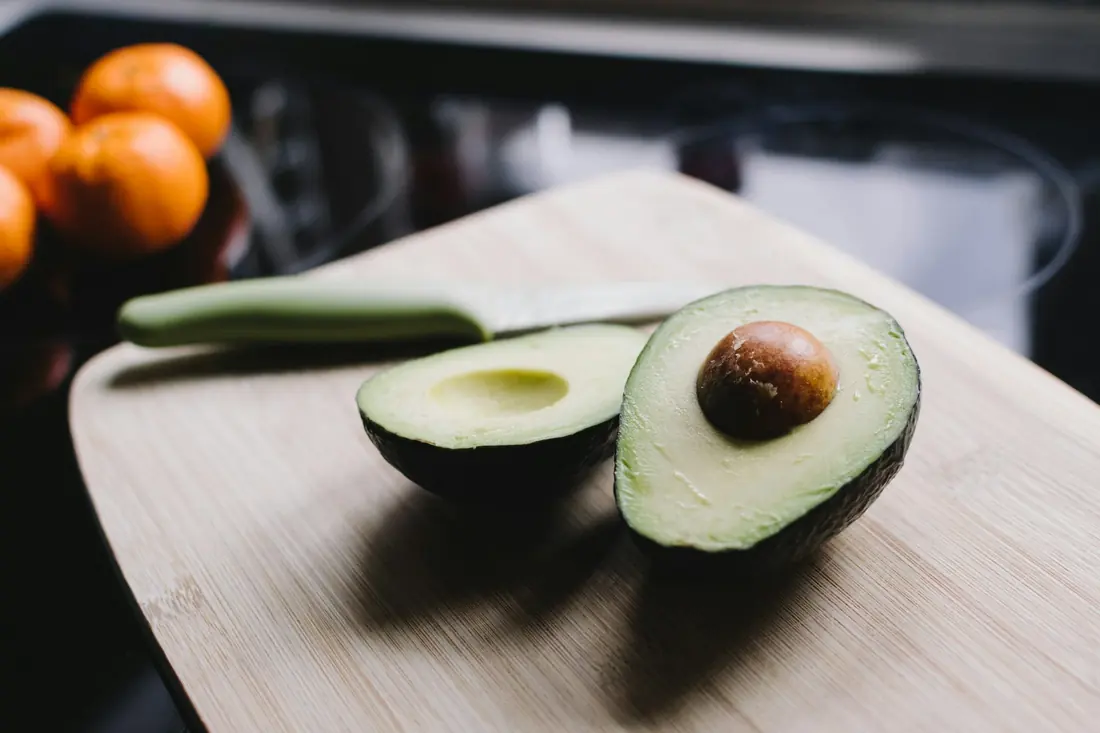
    A halved avocado on a chopping board

    How to tell whether it is being handled well

    1. Look at the colour. Bright, even green means it was cut recently. Grey or brown edges mean it was sliced well ahead.
    2. Look at the slices. Clean, even, distinct slices mean the right firmness. Ragged edges or a smeared look mean overripe.
    3. Check whether it holds its shape on top of the roll. Slices that have flattened into each other were too soft when they went on.
    4. Taste for the sharp note. A faint bitterness at the edge means it was cut before it was ready.
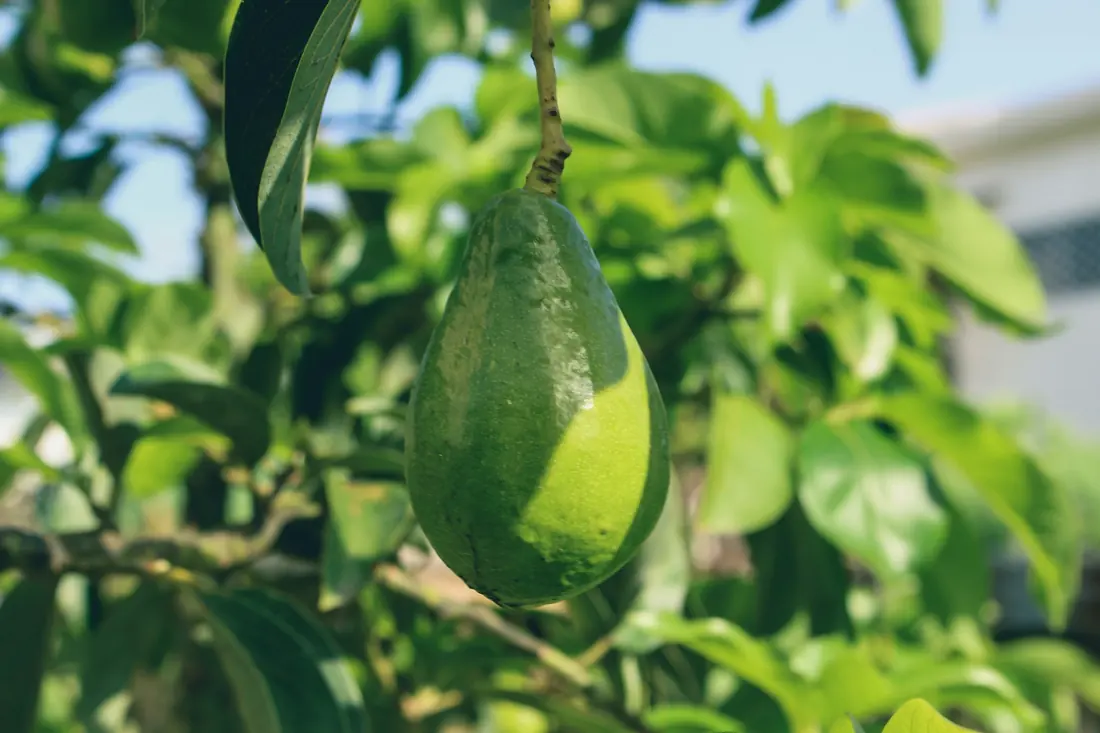
    An avocado ripening on the tree

    How kitchens stop it browning

    Cut avocado discolours quickly, and how a kitchen deals with that is one of the clearest signals of how it works generally.

    The reliable method is simply to cut it to order, which is why the best rolls arrive with slices that are evenly bright. Where volume makes that impractical, a little acid – lemon or the vinegar from the rice seasoning – slows the browning without changing the flavour much.

    What does not work is preparing it far ahead and covering it, which is why grey edges are worth noticing. They do not make a roll unpleasant, but they tell you the avocado was sliced a while before it reached you.

    Avocado and fatty fish compared

    AvocadoFatty fish
    MouthfeelRich and smoothRich and smooth
    FlavourVery mild, faintly nuttyDistinct, savoury
    Behaviour when cutHolds shape if firm enoughHolds shape
    AvailabilityYear-round and consistentVaries by season and supply
    Role in a rollAdds body without competingIs the point of the roll
    Why one came to stand in for the other

    The comparison explains both why the substitution worked and why it is not really a substitution any more. Avocado is now an ingredient chosen for itself, in rolls that were never going to contain fatty tuna in the first place.

    Is it traditional?

    No, and it is worth being straightforward about that. Avocado has no history in Japanese sushi and is not native to Japan. What it has is around half a century of history in sushi as it is actually eaten across North America.

    Whether that counts as tradition depends on where you draw the line, but the practical answer is that a menu without it would look strange to almost everyone ordering from it.

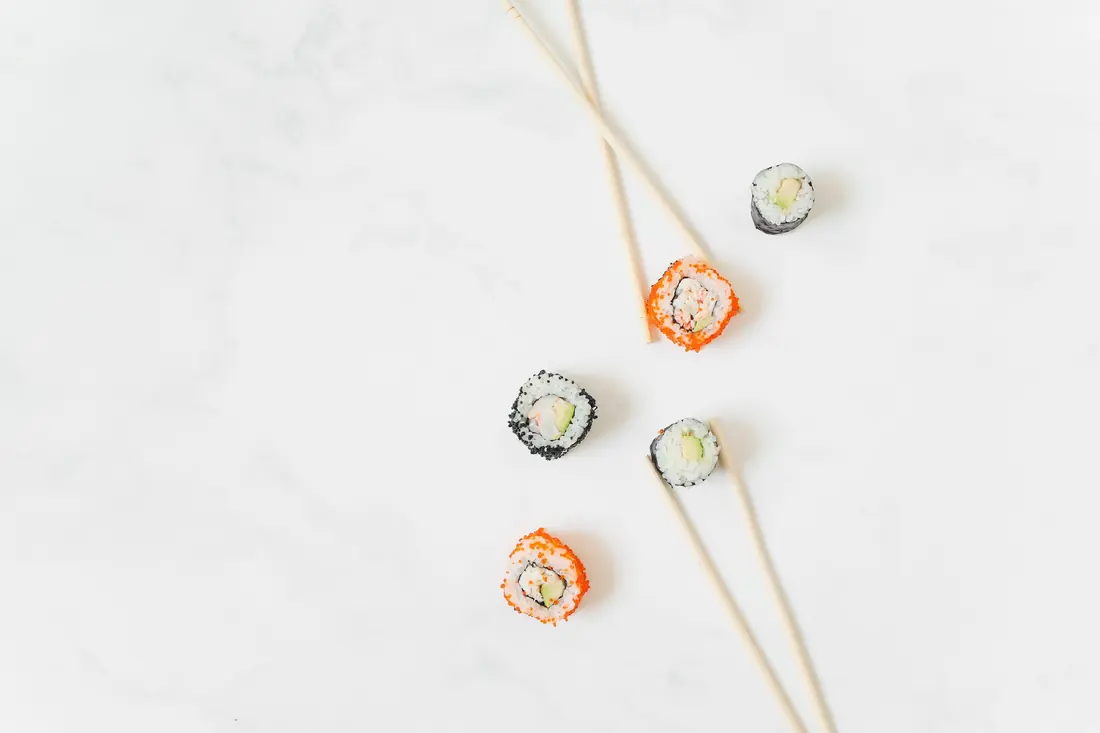
    Small maki pieces laid out on a pale surface

    When there is too much of it

    The honest criticism is that avocado is sometimes used to pad. It is cheaper than fish, it fills space, and it is popular enough that few people complain, so a roll can end up being mostly rice and avocado with a token amount of anything else.

    You can see this in the cut face of a roll. If avocado occupies more of the cross section than the named filling does, the roll is leaning on it. That is not necessarily bad – plenty of avocado-forward rolls are good – but it is worth noticing when the menu named something else.

    Ripe avocados, one cut in half

    Where else it turns up

    Once it was established in rolls, avocado spread across the rest of the menu, and it now appears in places that have nothing to do with sushi at all.

    • Salads – sliced or cubed, where it does the same job of adding richness to something lean.
    • Rice bowls – laid over the top, for the same reason it works on a roll.
    • As a topping – fanned over cooked dishes where a cool, soft element is wanted against something hot.

    The pattern is consistent everywhere it appears. It is being used for texture and richness rather than for its own flavour, which is mild enough that it rarely leads a dish.

    Ordering with it in mind

    If you like avocado, look for rolls where it is on top rather than inside. Sliced over the outside it is the first thing you taste, and a kitchen that presents it that way is confident about its ripeness.

    If you are indifferent to it, the vegetable and simpler fish rolls generally use less of it, and asking for a roll without it is a normal request that most kitchens will accommodate.

    For how these rolls are put together, our beginners guide to rolls covers the basics, the specialty rolls guide explains the layered construction avocado is usually part of, and the cooked and raw guide helps if you are avoiding raw fish. The current selection is on the ordering page.

    Frequently Asked Questions

    Why is there avocado in sushi?

    It was adopted in North American kitchens as a stand-in for fatty tuna, because it gives a similar richness and softness. It stayed because it also holds its shape when a roll is cut.

    Is avocado traditional in Japanese sushi?

    No. Avocado is not native to Japan and has no history in traditional sushi. It has roughly half a century of history in North American sushi.

    What does avocado do in a roll?

    It supplies richness, fills space without making the rice wet, and – when sliced at the right firmness – holds its shape well enough to be laid over the top.

    How can I tell if the avocado is good?

    Look for bright even green and clean distinct slices. Grey edges mean it was cut too far ahead; a smeared look means it was overripe.

    Can I order a roll without avocado?

    Usually yes. It is a common request and most kitchens will accommodate it, though it is worth asking rather than assuming.

  • Masago vs Tobiko: The Tiny Orange Eggs

    Masago vs Tobiko: The Tiny Orange Eggs

    The tiny orange beads on the outside of a roll are one of the most recognisable things on a sushi menu and one of the least explained. There are two of them in common use, they come from different fish, and telling them apart is easier than it sounds.

    The short answer

    Tobiko is flying fish roe. Masago is capelin roe. Tobiko is slightly larger, firmer and audibly crunchy; masago is smaller, softer and generally the less expensive of the two.

    Both are used the same way – rolled onto the outside of a roll, spooned on top, or scattered as a garnish – and on a menu they are frequently used interchangeably.

    What tobiko is

    Tobiko comes from flying fish, the species that escape predators by gliding above the surface of the water; Britannica’s entry on flying fish describes how far they can travel that way.
    The eggs are around a millimetre across, firm enough to pop distinctly between the teeth, and naturally a bright red-orange. That texture is the reason tobiko is used on the outside of a roll rather than inside it – the contrast against soft rice is the whole point.

    A flying fish above the surface of the sea

    What masago is

    Masago comes from capelin, a small cold-water fish that spawns in enormous numbers in the North Atlantic and North Pacific; Britannica’s entry on capelin covers the scale of those runs.

    The eggs are smaller than tobiko and softer, closer to a fine paste when a spoonful is pressed. Naturally they are a duller yellow-orange, so they are usually coloured to reach the orange most people expect.

    Because capelin is caught in such quantity, masago is the cheaper of the two, which is why it turns up far more often in high-volume kitchens.

    A fisherman casting a net at dusk

    The two compared

    TobikoMasago
    FromFlying fishCapelin
    SizeAbout 1mm, individually visibleSmaller, closer to a paste
    TextureFirm, pops distinctlySoft, yields quietly
    Natural colourBright red-orangeDull yellow-orange
    UsuallyUsed as-is or dyed for effectColoured to a standard orange
    CostHigherLower
    Tobiko and masago at a glance

    How it is prepared

    Neither roe arrives at a restaurant in anything like its natural state, and the processing explains most of what you taste.

    1. The roe sacs are separated and the eggs are washed free of membrane.
    2. They are brined, which firms them and is where most of the saltiness comes from.
    3. They are seasoned – soy, sometimes mirin or a little sugar, varying by producer.
    4. They are coloured, if the natural shade is not what the market expects.
    5. They are chilled and kept cold, because both are served cold and neither is cooked.

    This is curing rather than cooking. Nothing is heated, which is why both keep their distinct texture, and why both are always served straight from the fridge.

    How to tell them apart on a roll

    Three checks, in order of reliability.

    1. Listen. Tobiko makes a faint crackle as you bite; masago does not.
    2. Look closely at the surface. If you can pick out individual beads at arm’s length, it is tobiko. If the coating reads as a single textured layer, it is masago.
    3. Feel it against the roof of your mouth. Tobiko stays separate; masago flattens.

    Colour is the least useful signal, because both are routinely dyed. A jet-black or vivid green coating is a coloured roe rather than a different species.

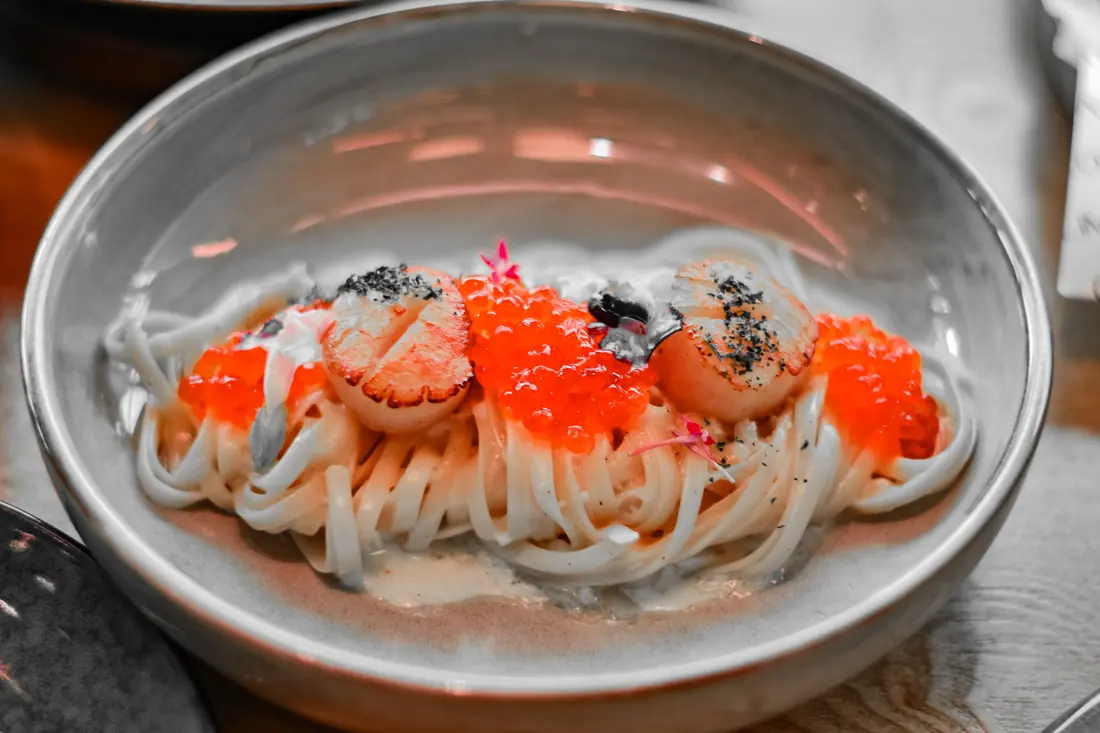
    Noodles topped with orange roe

    The bigger orange pearls are something else

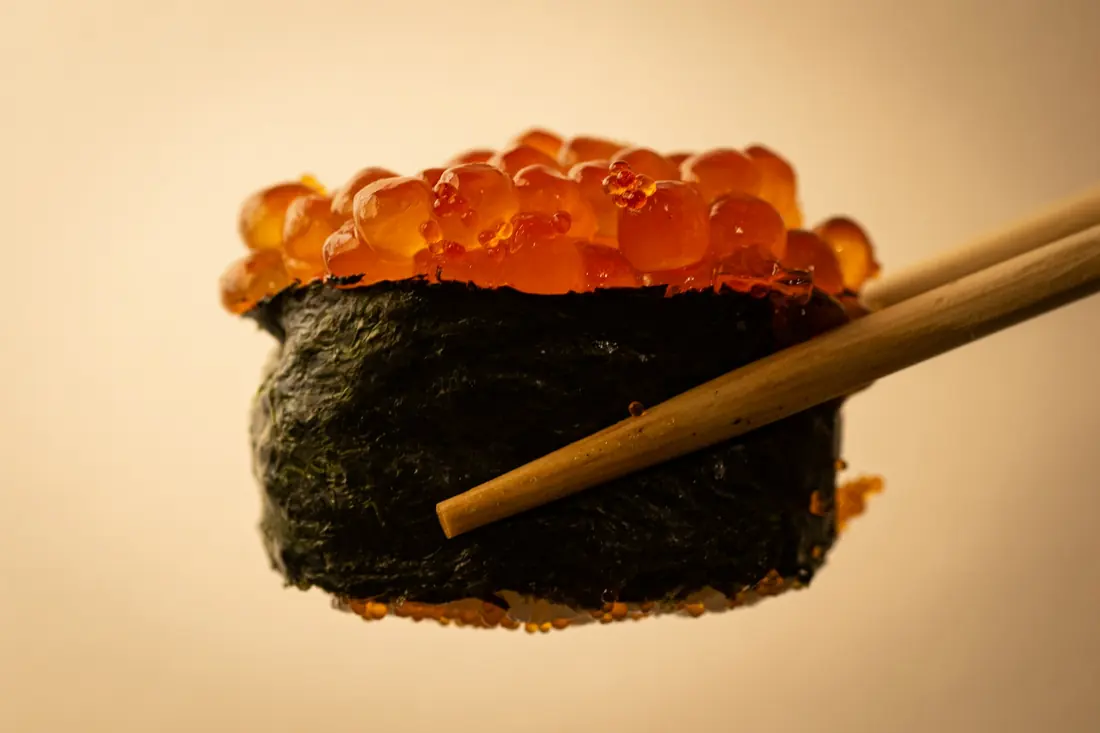
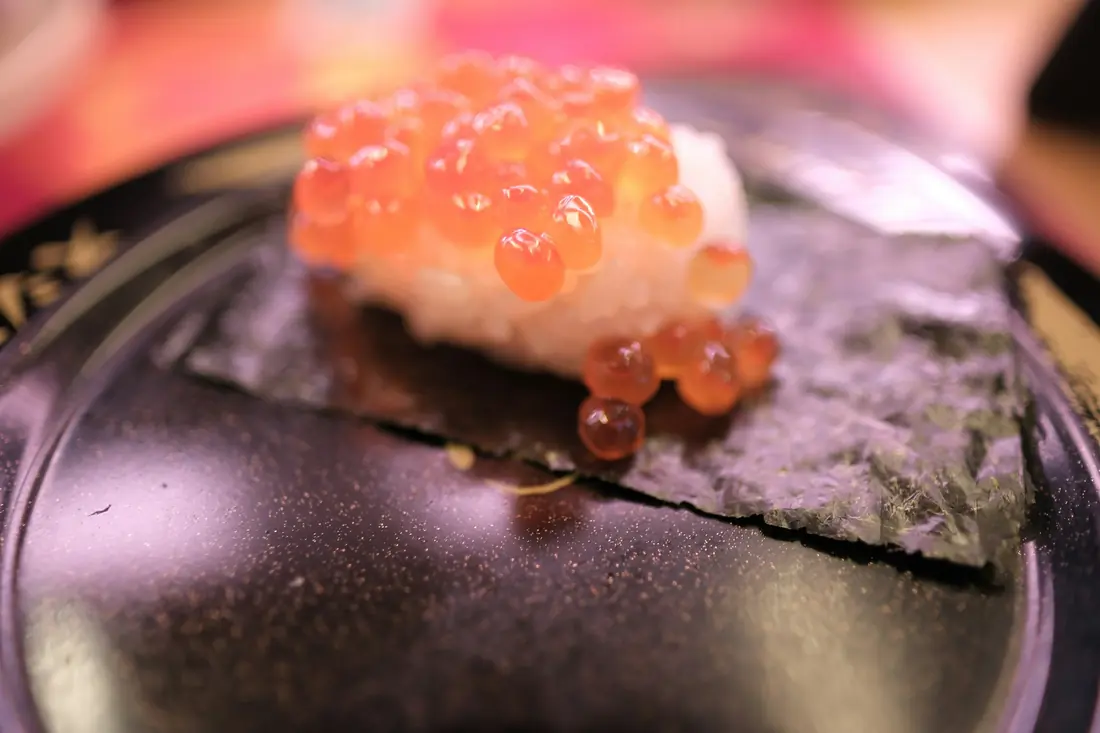
    There is a third roe that is often confused with these two and is not remotely the same thing. If the beads are large – four or five millimetres, glossy, individually distinct and translucent – that is salmon roe, usually called ikura.

    The difference is obvious once you have seen them together. Salmon roe is eaten a spoonful at a time, typically on its own piece of sushi, and it bursts rather than crunches.

    A piece of sushi topped with large orange roe

    It is also a different experience to eat. Tobiko and masago are textures added to something else; salmon roe is the dish. If a menu lists a piece topped with large orange pearls, it is not offering you a garnish.

    Large orange roe piled on a piece of sushi, close up

    What they taste like

    Less fishy than people expect, and much saltier. The dominant note in both is the brine, followed by a mild savoury sweetness from the seasoning, with the sea flavour a long way behind.

    Tobiko has a slightly cleaner finish and a faint smokiness in some versions. Masago is a little more assertive and a little saltier, which is partly why it works well as a coating spread thin across a whole roll rather than concentrated in one place.

    If you have avoided both on the assumption that fish eggs taste strongly of fish, the assumption is worth testing on a single piece.

    The coloured versions

    Both roes take dye readily, and kitchens use that.

    • Black – coloured with squid ink, used where a dark outer coating is wanted.
    • Green – coloured with wasabi, which adds a faint heat as well as the colour.
    • Red – a deeper shade than the natural orange, sometimes with a chilli element.
    • Yellow – coloured with yuzu, adding a citrus note.

    These are presentation choices rather than different ingredients. If the flavouring matters to you – the wasabi green in particular – it is worth asking, because the colour alone does not tell you whether it is a dye or a seasoning.

    Why it is always cold

    Both roes are cured rather than cooked, which means temperature is doing real work rather than being a serving preference. Warm roe loses its pop almost immediately and the texture is most of what you are paying for.

    This is worth knowing when ordering to take away. A roll coated in roe is not ruined by the trip, but it is noticeably better eaten soon after it is made, and it should not be left sitting out once it arrives.
    How menus name it

    Menu wording is inconsistent, and a few conventions are worth recognising. Some menus name the roe directly as tobiko or masago. Many simply write “roe” or “fish roe” and leave it there. Masago is also sometimes listed as smelt roe, which is a naming convention rather than a different ingredient.

    Where the menu does not say, the safe assumption in a high-volume kitchen is masago, because it is the cheaper of the two and the one used at scale. If it matters to you, the texture will tell you within one bite.

    Why rolls are coated in it at all

    Beyond appearance, the coating does two useful things. It gives a soft roll a textural edge, and it stops the outside of the rice sticking to the plate, to the chopsticks and to the next piece.

    That second function is why you see it most on rolls with the rice on the outside. A roll wrapped in seaweed does not need it; a roll with exposed rice benefits from almost anything on the surface, and roe happens to look striking while doing the job.

    If you want to know why house rolls are built with these outer layers in the first place, our specialty rolls guide covers the construction, the beginners guide explains the basics, and the piece on crab mix covers the other component you will find in almost every one. The current selection is on the ordering page.

    Frequently Asked Questions

    What is the difference between masago and tobiko?

    Tobiko is flying fish roe – larger, firmer and audibly crunchy. Masago is capelin roe – smaller, softer and less expensive. They are used the same way.
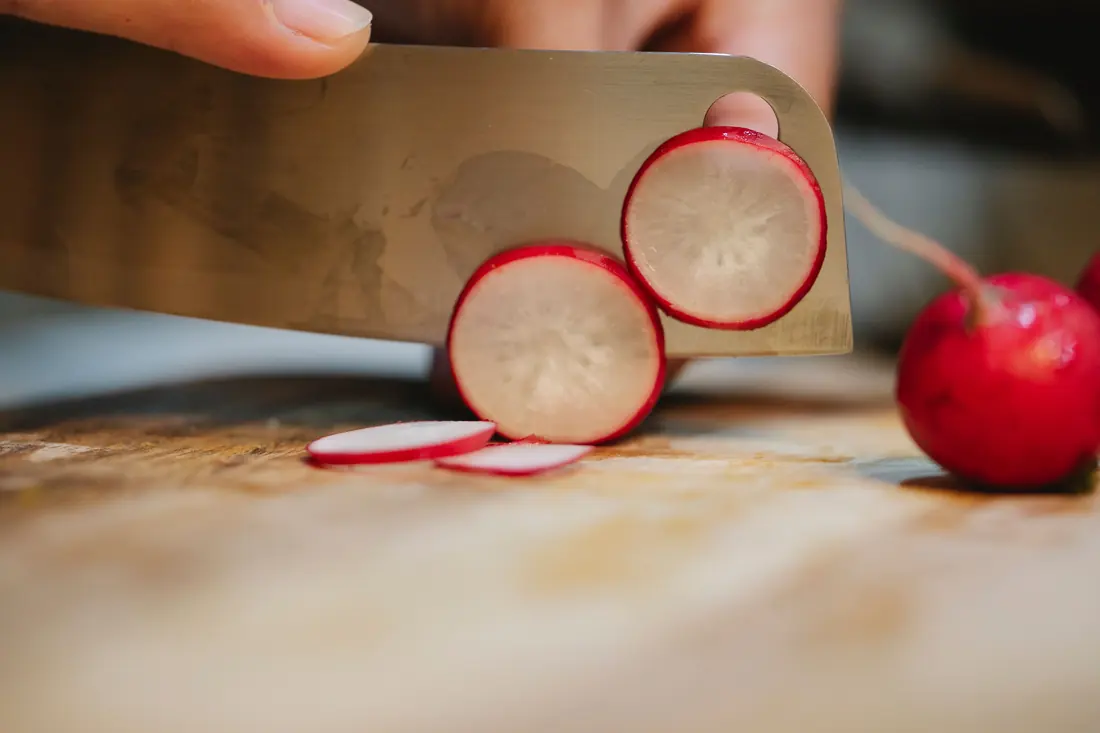
    Is masago just cheap tobiko?

    They come from different fish. Masago is cheaper because capelin is caught in far greater quantity, not because it is a lesser grade of the same product.

    Why is the roe on my roll green or black?

    It has been coloured – squid ink for black, wasabi for green, yuzu for yellow. The underlying roe is the same, though wasabi green does add a little heat.

    Are the big orange balls on sushi the same thing?

    No. Those are salmon roe, usually called ikura. They are several times larger, translucent, and burst rather than crunch.

    Is the roe raw?

    It is cured rather than cooked – brined and seasoned. It is not heat-treated, and it is served cold.