
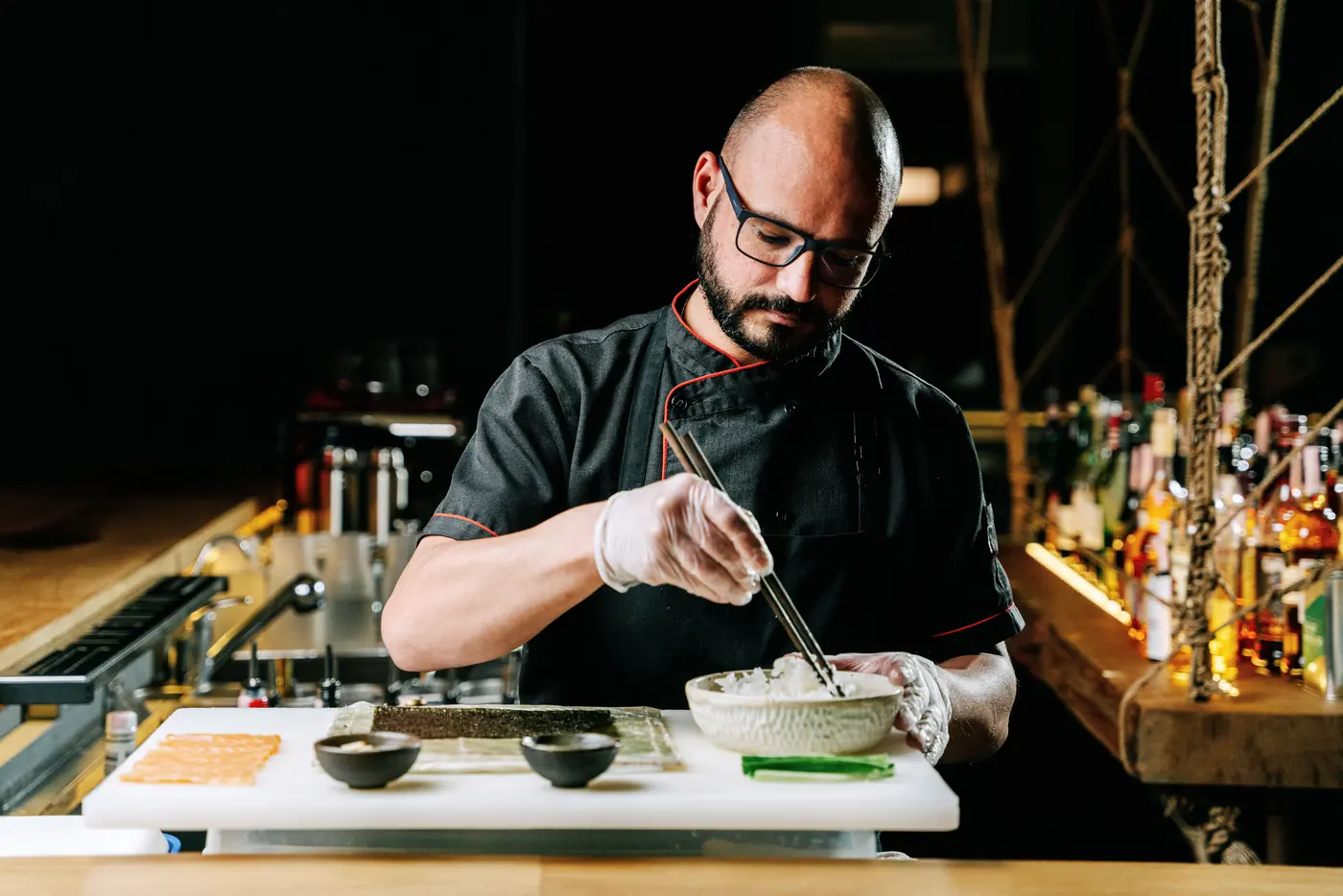
The word is itamae. It is worth knowing, but the word is the least interesting part of the answer – what the title refers to is a specific way of working, and it explains a lot about why sushi made in front of you is different from sushi made in advance.
What the word means
Itamae translates roughly as “in front of the board” – ita being the cutting board, mae meaning before or in front of. It describes position rather than qualification: the person standing at the board.
You will also hear shokunin, a broader word for a skilled craftsperson in any trade, carrying the sense of someone whose work is their discipline. It is not specific to food.
| Term | What it refers to |
|---|---|
| Itamae | The chef working at the board |
| Shokunin | A skilled craftsperson in any trade |
| Sushiya | A sushi restaurant, or its proprietor |
| Neta | The topping or filling – what goes on the rice |
| Shari | The seasoned rice itself |
The apprenticeship, and how literally to take it
The often-repeated version says an apprentice spends years on rice alone before being allowed near fish, and a decade before making sushi for a customer. It is repeated so often that it has hardened into fact.
The truth is that this describes a traditional apprenticeship at a particular kind of restaurant, not a rule that governs the trade. Plenty of excellent sushi chefs trained differently, and the timeline has loosened considerably. The interesting part is not the number of years – it is the order the skills are learned in, which has not changed.
Why rice comes first
Rice is first because it is the hardest thing to get consistently right and the thing a diner notices least when it is right.
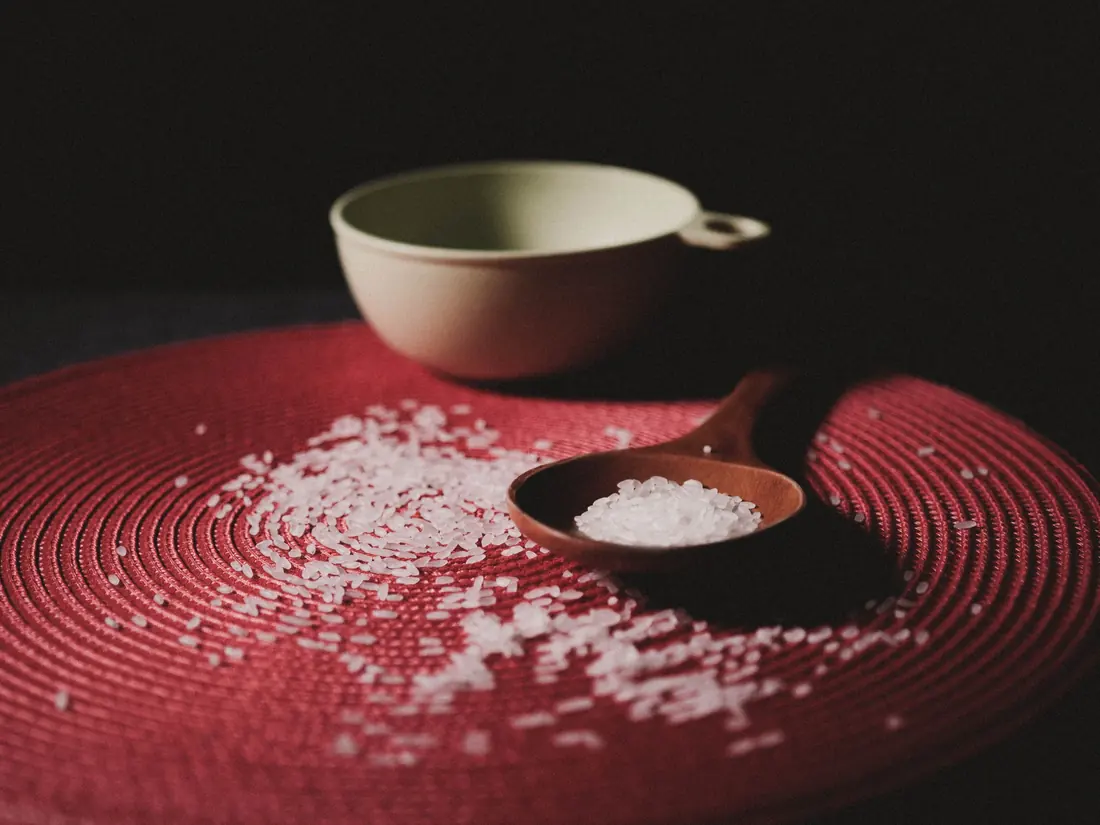
It has to be cooked to a specific texture, seasoned while still hot, cooled to close to body temperature, and kept there. Too warm and it turns sticky and slumps; too cold and it goes firm and stops tasting of anything. It also has to be handled enough to hold together and no more, because rice that has been worked becomes paste.
Britannica’s entry on sushi is a useful reminder of why the rice is the centre of the dish rather than an accompaniment – the earliest forms were a preservation method in which fermenting rice did the work, and the fish was what got preserved.
There is a practical reason the order is fixed rather than merely traditional. Each skill is the constraint on the next: rice that is wrong cannot be rescued by good knife work, and a clean cut laid onto badly handled rice still produces a piece that collapses on the way to the mouth. Learning them in the other order would mean learning them twice.
It is also why the least visible skill takes the longest. Nobody compliments the rice. They notice it only when it is wrong, which is more or less the definition of a foundation.
Then the knife
Knife work is second, and it is not about speed. A single clean cut through a fillet leaves a smooth surface; a sawing cut tears the fibres and produces a dull, slightly ragged face that both looks and eats differently.
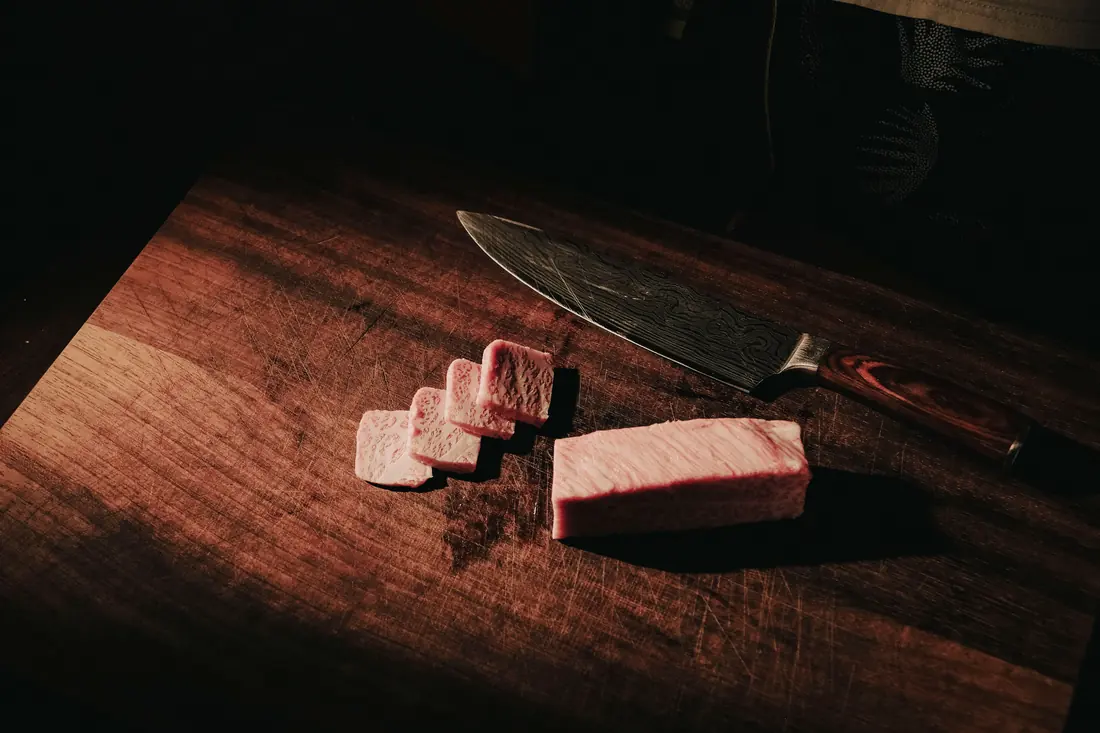
Angle and thickness are matched to the fish rather than fixed. A firm lean fish and a soft oily one are cut differently to arrive at the same texture in the mouth, which is a judgement rather than a measurement.
Then assembly, and sequence
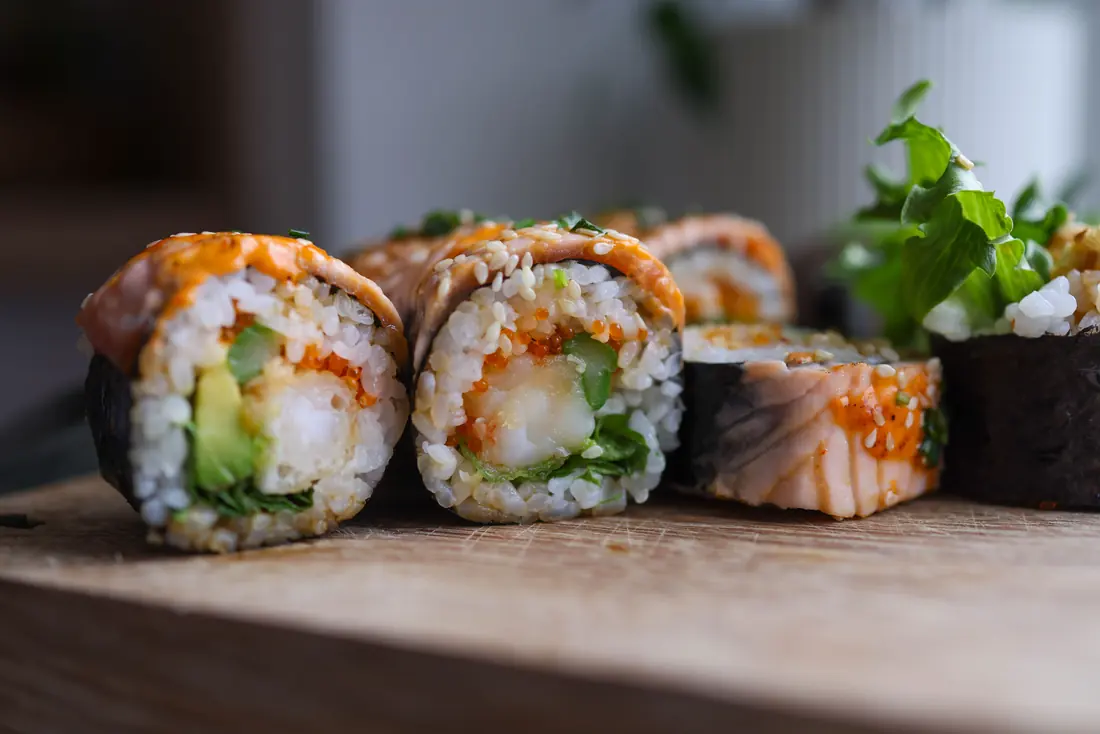
Assembly is last because it depends on everything before it. Rice quantity by feel, pressure light enough to hold and loose enough to fall apart when eaten, fillings placed so a cut piece looks the same all the way along the roll.
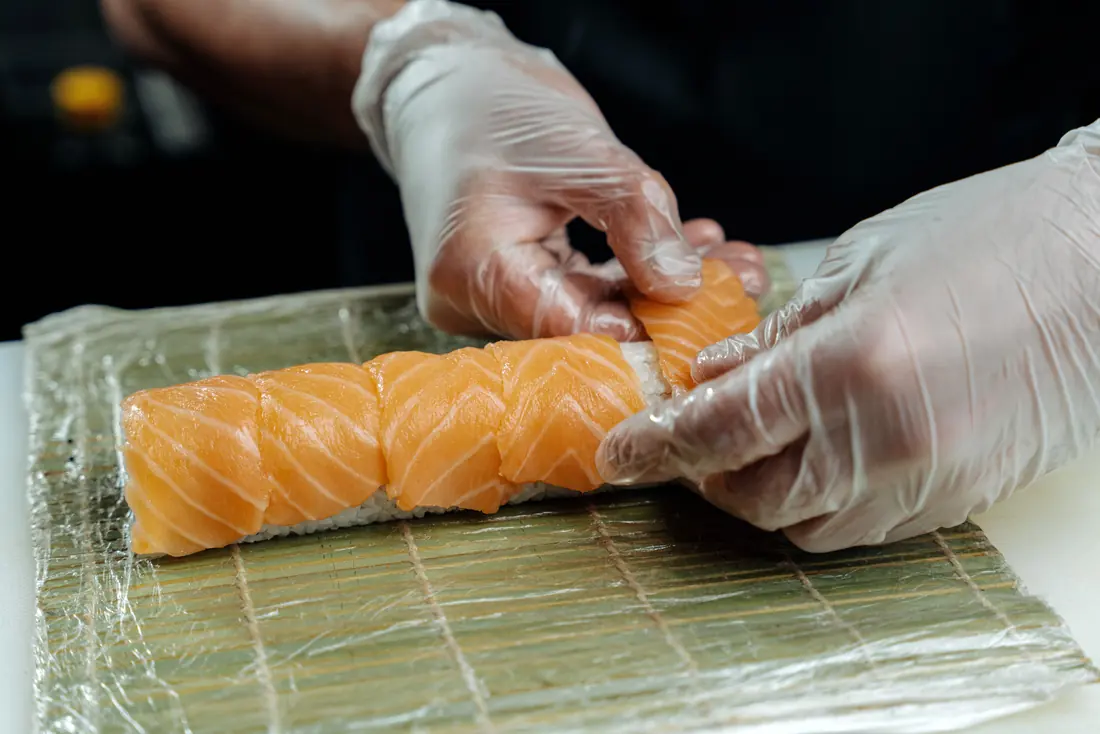
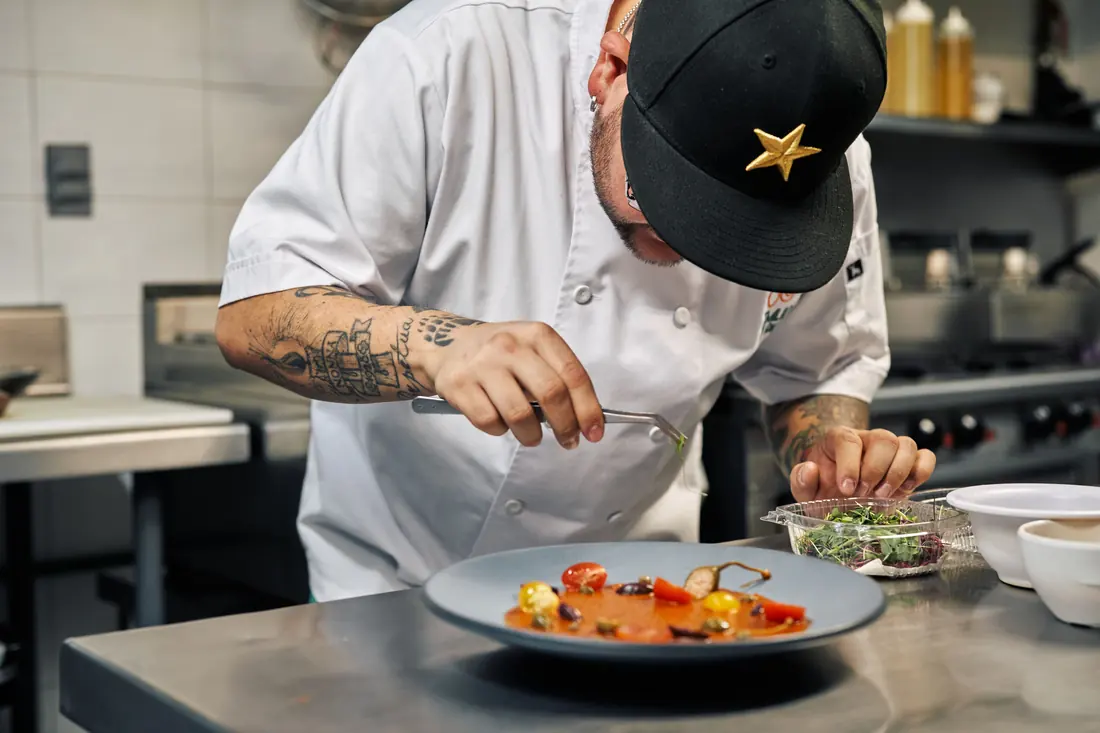
Sequence is the part that is invisible from a table. Several orders are in progress at once and each is timed so that nothing waits – rice not sitting out, cut fish not warming, finished pieces going out immediately rather than resting on a board.
This is why the order things are made in is not the order they were ordered in. A roll that needs a fried element starts before a simple one that was called first, so that both arrive at the same time and neither has been standing. Getting that wrong is what produces a table where half the food is right and half of it has waited.
What this means for what you eat
Here is where the craft becomes something you can actually taste. Sushi is at its best within minutes of being made, and it declines in a specific order.
- The rice goes first. It firms and dries as it sits, and refrigeration accelerates it – which is why chilled sushi rice has that characteristic hard edge.
- Then the wrapper. Nori draws moisture from the rice and loses its crispness within a short time of the roll being made.
- The fish holds longest. Which is why the part people worry about is not the part that fails first.
That ordering is the whole argument for made-to-order sushi, and it is the same point our comparison of restaurant and supermarket sushi makes from the other direction.
What the counter is actually for
A counter is not staging. It exists because the food is best immediately, and the shortest possible distance between the board and the plate is someone handing it straight across.
It also makes the work legible. You can see how the rice is handled, how the fish is cut, and whether anything is sitting around waiting – which is considerably more information about a kitchen than a dining room usually gives you.
Who stands behind the board
For most of its history the traditional apprenticeship was closed to women, and the reasons offered for it – body temperature, perfume, hand size – do not survive contact with evidence. It was a convention, not a culinary constraint.
That has been changing, in Japan and outside it, without producing any of the problems the convention predicted. Worth saying plainly, because the folklore around this trade gets repeated far more often than it gets examined.
Does the title mean the same thing everywhere?
No, and it is worth being straight about it. In Japan the word carries the weight of a traditional apprenticeship. In the United States it is used more loosely, sometimes for anyone working a sushi station.
Neither use is wrong – they are describing different things. And the skills underneath are the same regardless of what the person holding them is called: rice, knife, sequence, in that order.
For the food itself, the beginners guide covers what to order first, the specialty roll piece covers what the elaborate builds involve, and the restaurant and supermarket comparison covers why freshly made matters. The current selection is on the ordering page.
Frequently Asked Questions
What is a sushi chef called?
An itamae, which translates roughly as “in front of the board”. You may also hear shokunin, a broader term for a skilled craftsperson in any trade.
How long does it take to become a sushi chef?
The traditional apprenticeship is often described as a decade, but that reflects one kind of restaurant rather than a rule. The order the skills are learned in matters more than the timeline.
Why do sushi chefs train on rice first?
Rice is the hardest element to get consistently right – texture, seasoning and temperature all have to be held – and it is the foundation everything else sits on.
What does itamae literally mean?
In front of the board. Ita is the cutting board and mae means before or in front of, so the word describes where the person stands.
Does sushi really need to be eaten straight away?
It is at its best within minutes. The rice firms and dries first, the wrapper softens next, and the fish holds longest – the opposite of what most people expect.