
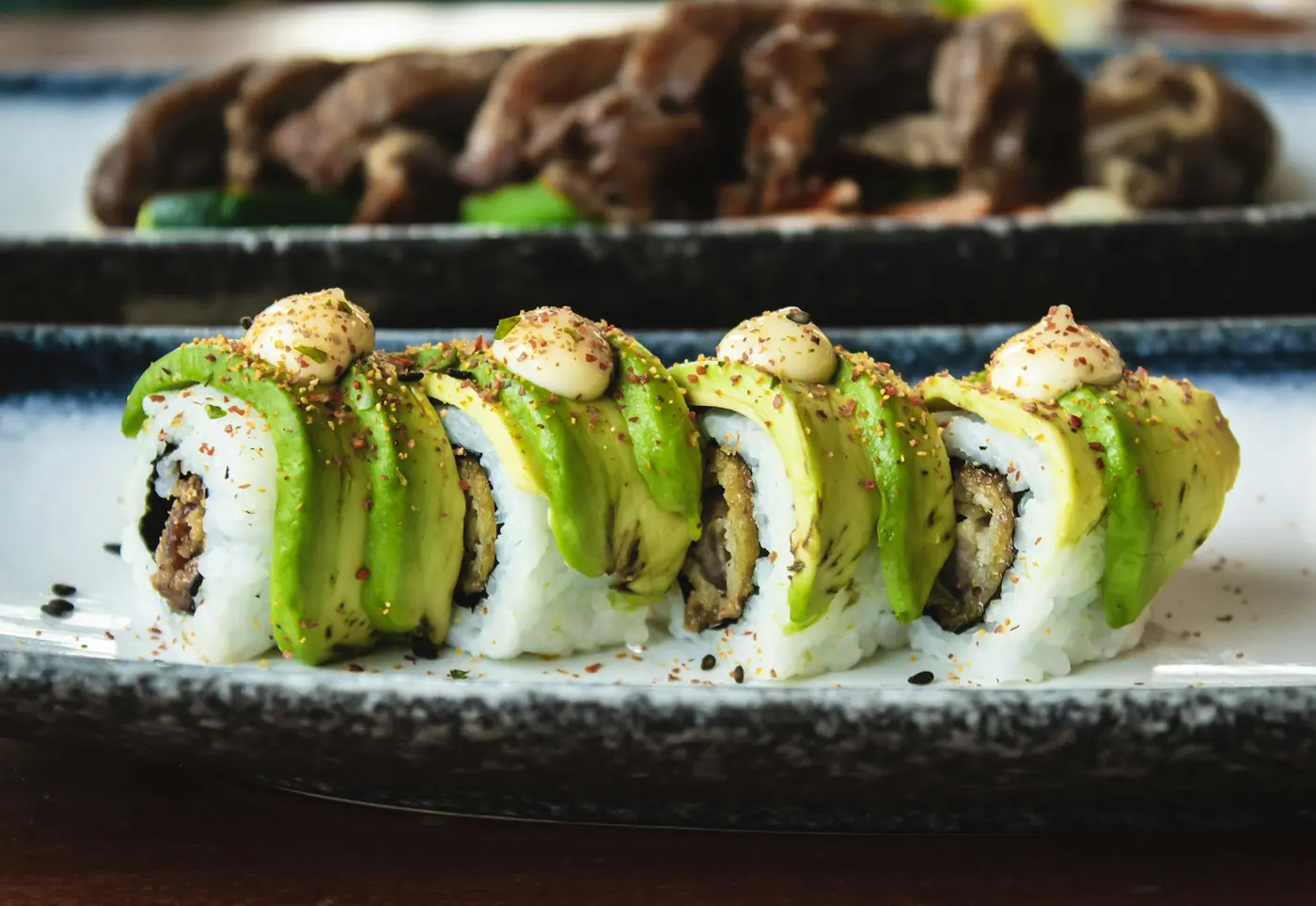
Avocado is in a remarkable proportion of the rolls on an American sushi menu, and it is not a Japanese ingredient. How it got there, and why it stayed, is a better story than the usual explanation that people simply like it.
The short answer
Avocado entered sushi as a substitute for fatty tuna. It was reached for because it does something similar in the mouth – rich, soft, mild – and because it was available when good fatty tuna was not.
It stayed because it turned out to solve several problems at once, only one of which was flavour.
Where it came from
The standard account places it in North American sushi kitchens in the 1960s and 1970s, where chefs were working for diners who were unenthusiastic about raw fish and seaweed on the outside of a roll.
The roll built to solve that – crab, cucumber and avocado, with the rice turned to the outside – is the direct ancestor of an enormous share of what is on menus now. The avocado was the part doing the work that fat would otherwise have done.
What it actually does in a roll
Three things, and they are worth separating.
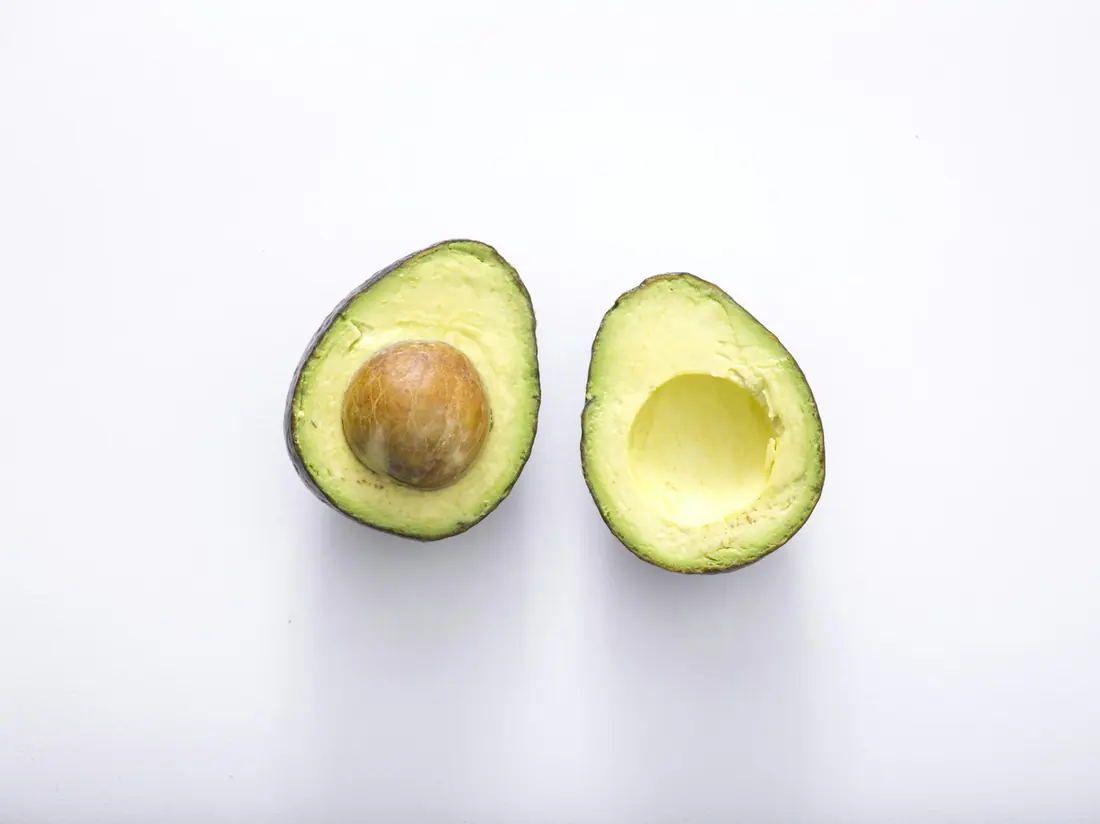
- Richness. Rice, seaweed and lean fish are all fairly lean. Avocado supplies the fat that makes a mouthful feel complete.
- Texture. It is soft without being wet, so it fills space in a roll without making the rice soggy the way a watery ingredient would.
- Structure. Sliced firm, it holds its shape when a roll is cut, which is why it can be laid over the top of a roll and still look like anything.
The third of these is the underrated one. A great many toppings collapse under a knife. Avocado at the right ripeness does not, and that is why it is draped over so many specialty rolls rather than just hidden inside them.
Ripeness is the whole game
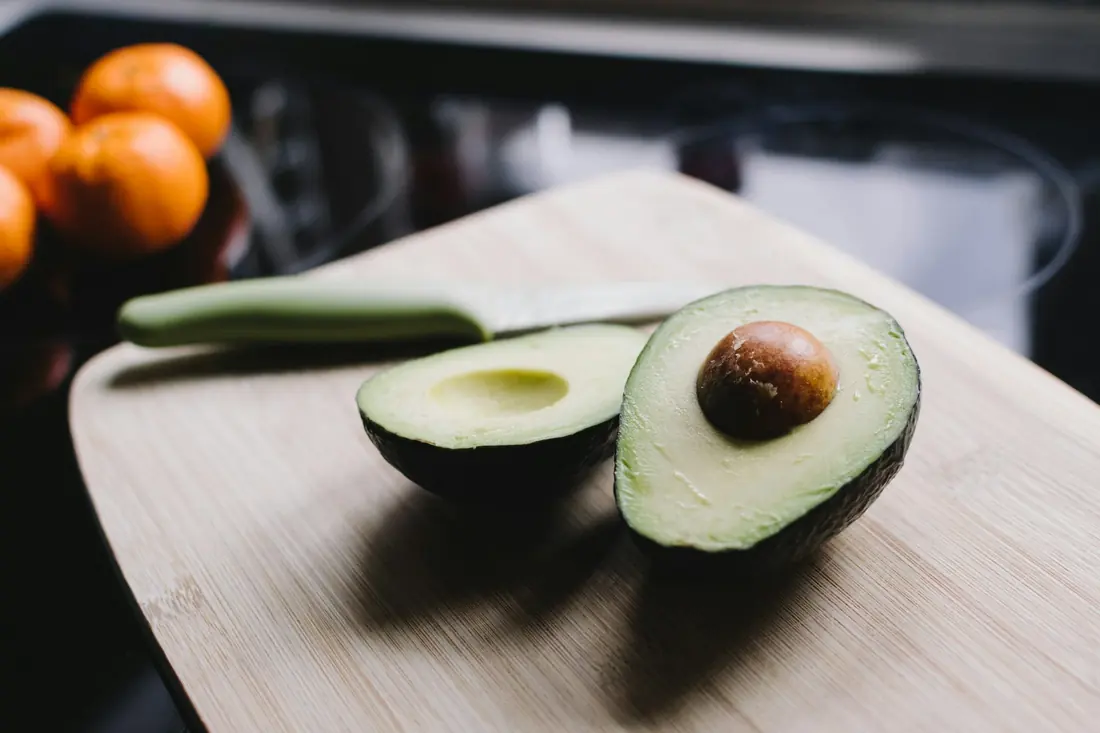
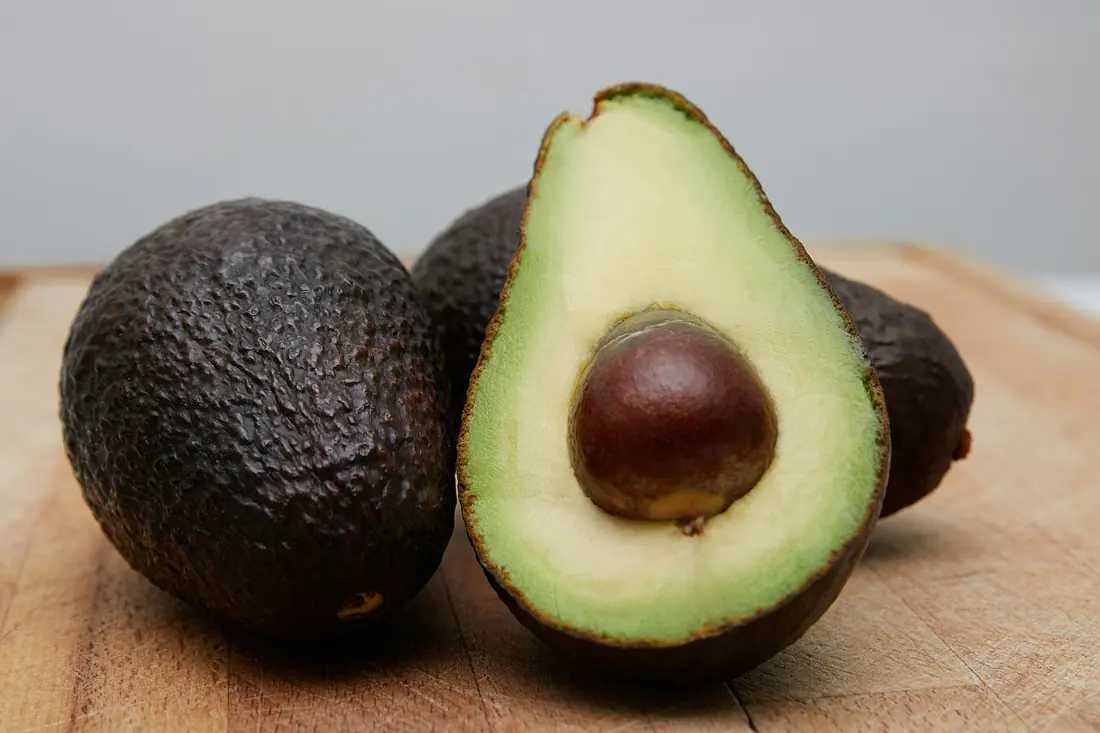
Avocado has a narrow window, and a kitchen’s handling of it tells you a lot. Too firm and it is waxy and tasteless, with a sharp edge where it should be soft. Too ripe and it turns to paste, greys at the surface and cannot be sliced at all.
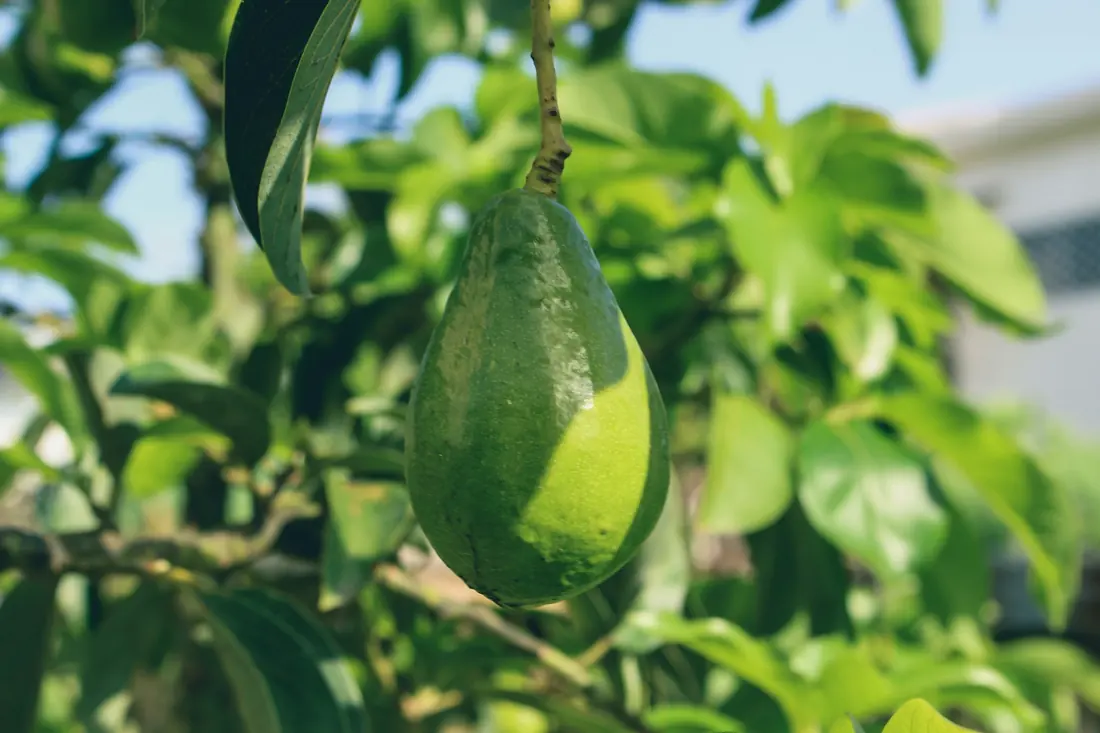
Britannica’s entry on the avocado notes that the fruit ripens after picking rather than on the tree, which is exactly why the window is so awkward to manage – the ripening is happening in the kitchen’s store room rather than in a field.
How to tell whether it is being handled well
- Look at the colour. Bright, even green means it was cut recently. Grey or brown edges mean it was sliced well ahead.
- Look at the slices. Clean, even, distinct slices mean the right firmness. Ragged edges or a smeared look mean overripe.
- Check whether it holds its shape on top of the roll. Slices that have flattened into each other were too soft when they went on.
- Taste for the sharp note. A faint bitterness at the edge means it was cut before it was ready.
How kitchens stop it browning
Cut avocado discolours quickly, and how a kitchen deals with that is one of the clearest signals of how it works generally.
The reliable method is simply to cut it to order, which is why the best rolls arrive with slices that are evenly bright. Where volume makes that impractical, a little acid – lemon or the vinegar from the rice seasoning – slows the browning without changing the flavour much.
What does not work is preparing it far ahead and covering it, which is why grey edges are worth noticing. They do not make a roll unpleasant, but they tell you the avocado was sliced a while before it reached you.
Avocado and fatty fish compared
| Avocado | Fatty fish | |
|---|---|---|
| Mouthfeel | Rich and smooth | Rich and smooth |
| Flavour | Very mild, faintly nutty | Distinct, savoury |
| Behaviour when cut | Holds shape if firm enough | Holds shape |
| Availability | Year-round and consistent | Varies by season and supply |
| Role in a roll | Adds body without competing | Is the point of the roll |
The comparison explains both why the substitution worked and why it is not really a substitution any more. Avocado is now an ingredient chosen for itself, in rolls that were never going to contain fatty tuna in the first place.
Is it traditional?
No, and it is worth being straightforward about that. Avocado has no history in Japanese sushi and is not native to Japan. What it has is around half a century of history in sushi as it is actually eaten across North America.
Whether that counts as tradition depends on where you draw the line, but the practical answer is that a menu without it would look strange to almost everyone ordering from it.
When there is too much of it
The honest criticism is that avocado is sometimes used to pad. It is cheaper than fish, it fills space, and it is popular enough that few people complain, so a roll can end up being mostly rice and avocado with a token amount of anything else.
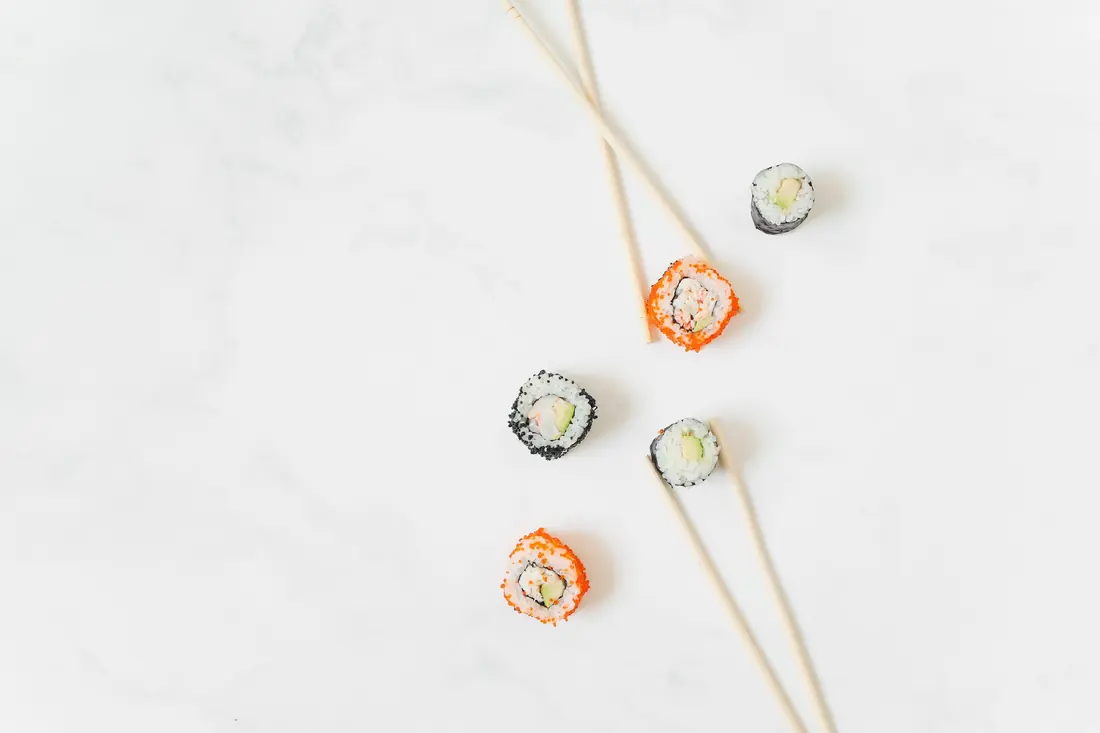
You can see this in the cut face of a roll. If avocado occupies more of the cross section than the named filling does, the roll is leaning on it. That is not necessarily bad – plenty of avocado-forward rolls are good – but it is worth noticing when the menu named something else.
Where else it turns up
Once it was established in rolls, avocado spread across the rest of the menu, and it now appears in places that have nothing to do with sushi at all.
- Salads – sliced or cubed, where it does the same job of adding richness to something lean.
- Rice bowls – laid over the top, for the same reason it works on a roll.
- As a topping – fanned over cooked dishes where a cool, soft element is wanted against something hot.
The pattern is consistent everywhere it appears. It is being used for texture and richness rather than for its own flavour, which is mild enough that it rarely leads a dish.
Ordering with it in mind
If you like avocado, look for rolls where it is on top rather than inside. Sliced over the outside it is the first thing you taste, and a kitchen that presents it that way is confident about its ripeness.
If you are indifferent to it, the vegetable and simpler fish rolls generally use less of it, and asking for a roll without it is a normal request that most kitchens will accommodate.
For how these rolls are put together, our beginners guide to rolls covers the basics, the specialty rolls guide explains the layered construction avocado is usually part of, and the cooked and raw guide helps if you are avoiding raw fish. The current selection is on the ordering page.
Frequently Asked Questions
Why is there avocado in sushi?
It was adopted in North American kitchens as a stand-in for fatty tuna, because it gives a similar richness and softness. It stayed because it also holds its shape when a roll is cut.
Is avocado traditional in Japanese sushi?
No. Avocado is not native to Japan and has no history in traditional sushi. It has roughly half a century of history in North American sushi.
What does avocado do in a roll?
It supplies richness, fills space without making the rice wet, and – when sliced at the right firmness – holds its shape well enough to be laid over the top.
How can I tell if the avocado is good?
Look for bright even green and clean distinct slices. Grey edges mean it was cut too far ahead; a smeared look means it was overripe.
Can I order a roll without avocado?
Usually yes. It is a common request and most kitchens will accommodate it, though it is worth asking rather than assuming.