
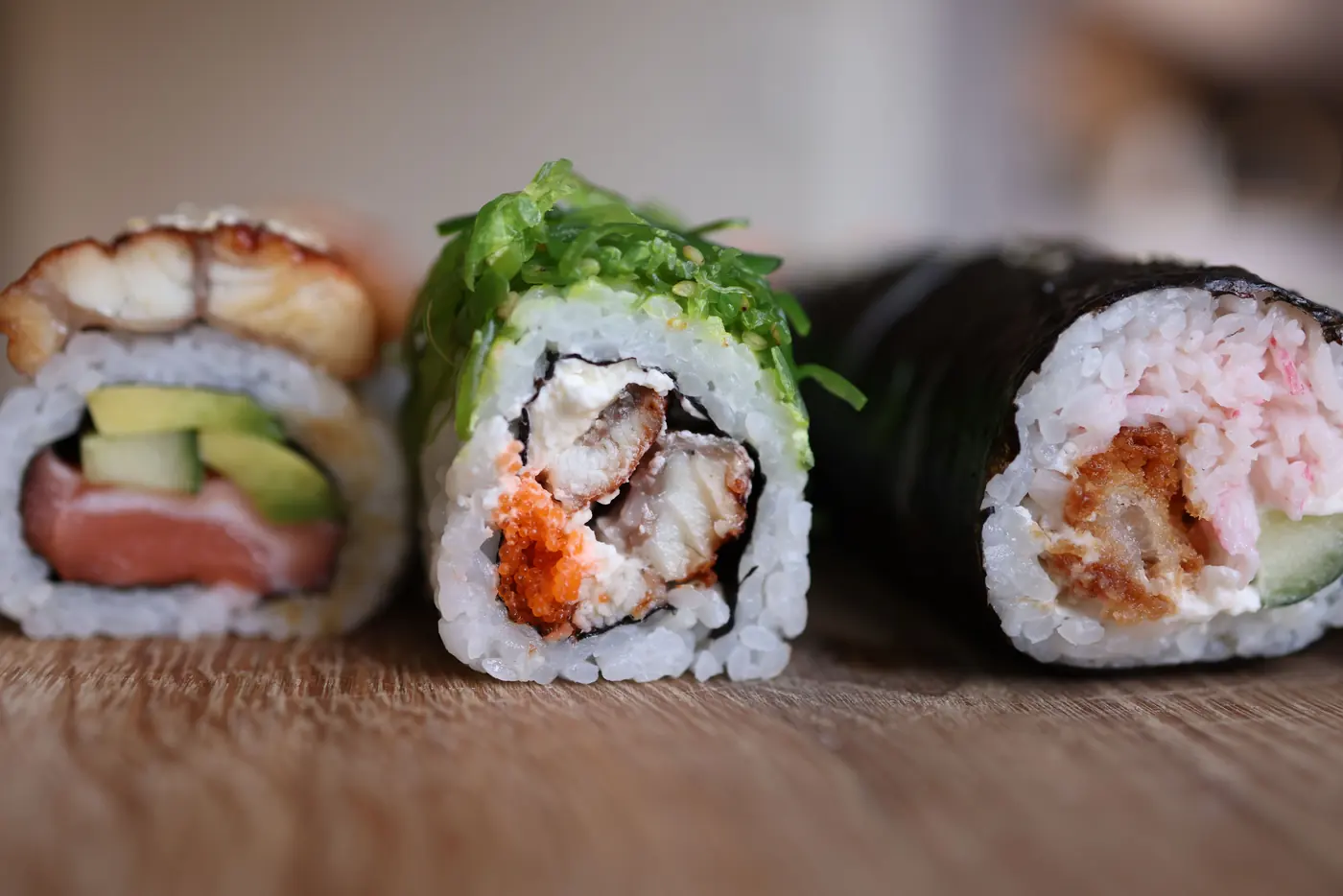
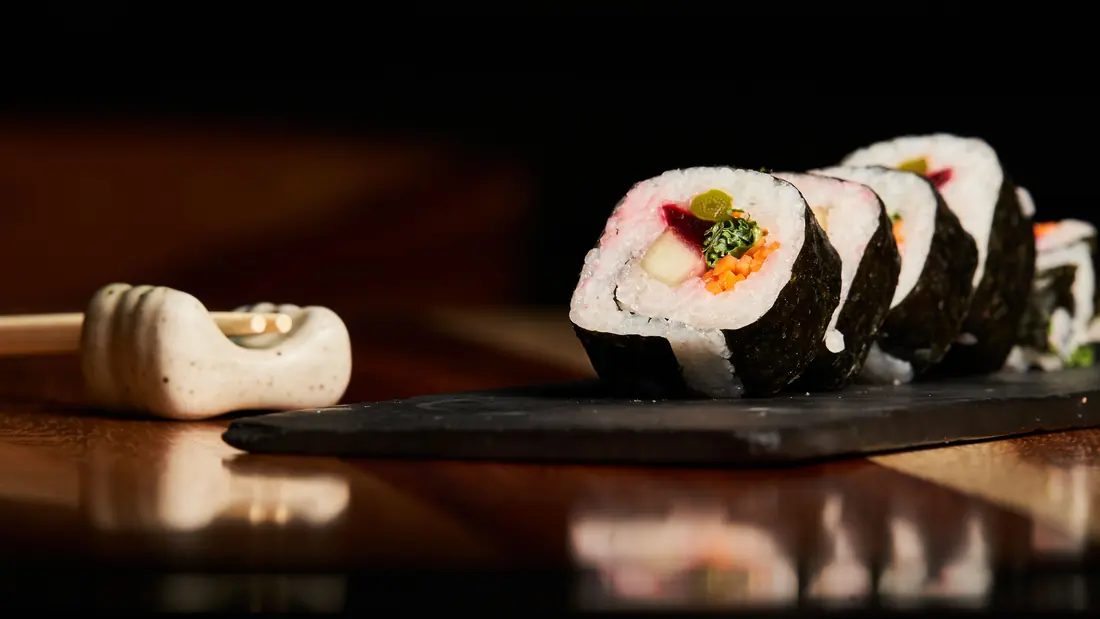
The dark, almost black sheet wrapped around a roll. Most people have eaten a great deal of it and could not say what it is, how it is made, or why one side is shiny and the other is not.
The short answer
Nori is an edible red algae, farmed in shallow coastal water, shredded and pressed into thin sheets. The process is papermaking, almost exactly: a slurry is spread thin on a screen, drained, dried and peeled off.
The word describes the sheet rather than the species. What goes into it is a genus of seaweed known in Japan as amanori, and Britannica’s entry on seaweed covers where it sits among the algae used as food.
It is red algae, despite being black
Nori is classed as a red alga, which is confusing when the sheet in front of you is so dark it reads as black. Fresh, the seaweed is a reddish purple-brown.
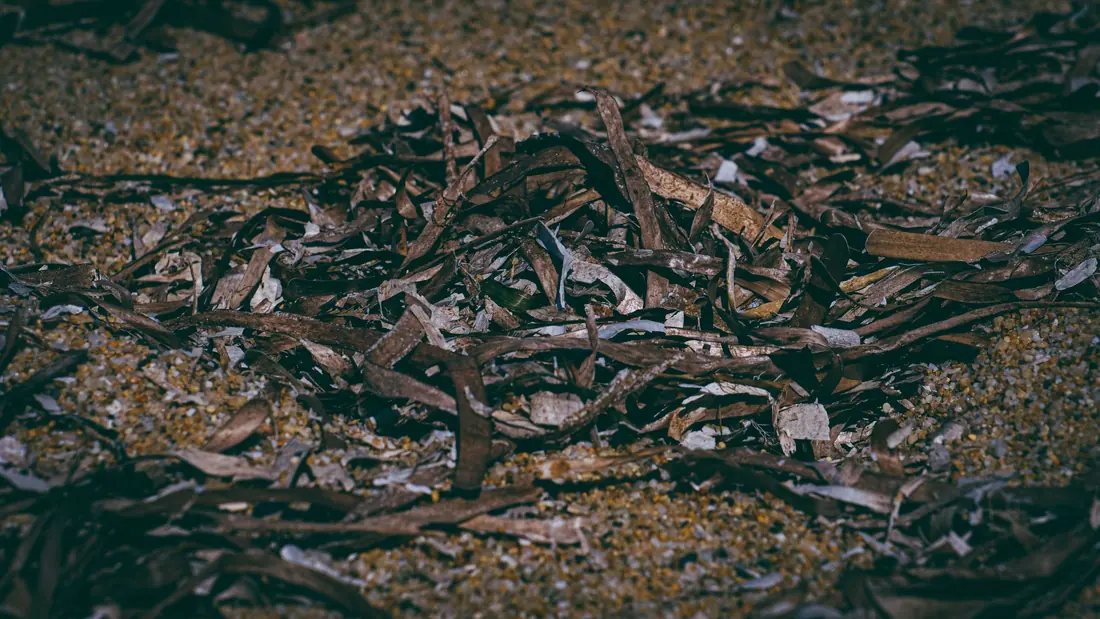
Drying and toasting darken it dramatically, and the pigment that makes it red is masked by everything else once the sheet is thin and layered. Hold one up to a window and the red comes back – a good sheet transmits a deep purple-red rather than grey.
How it is farmed
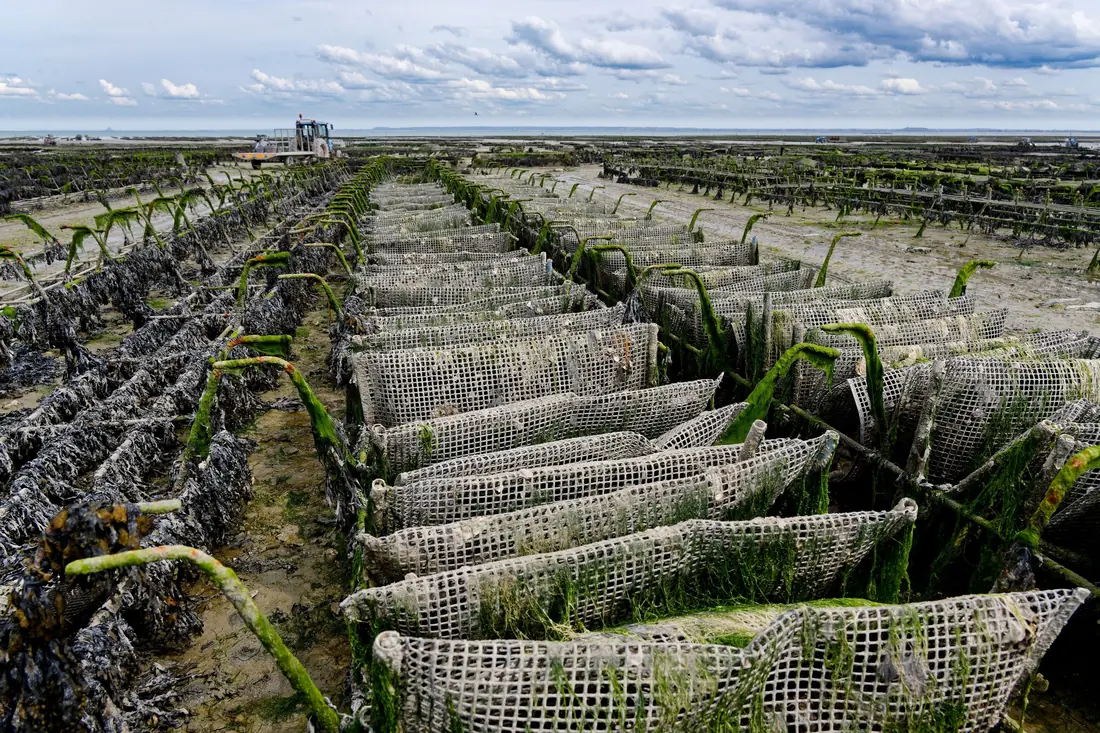
On nets suspended in shallow coastal water, seeded with spores and harvested repeatedly through the cold months. It is one of the oldest forms of aquaculture there is, and it is genuinely farming rather than gathering.
The harvest is then washed, chopped into a slurry, and formed into sheets on frames. The finished sheets are toasted, which is what develops the aroma and the crispness – untoasted nori is leathery and tastes of very little.
Which side is which
A sheet has a shiny side and a rough side, and the difference comes from the drying screen: the side that faced the screen is textured, and the exposed side dries smooth.
The rough side goes against the rice. It grips, which is what holds a roll together, while the smooth side faces out and looks better. This is one of the few genuinely consequential details in home roll-making, and it is the one most beginners get backwards – our piece on the rolling mat covers the rest of that setup.
Why it goes soggy
Nori is hygroscopic to an unusual degree – it pulls moisture out of the air, and out of anything it touches. Against damp rice it starts softening immediately.
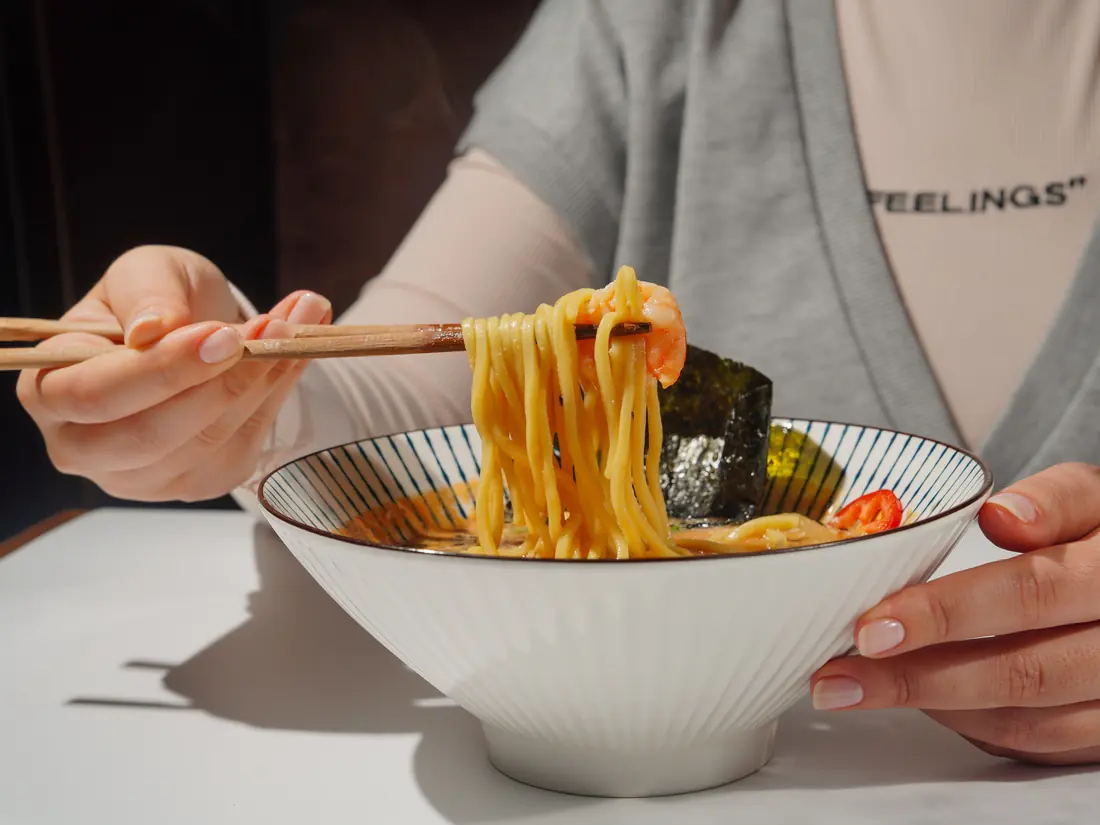
That is the whole reason a hand roll is meant to be eaten within a minute or two, and the reason a cut roll that has been sitting has a chewy wrapper rather than a crisp one. Our comparison of hand rolls and cut rolls turns almost entirely on this property.
It was not always sheets
Nori was eaten for centuries as a paste before anyone made it into paper. The sheet is an eighteenth-century innovation, borrowed directly from Japanese papermaking, and it arrived at roughly the same moment as the hand-formed sushi it now wraps.
Which is a neat piece of history: the wrapper and the thing it wraps were invented for each other. Before sheets existed there was no practical way to hold a portion of seasoned rice in one hand, and the street food that became modern sushi depended on it.
Grades exist and are mostly invisible
Nori is graded, and the grading is not printed on most packets sold outside Japan. The differences are real: a high grade sheet is uniformly dark, glossy, thin, and snaps cleanly, while a low grade one is patchy, greenish, thicker and tears.
- Colour – deep and even, rather than mottled or greenish.
- Gloss – a good sheet reflects light.
- Snap – it should break cleanly rather than bend.
- Holes – visible gaps mean a thin, poorly formed sheet.
It is not the only seaweed on the menu
Three appear regularly and they are different species doing different jobs. Nori is the pressed sheet. Wakame is the soft green ribbon in miso soup and in seaweed salad. Kombu is the thick dried kelp that makes dashi.
They are not interchangeable in any direction. Kombu is too thick and too strongly flavoured to wrap anything, wakame falls apart, and nori dissolves into a stock rather than flavouring it. If a recipe says seaweed without specifying, the dish usually tells you which one it means.
Where else it turns up
Cut into fine strips over a rice bowl or a noodle bowl, crumbled into furikake, wrapped around a rice ball, or eaten on its own as a snack sheet.
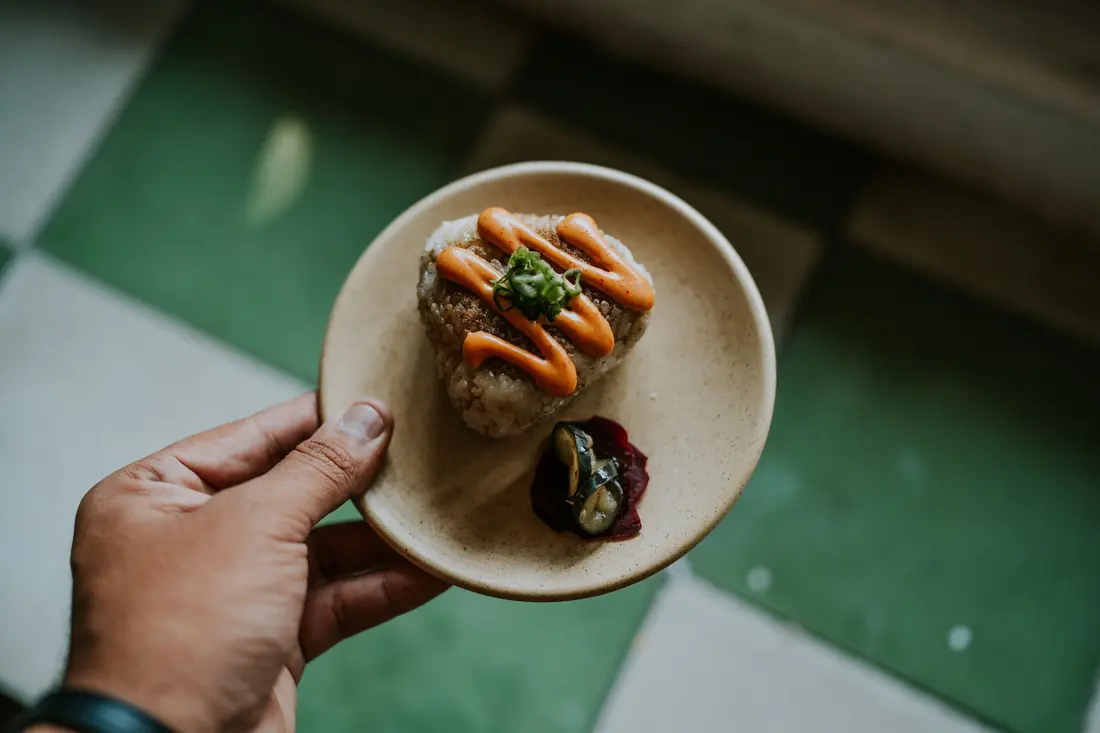
The snack version is usually seasoned with oil and salt, which is why it tastes so different from the plain sheet used for rolls. If you have only met nori as a crisp salty snack, the sushi version will seem oddly plain by comparison.
Seasoned and unseasoned are different products
Two things sold as nori sheets are not interchangeable. Plain toasted nori – yaki nori – is what rolls are made from. Seasoned nori – ajitsuke nori – has been brushed with soy, mirin and salt, and is meant to be eaten on its own or with rice.
Rolling with the seasoned kind produces something oddly sweet and salty that fights everything inside it. The packets look almost identical, so it is worth checking – seasoned sheets are usually smaller, thinner and sold in bundles of ten or so.
Buying it outside Japan
Most nori sold in Western supermarkets is perfectly usable and towards the lower end of the grading. It rolls fine, it tastes fine, and the difference shows up mainly in how cleanly it cuts and how quickly it softens.
An East Asian grocery is where the range appears – several grades, often at surprisingly small price differences, plus the pre-cut strips and the half sheets that make hand rolls easier. If you make rolls more than occasionally, the step up is worth taking once to see what the difference actually is.
Keeping it
Airtight, dry, and away from light. A packet left open for an afternoon in a humid kitchen is noticeably limp by evening, and once limp it will not crisp again on its own.
A vacuum pack with a silica sachet inside is the standard commercial answer, and that sachet is doing real work – resealing the pack around it after each use buys considerably more time than a clip on the bag.
It can be revived, though. A few seconds passed over a low flame or a dry pan drives the moisture off and brings back both the snap and the aroma – which is exactly what the toasting step did in the first place.
For the rest of the wrapper question, the soy paper explainer covers the alternative, the seaweed salad piece covers a different species entirely, and the beginners guide covers what it goes around. The current selection is on the ordering page.
Frequently Asked Questions
What is nori made of?
Edible red algae, farmed on nets in shallow coastal water, then shredded into a slurry and pressed into thin sheets – a process almost identical to papermaking.
Why is nori black if it is a red alga?
Fresh, it is reddish purple-brown. Drying and toasting darken it, though a good sheet still shows deep red when held up to the light.
Which side of nori goes against the rice?
The rough side. It grips the rice and holds the roll together, while the smooth side faces outward.
Why does nori go soggy so quickly?
It absorbs moisture readily, including from the rice it is wrapped around. That is why hand rolls are meant to be eaten within a minute or two.
Can you re-crisp nori that has gone limp?
Yes. A few seconds over a low flame or in a dry pan drives off the moisture and restores the snap and aroma.