
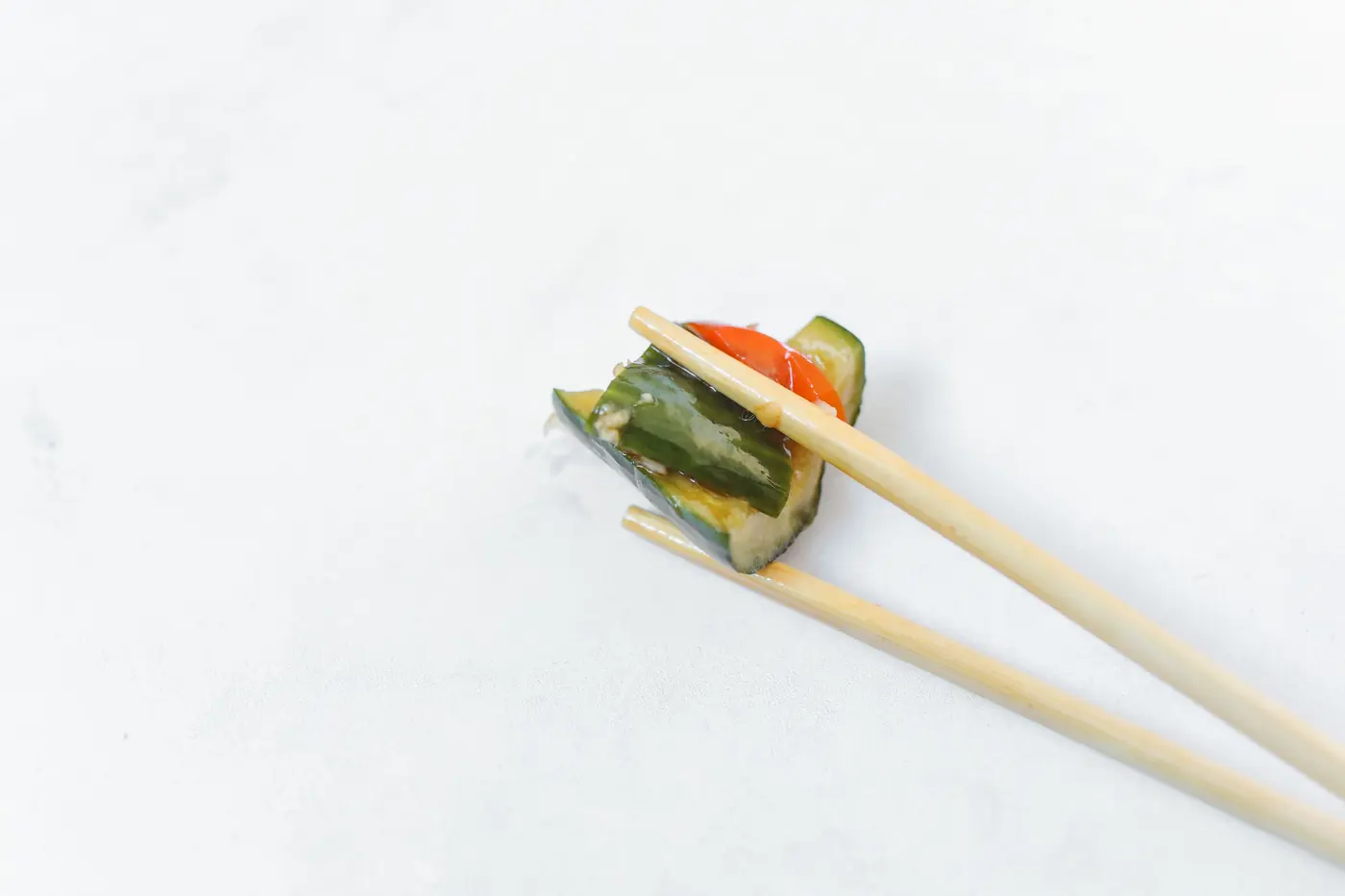
Three slices of something pink, or a few bright yellow discs, in a dish smaller than the palm of your hand. It arrives beside the rice and it is very easy to read as a garnish. It is not one.
The short answer
Tsukemono are Japanese pickles – vegetables preserved in salt, rice bran, vinegar, miso or sake lees – and they are a component of a meal rather than a decoration on one.
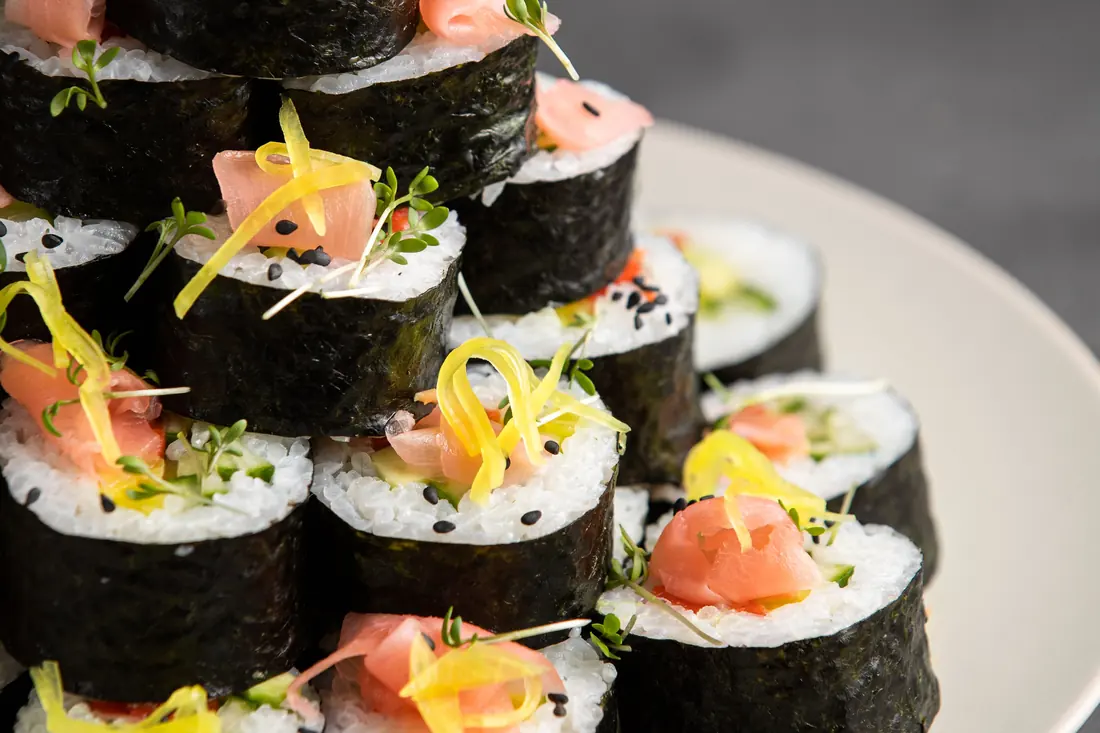
The word means, literally, pickled things. It covers an enormous range, from a cucumber salted for twenty minutes to a radish buried in rice bran for a year.
Why they are there
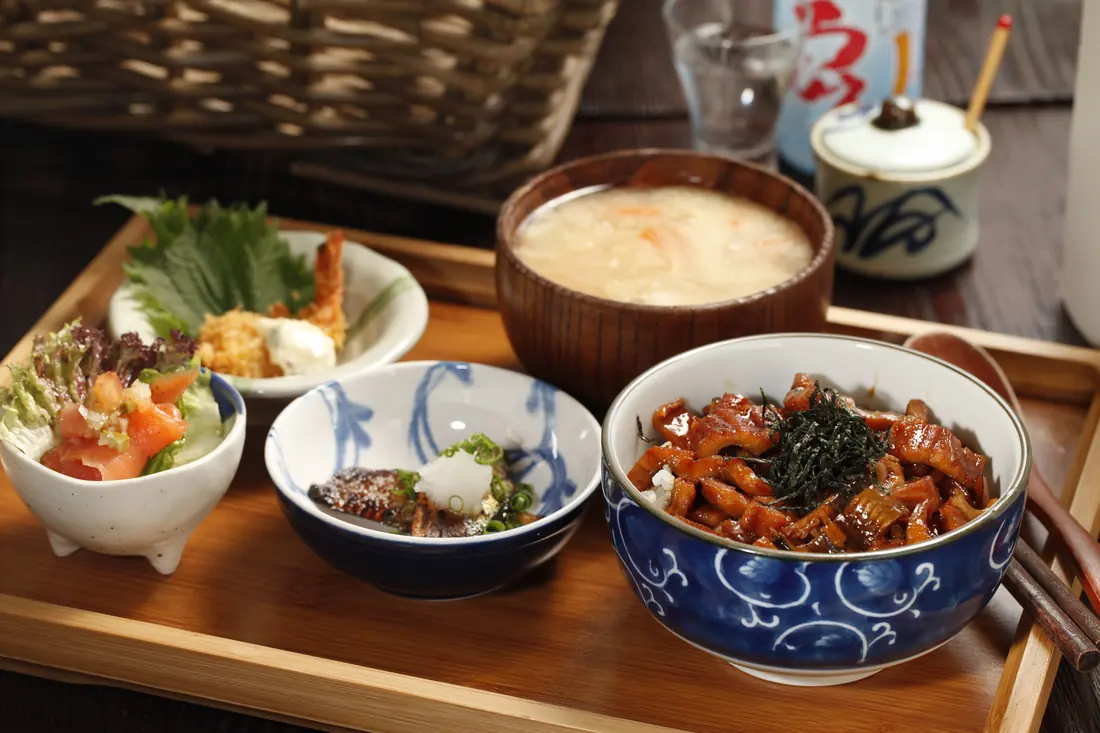
A traditional Japanese meal is built as a set: rice, soup, a main dish, and small sides. The pickles are one of the sides and they do a specific job in that structure.
- They reset the palate. Sharp and salty against plain rice, so each mouthful of the main dish arrives clean.
- They add texture. Crunch against soft rice and soup, which is otherwise a very uniform plate.
- They make plain rice work. Rice is served unseasoned, and a pickle is what makes a bowl of it interesting – the same job furikake does from the other direction.
- They preserve a season. The original purpose, and still why the vegetables vary through the year.
The main methods
Categorised by what the vegetable is pickled in, which is more useful than categorising by vegetable.
| Method | Pickled in | Time | Result |
|---|---|---|---|
| Shiozuke | Salt | Hours to days | Clean, sharp, the simplest |
| Asazuke | Salt, briefly | Under an hour | Barely pickled, still crisp |
| Nukazuke | Fermented rice bran | Days to months | Deeply savoury, funky |
| Suzuke | Vinegar | Hours to days | Sour and bright |
| Misozuke | Miso paste | Days to weeks | Rich, salty, savoury |
| Kasuzuke | Sake lees | Weeks | Sweet, aromatic, faintly alcoholic |
Britannica’s entry on pickling covers the preservation principle underneath all of them – an environment hostile enough to spoilage organisms that the vegetable keeps, achieved with salt, acid or fermentation.
The rice bran bed
Nukazuke deserves singling out because it is unlike anything in Western pickling. The vegetables are buried in a bed of fermented rice bran – a nukadoko – which is a living culture kept in a crock in the kitchen.
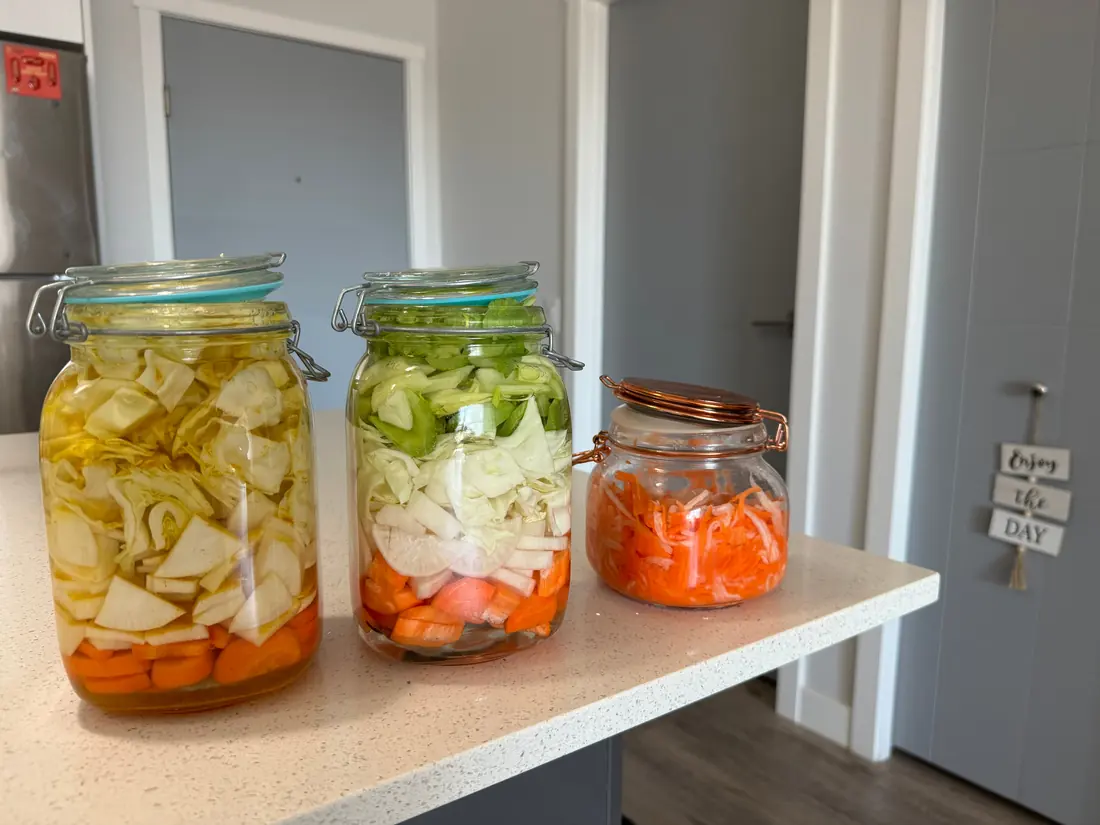
The bed has to be turned by hand, usually daily, to keep it aerated and to stop it souring. In exchange it improves with age, and beds passed down through families for decades are a real thing rather than a legend. A cucumber goes in overnight and comes out savoury, sour and completely transformed.
The ones you will actually recognise
- Beni shoga – bright red shredded ginger, sharp and salty, served with noodles and rice bowls.
- Gari – the pale pink sliced ginger beside sushi, sweeter and milder. Our guide to sushi condiments covers how it is meant to be used.
- Takuan – the bright yellow daikon radish, sweet and crunchy, covered in our daikon explainer.
- Umeboshi – salted plums, extremely sour and salty, and the most startling thing on this list for a first-time eater.
- Hakusai no sokusekizuke – lightly salted napa cabbage, mild and everyday, and the entry point.
The salt does the work
Every method on that list is a variation on one mechanism. Salt pulls water out of the vegetable by osmosis, which both concentrates the flavour and creates conditions that most spoilage organisms cannot survive.
What differs is what happens next. Left alone, the salted vegetable ferments and sours. Packed into rice bran or miso, it takes on that medium’s flavour as well. Covered in vinegar, the acid arrives ready-made and nothing needs to ferment at all – which is why vinegar pickles are fast and bran pickles are not.
The colours are not always natural
Worth knowing, because the brightness can be startling. Some takuan gets its yellow from dried persimmon peel or gardenia, and some from added colouring. Beni shoga is traditionally coloured by the red shiso in umeboshi brine, and commercially it is often dyed.
Neither is a problem, but the intensity of a supermarket pickle is not a reliable guide to how it was made.
They change with the season
The category is seasonal in a way that is easy to miss in a restaurant, where the same two or three appear year round. Traditionally the vegetable pickled is whatever there is too much of: cucumber and aubergine in summer, daikon and cabbage in autumn, young shoots in spring.
That is the original function reasserting itself. Pickling was how a household got vegetables through a winter, and what is in the crock is a record of what the garden was doing three months earlier.
How much to eat
Less than a Western diner assumes. A serving is three or four small slices. The dish is small deliberately, and the pickles are salty enough that a larger portion stops working against the rice and starts competing with it.
The common mistake is treating it as a side salad and finishing it first. Spread across the meal, a slice at a time between mouthfuls of rice, is how it is built to work.
The whole region does this
Japan is not unusual in pickling. It is unusual in how formalised the small dish has become. Korean cooking has an entire category in banchan, of which kimchi is one member; Chinese cooking has its own preserved vegetables, more often sour and salty than sweet.
The common thread is a cuisine built on plain rice. Where the staple is deliberately unseasoned, something sharp has to sit beside it, and every cuisine in the region arrived at a version of the same answer.
Where they sit on a Western-facing menu
Usually nowhere, which is why so few people outside Japan have any idea what they are. A restaurant serving a set meal will include them; a restaurant selling rolls and noodle bowls has no obvious place to put a small dish of pickles, so they appear as a garnish or not at all.
The ginger beside your sushi is the exception, and it is the one member of the category that everybody has eaten. Most people simply do not know it belongs to a family.
Making a quick one
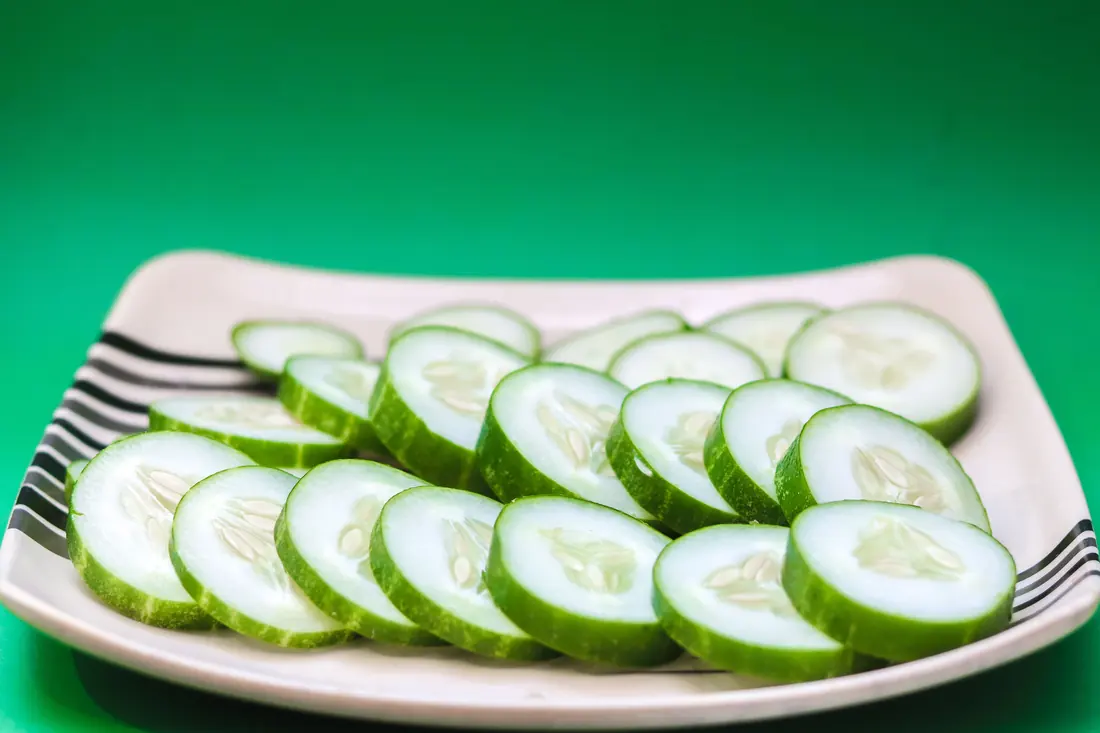
- Slice a cucumber thinly, or shred a wedge of cabbage.
- Toss with salt – roughly two per cent of the vegetable’s weight – and leave for twenty minutes.
- Squeeze out the water that has come out, and taste; it should be seasoned, not salty.
- Add a splash of rice vinegar, a little sugar, and a strip of kombu if you have it.
- Refrigerate for an hour and eat within two days.
This is asazuke, the shallow pickle, and it is the entire category at its simplest. It also demonstrates the principle the longer methods rely on: salt draws water out, and what is left concentrates.
For the rest of the small dishes, the daikon explainer covers the radish behind the yellow pickle, the napa cabbage piece covers the vegetable pickled most, and the condiments guide covers the ginger beside your sushi. The current selection is on the ordering page.
Frequently Asked Questions
What is tsukemono?
Japanese pickles – vegetables preserved in salt, rice bran, vinegar, miso or sake lees. The word means pickled things.
Why are pickles served with Japanese meals?
They reset the palate between mouthfuls, add crunch against soft rice and soup, and make plain unseasoned rice worth eating.
What is the pink ginger with sushi?
Gari – thin slices of young ginger pickled in sweetened vinegar. It is meant to be eaten between pieces rather than on top of them.
What is nukazuke?
Vegetables pickled in a bed of fermented rice bran, which is a living culture turned by hand daily. It produces a deeply savoury, sour pickle.
Can I make Japanese pickles quickly?
Yes. Asazuke – a shallow pickle – takes under an hour: salt sliced vegetables, squeeze out the water, and dress with rice vinegar.