Ordering hibachi is usually a two-part decision. You pick a protein, and then you are asked two or three follow-up questions in quick succession. Knowing what those questions are before they arrive makes the whole thing easier.
What comes with a hibachi plate?
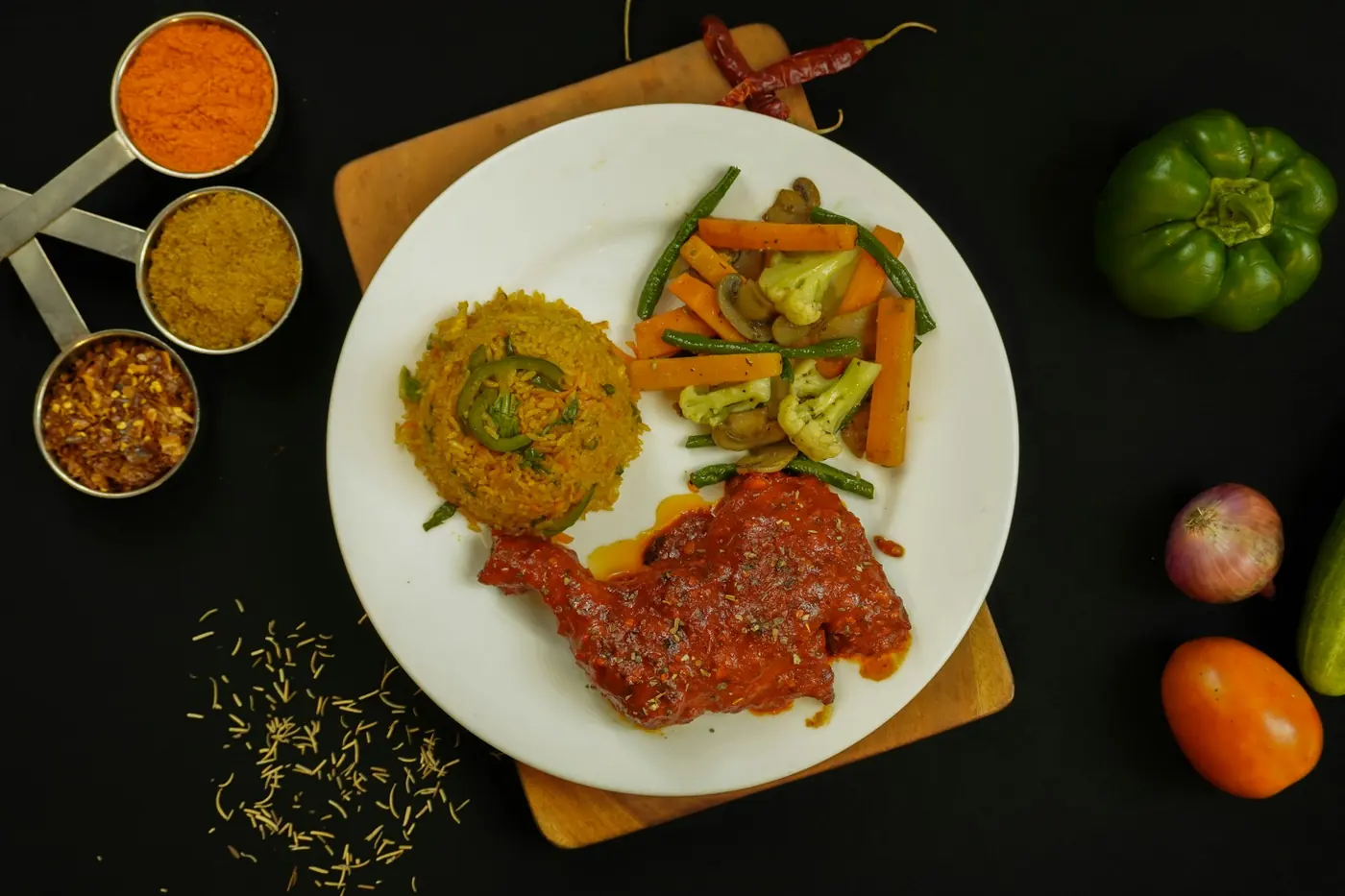
A hibachi plate is a complete meal rather than a single dish. The protein is seared on a flat top grill and served with rice, grilled vegetables, and a choice of soup or salad to start.
That structure is why it is such a dependable order. There is no assembling of sides and no guessing at portions – the plate arrives as a set, and the only decisions are which protein, which rice, and which starter.
The protein
This is the first choice and the one that changes the plate most. Kitchens typically offer a range of meats alongside a vegetarian option, and some allow two proteins on a single plate.
Cooking time is the practical difference between them. Everything is cooked to order on the same surface, so a plate does not take noticeably longer because of what you chose.
Fried rice or steamed rice
The second question, and the one people hesitate over most. Both are standard, and neither is an upgrade on the other.
| Fried rice | Steamed rice | |
|---|---|---|
| Cooked | On the griddle, to order | Ahead, held hot |
| Texture | Separate grains, slightly chewy | Soft and sticky |
| Seasoning | Seasoned as it cooks | Plain |
| Works well when | You want the rice to be part of the dish | You want the sauces and protein to lead |
| Travels | Very well – reheats without much loss | Firms up when chilled |
A simple way to decide: if you are having a heavily sauced protein, steamed rice gives it somewhere to go. If the protein is plainly seasoned, fried rice adds the flavour the plate would otherwise be missing.
Why it is cooked on a flat surface
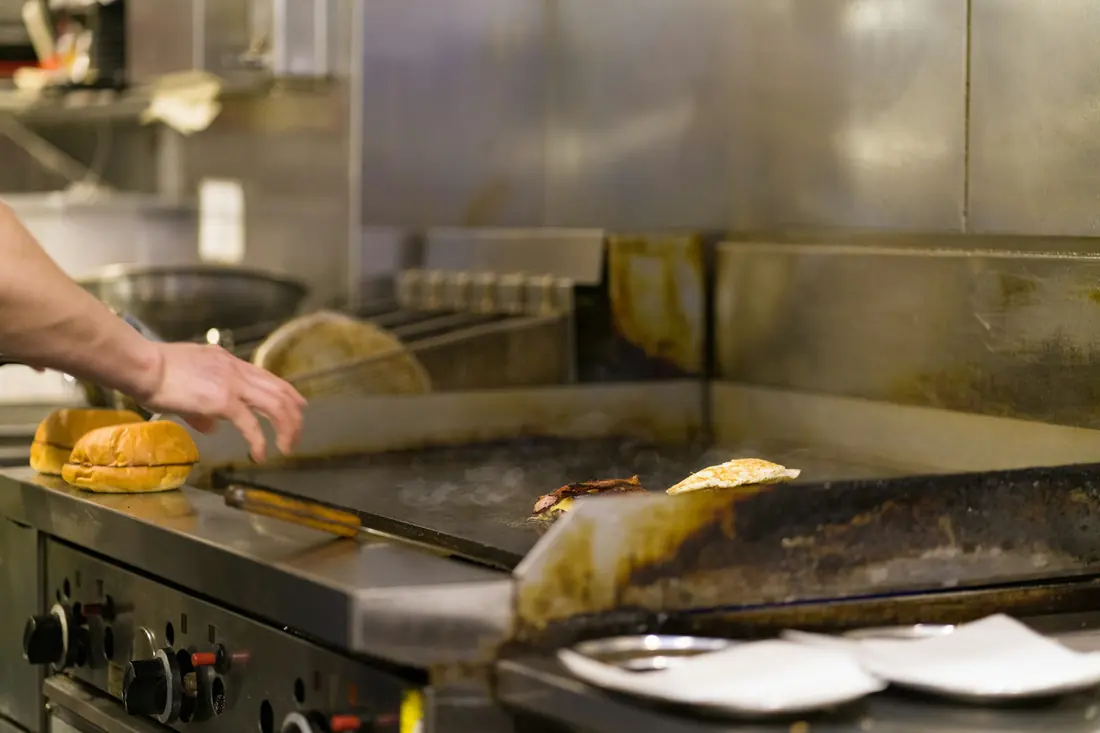
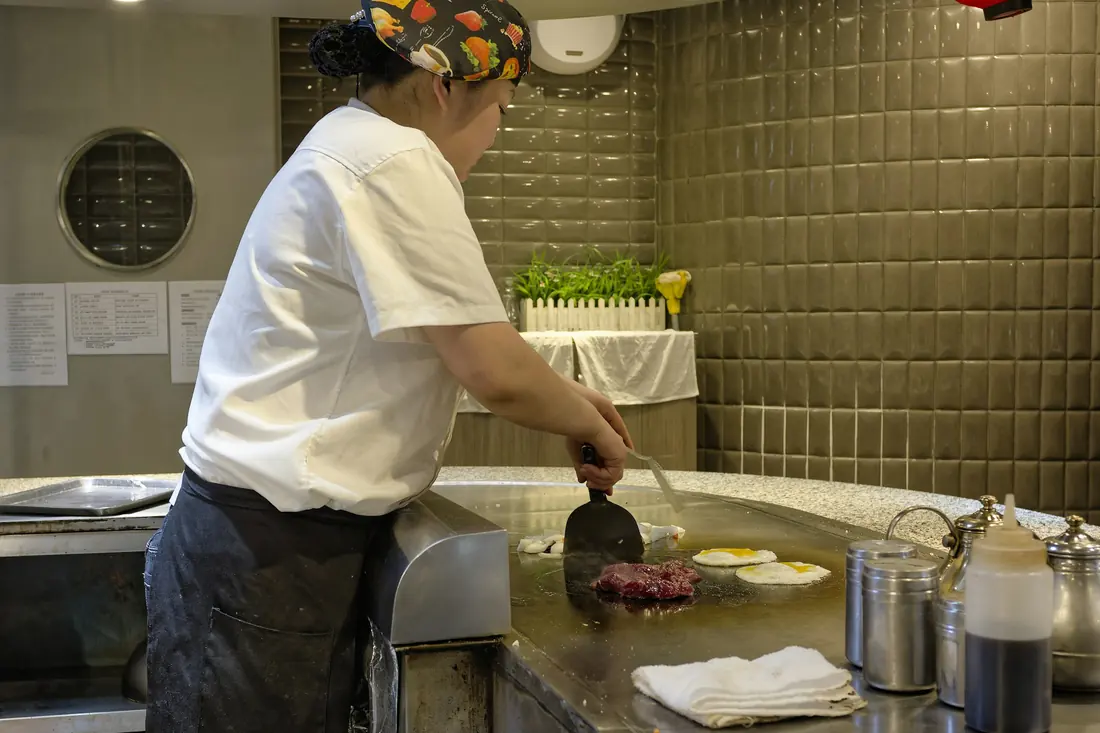
The whole plate depends on the griddle, and the reason is contact. A flat steel surface touches every part of what sits on it, so heat moves into the food quickly and evenly instead of only where it meets a bar.
That matters most for the things that would fall through a grate. Rice, small vegetable pieces and thinly cut protein all need a solid surface, and all three are on a hibachi plate.
It also means everything can be cooked in the same place at the same time, which is why the components arrive together and equally hot rather than in the order they were started.
The vegetables
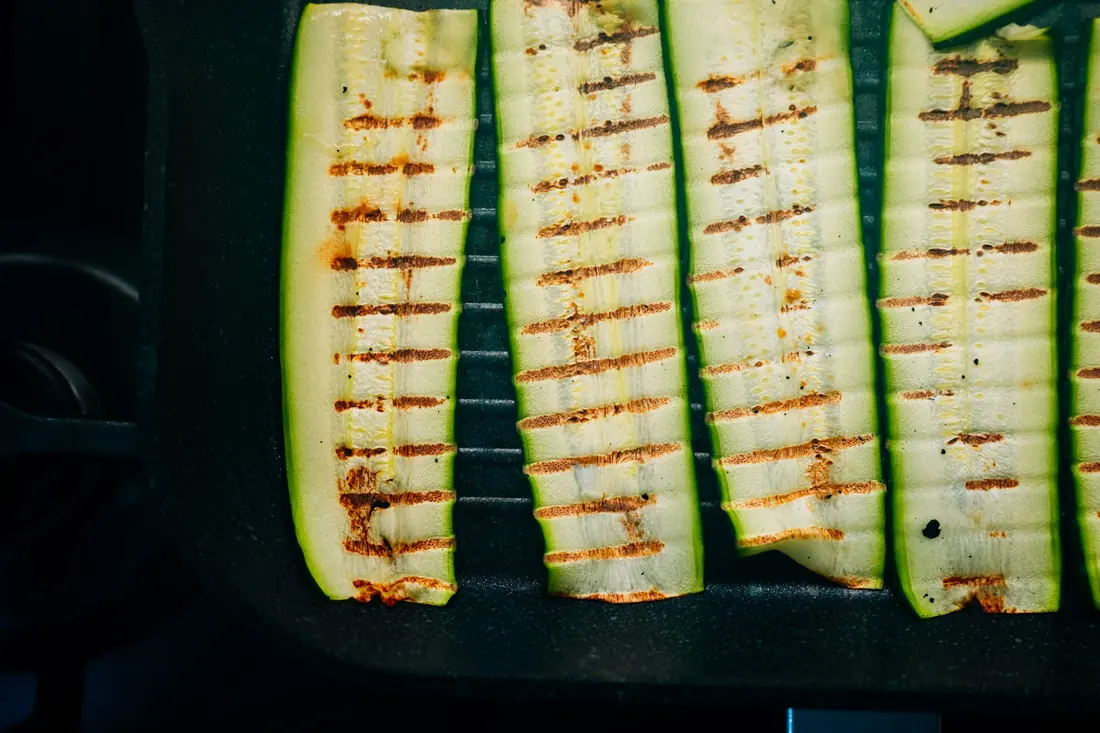
Grilled vegetables come as part of the plate rather than as a side you choose. What appears varies with what the kitchen has, but the treatment is consistent – cut into pieces that cook quickly, seared hard on the flat top, and seasoned simply.
Zucchini, onion, carrot and mushroom are the usual suspects, because all four hold their shape at high heat and pick up colour quickly. The searing is the point: it concentrates the flavour rather than softening it.
A small thing worth asking about: some kitchens will put both proteins and both rices on one plate if you ask, and some will not. It costs nothing to ask, and it is the easiest way to try two things on a first visit without ordering twice.
Soup or salad
The starter choice arrives before everything else, and it is a genuine fork in the road rather than a formality.
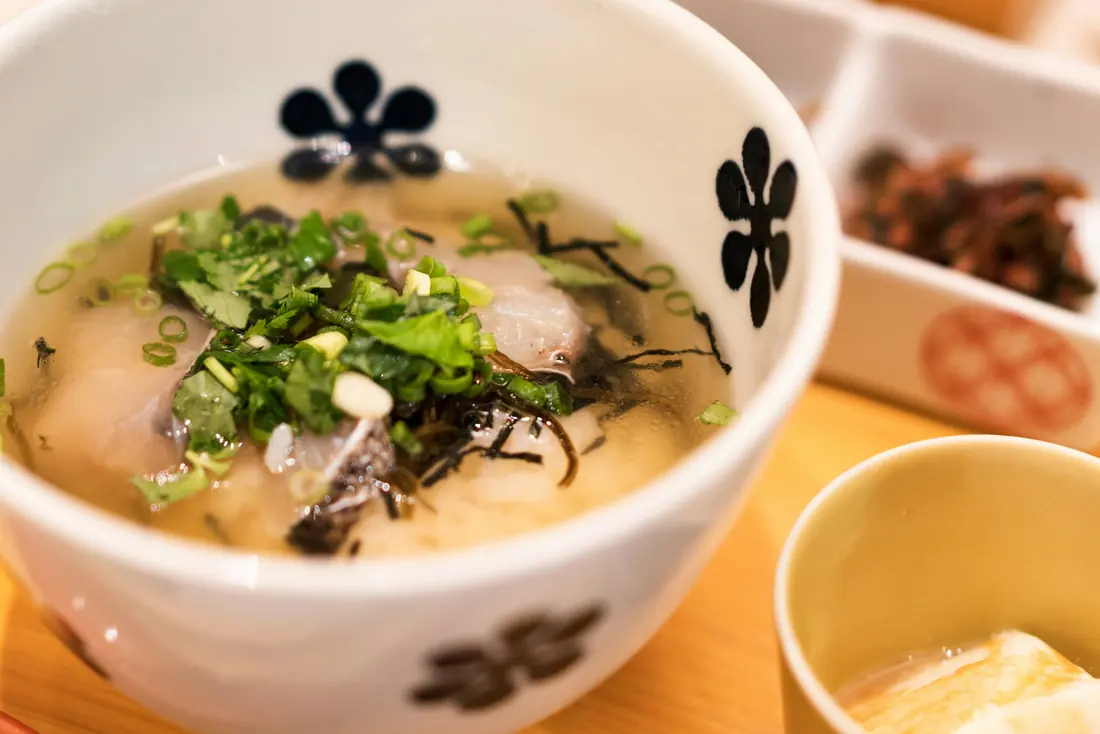
- Miso soup – a light savoury broth made from fermented soybean paste, usually with tofu and seaweed in it. Britannica’s entry on miso covers where the paste itself comes from.
- Onion soup – a clear broth, typically with fried onions, mushrooms and scallions.
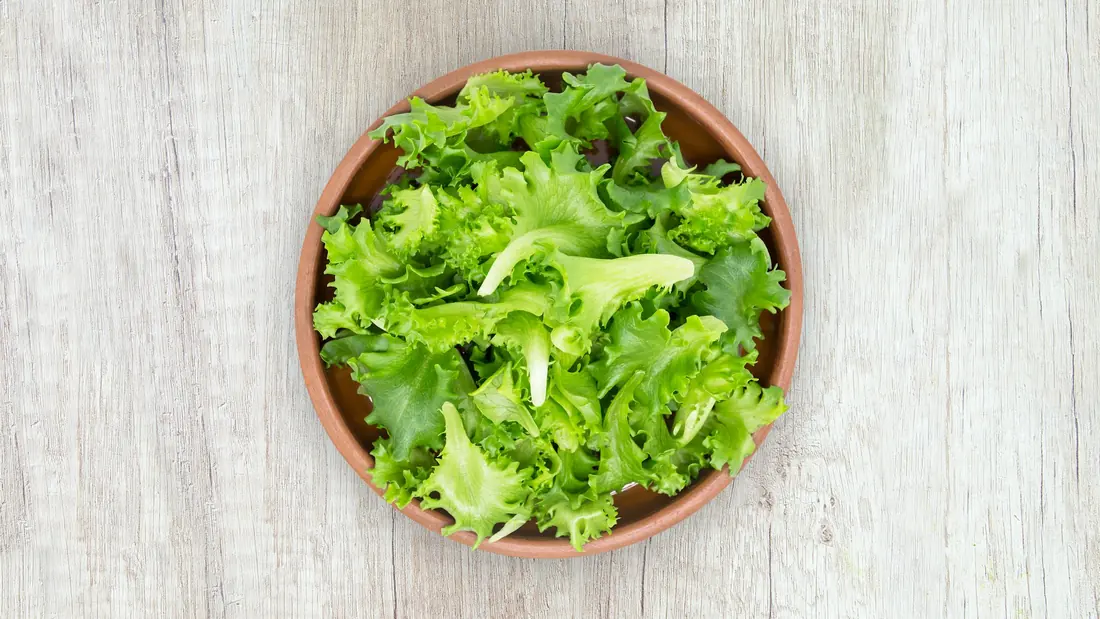
- Salad – a small plate of leaves with a dressing, served cold.
The salad is the better choice if the rest of your order is hot and heavy, because it resets the palate. The soup is better on a cold evening or when you are waiting for a table’s worth of food to arrive together.
The sauces
Most kitchens send one or two sauces with the plate. A pale, thick, mildly sweet sauce is near-universal; a thinner, darker, saltier one often comes alongside it.
Use them sparingly at first. The protein and vegetables are already seasoned on the grill, and the sauces are designed to accent rather than coat. It is easy to add more and impossible to take it back off.
How the plate is timed
From the kitchen’s side the order runs backwards from what you might expect. The starter goes out immediately, because it is already made. The rice is started next, since it takes the longest on the griddle.
The vegetables follow, then the protein, which is usually the quickest thing on the plate and is cooked last so it is not sitting while everything else finishes.
This is worth knowing if you are ordering with a group. Adding one more plate does not delay the table much, because the griddle is already hot and running, but adding fried appetisers partway through the meal usually does.
How much food it actually is
A hibachi plate is generous by design. Between the protein, a full portion of rice and the vegetables, it is comfortably a full meal for one person, and the starter sits on top of that.
This matters when ordering for a group. Two plates and something to share often feeds three people more comfortably than three plates, particularly if anyone is also ordering rolls.
Ordering it for a child
Hibachi is one of the easier things on an Asian restaurant menu to order for a child, largely because it is recognisable. Grilled protein, rice and vegetables on one plate needs no explanation.
Two adjustments make it simpler still: ask for the sauces on the side rather than on the plate, and choose steamed rice, which is plainer than the seasoned fried version. Between them, that removes almost everything a cautious eater might object to.
Ordering it to take away
Hibachi is one of the better things to order for eating at home. Grilled protein and rice hold their texture on the drive and reheat the next day without much loss, which is not true of most fried food.
Two small adjustments help. Ask for the sauces separately if that is an option, so the rice does not sit in them, and choose fried rice over steamed if the meal is going to be reheated rather than eaten straight away.
If you are still deciding whether hibachi is the right order at all, our guide to what hibachi actually means explains the grill it is named after, the soup comparison goes further into the starter choice, and the three-way comparison helps if a table cannot agree. The current selection is on the ordering page.
Frequently Asked Questions
Does a hibachi plate come with rice?
Yes. Rice is part of the plate rather than a side you add, and you are normally asked whether you want it fried or steamed.
What is the difference between the soup and the salad option?
The soup is hot and savoury – miso is a soybean paste broth, onion soup is a clear broth with fried onions and mushrooms. The salad is a cold plate of leaves with dressing. You choose one, not both.
Can you order hibachi without meat?
Vegetarian options are a standard part of how hibachi is served. What is available varies by kitchen, so it is worth checking when you order.
Is fried rice or steamed rice better with hibachi?
Neither is better. Fried rice is seasoned and cooked to order; steamed rice is plain and lets sauces lead. Choose steamed if your protein is heavily sauced.
Is a hibachi plate enough for two people?
It is built as a single meal, but it is a generous one. Two plates plus something shared usually suits three people better than three plates.