
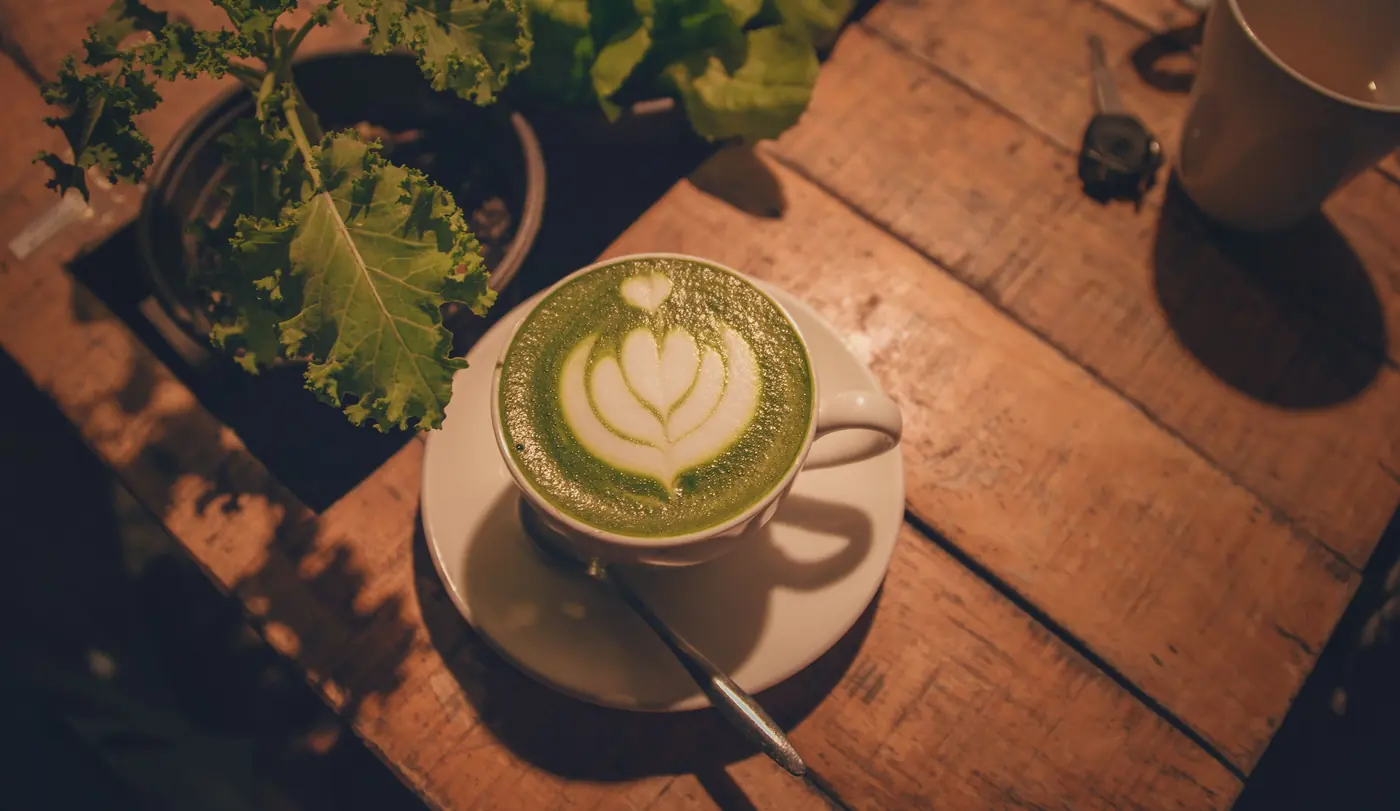
It arrives without being ordered, in a cup with no handle, usually before anything else. Most people drink it without much thought, and it is doing more work at the table than almost anything else on it.
Why it is there at all
Tea with a meal is not a courtesy in Japanese practice – it is part of the meal. The cup arrives at the start and is refilled through it, and it is meant to be drunk alongside the food rather than before or after.
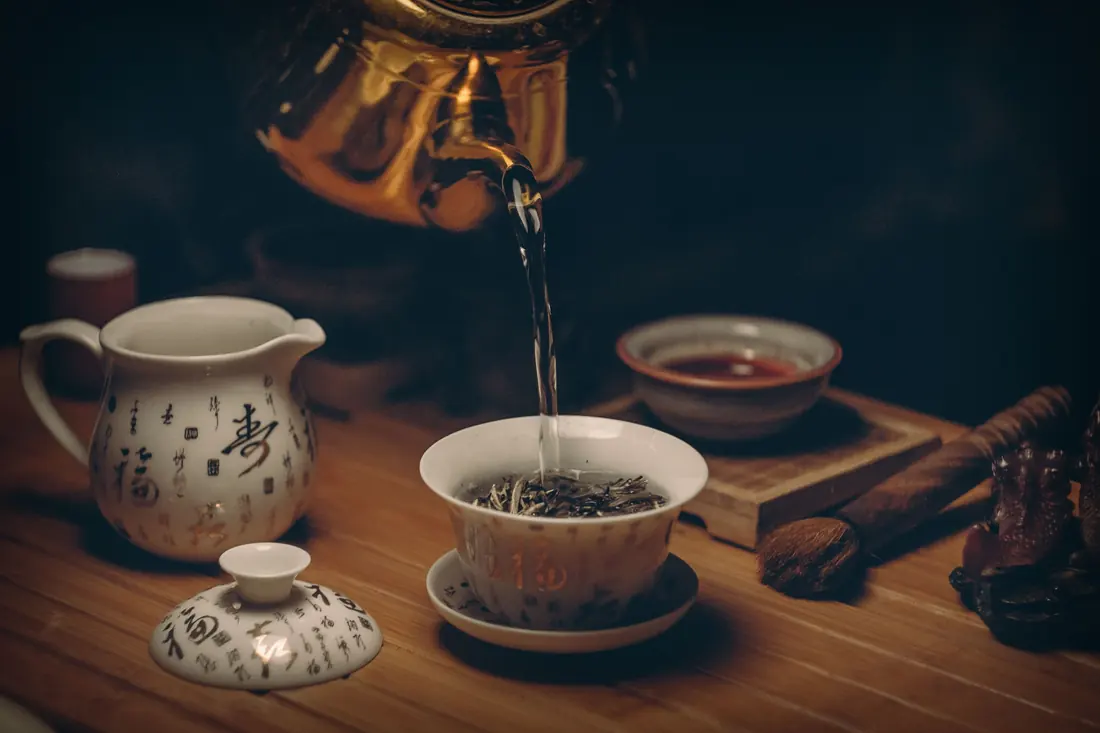
Britannica’s entry on tea covers the plant and the spread of the drink, which reached Japan from China with Buddhist monks and became domestic long before it became ceremonial.
What it does to the food
Two things, and both are practical rather than mystical.
It clears fat and salt from the mouth. Hot, faintly bitter liquid cuts through oil in a way cold water does not, which matters between rich mouthfuls – fried food, fatty fish, a sauced roll.
And it resets the palate between different dishes. A meal built as several small things rather than one large one needs something between them, and tea is what keeps the fifth thing tasting as distinct as the first.
It is usually not the tea you buy in a shop
The tea served free with a meal is generally not a delicate first-flush leaf, and there is no pretence that it is. It is chosen to be drunk hot, in quantity, alongside strongly flavoured food, and to survive being brewed in a large pot and held.
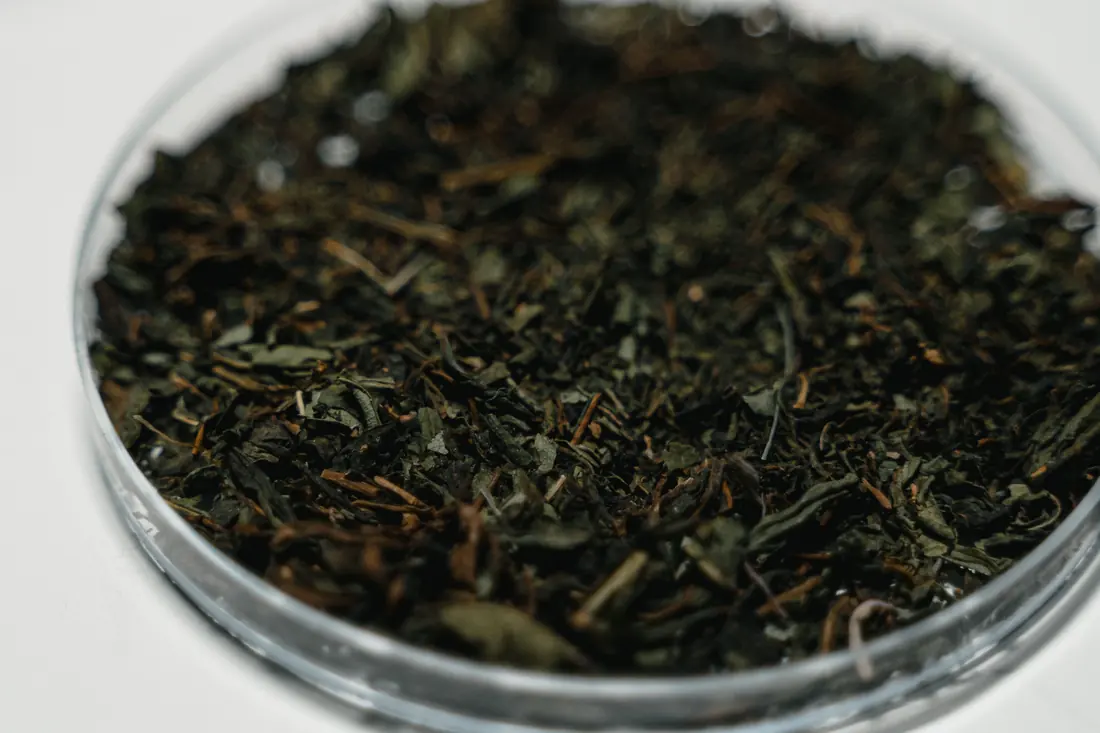
That usually means a robust everyday tea – often bancha, made from later, coarser leaves, or a roasted tea. Both are lower in caffeine and less bitter when brewed hard, which is exactly what you want in a pot that has been sitting.
The ones you might be given
| Tea | What it is | Tastes |
|---|---|---|
| Sencha | The standard steamed green tea | Grassy, fresh, faintly astringent |
| Bancha | Later-harvest leaves, coarser | Milder, plainer, everyday |
| Hojicha | Green tea roasted over charcoal | Toasty, nutty, almost no bitterness |
| Genmaicha | Green tea with roasted brown rice | Savoury, popcorn-like |
| Matcha | Stone-ground leaf whisked into water | Intense, thick, vivid green |
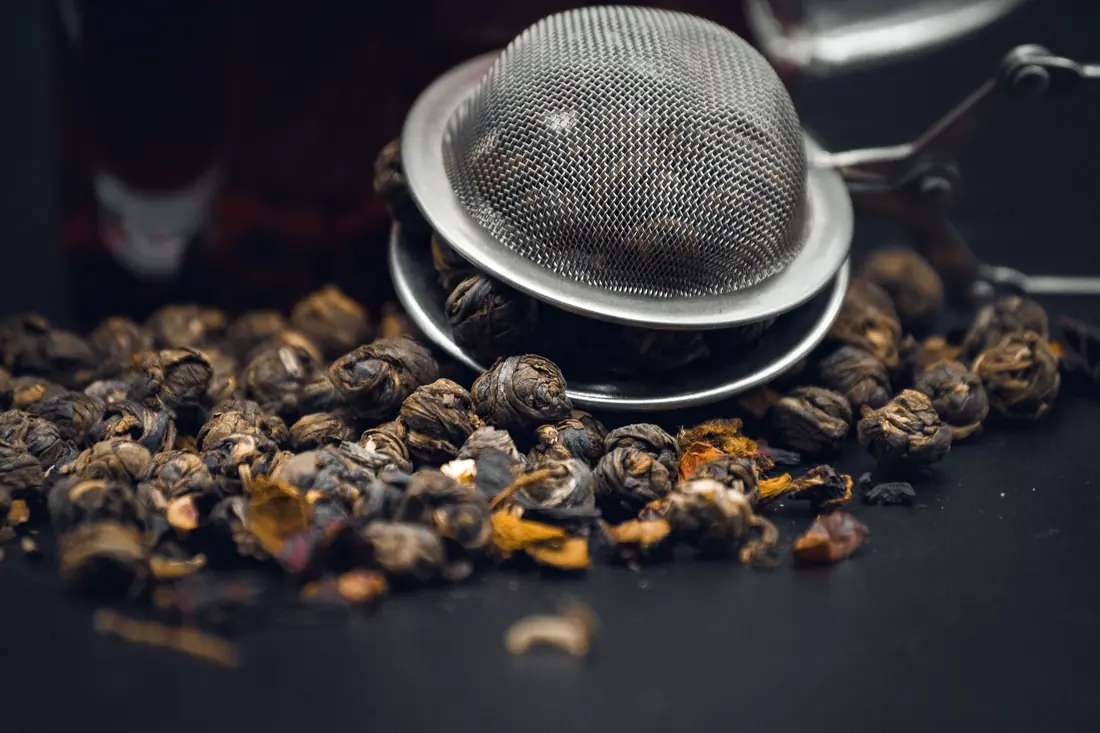
Hojicha is the one most people are surprised by, because it is brown rather than green and tastes toasted. It is often what a restaurant serves in the evening, since the roasting drives off much of the caffeine.
Why it is free
Because it is not being sold to you. In Japanese restaurants the tea is treated as part of the cover in the same way water is in most Western restaurants – a thing the meal comes with rather than a line on the bill.
That framing also explains its quality. A restaurant giving away a hundred pots a day is buying tea by the kilogram, and choosing a leaf that brews consistently and forgivingly rather than one that rewards careful attention.
Where tea does appear on a menu with a price, it is a different product – a single-origin leaf, or matcha prepared to order – and it is worth ordering as a thing in its own right rather than as a refill.
Matcha is a different thing entirely
Worth separating, because the word is now on every café menu. Matcha is not brewed and strained – the leaf is ground to powder and whisked into the water, so you drink the leaf itself.
That makes it far more intense, and far more expensive, than anything served free with a meal. If a restaurant offers it, it is a menu item rather than the house pot.
Cold tea is a season, not a mistake
In summer the same teas turn up iced, and mugicha – roasted barley tea, which contains no tea leaf at all – is served cold by the jug in Japanese households and restaurants alike.
It is nutty, faintly bitter and caffeine-free, and it is the default cold drink for children. If you are served something brown and cold that does not taste like iced tea, that is probably what it is.
Why the cup has no handle
A Japanese teacup – a yunomi – is a cylinder without a handle, and the design is deliberate. Holding the cup tells you the temperature before your mouth does, which matters when tea is served genuinely hot.
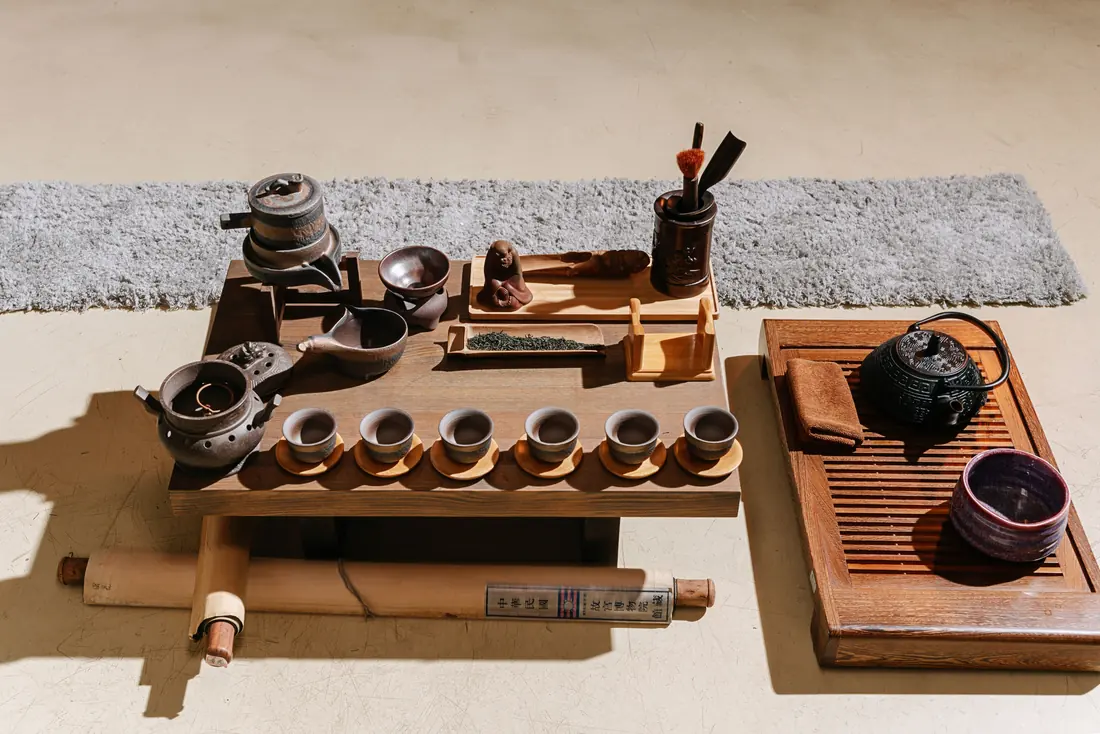
It also encourages a smaller pour. A handleless cup that is too full to pick up is self-correcting, which is why refills are frequent and portions are modest.
Brewing temperature is the whole difference
Japanese green tea is unforgiving about water temperature in a way black tea is not. Boiling water scalds the leaf and pulls out bitterness within seconds, which is why a lot of people who think they dislike green tea have only ever had it made badly.
The rule of thumb is well off the boil – around seventy to eighty degrees for most green teas, and lower still for the delicate ones. Practically, that means letting a kettle stand for a couple of minutes, or pouring between two vessels to shed heat before it reaches the leaf.
Steeping time is short too: under a minute for the first infusion of a good leaf. The same leaves are then brewed again, and the second cup is often the better one.
How it is meant to be drunk
- Throughout, not before. It is a companion to the food rather than an aperitif.
- Without milk or sugar. Both flatten the astringency that does the palate-clearing.
- Refilled freely. The pot is normally left, and refilling a neighbour’s cup before your own is the polite order.
- Hot. The temperature is part of the effect – a cooled cup does very little.
The second and third cups
Good Japanese leaf is brewed several times rather than once, and each infusion is deliberately different. The first is sweetest and most delicate, the second fuller and more astringent, the third plainer.
This is why a pot on a restaurant table keeps being topped up with hot water rather than replaced. It is not thrift – it is how the tea is meant to be drunk, and the leaf has more to give than one cup takes.
Where it grows and why that matters
Japanese green tea is steamed shortly after picking, which is the fork in the road that separates it from Chinese green tea, where the leaf is pan-fired instead.
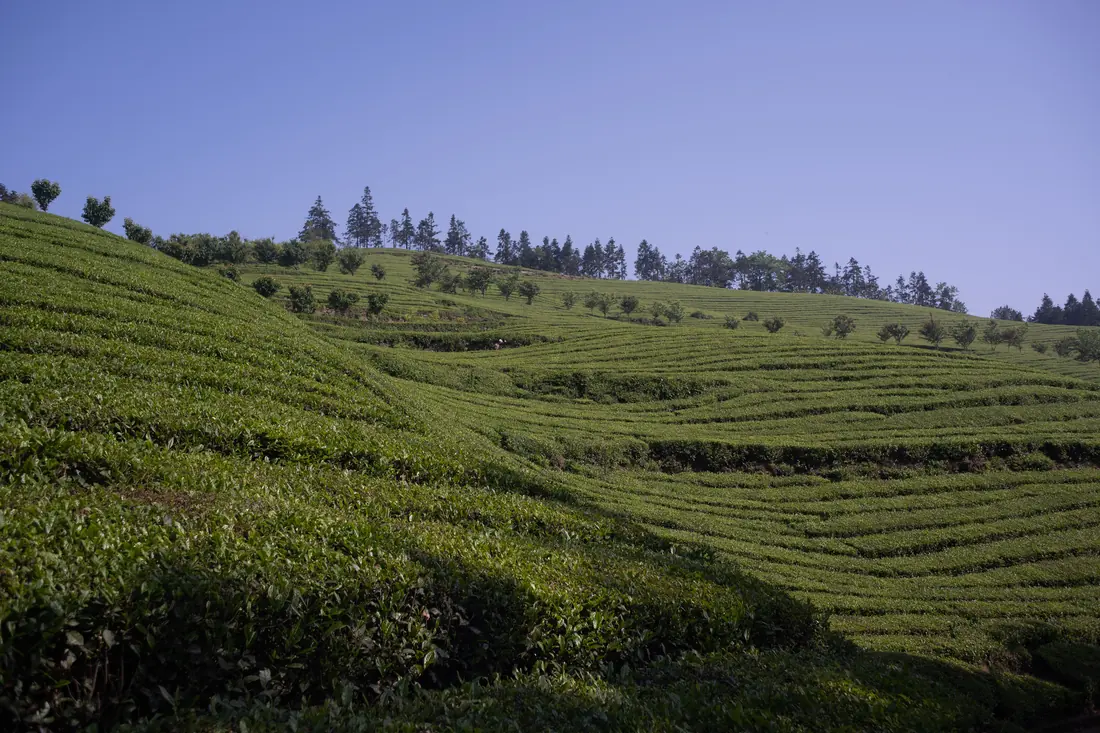
Steaming halts oxidation faster and keeps more of the vivid green colour and the grassy, marine note that Japanese tea is known for. Two teas from the same plant end up tasting almost unrelated on the strength of that one step – which is the same story as almost every other ingredient on this site.
For the rest of what arrives at the table, the condiments guide covers the small dishes, the pickles piece covers the other thing served without being ordered, and our guide to choosing covers building a meal around them. The current selection is on the ordering page.
Frequently Asked Questions
Why do Japanese restaurants serve green tea with the meal?
It is treated as part of the meal rather than a courtesy. Hot, faintly bitter tea clears fat and salt from the mouth and resets the palate between dishes.
What kind of green tea is usually served?
Generally an everyday tea such as bancha or a roasted hojicha, chosen because it is drunk hot in quantity and holds up in a large pot.
Why is the teacup smaller and without a handle?
A handleless cup tells you the temperature through your hands, and it keeps pours small – which is why refills are frequent.
Is matcha the same as the tea served with a meal?
No. Matcha is powdered leaf whisked into water rather than brewed and strained. It is far more intense and is a menu item rather than the house pot.
Should you add milk or sugar to it?
No. Both flatten the astringency that does the palate-clearing work the tea is there for.