
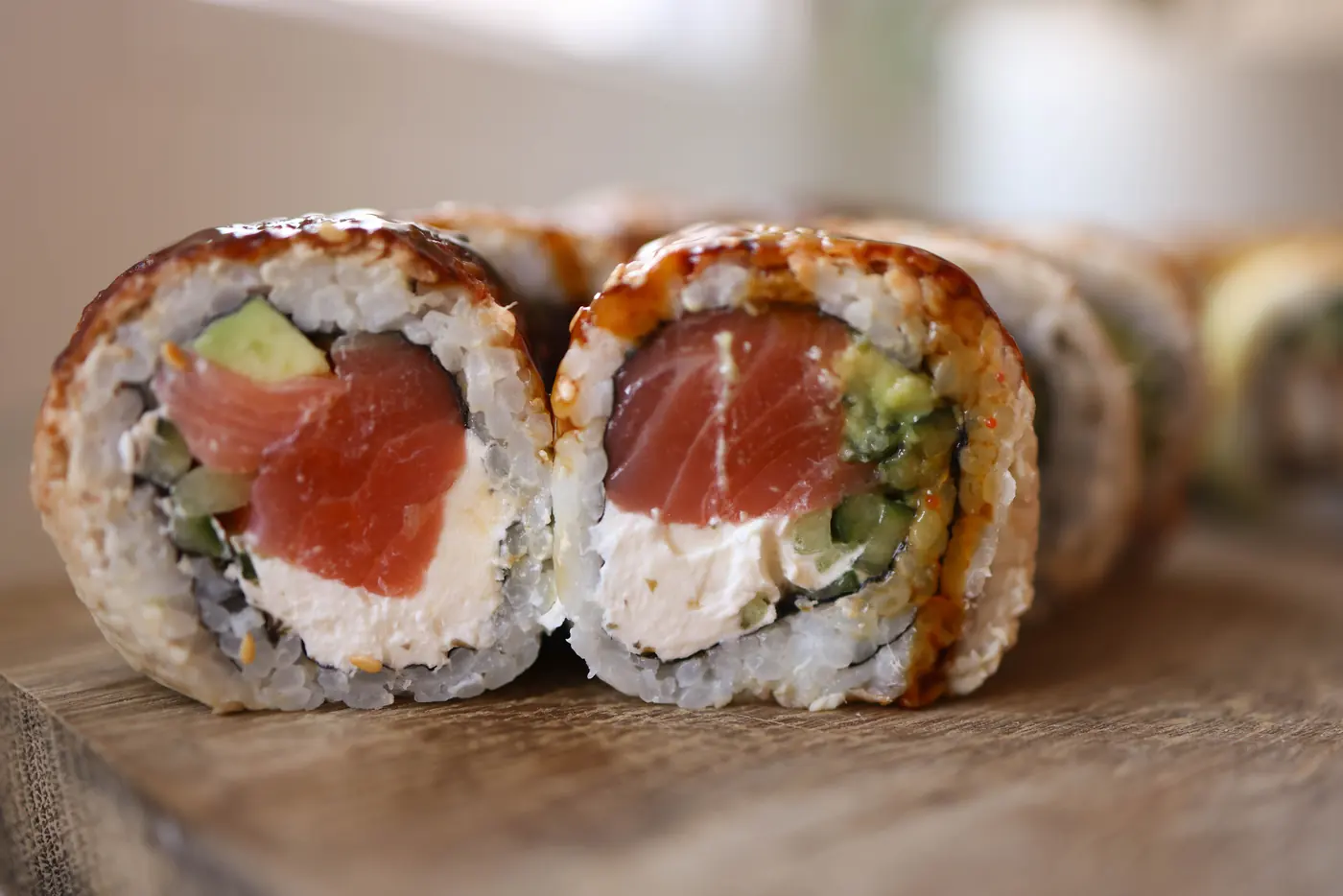
It is the single most argued-about ingredient on an American sushi menu. Half the internet treats it as proof that something has gone wrong, and a very large number of people order it anyway.
Both positions skip the interesting question, which is not whether it belongs but why it works.
The short answer
Cream cheese in sushi is an American addition, not a Japanese one. It appears in rolls built in the United States from roughly the 1980s onward, and it is not found in traditional Japanese practice.
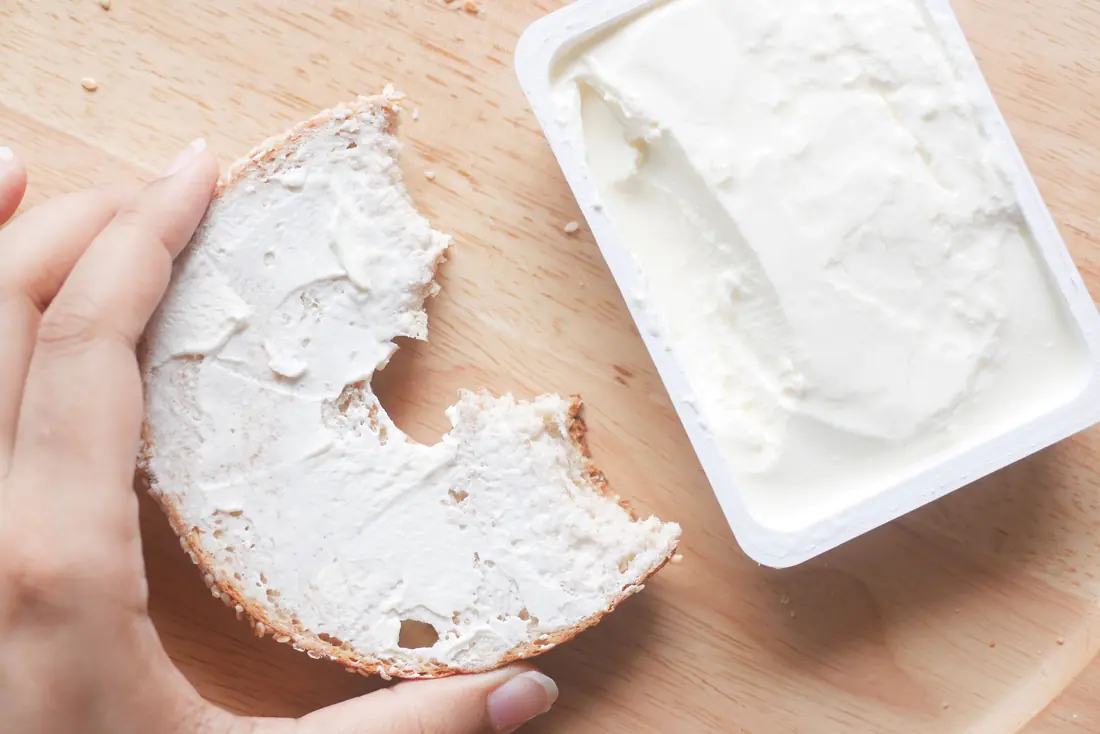
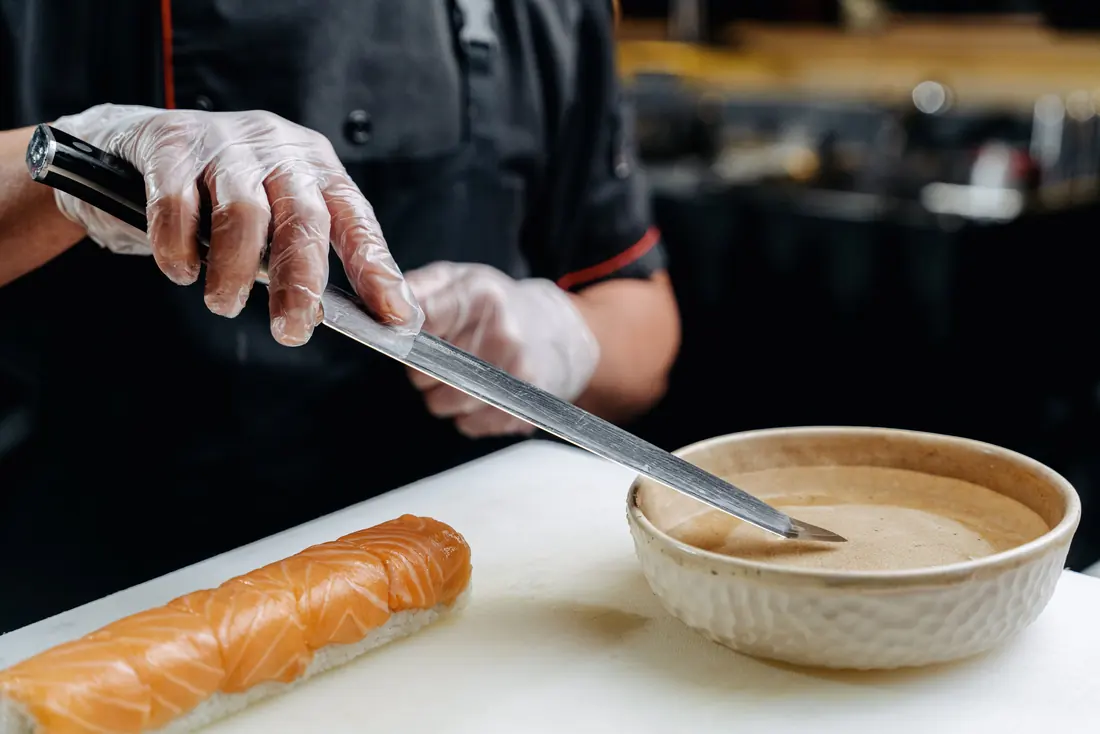
The roll most associated with it pairs smoked salmon and cream cheese, and the reference is not subtle: it is a bagel, rearranged.
Where it came from
The context matters. Sushi arrived in the United States in a period when good raw fish was difficult and expensive to source reliably, and the rolls that succeeded were the ones that worked with what was actually available.
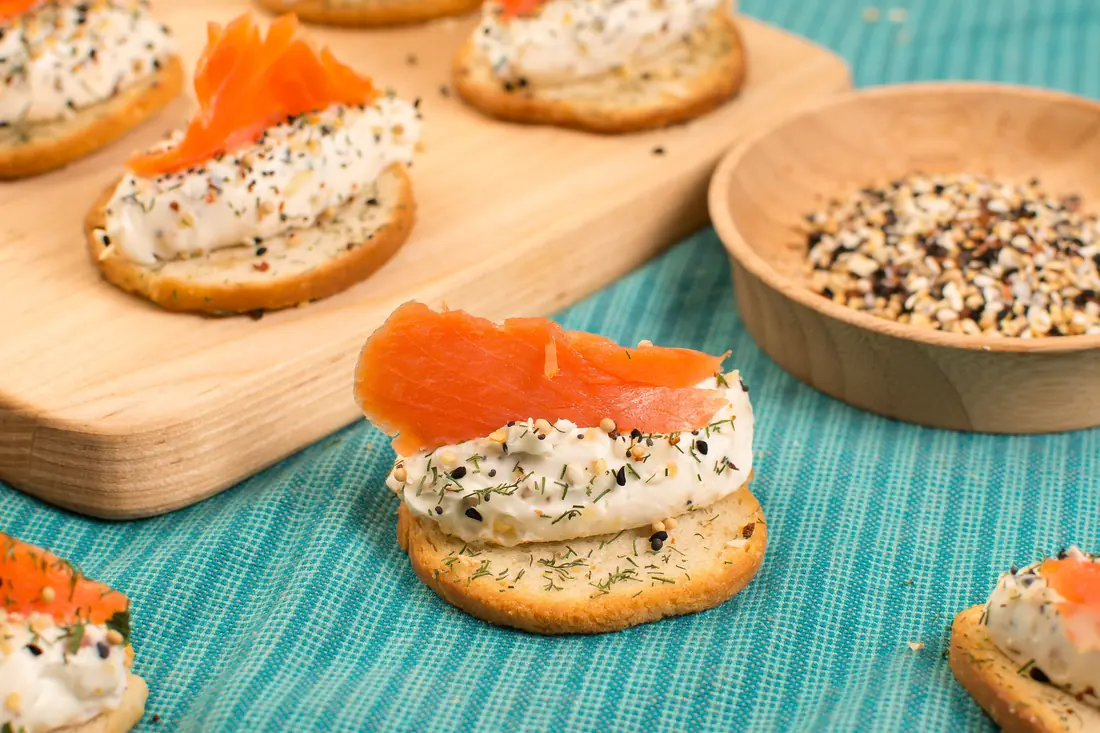
Smoked salmon was available, familiar and safe-feeling to a public that had not eaten much raw fish. Cream cheese was familiar for the same reason and paired with smoked salmon in a combination Americans already knew. The roll did not have to teach anyone anything.
Britannica’s entry on cream cheese covers the ingredient itself – a fresh, unripened cheese, which is why it spreads and coats rather than melting or crumbling.
Why it works, mechanically
This is the part the argument usually skips. Cream cheese does the job that fatty fish does in a traditional roll.
- Fat coats the mouth. Rich fish and soft cheese both leave a film that carries flavour and softens the rice’s acidity.
- It is mild. It adds richness without adding a competing flavour, which is why it sits happily beside almost anything.
- It binds. A roll with cream cheese holds together noticeably better under a knife, which matters for anything cut into eight pieces.
- It is cold and soft. The texture contrast against crisp cucumber or a fried element is the same contrast the roll would otherwise get elsewhere.
Put plainly: it is a fat delivery system in a cuisine where fat is normally delivered by fish. Where the fish is lean, smoked or absent, something has to do that job.
The rolls it tends to define
It rarely appears alone. Cream cheese sits at the centre of a recognisable family of rolls, and knowing the family is quicker than reading every description.
- With smoked salmon – the original pairing, usually with cucumber, and the one most menus name after Philadelphia.
- With a fried element – the cheese stays cool inside while the outside is hot and crisp, which is most of the appeal.
- With a sweet glaze – richness plus sweetness, the most-ordered combination on a lot of American menus.
- With jalapeño – the sharp-and-rich pairing, borrowed wholesale from American appetiser cooking.
The fried version is the one worth understanding, because the temperature difference is the entire dish. Heat softens the cheese without melting it, so it goes from firm to almost pourable while the crumb stays crisp – a contrast a cold roll cannot produce.
Why it has to be cold
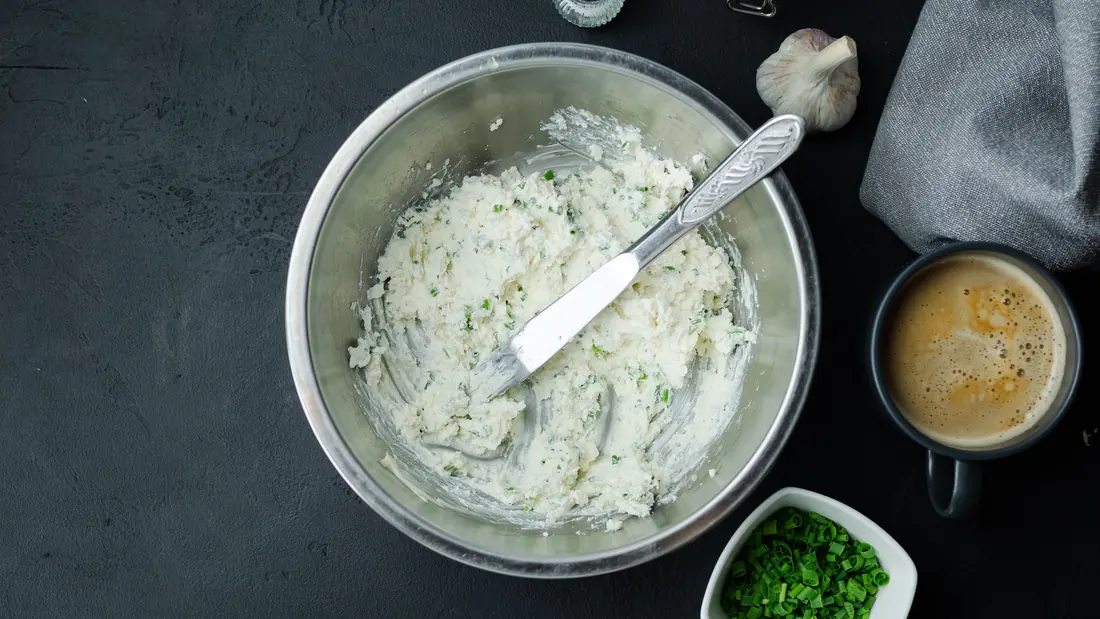
Cream cheese is an unripened fresh cheese with a high moisture content, which is what makes it spreadable and also what makes it fragile. Warm, it loosens and starts to weep; cold, it holds a clean edge under a knife.
This is why a roll that has been sitting is noticeably worse than one just made, and why it is worse in a way that has nothing to do with the fish. The cheese was doing structural work and has stopped.
The authenticity argument, briefly
The objection is straightforwardly true on the facts. It is not Japanese, it is not traditional, and no sushi counter in Japan is building these.
It is also not much of an argument. Sushi is defined by vinegared rice rather than by any particular filling, and the form has absorbed local ingredients everywhere it has travelled – including in Japan, where the fillings changed repeatedly over several centuries.
Avocado is the useful comparison. It arrived by the same route, for much the same reason, and nobody argues about it anymore. The difference between an adaptation that becomes accepted and one that stays controversial has more to do with how long it has been around than with anything on the plate.
The more useful question is whether a given roll is well made – whether the rice is right, the fish is fresh and the components balance. A badly built traditional roll is worse than a well built modern one, and authenticity does not settle that.
What it changes about the roll
| A classic roll | A cream cheese roll | |
|---|---|---|
| Richness | From the fish, if any | From the cheese |
| Flavour | Fish-forward | Milder, rounder |
| Structure | Held by rice and wrapper | Bound, cuts more cleanly |
| Temperature | Cool throughout | Cool, and softer |
| Best with | Simple fillings | Smoked fish, fried elements, sweet glaze |
Why it spread so far so fast
Three things happened at once, and none of them was culinary.
Cream cheese was already in every American refrigerator, so it needed no explaining and cost nothing to source. It is enormously forgiving to work with – no ripening, no melting, no seasonality, and it behaves identically in January and July. And it made a genuinely unfamiliar food feel approachable at the exact moment sushi was trying to reach people who had never eaten it.
Restaurants adopt what works, and what works is usually the thing that removes an obstacle rather than the thing that is most interesting. A roll nobody has to be talked into is worth more to a kitchen than a roll that is more correct.
What it does to the rice
One under-noticed effect. Sushi rice is seasoned with vinegar, so it is mildly acidic by design, and that acidity is meant to be balanced by whatever the roll is built around.
Cream cheese is also faintly acidic – it is a cultured product – so a roll built on both can taste flatter and rounder than one built on fish, which cuts the rice’s acidity instead of joining it. That is why these rolls almost always carry something sharp as well: cucumber, a pickle, a squeeze of citrus, or the sweetness of a glaze pulling in the opposite direction.
Ordering around it
It is easy to spot and easy to avoid. Rolls containing it almost always say so, and the tell-tale names are Philadelphia, anything mentioning smoked salmon, and a good proportion of the rolls that also carry a sweet glaze.
It is also easy to seek out deliberately. If someone at the table is unsure about raw fish, a cream cheese roll is one of the gentler places to start – it is mild, familiar and usually built around cooked or smoked fish rather than raw. Our beginners guide covers the rest of that ground.
For the wider picture, the specialty roll piece covers how these rolls are built, the beginners guide covers what to order first, and the restaurant and supermarket comparison covers why freshly made matters more than the filling does. The current selection is on the ordering page.
Frequently Asked Questions
Why is there cream cheese in sushi?
It is an American addition that does the job fatty fish does – adding richness and coating the mouth – in a place where good raw fish was once hard to source.
Is cream cheese in sushi Japanese?
No. It appears in American-built rolls from around the 1980s and is not part of traditional Japanese practice.
What is a Philadelphia roll?
The roll most associated with the combination: smoked salmon and cream cheese, usually with cucumber. The reference is a bagel.
Does cream cheese make sushi less authentic?
Sushi is defined by vinegared rice rather than by a fixed set of fillings, and the form has taken on local ingredients everywhere it has travelled.
Is a cream cheese roll good for someone new to sushi?
It is one of the gentler starting points – mild, familiar, and usually built around smoked or cooked fish rather than raw.