
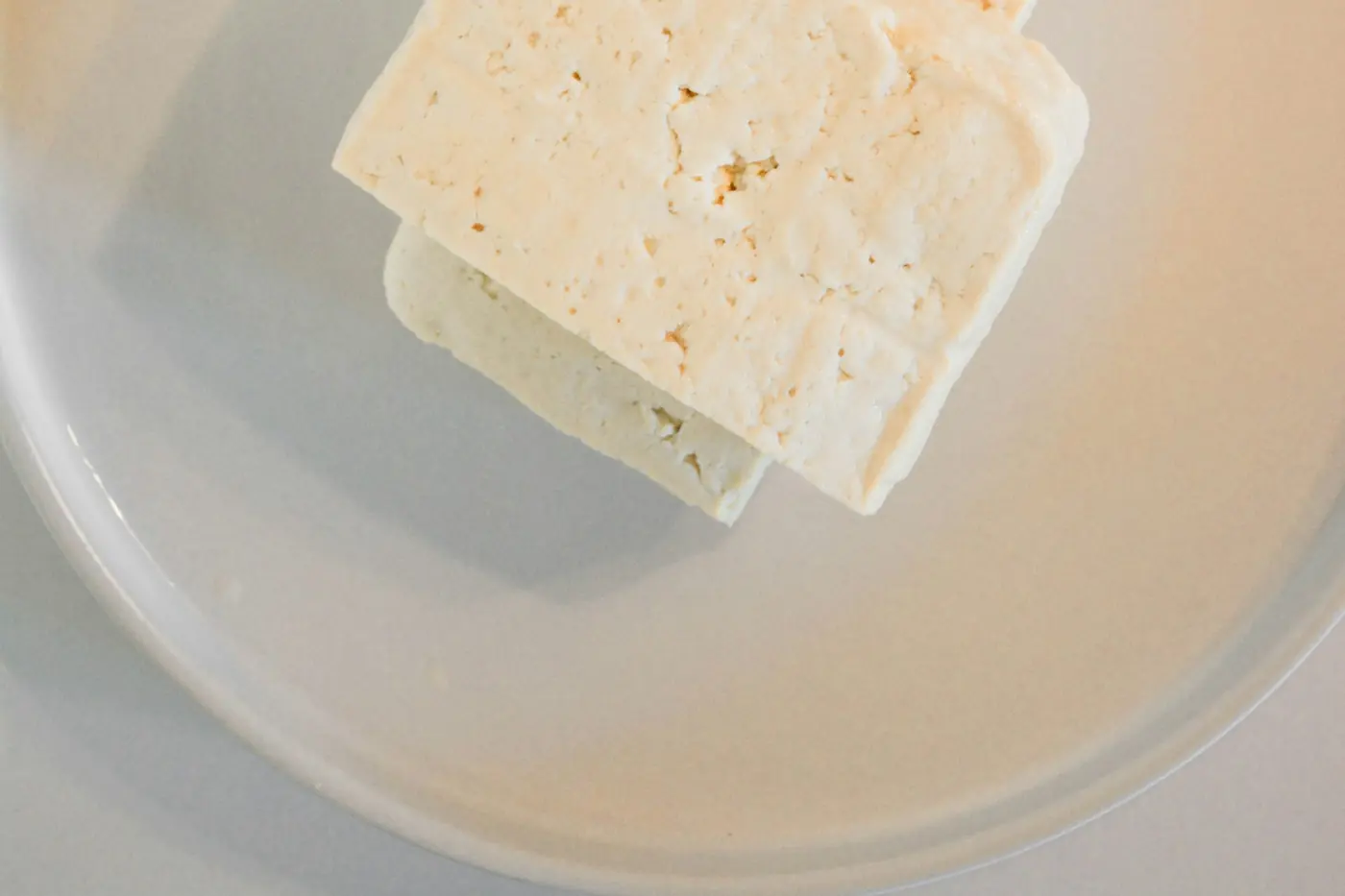
Tofu turns up in the miso soup at almost every Japanese restaurant, usually as small pale cubes that people either enjoy or push to the side. It is one of the oldest prepared foods in East Asia and one of the most misunderstood.
What is tofu?
Tofu is made by curdling soy milk and pressing the curds into a block — much the same process as making fresh cheese, but with soybeans instead of dairy. How hard it is pressed determines whether it comes out silken and custardy or firm enough to fry.
A short history
Tofu originated in China and spread through East and Southeast Asia over many centuries, arriving in Japan roughly a thousand years ago. It became closely tied to Buddhist temple cooking there, where meat was avoided and tofu supplied both substance and protein.
That history is why Japanese tofu dishes tend toward restraint rather than heavy seasoning. The tradition treats a good block of tofu as something to be shown off plainly — chilled with a little soy and ginger, or floated in a clear broth — rather than disguised.
The version most people first encounter in a restaurant, small cubes in miso soup, sits squarely in that tradition. It is not trying to be the centre of the dish.
How it is made
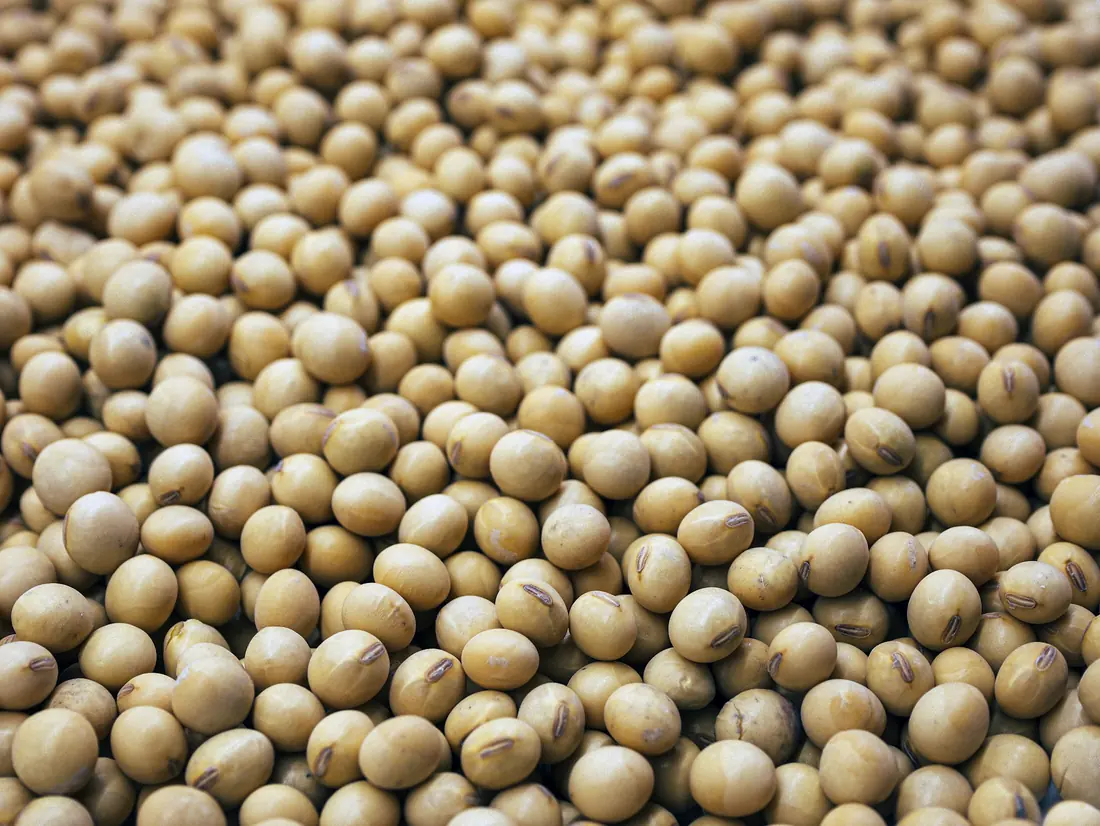
- Dried soybeans are soaked and ground with water.
- The mixture is cooked and strained to produce soy milk.
- A coagulant is added, and the milk separates into curds and whey.
- The curds are pressed. Light pressing gives silken tofu; heavy pressing gives firm.

Britannica’s entry on tofu traces the food back roughly two thousand years in China, from where it spread across East and Southeast Asia and developed distinct regional styles.
Silken, soft and firm
The type used changes the dish completely, which is why tofu in a soup bears little resemblance to tofu in a stir-fry.
| Type | Texture | Typically used for |
|---|---|---|
| Silken | Custardy, breaks easily | Soups, chilled dishes, blended sauces |
| Soft | Delicate but holds a cube | Miso soup, simmered dishes |
| Firm | Springy, holds its shape | Stir-fries, grilling, pan-frying |
| Extra firm | Dense and chewy | Frying, skewering, roasting |
| Fried tofu | Crisp outside, airy inside | Toppings, broths, appetisers |
Why it tastes of almost nothing
This is the most common complaint and it is entirely accurate. Plain tofu is mild by design — its job is to carry the flavour of whatever it is cooked in, in the same way pasta or rice does.
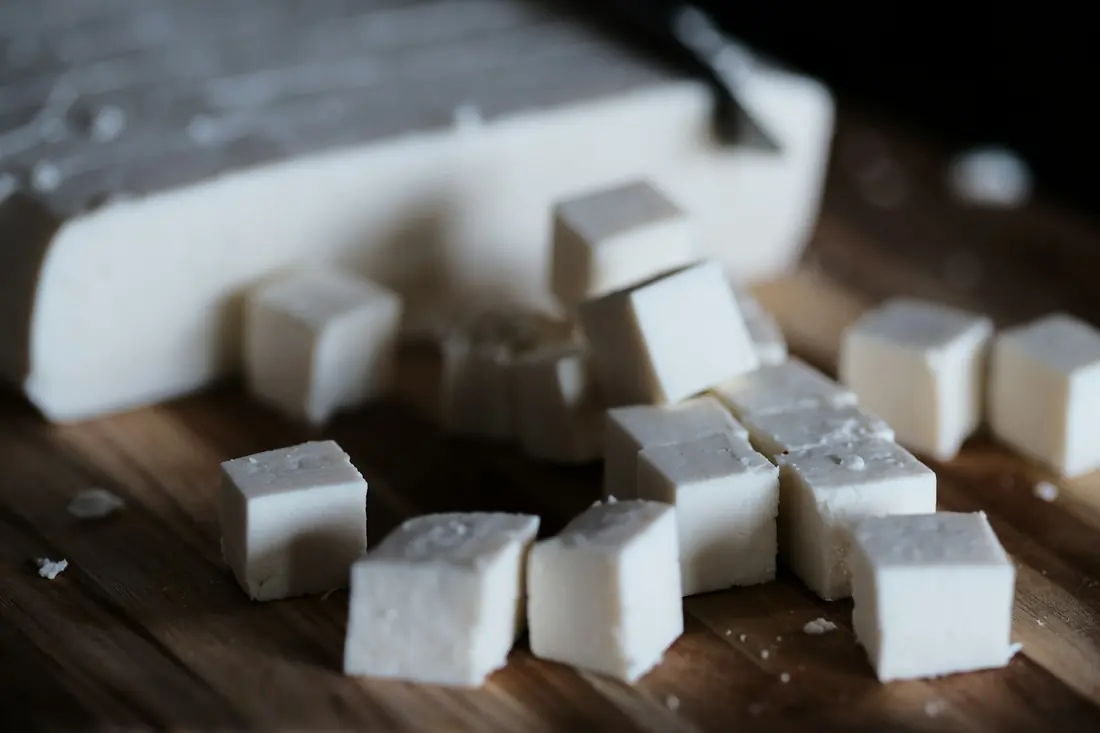
That is why tofu in a well-made miso soup tastes of the broth, and why tofu that has been fried or marinated tastes strongly of the treatment rather than of soy. If you have only had it plain and cold, you have had it at its least interesting.
What it does in a dish
Tofu is usually doing one of three jobs, and knowing which explains why the same ingredient can seem completely different from one plate to the next.
- Carrying flavour — in a broth, where it soaks up the surrounding seasoning and adds softness without competing.
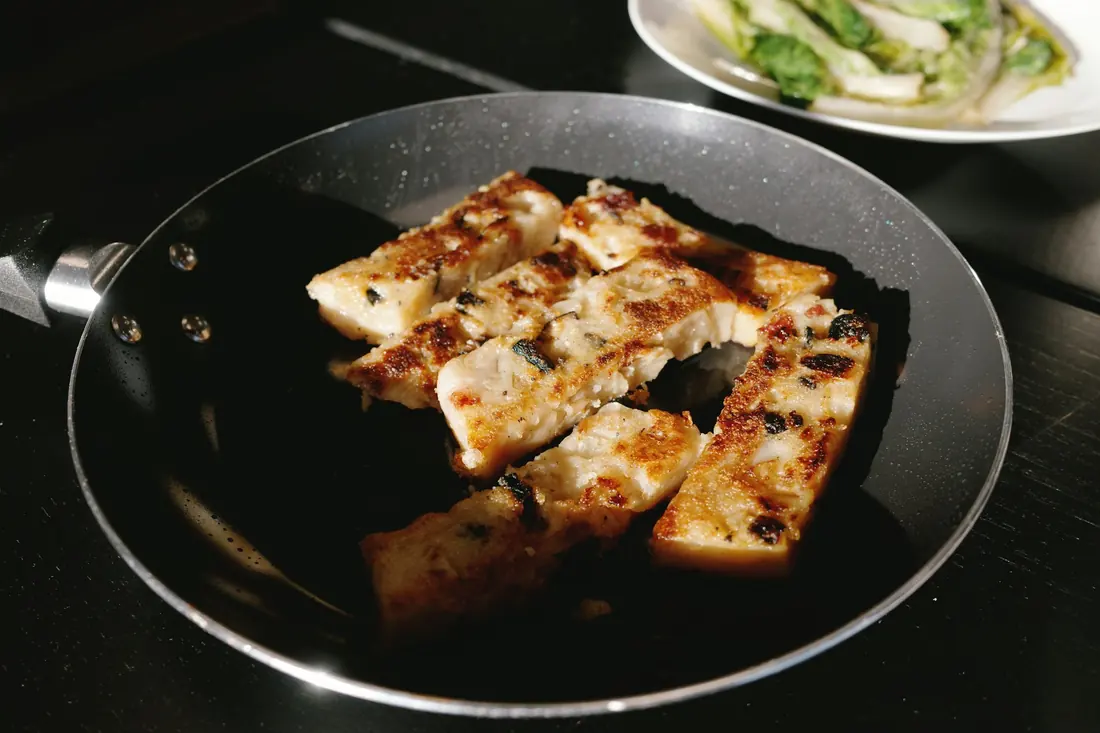
- Providing texture — fried or grilled, where the contrast between a crisp exterior and an airy interior is the whole point.
- Adding body — blended into sauces and dressings, where it thickens without dairy.
Almost every complaint about tofu comes from meeting it in the first role and assuming that is all it does. Soft cubes in a clear broth are the least assertive form of the ingredient, which is exactly why they are used there.
Why texture varies so much
Two blocks of tofu can come from the same soy milk and behave completely differently, and the reason is pressing. The longer a curd is drained and weighted, the more water leaves it and the denser what remains becomes.
That single variable explains most of what you notice on the plate. A barely pressed block collapses under a spoon and is used where softness is wanted. A heavily pressed one holds a cube shape through frying, grilling and stirring, which is why it turns up wherever the tofu has to survive some handling.
Nothing is added or removed to achieve this. It is the same ingredient at different stages of the same process.
Where you will meet it on a Japanese menu
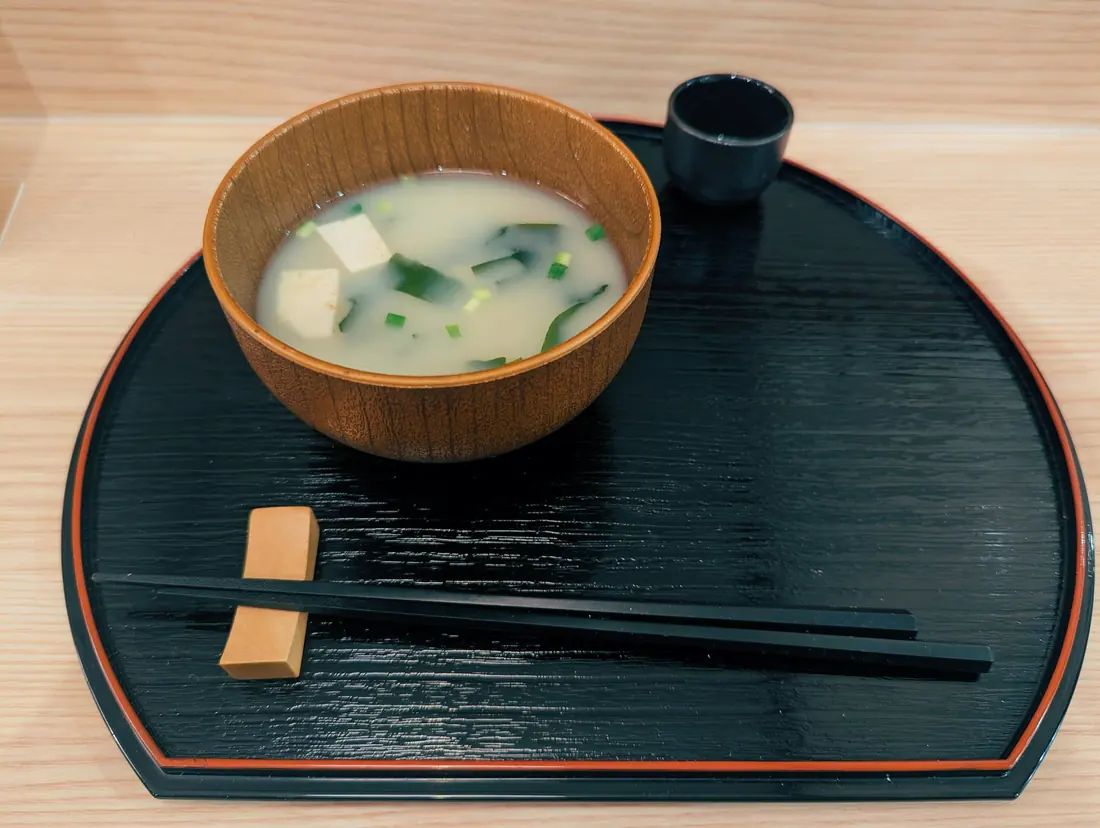
The most common encounter by far is in miso soup, where soft or silken cubes sit in the broth alongside seaweed. Roll & Go Sushi’s miso soup follows that standard pattern — soybean paste broth with seaweed and tofu.
Because the cubes are small and the broth is savoury, this is a low-commitment way to find out whether you like the texture. Our comparison of the two starter soups covers what else is in the bowl.
Forms you might not recognise as tofu
Several things on a Japanese menu are tofu without looking remotely like the white cubes most people picture.
- Aburaage — thin sheets fried until they puff and turn golden. These are the pouches used for inari, and the strips that float in some miso soups.
- Atsuage — a thicker block fried on the outside only, so it has a firm skin and a soft centre.
- Yuba — the delicate skin that forms on the surface of heated soy milk and is lifted off in sheets. Silky rather than solid.
- Koyadofu — freeze-dried tofu, spongy and absorbent once rehydrated in broth.
If plain tofu has never appealed, these are the versions most likely to change your mind, because texture rather than mildness is the point of all four.
If you have not enjoyed it before
Texture is almost always the reason, and the fix is usually a firmer type or a different cooking method rather than giving up on it.
- Disliked it in soup? Try it fried, where the outside is crisp and the inside is airy rather than soft.
- Found it bland? That is the point — look for it in dishes where it has been marinated or browned.
- Disliked the sliminess? That is silken tofu. Firm tofu is a completely different texture.
It is also easy to eat around. In a miso soup the tofu is a component rather than the dish, and leaving it does not spoil the rest of the bowl.
Buying and keeping it
Fresh tofu is sold packed in water and should stay that way. Once the packet is opened, the usual approach is to keep it submerged in fresh water in the fridge and change the water daily, which holds it for a few days rather than a few hours.
Shelf-stable tofu in sealed cartons is a different product. It keeps unopened for months and is almost always silken, which makes it useful for blending and poor for frying.
Firmness can also be adjusted after purchase. Pressing a block under weight for half an hour drives out water and moves a soft tofu closer to a firm one, which is the usual fix if you have bought the wrong type for what you are cooking.
A note on dietary assumptions
Tofu is made from soybeans, so it is a soy product and unsuitable for anyone avoiding soy. Beyond that, do not assume a dish is vegetarian simply because it contains tofu — miso soup, for instance, is frequently built on a fish-based stock.
If you are avoiding a specific ingredient, ask the restaurant about the broth rather than inferring from the visible components.
Frequently Asked Questions
Is tofu the same as bean curd?
Yes. Bean curd is the older English name for the same food, and both terms appear on menus.
Why is the tofu in miso soup so soft?
Soups normally use soft or silken tofu, which is only lightly pressed. Firmer types would sit awkwardly in a delicate broth.
Does tofu have a strong taste?
No, and that is deliberate. It is mild by design and takes on the flavour of the broth, marinade or sauce it is cooked with.
Is a dish vegetarian because it contains tofu?
Not necessarily. Many broths are made with fish-based stock. Ask the restaurant rather than assuming.
Curdled soy milk, pressed to different densities, doing a different job in each dish. If soup tofu has never appealed, the fried version is a completely different experience.
You can see the current soup options or read about the larger noodle soup on the menu.