
Ordering Asian food to take home involves a few decisions that do not come up when you eat in: what survives the drive, whether to collect it yourself, and how long you actually have before the food stops being at its best.
Pickup or delivery?
Pick up if you are within about ten minutes and want the food at its best, particularly anything fried or raw. Use delivery if convenience matters more than texture, or if you are ordering dishes that hold well — grilled plates, stir-fried noodles and soups packed properly.
What travels well, and what does not
Not everything degrades at the same rate. Roughly, in order of how well it holds:
- Holds well — hibachi plates, stir-fried noodles, anything grilled with rice. These are robust and reheat without much loss.
- Holds reasonably — cooked and glazed sushi rolls, crab salad rolls. They soften slightly but stay pleasant.
- Time-sensitive — tempura and anything fried, which loses its crispness within about fifteen minutes of leaving the kitchen.
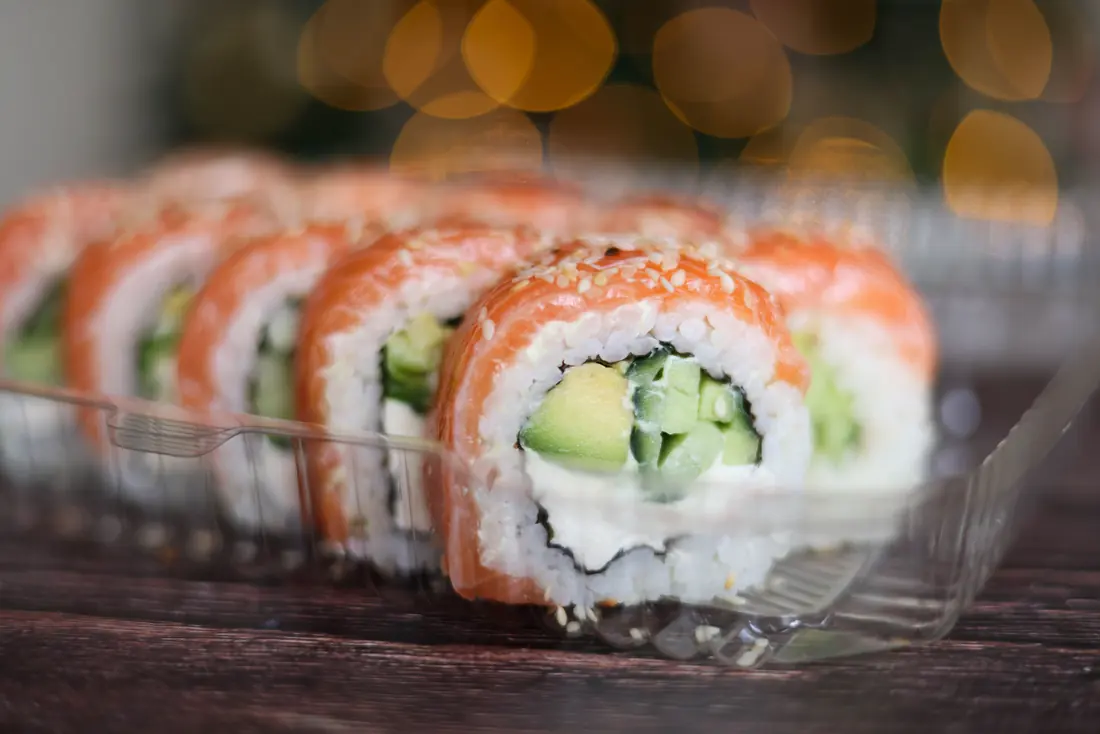
- Best eaten soon — rolls with raw fish on top, and noodle soup, where the noodles keep absorbing broth in the container.
Ordering noodle soup to go
Pho is the one dish that genuinely benefits from being packed in parts. The broth goes in one container, the noodles in another, and the herbs stay separate. Assembled at home it is close to as-served; packed together it arrives with the noodles swollen and soft.
If a restaurant packs it as one container, eat it promptly rather than letting it sit. Our guide to how a bowl of pho is put together explains why the timing matters.
Pickup and delivery compared
| Pickup | Delivery | |
|---|---|---|
| Food quality | Best — shortest time in the box | Depends on distance and packing |
| Cost | No delivery fee or service charge | Fees and tip on top |
| Timing control | You choose when to collect | Set by the courier’s route |
| Best for | Fried food, raw fish, short distances | Grilled plates, noodles, when convenience wins |
| Effort | You drive | None |
| Order changes | Easy to ask at the counter | Harder once placed |
Where Roll & Go Sushi sits
Roll & Go Sushi is at 1410 U.S. HWY 98, Suite J, in the Colonial Plaza shopping centre — near Target and Chick-fil-A. It is a fast casual kitchen, so orders are generally quick rather than leisurely, which suits collection well.
Phone orders go through the restaurant directly, and delivery is handled through partners including DoorDash, GrubHub, ASAP and Uber Eats. Availability and fees are set by each partner rather than the restaurant.
Opening hours run Tuesday to Saturday, with the kitchen closed Sunday and Monday. Hours can change, so it is worth checking the current ordering page before you set out.
What to check before you order
A few minutes of checking saves the common frustrations, particularly if you are ordering somewhere for the first time.
- Opening hours for the day you want. Many independent kitchens close one or two days a week, and those days are not always the ones you would guess.
- Whether the restaurant takes the order directly. Phoning the kitchen is usually faster and avoids third-party fees.
- Which delivery partners actually cover your address. Coverage and fees are set by each platform, not by the restaurant.
- Roughly how long the order will take. This sets when you should leave if you are collecting.
None of that is unique to Asian food, but it matters more here because so much of the menu is time-sensitive once it leaves the kitchen.
Timing your order
- Order ahead rather than on arrival if you are collecting at a busy hour.
- Aim to be eating within twenty minutes of collection for anything fried.
- Ask for sauces on the side so nothing goes soft in transit.
- Keep containers flat in the car, not stacked on a seat where they can tip.
- Take food out of the bag as soon as you are home — trapped steam softens everything.
Ordering around the kitchen’s hours
Fast casual kitchens are busiest in two narrow windows — roughly midday to one, and six to seven-thirty. Ordering at the edges of those bands usually means a shorter wait and food that has spent less time sitting in a bag waiting for a courier.
The other timing point is the end of service. Ordering in the final fifteen minutes before closing is when kitchens are least able to be flexible about substitutions, and when fried items are most likely to have been sitting. If you have a specific request, earlier is better.
Roll & Go Sushi is closed Sunday and Monday, which catches people out — a weekend takeaway plan needs to land on Saturday rather than Sunday.
Feeding a group at home
Takeaway for a group is a different exercise from ordering for yourself, mostly because everything arrives at once and then cools at different rates.
- Order the robust dishes in quantity and the delicate ones sparingly — grilled plates and noodles scale well, tempura does not.
- Ask for rice separately from anything saucy if that is an option; it keeps better.
- Have plates and serving spoons out before the food arrives, so nothing sits in containers while you look for them.
- Serve the fried items first while they still have texture, and the noodles second.
- Keep soup in its container until people are ready for it rather than decanting early.
If you are ordering sushi for a group, a mix of cooked and topped rolls covers more preferences than several of one kind, and the cooked ones are the ones that will still be good if someone arrives late.
Storing what you do not finish
Cooked leftovers should go into the fridge promptly rather than sitting out. General guidance on safe food handling and storage applies to restaurant food the same way it applies to home cooking.
Two practical exceptions worth knowing. Sushi rice hardens in the fridge, so rolls are much better eaten the same day than saved. And noodle soup is best stored with the broth and noodles separated if you have containers for it, because the noodles will otherwise keep softening overnight.
It is also worth having somewhere to put the bag before you set off. A footwell is flatter and more stable than a passenger seat, and it keeps containers level over the kind of short, stop-start drive most takeaway journeys involve.
Packing your own order sensibly
If you are collecting, a few seconds of arranging makes a noticeable difference. Keep hot and cold items apart in the car — a warm hibachi container sitting against a box of sushi will soften the rice surprisingly quickly.
Leave the bag open rather than sealed if you have more than a short drive. Trapped steam is what turns tempura soft and makes rice sticky, and simply venting the bag slows both.
Flat and level beats stacked. Most containers are designed to be carried upright, and toppings and sauces slide the moment a box tilts.
Frequently Asked Questions
Does sushi survive a delivery order?
Cooked rolls do reasonably well. Rolls topped with raw fish are better collected and eaten quickly, since both texture and temperature matter more.
What is the best Asian dish to order for takeout?
Grilled plates and stir-fried noodles are the most robust. They hold their texture and reheat without much loss.
Should I reheat leftover hibachi?
It reheats well in a pan or oven. A microwave works but tends to soften the rice and vegetables more than dry heat does.
Is it cheaper to pick up than to have food delivered?
Usually, since delivery adds fees, service charges and a tip. The exact difference depends on the partner used.
For anything fried or raw, collect it and eat it soon. For grilled plates and noodles, delivery is barely a compromise.
You can see the current menu and ordering options, or read our guide to choosing between sushi, hibachi and pho if you are still deciding what to get.