
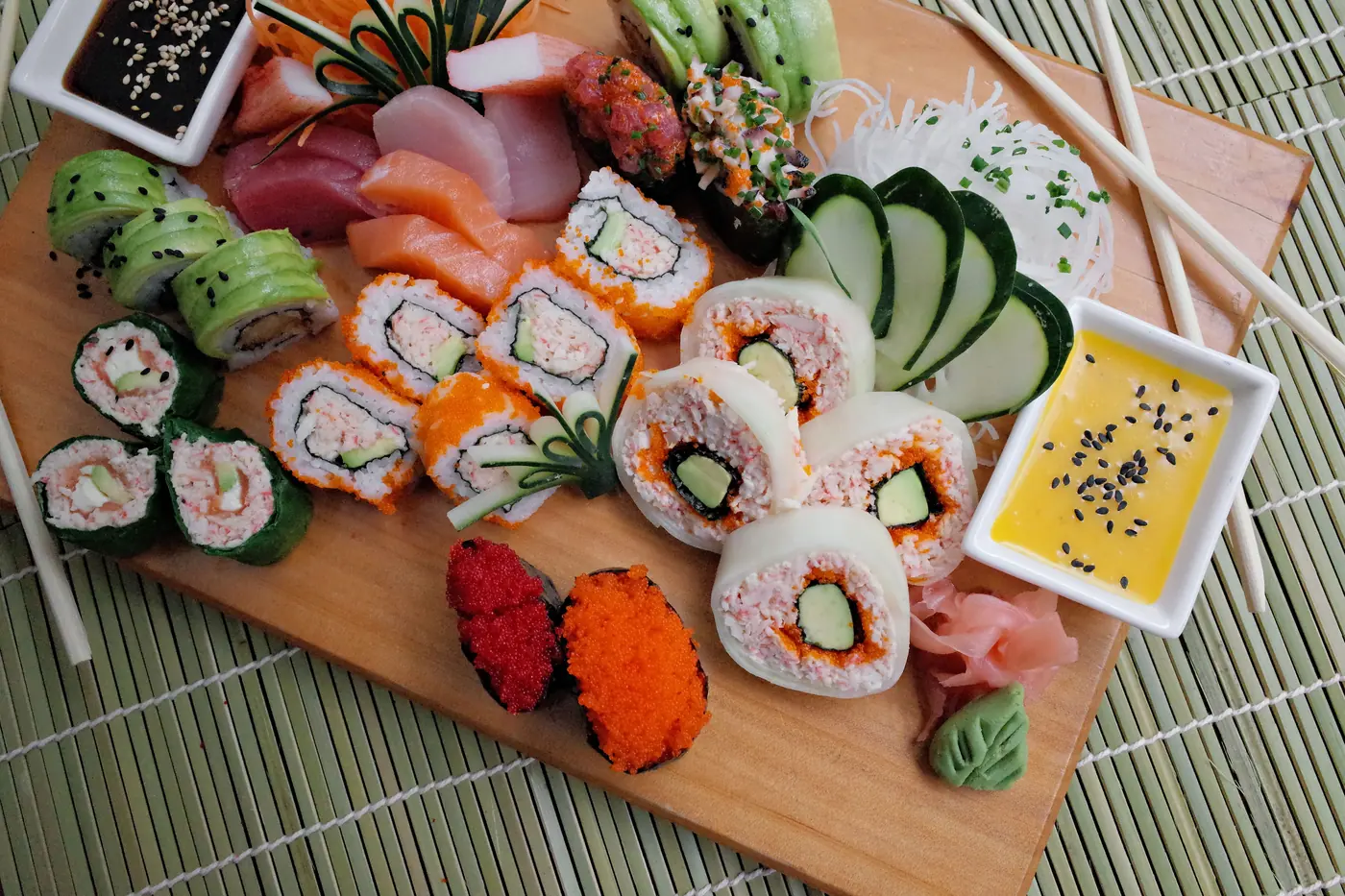
The question gets asked as though sushi were one thing. It is not. A roll is a construction, and two rolls sitting side by side on the same board can be almost unrelated in what they are made of.
So rather than a verdict, here is the useful version: the three things that move the numbers, and how to see them on any menu.
Start with what a roll is
Strip a roll down and there are four components – rice, a wrapper, a filling and whatever is on top. Three of those barely vary. The fourth is where all the variation lives.
This is why single answers fail. A roll of rice, seaweed and a strip of raw fish and a roll of rice, tempura shrimp, cream cheese and two sauces share a category and very little else.
The first lever: rice
Rice is the bulk of most rolls by weight, and it is not plain rice. Sushi rice is seasoned after cooking with vinegar, sugar and salt, which is what gives it its gloss and its faint sweetness.
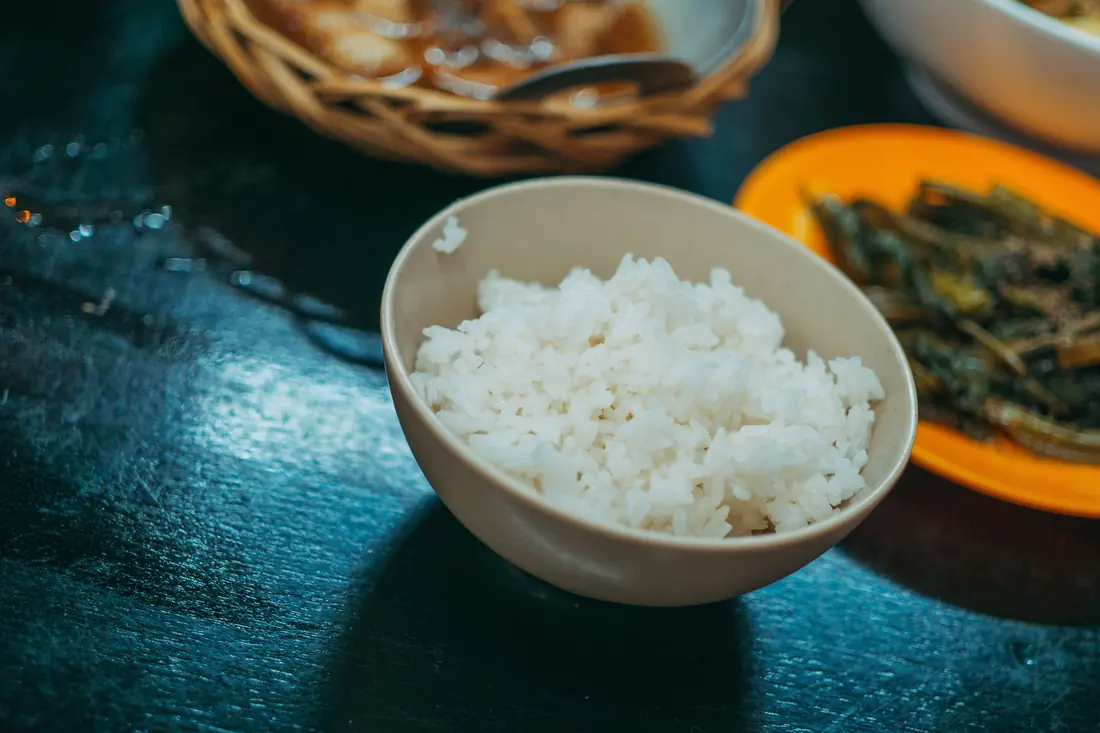
Two things follow. The rice is a larger share of the roll than most people assume, and it is not neutral – the seasoning is part of what you are eating. Rolls made with less rice, or served without it, are a different proposition from rolls built around a thick rice layer.
The second lever: whether anything is fried
A fried element changes a roll more than any other single decision. Crumbed or battered fillings absorb oil during cooking and hold it, and a roll can carry a fried element on the inside, the outside, or both.
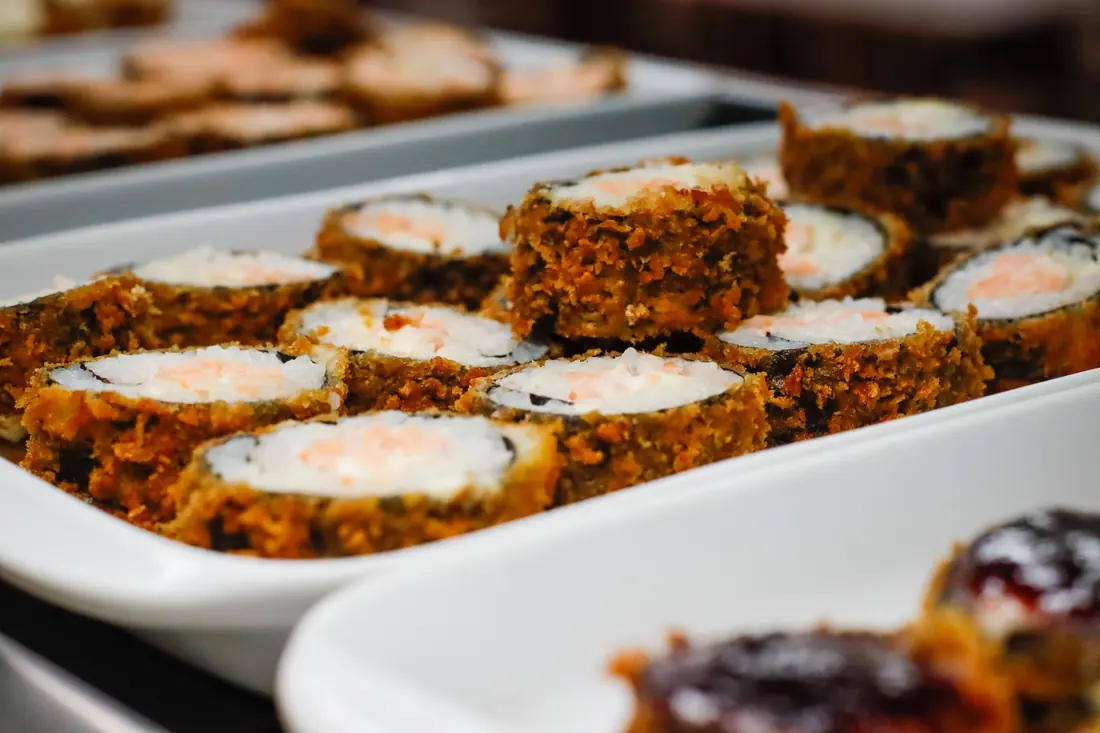
This is worth knowing because fried elements are not always obvious from a roll’s name. The words that signal one are crunchy, crispy, tempura, katsu and dynamite. The reliable move is to read the description rather than the name.
The third lever: sauce
Sauce is the quietest of the three and often the largest. Sweet glazes and mayonnaise-based sauces are applied by squeeze bottle in quantities that are hard to judge by eye, and a heavily finished roll can carry a substantial amount.
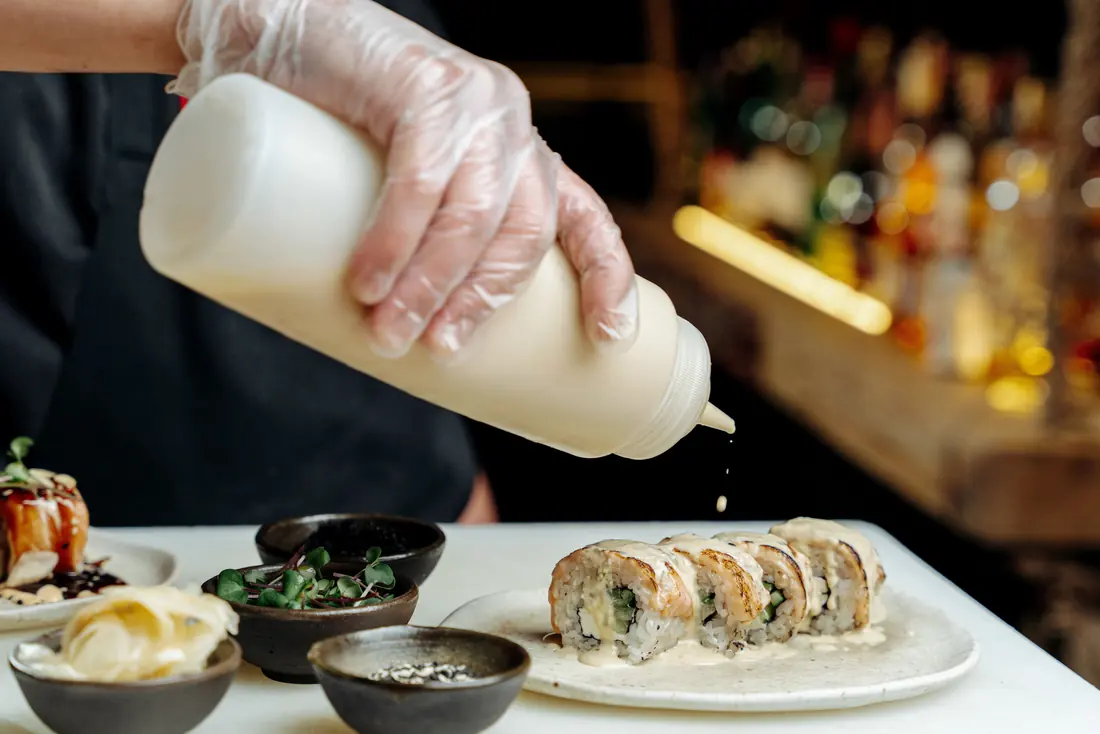
Sauces are also the easiest thing to adjust. Asking for a sauce on the side, or lightly, is an ordinary request and changes the dish more than swapping a filling usually does.
What the fish is doing
The fish is the part everyone asks about and the part that varies least. Raw fish is mostly protein and water, and oily species such as salmon and mackerel carry more fat than lean ones such as tuna – a difference that exists but is small next to the difference a fried filling makes.
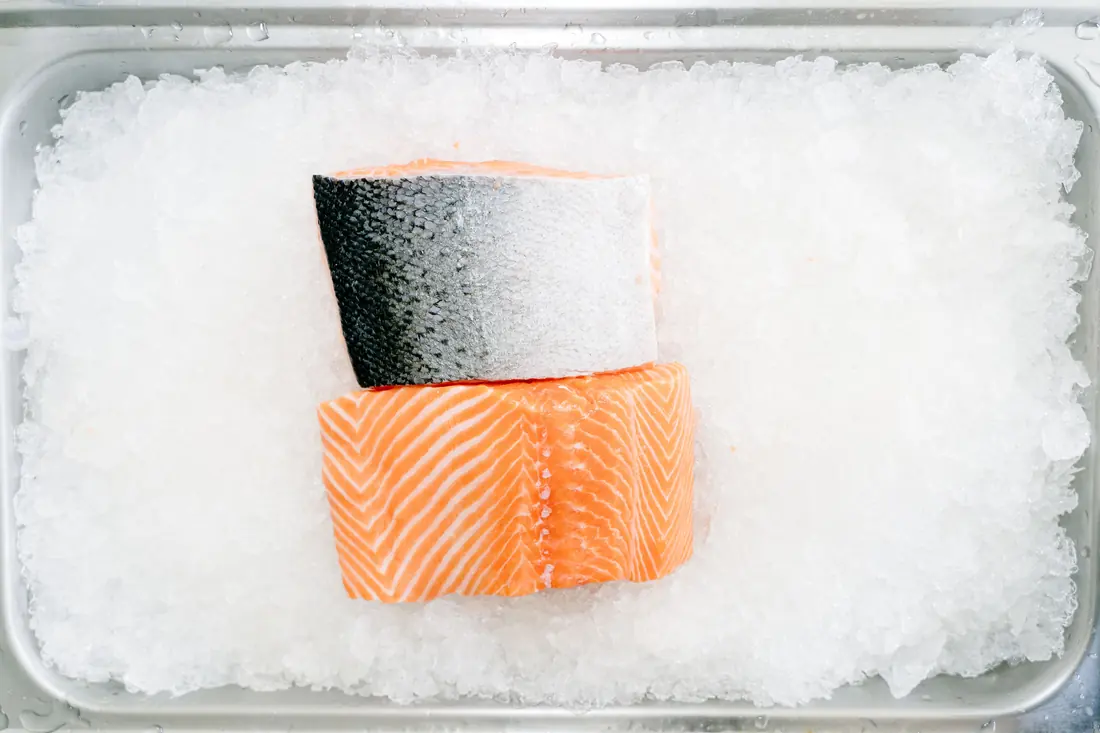
If you want figures for a component in isolation, the US Department of Agriculture’s FoodData Central is the reference to use. It covers raw ingredients rather than finished dishes, which is exactly the right level for this – it will tell you about salmon, not about a particular roll.
The vegetables, and avocado in particular
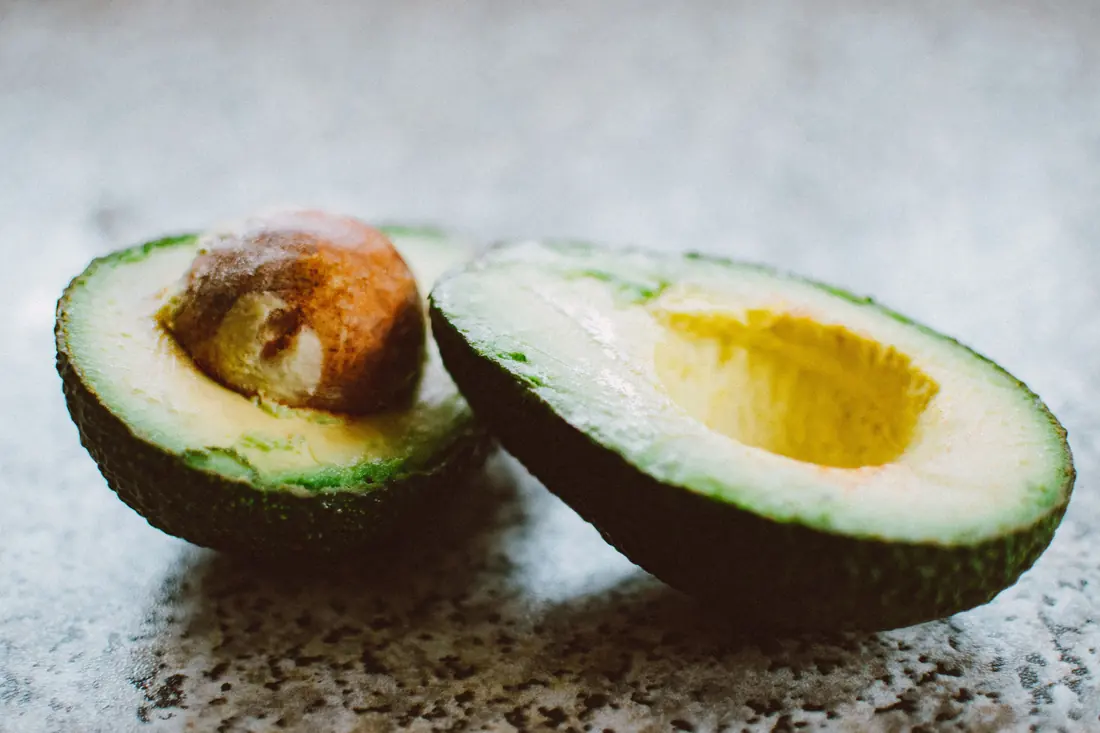
Cucumber, carrot and daikon add volume and very little else. Avocado is the interesting one, because it is the only filling that is substantially fat while still being a vegetable, which is also exactly why it works in a roll – it does the job that a rich fish does.
The wrapper, and the soy sauce
Two components sit at the edges and get forgotten. Nori – the dark seaweed sheet – is thin, dry and barely registers either way. Soy sauce is the opposite: it is the one part of the meal you control completely, and it is salty by design.
Our guide to soy sauce, wasabi and ginger covers the practical handling. The short version is to dip the fish rather than the rice – rice absorbs, fish does not, so the same piece carries noticeably less sauce and tastes more of itself.
Portion is doing more work than any of it
A roll arrives cut into six or eight pieces, and it is rarely ordered alone. Two rolls and an appetiser is a different meal from one roll, in a way no per-piece figure captures.
This is the least interesting answer and the most reliable one. How much you order moves the total further than which roll you order – and it is the variable that gets left out of every comparison.
Why published numbers disagree so much
| Reason | What it does to the number |
|---|---|
| Portion is undefined | Six pieces or eight, thick or thin – the base varies |
| Rice quantity is not standard | The largest single component, and unmeasured |
| Sauce is applied by hand | Two of the same roll are not the same roll |
| Fried elements absorb variably | Oil uptake depends on the fry, not the recipe |
| Names are not regulated | The same roll name means different things by kitchen |
Any number you find online for a named roll is an estimate of somebody’s version of it. That does not make the numbers useless, but it does mean the levers above travel better than the figures do.
Two things people get backwards
The first is that raw is automatically the lighter option. A raw fish roll can carry more sauce than a fried one, and sauce is the bigger variable – raw and cooked describe the fish, not the finished dish.
The second is that a small-sounding roll is a small portion. Rolls vary in diameter far more than they vary in piece count, and a thick eight-piece roll and a thin one share a number on the menu and almost nothing else. Piece count is close to the least informative thing on the plate.
Both mistakes come from the same habit: reading the name rather than the construction. The description is where the information actually is.
What this means when you order
The practical version is short. Look at the description rather than the name, notice whether anything is fried, notice how many sauces are listed, and remember that rice is the base of the whole thing.
It also helps to know that the elaborate rolls are elaborate on purpose. A roll with a filling, a topping, a crunch element and two sauces is built for contrast, and every one of those layers is a decision someone made about texture. Reading it as a list of components tells you far more than the name ever will.
For anything that depends on your own circumstances, or on the specifics of a particular dish, ask the restaurant directly rather than working from a general guide – including this one.
For the rolls themselves, the beginners guide covers what to order first, the specialty roll piece covers why the elaborate ones are built the way they are, and the avocado explainer covers the one filling that changes a roll most. The current selection is on the ordering page.
Frequently Asked Questions
Is sushi healthy?
It depends entirely on the roll. Rice, fried elements and sauce are the three things that move the numbers, and rolls vary enormously in all three.
What makes one roll different from another?
Mostly the filling and the topping. Rice and wrapper barely vary; whether something is fried, and how much sauce is applied, vary a great deal.
Is raw fish better than cooked fish in a roll?
They are different rather than ranked. The larger difference in most rolls is whether a filling has been crumbed and fried, not whether the fish is raw.
Why do calorie counts for the same roll vary so much?
Because portion size, rice quantity and sauce are not standardised, and roll names are not regulated. Published figures describe somebody’s version of the roll.
Can you tell me the nutritional information for a specific dish?
Not from a general guide – it depends on the kitchen and the portion. Ask the restaurant directly for anything about a particular dish.