
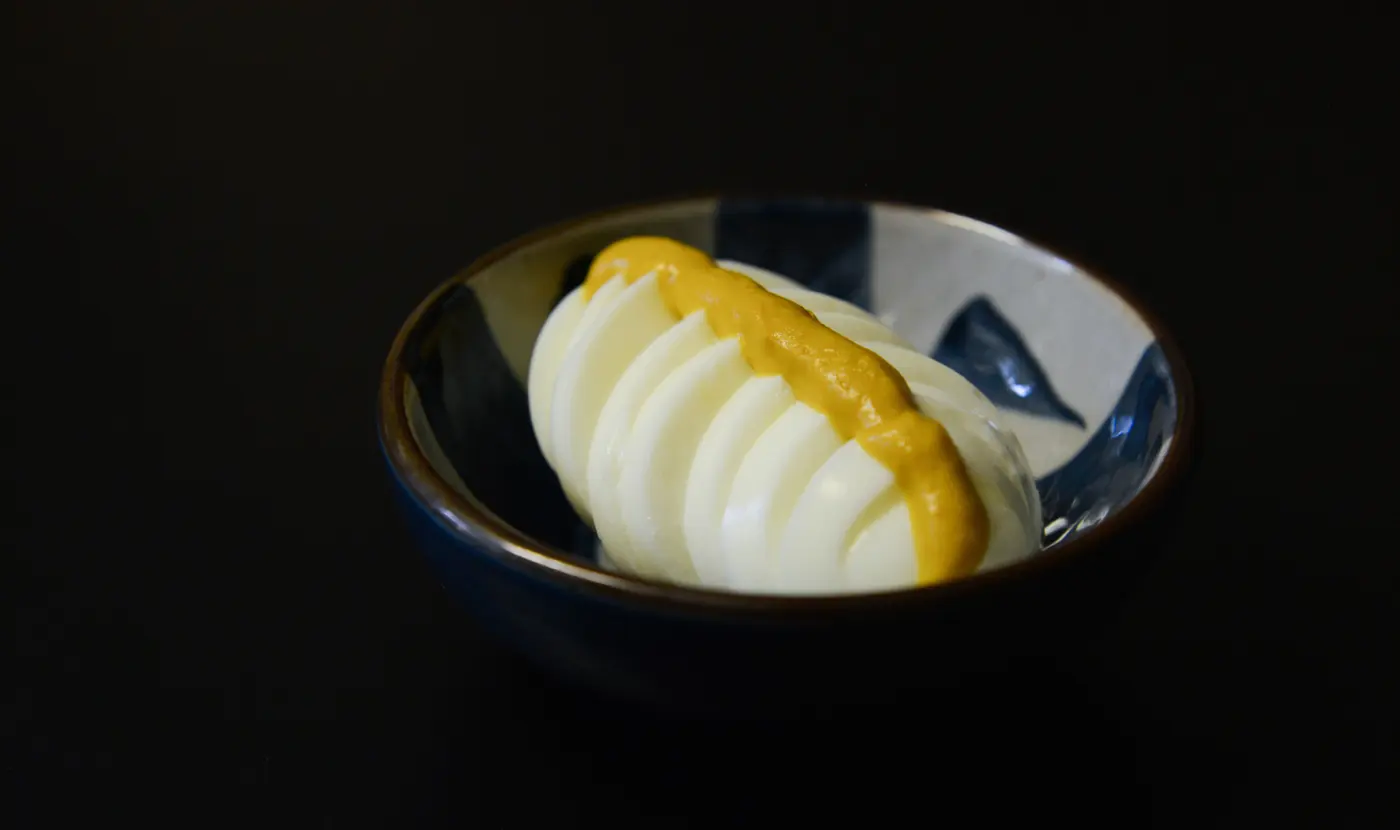
A small yellow packet that arrives with the duck sauce, and a heat that goes somewhere completely different from chilli. One incautious dab and it climbs straight up the back of your nose and makes your eyes water for about fifteen seconds.
The short answer
Chinese hot mustard is mustard powder mixed with water. That is the whole recipe, and the reason it is so much fiercer than a jar of prepared mustard is that nothing has been added to stop it.
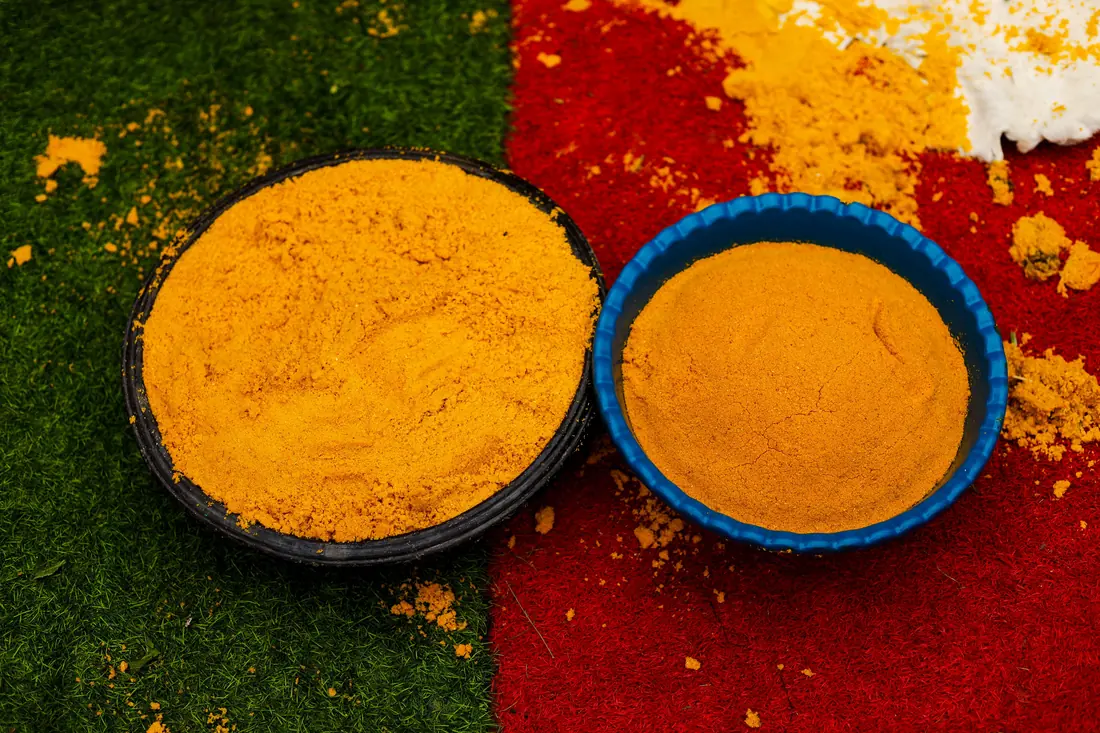
Why it goes up your nose
Mustard heat and chilli heat are different compounds behaving in different ways, and this is the fact that explains everything else about it.
Chilli heat comes from capsaicin, which is oil-soluble, non-volatile and binds to heat receptors on the tongue. It stays where you put it and it lasts.
Mustard heat comes from allyl isothiocyanate, which is volatile – it evaporates at mouth temperature and travels as a vapour into the sinuses. That is why the sensation is in your nose and behind your eyes rather than on your tongue, and why it disappears almost as fast as it arrived.
It is the same compound family that makes wasabi and horseradish behave the way they do, which our piece on sushi condiments touches on from the other direction.
The compound does not exist until you add water
This is the genuinely interesting part. Dry mustard powder is not hot. It contains a precursor and an enzyme kept apart in the dry seed, and they only meet when the powder is wetted.
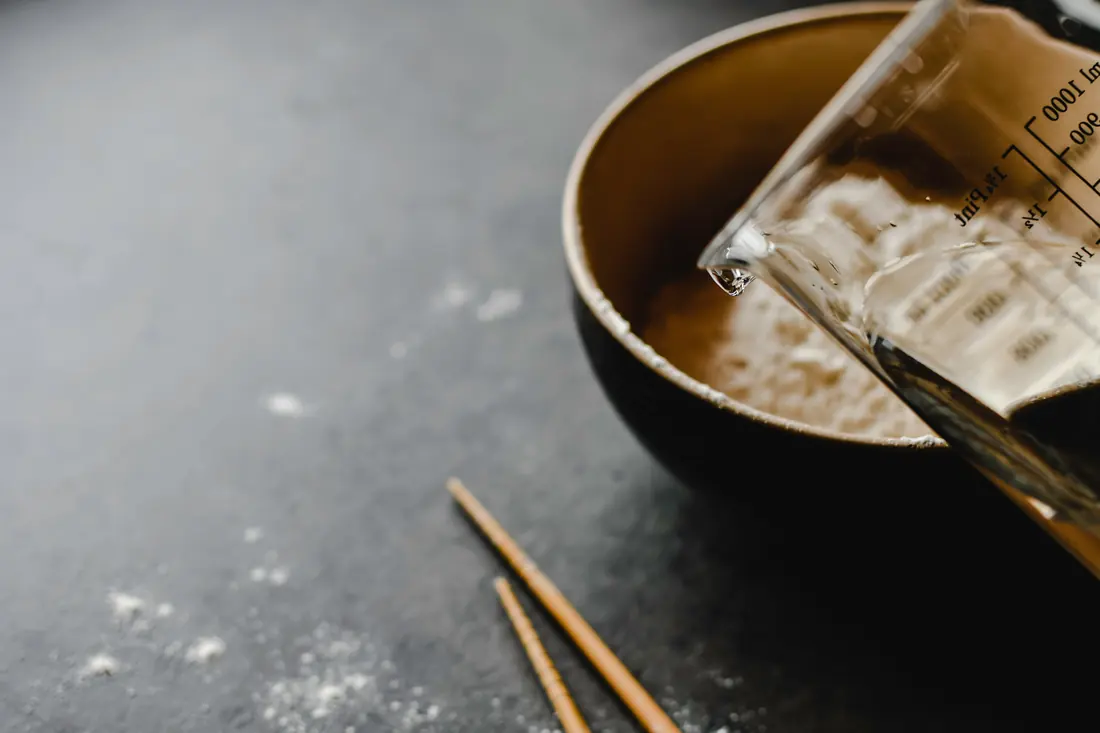
Adding water starts the reaction that produces the heat, and it takes ten to fifteen minutes to reach full strength. Mustard mixed and eaten immediately is noticeably milder than mustard mixed and left to stand – which is the single most useful piece of practical knowledge here.
Which is why the liquid matters
Water lets the reaction run. Acid stops it – vinegar, lemon juice or wine added at the start locks the mustard at whatever heat it had reached, which is exactly why jarred mustards are comparatively mild and stay stable on a shelf for months.
Britannica’s entry on mustard covers the plant and the condiment across its varieties, and the difference between the mild table mustards and this one is largely a question of what the powder was mixed with.
And why it goes flat
Volatile means it leaves. A bowl of freshly mixed hot mustard is at its peak within about fifteen minutes and noticeably weaker within an hour, because the compound responsible is evaporating into the room the whole time.
A sachet is a partial answer to this – sealed, with acid in the formulation to hold it stable – which is also why sachet mustard is reliably less ferocious than a bowl mixed fresh in a restaurant kitchen.
The seed matters
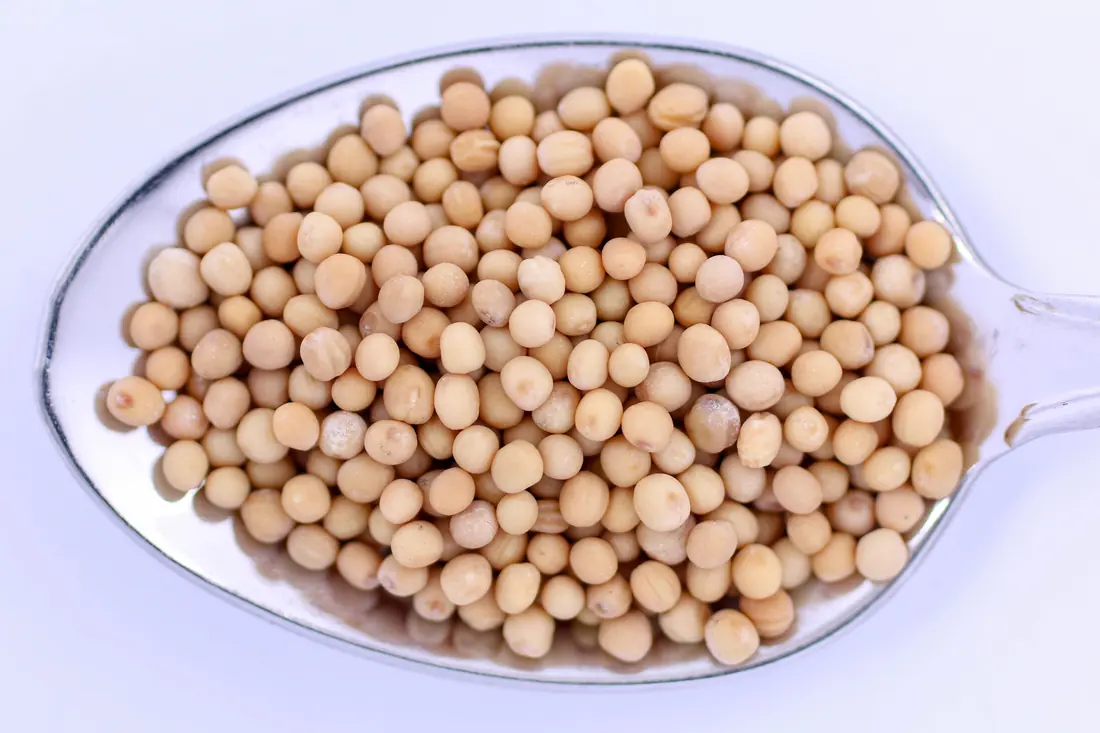
Mustard is sold as three species and they are not equally hot. Yellow or white mustard is the mildest and is what a mild table mustard is built from. Brown and black mustard are considerably fiercer, and Chinese mustard powder is generally made from brown.
So a jar of English mustard powder is a reasonable substitute and a jar of American yellow mustard is not – the first is a similar seed prepared the same way, and the second is a mild seed already mixed with vinegar and turmeric.
Three heats, compared
| Chinese mustard | Wasabi | Chilli | |
|---|---|---|---|
| Compound | Allyl isothiocyanate | Allyl isothiocyanate | Capsaicin |
| Where you feel it | Nose and sinuses | Nose and sinuses | Tongue and throat |
| Onset | Immediate | Immediate | Builds |
| Duration | Seconds | Seconds | Minutes |
| Fades with | Time and air | Time and air | Fat and dairy |
| Cooking it | Destroys the heat | Destroys the heat | Survives |
The last row is worth remembering. Adding mustard or wasabi to something hot destroys exactly what you added it for, which is why both are condiments rather than ingredients.
It is not a Chinese table condiment
Worth being accurate. Mustard is used in Chinese cooking, but the small dish of fierce yellow paste beside fried appetisers is largely an American Chinese restaurant convention rather than something you would find on a table in China.
It belongs to the same family as the duck sauce sachet and the folded carton: a practice that developed in American Chinese restaurants, became standard across thousands of them, and is now part of what people mean by the cuisine.
Making it
- Use a dry mustard powder, not a jarred prepared mustard.
- Mix with cold water to a thick, pourable paste – roughly equal volumes to start.
- Leave it fifteen minutes. This is not optional; it is where the heat comes from.
- Taste, and only then decide whether to add anything.
- Add a splash of vinegar at the end if you want to hold it at that strength for a day.
Cold water gives a fiercer result than warm, because heat degrades the enzyme doing the work. Boiling water produces something almost bland, which is a useful lever if you want the flavour without the assault.
The other yellow mustards
Worth separating three things that share a colour. American yellow mustard is mild, vinegary and coloured with turmeric. English mustard is genuinely hot and closest to this in character. Chinese hot mustard is the plainest of all – powder and water, with nothing softening it.
If a recipe calls for Chinese hot mustard and you have English mustard powder, you are essentially there. If you have a squeeze bottle of American yellow, you are making a different dish.
Using it
Sparingly, and on fried things. A dab on the corner of an egg roll, not a smear across it – and never a spoonful, which is how people end up genuinely uncomfortable for half a minute.
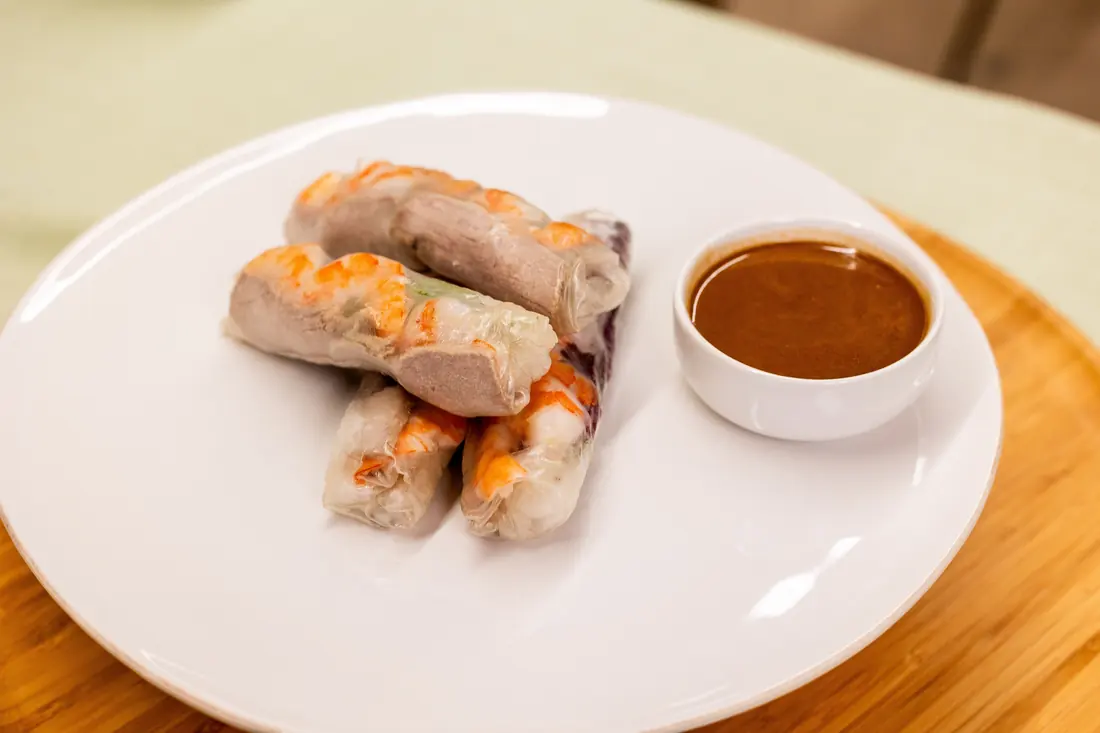
It also does something no other condiment on that table does: it cuts fat by clearing your palate entirely for a moment. Against something deep fried that is genuinely useful, and it is why the pairing with egg rolls has lasted as long as it has.
Why restaurants mix it fresh
Any restaurant serving mustard in a dish rather than a sachet is mixing powder and water, usually in small batches through service, for the reason above: it is at its best for a quarter of an hour.
It is also close to free. A tin of powder makes an enormous quantity of condiment, needs no refrigeration and takes ten seconds to prepare, which is a rare combination in a kitchen and part of why the pairing became standard in the first place.
If you have overdone it
Wait. Water does not help much, dairy helps less than it does with chilli, and the sensation is gone in fifteen or twenty seconds regardless of what you do.

Breathing through your mouth rather than your nose shortens it slightly, since the vapour is what is causing the problem. Everything else is folklore.
For the rest of the table, the duck sauce piece covers the other packet in the bag, the chilli oil explainer covers a completely different kind of heat, and the condiments guide covers wasabi, which behaves almost identically. The current selection is on the ordering page.
Frequently Asked Questions
What is Chinese hot mustard made of?
Mustard powder and water, and very little else. Nothing has been added to moderate it, which is why it is far hotter than jarred mustard.
Why does Chinese mustard burn your nose instead of your tongue?
Its heat comes from a volatile compound that evaporates at mouth temperature and travels into the sinuses, unlike chilli, which stays on the tongue.
Why does hot mustard lose its heat?
The compound responsible is volatile and escapes into the air. A fresh bowl peaks within fifteen minutes and fades noticeably within an hour.
Why do you mix mustard powder with water and not vinegar?
Water lets the heat-producing reaction run. Acid stops it, which is why jarred mustards made with vinegar are milder and shelf-stable.
How do you stop the burn?
Wait – it passes in fifteen to twenty seconds. Breathing through your mouth helps a little; water and dairy do less than they do for chilli.