
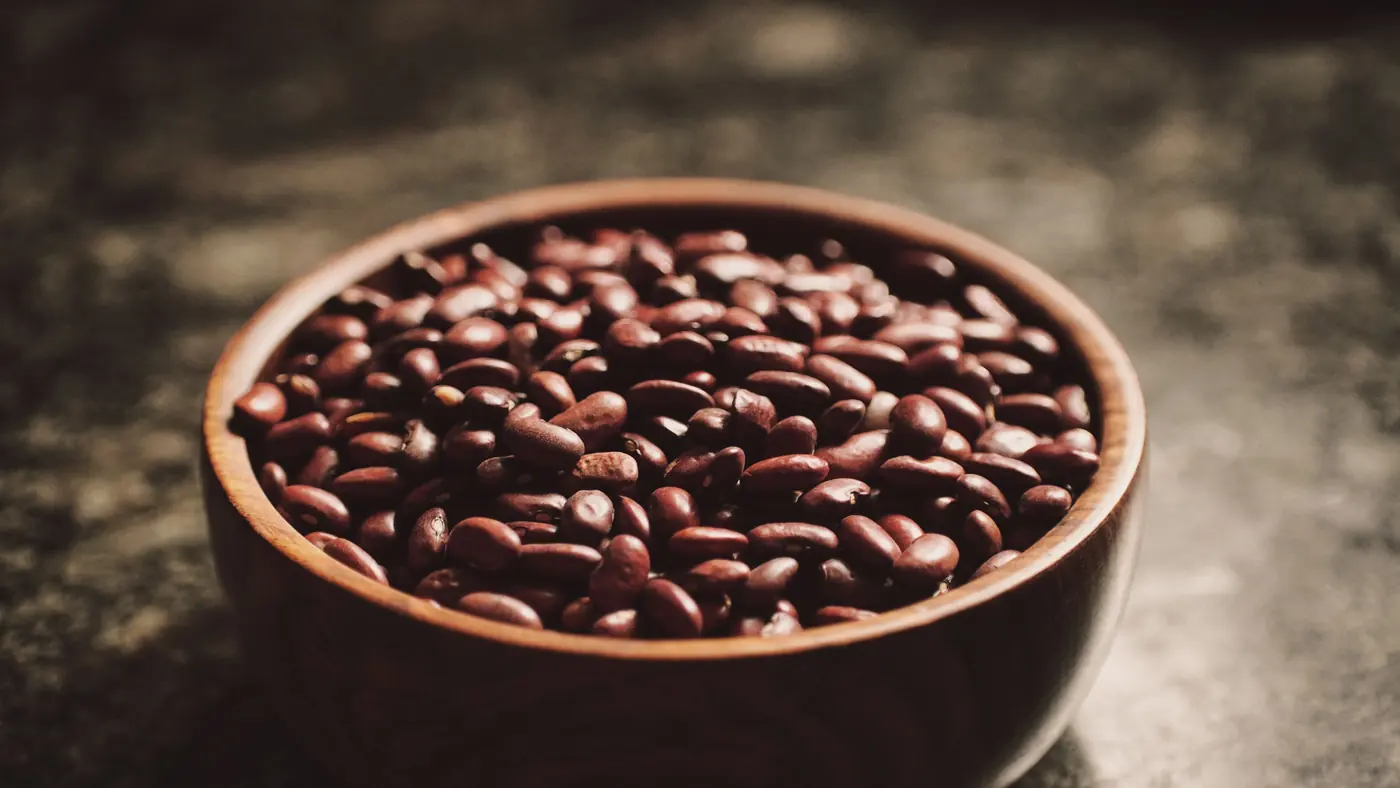
A sweet, dark, faintly earthy paste that turns up inside buns, cakes, pastries and ice cream across East Asia. To most Western palates the idea sounds wrong – a bean, as a dessert – and it is worth explaining why it is not.
The short answer
Red bean paste is adzuki beans cooked with sugar until they break down into a thick paste. Two ingredients, in most versions three if you count salt.
In Japanese it is anko. In Chinese, hongdou sha. The same preparation, with local differences in texture and sweetness.
The bean
Adzuki are small – noticeably smaller than the red kidney beans most Western cooks know, about the size of a grain of rice, with a distinctive pale ridge along one side. They are grown across East Asia and have been cultivated for a very long time.
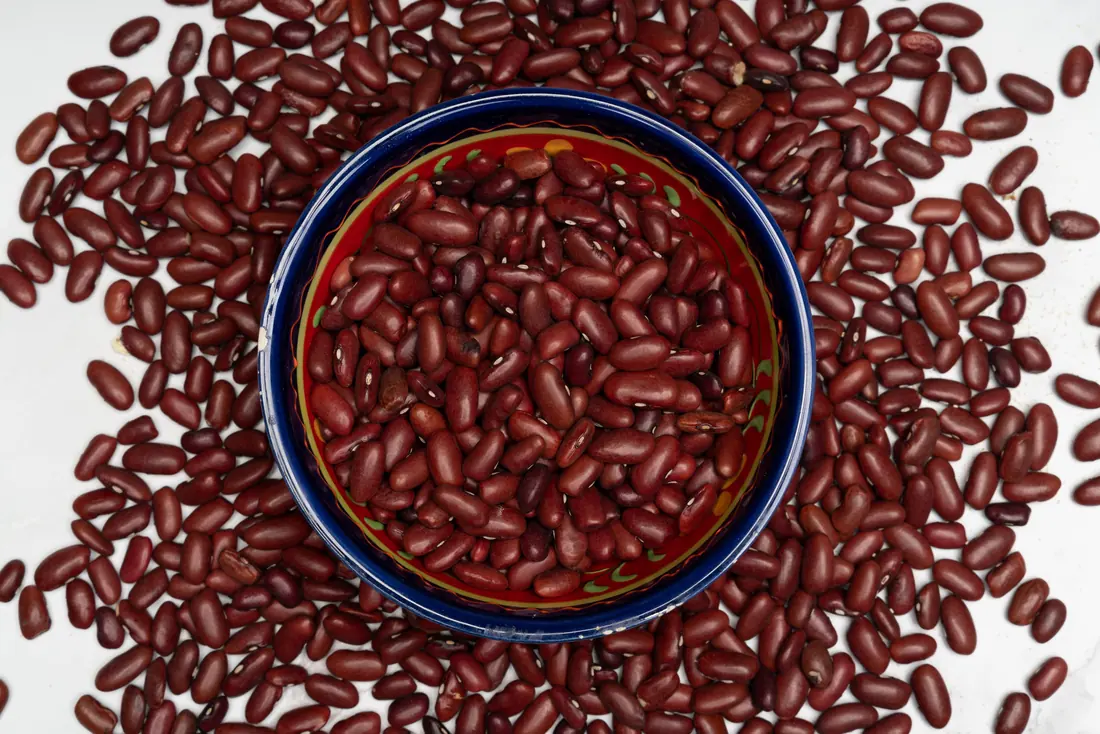
Britannica’s entry on the adzuki bean covers the plant. The relevant property for cooking is that they break down readily and taste mild and slightly nutty rather than savoury, which is exactly why they take to sugar in a way a kidney bean would not.
Why a sweet bean is not strange
The objection is cultural rather than culinary. Beans are starchy, mild and absorbent, which are the same properties that make wheat flour or rice useful in a dessert.
Western cooking already does this and does not notice: chickpeas in some Middle Eastern sweets, and the whole category of bean-based confections across South Asia. What is unusual is not sweet beans – it is the specific expectation, in Western cooking, that beans belong exclusively in savoury dishes.
Smooth or chunky
The main division, and it is worth knowing which you prefer because menus rarely say.
| Koshian | Tsubuan | |
|---|---|---|
| Texture | Completely smooth | Whole and broken beans left in |
| Made by | Pushing the cooked beans through a sieve | Mashing them only partly |
| Skins | Removed | Left in |
| Used for | Fine confections, filled cakes | Buns, pancakes, soups |
| Effort | Considerably more | Straightforward |
There is a third worth naming: tsubushian, mashed smooth but with the skins left in, which sits between the two and is what most home cooks actually make.
How it is made
- Soak the beans, then boil them and discard that first water – it carries a bitterness that would otherwise stay in the paste.
- Cook them again in fresh water until completely soft, which takes an hour or more.
- Add sugar in stages rather than all at once, so the beans do not seize.
- Cook the mixture down, stirring, until it holds its shape when the spoon is drawn through it.
- Add a pinch of salt at the end, which is what makes the sweetness read as flavour rather than just sugar.
The quantity of sugar surprises people the first time – it is close to the weight of the beans in a traditional recipe, and the paste keeps as long as it does partly because of that.
Where you meet it
Almost everywhere in East Asian confectionery, and often without being named on the menu.
- Inside mochi – the classic filling, and the reason a plain rice wrapper is worth eating. Our piece on mochi covers the wrapper.
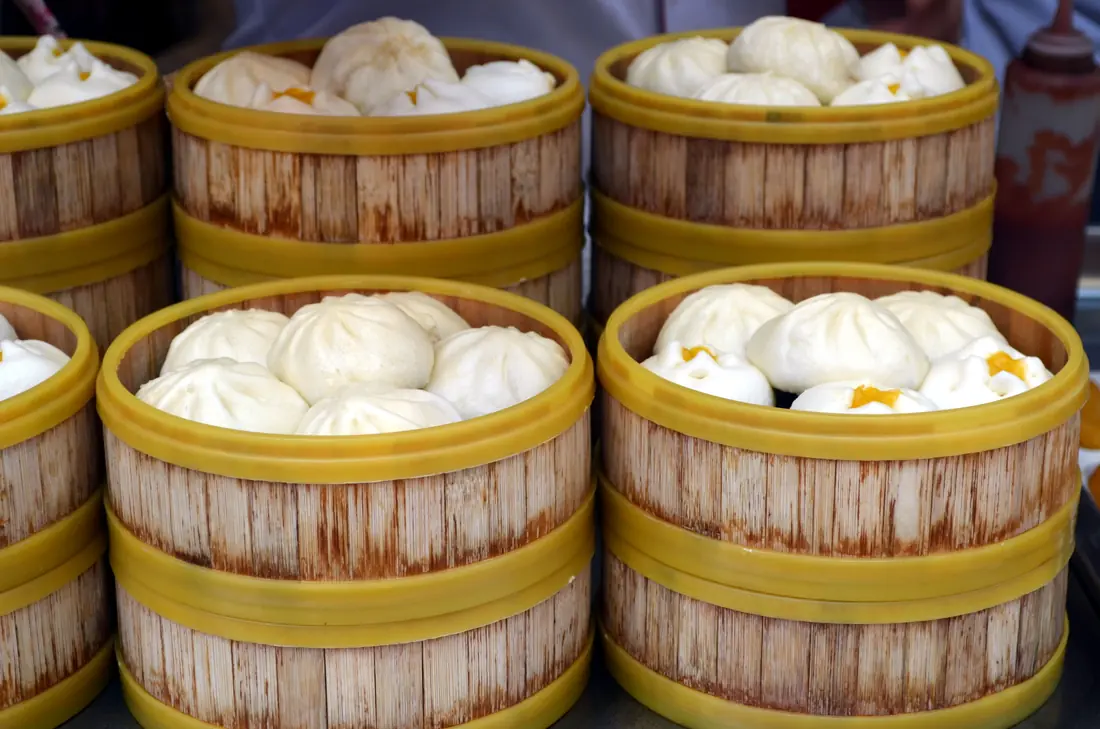
- In steamed buns – a dark sweet centre inside a soft white bun.
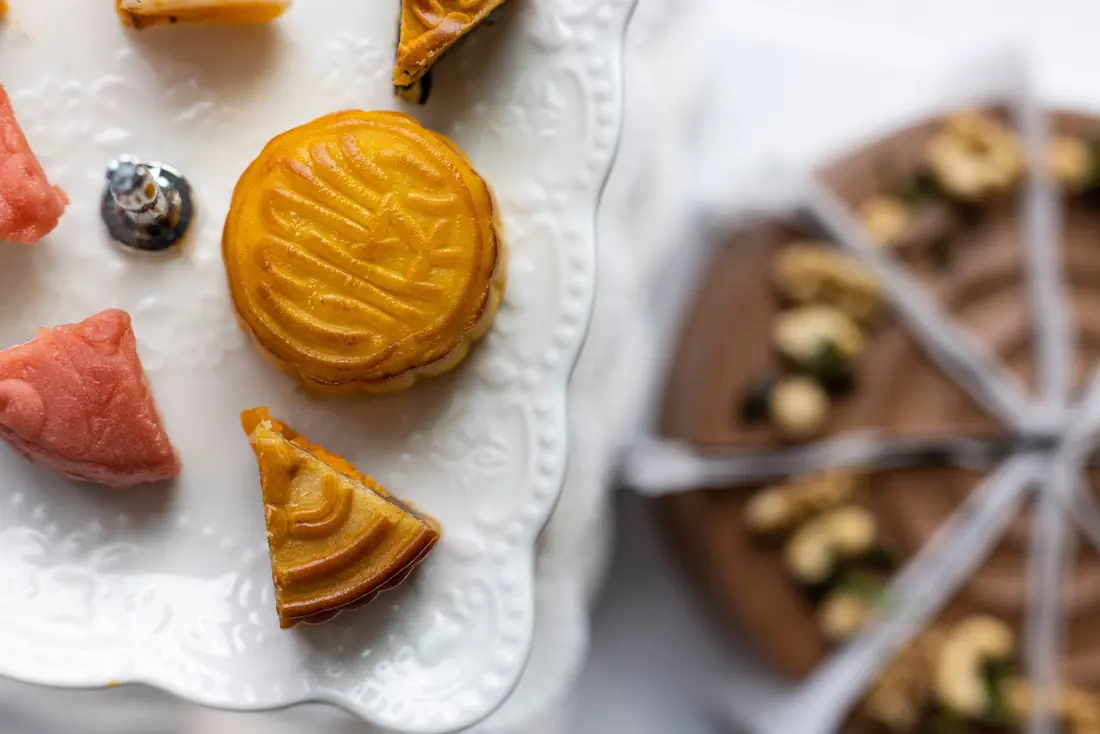
- In pastries and mooncakes – baked rather than steamed, and firmer.
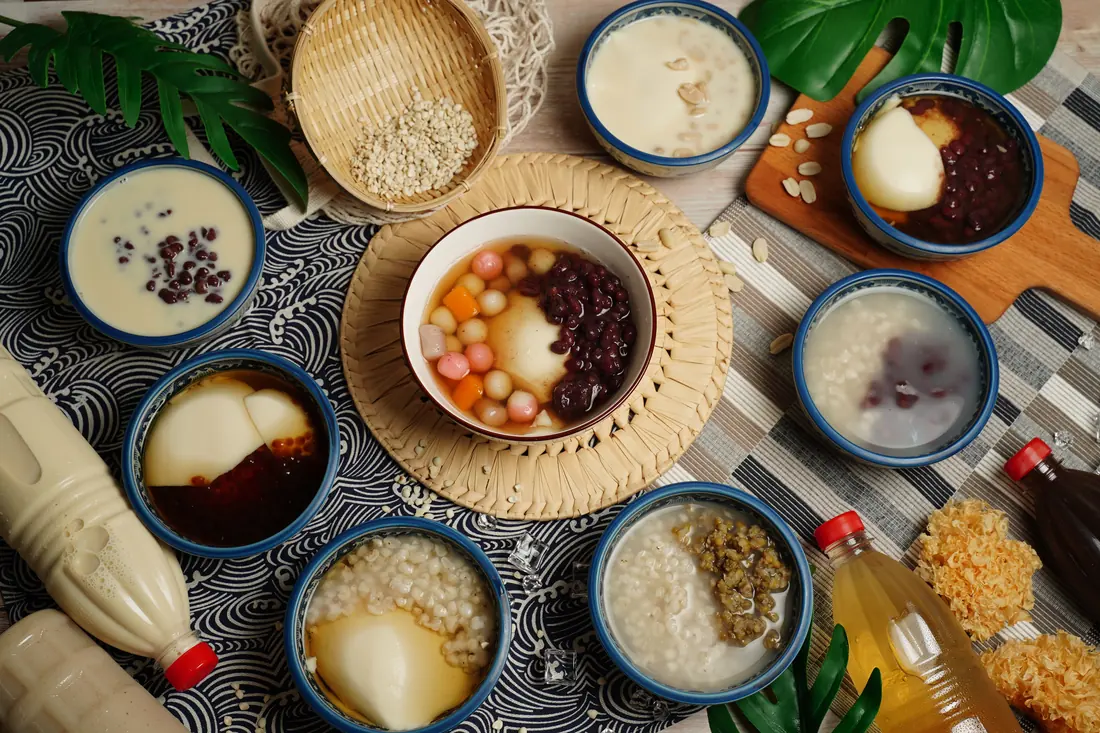
- In sweet soups – loosened with water and served warm or over ice.
- In ice cream and shaved ice – spooned over the top rather than blended in.
It is older than it looks
Sweetened bean paste is not a modern confection. Adzuki have been cultivated in East Asia for thousands of years, and the sweetened preparation is documented in Japan well before sugar was cheap – which tells you how highly it was regarded, since it was an expensive thing to make.
The bean also carries meaning beyond the kitchen. Red is a colour associated with warding off misfortune, and dishes built on adzuki turn up at celebrations, birthdays and new year across the region. A food that is both festive and everyday is unusual, and it is part of why the paste is so ubiquitous.
What it actually tastes like
Mildly sweet rather than sugary, with an earthy, almost chestnut-like background and a texture between a thick jam and a soft fudge.
It is much less sweet than the Western desserts it sits alongside, which is the most common surprise for a first-time eater. If you were expecting chocolate-level intensity it will read as restrained; that restraint is the point.
The other sweet pastes
Red bean is the most common but not the only one, and the others turn up in the same pastries without announcing themselves.
- White bean paste – shiroan, made from white beans. Milder and paler, and used as a base for flavoured and coloured pastes.
- Lotus seed paste – smoother and more expensive, and the traditional filling in a mooncake.
- Mung bean paste – lighter and slightly grassy, common in Southeast Asian sweets.
- Black sesame paste – not a bean at all, but it fills the same slot and is often mistaken for red bean at a glance.
If a filling is dark and you were expecting chocolate, red bean and black sesame are the two likeliest answers. Sesame is greyer, oilier and more strongly flavoured; red bean is grainier and sweeter.
Keeping it
Homemade paste keeps about a week refrigerated and freezes well, and it is worth making in quantity because the work is much the same for four times as much.
Freeze it flat in a bag rather than as a lump, so pieces can be broken off as needed. It thaws quickly and the texture is unaffected, which is not true of most fillings.
Eating it for the first time
Start with it inside something rather than on its own. A steamed bun or a filled mochi gives you the paste in the proportion it was designed for, against a bland wrapper that balances it.
A spoonful straight from a tin is the worst possible introduction – concentrated, very sweet, and without the contrast that makes it work. That is how most people who say they dislike it first encountered it.
A note on the word
Anko strictly means the filling of a confection rather than red bean specifically, so a white bean or chestnut filling is also anko. In practice, unqualified, it means the red bean version, because that is overwhelmingly the most common.
Buying it
Tinned and tubed versions are sold in any East Asian grocery and are perfectly good. The tin is usually smooth and quite sweet; the tube tends to be firmer and intended for baking.
Check the texture on the label if you can – koshian and tsubuan are not interchangeable in a recipe, and a chunky paste in a delicate confection reads as a mistake rather than a choice.
For the things it goes inside, the mochi explainer covers the rice wrapper, the rice comparison covers why glutinous rice behaves as it does, and the edamame piece covers the other bean you meet on the same menu. The current selection is on the ordering page.
Frequently Asked Questions
What is red bean paste made of?
Adzuki beans cooked with sugar until they break down, usually with a pinch of salt. In Japanese it is called anko.
What does red bean paste taste like?
Mildly sweet and slightly earthy, a little like chestnut, with a texture between thick jam and soft fudge. Much less sweet than most Western desserts.
What is the difference between koshian and tsubuan?
Koshian is pushed through a sieve until completely smooth with the skins removed. Tsubuan is only partly mashed, leaving whole beans and skins in.
Are adzuki beans the same as kidney beans?
No. Adzuki are much smaller – about the size of a grain of rice – and milder, which is why they suit sweetening.
Why is red bean used in desserts?
Beans are starchy, mild and absorbent, which is what makes any starch useful in a sweet. The idea only seems unusual from a Western starting point.