
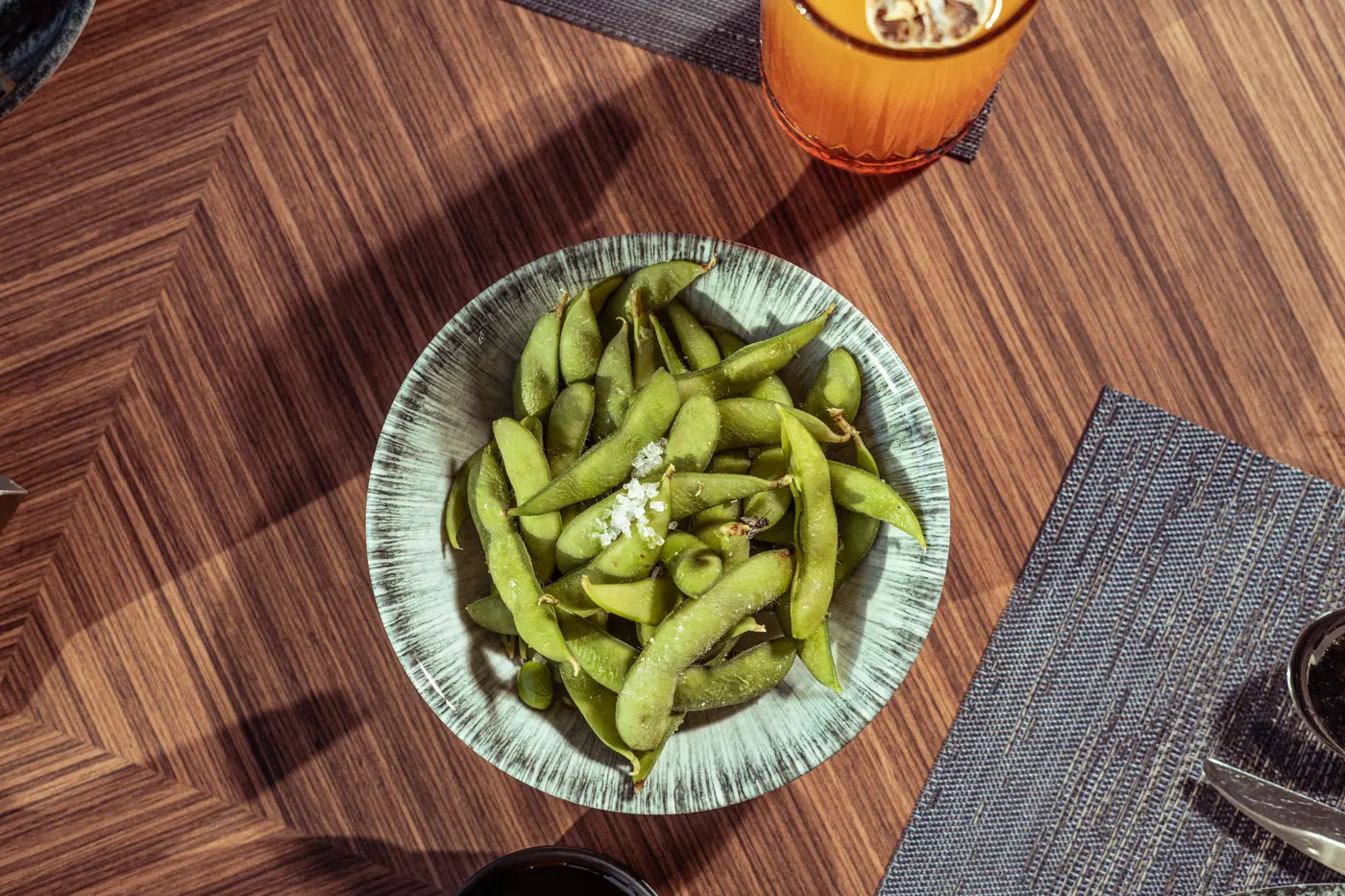
A bowl of bright green pods arrives, and if you have not met them before it is not immediately obvious what to do. Edamame is one of the simplest things on any Japanese menu, and one of the easiest to get wrong on the first try.
What is edamame?
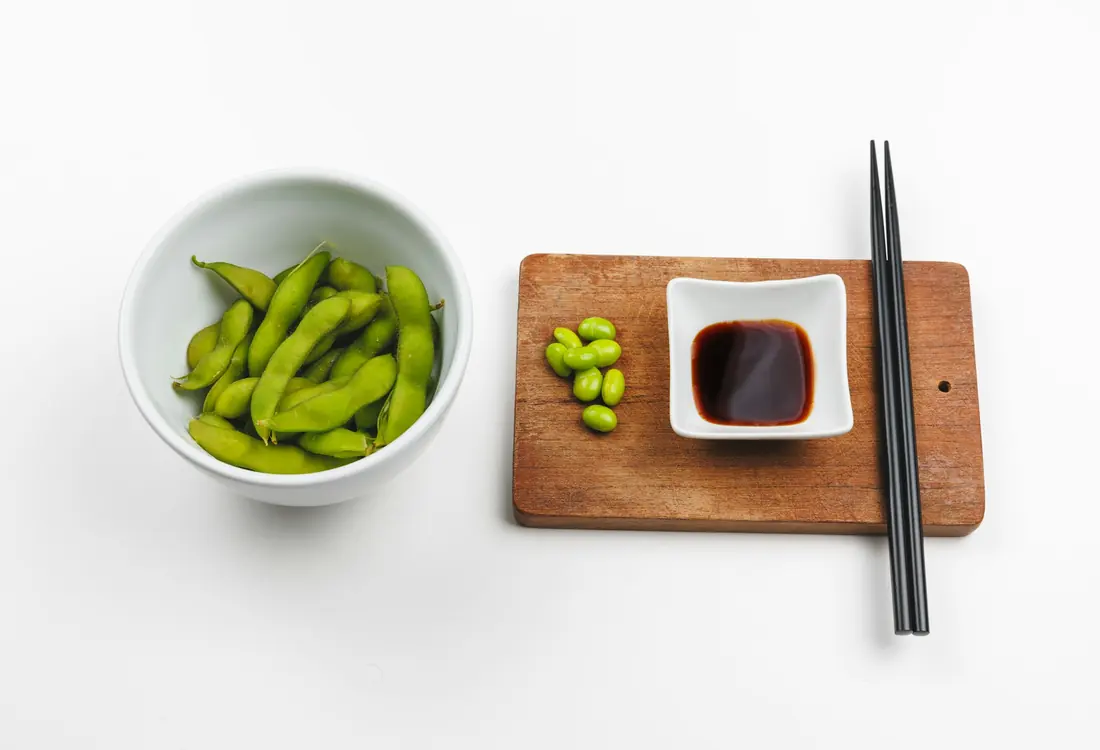
Edamame is a young soybean, picked while the pod is still green and the beans inside are soft. The pods are boiled or steamed, salted, and served warm or cold in a bowl to be eaten with your hands.
The name is descriptive rather than exotic – it refers to beans on a branch, which is how they were traditionally sold and eaten.
No, you do not eat the pod
This is the single most common question about edamame, and the answer is that the pod is a container, not part of the dish. It is fibrous and tough and is not meant to be chewed.
What you eat are the beans inside. The pod’s job is to hold the salt on the outside and to keep the beans from drying out, and both of those are reasons the beans are cooked in it rather than shelled first.
How to eat it
- Pick up a pod with your fingers. Chopsticks are unnecessary and awkward here.
- Put one end in your mouth and draw the pod through your teeth, so the beans pop out as it passes.
- The salt on the outside of the pod comes with them – that is the point of the technique.
- Put the empty pod in the second bowl, or on the side of the first if only one arrives.
If you shell them by hand and eat the beans on their own, you get the beans without the seasoning, which is why the drawing-through method is standard rather than fussy.
Where it comes from
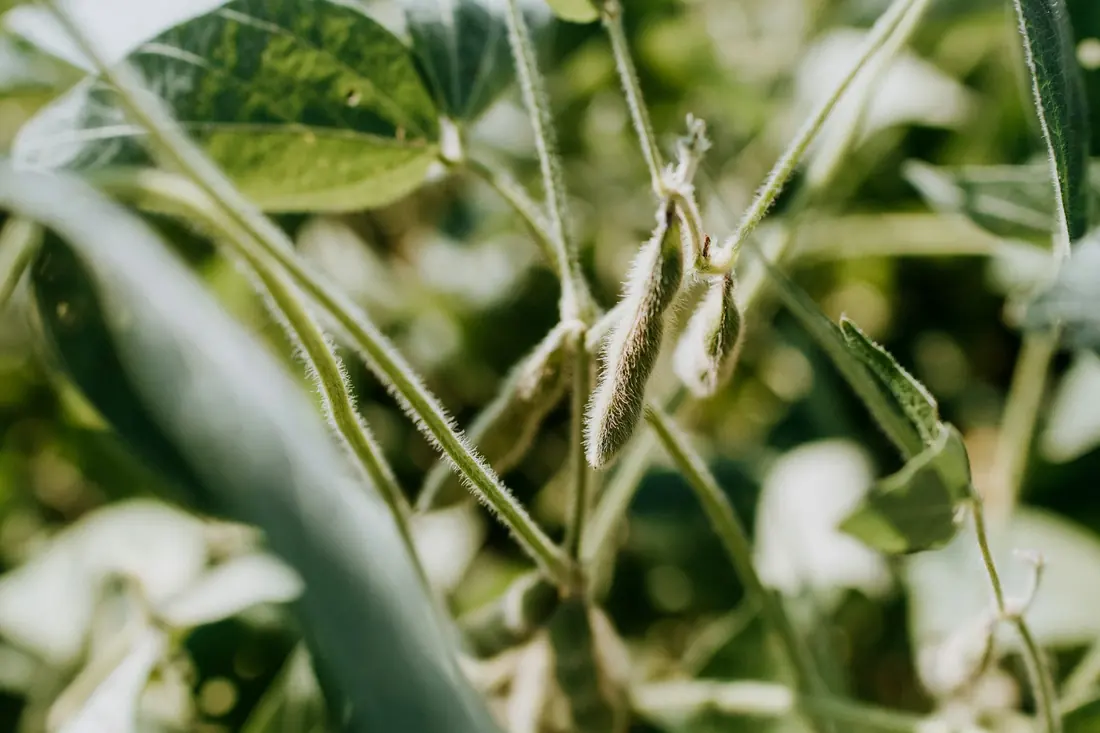
Soybeans have been cultivated in East Asia for thousands of years and are one of the most widely grown crops in the world; Britannica’s entry on the soybean covers how far that cultivation reaches.
Most of that crop is harvested mature and dry, when the beans are hard and pale. Edamame is the same plant caught earlier, while the pods are still green and the beans are tender enough to eat directly.
That timing is the whole difference. A mature soybean needs long cooking or processing before it is edible; a young one needs a few minutes in salted water.
How it is cooked
The method is short and there is not much to it. The pods go into boiling salted water for a few minutes, or into a steamer for slightly longer, and come out while the beans are still firm.
They are then salted again on the outside, which is the step that matters most for how it eats. Salt on the pod is what you taste first, and it is the reason the beans need no seasoning of their own.
Overcooking is the only real way to spoil it. A pod left too long goes olive-drab and the beans turn mealy, which is why the bright green colour is a reasonable signal that a bowl has been handled properly.
Edamame and other soy foods
| Edamame | Tofu | Miso | |
|---|---|---|---|
| Made from | Young green soybeans | Curdled soy milk | Fermented soybean paste |
| Processing | Almost none – cooked in the pod | Pressed into blocks | Fermented over months |
| Texture | Firm, faintly sweet beans | Soft to firm, mild | Thick savoury paste |
| Served | In the pod, salted | In soup, fried, grilled | Dissolved into broth |
| Eaten as | A starter | Part of a dish | A seasoning |
It is a useful comparison because the three turn up together constantly and appear to have nothing in common. They are the same bean at three completely different stages of processing.
The pods are also a rare case where the serving vessel matters. A wide shallow bowl lets them cool evenly and stays easy to reach across a table; a deep one keeps the bottom layer warm but makes the last few awkward to get at.
Warm or cold?
Both are correct. Served warm, straight from the pot, the beans are softer and the salt is more noticeable. Served chilled, they are firmer and the sweetness comes through more clearly.
Restaurants vary in which they do, and neither is a mistake. If a bowl arrives cold and you were expecting warm, that is a house preference rather than an oversight.
Seasoned versions
Plain salted is the standard, but seasoned versions are increasingly common and worth trying if you already know you like the plain one.
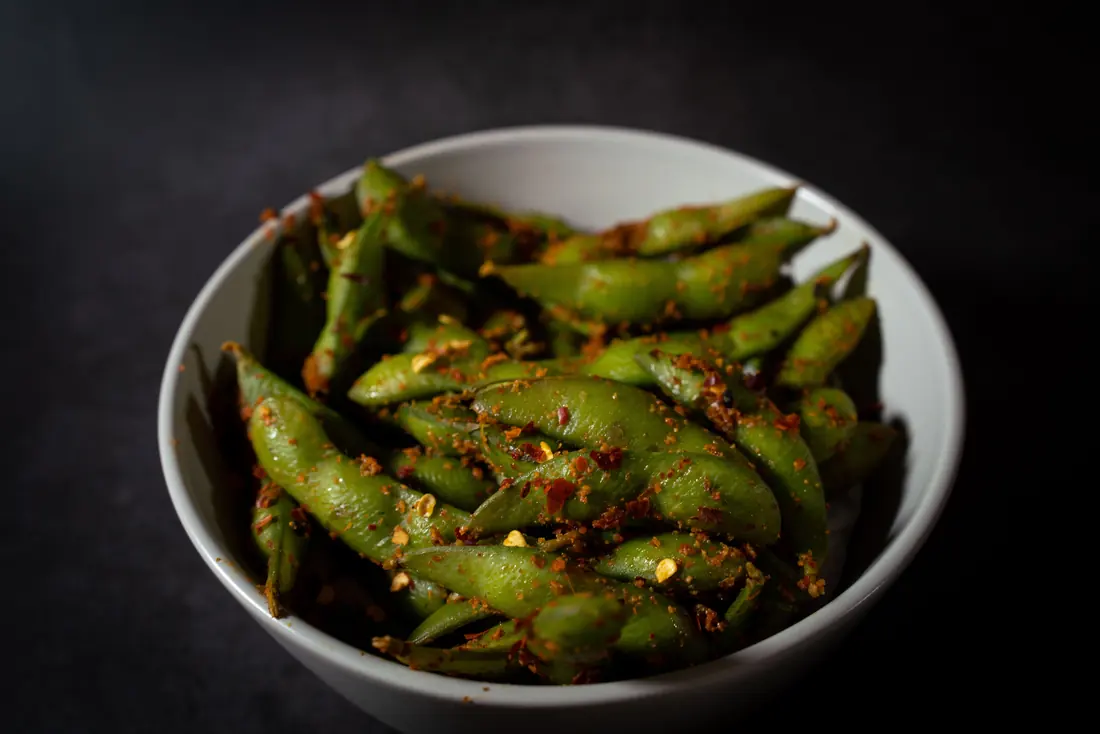
- Chilli – flakes or a light coating of oil, adding heat without changing the texture.
- Garlic – usually tossed through after cooking, so it stays on the outside of the pod where you will actually taste it.
- Black pepper or togarashi – a dry seasoning blend scattered over the top.
All of these work for the same reason the salt does. The seasoning sits on the pod, and the pod passes it to you on the way past.
Why it works as a starter
Edamame does something specific at the start of a meal that few other appetisers manage. It occupies a table without filling anyone up, and it takes a while to eat because each pod is a small separate action.
That makes it a natural thing to put down while the rest of an order is being prepared, particularly with a group, and particularly with children, who tend to find the mechanics of it entertaining.
It is also about as uncomplicated as restaurant food gets – a vegetable, boiled, with salt – which makes it an easy first thing to put in front of someone who is unsure about the rest of the menu.
Shelled edamame
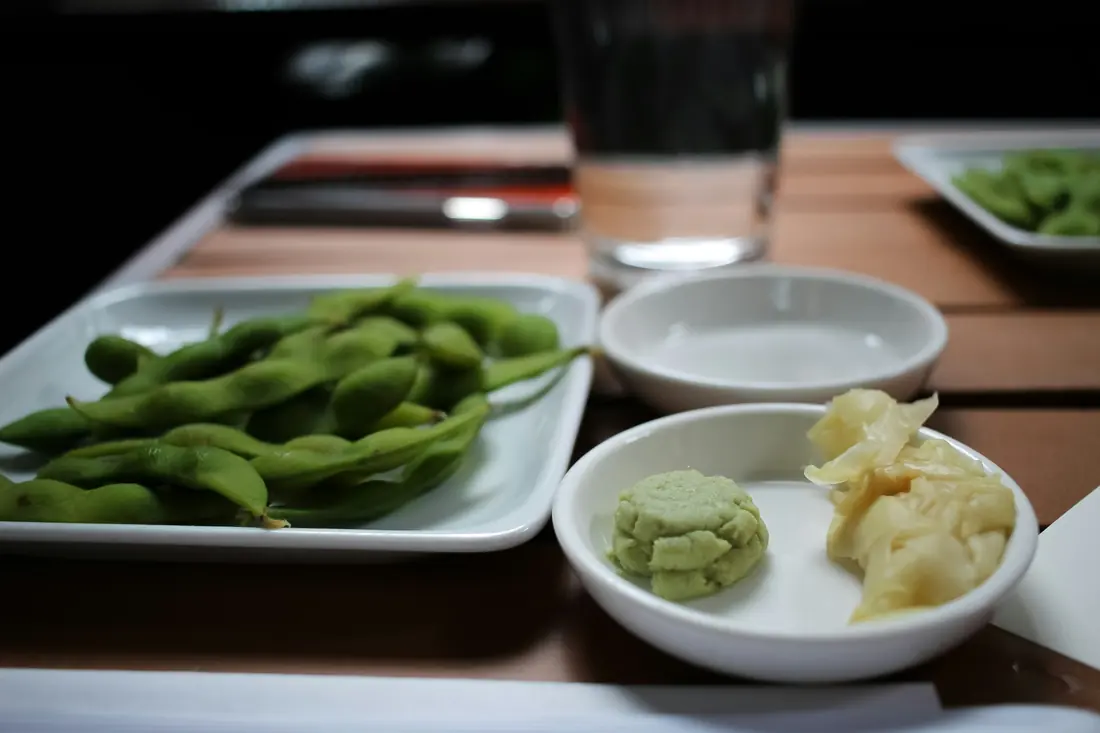
You will also come across the beans sold already shelled, without the pods. This is the form used when edamame is an ingredient rather than a dish – scattered through a salad, folded into a rice bowl, or blended into a dip.
It is the same bean, but the experience is different enough that it is worth treating as a separate thing. Shelled beans lose the salt-on-the-outside trick entirely, so they are seasoned directly and usually taste milder as a result.
A few practical notes
- Two bowls is normal. One holds the pods, the other takes the empties. If only one arrives, a corner of the table or the edge of the bowl is fine.
- Fingers are correct. This is a hands-on dish and nobody expects otherwise.
- The salt is on the outside. Adding more to the beans after shelling does not do the same thing.
- Order it early. It is best while warm, and it is designed to arrive before everything else.
It sits alongside the other soy dishes on the menu, so our guide to tofu covers the pressed version of the same bean and the soup comparison covers the fermented one. The current selection is on the ordering page.
Frequently Asked Questions
Are you supposed to eat the edamame pod?
No. The pod is tough and fibrous and is not eaten. Draw the pod through your teeth so the beans come out, then discard the empty pod.
What does edamame taste like?
Mild, faintly sweet and slightly grassy, with a firm texture. Most of the salt you taste is on the outside of the pod rather than on the beans themselves.
Is edamame the same as a soybean?
It is the same plant, harvested young. Edamame pods are picked while still green and the beans are soft; mature soybeans are left to dry and become hard.
Is edamame served hot or cold?
Both are common. Warm brings out the salt, chilled brings out the sweetness. Which one arrives is a matter of house preference.
Do you eat edamame with chopsticks?
Fingers are normal and easier. The technique of drawing the pod through your teeth does not really work with chopsticks.