
It turns up in a sauce, a dressing, a dessert or a drink, described as a Japanese citrus, and almost nobody outside Japan has held one. There is a reason for that, and it is not that the fruit is rare.
The short answer
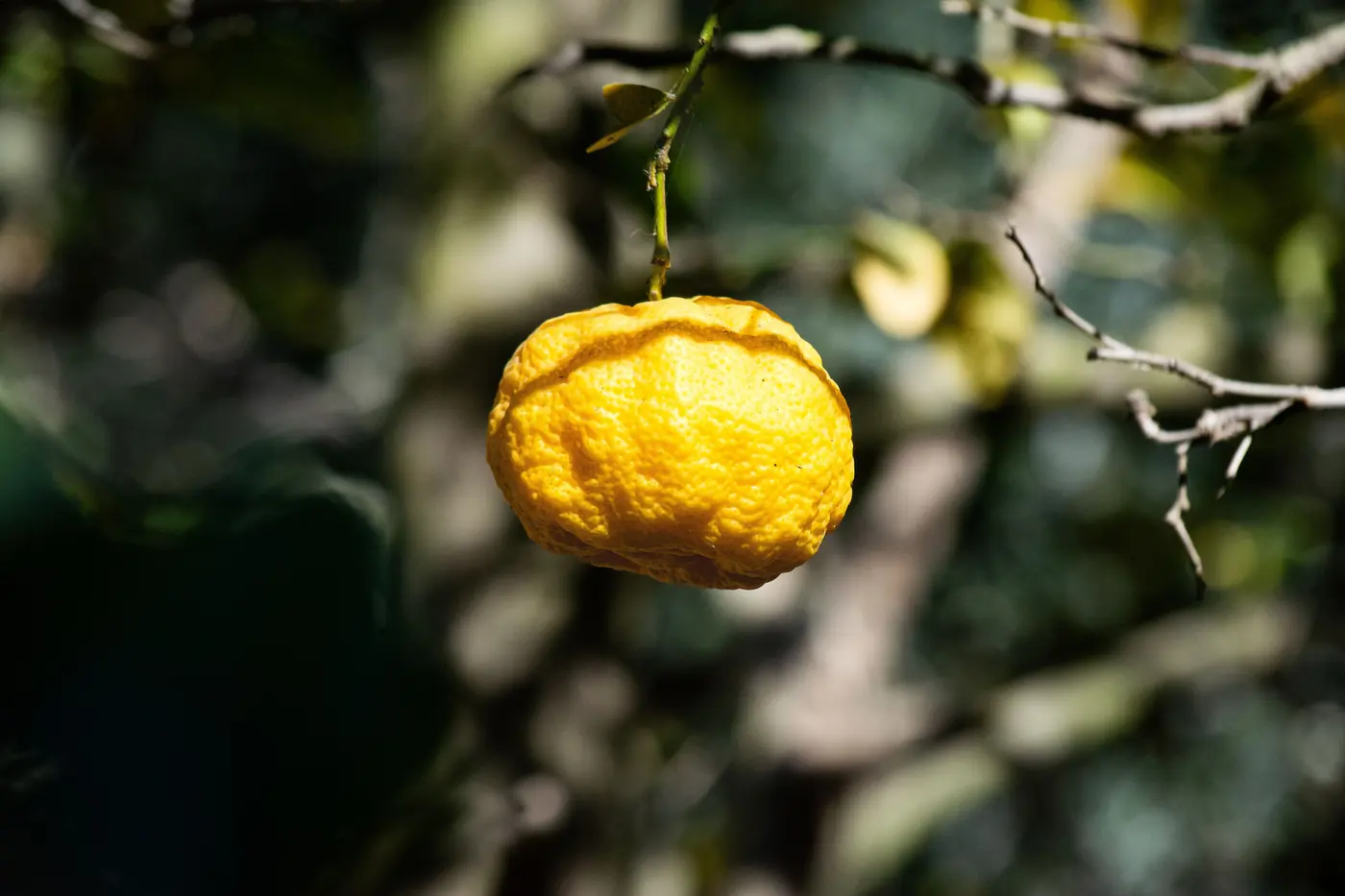
Yuzu is a citrus fruit about the size of a tangerine, with thick, bumpy yellow skin and a fiercely aromatic peel. It is used almost entirely for its zest and juice, and essentially never eaten as a fruit.
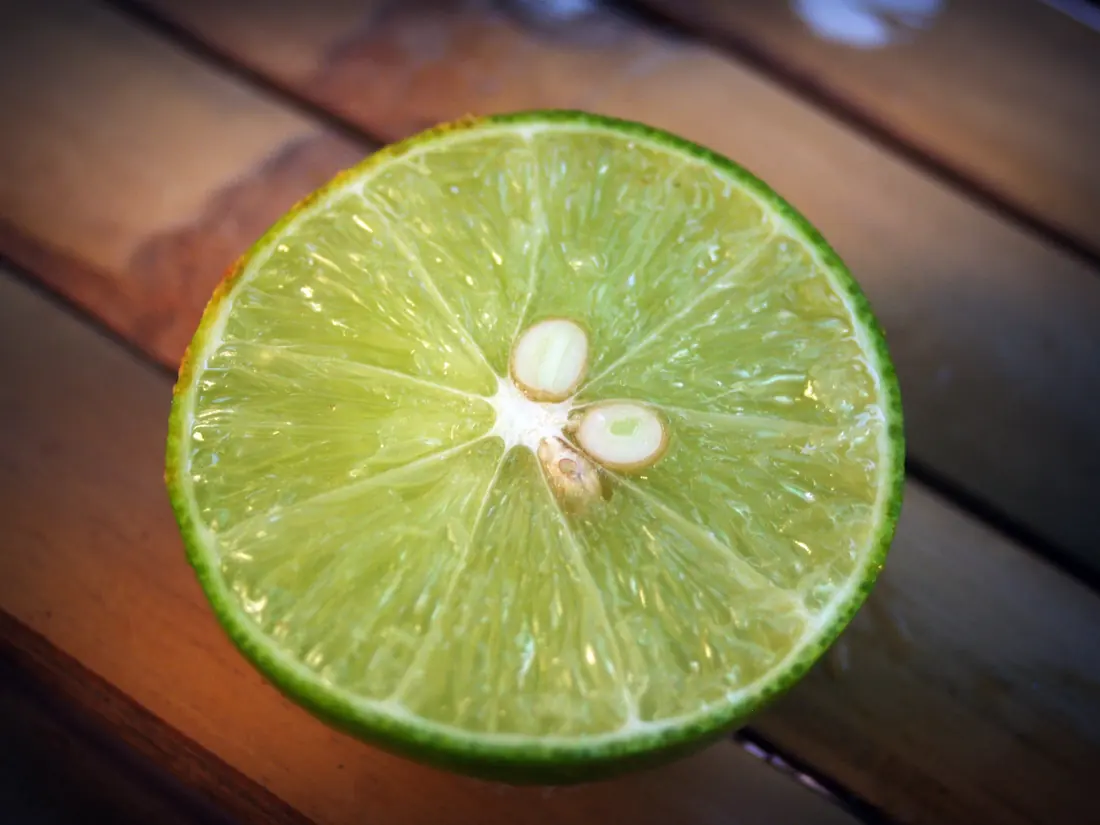
Britannica’s entry on citrus covers the genus, which is unusually promiscuous – most named citrus fruits are hybrids of a very small number of ancestors, and yuzu is one of the older crosses.
Why you cannot buy one
Two reasons, and both are practical rather than mysterious.
The first is agricultural quarantine. Fresh citrus moves between countries under tight restrictions because of the diseases and pests it can carry, and yuzu has historically been restricted into a number of markets. What travels instead is juice, zest, paste and extract – processed products that pose no such risk.
The second is that the fruit is not much use as a fruit. It is mostly peel and pips, with very little flesh and a juice yield low enough that a single bottle represents a great deal of fruit. That is also why the bottled juice is expensive.
What it tastes like
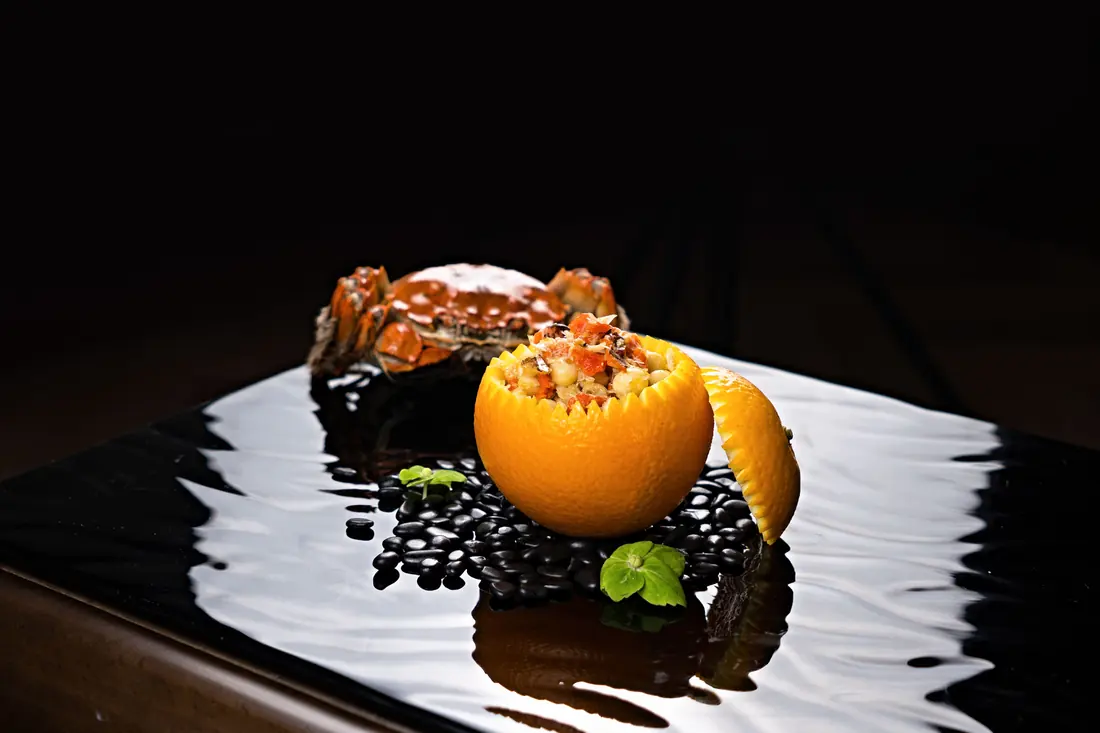
Every description reaches for other citrus, which is a sign that it does not have a good comparison. It is somewhere between a grapefruit, a mandarin and a lime, more floral than any of them, and sharper than all three.
The important part is that the aroma outruns the flavour by a distance. A yuzu is one of the most fragrant citrus fruits there is, and most of what a dish takes from it arrives through the nose. This is why it is used as zest as often as juice – the aromatic compounds are concentrated in the peel.
Where you actually meet it
| Form | What it is | Where it turns up |
|---|---|---|
| Ponzu | Citrus juice with soy sauce | Dipping sauce for raw and grilled food |
| Yuzu kosho | Peel, chilli and salt, fermented | A paste, used sparingly |
| Juice | Bottled, from the fruit | Dressings, marinades, cocktails |
| Zest | Grated or shaved peel | Scattered over soups and desserts |
| Marmalade | Peel preserved in sugar | Stirred into hot water as a drink |
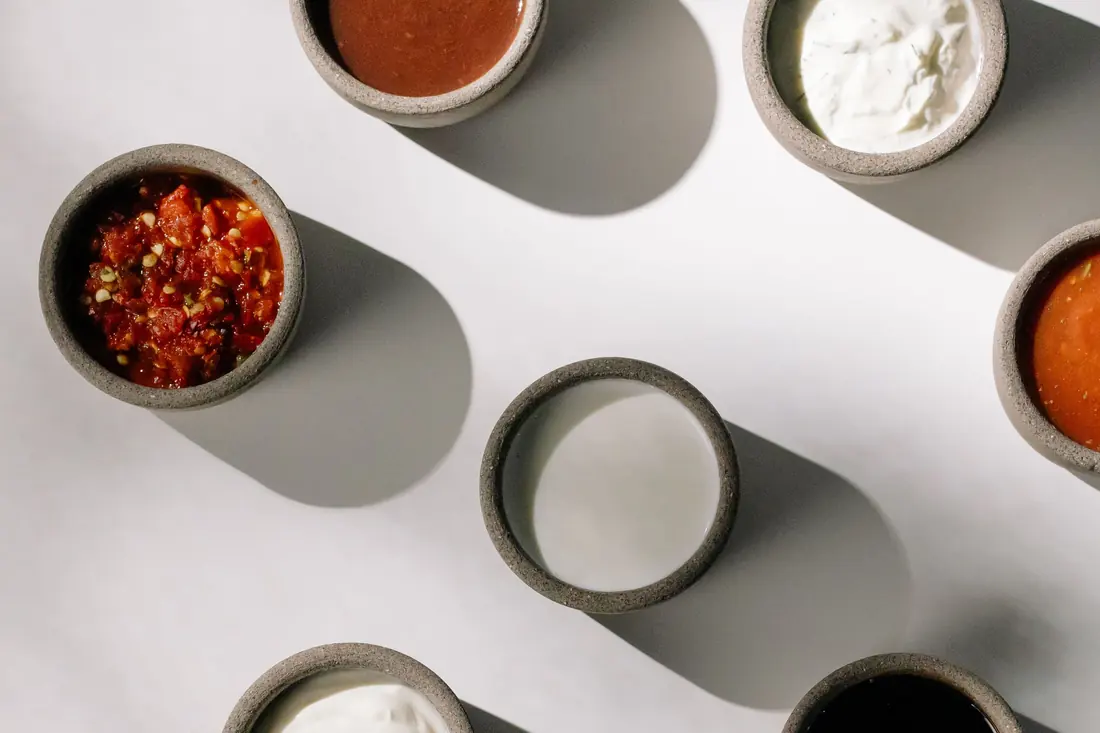
Ponzu is the one most readers will have eaten without knowing. It is the thin, sharp, citrus-and-soy dipping sauce that turns up beside grilled fish and raw dishes, and the citrus in a good one is yuzu. Our guide to soy sauce, wasabi and ginger covers the other things in the same set of small dishes.
The tree is the reason it spread
Yuzu is unusually hardy for a citrus. It tolerates cold that would kill a lemon or an orange outright, which is why it grows across Japan and Korea in places where other citrus simply cannot.

The trade-off is patience. A yuzu grown from seed can take the better part of a decade to fruit – long enough that there is a Japanese proverb about it – so trees are usually grafted onto faster rootstock instead.
The trees are also viciously thorny, which is one more reason the fruit costs what it does: it is picked by hand, carefully, by people working around spines several centimetres long.
Yuzu kosho deserves its own note
It is a paste of yuzu peel, chilli and salt, fermented, and it is one of the most efficient condiments in any cuisine – hot, salty, and intensely aromatic in about equal measure.
A quarter teaspoon changes a bowl of soup. A full teaspoon ruins it. It is sold in small tubes and jars for good reason, and anyone meeting it for the first time should use far less than instinct suggests.
The pips are not a defect
A yuzu is full of large seeds – far more than a lemon of the same size – and this is one of the reasons it never became an eating fruit. Cut one open and there is more seed and pith than flesh.
They are not wasted, though. The seeds are steeped in spirit or oil to make a traditional skin preparation, and the pith and peel carry so much of the aroma that the low juice yield stops mattering. A fruit that is mostly packaging works fine when the packaging is the product.
It is not only food
On the winter solstice, Japanese bathhouses and homes float whole yuzu in hot baths – yuzuyu – and the practice is old, seasonal and entirely about the aroma released by the warm peel.

It is a useful illustration of what the fruit is for. A citrus valued for its skin rather than its flesh ends up in places that a fruit valued for eating never would.
It is a drink as often as a dish
Yuzu tea is the most common form outside Japan and Korea, and it is not tea. It is a thick marmalade of peel and sugar – yuja-cha in Korean – spooned into hot water until it dissolves into something between a cordial and a syrup.
It is drunk through the winter and treated as a comfort drink for a cold, which puts it in roughly the same cultural position as hot lemon and honey. The jars keep for months in a fridge and are the cheapest way to have the flavour in the house.
It also turns up in cocktails and in soft drinks, where its sharpness does the work of lemon while the floral note does something lemon cannot. A yuzu soda tastes like a lemonade that has been to a better place.
Substituting it
There is no good single substitute, which is a consequence of that floral note. The usual approximation is lemon and lime juice together with a little mandarin or grapefruit zest, and it gets most of the way there without the perfume.
Where the recipe uses yuzu as the whole point – a ponzu, a sorbet, a kosho – the substitution is noticeable. Where it is one acid among several, nobody will know.
One thing not to substitute is the peel. Where a recipe asks for yuzu zest, lemon zest is a poor stand-in – lemon peel is sharper and more bitter, and the floral quality that made the recipe specify yuzu is exactly the part that is missing. Add a little mandarin zest alongside it and the result is closer.
If you do buy the bottled juice, treat it as a seasoning rather than a juice. It is concentrated, expensive and sharper than lemon, and a teaspoon at the end of cooking does more than a tablespoon at the start.
For the other things in the small dishes, the condiments guide covers soy sauce, wasabi and ginger, the pho seasoning piece covers the lime that does a similar job in a different bowl, and the mirin explainer covers the sweetness it is often balanced against. The current selection is on the ordering page.
Frequently Asked Questions
What is yuzu?
A Japanese citrus fruit about the size of a tangerine, with thick bumpy skin and a highly aromatic peel. It is used for zest and juice rather than eaten.
What does yuzu taste like?
Somewhere between grapefruit, mandarin and lime, more floral and sharper than any of them. The aroma is stronger than the flavour.
Why is fresh yuzu hard to buy?
Fresh citrus faces agricultural import restrictions, so the juice, zest and paste travel instead. The fruit also yields very little juice for its size.
What is ponzu?
A thin dipping sauce of citrus juice and soy sauce. The citrus in a good one is yuzu, and it is served with grilled and raw dishes.
What can I use instead of yuzu?
Lemon and lime juice together with a little mandarin or grapefruit zest gets close, though it misses the floral note that makes yuzu distinctive.