
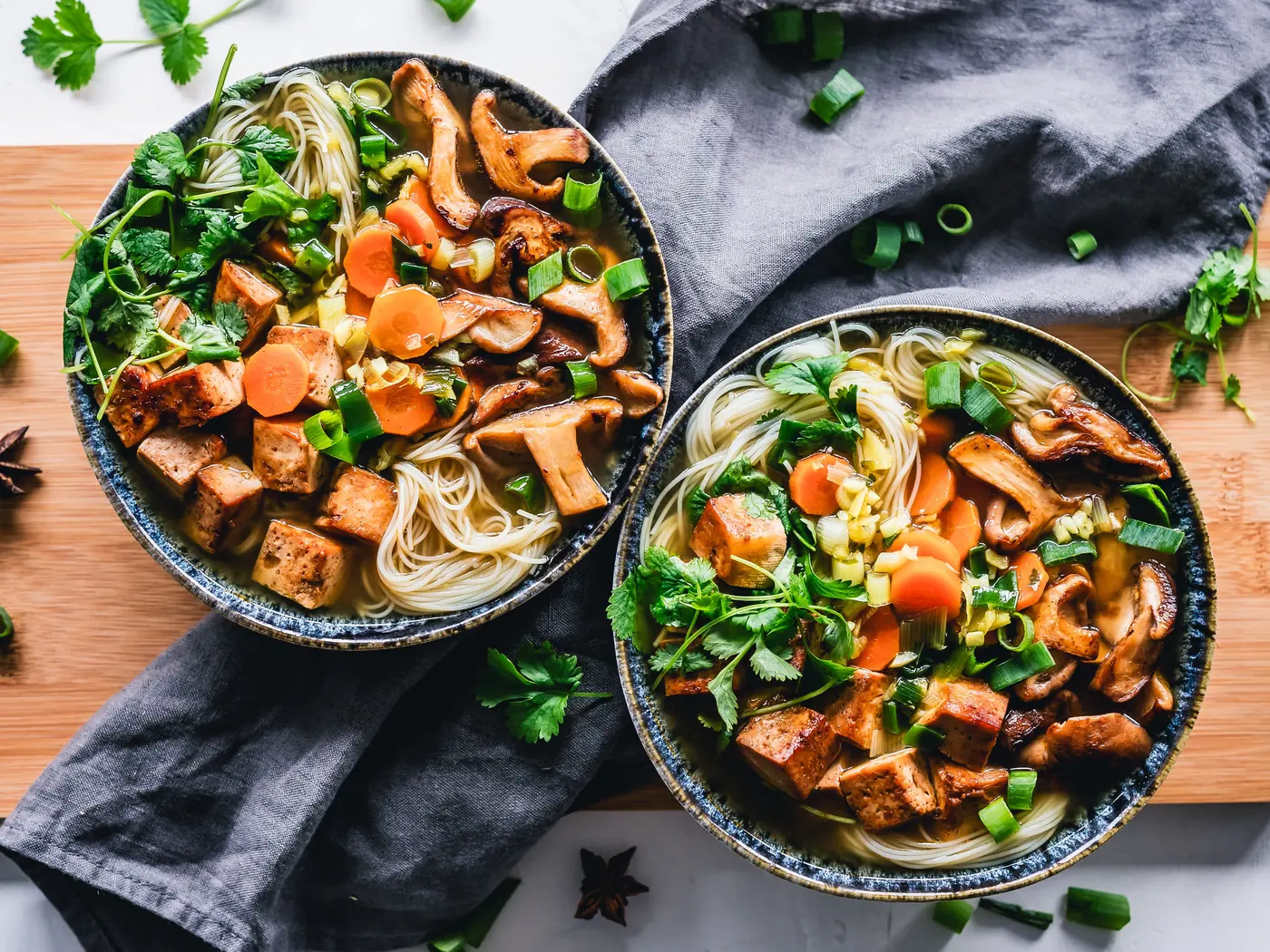
Same noodles, same herb plate, same bowl. The choice between them is a choice between two broths that were built by different methods, and the difference is larger than swapping one meat for another.
The names
Beef pho is pho bo. Chicken pho is pho ga. Bo and ga are simply the words for the animal, so a Vietnamese menu is telling you the same thing an English one is, more briefly.
Britannica’s entry on pho covers the dish’s origins in northern Vietnam and its spread south, which is also roughly the story of how the two versions diverged.
The broth is the whole difference
Both start with bones and a long simmer. What changes is what goes in, how long it stays, and how much spice the liquid is asked to carry.
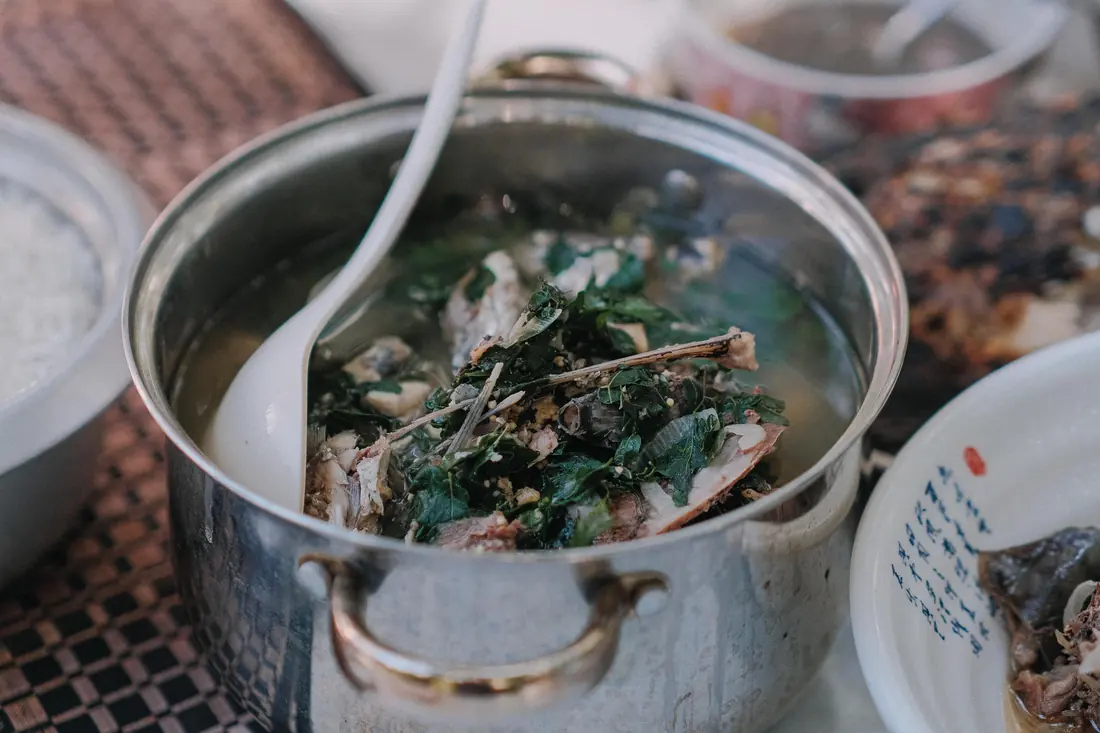
Beef broth is built from beef bones – typically marrow and knuckle – and simmered for a long time, often the better part of a day. Chicken broth is built from a whole bird or its frame and needs a fraction of that. The shorter simmer is not a shortcut; chicken broth turns cloudy and dull if it is pushed too far.
The spicing diverges too
The aromatics are the same family in both: charred onion and ginger, star anise, cinnamon, cloves, coriander seed, black cardamom.
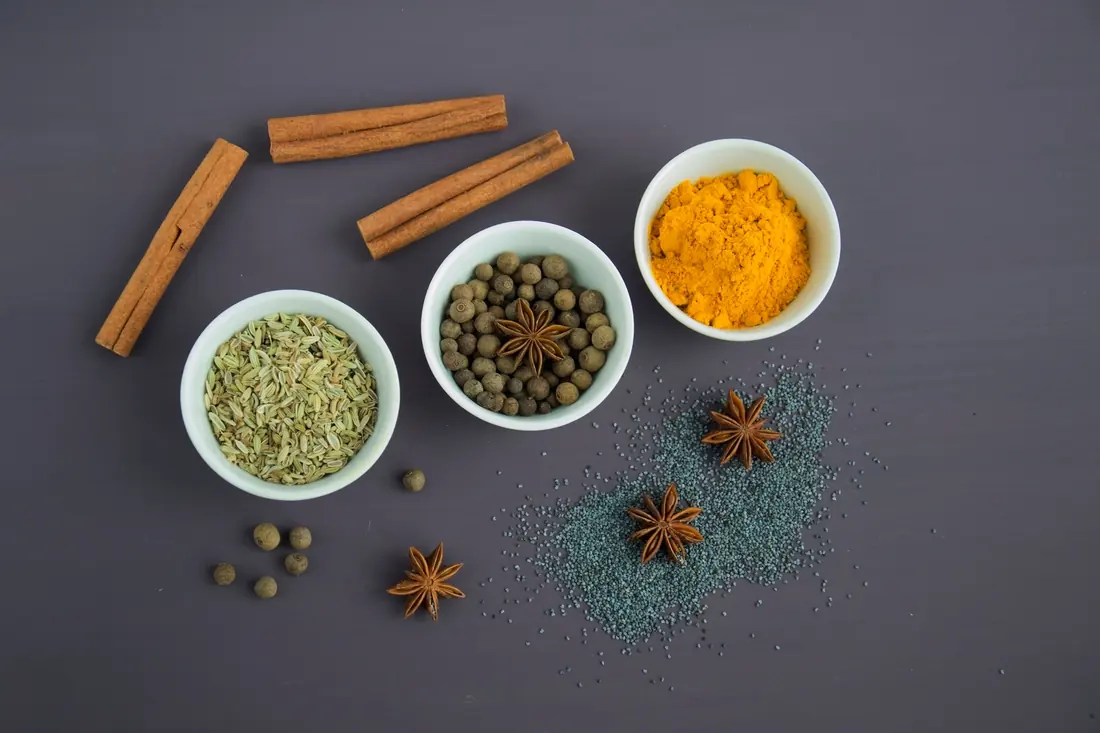
The quantities are not. A beef broth carries a heavier spice load because it has the body to stand up to it. The same amount in a chicken broth buries it – so pho ga is spiced with a lighter hand, and the ginger tends to come forward where the star anise would otherwise dominate.
Why the beef broth needs so long
Time is not there to extract flavour – most of that arrives in the first couple of hours. It is there to convert collagen into gelatin, and that happens slowly at a temperature just under a simmer.
Gelatin is what gives a good beef broth its body: the faint stickiness on the lips, and the way it coats a spoon rather than running off it. A broth simmered for two hours can taste of beef and still feel thin, and no amount of seasoning fixes that.
Chicken bones give up their collagen much faster, which is why the shorter simmer is correct rather than merely convenient.
Clarity is a fault line
Both broths are meant to be clear, and clarity is a good shorthand for care. It comes from three habits: blanching the bones and discarding that first water, skimming steadily for the first hour, and never letting the pot reach a rolling boil.
A hard boil emulsifies fat into the liquid and breaks up solids, and once a broth has gone cloudy it does not come back. A cloudy bowl is not unsafe or badly flavoured – it just tells you something about how it was cooked.
Side by side
| Beef pho (pho bo) | Chicken pho (pho ga) | |
|---|---|---|
| Broth base | Beef bones, marrow and knuckle | Whole bird or frame |
| Simmer time | Long – most of a day | Shorter, and better for it |
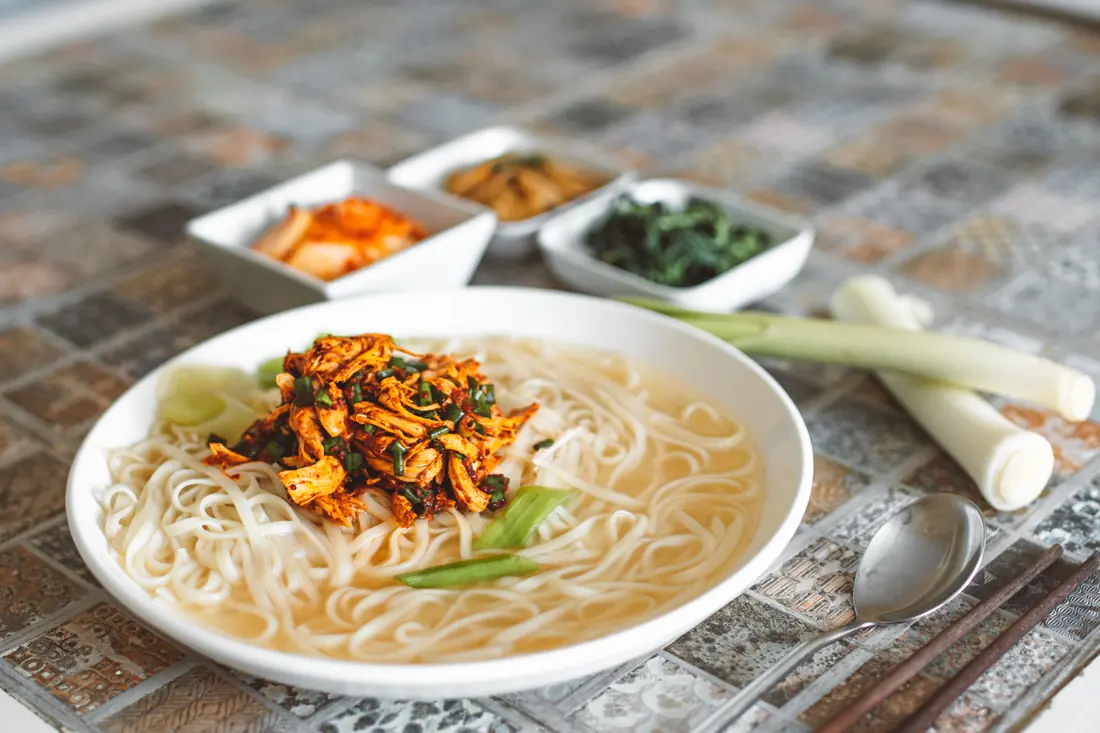
| Colour | Deeper brown | Pale gold |
| Spicing | Heavier – star anise forward | Lighter – ginger forward |
| Body | Fuller, more gelatinous | Cleaner, lighter |
| The meat | Often several cuts in one bowl | Usually poached or shredded |
The aromatics are charred first
One step is common to both and easy to miss: the onion and ginger are charred over direct heat before they go anywhere near the pot. Blackened on the outside, softened through, then dropped into the water whole.
Charring does something raw aromatics cannot. It caramelises the sugars in the onion and drives off the raw sharpness, so what reaches the broth is sweet and smoky rather than pungent. A pho broth made with raw onion tastes thin and slightly harsh, and no amount of extra simmering fixes it.
How the meat is treated
In a beef bowl, several cuts commonly appear together, and the thin slices of rare beef are not cooked before they arrive. They are laid raw over the noodles and cooked by the broth poured over them at the table or in the kitchen.
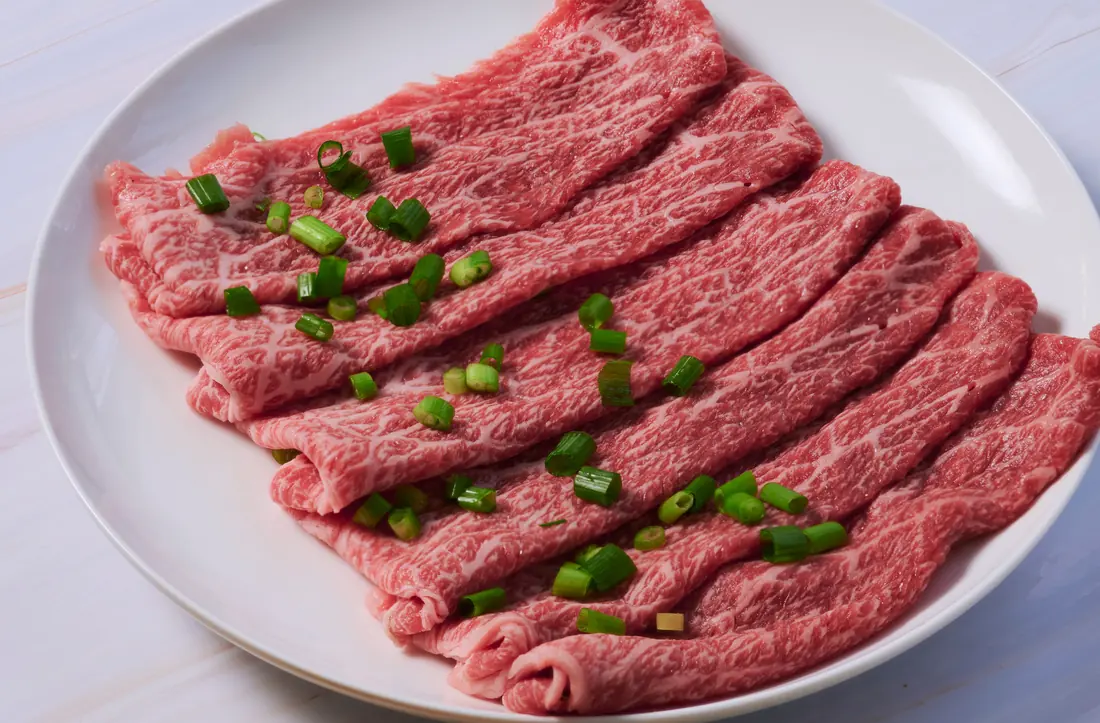
That is why the broth has to be genuinely hot when it lands, and why a beef bowl changes over the first minute in a way a chicken bowl does not. Brisket and meatballs, where they are included, arrive already cooked.
Chicken is poached and either shredded or sliced. It is added ready to eat, so the bowl is the same at the last mouthful as at the first.
The noodles do not change
Worth stating, because it is the one component that is genuinely identical. Both use banh pho – flat rice noodles, cooked briefly and drained just before the bowl is assembled, never cooked in the broth itself.
They are added to the bowl already cooked, which is why a bowl of pho comes together in the time it takes to heat and pour. The hours went into the broth days before you ordered; the assembly is a matter of minutes.
It also means a bowl that arrives with soft, bloated noodles has been standing. Rice noodles keep absorbing liquid the whole time they sit in it, which is the single strongest argument for eating pho promptly rather than working around it.
What is actually offered here
This restaurant’s pho is a thirty-two ounce bowl served with fresh herbs and vegetables. The beef version comes with rare beef, meatballs and beef brisket, and chicken, seafood and vegetarian versions are available – so the choice described above is a real one rather than a hypothetical.
Which to order
Neither is the more authentic. Both are standard across Vietnam, and pho ga is not a concession to anyone.
The regional split is worth knowing as background. Northern practice leans toward a clearer, more restrained broth with less on the table; southern practice is sweeter, more heavily garnished and more generous with the herb plate. Most Vietnamese restaurants outside Vietnam serve something closer to the southern style, which is why the accompaniments are as central as they are.
- Beef if you want the fuller, more aromatic bowl, or if the rare beef cooking in the broth is part of what you came for.
- Chicken if you want something cleaner and lighter, or if a heavily spiced broth is not what you are in the mood for.
- Either if you plan to season heavily at the table – the additions narrow the gap considerably.
That last point is worth taking seriously. Our guide to seasoning pho covers what the herb plate and the bottles do, and a bowl finished with hoisin and sriracha tastes more of hoisin and sriracha than of whichever broth it started as. If you want to taste the difference between the two, taste them plain first.
For the dish itself, our guide to pho covers what goes into the bowl and why, the pho and ramen comparison covers how it differs from the other famous noodle soup, and the seasoning piece covers the order to add things in. The current selection is on the ordering page.
Frequently Asked Questions
What is the difference between chicken pho and beef pho?
The broth. Beef pho is built from beef bones over a long simmer and spiced heavily; chicken pho is a shorter, lighter broth spiced with a lighter hand.
What are pho bo and pho ga?
Pho bo is beef pho and pho ga is chicken pho. Bo and ga are simply the Vietnamese words for the animals.
Which pho is more authentic?
Neither. Both are standard across Vietnam, and chicken pho is not a substitute version of the beef one.
Why is the beef in pho served raw?
The thin slices of rare beef are cooked by the hot broth poured over them. Other cuts such as brisket and meatballs arrive already cooked.
Which pho should I order if I do not want it too rich?
Chicken. The broth is lighter, the spicing is gentler and the meat is poached rather than several cuts at once.