
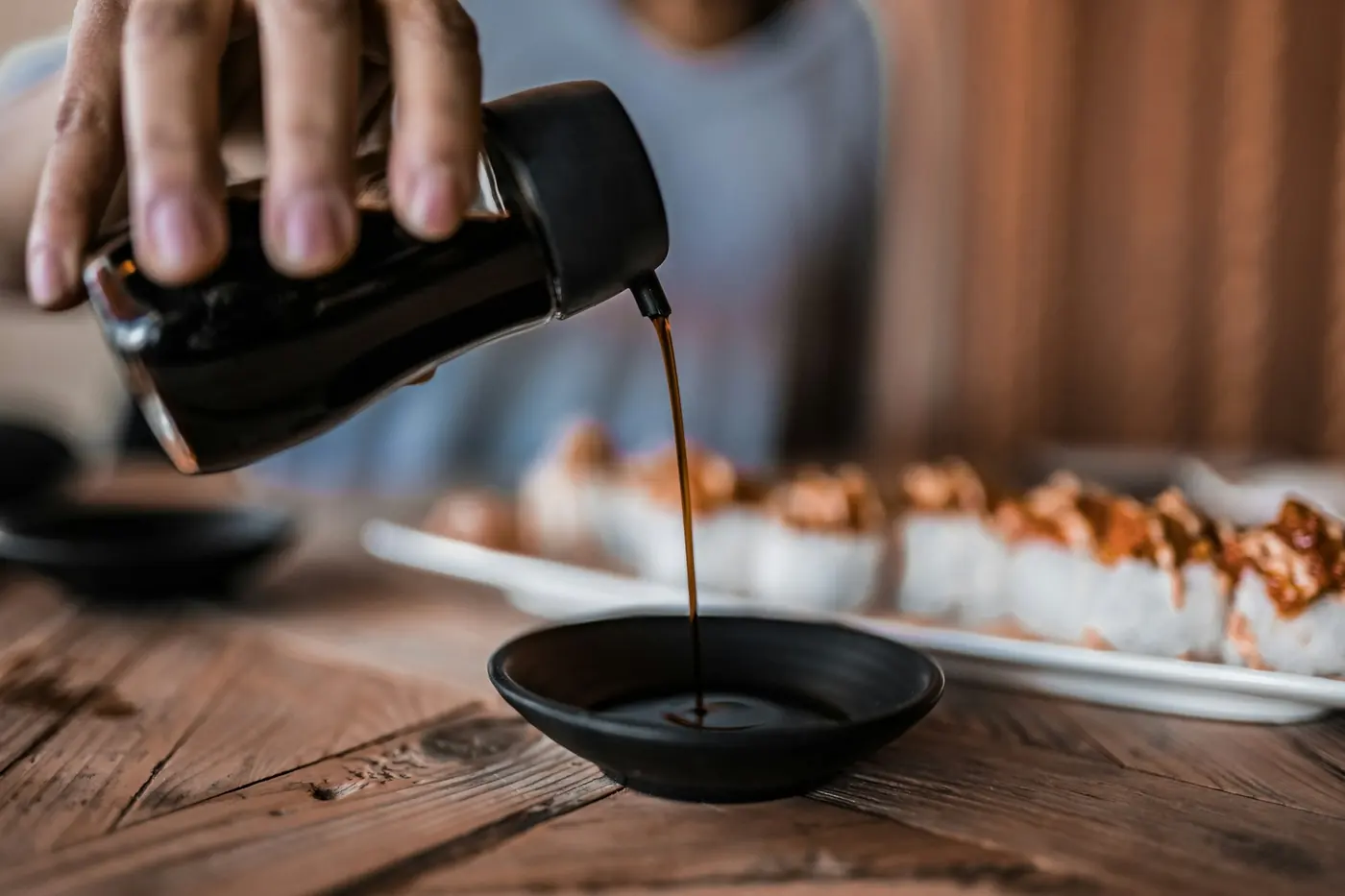
It smells alarming and tastes nothing like it smells. Fish sauce is behind a great deal of what makes Vietnamese and Southeast Asian food taste the way it does, and it is almost always working invisibly.
What is fish sauce?
Fish sauce is a thin amber liquid made by packing small fish with salt and leaving them to ferment for many months. The liquid that separates out is drained, filtered and bottled. In Vietnamese it is nuoc mam.
It is one of the oldest seasonings still in everyday use – Britannica’s entry on fish sauce traces versions of it back to the ancient Mediterranean as well as across Asia.
How it is made
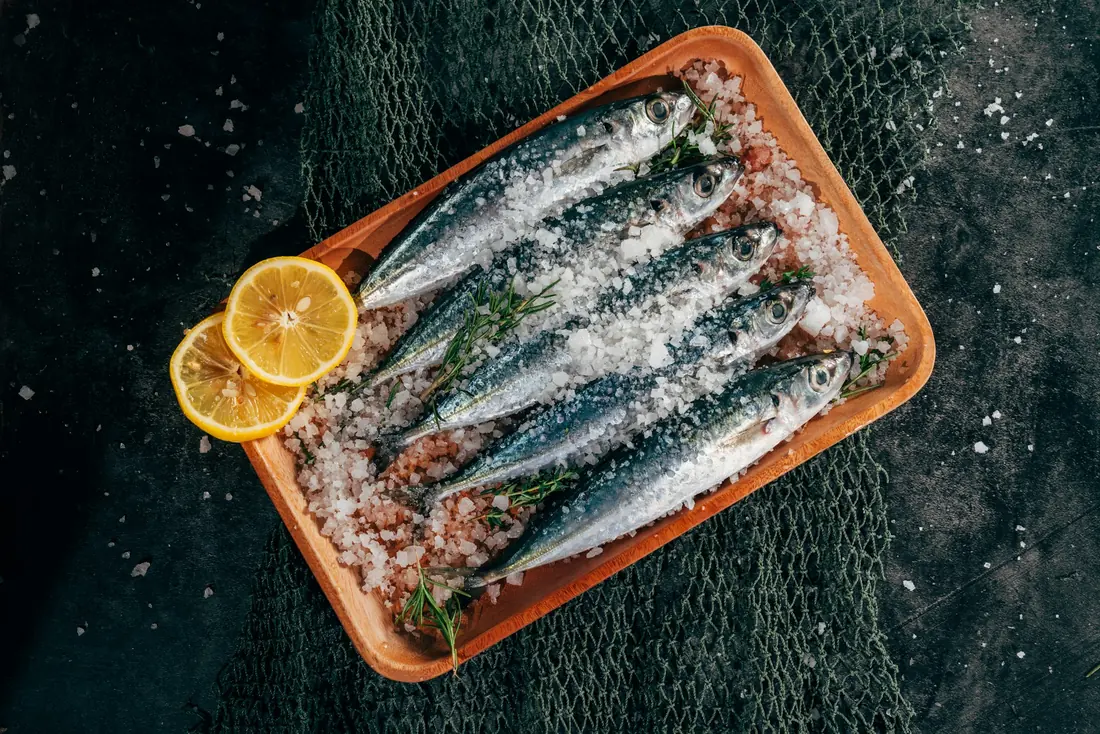
- Small fish, usually anchovies, are mixed with salt in a high proportion – often three parts fish to one part salt.
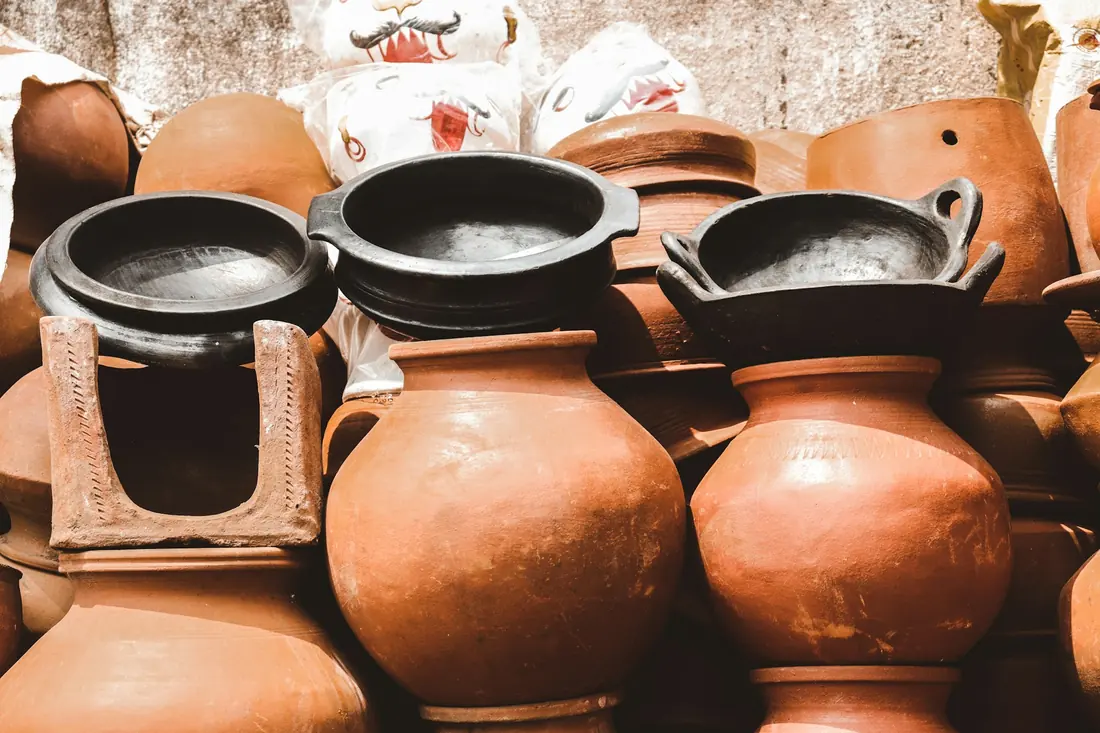
- The mixture is packed into large wooden barrels or clay vessels and weighted down.
- It ferments for anywhere from six months to two years, during which the fish break down completely.
- The liquid is drawn off, filtered and graded. The first draw is the most prized.
The salt is doing two jobs at once – drawing liquid out of the fish, and keeping the mixture safe while the fermentation runs. That is why the salt proportion is so high and why the finished sauce is intensely salty.
Why it does not taste fishy
This is the thing that surprises people. Opened straight from the bottle it smells strongly of the sea and of fermentation. In finished food it registers as savoury depth and salt, and almost never as fish.
The reason is that fermentation has broken the fish down so thoroughly that what remains is not fish flavour but the components underneath it. Used in the small quantities a dish actually calls for, it disappears into the background and pulls everything else forward.
Anyone who has been startled by the smell and then enjoyed the food it seasoned has already had this demonstrated.
Where it is in your order
| Dish | How fish sauce is used | How noticeable |
|---|---|---|
| Pho broth | Seasoning in the pot | Not noticeable – reads as savoury |
| Dipping sauce | The main component, diluted | Clearly present |
| Marinades | For grilled meats | Barely, in the background |
| Stir fries | A splash in the pan | Not noticeable |
| Salads and slaws | In the dressing | Present but balanced by lime and sugar |
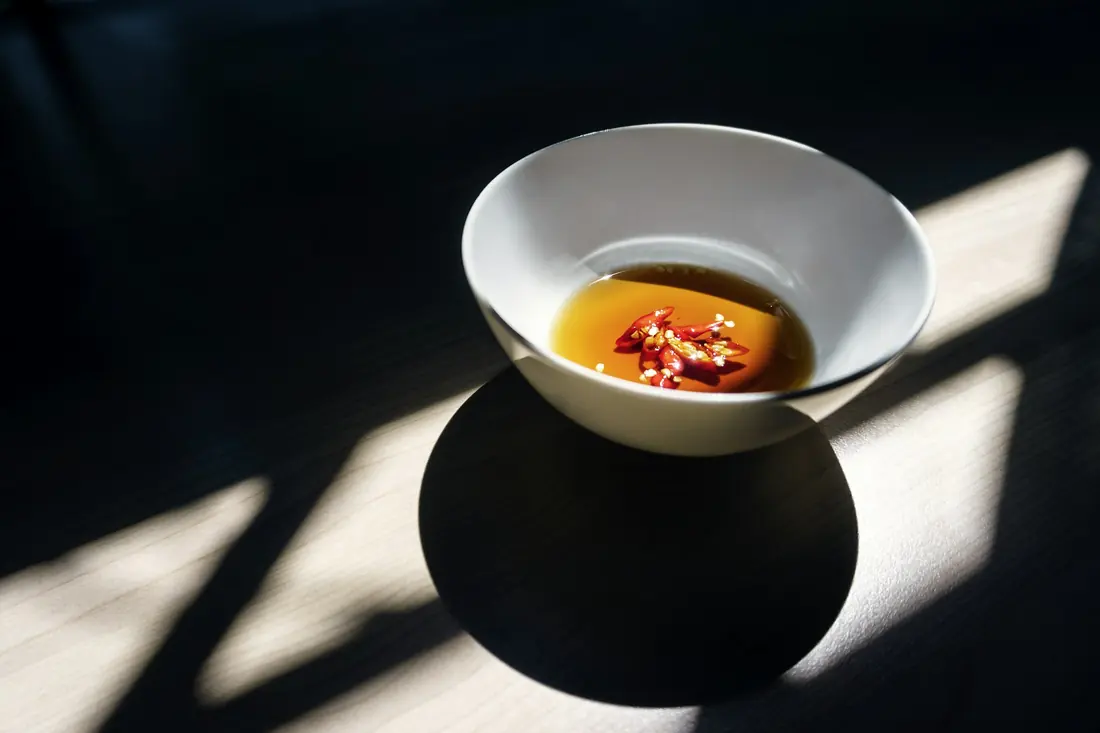
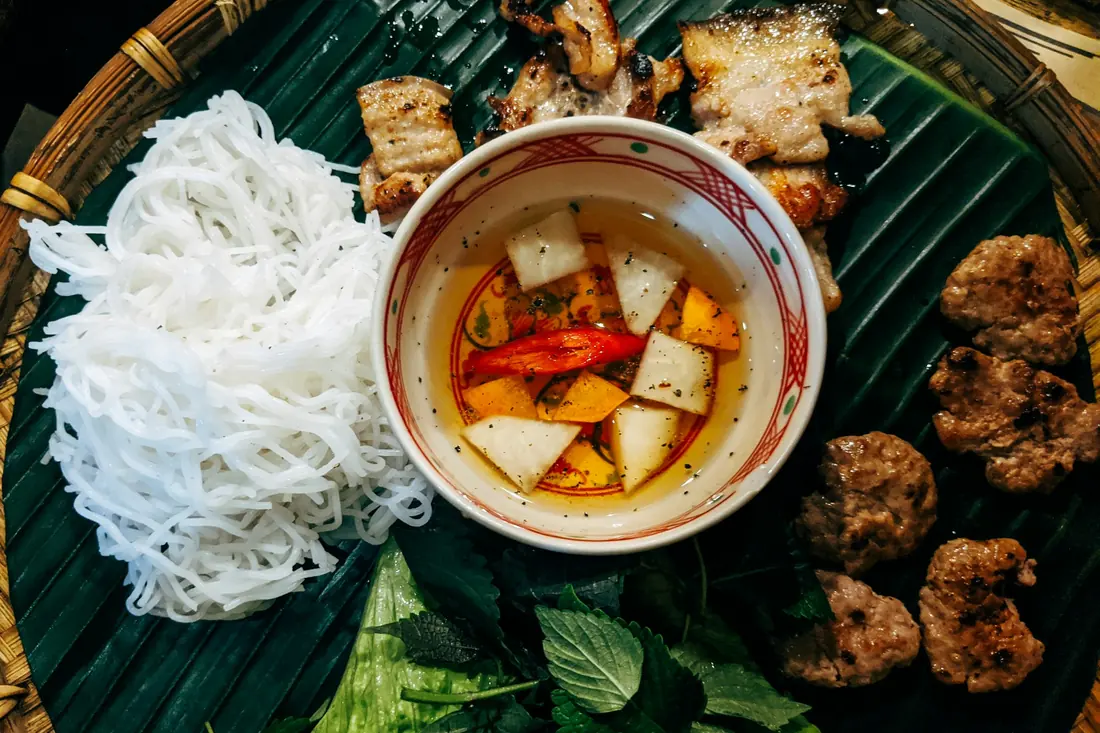
The second row is the one to know. Nuoc cham – the light dipping sauce served with grilled meats, rolls and rice plates – is fish sauce diluted with water, lime, sugar and chilli, and there it is meant to be tasted.
Grades and the first press
Not all of what comes out of the barrel is the same, and producers grade it. The first liquid drawn – sometimes called first press or virgin – is the most concentrated and the most prized, and it is used where the sauce will be tasted directly rather than cooked into something.
Later extractions, made by adding brine back to the remaining fish, are thinner and less complex. They are perfectly good for cooking, where the sauce is one seasoning among several and its subtleties would be lost anyway.
This is why the same cuisine can treat fish sauce as both a precision ingredient and a workhorse. Which grade is appropriate depends entirely on whether you will notice.
Nuoc cham, in more detail
It is worth understanding because it turns up constantly and because the balance explains a lot about the cuisine. Four elements: salt from the fish sauce, sourness from lime, sweetness from sugar, and heat from chilli, all diluted with water.
Every one of those is adjustable, and households and restaurants each have their own proportions. A sauce that tastes sharp in one place and sweet in another is not a mistake anywhere – it is the point of a mixture built to be balanced to taste.
The regional cousins
Nearly every coastal cuisine in the region has its own version, and they are close relatives rather than the same product.
- Nuoc mam – the Vietnamese version, generally lighter and cleaner, often used diluted as a dipping sauce.
- Nam pla – the Thai version, typically stronger and used in larger quantities in cooking.
- Patis – the Filipino version, a by-product of fermented fish paste production.
- Colatura – the Italian version, from the same ancient tradition, still made on the Amalfi coast.
Substituting one for another works, but not in equal amounts. They differ in salt and in intensity, and a recipe written for one will be noticeably off if another is poured in at the same volume.
Reading a label
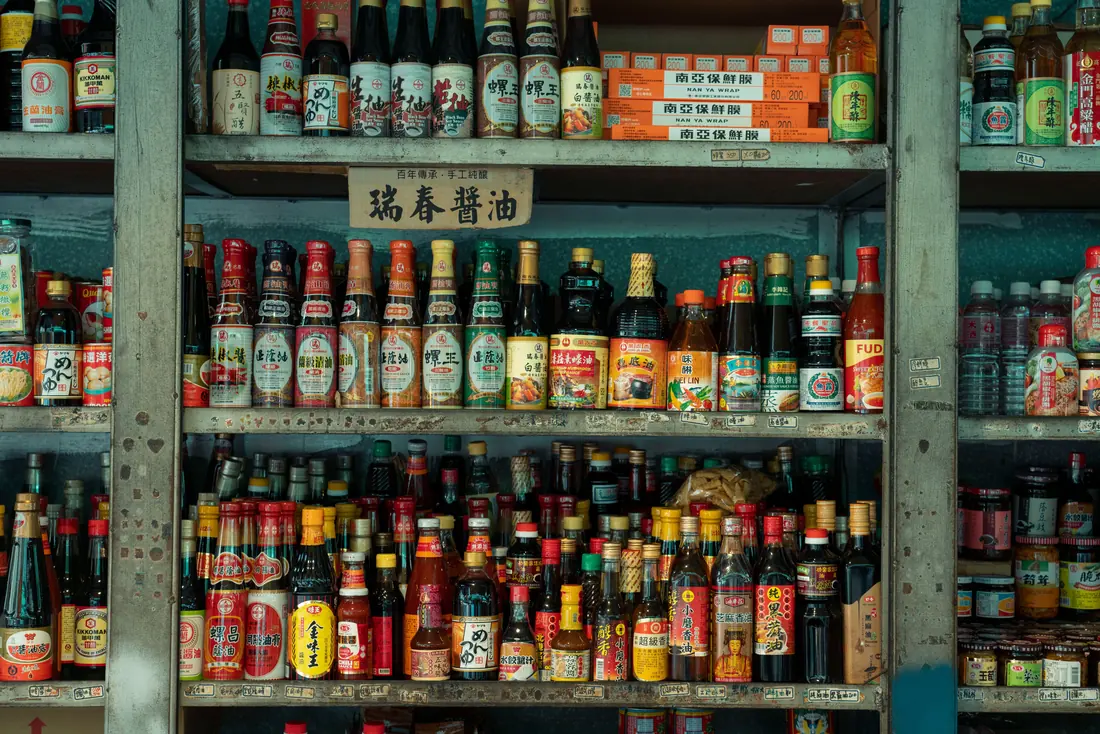
Bottles vary considerably, and a few things on the label tell you what you are looking at.
- A short ingredient list – anchovy, salt, water and nothing else is the mark of a straightforward sauce.
- A degree number – some bottles carry a figure indicating nitrogen content, which is a rough proxy for concentration.
- Added sugar or flavour enhancers – common in cheaper bottles and not a disaster, but a different product from the plain version.
- Colour – a clear reddish-amber is what you want. Very dark or cloudy usually means age or a lower grade.
How little is actually used
The quantities involved are smaller than the smell suggests. A pot of broth serving several people might take a tablespoon or two, and a stir fry rather less than that.
It behaves like salt in that respect – it is a seasoning with a threshold, and past that threshold it stops improving the dish and starts dominating it. That is why well-made Vietnamese food does not taste of fish sauce even though it is in practically everything.
Keeping a bottle
Fish sauce is stable enough that it does not spoil in any dramatic way, but it does change. It darkens over time and the flavour becomes flatter and saltier as it oxidises, which is a slow process rather than a sudden one.
Keeping it closed and out of direct light slows that down, and refrigerating an open bottle slows it further. A bottle that has gone very dark is not unsafe – it has simply lost the brightness that made the better grades worth buying.
If you avoid fish
This is the practical consequence. Fish sauce is not visible on a plate and rarely appears in a menu description, so a dish can be seasoned with it without anything on the menu saying so.
Vietnamese dishes described as vegetarian are usually made without it, but the only way to be certain is to ask directly. It is a normal question in any Vietnamese kitchen and one that staff answer regularly.
For the dishes it seasons, our guide to pho covers the broth it is used in, the condiments guide covers what you add at the table, and the fish-free guide puts the hidden-seasoning question in context. The current selection is on the ordering page.
Frequently Asked Questions
What is fish sauce made from?
Small fish, usually anchovies, packed with salt and left to ferment for six months to two years. The liquid that separates out is drained and filtered.
Does fish sauce make food taste fishy?
No. Fermentation breaks the fish down so completely that what remains reads as savoury depth and salt. In most dishes it is not identifiable at all.
What is nuoc cham?
The light dipping sauce made from fish sauce diluted with water, lime, sugar and chilli. It is served with grilled meats, rolls and rice plates.
Why does fish sauce smell so strong?
The smell comes from the fermentation and is far more assertive than the taste. In the quantities used in cooking it disappears into the background.
Is fish sauce in everything Vietnamese?
It is in a great deal, often invisibly, and rarely mentioned on a menu. If you avoid fish, ask directly rather than judging from the description.