Some fried food is still crisp when it reaches your table twenty minutes later, and some has gone soft by the time it crosses the room. A surprising amount of the difference comes down to which breadcrumb was used.
What is panko?
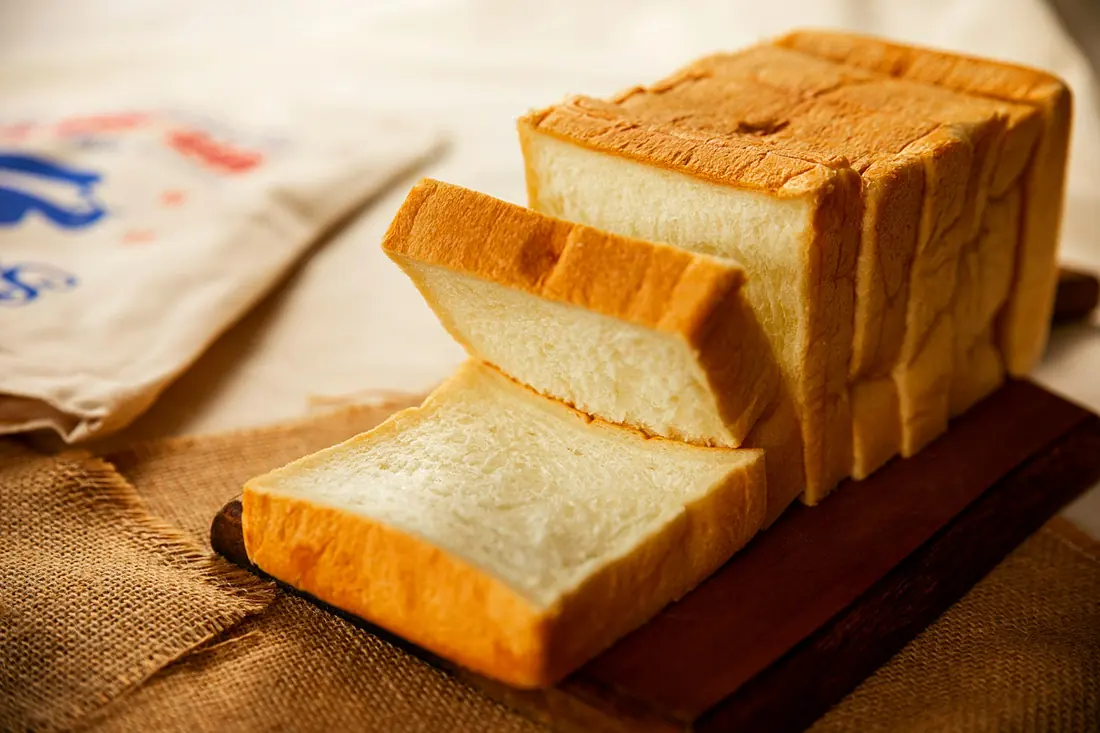
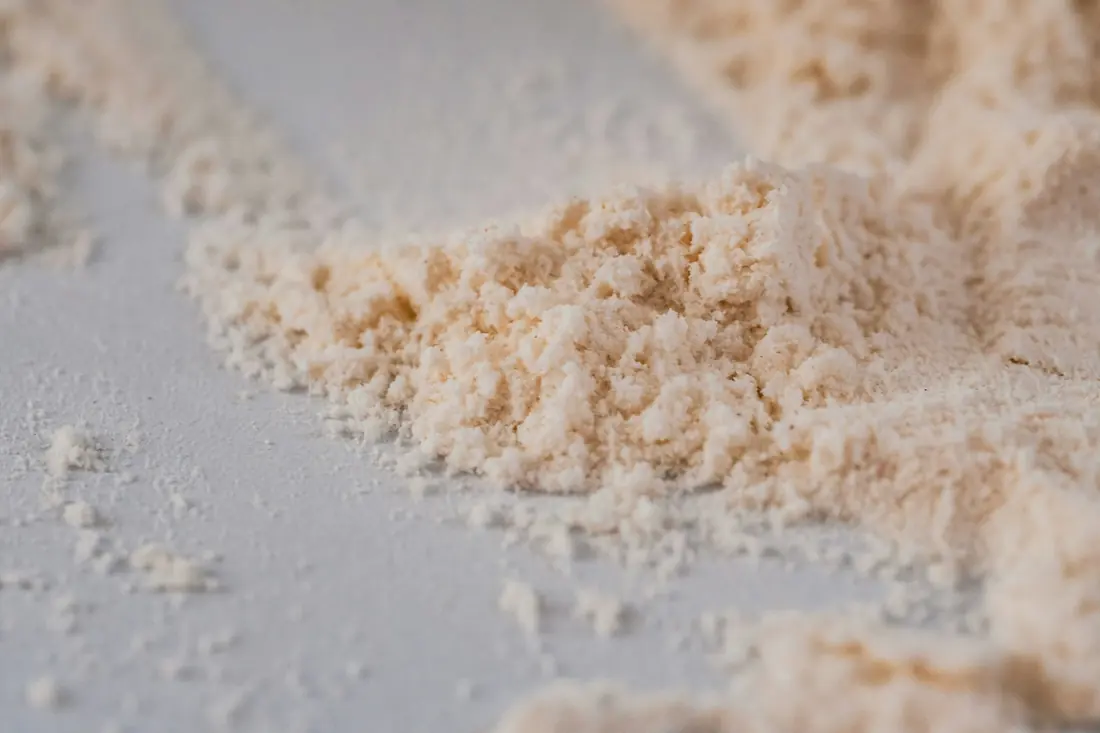
Panko is a Japanese breadcrumb made from crustless white bread, dried into large flat flakes rather than ground into round crumbs. It produces a coating that is coarser, lighter and noticeably crisper than standard breadcrumbs.
The name is straightforward – it combines the words for bread and for powder or flour – and the bread it starts from is a soft white loaf of the kind Britannica’s entry on bread would recognise anywhere.
Why it is different
Three things separate panko from an ordinary breadcrumb, and all three matter.
- No crust. Only the interior of the loaf is used, so the crumbs are uniformly pale and stay pale when fried.
- Flakes, not grains. The bread is torn into large irregular shards rather than milled, so the pieces have edges that stand up off the surface.
- Lower density. The flakes are airy, so there is less material to absorb oil in the first place.
How the bread is made
The detail people find surprising is that the bread for panko is often baked without a crust at all. One method passes an electric current through the dough, which cooks it from the inside without browning any surface.
The loaf that comes out is entirely pale and soft. It is then dried and broken into flakes, which is why panko is white rather than tan and why it stays that way until it actually cooks.
Why it stays crisp
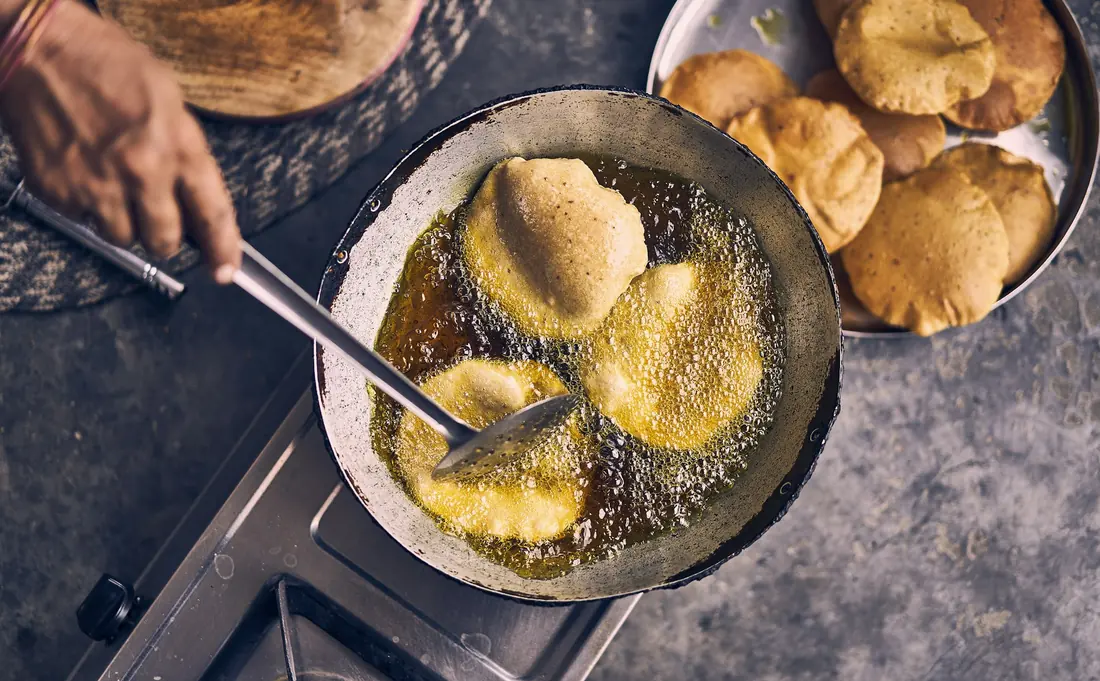
Crispness in fried food is really a question of moisture. A coating goes soft when steam from the food underneath works its way into it, and the more solid the coating, the more thoroughly it traps that steam against itself.
Panko’s flakes sit at angles with air between them, so steam escapes rather than collecting. The same open structure absorbs less oil, which means less of the heaviness that makes a coating go limp as it cools.
This is why a panko-coated item can survive a drive home when a batter-dipped one cannot. It is not that panko resists moisture – it is that it lets it out.
How the coating goes on
A crumb coating is applied in three stages, and skipping any of them is why coatings fall off.
- A dusting of flour, which dries the surface so something can stick to it.
- A dip in beaten egg, which is the glue.
- A press into the crumbs, firm enough to embed them without crushing the flakes.
The pressing step is where panko is treated differently from a fine crumb. Pressed too hard, the flakes break and the coating loses the open structure that makes it worth using. Handled lightly, the shards stay standing and fry into the spiky surface that gives the whole thing away.
Panko and standard breadcrumbs compared
| Panko | Standard breadcrumbs | |
|---|---|---|
| Made from | Crustless white bread | Whole loaf, crust included |
| Shape | Large flat flakes | Fine round grains |
| Colour | Pale, almost white | Tan or golden |
| Density | Light and open | Dense and packed |
| Oil absorbed | Less | More |
| Texture when fried | Spiky, shattering | Even, sandy |
| Holds crispness | Well | Less well |
Where it came from
Panko is a product of Japan’s encounter with Western cooking rather than of traditional Japanese cuisine. Breaded, deep-fried dishes arrived in the late nineteenth century and were adapted rather than copied.
The adaptation produced a distinctly Japanese crumb – lighter, coarser and paler than the European original – and it turned out to be better at the job than what it was based on. It has since travelled back out and is now used well beyond Japanese cooking.
Where you will find it on a menu
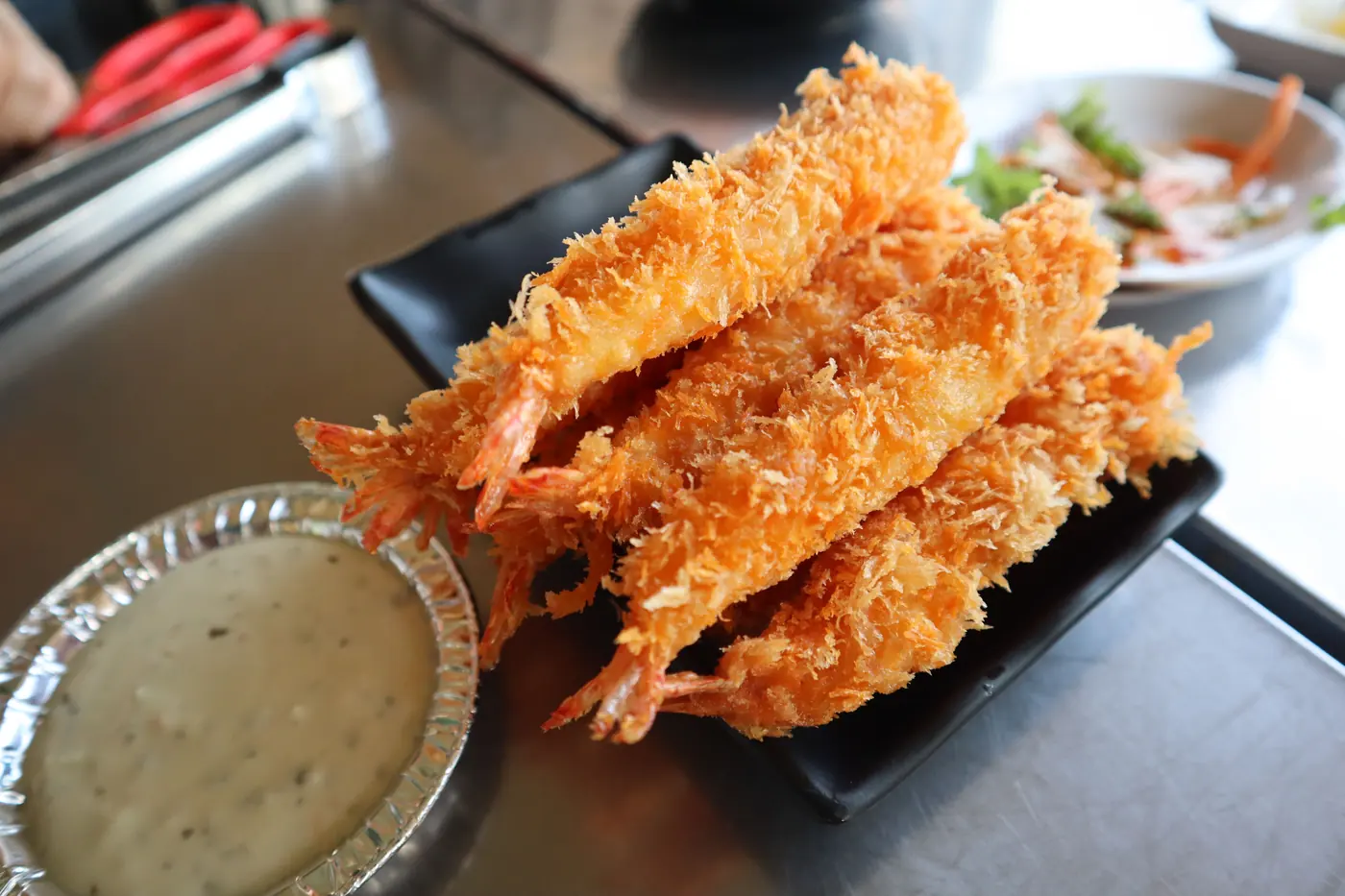
Anything described as crispy or crunchy on a Japanese or pan-Asian menu is a reasonable candidate. It appears on fried shrimp, on breaded cutlets, on fried vegetable pieces, and scattered over rolls as a topping.
That last use is worth knowing about. The crunchy flakes sprinkled over a sushi roll are usually fried crumbs of this kind, added for texture against soft rice and fish. On a menu they are often described simply as crunch.
Beyond the fryer
Panko has uses that involve no deep frying at all, and they turn up more often than the name suggests.
- Baked or air-fried – the coating browns and crisps reasonably well with only a light coating of oil, which is why it appears in oven-cooked versions of fried dishes.
- As a topping – toasted with a little oil and scattered over pasta, salads or vegetables for texture.
- As a binder – folded into meatballs and patties, where its lightness keeps the mixture from turning dense.
The common thread is structure. Wherever a dish needs something to stay separate and crisp rather than dissolving into what surrounds it, the flake shape is doing the work.
How to tell it was used
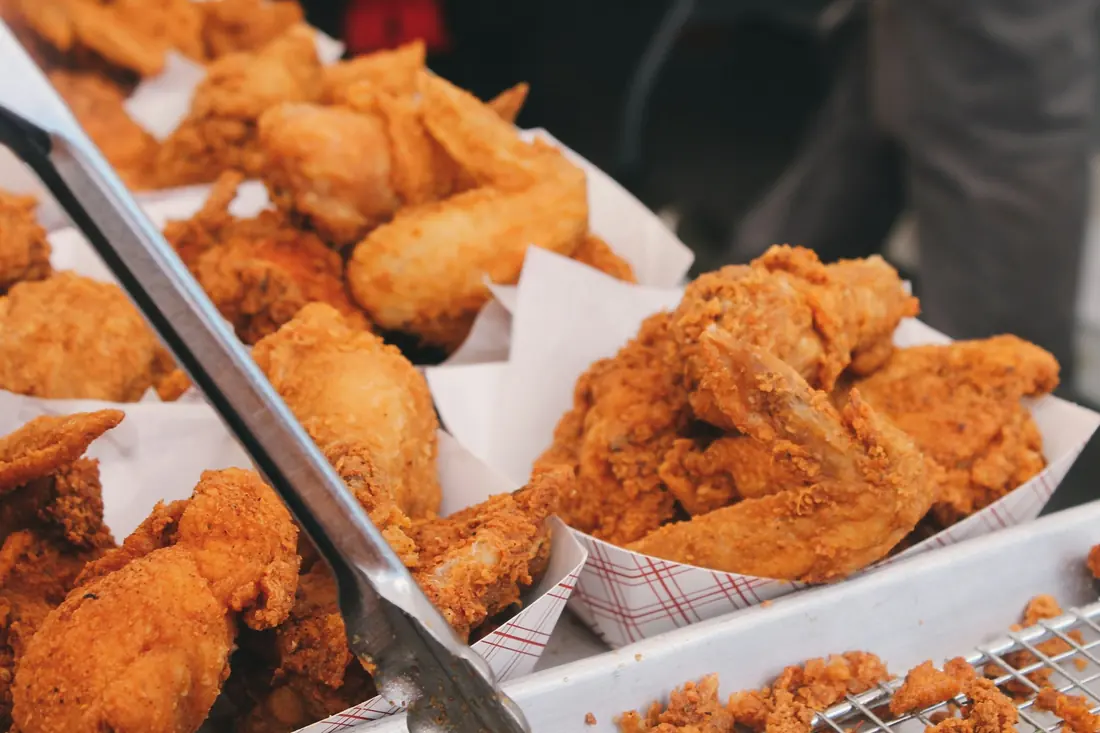
- Look at the surface. Panko produces visible spikes and shards; standard crumbs produce an even, sandy coating.
- Listen. A panko coating makes a distinctly louder, sharper sound.
- Look at the colour. Panko browns unevenly, with pale patches between golden edges. A uniformly brown coating is usually something else.
- Check how it holds. A panko coating stays separate from the food underneath rather than softening into it.
Portion size interacts with this too. A large piece of anything fried has more moisture inside it working against the coating, which is why smaller pieces stay crisp longer than one big one. If you are ordering fried food to eat later, several small items will hold up better than a single large portion.
What goes wrong with it
Three failures account for almost every disappointing crumb coating, and all three are visible.
- Soggy. Either the oil was not hot enough, so the coating absorbed rather than sealed, or the food sat covered afterwards.
- Falling off. The flour stage was skipped or the surface was wet when the coating went on.
- Dark and dense. The crumbs were pressed too hard, or the oil was old enough to be colouring the coating before it crisped.
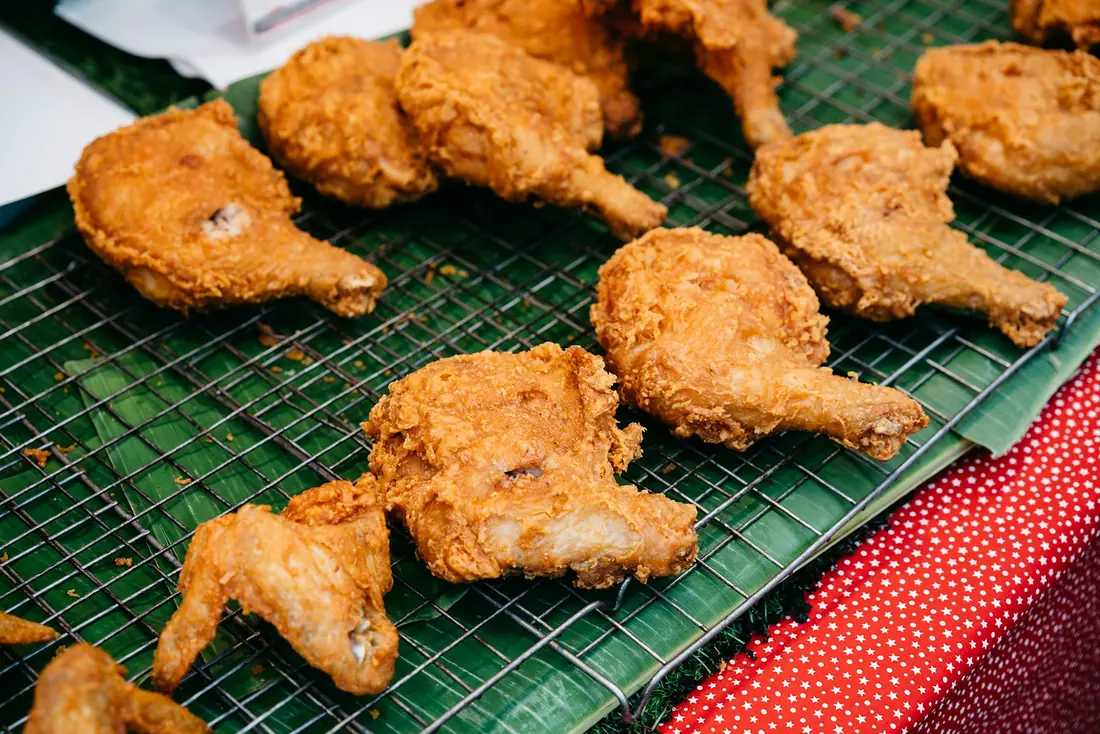
A well-fried panko coating should look almost blonde in places, with darker points where individual flakes have caught. Uniform brown is a warning rather than a sign of thorough cooking.
What it means for ordering
If you are ordering to eat at home, a panko coating is the best of the fried options for surviving the trip – not perfect, but noticeably better than batter or tempura.
Two things help further. Ask for sauces on the side rather than over the top, since sauce defeats any coating within minutes. And leave the container open on the way home if you can – trapped steam is what softens the crumb.
For more on what survives the journey, our takeout guide covers which dishes hold up, the crab rangoon piece looks at a fried appetiser in detail, and the roll comparison explains why wrapper thickness changes everything. The current selection is on the ordering page.
Frequently Asked Questions
What is panko made of?
Crustless white bread, dried and broken into large flat flakes rather than ground into fine crumbs.
Why is panko crispier than breadcrumbs?
Its flakes sit at angles with air between them, so steam escapes instead of collecting, and the open structure absorbs less oil.
Is panko the same as breadcrumbs?
It is a breadcrumb, but a distinct one. Standard crumbs are fine, dense and made from the whole loaf; panko is coarse, light and made from the interior only.
What is the crunchy topping on a sushi roll?
Usually fried panko flakes, added for texture against the soft rice and filling. Menus often describe it simply as crunch.
Does panko-coated food travel well?
Better than most fried coatings. Ask for sauces on the side and avoid sealing the container tightly, since trapped steam is what softens it.