
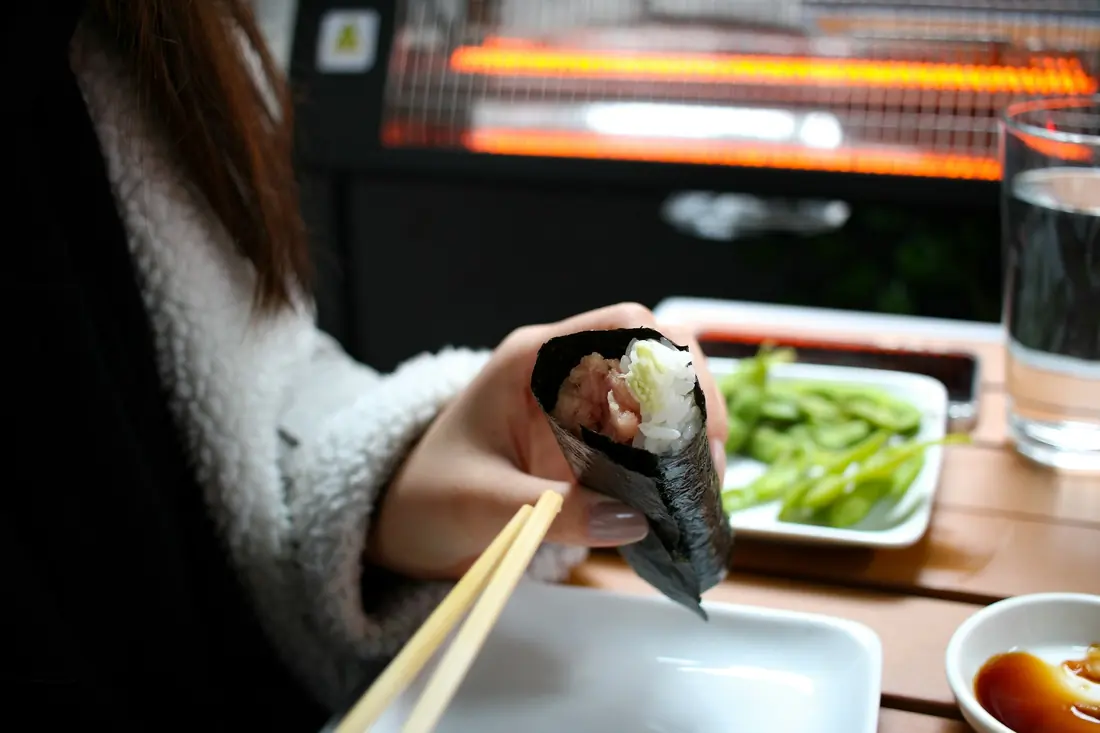
Most sushi arrives cut into neat rounds. Occasionally something turns up that looks like an ice cream cone made of seaweed, and it is not a mistake — it is a hand roll, and it is meant to be eaten differently.
The short answer
A sushi roll is rolled into a cylinder and cut into six or eight pieces, eaten with chopsticks. A hand roll, or temaki, is a single cone of seaweed wrapped around rice and filling, not cut, and eaten with your hands straight away. Same ingredients, different format.
Why the shape matters
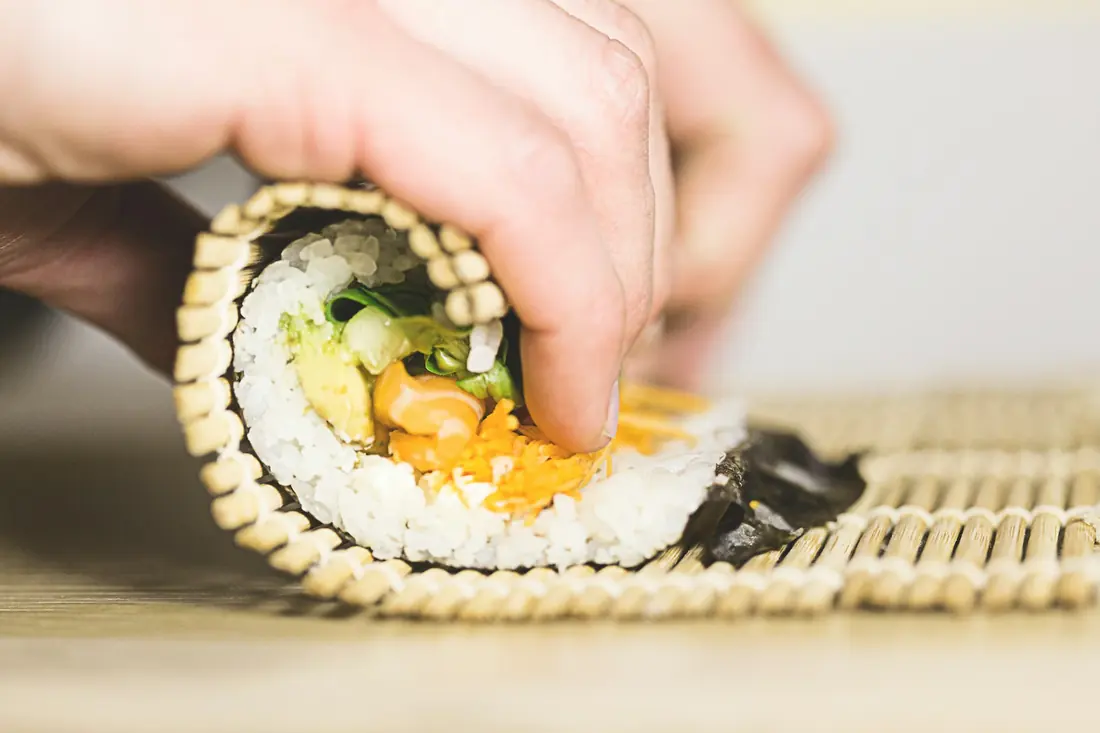
It comes down to the nori. In a cut roll the seaweed spends time in contact with the rice, softening as it sits — which is fine, because the roll is designed to hold together after cutting.
A hand roll is built to be eaten within a minute or two of being made, while the nori is still crisp enough to snap. That contrast between brittle seaweed and soft rice is the entire point, and it disappears quickly.
How each is assembled
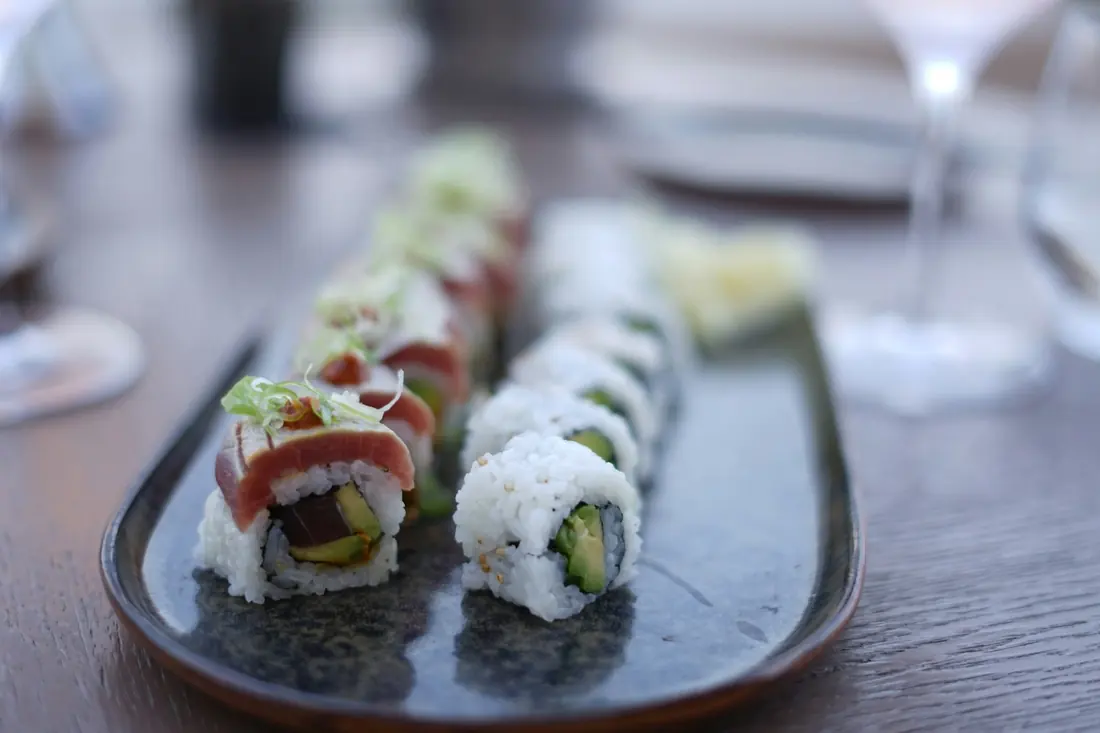
A cut roll is made on a bamboo mat. Rice is spread across a sheet of nori, the filling is laid in a line, the mat is used to roll it into an even cylinder, and the cylinder is cut with a wet knife.

A hand roll needs no mat. A half sheet of nori is held in one hand, rice is pressed into one end at an angle, the filling goes in diagonally, and the sheet is folded around it into a cone. It takes seconds, which is why sushi counters often make them to order and hand them straight over.
Hand rolls and cut rolls compared
| Hand roll (temaki) | Cut roll (maki) | |
|---|---|---|
| Shape | Cone | Cylinder, cut into pieces |
| Pieces | One | Six or eight |
| Eaten with | Hands | Chopsticks |
| Nori texture | Crisp, if eaten quickly | Softer |
| Rice to filling | More filling, less rice | More even |
| Good for sharing | No — one per person | Yes |
| Holds while waiting | Poorly | Well |
| Travels | Badly | Reasonably |
How to eat a hand roll
Pick it up. Chopsticks make it worse — the cone is not structurally designed to be gripped in the middle, and it will collapse.
- Eat it immediately. This is the one sushi format where waiting genuinely spoils it.
- Hold it at the narrow end and eat from the open top.
- Do not dip it in soy sauce. The filling is already seasoned and the nori goes soggy on contact.
- Eat it in two or three bites rather than nibbling, so it does not unravel.
Japanese cooking places a lot of weight on the moment a dish is served, and the hand roll is one of the clearest examples. The Japanese government’s guide to regional cuisine gives a wider view of how much that timing thinking runs through the food.
Where the format comes from
Temaki developed as informal food — quick to assemble, requiring no mat, no knife and no plating. That casualness is the point rather than a compromise, and it is why the format never picked up the elaborate toppings that specialty rolls carry.
It also explains the seating. Hand roll counters, where a chef makes one at a time and passes it directly across, exist because the format demands immediacy. The moment you introduce a tray, a queue or a delivery bag, the thing that makes it worth ordering has already gone.
Some restaurants now build entire menus around this, serving hand rolls in sequence the way an omakase counter serves nigiri. Most, though, treat them as one option among many.
The nori does most of the work
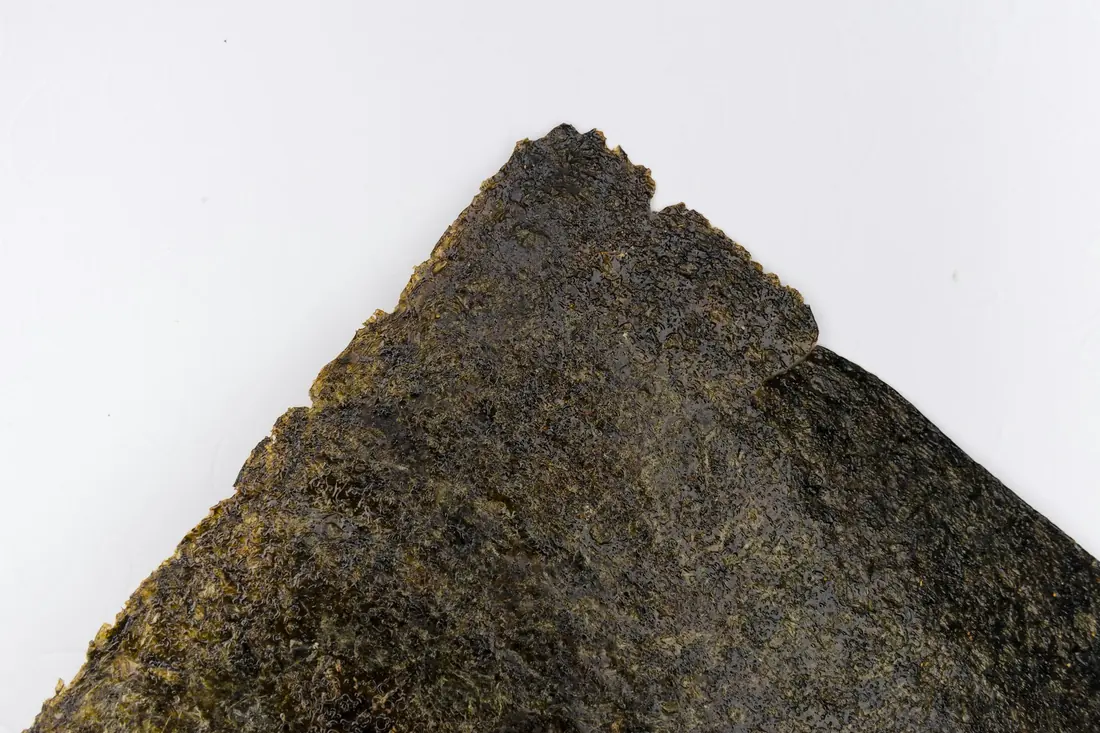
In a cut roll the seaweed is one component among several. In a hand roll it is the entire structure, the first thing you bite through and the loudest texture in the mouthful — which is why the quality of the nori matters far more here.
Good nori is toasted, dark, and snaps rather than tears. It should resist for a moment and then give way cleanly. Sheet that bends without breaking has absorbed moisture, either from the rice or from sitting out, and that is the single most common way a hand roll goes wrong.
It also explains the assembly order. The cone is folded at the last possible moment specifically so the nori spends as little time as possible in contact with warm rice, and every minute after that works against it.
Which should you order?
- Eating at a counter, alone or in a pair — hand rolls are at their best here, made and eaten one at a time.
- Sharing a table — cut rolls. They arrive in pieces designed to be divided.
- Ordering takeaway — cut rolls, without question. A hand roll will not survive the journey in any recognisable state.
- Want more filling and less rice — hand rolls have a higher ratio.
- New to sushi — cut rolls. Smaller pieces, easier to try a little of several things.
What tends to go inside one
Fillings lean simple, because a cone holds less than a cylinder and there is no flat surface for a topping. One or two components is normal — spicy tuna, salmon and avocado, or a single vegetable.
- Single fish — tuna, salmon or yellowtail, sometimes with scallion.
- Fish plus one soft component — usually avocado or cucumber.
- Cooked options — shrimp tempura or crab salad, which work well because the crunch plays against the crisp nori.
- Vegetable — cucumber, avocado or pickled radish on their own.
Because there is less rice proportionally, the filling registers more strongly than it does in a cut roll. That makes hand rolls a good way to taste one ingredient clearly, and a poor way to sample something complicated.
What you will find on most menus
Cut rolls dominate American sushi menus, and specialty rolls in particular are almost always cut — the toppings and sauces that define them need a flat surface to sit on, which a cone does not provide.
Hand rolls, where offered, tend to be simpler: one or two fillings, minimal sauce. That is a function of the format rather than a lack of ambition.
Roll & Go Sushi’s specialty rolls follow the cut-roll pattern — the Geisha, for instance, is shrimp tempura and crab mix topped with fresh salmon, which needs the roll to be cut and laid flat for the topping to work. You can see the current roll selection or read about which rolls suit a first order.
Making the most of one
If you do order a hand roll, a few small decisions change the experience considerably.
- Order it last rather than first, so it arrives when you are ready to eat it.
- Ask for it to come out on its own rather than with the rest of the order.
- Do not let it sit while you photograph or pass it around — the clock starts as soon as it is folded.
- Eat it from the wide end down, so the filling does not fall out of the bottom.
If the restaurant is busy and things are arriving in batches, a cut roll is the better choice. A hand roll that has waited ten minutes on a pass is simply a worse version of a roll you could have ordered instead.
Frequently Asked Questions
Are hand rolls cut into pieces?
No. A hand roll is served whole as a single cone and eaten in a few bites.
Should you eat a hand roll with chopsticks?
No. Hands are the intended way, and chopsticks tend to break the cone. It is one of the few sushi items where using your hands is clearly correct.
Why do hand rolls have to be eaten quickly?
The nori starts absorbing moisture from the rice as soon as it is assembled. Within a few minutes the crisp texture that defines the format is gone.
Can you order hand rolls for takeaway?
You can, but they will not be at their best. Cut rolls hold up far better over even a short journey.
One is built to be shared and to keep; the other is built to be eaten in the next sixty seconds. Choosing between them is mostly a question of where you are eating.
Browse the sushi and specialty rolls, or read about cooked and raw fillings if you are still deciding.