
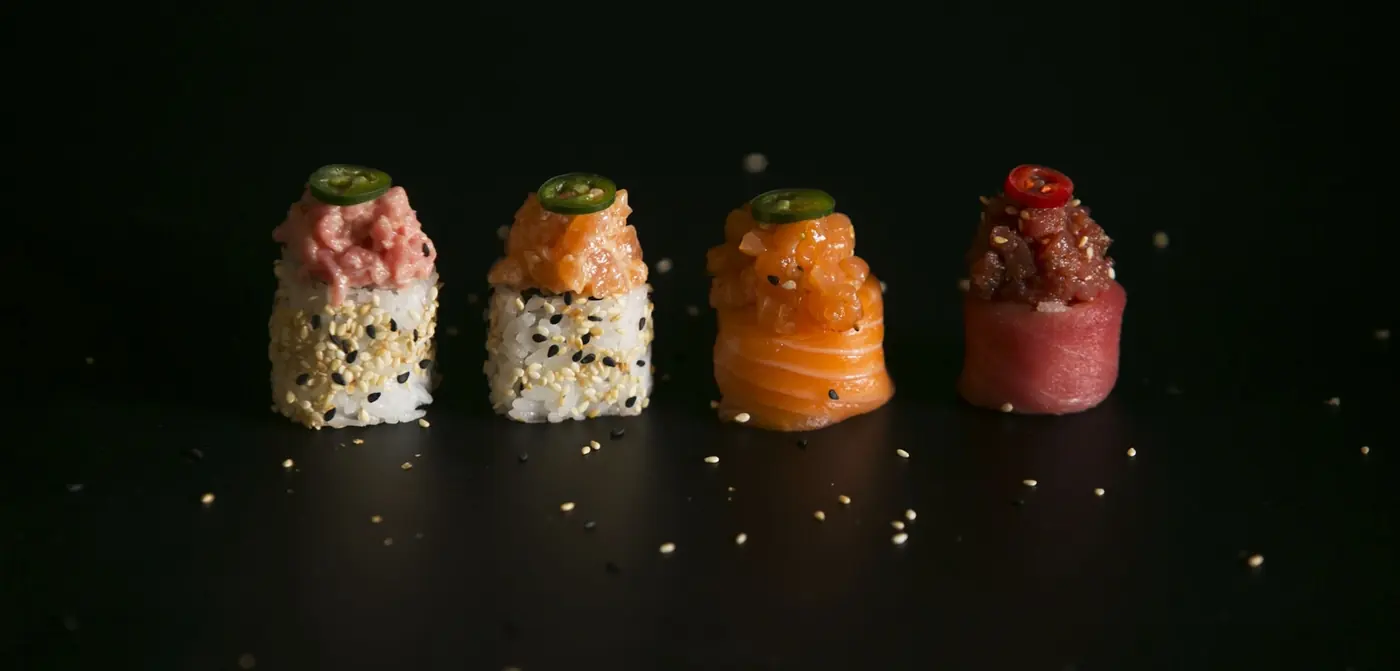
“Is it raw?” is the single most common question at a sushi counter, and the honest answer is that it depends entirely on the roll. Plenty of sushi contains no raw fish.
The short answer
Cooked rolls use fried, poached, grilled or imitation-seafood fillings and are served at or near room temperature. Raw rolls use uncooked fish as the main component. Many popular rolls sit in between — a cooked centre with a few slices of raw fish laid across the top.
What counts as a cooked roll
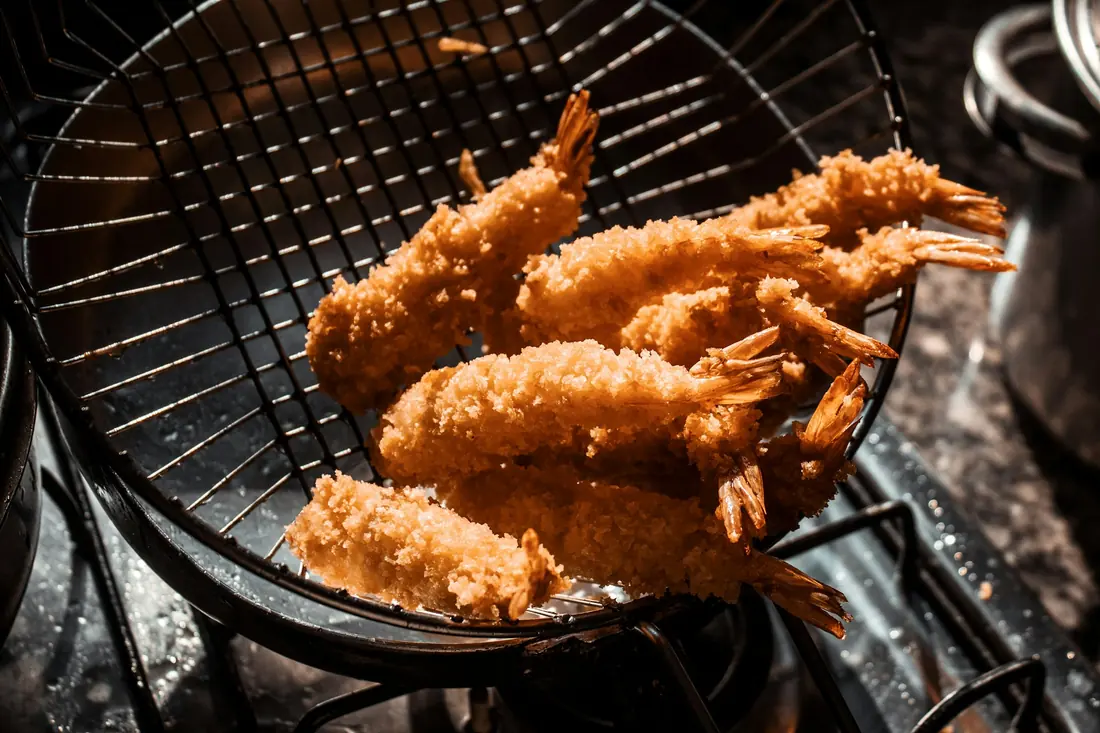
Cooked does not only mean fried. Several categories qualify, and they taste quite different from one another.
- Tempura — shrimp or vegetables in a light batter, fried until crisp. Britannica’s entry on tempura traces the technique’s arrival in Japan through Portuguese traders in the sixteenth century.
- Crab salad — usually a seafood blend bound with mayonnaise. Mild and the most common cooked filling on American menus.
- Glazed and grilled fish — eel is the classic example, cooked and brushed with a sweet, dark sauce.
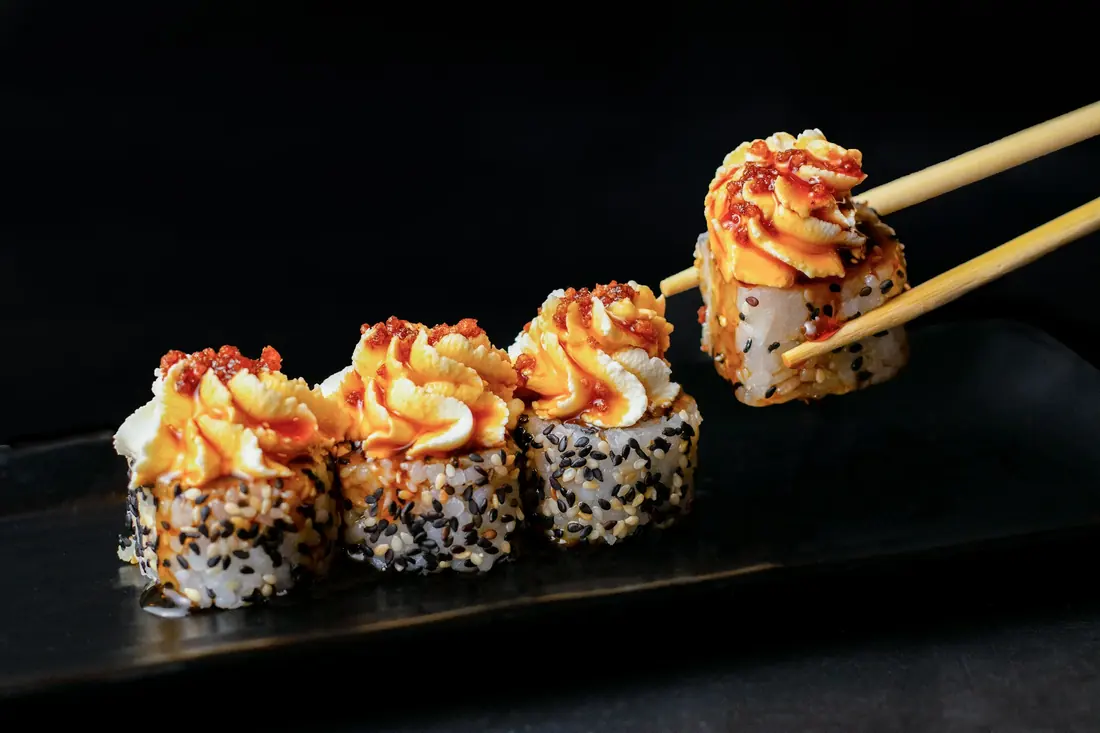
- Baked or torched rolls — finished under heat, often with a creamy topping that browns slightly.
What a raw roll actually involves
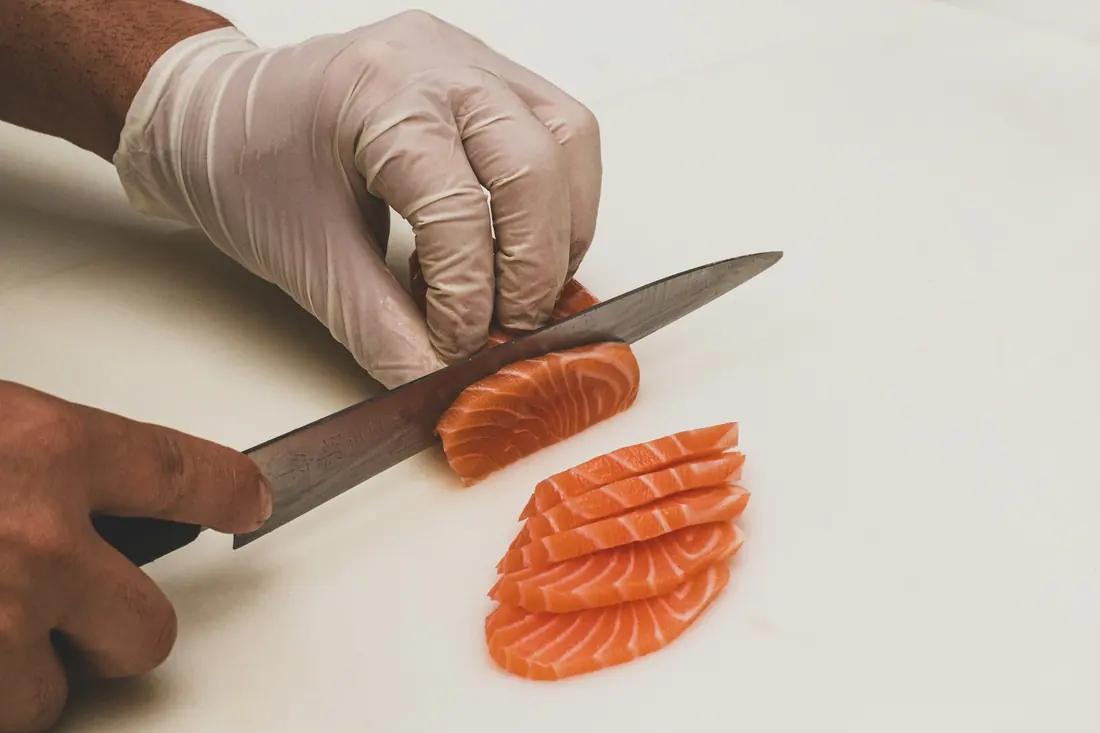
Raw rolls put uncooked fish at the centre rather than on top. Texture is the real difference: raw fish is soft and clean-tasting, and it carries sauce very differently from a fried filling.
Fish served this way is handled under specific conditions. The FDA’s advice about eating fish sets out who should be careful with raw seafood, including people who are pregnant, young children and anyone with a weakened immune system.
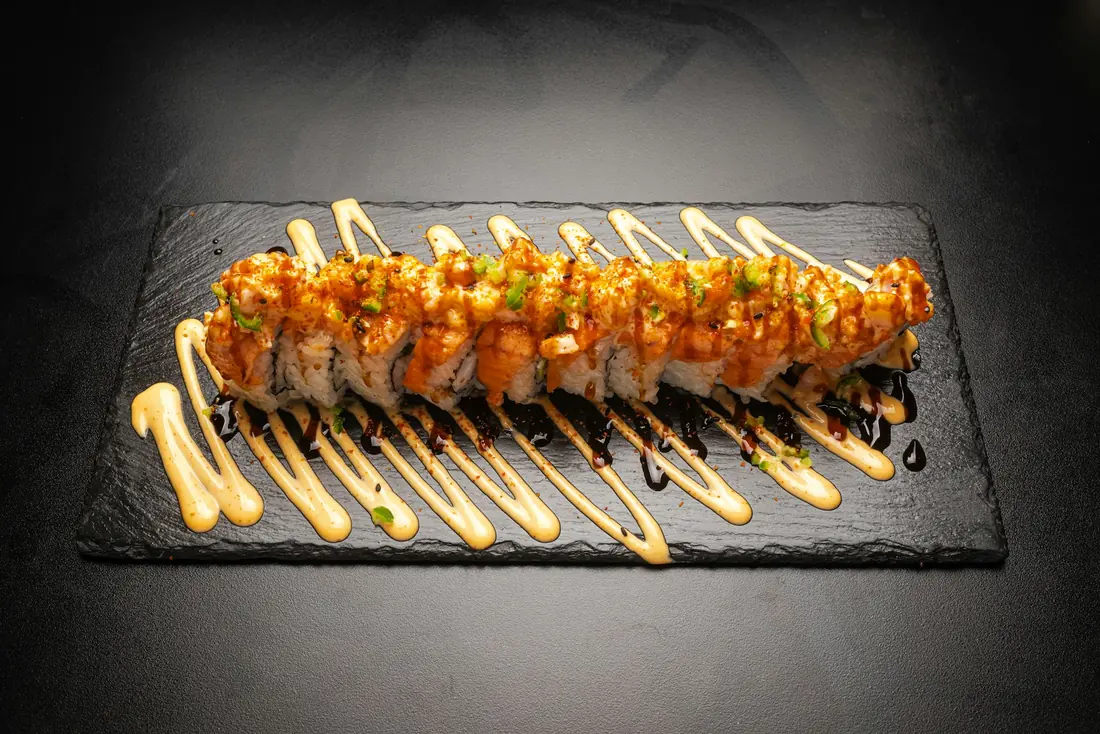
Cooked and raw rolls compared
| Cooked rolls | Raw rolls | |
|---|---|---|
| Texture | Crisp, warm or creamy depending on method | Soft, smooth, cool |
| Flavour | Sauces and frying lead | The fish itself leads |
| Temperature | Warm centre in tempura and baked rolls | Served cool |
| Sauce | Usually a central part of the roll | Used sparingly |
| Travels well | Generally yes — holds up to a short drive | Best eaten soon after it is made |
| Good starting point | Yes | Better once you know you like the texture |
The middle ground: a cooked centre with raw fish on top
Many specialty rolls are built this way deliberately. The filling is fried or creamy, and a few slices of raw fish are laid across the outside. You get raw fish in a small, controlled amount alongside a texture you already recognise.
On Roll & Go Sushi’s menu the Geisha follows this pattern — shrimp tempura and crab mix topped with fresh salmon — as does the Tan GO, which adds avocado and is topped with fresh tuna. If you want to try raw fish without ordering a fully raw roll, this is the format to look for. You can check the current roll selection before ordering.
Which should you order?
- New to sushi — start cooked. Tempura or crab salad.
- Dislike the idea of raw fish specifically — glazed cooked fish gives you the flavour without the texture.
- Curious but hesitant — a topped roll, where raw fish is a garnish rather than the filling.
- Ordering for pickup or delivery — cooked rolls generally hold their texture better over a short journey.
Ordering for a mixed group
If some people at the table eat raw fish and others do not, order across both columns rather than negotiating. Two cooked rolls, one topped roll and a shared soup gives everyone something without anyone compromising.
A shared soup is a useful anchor here — Roll & Go Sushi’s menu includes a Vietnamese-style pho noodle soup served with fresh herbs and vegetables, alongside miso and onion soups. Our guide to what pho actually is covers how it is put together.
Why texture matters more than you expect
People who say they dislike sushi are usually describing texture rather than flavour. Raw fish is soft and yielding in a way that has no real equivalent in most Western cooking, and that unfamiliarity is what puts people off far more often than the taste does.
Cooked rolls sidestep this entirely. A shrimp tempura roll is crisp on the outside and warm in the middle; a crab salad roll is creamy and cool. Both are textures anyone already knows. That is why they work as a starting point, and why someone who dislikes one raw roll should not conclude they dislike sushi.
Telling cooked from raw on the menu itself
You can usually work this out from the description alone, without asking. A few words do almost all of the signalling.
- Tempura, crunchy, fried, baked, grilled, glazed — cooked.
- Crab mix, crab salad, imitation crab — cooked.
- Fresh salmon, fresh tuna, spicy tuna, yellowtail, hamachi — raw.
- Smoked salmon, eel, shrimp (not tempura) — cooked, though the texture is closer to raw fish than to anything fried.
The word fresh in front of a fish name is the clearest raw signal on most American menus. When a description reads “topped with fresh salmon”, the salmon on top is raw even if everything inside the roll is cooked.
Where a description is genuinely ambiguous — and some are — ask. Kitchens vary, and the same roll name can be built two different ways in two restaurants.
What the sauces actually are
Sauce is one of the biggest differences between cooked and raw rolls, and the names on a menu are rarely self-explanatory.
- Eel sauce — dark, thick and sweet, closer to a reduced soy glaze than anything fishy. It appears on cooked and glazed rolls far more often than raw ones.
- Spicy mayonnaise — mayonnaise blended with chilli sauce. Creamy first, warm second. This is what “spicy” usually means on a sushi menu.
- Ponzu — a thin citrus and soy dressing, sharp rather than sweet, and more common alongside raw fish.
If you are unsure whether you will like a roll, the sauce is often the deciding factor rather than the fish. Asking for it on the side is a normal request.
Ordering cooked rolls for pickup or delivery
Cooked rolls are the more practical choice when food has to travel. Tempura softens but holds together, crab salad rolls are unaffected, and glazed rolls arrive much as they left. Fully raw rolls are best eaten close to where they were made.
- Choose cooked or vegetable fillings if the journey is more than a few minutes.
- Ask for sauces on the side so nothing goes soft in transit.
- Keep the container flat rather than upright, which stops toppings sliding off.
- Eat it soon after it arrives — refrigerating sushi rice makes it hard and dry.
Roll & Go Sushi takes pickup orders by phone and works with several delivery partners, so the practical choice often comes down to how far the food has to go. The ordering page lists the current options.
Frequently Asked Questions
Which sushi rolls are completely cooked?
Tempura rolls, crab salad rolls, grilled or glazed eel rolls, baked rolls and vegetable rolls contain no raw fish. Always confirm with the restaurant, since recipes vary between kitchens.
Is a California roll raw?
Usually not. It is typically made with imitation crab, avocado and cucumber, all of which are cooked or raw vegetables rather than raw fish.
Does a tempura roll stay crispy for delivery?
Partly. The batter softens as it sits, so tempura rolls are best eaten shortly after they are made, though they still hold together better than fully raw rolls.
Can I ask for a roll to be made without raw fish?
Often yes, though it depends on the roll and the kitchen. Ask when you order rather than assuming a substitution is possible.
Cooked and raw are not a hierarchy. They are two different eating experiences, and most people end up ordering both depending on the day.
Have a look at the current sushi and specialty rolls, or read our guide to what makes a roll a specialty roll.