Category: Appetizers

Thirteen guides to the small plates that start a meal at Roll & Go Sushi in Daphne: crab rangoon, egg rolls, edamame, tempura and the sauces beside them.

  • Egg Rolls vs Spring Rolls: What’s the Difference?

    Egg Rolls vs Spring Rolls: What’s the Difference?

    These two names get used interchangeably, and on a lot of menus they are describing genuinely different things. The confusion is worth clearing up, because ordering one when you wanted the other is a common and easily avoided disappointment.

    The short answer

    An egg roll is thick, bubbly and deep fried in a wheat-flour wrapper. A spring roll is thinner – and it may be either fried in a delicate wrapper or served fresh and unfried in translucent rice paper.

    So the real distinction is not two things but three, and the third is where most of the confusion comes from.
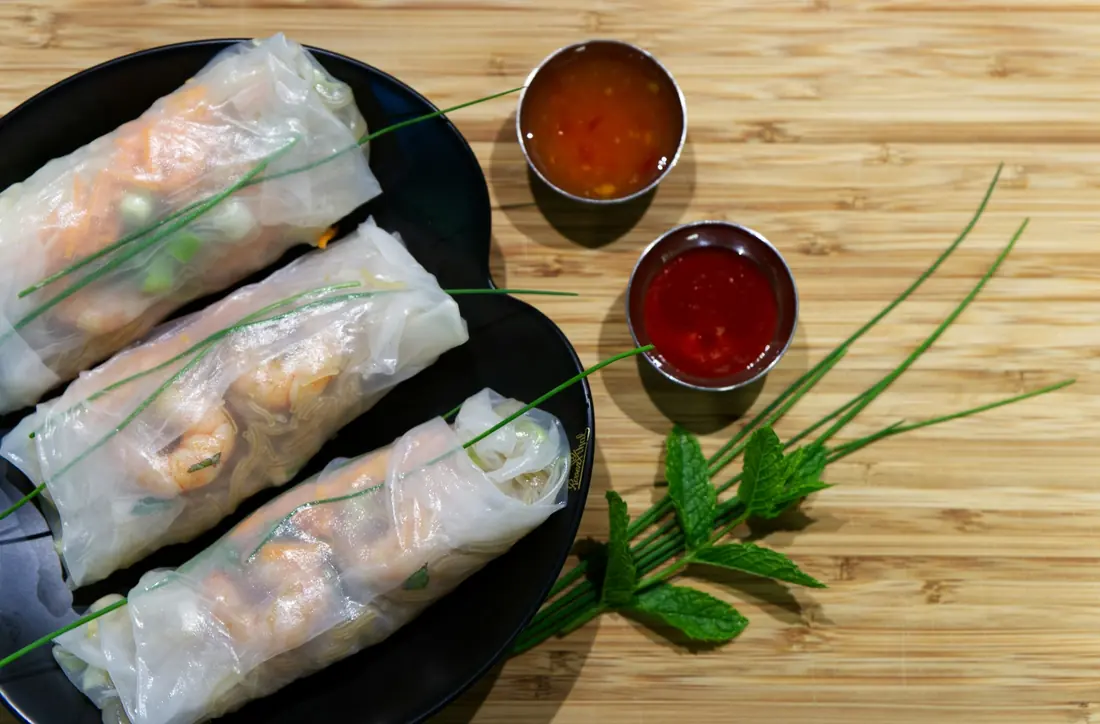
    Translucent fresh rolls filled with herbs and vegetables

    What an egg roll is

    An egg roll is the substantial one. The wrapper is a thick wheat dough, the filling is usually cabbage-based with a protein, and deep frying gives the outside its characteristic blistered, bubbled surface.

    It is an American-Chinese restaurant staple rather than a dish with a long history in China, and it is built for that setting: filling, sturdy, and good with a sweet dipping sauce.

    What a spring roll is

    Spring rolls are the older and broader category. The name refers to the season – they were eaten to mark the beginning of spring, filled with the first vegetables of the year. Britannica’s entry on the spring roll traces that origin.

    Fried spring rolls use a much thinner wrapper than an egg roll, so they come out crisp and light rather than chewy. They are usually smaller, and there are usually more of them.
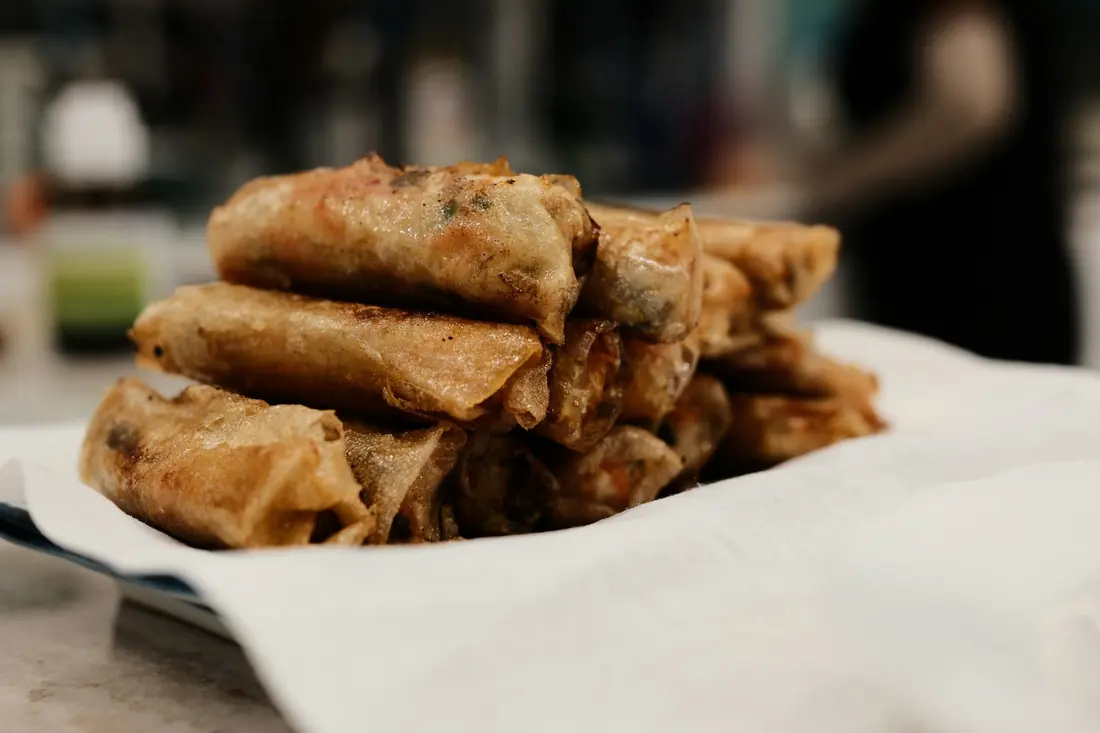
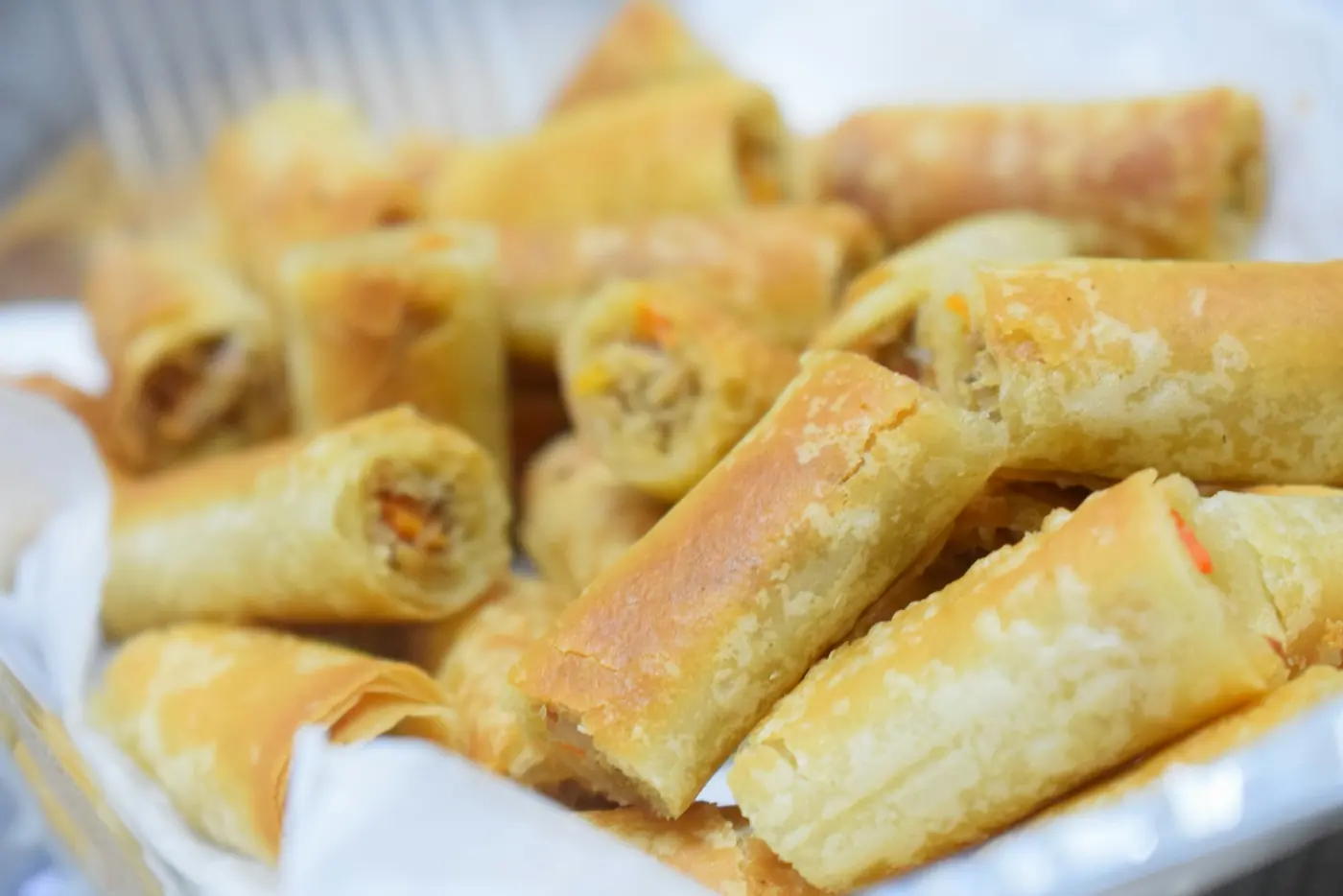
    Thin crispy fried rolls stacked on a board

    And then there are fresh rolls

    The third thing is the one people are often actually thinking of. Fresh rolls are wrapped in softened rice paper, are not fried at all, and are served cold – translucent, so you can see the herbs and vegetables inside.

    They are frequently listed as spring rolls, sometimes as summer rolls, and occasionally as fresh rolls. If the description mentions rice paper, herbs, or serving with a dipping sauce and no mention of frying, that is what you are getting.
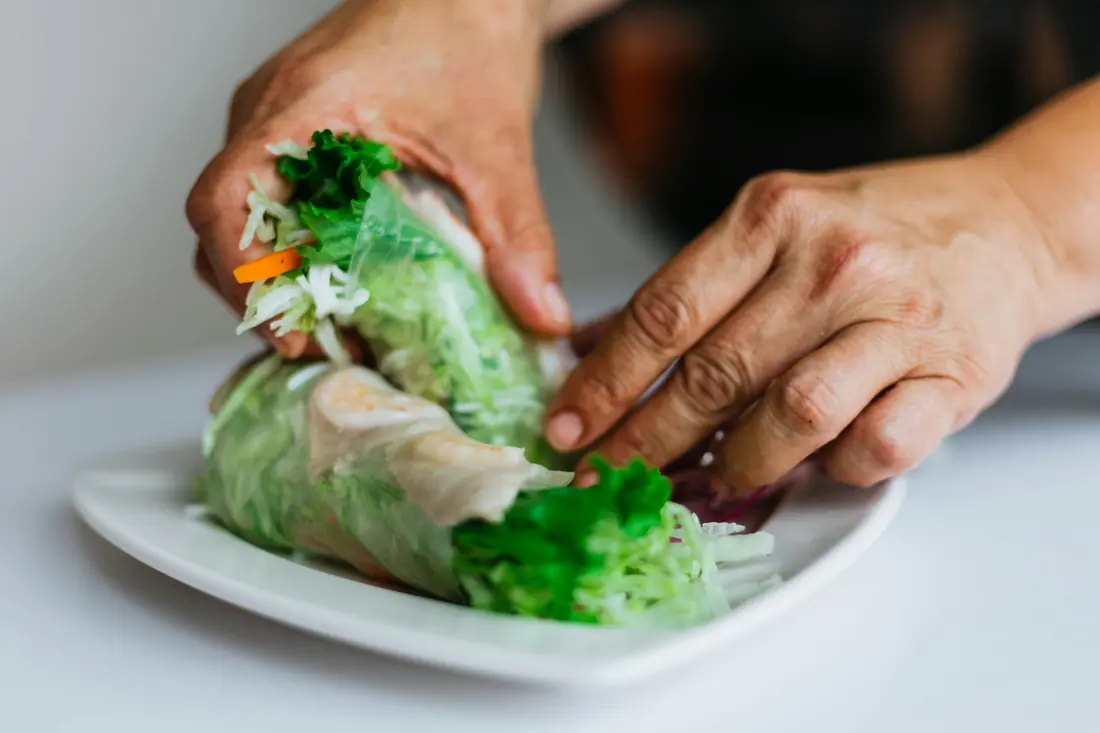
    A vegetable filling being rolled into a wrapper

    What goes inside them

    Cabbage does most of the work in both fried versions, and there is a practical reason for it. Shredded cabbage holds its shape through frying, releases very little water into the wrapper, and stays pleasant to eat when hot.

    Around it you will usually find carrot for colour and sweetness, sometimes bean sprouts or mushroom for texture, and often a small amount of protein – the filling is vegetable-led rather than meat-led even when meat is listed.

    Fresh rolls work on completely different principles. Nothing is cooked into submission, so the filling is built from things that are good raw and cold: leaves, herbs, thin vegetable strips, cooked shrimp or slices of cooked meat, and sometimes a small bundle of soft noodles.

    The three compared

    Egg rollFried spring rollFresh roll
    WrapperThick wheat doughThin wheat pastryRice paper
    CookedDeep friedDeep friedNot cooked
    SurfaceBubbled and roughSmooth and crispSoft and translucent
    ServedHotHotCold
    SizeLarge, few per orderSmaller, several per orderMedium, cut in half
    FillingCabbage and proteinVegetables, sometimes proteinHerbs, vegetables, protein
    Egg rolls, fried spring rolls and fresh rolls side by side

    The wrappers, in more detail

    Everything about how these behave comes down to the wrapper, and the three are not variations on one thing.

    • Egg roll wrapper – a thick wheat dough. In hot oil it puffs and blisters, which is where the rough bubbled surface comes from, and it stays substantial enough to be chewy rather than shattering.
    • Spring roll pastry – a much thinner wheat sheet. It crisps almost immediately and stays smooth, so the result is light and snaps rather than chews.
    • Rice paper – a dried translucent sheet that is not fried at all. It is dipped briefly in water until pliable, then wrapped while still slightly firm, because it continues to soften as it sits.

    This is also why they cannot be swapped. Rice paper in a fryer behaves nothing like wheat pastry, and an egg roll wrapper served unfried would be inedible.

    How to tell which one a menu means

    Menu wording is inconsistent between restaurants, but a few signals are reliable.

    • “Crispy” or “fried” means it is going to arrive hot in a fried wrapper.
    • “Fresh”, “summer” or “rice paper” means the cold, unfried version.
    • A herb list – mint, cilantro, basil – almost always indicates a fresh roll, because those herbs would be wasted in a fryer.
    • A count in the description – two pieces usually means fresh rolls cut in half; four or more usually means fried.

    Where a menu says only “spring roll” with no other detail, fried is the safer assumption.
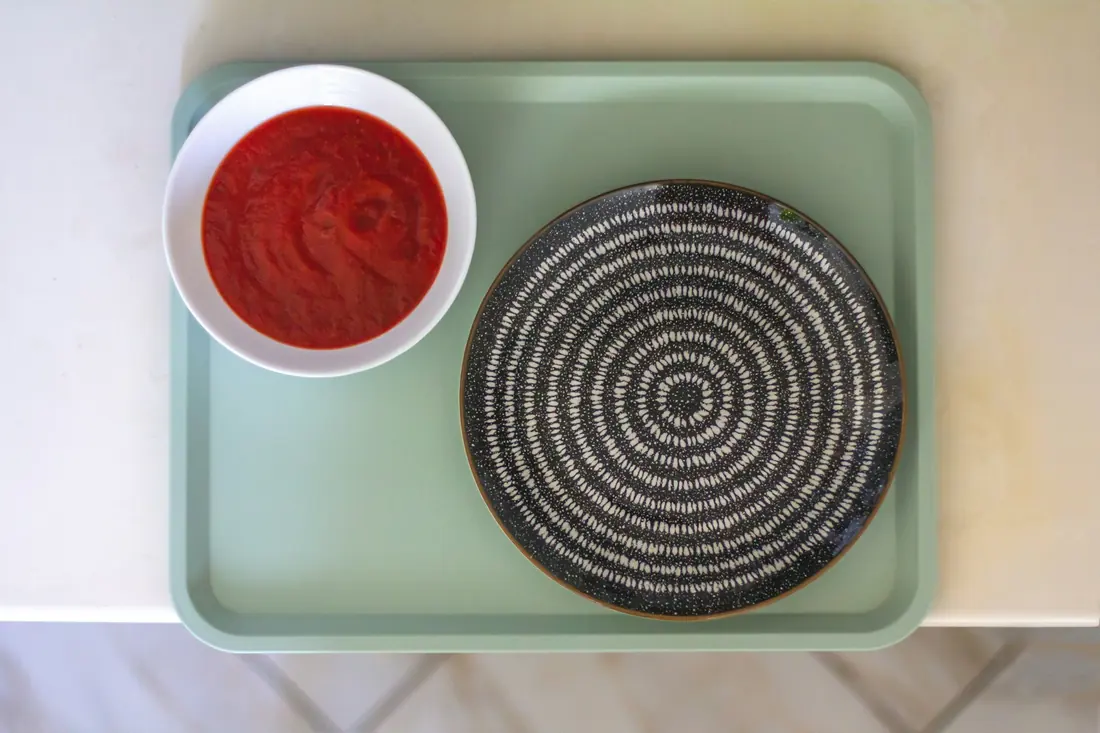
    A small bowl of red dipping sauce on a tray

    One more thing to watch for is the count. A menu that lists a piece count is usually being precise about it, and two of something is a very different order from six of something when you are feeding more than one person.

    Which to order

    It depends less on preference than on what else is coming.

    1. Ordering something rich and fried already? Fresh rolls balance the table.
    2. Ordering soup or something light? A fried roll gives the meal some contrast.
    3. Feeding a group with varied tastes? Fried spring rolls divide more evenly than egg rolls, because there are more of them.
    4. Eating at home rather than in? Egg rolls survive the trip best of the three.

    The sauces that come with them

    The sauce is usually a good indication of which roll you have been given, because the pairings are fairly consistent.

    • With egg rolls – a thick sweet sauce, often orange or amber, sometimes a sharper mustard alongside it.
    • With fried spring rolls – a thin sweet chilli sauce, bright red and flecked with seeds.
    • With fresh rolls – either a thick nutty sauce or a thin, sharp, sweet-salty dipping sauce, depending on the kitchen.

    If a roll arrives with a thin sharp sauce rather than a thick sweet one, that is usually a signal you are in fresh-roll territory even if the menu called it a spring roll.

    Which travels and which does not

    This is where the difference matters most. A thick egg roll wrapper stays recognisably crisp for a surprisingly long time. A thin fried spring roll softens much faster, because there is less structure holding the crispness.

    Fresh rolls are the opposite problem. They do not go soggy, but rice paper stiffens and turns gummy when it is chilled, so they are best eaten within an hour or so of being made and are better eaten in than taken away.
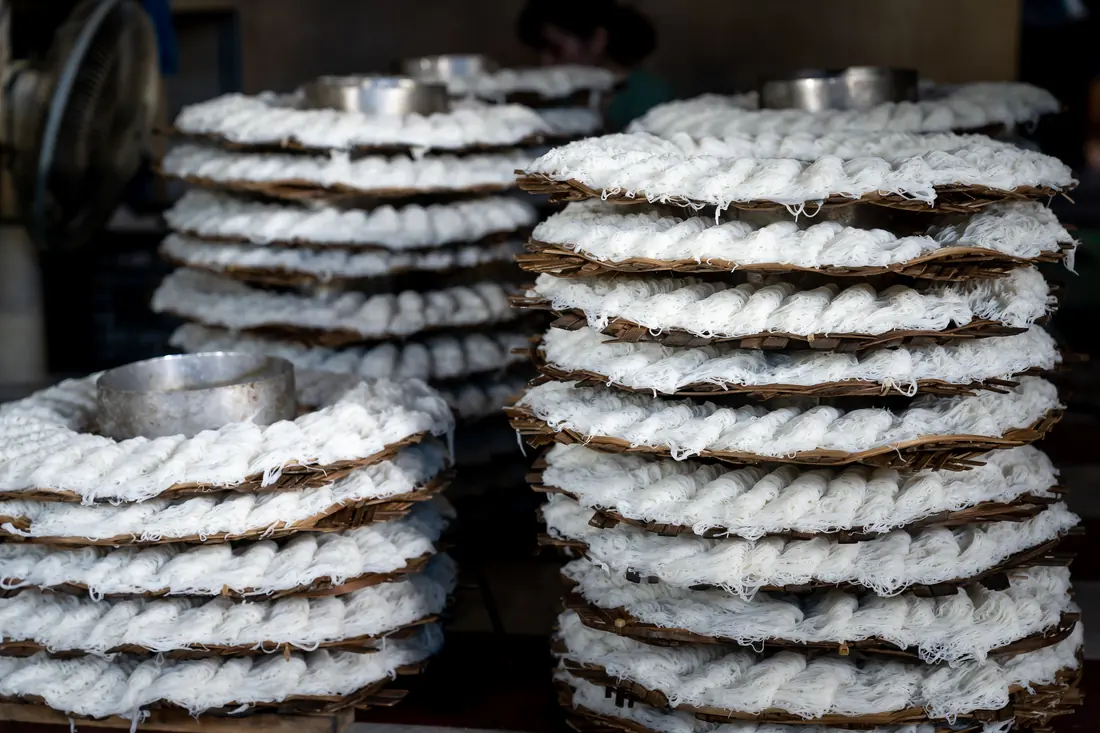
    Dried rice paper sheets stacked in a pile

    Fried appetisers behave in similar ways, so our guide to crab rangoon is worth a look if you are ordering more than one, and the takeout guide covers what holds up on the drive home. The current appetiser selection is on the ordering page.

    Frequently Asked Questions

    What is the main difference between an egg roll and a spring roll?

    The wrapper. An egg roll uses a thick wheat dough that bubbles when fried; a spring roll uses a much thinner wrapper, or rice paper if it is a fresh roll.

    Are spring rolls always fried?

    No. Fried spring rolls are crisp and served hot. Fresh spring rolls, sometimes called summer rolls, are wrapped in rice paper and served cold without frying.

    Why is it called a spring roll?

    The name refers to the season. They were eaten to mark the start of spring and filled with the first vegetables of the year.

    Which one is bigger?

    Egg rolls are the largest of the three and usually come two to an order. Fried spring rolls are smaller and come in greater numbers.

    Which is better for takeout?

    Egg rolls. The thick wrapper holds its texture longest. Thin fried spring rolls soften quickly, and fresh rolls stiffen once chilled.
  • What Is Edamame? How to Eat It

    What Is Edamame? How to Eat It

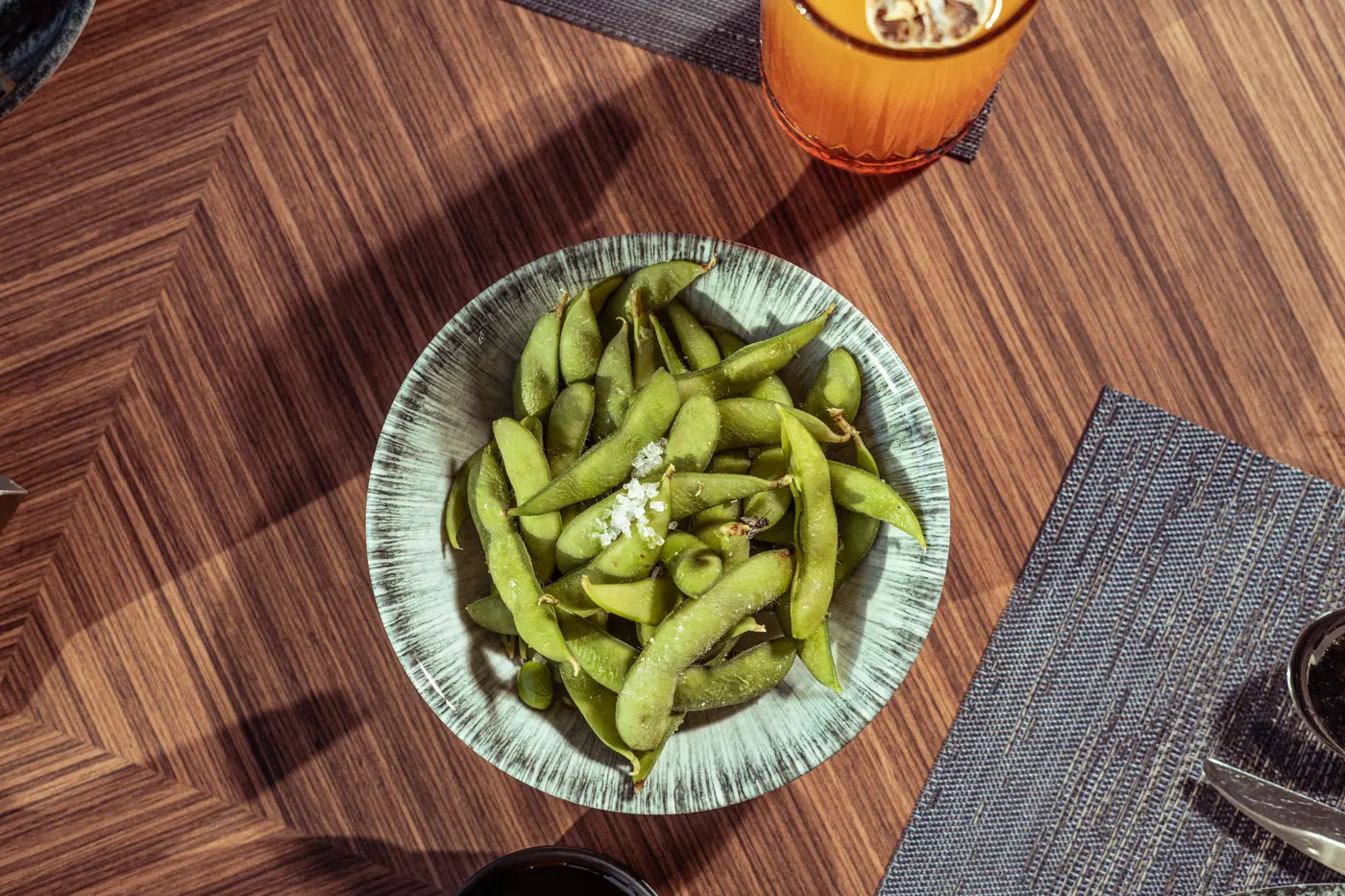
    A bowl of bright green pods arrives, and if you have not met them before it is not immediately obvious what to do. Edamame is one of the simplest things on any Japanese menu, and one of the easiest to get wrong on the first try.

    What is edamame?

    Edamame is a young soybean, picked while the pod is still green and the beans inside are soft. The pods are boiled or steamed, salted, and served warm or cold in a bowl to be eaten with your hands.

    The name is descriptive rather than exotic – it refers to beans on a branch, which is how they were traditionally sold and eaten.

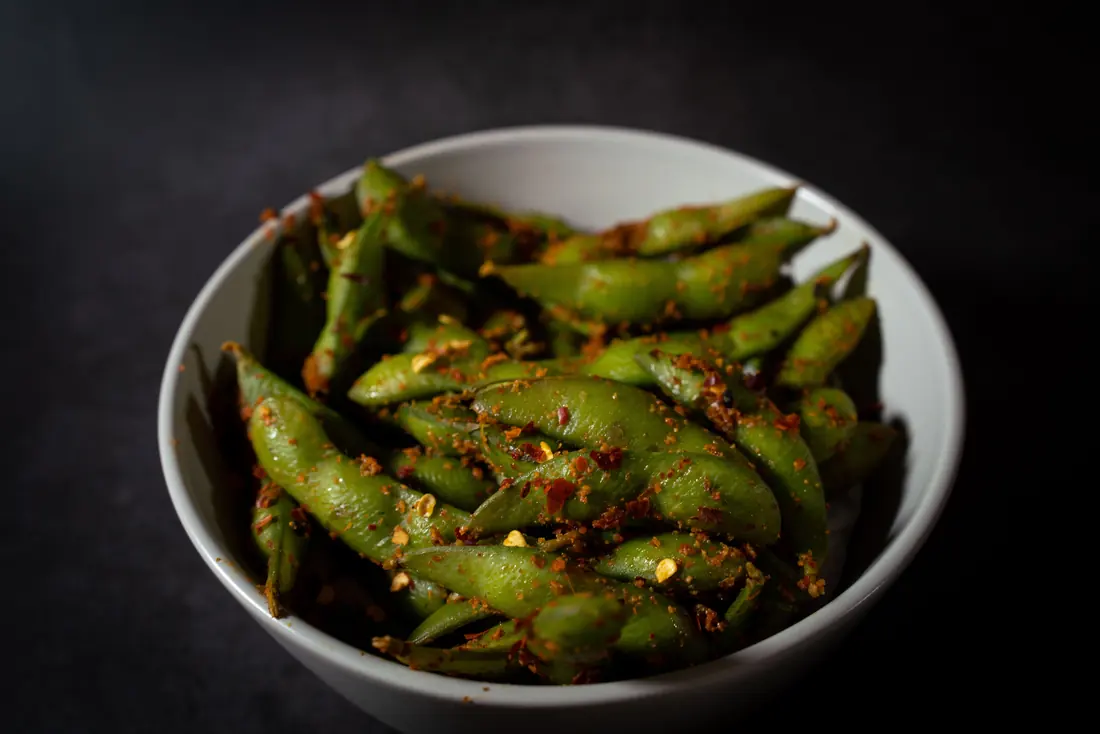
    Edamame pods tossed with seasoning in a bowl

    No, you do not eat the pod

    This is the single most common question about edamame, and the answer is that the pod is a container, not part of the dish. It is fibrous and tough and is not meant to be chewed.

    What you eat are the beans inside. The pod’s job is to hold the salt on the outside and to keep the beans from drying out, and both of those are reasons the beans are cooked in it rather than shelled first.

    How to eat it

    1. Pick up a pod with your fingers. Chopsticks are unnecessary and awkward here.
    2. Put one end in your mouth and draw the pod through your teeth, so the beans pop out as it passes.
    3. The salt on the outside of the pod comes with them – that is the point of the technique.
    4. Put the empty pod in the second bowl, or on the side of the first if only one arrives.

    If you shell them by hand and eat the beans on their own, you get the beans without the seasoning, which is why the drawing-through method is standard rather than fussy.

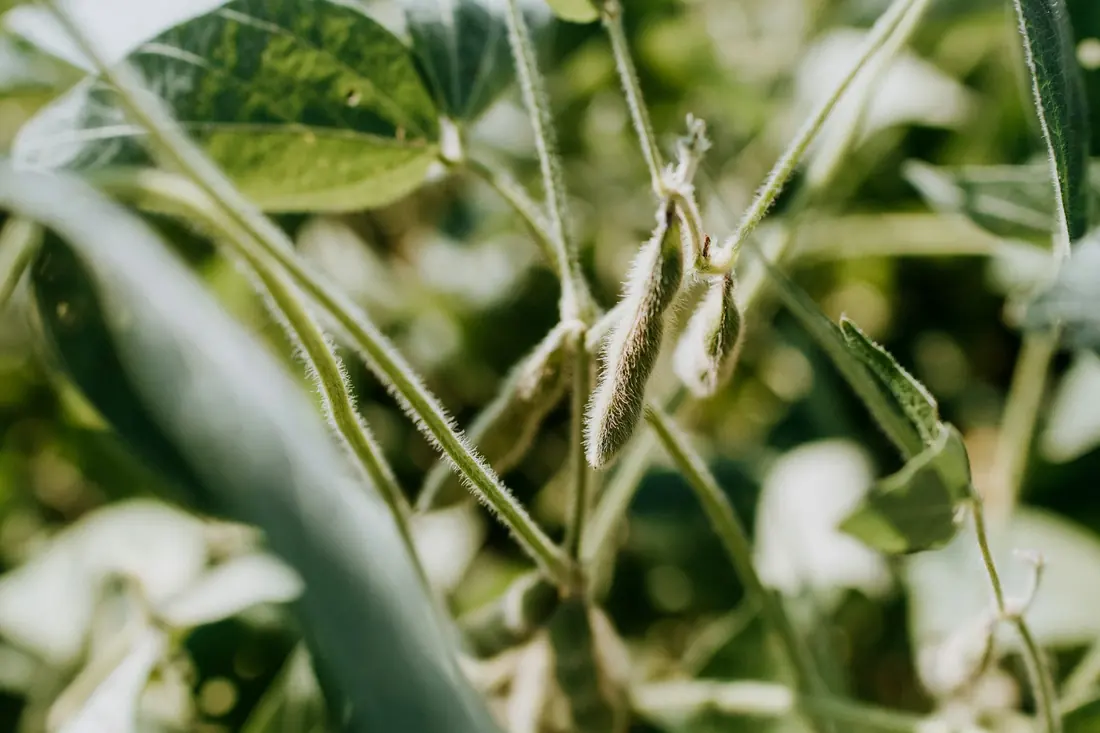
    Soybean pods growing on the plant

    Where it comes from

    Soybeans have been cultivated in East Asia for thousands of years and are one of the most widely grown crops in the world; Britannica’s entry on the soybean covers how far that cultivation reaches.

    Most of that crop is harvested mature and dry, when the beans are hard and pale. Edamame is the same plant caught earlier, while the pods are still green and the beans are tender enough to eat directly.

    That timing is the whole difference. A mature soybean needs long cooking or processing before it is edible; a young one needs a few minutes in salted water.

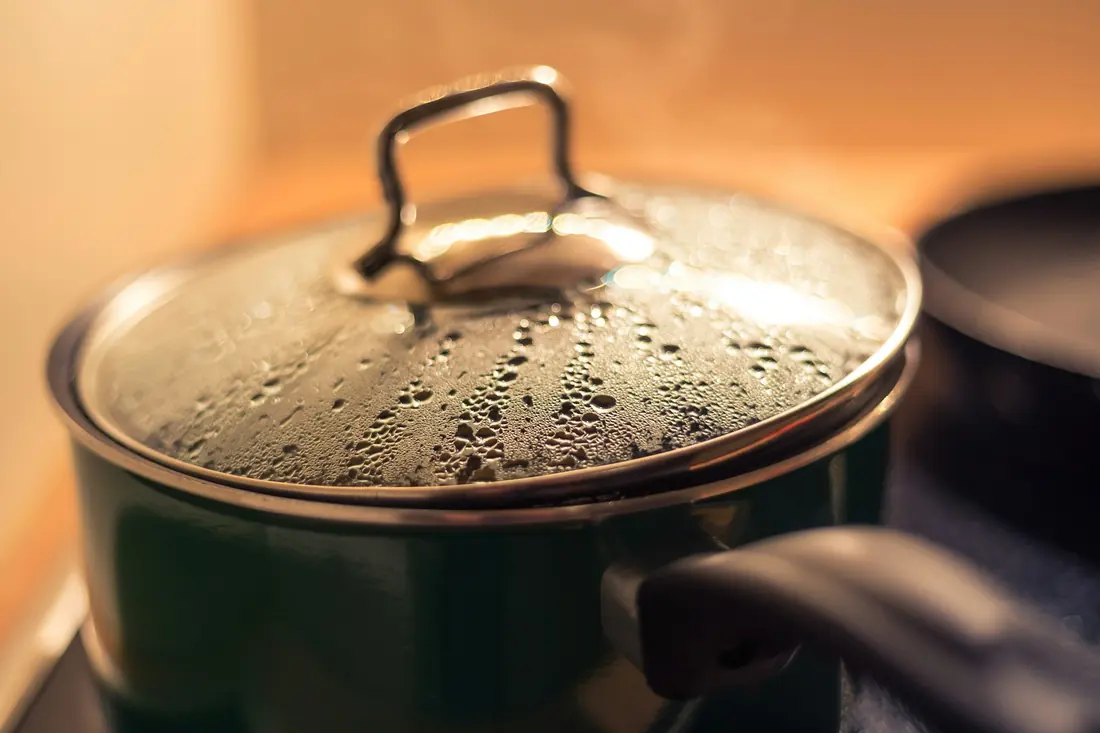
    Steam rising from a pot on the stove

    How it is cooked

    The method is short and there is not much to it. The pods go into boiling salted water for a few minutes, or into a steamer for slightly longer, and come out while the beans are still firm.

    They are then salted again on the outside, which is the step that matters most for how it eats. Salt on the pod is what you taste first, and it is the reason the beans need no seasoning of their own.

    Overcooking is the only real way to spoil it. A pod left too long goes olive-drab and the beans turn mealy, which is why the bright green colour is a reasonable signal that a bowl has been handled properly.

    Edamame and other soy foods

    EdamameTofuMiso
    Made fromYoung green soybeansCurdled soy milkFermented soybean paste
    ProcessingAlmost none – cooked in the podPressed into blocksFermented over months
    TextureFirm, faintly sweet beansSoft to firm, mildThick savoury paste
    ServedIn the pod, saltedIn soup, fried, grilledDissolved into broth
    Eaten asA starterPart of a dishA seasoning
    Three soy foods you will meet on the same menu

    It is a useful comparison because the three turn up together constantly and appear to have nothing in common. They are the same bean at three completely different stages of processing.

    The pods are also a rare case where the serving vessel matters. A wide shallow bowl lets them cool evenly and stays easy to reach across a table; a deep one keeps the bottom layer warm but makes the last few awkward to get at.

    Warm or cold?

    Both are correct. Served warm, straight from the pot, the beans are softer and the salt is more noticeable. Served chilled, they are firmer and the sweetness comes through more clearly.

    Restaurants vary in which they do, and neither is a mistake. If a bowl arrives cold and you were expecting warm, that is a house preference rather than an oversight.

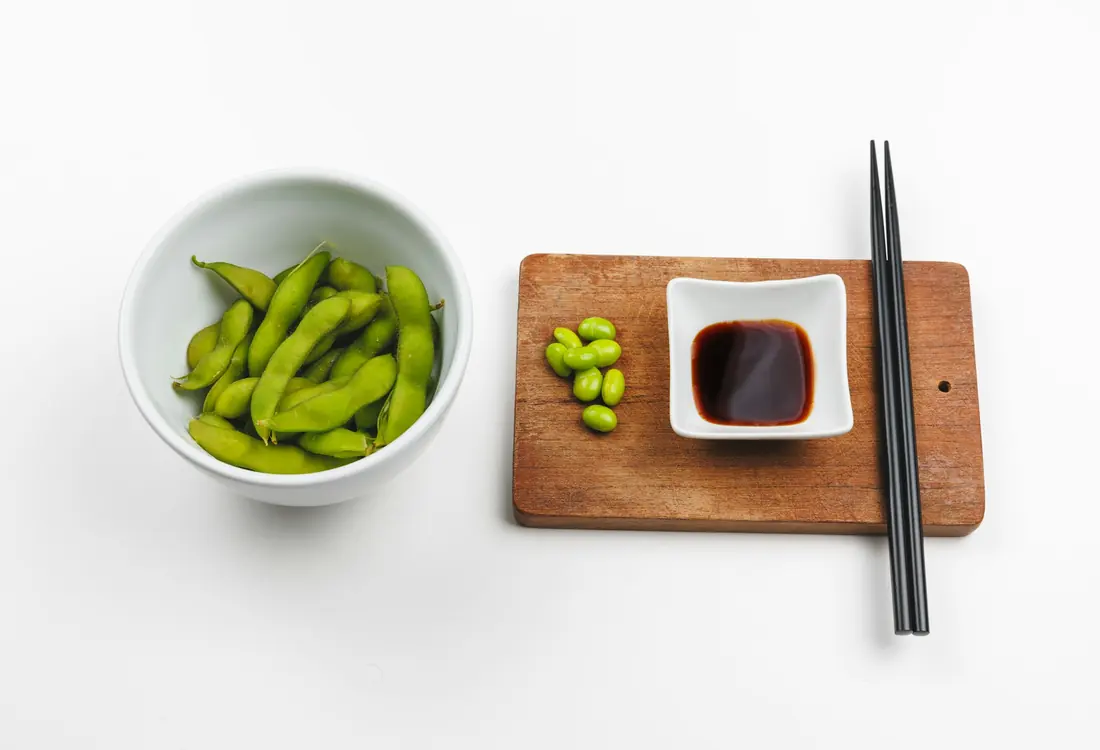
    A bowl of edamame set out with chopsticks

    Seasoned versions

    Plain salted is the standard, but seasoned versions are increasingly common and worth trying if you already know you like the plain one.

    • Chilli – flakes or a light coating of oil, adding heat without changing the texture.
    • Garlic – usually tossed through after cooking, so it stays on the outside of the pod where you will actually taste it.
    • Black pepper or togarashi – a dry seasoning blend scattered over the top.

    All of these work for the same reason the salt does. The seasoning sits on the pod, and the pod passes it to you on the way past.

    Why it works as a starter

    Edamame does something specific at the start of a meal that few other appetisers manage. It occupies a table without filling anyone up, and it takes a while to eat because each pod is a small separate action.

    That makes it a natural thing to put down while the rest of an order is being prepared, particularly with a group, and particularly with children, who tend to find the mechanics of it entertaining.

    It is also about as uncomplicated as restaurant food gets – a vegetable, boiled, with salt – which makes it an easy first thing to put in front of someone who is unsure about the rest of the menu.

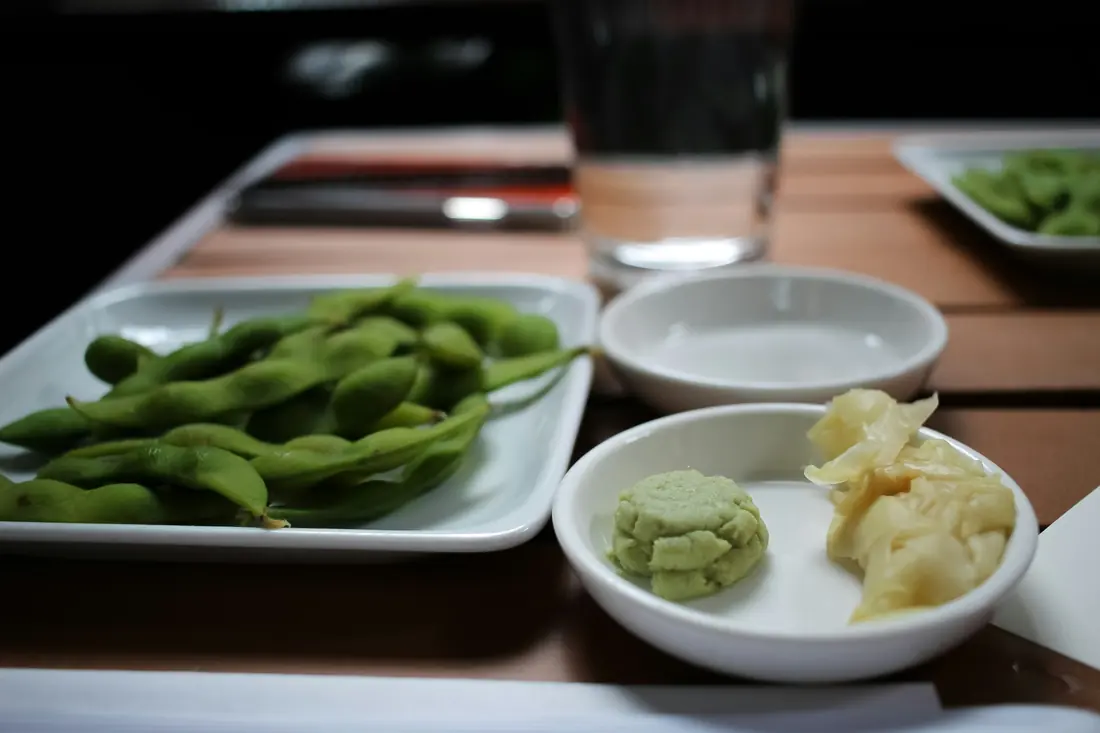
    Edamame pods served on a restaurant table

    Shelled edamame

    You will also come across the beans sold already shelled, without the pods. This is the form used when edamame is an ingredient rather than a dish – scattered through a salad, folded into a rice bowl, or blended into a dip.

    It is the same bean, but the experience is different enough that it is worth treating as a separate thing. Shelled beans lose the salt-on-the-outside trick entirely, so they are seasoned directly and usually taste milder as a result.

    A few practical notes

    • Two bowls is normal. One holds the pods, the other takes the empties. If only one arrives, a corner of the table or the edge of the bowl is fine.
    • Fingers are correct. This is a hands-on dish and nobody expects otherwise.
    • The salt is on the outside. Adding more to the beans after shelling does not do the same thing.
    • Order it early. It is best while warm, and it is designed to arrive before everything else.

    It sits alongside the other soy dishes on the menu, so our guide to tofu covers the pressed version of the same bean and the soup comparison covers the fermented one. The current selection is on the ordering page.

    Frequently Asked Questions

    Are you supposed to eat the edamame pod?

    No. The pod is tough and fibrous and is not eaten. Draw the pod through your teeth so the beans come out, then discard the empty pod.

    What does edamame taste like?

    Mild, faintly sweet and slightly grassy, with a firm texture. Most of the salt you taste is on the outside of the pod rather than on the beans themselves.

    Is edamame the same as a soybean?

    It is the same plant, harvested young. Edamame pods are picked while still green and the beans are soft; mature soybeans are left to dry and become hard.

    Is edamame served hot or cold?

    Both are common. Warm brings out the salt, chilled brings out the sweetness. Which one arrives is a matter of house preference.

    Do you eat edamame with chopsticks?

    Fingers are normal and easier. The technique of drawing the pod through your teeth does not really work with chopsticks.

  • What Is Crab Rangoon? Crab Wontons Explained

    What Is Crab Rangoon? Crab Wontons Explained

    Crab rangoon turns up on almost every Asian restaurant menu in the United States, usually under the appetisers, sometimes under a house name. It is one of those dishes nearly everyone has eaten and very few people could define.

    What is crab rangoon?

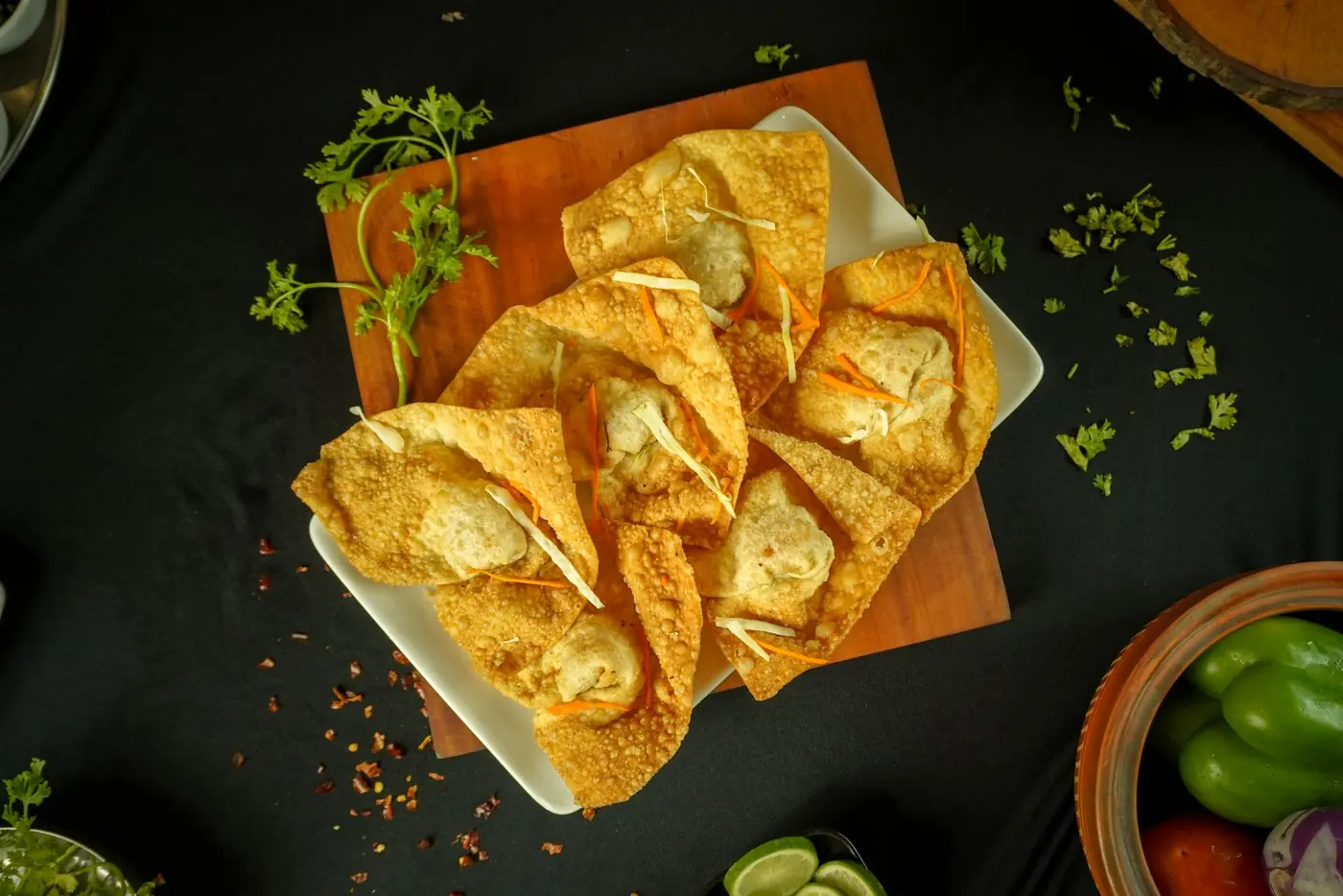
    Crab rangoon is a deep-fried wonton parcel filled with crab and cream cheese, served hot with a sweet dipping sauce. It is an American invention rather than a Chinese one, and the cream cheese is what separates it from a traditional crab wonton.

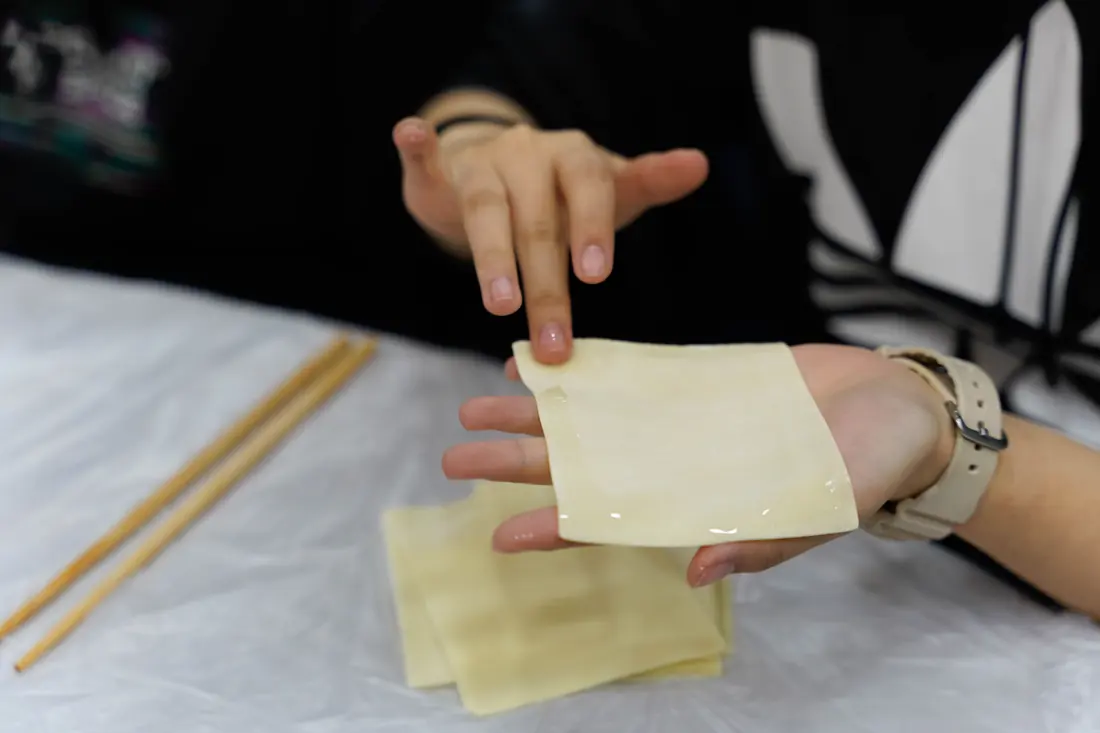
    A stack of square wonton wrappers

    Where it actually comes from

    The dish is generally traced to mid-twentieth-century American tiki restaurants, where Polynesian-themed menus borrowed loosely from several Asian cuisines. The name references Rangoon, now Yangon, but the dish has no particular connection to Burmese cooking.

    The wonton itself is much older. Filled dough parcels are one of the oldest and most widespread forms in Chinese cooking, and Britannica’s entry on dumplings gives a sense of how many variations exist across the region.

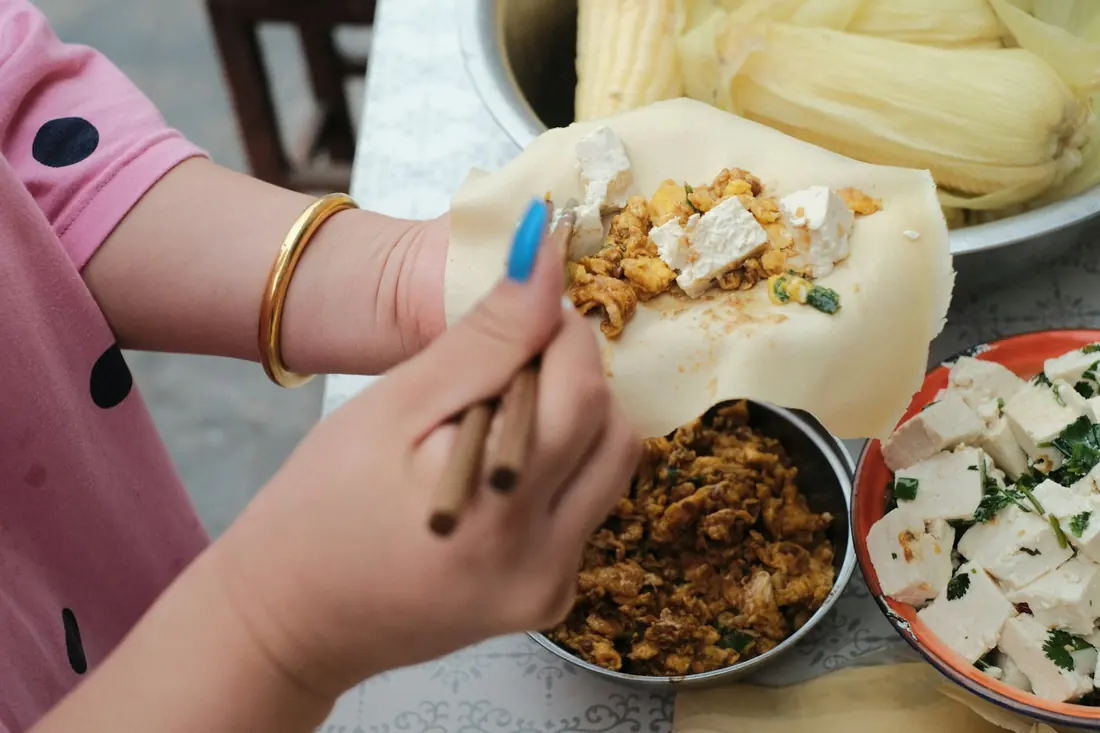
    Filling being spooned onto a wrapper before folding

    Crab rangoon or crab wonton?

    The two names get used interchangeably on menus, which causes most of the confusion. In practice the distinction usually comes down to two things: whether there is cream cheese in the filling, and whether it is fried or steamed.

    Crab rangoonTraditional crab wonton
    FillingCrab and cream cheeseCrab, sometimes with pork or shrimp
    Texture insideRich and creamyFirmer, more savoury
    Cooking methodDeep-friedSteamed, boiled or pan-fried
    OutsideCrisp and blisteredSoft, or lightly crisped
    OriginUnited States, mid-1900sChina, many centuries old
    Usually served withSweet dipping sauceSoy or chilli sauce, or in broth
    How the two are normally distinguished on an American menu.
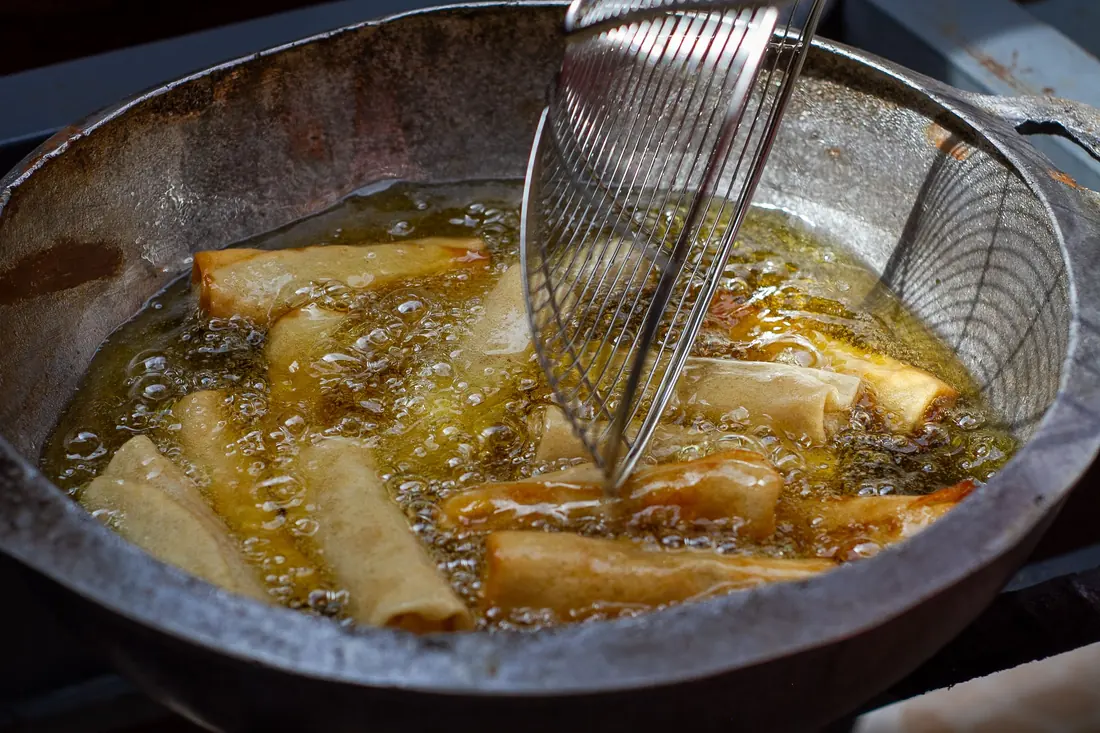
    Wontons frying and turning golden in hot oil

    Because there is no fixed definition, the only reliable guide is the menu description. A kitchen may use either name for either preparation, and plenty use a house name instead.

    How they are made

    The construction is simple, which is part of why the dish is so widespread.

    1. A square wonton wrapper is laid flat.
    2. A spoonful of filling goes in the centre.
    3. The edges are moistened and folded — into a triangle, a purse, or the four-pointed shape most people picture.
    4. The parcel is fried until the wrapper blisters and turns golden.

    The folding matters more than it looks. A parcel sealed badly will open in the fryer, and one packed too full will burst. That is why the good ones hold their shape and the poor ones arrive as loose fried wrappers with the filling gone.

    Steamed wontons in a bamboo basket

    Fried or steamed changes everything

    The same filling behaves completely differently depending on the method. Frying dries and crisps the wrapper, so the contrast between the crunch and the soft centre becomes the point of the dish.

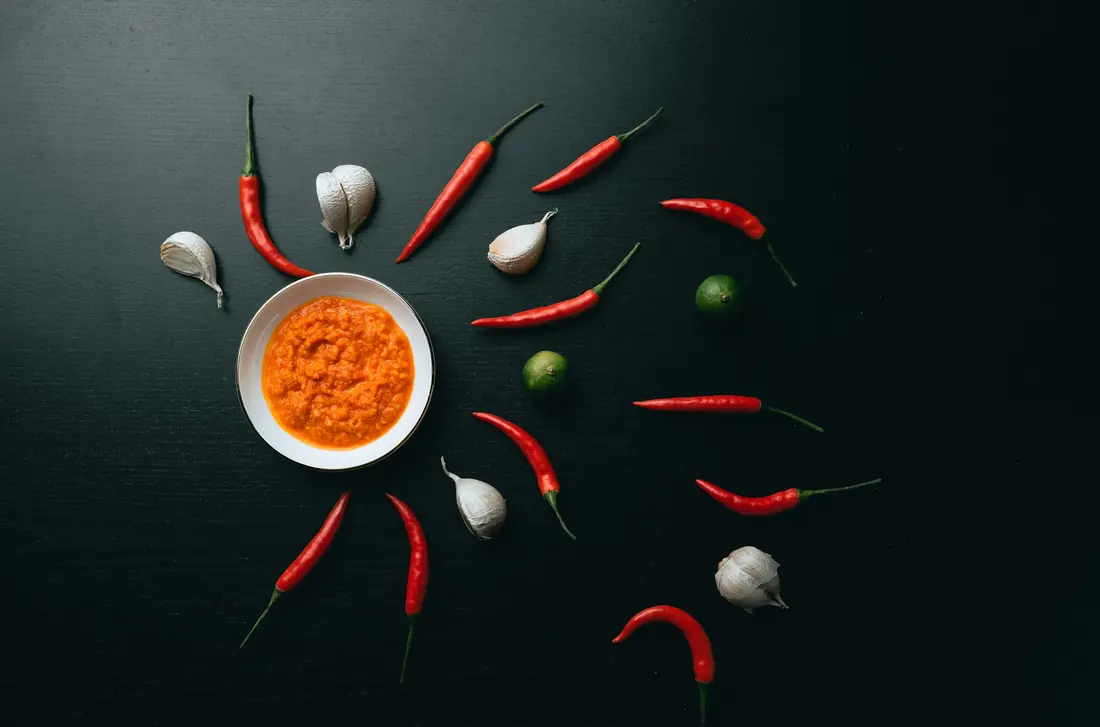
    A dish of chilli dipping sauce surrounded by fresh chillies and garlic

    Steaming keeps the wrapper soft and pliable, which pushes the flavour of the filling forward instead. Neither is better; they are different dishes that happen to share a wrapper.

    What to look for on the menu

    Menu wording tells you most of what you need before you order.

    • “Crab rangoon” — expect fried, creamy and rich.
    • “Crab wontons” — could be either; read the rest of the line.
    • “Stuffed” — indicates a filled parcel rather than a plain fried wrapper.
    • “House made” — the kitchen folds them itself rather than buying them in frozen, which usually shows in the texture.

    Roll & Go Sushi lists Crab Angels, described on the menu as house made specialty stuffed crab wontons. As with any filled appetiser, the description is the thing to read rather than the name, and it is worth asking about the filling if you are avoiding a specific ingredient. You can see the current menu for what is available.

    Why they are on almost every menu

    Crab rangoon spread because it solves several problems at once for a kitchen. The components keep well, the parcels can be folded ahead of service and fried to order, and the flavour profile — fried, creamy, mildly sweet — is broadly familiar to American diners regardless of what else is on the menu.

    That is also why it appears on Chinese, Thai, Japanese and pan-Asian menus alike. It is not native to any of those cuisines. It is a house appetiser that happens to work alongside most of them, and restaurants keep it because people order it.

    The consequence is enormous variation. Two restaurants can serve something under the same name with different fillings, different folds and different sauces, and neither is doing anything unusual.

    The sauce that comes with them

    Most kitchens send a dipping sauce alongside, and which one you get says something about the house style. A sweet chilli sauce is the most common, thin and bright, and it works because the acidity cuts through the cream cheese.

    Others send a darker, thicker sweet-and-sour sauce, or a plum-based one. A few send nothing at all, on the reasoning that a well-made parcel is already seasoned and does not need help.

    None of these is more correct than the others, and the sauce is optional in every case. If you find the filling rich, use it; if the parcels are hot and freshly fried, they usually stand on their own.

    What to order them with

    Fried appetisers work best against something clean. A clear soup is the usual counterweight, and sushi works well for the same reason — cool rice and fish against something hot and crisp.

    What tends not to work is stacking fried items. A tempura roll plus a fried appetiser plus fried rice is a lot of the same texture, and the individual dishes stop registering. Our guide to choosing between the starter soups covers what pairs with what.

    Ordering them as part of a meal

    A portion is usually four to six pieces, which suits two people as a starter and one person as a snack. They are rich, so ordering them alongside other fried items tends to be more than a table actually wants.

    If you are ordering for a group, one portion between three or four works better than one each. They are a shared opener rather than a course, and the richness that makes the first two pieces good makes the fifth much less so.

    Eating them at their best

    These are a time-sensitive dish. The wrapper is crisp for a few minutes and then softens as steam from the filling works outward, so they are the first thing to eat when a table order arrives.

    They are also the item that suffers most from a delivery journey. If you are ordering to take home and want them crisp, collect rather than have them brought, and open the container as soon as you arrive rather than leaving them sealed.

    Spotting a good one

    There are a few reliable signs, and none of them require expertise.

    • The wrapper is blistered rather than uniformly smooth. Blisters mean it hit hot oil properly rather than sitting in oil that had cooled.
    • It holds its shape. A parcel that has burst open lost its filling in the fryer.
    • The colour is even gold, not dark brown. Dark edges usually mean overcooked or old oil.
    • It is hot in the middle. A cold centre means it was fried ahead and reheated.

    The other tell is how quickly they arrive. Fried appetisers are cooked to order in most kitchens, so a five-minute wait is a good sign rather than a bad one.

    Frequently Asked Questions

    Is crab rangoon Chinese?

    No. It is an American dish that appeared in mid-twentieth-century tiki restaurants. The wonton wrapper is Chinese, but the cream cheese filling and the name are not.

    Is there real crab in crab rangoon?

    It varies. Some kitchens use crab meat, others use an imitation seafood blend. If this matters to you, ask the restaurant rather than assuming from the name.

    What is the difference between crab rangoon and crab wontons?

    Crab rangoon is normally fried and contains cream cheese. Crab wontons may be steamed or fried and usually have a firmer, more savoury filling. Menus use both names loosely.

    What sauce is served with them?

    Usually a sweet dipping sauce, often sweet chilli or a sweet-and-sour style. It is there to cut the richness of the filling.

    Fried, creamy and American, whatever the menu calls it. Read the description rather than the name, and eat them while they are still hot.

    Have a look at the appetisers and specialty items, or read about how the house rolls are built.