
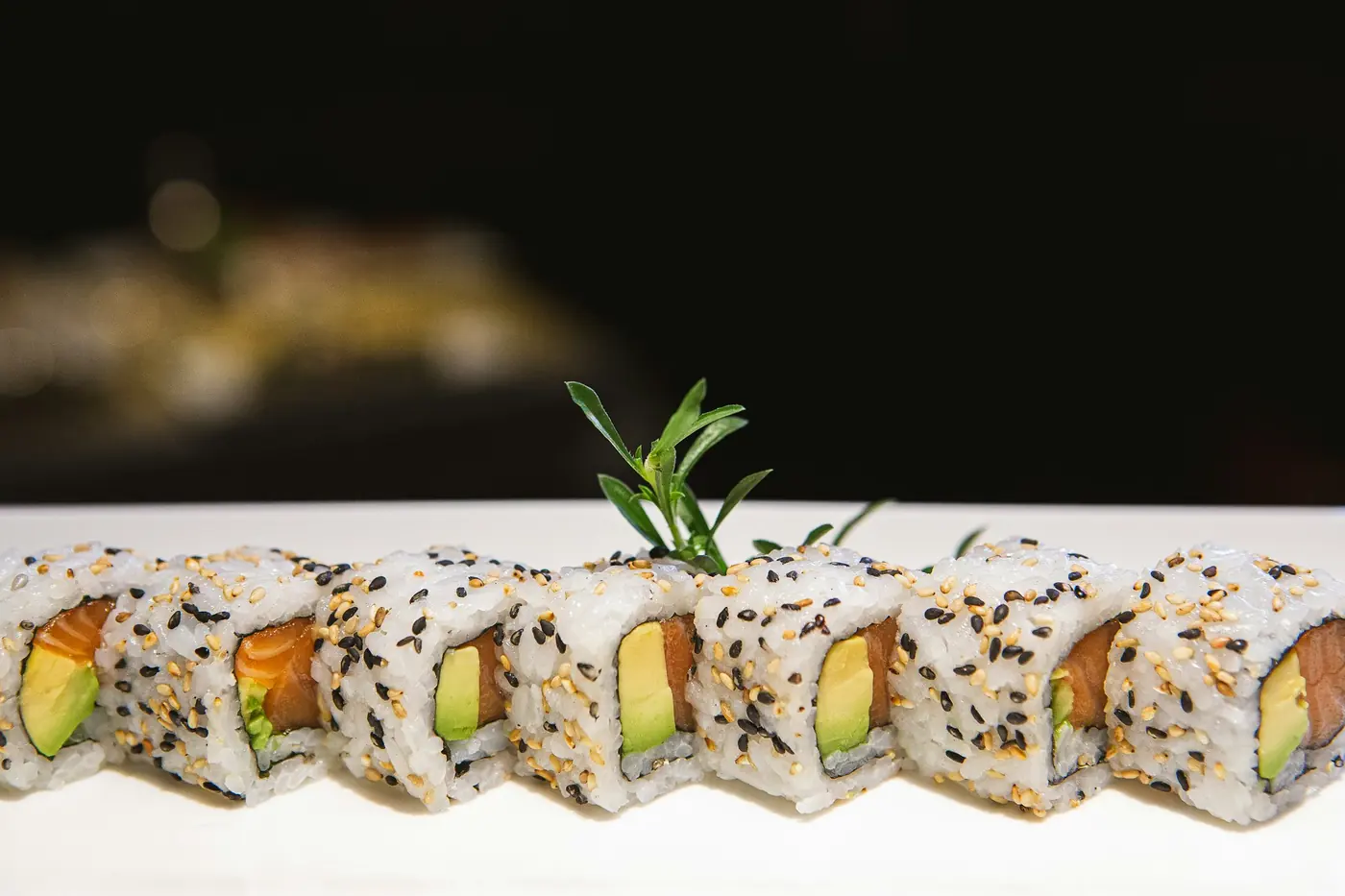
Being taken to a sushi restaurant when you do not eat fish is a common and entirely solvable problem. The menu at most Japanese and pan-Asian kitchens is much wider than the sushi section, and even inside that section there is more available than it first appears.
Start by looking past the sushi
The single most useful thing to know is that sushi is one part of the menu rather than the whole of it. Grilled plates, soups, noodles and appetisers are all full options in their own right, and none of them need involve fish at all.
This is worth saying plainly because a lot of advice on this question stays inside the roll section and ends up recommending a cucumber roll to someone who would have been much happier with a grilled plate.
If you want to stay with sushi
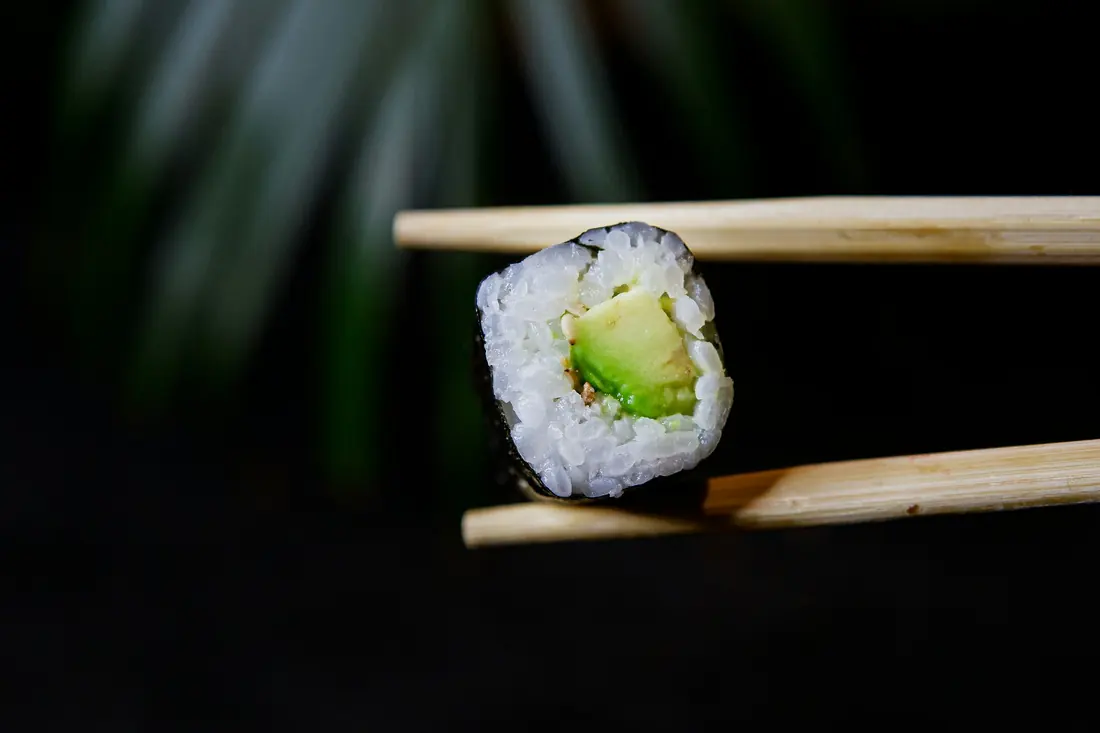
Vegetable rolls are the obvious answer and they are genuinely good rather than a consolation. Avocado, cucumber and pickled radish rolls are all standards, and avocado in particular gives a roll the richness that fish usually provides.
Sushi itself was never exclusively about raw fish – Britannica’s entry on sushi sets out how the form developed around the seasoned rice rather than around any one topping.
One thing to watch for
This is the trap in the standard advice: the crab in most rolls is not crab, and it is not fish-free. Imitation crab – the “crab mix” that fills so many rolls – is made from white fish, usually pollock.
So a California-style roll, which is frequently recommended as the safe option for people who do not like fish, contains fish. If that matters to you, it is worth knowing before rather than after.
Genuinely fish-free rolls are the vegetable ones, and the cooked rolls built around chicken or shrimp where those are offered. If you are unsure about a particular roll, ask what the filling is – it is a normal question.
If you eat shellfish but not fish
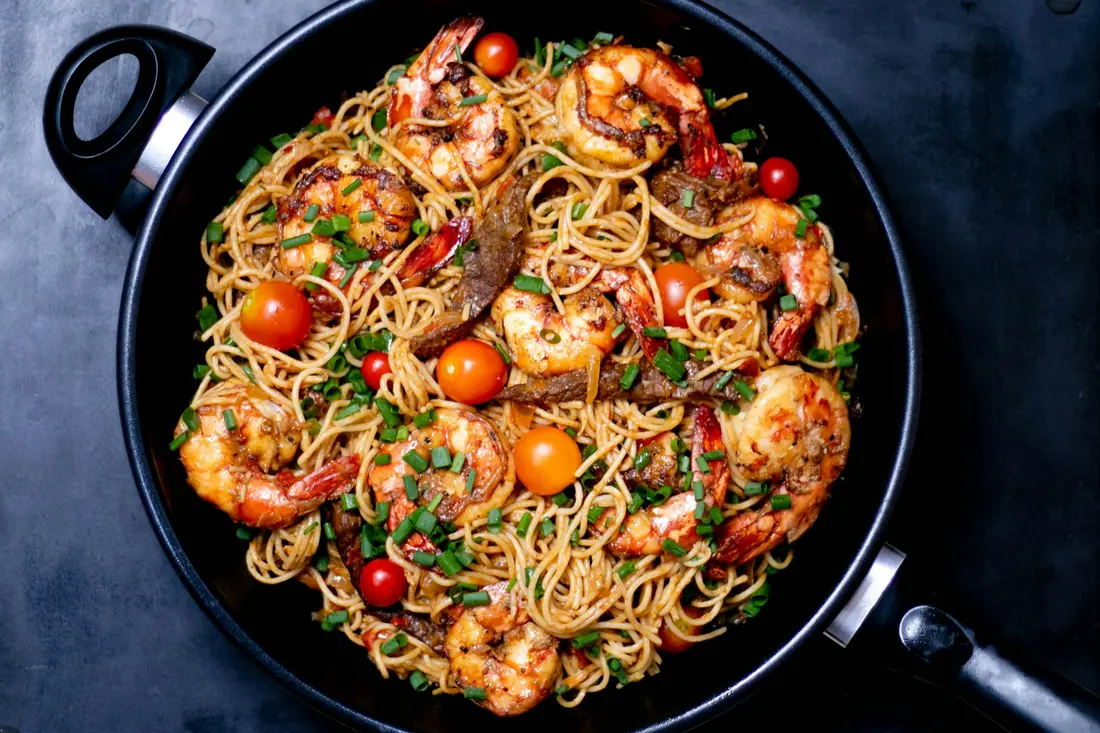
This is a common position and it opens up most of the menu. Shrimp appears in cooked rolls, in tempura, on hibachi plates and through noodle dishes, and none of it involves fish.
The one thing to watch is that shrimp and crab are frequently listed together on a menu, and “crab” in a roll usually means the fish-based imitation version rather than shellfish. Shrimp is reliably shrimp; crab often is not.
Stated plainly to the kitchen – “no fish, shellfish is fine” – this is an easy order to fill, and it is worth saying rather than working it out from the menu.
The grill is the easiest answer
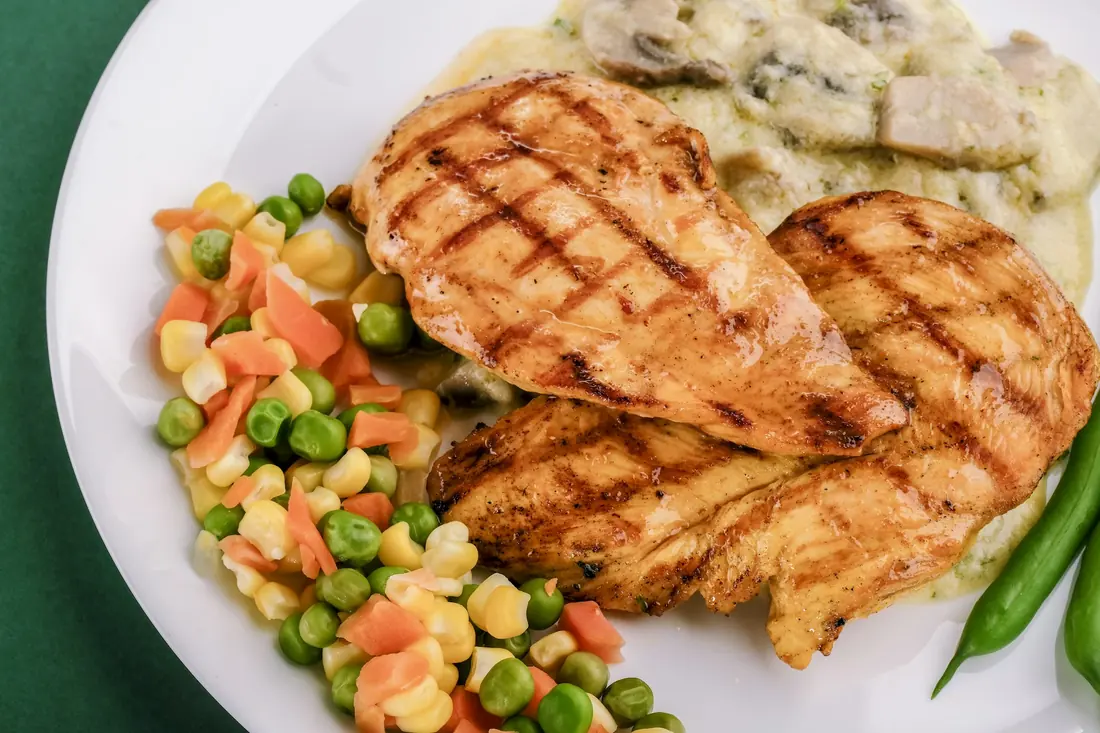
If sushi is not appealing at all, a hibachi plate solves the problem completely. Grilled protein, rice and vegetables on one plate, with a soup or salad to start, and nothing on it that needs explaining.
It is also the order least likely to feel like a compromise, which matters if everyone else at the table is enthusiastic about the sushi. You are not eating around the menu; you are eating a different part of it.
Soups and noodles
Both are strong options and both usually have versions that work.
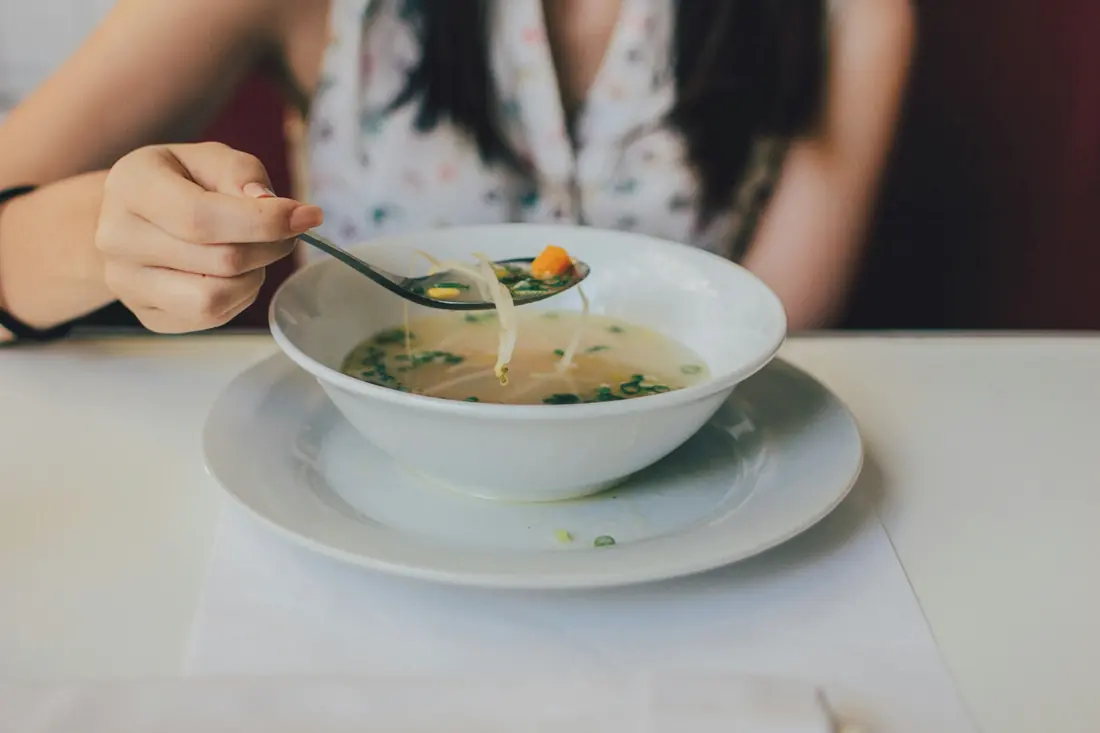
- Onion soup – a clear broth with fried onions, mushrooms and scallions, and nothing fish-related about it.
- Noodle dishes – stir-fried noodles come with a choice of protein in most kitchens, so chicken, beef or vegetables are all available.
- Noodle soups – beef, chicken and vegetarian versions are standard where they are offered.
One caution worth knowing: miso soup contains a seaweed element and is built on a soybean paste, and some broths use a fish-based stock. If that matters, the onion soup is the more predictable choice.
Where to be careful
| Usually fine | Worth asking about | |
|---|---|---|
| Rolls | Vegetable rolls, chicken rolls | Anything with “crab mix” or “krab” |
| Grill | Chicken, beef, vegetable plates | Sauces, which vary by kitchen |
| Soups | Onion soup | Any broth, which may use a fish stock |
| Noodles | Vegetable and meat versions | Whether the sauce contains fish |
| Appetisers | Edamame, vegetable rolls | Anything described as seafood |
The right-hand column is not a warning so much as a reminder that these are reasonable questions. Kitchens field them constantly.
The appetisers are safer than you would think
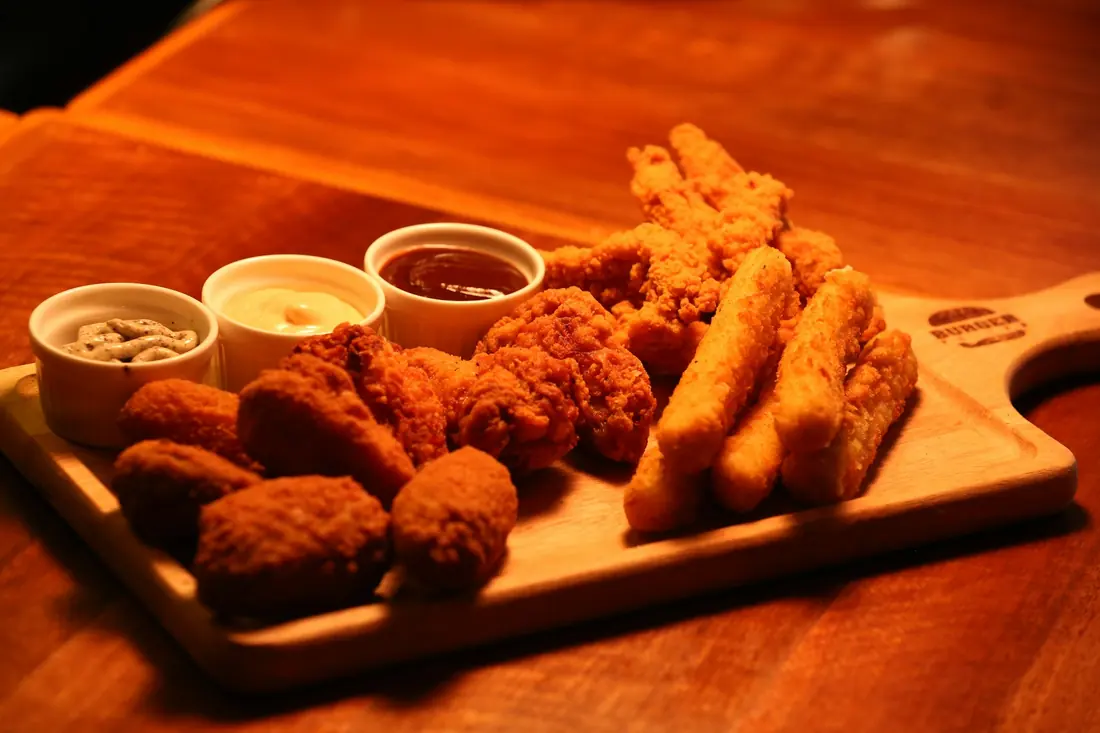
Edamame is the simplest option on almost any Japanese menu – young soybeans in the pod, boiled and salted, with nothing else involved. Fried vegetable appetisers and spring rolls are similarly straightforward.
If you are ordering for a table where only one person avoids fish, appetisers are the easiest place to make sure that person has something to eat while everyone else works through the rolls.
Ordering for a table where one person avoids fish
The mistake is treating it as a separate order made alongside everyone else’s. It works much better to build the shared part of the table around what everybody can eat, and let the sushi be the thing individuals add on top.
- Share the appetisers. Edamame and vegetable starters work for the whole table.
- Order one grill plate to the middle. Rice and grilled vegetables divide easily and give a fish-free anchor.
- Let the rolls be individual. Nobody has to compromise on those if the shared food already covers everyone.
Done this way the person avoiding fish is eating the same meal as everyone else rather than a parallel one, which is usually the actual concern.
The rice and the sauces are usually fine
Two things people worry about unnecessarily. Sushi rice is seasoned with vinegar, sugar and salt – there is no fish in it, and it is the same rice under every roll on the menu.
Most of the sauces are also straightforward. Soy sauce is made from soybeans and wheat. The sweet dark glaze often called eel sauce is usually a soy-and-sugar reduction rather than anything made from eel, despite the name. The pale creamy sauces on grilled plates are mayonnaise-based.
The exceptions are broths and any dashi-based seasoning, which frequently use a fish stock. That is the one category genuinely worth asking about rather than assuming.
How to ask without making it awkward
The most efficient phrasing is a statement followed by a question: “I don’t eat fish – what would you suggest?” That gets a better answer than working through the menu item by item, because the kitchen knows what it has.
It is also worth being specific about what you mean. Some people avoiding fish are fine with shellfish; some are not. Some avoid raw fish but eat it cooked. Those are three different orders, and saying which one you are saves everybody time.
For more on the individual options, our guide to cooked and raw rolls covers what is safe to order from the sushi section, the hibachi plate guide explains the grill option in full, and the edamame piece covers the simplest starter on the menu. The current selection is on the ordering page.
An order that always works
If you want a single answer to fall back on: edamame to start, a hibachi plate with steamed rice, and an avocado or cucumber roll alongside it if the table is sharing sushi. Nothing in that order involves fish, none of it needs explaining to the kitchen, and it is a full meal rather than a collection of side dishes.
Frequently Asked Questions
What can I eat at a sushi restaurant if I don’t like fish?
A great deal. Vegetable rolls, hibachi plates, stir-fried noodles, onion soup and most appetisers all work. The grill is usually the easiest full meal.
Is a California roll safe if I don’t eat fish?
Not necessarily. The crab in most rolls is imitation crab, which is made from white fish. Vegetable rolls are the reliable choice.
Are there sushi rolls with no fish at all?
Yes – avocado, cucumber and pickled vegetable rolls are standard, and some kitchens offer cooked chicken or shrimp rolls.
Does miso soup contain fish?
It is built on soybean paste, but some broths use a fish-based stock. If that matters, an onion soup is the more predictable option.
What is the easiest thing to order?
A hibachi plate. Grilled protein, rice and vegetables, with a soup or salad – a complete meal with nothing on it that needs explaining.